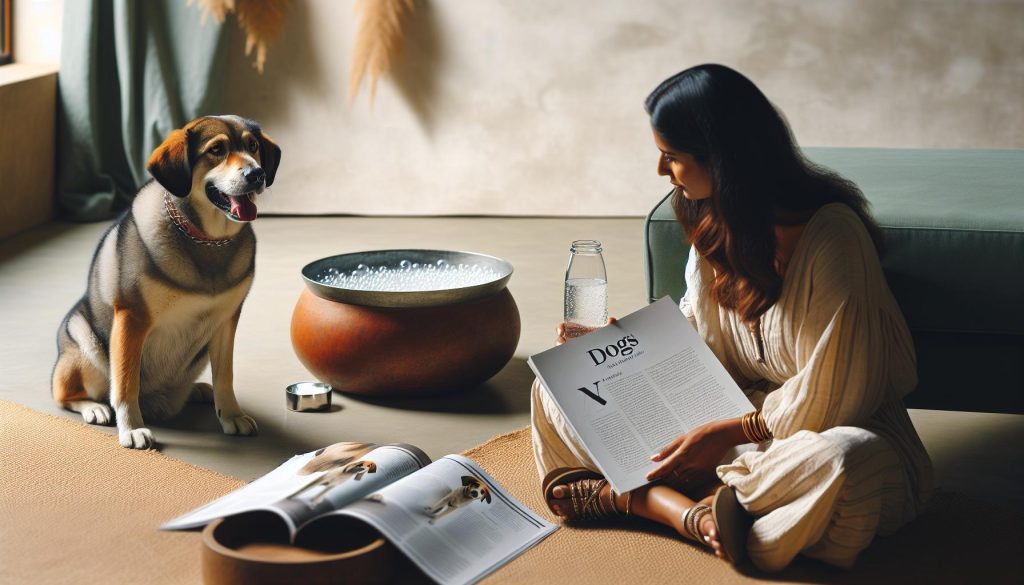
Have you ever watched your dog curiously sniffing at your fizzy drink, their eyes wide with intrigue, and wondered if they could safely share in the fun? You’re not alone! Many dog owners grapple with the question: can dogs drink fizzy water? While it may seem harmless to offer a taste, understanding the implications of carbonation on your pup’s health is crucial. In this article, we’ll explore whether carbonated drinks are safe for dogs, what potential risks they pose, and how to keep your furry friend hydrated without worry. Join us on this journey to ensure your canine companion stays healthy and happy while satisfying their curiosity!
Can Dogs Drink Carbonated Water? Understanding the Basics
While it might seem harmless to share a sip of your fizzy drink with your canine companion, the reality is a touch more complicated. Many dog owners often wonder, “Can dogs drink carbonated water?” The short answer is yes, dogs can drink carbonated water in moderation. However, it’s essential for pet owners to understand the implications thoroughly.
Dogs are naturally curious creatures, and the sight of bubbles can intrigue them. The carbonation in sparkling water is a result of carbon dioxide being dissolved into the water, creating those enticing bubbles. But this process does not inherently make carbonated water harmful to dogs. Most of the time, the carbonated water itself-without any additives or sweeteners-won’t cause immediate harm. However, some dogs may experience gas or bloating from the bubbles, leading to discomfort. It’s worth noting that while carbonated water may not be toxic, it really doesn’t provide any nutritional benefits either.
For those considering sharing a bubbly drink with their pets, it’s crucial to ensure that the water is free from sugars, flavorings, or other additives, all of which could be harmful. Instead, stick to plain carbonated water and observe how your dog reacts. If you notice any signs of distress or discomfort after they drink it, it may be best to avoid carbonated beverages altogether. Regular, fresh water remains the superior choice for keeping your furry friend hydrated and healthy.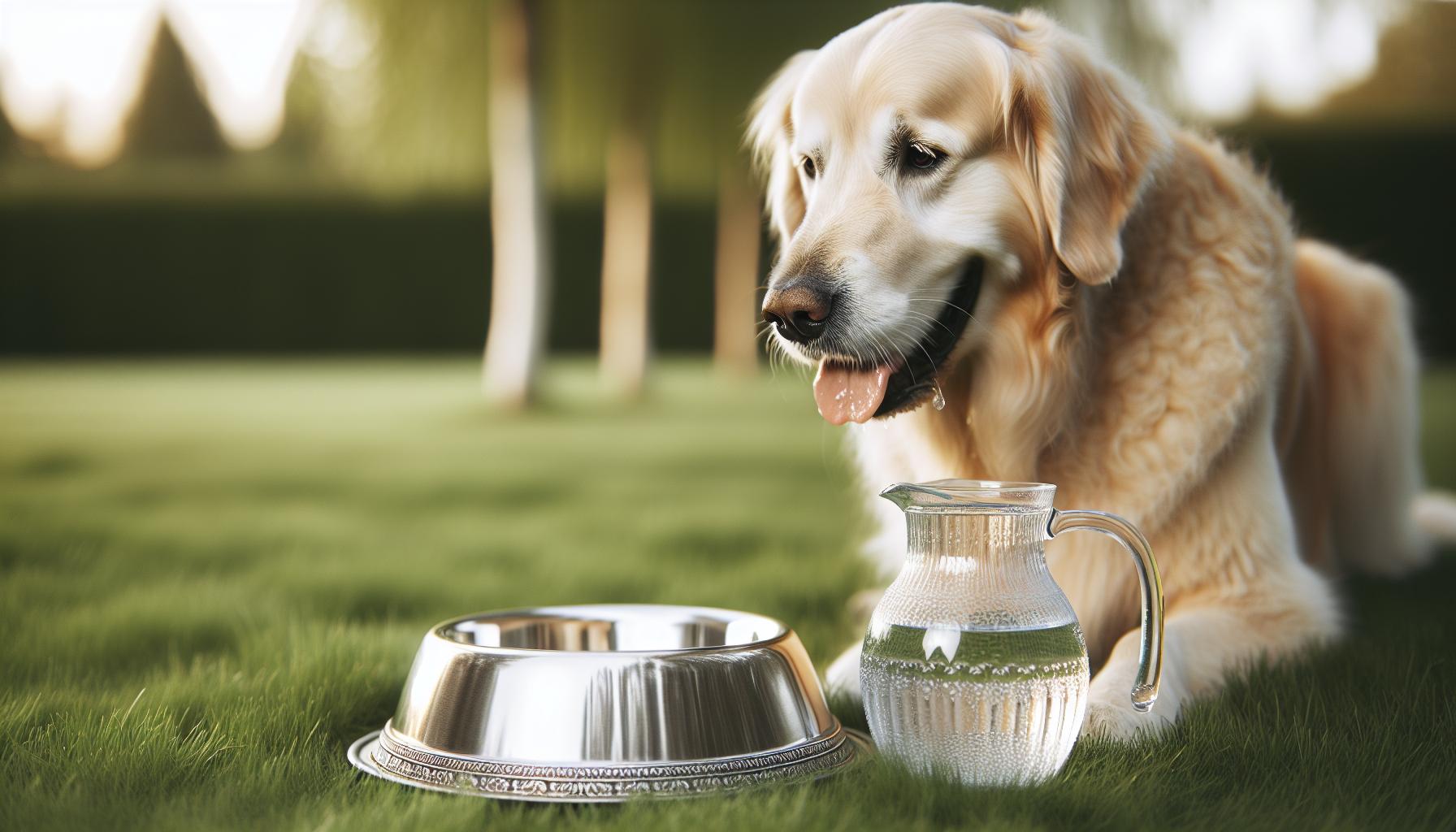
Why Do Dogs Love Water? The Importance of Hydration
Dogs are incredible creatures, and their love for water is often an endearing part of their personalities. Water plays a critical role in their overall health and well-being, assisting with vital bodily functions, temperature regulation, and irritation management. Hydration is particularly essential because, just like humans, dogs cannot survive without sufficient water intake. In fact, without water, they can develop dehydration quickly, especially after playtime or a walk on a hot day.
Many dogs instinctively gravitate toward water sources, whether it’s a bowl indoors or a stream during outdoor adventures. Their natural love for water stems from a combination of biological needs and instinctive behaviors. Water not only quenches their thirst but also aids digestion, prevents urinary tract infections, and supports kidney function. Moreover, keeping your pup well-hydrated can help sustain their energy levels, especially in active breeds like Labradors and Border Collies.
When considering whether to offer your furry friend carbonated water, it’s crucial to remember that while we humans find the fizz enjoyable, not all dogs share this sentiment. Some might find the bubbles intriguing at first but can experience discomfort from gas or bloating afterward. Instead of introducing carbonated options, strive to provide fresh, clean water as their primary source of hydration. Keeping multiple water bowls around the house and ensuring they are always filled can encourage your dog to drink more throughout the day.
Here are some practical tips to enhance hydration for your dog:
- Frequent Water Changes: Refresh your dog’s water bowl regularly to keep it appealing.
- Encourage Water Breaks: During walks or play, offer water breaks to keep their hydration levels balanced.
- Flavor Considerations: If your dog is reluctant to drink, you can add a splash of low-sodium broth to entice them.
- Monitor Intake: Keep an eye on their drinking habits; adjustments might be needed based on activity levels or temperature changes.
By being mindful of your dog’s hydration needs and maintaining a consistent water supply, you can help them thrive both physically and mentally, ensuring their adventures remain safe and joyful.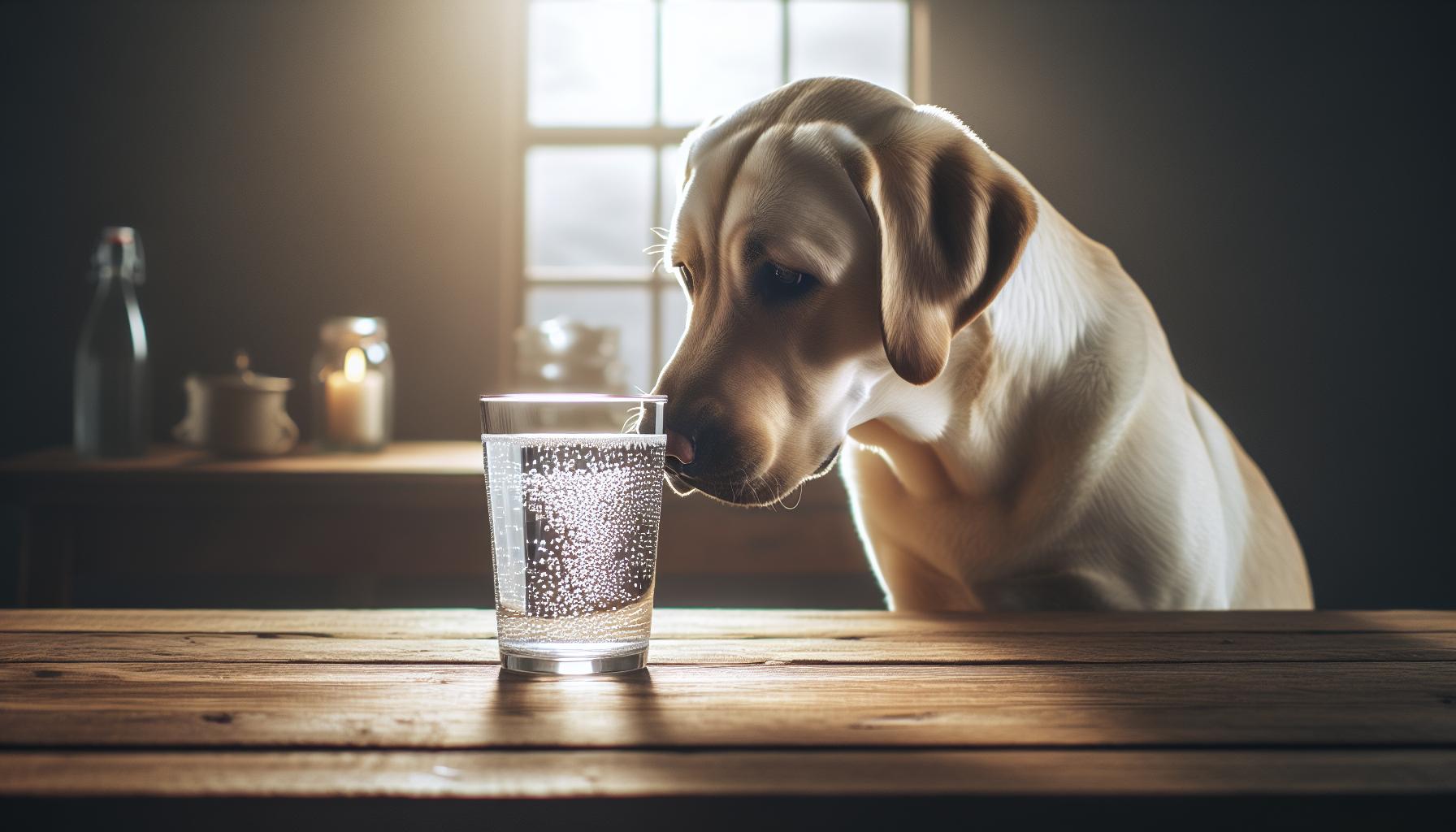
The Science of Carbonation: How It Affects Dogs
When considering the impact of carbonation on our canine companions, it’s fascinating to delve into how dogs react to carbonated beverages. Unlike humans, dogs do not naturally seek out carbonated drinks. Their bodies are designed to process still water, which is essential for hydration and bodily functions. The bubbles found in fizzy water can lead to discomfort as they introduce gas into the digestive system, potentially causing bloating and gastrointestinal issues. This can be particularly concerning for dogs that are predisposed to digestive sensitivities or those prone to conditions like bloat.
The science behind carbonation primarily revolves around the formation of carbonic acid when carbon dioxide is dissolved in water. This slightly acidic environment can irritate some dogs’ stomachs, making them feel uneasy or even nauseous. Additionally, the carbonation can lead to excessive gas, which might manifest as burping or flatulence, neither of which are enjoyable for our pets. While some dogs may initially be curious about the fizz, continued consumption can be problematic and may lead them to avoid water altogether if they associate it with discomfort.
It’s crucial to remember that not all beverages hydrate equally. Carbonated water, especially when flavored or sugary, can contribute to health issues. Many flavored sparkling waters contain artificial sweeteners or additives that can be toxic to dogs, such as xylitol. Therefore, it’s best practice for pet owners to err on the side of caution and stick to plain, fresh water. Offering options like ice cubes on warm days or adding low-sodium broth to their water can encourage hydration without the risks associated with carbonation.
In summary, while the idea of sharing fizzy drinks with our dogs might be tempting, the potential negative effects on their health should steer us toward providing only still water. Observing how your dog reacts to various hydration methods can lead to better choices in their diet and overall well-being.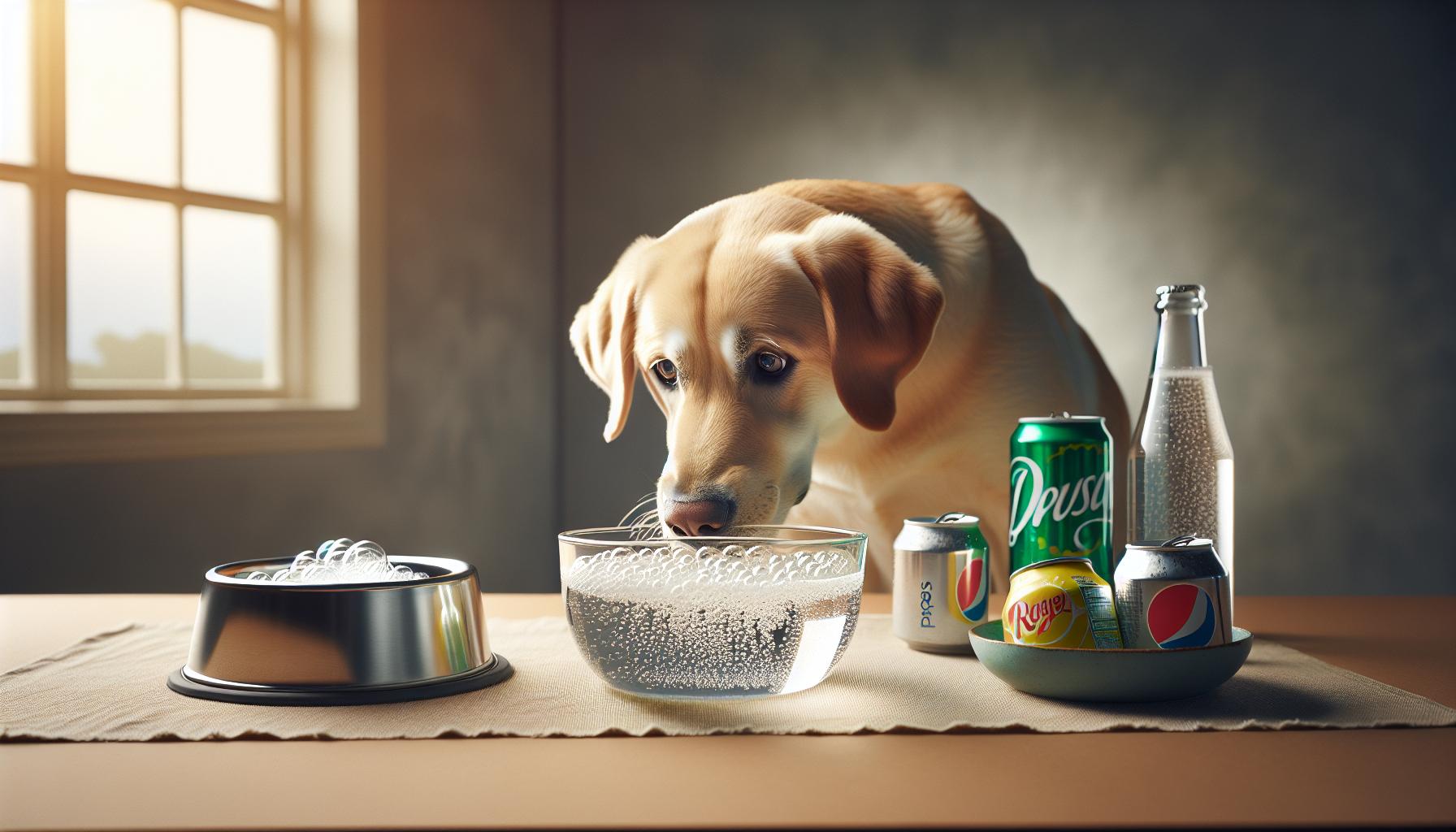
Potential Risks of Carbonated Water for Dogs
When it comes to our furry friends, the thought of sharing our fizzy drinks might be a lighthearted idea, but the potential health risks associated with carbonated water for dogs should not be taken lightly. While it may seem harmless to allow our pooches to indulge in a sip of sparkling water, there are several reasons why this practice could lead to discomfort or health issues.
Firstly, the carbonation in fizzy water can cause significant digestive distress. Dogs are not equipped to process bubbles in the same way humans can; the introduction of carbon dioxide gas into their digestive systems can lead to bloating, gas, or even discomfort. Smaller breeds or dogs with existing digestive sensitivities may be particularly prone to these side effects. For instance, a tiny Chihuahua might suffer more from gas buildup compared to a larger breed due to their smaller stomach capacity, leading to more noticeable signs of distress.
Moreover, if the sparkling water is flavored or contains additives, the risks increase. Many commercially available flavored sparkling waters contain ingredients that are toxic to dogs, like xylitol-an artificial sweetener that is highly harmful and can cause severe health issues, including liver failure. Even if the sparkling water is free of additives, the acidic nature of carbonation can irritate a dog’s stomach lining, potentially resulting in nausea and vomiting.
To protect our canine companions, pet owners should always prioritize plain, fresh water. Encouraging good hydration with simple alternatives like adding ice cubes to their bowl or using a pet-safe herbal infusion can make their drinking experience more enjoyable without the potential pitfalls of carbonation. Paying attention to your dog’s drinking habits and their reactions to different hydration methods can ensure they remain happy and healthy while satisfying their thirst.
Safe Alternatives to Fizzy Water for Your Canine
While the idea of sharing a fizzy drink with your dog might bring a smile, it’s essential to know that carbonation is not safe for our canine companions. Fortunately, there are numerous appealing alternatives that can keep your furry friend hydrated and happy without the risks associated with sparkling water.
One enjoyable and safe alternative is plain, fresh water, which should always be the primary source of hydration for dogs. For a little extra fun, consider adding ice cubes to their water bowl. Many dogs love chewing on ice, and it can provide an excellent way to cool them down on warm days. Moreover, you might try creating delicious pet-safe herbal infusions. Ingredients like chamomile or mint can be brewed into a refreshing drink for your dog, provided they don’t have any allergies to these herbs. Let the infusion cool, and serve it in place of regular water occasionally to spice up their hydration routine.
For pet owners seeking variety, consider bone broth as a flavorful drink option. Homemade or store-bought (ensure it’s free from onions and other harmful ingredients), bone broth is not only tasty but also packed with nutrients that support your dog’s joint health and digestion. You can serve it directly or mix it into their regular food for an extra treat. Additionally, some pet-safe fruit purees-like pureed watermelon or pumpkin-diluted with water can create a tasty and nutritious drink that adds hydration while delighting your dog’s palate.
Lastly, for dogs who adore a challenge, try making frozen treats. Fill silicone molds with blended fruits (like bananas or blueberries), a bit of water, and freeze them. These homemade popsicles are not only hydrating but provide an exciting way for dogs to enjoy a hot day. Always ensure that any ingredients you use are safe for dogs and suitable for their dietary needs, keeping their health in focus as you explore these fun alternatives to fizzy water.
Can Specific Dog Breeds Handle Carbonation?
It’s a common sight: you take a sip of your fizzy drink, and your curious dog eyes you with a hopeful gaze. But as adorable as that looks, it’s crucial to know how different dog breeds respond to carbonation. While some dogs might seem unbothered by a small sip of sparkling water, the truth is that carbonation is not inherently safe for any breed, regardless of their size or temperament.
Dogs, by nature, are not equipped to handle carbonation in the same way humans do. Their digestive systems can be sensitive to the sudden influx of gas, which can lead to discomfort or even health issues. For example, breeds known for their sensitive stomachs, like Bulldogs or Dachshunds, could experience bloating or gas after ingesting carbonated beverages. These breeds often have a predisposition to digestive issues, and adding carbonation could exacerbate those problems.
Larger breeds such as Great Danes or Mastiffs might tolerate carbonation better due to their size, but that doesn’t mean it’s a good idea. In fact, because of their larger volume, they might consume more of the fizzy drink inadvertently, increasing the risk of gastrointestinal distress. Furthermore, energetic breeds like Border Collies or Labrador Retrievers, known for their playful natures, may not be able to recognize the signs of discomfort until it’s too late. It’s essential for owners to remain vigilant and avoid all forms of carbonation altogether, ensuring only fresh water or safe alternatives are offered.
From a practical standpoint, establishing hydration habits early on is crucial for any dog, regardless of breed. Dogs thrive on consistent routines; thus, offering them only standard freshwater reinforces the idea that purity is best. If you ever find yourself wanting to experiment with flavors, consider the aforementioned alternatives like bone broth or frozen fruit pops. Not only do these options keep the hydration routine interesting, but they also promote good health without the risks associated with carbonated beverages. As always, if you’re ever unsure about what your pup can safely consume, consulting with a veterinarian is a practical step to ensure your furry friend stays happy and healthy.
Signs Your Dog Might Be Upset by Fizzy Water
Curious dog owners might be tempted to share a sip of that fizzy beverage with their furry friends, but it’s important to watch for any signs that carbonated water isn’t sitting well with their stomachs. Just like humans, dogs can experience discomfort, and their body language can be quite revealing. If your pup seems a bit off after tasting a bit of bubbly, there are several behaviors and physical signs to keep an eye on.
Watch for excessive drooling or lip smacking; these can indicate nausea. Dogs that aren’t feeling well may also seek out a quiet spot away from the action. In addition to changes in behavior, be alert for physical symptoms such as belching or gurgling sounds from their stomach, which suggest the buildup of gas or bloating. If your dog starts pacing or looks uncomfortable after consuming fizzy water, it could be time to act.
It’s also wise to observe your dog’s eating habits in the hours following their carbonation encounter. If they refuse to eat or drink water, or if they show signs of discomfort when you touch their belly, trust your instincts-these are all signs they might be upset by the carbonation. While some breeds, like Bulldogs or Dachshunds, may exhibit these symptoms more readily due to their sensitive digestive systems, all dogs can potentially exhibit distress from carbonated beverages.
As responsible pet parents, it’s essential to be proactive. If you notice these signs, consider providing them with plain water to help flush out their system and ease their discomfort. Always consult a veterinarian if symptoms persist, as they can help rule out any underlying issues and provide you with personalized advice to keep your furry friend happy and healthy. Recognizing these signs early can not only prevent discomfort but also enhance your dog’s overall well-being.
What to Do If Your Dog Drinks Carbonated Water
If your dog has managed to sneak a sip of carbonated water, it’s understandable to feel a surge of concern. While carbonated drinks are generally not ideal for dogs, the immediate response you can make is crucial. Firstly, monitor your pup closely for any signs of discomfort or distress. This can include excessive drooling, lip-smacking, belching, or even gurgling sounds from their stomach. If your dog appears to be pacing or seeks a quiet corner away from the usual chaos, these are red flags that something isn’t quite right.
Steps to Take if Your Dog Consumes Carbonated Water
- Provide Fresh Water: The first step is to ensure your dog has access to plenty of fresh, still water. This can help flush out any carbonation effects and encourage hydration, countering potential gas buildup.
- Observe Their Behavior: Keep an eye on your dog for the next several hours. Look for continued signs of discomfort such as whining, refusal to eat, or changes in their usual playfulness. If they remain lethargic or anxious, this may indicate a need for further action.
- Limit Physical Activity: If your dog seems unsettled, consider keeping them calm and avoiding strenuous activities. A relaxing environment can assist in reducing stress on their digestive system.
- Consult Your Veterinarian: If your dog exhibits persistent symptoms like vomiting, inability to keep water down, or signs of severe gas or bloating, it’s time to call the vet. They can provide advice tailored to your dog’s specific situation and situation.
When to Worry
While occasional sips may not lead to serious issues, certain breeds are known for having more sensitive stomachs. For example, Bulldogs and Dachshunds may be more prone to digestive upset due to their unique anatomical features. Should you notice any of the aforementioned symptoms worsening or continuing beyond a few hours, seek professional help.
Taking these steps can mitigate any potential risks associated with your dog drinking fizzy water. Always prioritize their well-being by observing changes and maintaining open communication with your vet for comprehensive pet care.
Expert Opinions: Veterinarians Weigh In on Carbonation
While it might be amusing to watch your dog curiously sniff and taste the fizz in carbonated water, veterinarian insights reveal that this habit may not be as harmless as it seems. Many veterinarians recommend avoiding giving dogs fizzy drinks altogether. The primary reason is that carbonation can create gas bubbles, leading to discomfort or even digestive upset in some dogs. Dr. Emily P. Smith, a veterinary nutritionist, explains, “A dog’s digestive system is not designed to process carbonated beverages. While a small amount may not pose an immediate threat, larger quantities can lead to significant bloating or gas accumulation, especially in predisposed breeds.”
Notably, certain breeds with shorter snouts, such as Bulldogs and Pugs, might struggle more with carbonation. Their unique anatomy makes them prone to respiratory issues and digestive problems. Dr. Michael Jordan, a veterinarian with years of experience, adds, “These breeds tend to have sensitive stomachs, and fizzy water can exacerbate their discomfort. It’s best to offer them fresh, still water to keep them hydrated without risking potential gastrointestinal distress.”
When it comes to hydration, experts emphasize the importance of providing dogs with an ample supply of fresh water. Dr. Clara H. Thompson, a small animal veterinarian, suggests that “encouraging dogs to drink water is essential for their health, especially during hot weather or after exercise.” If you do find your dog sneaking a sip of carbonated water, it’s crucial to monitor them closely for any signs of unease and consult your veterinarian if symptoms arise. You can also enhance your dog’s hydration experience by offering ice cubes or specially formulated dog-friendly flavored waters that encourage drinking without the risks associated with carbonation.
In conclusion, while an occasional mischievous sip of fizzy water may not seem critical, the consensus among veterinarians is clear: it’s preferable to err on the side of caution. Prioritize your furry friend’s health by sticking with still water options and seeking veterinarian guidance whenever necessary.
Owner Experiences: Real Stories About Dogs and Fizzy Water
While it’s amusing to see our pups curiously investigate a bubbling drink, many dog owners have learned the hard way that letting their furry friends sip on carbonated water can lead to some unexpected consequences. One owner, Jamie, a proud Golden Retriever enthusiast, shared her experience at a recent picnic. She let her dog, Charlie, take a tiny lick from her sparkling water can. At first, Charlie looked delighted, but shortly after, he began to burp and act restless. Jamie soon realized that the fizz didn’t sit well with him, leading to a very uncomfortable afternoon, as he couldn’t seem to find a peaceful spot to relax. This incident taught her that while our dogs might be curious, not all human treats are suitable for them.
In another story, Alan, who owns a French Bulldog named Bella, faced a similar situation. Bella was known for her mischievous antics and loved to sample anything left unattended. When Alan caught her trying to sneak a sip of his soda, he swiftly intervened, but it was too late. That evening, Bella exhibited signs of digestive discomfort, prompting a late-night visit to the vet. It turned out that her sensitive stomach reacted poorly to even a small amount of carbonation, confirming what many pet owners fear: a bubbly drink can quickly complicate a dog’s digestion. Alan now ensures that all fizz is off-limits, opting instead for ice cubes and flavored pet-friendly drinks to keep Bella hydrated and happy.
Common Themes from Owner Experiences
- Curiosity Can Lead to Trouble: Dogs often have a natural curiosity toward what their owners are consuming, especially if it looks exciting. This can prompt owners to reconsider how they manage what’s accessible to their pets.
- Individual Reactions Vary: As seen with Jamie and Alan’s experiences, different dogs exhibit varying sensitivities to carbonated beverages. Smaller or brachycephalic breeds, like French Bulldogs, often experience faster discomfort due to their unique anatomy.
- Preventive Measures: Owners have shared effective strategies, such as keeping drinks out of reach and providing designated pet-friendly alternatives. For instance, many suggest offering flavored water specifically made for dogs to keep them hydrated without the risks of carbonation.
As we learn from these shared experiences, it’s crucial to be proactive when it comes to our pets’ hydration, ensuring they stay healthy and comfortable. By prioritizing traditional water options and learning what can contribute to digestive distress, we can help our dogs enjoy their playtime without the consequences of carbonated curiosity.
Tips for Encouraging Healthy Hydration in Dogs
It’s a well-known fact that hydration is key for keeping our furry friends healthy and happy, yet many owners struggle to ensure their dogs drink enough water. To keep their tails wagging, it’s crucial to create a supportive environment that encourages regular hydration. Here are some practical and engaging tips to help promote healthy drinking habits for your dog.
One of the simplest ways to encourage your dog to drink more water is to provide fresh, clean water in multiple locations around your home. Dogs often prefer to have access to water close to where they play or rest. Consider using larger bowls or hydration stations where they enjoy spending time, like near their favorite lounging spot or in the yard. Remember to replace the water daily to keep it appealing!
Introducing flavored water can also make a difference. Many dogs are more inclined to drink when a little extra flavor is involved. You can create your own dog-friendly flavored water by adding a small amount of low-sodium chicken or beef broth to their water dish. There are also commercial options available that offer enticing flavors specifically designed for dogs.
Make Water Fun
Incorporate some fun into water time! You can use a water fountain which not only keeps water moving and fresh but can also attract your dog to drink more since they often find flowing water enticing. Another fun option is ice cubes. Many dogs love to crunch on ice, especially during warm weather. You can even freeze treats or bits of their favorite fruit inside ice cubes for an added twist.
For the more discerning pups, consider experimenting with drinking vessels. Some dogs prefer shallow bowls while others may enjoy a larger, deeper dish. Observing their preferences can help you choose the best option for hydration. You could also try a dog-friendly water bottle for outings. Having fresh water available during walks or playdates is essential and having a portable option can keep them hydrated on-the-go.
Remember to monitor your dog’s hydration habits as some breeds have different needs. Working breeds or those that are highly active may require more fluids, especially after exercise. Smaller breeds, on the other hand, might be more prone to health issues related to dehydration. As a rule of thumb, dogs should drink approximately one ounce of water per pound of body weight daily.
Ultimately, the goal is to foster healthy hydration habits while ensuring your dog enjoys the process. With these easy and engaging strategies, you’ll be able to keep your canine companion well-hydrated, happy, and thriving for years to come.
When to Consult a Vet About Your Dog’s Water Intake
When it comes to your dog’s hydration, vigilance is key-especially if they’ve ever sipped on something fizzy! While a small taste of carbonated water may not lead to immediate harm, it’s essential to know when to seek advice from a veterinarian. Understanding your dog’s hydration patterns and recognizing abnormal behaviors can help you assess whether a trip to the vet is necessary.
If your dog has consumed carbonated water or any other unusual items, observe them closely for signs of discomfort or distress. Watch for symptoms like excessive drooling, vomiting, lethargy, or any unusual behavior. These signs could indicate gastrointestinal upset, which may require veterinary attention. Furthermore, consider the total amount of carbonated water consumed relative to your dog’s size. A larger dog may tolerate a bit more than a small breed, but that doesn’t mean it’s safe!
It’s also crucial to be aware of your dog’s normal drinking habits. If you notice a drastic change in their water intake-either a significant decrease or an overwhelming increase-it could signal underlying health issues. Dogs that are constantly thirsty (polydipsia) or hardly drink at all may be suffering from diabetes, kidney disease, or other serious conditions. Keeping a log of your dog’s drinking habits can provide invaluable information to your vet.
If you have any concerns, especially regarding repeated instances of carbonated beverage consumption, reach out to your veterinarian for guidance. They can offer tailored advice based on your dog’s health status, lifestyle, and any specific breed considerations. Remember, your vet is a great resource for ensuring your dog’s diet and hydration needs are met safely, promoting longevity and well-being for your furry companion.
Frequently Asked Questions
Q: Is fizzy water harmful to dogs?
A: Fizzy water can be harmful to dogs, especially in large amounts. The carbonation may cause digestive upset and increase the risk of bloat, a serious condition that can be life-threatening. It’s best to limit or avoid carbonated beverages for your canine friend [3].
Q: What are the symptoms if my dog drinks carbonated water?
A: Symptoms can include excessive drooling, vomiting, or signs of discomfort, such as whining or pacing. If your dog shows any distress after consuming carbonated water, consult your veterinarian for advice [3].
Q: What should I do if my dog accidentally drinks fizzy water?
A: If your dog accidentally consumes fizzy water, monitor for any signs of discomfort, like excessive drooling or bloating. If you observe any troubling symptoms, contact your veterinarian for guidance. It’s always better to err on the side of caution [1].
Q: Are there any benefits of fizzy water for dogs?
A: While there are no significant benefits of fizzy water for dogs, some owners report that their dogs are intrigued by the bubbles. However, the potential risks outweigh any perceived benefits, making it more advisable to provide plain water [1].
Q: What can I give my dog that’s similar to sparkling water?
A: Instead of sparkling water, try offering your dog flavored water designed for pets, or add low-sodium broth to their water bowl for a tasty alternative that still keeps them hydrated without the risks associated with carbonation [1].
Q: Why do some dogs seem to enjoy carbonation?
A: Dogs may be curious about the fizz due to its novelty. The sound and movement of bubbles can attract their attention, but this doesn’t mean it’s beneficial for them. Always prioritize their health over momentary enjoyment [1].
To Wrap It Up
While fizzy water might be tempting to share with your pup, it’s essential to remember that most experts advise against it. Understanding what’s safe for your dog is crucial for their health and happiness. To ensure you’re always providing the best care, explore our articles on healthy dog hydration tips and best water options for dogs.
If you have any lingering questions or want to share your experiences with dog-friendly beverages, drop a comment below! We love hearing from our community and appreciate your insights. Don’t forget to sign up for our newsletter for more valuable tips and exclusive content that will help you become the best dog parent possible. Remember, the right choices today lead to a healthier, happier dog tomorrow!