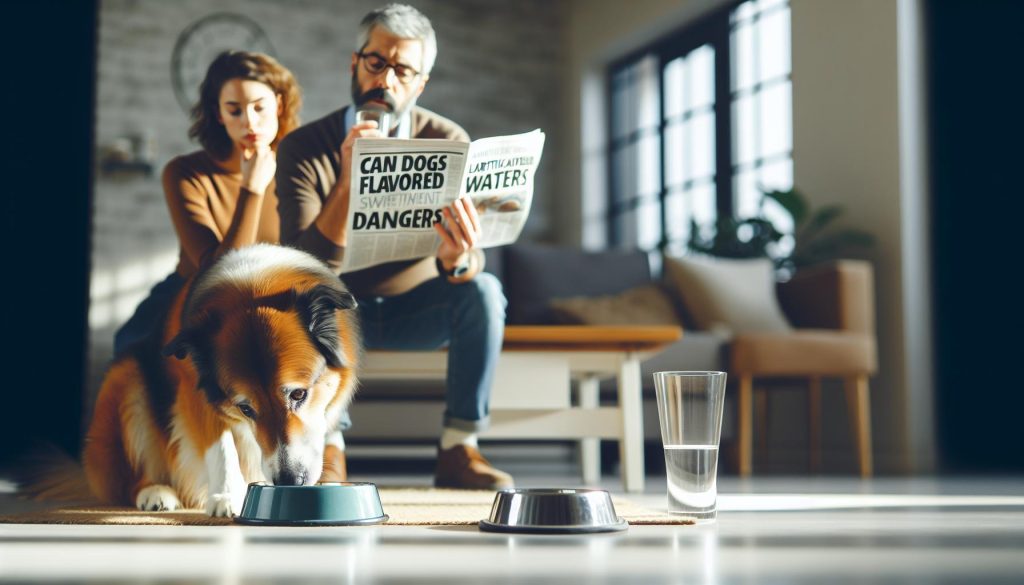
Did you know that many flavored waters can pose serious risks to your furry friend? While it’s tempting to treat your dog to a refreshing drink, artificial sweeteners like xylitol can be toxic and potentially life-threatening for them. Understanding what your dog can safely consume is crucial for their health and happiness. As a responsible pet owner, recognizing the hidden dangers in seemingly innocent beverages is a vital step in safeguarding your dog’s well-being. In this article, we’ll dive deeper into the risks associated with flavored waters, specifically focusing on common artificial sweeteners, and provide practical tips to keep your canine companion safe. Your awareness can make a world of difference, so let’s explore how you can ensure your dog’s hydration remains both safe and healthy!
Can Dogs Safely Drink Flavored Water?

While flavored water might sound like a refreshing treat for your dog, caution is essential when considering its safety. Many commercially available flavored waters contain artificial sweeteners, such as xylitol, which can be extremely toxic to dogs. Even small amounts of these compounds can lead to serious health issues, including rapid insulin release, leading to hypoglycemia (low blood sugar), liver failure, or even death. It’s vital to understand that what may be safe or enjoyable for humans could pose significant risks for our canine companions.
When evaluating flavored water for your dog, always check the ingredient list meticulously. If any ingredient includes artificial sweeteners, particularly xylitol, it’s best to avoid it entirely. Instead, prioritize plain water as the primary source of hydration for your furry friend. However, if you want to add a bit of flavor, consider natural options that are both safe and enjoyable, like adding slices of cucumber, carrot, or even a splash of low-sodium chicken broth to their water.
Also, remember that hydration needs can vary by breed, age, and activity level. Larger, more active breeds, such as Labradors or Golden Retrievers, may require more fluids than smaller breeds. Observing your dog’s hydration can be key; signs of dehydration include dry gums, lethargy, and less frequent urination. Keeping your dog hydrated safely is crucial, so before incorporating flavored anything, consult your veterinarian for tailored advice based on your dog’s specific health and needs.
Understanding Artificial Sweeteners Hazard

While flavored water may sound like a fun addition to your dog’s hydration routine, the hidden dangers of artificial sweeteners demand your attention. Many commercial flavored waters contain sweeteners such as xylitol, which is not just harmful but can be deadly to dogs. Unlike humans, dogs metabolize xylitol significantly differently. Even a tiny amount can trigger a rapid release of insulin, leading to dangerously low blood sugar levels (hypoglycemia). Symptoms can set in quickly and include weakness, disorientation, and, in severe cases, liver failure or seizures. Understanding the risks associated with artificial sweeteners can save your beloved pet from potential harm.
It’s essential to become a diligent label reader when you consider offering flavored water to your dog. Keep an eye out for ingredients that might seem harmless but can be toxic. If you see xylitol or other harmful sweeteners on the label, it’s a definite red flag. Regular soda, sugar-free products, and some herbal teas may also contain sweeteners that are unsafe. Your dog’s health should always come first, so opting for plain water is typically the safest choice. Should your dog crave a little flavor, there are many safe alternatives you can create at home. Adding fresh fruits like blueberries or a splash of low-sodium broth can make water more appealing without the risks linked to artificial additives.
Moreover, dogs’ hydration needs can vary significantly. Breeds known for their higher energy levels, such as Border Collies or Beagles, may need more water due to increased activity. On the flip side, smaller or elderly dogs may require less. Regularly check for signs of dehydration-dry gums, excessive panting, or a lack of energy are indicators that your dog may not be getting enough fluids. Make it your mission to ensure they always have access to fresh water, whether flavored or not. As always, discussing any dietary changes, even regarding water, with your veterinarian is a wise step to ensure your furry friend remains healthy and safe.
Common Artificial Sweeteners: What to Avoid
While many pet parents may think of flavored water as a harmless treat, it’s crucial to be vigilant about the artificial sweeteners that can pose serious risks to our furry friends. Among the most concerning is xylitol, which is found in numerous sugar-free products, including flavored waters, gum, and some baked goods. Just a small amount can lead to rapid insulin release in dogs, resulting in dangerously low blood sugar. This reaction can escalate quickly, making it essential to recognize potential dangers, particularly in products that might seem safe for human consumption.
Apart from xylitol, there are other artificial sweeteners that can be harmful to dogs. Aspartame, saccharin, and sucralose might not be as immediately toxic as xylitol, but it’s wise to avoid them as they can lead to gastrointestinal upset or other unhealthy reactions in some dogs. It’s particularly important for owners of breeds with sensitive stomachs, like Bulldogs or Chihuahuas, to stay informed. Since some dogs may have unique reactions to specific ingredients, understanding what’s in the flavored water can prevent potential health issues.
When browsing through ingredients, consider the following checklist for artificial sweeteners to watch out for:
- Xylitol – Highly toxic and can cause severe hypoglycemia.
- Aspartame – While less dangerous, it can upset your dog’s stomach.
- Saccharin – Known to cause digestive issues in some dogs.
- Sucralose – Can lead to gastrointestinal upset.
If you’re ever uncertain about a specific product, your veterinarian can provide guidance tailored to your dog’s health needs. Staying informed and cautious helps to ensure your pet enjoys hydration safely. As we explore options for flavored hydration for our pups, focusing on natural alternatives becomes paramount, steering clear of commercial flavored waters that could jeopardize their health.
Signs of Sweetener Toxicity in Dogs

Recognizing the is essential for every pet owner, especially when flavored waters or food products that may contain artificial sweeteners are available. Dogs can react in various ways, and swift identification of symptoms can make a significant difference in their health outcomes. A study published by veterinarians highlights that even small amounts of certain sweeteners, particularly xylitol, can lead to severe health crises. A strong indicator of toxicity is sudden lethargy or weakness, which often follows the ingestion of xylitol.
Watch for additional symptoms, which can vary depending on the sweetener involved. Common signs of sweetener toxicity include:
- Vomiting – This can occur shortly after consumption and is often accompanied by diarrhea.
- Rapid breathing – If your dog seems to be panting excessively or has trouble catching their breath, this can be a red flag.
- Tremors or seizures – Neurological effects may manifest as muscle tremors or spasms, which require immediate veterinary attention.
- Disorientation – A change in behavior, such as appearing dazed or confused, can indicate serious toxicity levels.
It’s important to understand that different breeds can exhibit varied reactions. For instance, smaller breeds like Chihuahuas may experience symptoms more severely due to their size compared to larger breeds like Labradors. If you suspect your dog may have ingested flavored water containing harmful sweeteners, it is crucial to act quickly. Contacting your veterinarian or an animal poison control hotline should be your first step. They can provide the best action plan tailored to your dog’s needs.
Being aware of these symptoms and understanding breed-specific sensitivities can help you safeguard your dog from the dangers of flavored products. As a loving owner, staying vigilant is key to ensuring your furry friend stays healthy and happy.
Breed-Specific Reactions to Sweeteners

Understanding how different dog breeds react to artificial sweeteners can be vital for keeping your furry friend safe. Not all dogs process substances the same way, and their size, metabolism, and even temperament can influence how they react to flavored waters that contain harmful ingredients. For example, smaller breeds like Chihuahuas and Toy Poodles can exhibit more severe symptoms of toxicity even after ingesting a minimal amount of dangerous sweeteners like xylitol. This is due to their lower body mass relative to the same quantity of the substance compared to larger breeds, which may process it more efficiently.
Conversely, larger breeds such as Great Danes or Mastiffs might tolerate a slightly higher amount of harmful sweeteners before showing symptoms. However, this tolerance can be misleading; even large dogs can suffer from serious effects, including liver failure or hypoglycemia (low blood sugar) due to xylitol ingestion. Thus, it’s crucial for owners of all breeds to remain vigilant.
What can you do to protect your dog? Start by being aware of your dog’s specific breed and its predispositions. Here are some breed-specific tips to consider:
- Research your breed: Understanding the breed’s typical health issues can help you know what to watch for.
- Monitor food intake: Keep track of what your dog consumes, especially if you’ve introduced flavored products into their diet.
- Get veterinary advice: It’s wise to consult with a vet regarding any breed-specific concerns or if you are unsure about the safety of flavored options.
Being proactive and informed enables you to take immediate action if you suspect that your dog has ingested something harmful. Quick responses can significantly improve outcomes, so knowing the different reactions among breeds is just as crucial as recognizing the symptoms of toxicity. Ultimately, creating a safe and enjoyable hydration routine that prioritizes your dog’s health will lead to happier days together!
Hydration Needs: Flavored vs. Plain Water
When it comes to keeping our furry friends hydrated, many pet owners might wonder if flavored water is a safe alternative to plain water. The truth is that while dogs can drink plain water without any issues, flavored water can introduce risks, especially if it contains artificial sweeteners, which can be toxic to them. Understanding the differences between the two can help you make informed choices regarding your dog’s hydration.
Dogs have a distinct need for hydration that emphasizes clean, fresh water. Most healthy dogs will drink enough plain water to meet their needs, but sometimes they may resist drinking, particularly if they are not accustomed to it. Flavored water can appeal to some dogs’ taste buds, encouraging them to drink more; however, caution is paramount. Many flavored waters on the market contain additives that can pose significant health risks, particularly sweeteners like xylitol. Xylitol, even in small amounts, can lead to severe reactions such as hypoglycemia or liver failure, especially in smaller breeds or dogs with pre-existing health conditions. Therefore, while flavored options might seem enticing, they can come with unintended dangers.
If you’re looking to enhance your dog’s water intake safely, consider DIY methods for flavoring water that do not involve harmful ingredients. Simple additions like a splash of low-sodium broth or a few drops of 100% pure fruit juice (like watermelon or apple, avoiding seeds) can make their water more appealing without the associated risks of artificial sweeteners. Always ensure any add-in is safe for dogs, as some fruits and veggies are harmful, like grapes and onions.
Here’s a quick comparison to guide your decision-making:
| Aspect | Plain Water | Flavored Water |
|---|---|---|
| Safety | Completely safe | Risky (can contain harmful ingredients) |
| Hydration | Essential for health | May encourage drinking but can be dangerous |
| Flavor Options | No additives | May contain sugars/sweeteners |
| Best for | Daily hydration | Occasional, safe homemade enhancements |
In summary, while plain water should remain the default beverage for dogs, limited and cautious use of homemade flavor enhancers can be a fun treatment. Always prioritize your dog’s health, monitor their hydration habits, and consult with your veterinarian if you have concerns about their water intake or suitable hydration methods. This vigilance will not only keep your pup happy and hydrated but also ensure their long-term well-being.
Alternatives to Flavored Water for Dogs
To keep your furry friend well-hydrated and happy, exploring alternatives to flavored water can be a game changer. While plain water is the safest and most effective option, many dogs can be a bit picky when it comes to drinking enough of it. Instead of risking their health with potentially harmful flavored waters, why not try some creative and safe options that can make hydration more exciting for your pet?
One of the simplest yet most effective alternatives is adding a splash of low-sodium broth to your dog’s regular water. This gentle enhancement not only boosts flavor but also provides some added nutrients without any harmful additives. Just be sure to choose a broth that does not contain onions or garlic, as these can be toxic to dogs. Furthermore, a few drops of 100% pure fruit juice, such as watermelon or apple, can add a refreshing twist. Always remember to avoid juices that include seeds or artificial sweeteners, ensuring that whatever you add is entirely dog-safe.
Another fun idea is to prepare homemade ice cubes that are both a treat and hydration source. Blend pureed fruits, like blueberries or strawberries, with water, pour the mixture into ice cube trays, and freeze. On a hot day, these fruity ice cubes can serve not only as a cooling snack but also as an enticing way to encourage your dog to drink more water. You can make it even engaging by hiding small treats inside the ice cubes, turning hydration into a playful activity.
For dogs that enjoy a thicker consistency, consider making “puppy smoothies.” Blend together dog-friendly ingredients like plain yogurt, bananas, and a bit of spinach or carrots. Serve it chilled for a hydrating snack that’s both nutritious and enjoyable. These tasty alternatives can be a wonderful way to boost your dog’s daily fluid intake while ensuring you’re keeping their health in check.
Ultimately, the goal is to promote hydration without compromising your dog’s safety or well-being. Remember to slowly introduce any new flavorings or treats into your dog’s diet, observing for any adverse reactions. By getting creative and staying informed, you can transform your dog’s hydration routine from mundane to deliciously safe!
How to Keep Your Dog Hydrated Safely
To maintain your dog’s optimal hydration, safety should always be your number one priority. Every pet owner knows that hydration is vital for overall health, but did you know that flavored waters can pose significant risks due to harmful ingredients? Flavored drinks may contain artificial sweeteners like xylitol, which can be toxic to dogs even in minuscule amounts. Therefore, steering clear of flavored products is essential. Focusing on safe hydration practices ensures that your furry friend stays happy and healthy.
One practical approach is to establish a strict routine with water consumption. Keep fresh, clean water accessible at all times, and consider using a water fountain. Dogs are often enticed by moving water, which can encourage them to drink more and stay hydrated. Additionally, measuring your dog’s water intake can help ensure they are drinking enough. A good rule of thumb is that dogs should drink approximately one ounce of water per pound of body weight each day. By monitoring their intake, you can ascertain if there are any changes that might indicate health issues.
When it comes to flavoring options, creativity can play a role while prioritizing safety. Instead of reaching for commercial flavored waters, you can prepare dog-friendly alternatives at home. Simple additions like low-sodium broth can enhance plain water without harmful sweeteners. Furthermore, you might want to consider incorporating dog-safe fruits into their diet. For instance, a blend of watermelon or pureed pumpkin can be incorporated into ice cubes. These not only serve to cool down your pet on a hot day but also provide hydration in a fun, engaging way.
Finally, always remain attentive to any changes in your dog’s drinking habits or overall health. If your dog shows signs of dehydration, such as dry gums, excessive panting, or lethargy, it’s crucial to seek veterinary advice immediately. By being proactive and employing a few simple strategies, you can ensure that your dog’s hydration routine is both safe and enjoyable!
Veterinary Insights on Dog Hydration
Ensuring your dog stays well-hydrated is a crucial aspect of responsible pet ownership, one that experts often emphasize. Hydration plays a vital role not only in maintaining energy levels and physical health but also in supporting overall wellbeing. While plain water should always be the primary source of hydration, many pet owners wonder about the safety of flavored water-especially those containing artificial sweeteners. Unfortunately, these brightly colored beverages can pose serious health risks to our furry friends.
Veterinarians advise that sweeteners like xylitol, commonly found in many flavored products, are particularly dangerous for dogs. Even small amounts can lead to severe hypoglycemia (low blood sugar) and liver failure. Educating yourself about what’s inside your dog’s food and drink can prevent harmful exposures. It’s essential to read labels carefully and discard any flavored beverages that might contain these harmful ingredients. Remember, a dog’s taste buds are different from ours; they often prefer plain water anyway!
When considering your dog’s hydration needs, it’s helpful to know that certain breeds may have different water intake requirements. Larger breeds like Great Danes often need more water than smaller breeds like Chihuahuas. However, the general rule of thumb is that dogs should consume about one ounce of water per pound of body weight each day. Keeping track of your dog’s drinking habits can help identify any potential health issues early, allowing for prompt veterinary intervention when necessary.
To keep your dog hydrated safely, focus on providing fresh, clean water at all times, and consider engaging ways to encourage drinking. A pet water fountain can be a great attraction for many dogs that enjoy fresh, moving water. If you want to add a little flavor without the risk, low-sodium broth can be a delightful alternative. You might also try preparing dog-friendly ice treats using pureed fruits like watermelon or pumpkin. These not only add hydration but also provide a fun, tasty experience for your canine companion!
Impact of Flavored Water on Dog’s Health
When it comes to keeping our furry friends hydrated, the allure of flavored water can be tempting for pet parents. However, the impact of these enticing beverages on a dog’s health can be significant, particularly when they contain artificial sweeteners. While a splash of flavor might sound harmless, some ingredients can lead to serious health issues for our four-legged companions.
One of the most concerning artificial sweeteners is xylitol, which is commonly found in many sugar-free and flavored products. Xylitol is highly toxic to dogs and can cause rapid insulin release, leading to hypoglycemia. Symptoms might include lethargy, vomiting, and seizures, and can occur even if consumed in small amounts. Beyond xylitol, other sweeteners such as aspartame and sucralose can also pose issues, although the risks are not as severe. Thus, it’s crucial to read labels meticulously and avoid any flavored waters that may contain these ingredients.
Understanding Breed-Specific Risks
Different breeds can have varying sensitivities to flavored water. For instance, small breeds like Dachshunds or French Bulldogs might experience more pronounced effects from a small quantity of toxic sweetener due to their size. In contrast, larger breeds like Golden Retrievers may tolerate slightly higher amounts before showing symptoms, but they are not immune. Regularly monitoring how much and what type of flavored water your dog has access to can prevent potential accidents and keep health risks at bay.
Signs of Toxicity to Watch For
Awareness is key! Here are some signs of sweetener toxicity to look out for:
- Vomiting: Sudden vomiting episodes can be a first sign.
- Lethargy: Increased fatigue or sluggish behavior should prompt a closer look.
- Incoordination: If your dog appears unsteady or shaky, it may indicate a serious problem.
- Seizures: In severe cases, neurological symptoms can manifest.
If you notice any of these symptoms after your dog has consumed flavored water, seek veterinary assistance promptly.
In conclusion, flavored water can introduce unnecessary risks to your dog’s hydration strategy. As loving pet owners, it’s essential to prioritize plain, clean water to ensure their health and well-being. If you’re looking for alternatives to enhance hydration without jeopardizing safety, consider offering pet-safe flavor infusions or ice treats made from wholesome ingredients. This way, you can keep your dog happily hydrated while steering clear of the dangers associated with flavored waters that contain harmful additives.
DIY Dog-Friendly Flavoring Options
Enhancing your dog’s hydration doesn’t have to mean resorting to potentially harmful flavored waters. Instead, you can craft delicious, dog-friendly flavorings right at home! Homemade additives can make plain water much more appealing while ensuring your furry friend stays safe and healthy.
Start with some simple ingredients that are not only safe but also beneficial for your dog. Broth, especially homemade chicken or beef broth without salt or onions, can be a delightful addition. When making broth, simmer bones and meat in water for several hours and strain it before serving. Just a splash in their water bowl can turn a bland drink into a savory delight!
Fruits and vegetables also provide great options. Consider blending pumpkin puree or adding a few slices of watermelon (without seeds or rind) into your dog’s water bowl for a natural, refreshing taste. Carrots or blueberries can be frozen into ice cubes for a fun and fruity treat on hot days. Just remember to introduce any new flavor gradually to ensure your pup’s tummy can handle it!
If you’re looking for interactive fun, you can create frozen treats. Simply mix water with safe ingredients like peanut butter (without xylitol), mashed bananas, or plain yogurt, pour the mixture into ice cube trays, and freeze. These popsicles are a perfect reward for a job well done or a way to keep your pup cool on a warm day.
By employing these simple techniques, you can keep your dog’s hydration routine exciting and enjoyable while steering clear of artificial sweeteners that could pose a danger. Remember, always observe how your dog reacts to new flavors and consult with your veterinarian if unsure about specific ingredients!
Best Practices for Introducing New Fluids
Introducing new fluids into your dog’s routine can be an exciting opportunity to spice up their hydration, but it should be done with care and attentiveness. Just like humans, dogs can be a little picky when it comes to new tastes, so a gentle approach is key. Begin by adding small amounts of any new flavoring to their existing water, gradually increasing the proportion over time to allow their taste buds and digestive system to adjust. If you’ve decided to try something as simple as homemade chicken broth, mix a bit of it with their regular water to start. This method not only enhances the flavor but also encourages your pet to drink more.
When introducing new fluids, closely observe your pet’s reaction. Look for signs of enjoyment, like tail wagging or eagerness to drink, but also be vigilant for any signs of digestive upset, such as changes in stool or unusual lethargy. If your dog shows any adverse reactions, discontinue use immediately and consult your veterinarian for guidance. It’s worth remembering that each breed may react differently; for instance, certain breeds are more sensitive to dietary changes than others. Smaller breeds, like Chihuahuas, may be more prone to stomach issues compared to larger breeds such as Labradors, who typically have a more resilient digestive system.
To ensure the best experience when introducing new flavored options, keep the environment positive and stress-free. Incorporate treats or playtime around the hydration process. You might even consider using fun, colorful bowls or ice cubes shaped like their favorite toys to draw their interest. A little creativity can go a long way in making hydration an enjoyable routine rather than a chore. Additionally, sticking to natural ingredients that are safe for dogs, such as pure pumpkin puree or coconut water, can offer both nutritional benefits and delightful flavors without the risks associated with artificial additives.
Creating a chart can help you keep track of what works and what doesn’t, including your dog’s preferences and any changes in behavior or health. This organized method can be especially helpful for new pet owners navigating the world of canine nutrition and hydration. Remember, the goal is to make drinking water a pleasurable part of your dog’s day while ensuring it remains a safe and healthy choice.
FAQ
Q: Can dogs drink flavored water safely?
A: Dogs should generally avoid flavored water, especially those containing artificial sweeteners. While some flavors may seem appealing, these additives can be harmful to dogs. Always prioritize plain water to ensure your dog’s safety and hydration needs are met.
Q: What are the signs of toxicity from artificial sweeteners in dogs?
A: Signs of toxicity from artificial sweeteners like xylitol in dogs include vomiting, reduced energy, seizures, and loss of coordination. If you suspect your dog has consumed a harmful substance, contact your veterinarian immediately for guidance and potential treatment.
Q: Are there any dog-friendly flavoring options for water?
A: Yes, there are numerous dog-friendly options to flavor water naturally. You can use low-sodium chicken or beef broth, or infuse water with cucumber or blueberries. These options keep hydration enjoyable without the risks associated with artificial sweeteners.
Q: How can artificial sweeteners affect a dog’s health?
A: Artificial sweeteners can lead to severe health problems in dogs, including hypoglycemia and liver failure, depending on the sweetener. Some, like xylitol, are particularly dangerous. Always check labels and avoid giving your dog products that contain these substances.
Q: What should I do if my dog drinks flavored water with sweeteners?
A: If your dog has ingested flavored water containing artificial sweeteners, contact your vet immediately for advice. Keep an eye on your dog for any signs of illness, and provide fresh, plain water to help flush out any toxins.
Q: Can all breeds of dogs react the same to artificial sweeteners?
A: No, different breeds may react differently to artificial sweeteners. Smaller breeds can experience more severe reactions due to their size. Understanding your dog’s specific breed sensitivities can help in avoiding potential health risks.
Q: How much water do dogs need daily, and can it be flavored?
A: Dogs generally need about an ounce of water per pound of body weight daily. While some might prefer flavored water, it’s safest to stick to plain water to prevent any adverse reactions from artificial additives.
Q: What are the best practices for introducing new fluids to my dog?
A: Introduce new fluids gradually to monitor your dog’s reaction. Start with small amounts of dog-friendly broths or infusions. Always ensure a primary supply of plain, fresh water is available to prevent dehydration.
Future Outlook
In conclusion, while flavored water may seem like a fun treat for your dog, the risks associated with artificial sweeteners can be serious. Prioritizing your pup’s health means sticking to the basics: fresh, clean water is always the best option. If you’re looking for more ways to keep your dog hydrated and healthy, check out our articles on hydration tips for dogs and the potential dangers of human foods.
Act now to ensure your furry friend stays safe-avoid flavored products and share this information with fellow dog owners to spread awareness. If you have any further questions or want personalized advice on your pet’s diet, don’t hesitate to reach out or subscribe to our newsletter for more expert tips. Let’s keep our dogs happy and healthy together!