
As summer heats up, beach trips with our furry friends become a favorite pastime. But have you ever wondered, “Can dogs drink ocean water?” This seemingly simple question holds significant implications for your dog’s health and safety. Saltwater can pose serious risks, leading to dehydration, gastrointestinal issues, and even more severe conditions. Understanding the potential hazards and knowing how to keep your pup safe while they splash and play is crucial for every dog owner. In this article, we’ll dive into the effects of ocean water on our canine companions, share some practical beach tips, and ensure your seaside adventures are both fun and safe for every wagging tail. Read on to discover how to make the most out of your beach outings while keeping your furry friend’s well-being in focus!
Can Dogs Safely Drink Ocean Water?
While the sight of your dog joyfully bounding into the waves can bring a smile to your face, it’s important to remember that ocean water is not safe for canine consumption. The saline nature of seawater poses significant health risks due to its high salt content. Dogs can experience severe dehydration and electrolyte imbalances when they drink ocean water, as their bodies are not equipped to handle the excess salt.
When a dog swallows seawater, it often leads to gastrointestinal distress, including vomiting and diarrhea. This can be particularly concerning for smaller breeds or those with pre-existing health issues. If your dog indulges in a little too much ocean water, be on the lookout for signs of saltwater poisoning, which can include excessive thirst, lethargy, and trouble walking. It’s essential to keep fresh water readily available to help hydrate your furry friend and to discourage them from drinking the ocean’s salty offering.
To ensure a safe and enjoyable beach day, monitor your dog’s behavior closely. Allow them time to play and splash, but redirect them if they start drinking seawater. Bring along a portable water bowl filled with fresh, clean water and encourage your dog to hydrate frequently. With the right precautions, you can enjoy a fun-filled beach trip while keeping your dog healthy and happy.
Understanding the Risks of Ocean Water for Dogs
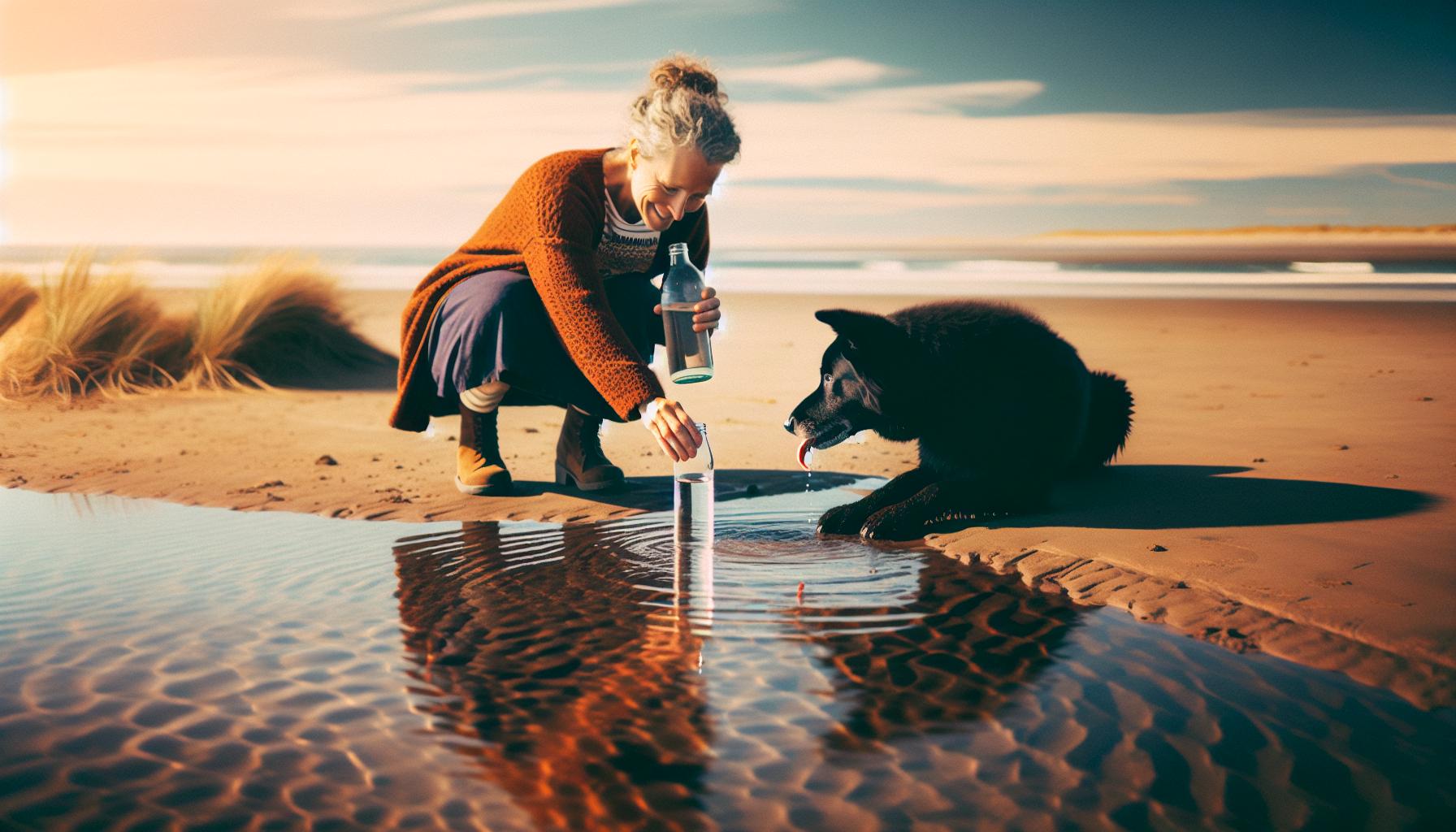
Canines may chase waves and frolic in the sand, but ocean water is not as harmless as it seems. While your dog might be tempted to slurp up that salty sea water, it’s crucial to understand the potential dangers lurking beneath the surface. The saline content of seawater is far too high for a dog’s system to handle, leading to a variety of health risks. The high salt concentration can result in immediate dehydration, prompting a cycle of thirst that is unquenchable with ocean water-this is where problems begin.
When a dog ingests seawater, it can trigger a distressing response in their body. Signs of this can include vomiting, diarrhea, and, in more severe cases, signs of saltwater poisoning such as disorientation, lethargy, and seizures. Such reactions can be particularly dangerous for smaller or elderly dogs, whose bodies may struggle to cope with the sudden influx of salt. As pet owners, it’s essential to recognize that even a small amount of seawater can lead to gastrointestinal upset, which can escalate quickly into a more serious condition.
Monitoring your dog while at the beach is paramount. Instead of allowing your dog to drink from the ocean, equip yourself with plenty of fresh, clean water. Offer them water frequently, especially after they’ve been playing in the waves. This simple action can help prevent dehydration and reduce the temptation to lap up the ocean’s salty offering. Always keep an eye on their behavior, and if they start to exhibit any concerning symptoms after ingesting seawater, seek veterinary attention immediately.
In the joy of a beach outing, your dog’s safety goes hand in hand with making sure they stay hydrated with fresh water. With diligent oversight and preparation, you can ensure that your beach adventures remain fun and safe for your furry companions.
Signs Your Dog Has Ingested Too Much Saltwater

In the excitement of a day at the beach, it’s easy for our canine companions to indulge in a little too much salty ocean water. Knowing the signs that your dog has ingested too much saltwater can make all the difference in ensuring their health and safety. One of the first indications that your dog may have had a taste of the sea is vomiting. If your pup starts to throw up, it can often be the body’s way of trying to rid itself of the excess salt. In some cases, you might notice diarrhea, which can follow shortly after, leading to further dehydration and discomfort.
Another concerning signal to watch for is increased thirst. Saltwater intake causes dehydration, so if your dog is excessively drinking fresh water after being in the ocean, it’s a clear sign that their body is reacting. Additionally, look for changes in behavior, such as lethargy or disorientation. These symptoms can escalate quickly and indicate severe saltwater poisoning, particularly in vulnerable breeds like small dogs or seniors. In more serious cases, your dog might experience tremors or seizures, which require immediate veterinary care.
It’s essential to act quickly if you observe any of these symptoms. Keeping a close eye on your dog’s actions while at the beach and providing them with plenty of fresh, clean water can help mitigate these risks. If you notice your pup showing signs of distress, don’t hesitate to consult your veterinarian for guidance tailored to their specific needs. Remember, a little vigilance goes a long way in ensuring a fun and safe beach day for your furry friend!
Here’s a quick checklist to help recognize and manage potential symptoms of saltwater ingestion:
- Frequent vomiting
- Running or watery stools
- Excessive thirst
- Lethargy or unusual behavior
- Tremors or seizures (in severe cases)
Vigilance and prompt action can help keep your dog safe, allowing you both to enjoy those sunny beach days without worry!
What to Do If Your Dog Drinks Ocean Water
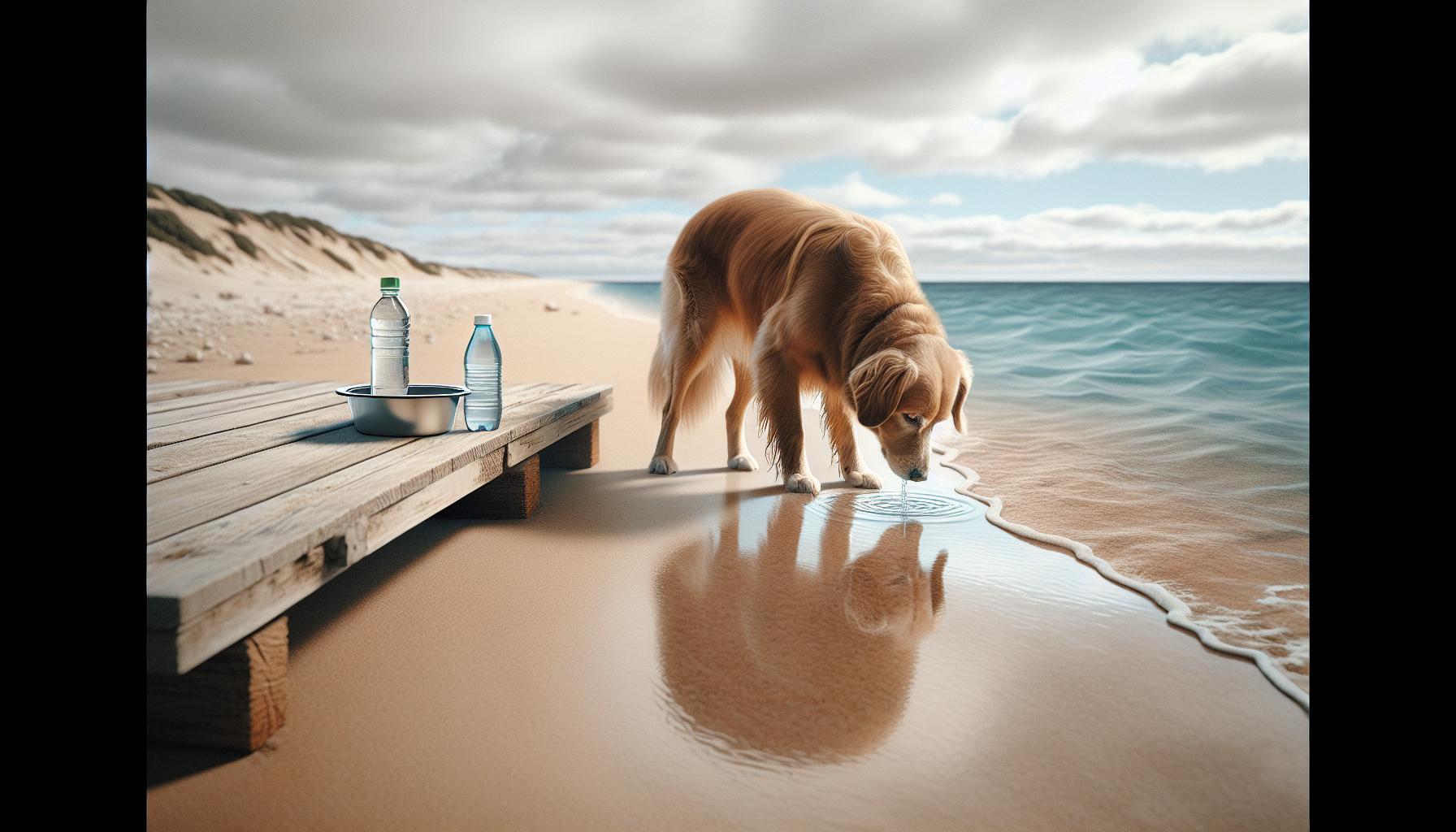
When your dog eagerly laps up ocean water, it’s easy to dismiss it as just innocent thirst quenching, but doing so can lead to serious health consequences. If you notice that your furry friend has ingested saltwater, there are several steps you can take to ensure their well-being. First, immediately provide access to fresh water. Encouraging them to drink fresh water helps to flush out the salt from their system. A good rule of thumb is to offer them small amounts frequently rather than letting them gulp down large quantities at once.
Next, keep a close watch for any symptoms of distress. While every dog reacts differently, common signs of saltwater ingestion include vomiting, diarrhea, or excessive thirst. If you observe these symptoms, it’s essential to monitor your dog closely for any escalation in their condition. In some cases, dogs may show signs of dehydration or lethargy. If their symptoms worsen-perhaps they start to tremor or exhibit disorientation-don’t hesitate to contact your veterinarian for guidance. It is always better to err on the side of caution when it comes to your pet’s health.
Additionally, consider the environmental factors of your specific beach location. Some areas may have stronger currents or more waves, which can encourage dogs to ingest more saltwater while playing. By observing their habits, you can better predict and mitigate potential overindulgence. After your beach adventure, ensure your pup is settled and comfortable, preferably in a shaded area, where they can relax and recover. Hydration is key, so keeping fresh water accessible at all times is vital.
Finally, establishing a post-beach routine can go a long way in safeguarding your dog’s health. After playtime, wash your dog with fresh water to remove salt and sand, preventing skin irritation. Make it a habit to check in with your vet regularly, especially if your dog has previously experienced issues with saltwater. With the right precautions and care, both you and your canine companion can enjoy countless fun-filled days at the beach!
Preparing Your Dog for a Beach Day Adventure
Before you and your furry friend hit the beach, it’s essential to take a few preparatory steps that will guarantee a fun and safe adventure. Beaches can be thrilling places for dogs, but they can also present unique challenges. From ensuring your pet is well-hydrated to choosing the right gear, a little planning goes a long way in keeping those tails wagging and your beach day enjoyable.
Start by considering your dog’s specific needs and breed characteristics. Certain breeds, like Labrador Retrievers and Portuguese Water Dogs, naturally excel in water activities and may require less supervision when frolicking in the waves. In contrast, smaller or more sensitive breeds, such as French Bulldogs or Chihuahuas, may need closer attention, especially regarding their stamina and heat tolerance. To enhance your beach day, create a checklist of essentials to ensure you’re fully prepared. This list could include:
- Fresh Water: Bring a portable dog dish and plenty of fresh water to keep your pup hydrated.
- Sun Protection: If your dog has thin fur or light skin, consider dog-safe sunscreen to prevent sunburn.
- Beach Gear: A leash, a comfortable dog life jacket if swimming in deep water, and toys to keep them entertained.
- First Aid Kit: Including basic supplies for any minor injuries or sunburn.
- Protective Gear: A dog towel for drying off after a swim and a blanket for them to relax on.
Next, take into account the timing of your beach visit. Early mornings or late afternoons are generally the best times to avoid heat and crowds. This is especially important for breeds with higher susceptibility to heat exhaustion, such as Bulldogs and Pugs. Always keep a close eye on your dog’s behavior; if they seem excessively panting or lethargic, find shade and offer them water immediately.
Incorporate a gradual introduction to the beach environment. Start on a leash to allow your dog to explore their surroundings and get accustomed to the sounds and sensations of sand and water. Once they seem comfortable, you can allow some more freedom, but always be ready to intervene if they head toward an area with strong currents or animals that might provoke them.
Lastly, a post-beach routine is vital for your dog’s well-being. Schedule a cool-down session with fresh water after your beach activities, and consider rinsing off salt and sand to prevent skin irritations and discomfort. By taking these actionable steps, you ensure that your beach day is a safe and memorable experience filled with tail-wagging fun!
Beach Safety Tips for Swimming Dogs
When it comes to your dog’s beach day, keeping them safe while they splash around is just as important as the fun they’ll have. Dogs are instinctively drawn to water, with their playful barking and joyful splashes sometimes leading to risky situations. One key aspect to remember is that while many dogs love to swim, they need proper supervision to avoid potential hazards in ocean waters.
Always be attentive to the conditions at the beach. Look out for strong currents and tide changes, as these can pose a serious threat to both inexperienced swimmers and even adept ones. Stick to designated dog-friendly areas where lifeguards are present, and be cautious about letting your dog swim in unfamiliar waters. Notably, some breeds, like the Newfoundland and Labrador Retriever, thrive in water, while others, such as Dachshunds and Bulldogs, should be closely monitored or limited to shallow areas.
Provide your dog with a secure and comfortable swimming experience by investing in a quality dog life jacket. Life jackets are particularly important for breeds that might struggle with swimming or for dogs that are not accustomed to ocean waves. Make sure the jacket fits properly; it should be snug but not constrictive. It’s essential to introduce your dog to the jacket well before your beach trip, allowing them to get used to the feel and ensuring they associate it with fun times ahead.
While your dog may be tempted to drink ocean water, it’s critical to prevent this as saltwater can lead to dehydration or salt poisoning. During swimming breaks, offer your dog plenty of fresh drinking water to quench their thirst and to help flush out any salt they may have ingested. Keep an eye on their behavior; excessive panting, lethargy, or signs of distress can signal the need to head back to shore for a rest. Always have a towel handy to quickly dry off your dog after they swim-this not only prevents skin irritations from salt and sand but also helps keep them cool.
By following these safety tips and keeping a watchful eye on your dog, you’re setting the stage for a beach day filled with joy and unforgettable memories-safely!
Best Practices for Hydration on the Beach
It’s essential to keep your dog well-hydrated during a fun day at the beach, especially since their instinct may lead them to drink salty ocean water, which can lead to dehydration. Dogs can easily overlook their need for fresh water amid all the excitement, so staying proactive about their hydration is key. Here are some best practices that can help ensure your furry friend enjoys the beach safely and healthily.
First, bring plenty of fresh water along for your dog. A collapsible water bowl makes it easy to give your pup regular drinks without taking up much space in your beach bag. Aim to offer water every 15 to 30 minutes, especially if your dog is engaging in more vigorous activity like running or swimming. This not only quenches their thirst but also helps flush out any salt they might have ingested accidentally. Committing to this routine not only fosters better hydration but can also prevent issues that arise from saltwater consumption, such as vomiting and diarrhea.
Another practical tip is to encourage your dog to hydrate during breaks from play. Finding a shaded area where your dog can rest while you offer them water can prevent overheating and dehydration. As you give your dog space to cool down and rehydrate, keep an eye on their behavior. If they seem excessively panting, lethargic, or disoriented, they might need rest and a solid drink more immediately. A quick towel dry can also help them cool off and refresh, especially if they’re wet from swimming.
Lastly, consider how different breeds may require varying amounts of hydration based on their activity levels and physical characteristics. For example, large breeds like Golden Retrievers and Labs may need more frequent hydration breaks compared to smaller breeds, such as Beagles or French Bulldogs, that may tire more quickly in the heat. Adjusting your approach based on breed and behavior will better support their individual hydration needs. Remember, the goal is to keep the beach experience joyous and safe, ensuring your dog has a great time while prioritizing their health!
By integrating these hydration best practices into your beach day plans, you’re not just ensuring your dog is well-hydrated; you’re also enhancing their overall experience, letting them enjoy the sun and surf without the risk of discomfort or health issues. Happy beach adventures!
Top Dog Breeds for Beach Activities
When planning a fun day at the beach with your furry friend, choosing the right breed can make all the difference. Some dogs are natural beach enthusiasts, thriving in the sun, surf, and sand, while others may prefer a shaded backyard. Recognizing which breeds excel in beach activities can enhance your overall experience, allowing for joyful interactions and plenty of memorable moments.
Many breeds come to mind when thinking about beach activities. Labrador Retrievers are often at the top of the list. Known for their love of water, Labs are great swimmers and enjoy fetching toys from the ocean. Their friendly and energetic nature makes them excellent companions for a day filled with play. Similarly, Golden Retrievers share many of these traits, with their playful attitude and affinity for swimming making them great choices for water adventures.
For those who may want smaller breeds, consider Jack Russell Terriers or Cavalier King Charles Spaniels. While they might not dive into the waves as enthusiastically, these breeds revel in running on the sand and playing with their owners. They are often more agile on the shoreline, making them perfect for games of chase or fetch on the beach without the need for swimming.
It’s essential for every dog to be appropriately prepared for beach activities. Alongside selecting an ideal breed, here are a few practical tips to ensure safe and enjoyable outings:
- Check Temperature Tolerance: Some breeds, like Bulldogs or Pugs, may struggle more with heat and require careful monitoring to prevent overheating.
- Use Dog-Friendly Gear: Consider life jackets for dogs who may need a little extra support in deeper waters. A leash with a long line can allow your dog freedom while keeping them safe.
- Keep Fresh Water Handy: Regardless of breed, ensure you have a sufficient supply of fresh water for hydration and to rinse off saltwater after swimming.
By selecting breeds that relish beach activities and being mindful of their needs, you create a joyful environment where your dog can thrive. Enjoy the vibrant energy of your pup as they frolic in the waves, but remember that safety and hydration are paramount. Happy beach day!
Recognizing Dehydration: Symptoms and Solutions
On a sunny beach day, we want our furry friends to enjoy the surf and sand just as much as we do. However, dehydration is a real risk for dogs, especially when they play in the heat and potentially ingest saltwater. Recognizing the signs of dehydration can make the difference in ensuring your pooch has a fun-filled day without health concerns.
Dogs can exhibit various symptoms when they’re dehydrated. Look for signs such as excessive panting, dry gums, lethargy, or a decrease in urine output. A quick and effective way to check for dehydration is by doing the skin pinch test: gently pinch the skin between your dog’s shoulder blades. If the skin doesn’t quickly pull back into place, your dog may be dehydrated. Additionally, if their gums feel tacky or sticky to the touch rather than moist, that’s another red flag.
To combat dehydration, first and foremost, offer your dog plenty of fresh, clean water. Have a portable dog bowl or water bottle handy at the beach to ensure they stay hydrated throughout the day. If your dog does ingest saltwater, rinse their mouth out with fresh water as soon as possible to help mitigate the effects of salt intake. It’s vital to keep an eye on your dog and take breaks for them to cool down in the shade. You can also consider bringing along some dog-friendly electrolyte solutions that can further aid in hydration.
In summary, being vigilant about your dog’s hydration levels while enjoying beach activities is crucial. By recognizing the symptoms and knowing how to act promptly, you can help ensure your dog has a safe and enjoyable day in the sun. Always remember, a hydrated dog is a happy dog!
How to Create a Safe Beach Environment for Dogs
Creating a safe beach environment for your dog is essential for ensuring a fun and healthy outing. Beaches can be exciting for dogs, filled with new sights and smells, but they can also pose risks if not carefully managed. By preparing adequately and understanding some key safety measures, you can make your beach visits enjoyable for both you and your furry companion.
One of the first steps to ensuring your dog’s safety is to identify dog-friendly areas. Not all beaches permit dogs, and even those that do might have specific zones where dogs can roam freely. Always check local regulations regarding leash laws and designated dog areas. Once at the beach, look for hazards such as sharp shells, litter, or other debris that could injure your dog. Keeping a close eye on your dog as they explore is crucial; consider using a long line if they enjoy running but might wander too far.
It’s also important to be prepared for weather and environmental conditions. Dogs can suffer from heatstroke, especially on hot days. Bring shade with a portable umbrella or beach tent to provide cooling relief. Apply dog-safe sunscreen to exposed areas such as noses and ears if your dog has short fur, and make sure there’s a fresh water supply to keep them hydrated. Creating a designated splash zone with shallow water can help your dog enjoy the ocean without ingesting too much saltwater.
Interact with your dog positively during your beach outing. Bringing along favorite toys, balls, or even a dog-friendly float can enhance playtime and keep your dog engaged. Additionally, consider a buddy system: having another dog owner join you can provide companionship and make monitoring each dog easier. If you’re bringing along multiple pets, ensure they all play nicely together while keeping an eye out for signs of fatigue or distress.
Finally, a thoughtful approach to cleanup is necessary. Beaches are shared spaces, so be diligent about cleaning up after your dog. Always carry waste bags to ensure you’re leaving the beach as beautiful as you found it, which also helps protect the environment and other beachgoers. By taking these steps, you’ll create a delightful and safe beach experience for your dog, allowing them to enjoy the surf and sand while minimizing risks.
Veterinary Insights: Health Risks of Saltwater
While a day at the beach can be a fantastic adventure for dogs, it’s essential to understand the potential health risks associated with saltwater. When dogs drink ocean water, they consume salt at levels that can lead to serious health issues. The high salinity of ocean water can cause dehydration, as it pulls moisture from their bodies. This dehydration can lead to increased thirst, dry gums, and lethargy, which can escalate to more severe problems if not addressed promptly.
Ingesting too much saltwater may result in salt toxicity, also known as hypernatremia. Symptoms of this condition may include vomiting, diarrhea, seizures, and even coma in severe cases. Moreover, drinking saltwater can irritate a dog’s gastrointestinal tract, causing discomfort and leading to further complications. It’s a common misconception that dogs can handle the ocean’s saltwater as well as they do freshwater, but their systems aren’t built for it.
To safeguard your furry friend during beach outings, always provide fresh water for them to drink. Consider bringing a portable water bowl or container to encourage regular hydration. Showering your dog off after swimming in saltwater can also help remove any residual salt from their fur, reducing the likelihood that they will ingest it while licking themselves dry.
In addition, keeping an eye on your dog’s behavior is crucial. If you notice signs of excessive thirst or any of the symptoms mentioned above, it’s important to consult your veterinarian immediately. Keeping your dog safe while enjoying ocean play requires vigilance and a proactive approach to hydration. Remember, a fun beach day for your pet can be worry-free with just a little extra care and attention.
Alternatives to Ocean Water for Refreshment
On a sunny beach day, it’s easy to get caught up in the excitement and forget that your furry friend needs proper hydration. Instead of letting your dog sip on salty ocean water, which can lead to dehydration and other serious health issues, offer them refreshing alternatives that are not only safe but also hydrating. Dogs thrive on fresh, clean water, but there are plenty of fun options to keep their hydration interesting while enjoying the sun and surf.
One fantastic alternative is to bring along flavored water. A simple infusion of dog-safe fruits like blueberries, watermelon, or cucumber can make water enticing for your pup. Pack a container filled with cold, infused water, and watch your dog happily sip away. Additionally, dog-safe electrolyte solutions can be an excellent option for replenishing lost fluids. These specialized drinks are designed to replace electrolytes without the harmful effects of saltwater. Always check the labels to ensure that there are no harmful additives, and consult your veterinarian if you’re unsure.
If you want to go the extra mile, consider bringing homemade treats made with plenty of liquid, such as frozen chicken broth popsicles. Simply pour low-sodium chicken or beef broth into ice cube trays or silicone molds, freeze them overnight, and give these tasty treats to your dog during breaks. They’ll not only stay cool but also enjoy a special treat that hydrates them effectively.
Lastly, don’t underestimate the power of good old-fashioned fresh water! Having a portable dog water bottle or collapsible bowl will make it easy to offer your pooch a drink anytime they need it during your beach outing. Set a routine to offer them water every 30 minutes, especially between play sessions, which helps to keep them refreshed and ready for more fun without the risks associated with ocean water. Your attention to your dog’s hydration needs helps ensure that beach days are both enjoyable and safe for your best friend.
Q&A
Q: Can dogs get seasick while swimming in the ocean?
A: Yes, dogs can experience seasickness much like humans. Signs may include drooling, lethargy, or vomiting. To help prevent it, allow your dog to acclimate to the waves gradually and consider taking short breaks away from the water.
Q: What can I give my dog if they drink too much saltwater?
A: If your dog drinks too much saltwater, provide them with fresh water immediately to help dilute the salt in their system. Monitor for symptoms of salt poisoning, such as vomiting or lethargy, and consult your veterinarian if necessary.
Q: How can I tell if my dog is dehydrated after a beach day?
A: Signs of dehydration in dogs include dry gums, excessive panting, and loss of skin elasticity. If you notice these signs after a day at the beach, encourage your dog to drink fresh water. For severe cases, seek veterinary assistance immediately.
Q: Is it safe for all dog breeds to swim in the ocean?
A: Not all dog breeds are suited for ocean swimming. Breeds like Labradors love the water, while brachycephalic breeds like Bulldogs may struggle. Always supervise your dog and ensure they are comfortable and safe in the water.
Q: What precautions should I take before taking my dog to the beach?
A: Before taking your dog to the beach, ensure they are up to date on vaccinations, microchipped, and wearing a secure leash. Bring fresh water, a bowl, and sunscreen designed for pets to protect sensitive areas.
Q: Can ocean water harm my dog’s skin?
A: Yes, ocean water can irritate your dog’s skin due to salt and sand. After swimming, rinse your dog with fresh water to remove residues. Regular grooming can also help maintain skin health.
Q: How often should I take breaks while my dog swims in the ocean?
A: Take breaks every 15-20 minutes during swim sessions, especially in hot weather. During breaks, offer fresh water and check for signs of tiredness or stress in your dog.
Q: What alternatives can I give my dog instead of ocean water?
A: Instead of ocean water, provide your dog with plenty of fresh water throughout the day. You can also consider dog-friendly electrolyte solutions if your dog has been active and in the heat for extended periods.
Feel free to check out our article for more detailed advice on maintaining your dog’s health and safety while enjoying beach outings.
Closing Remarks
As we wrap up our discussion on whether dogs can drink ocean water and essential beach safety tips for swimming dogs, remember that keeping your furry friend safe and healthy while having fun is a top priority. While salty sea water can lead to dehydration and health issues, providing fresh water and supervising their playtime ensures a fantastic beach experience. If you want more insights on dog care, check out our articles on “Best Practices for Hydrating Your Dog” and “Essential Beach Gear for Dog Owners” to equip yourself for your next outing!
Don’t forget to share your beach adventures with us in the comments below or on social media-your experiences can help fellow dog owners! For the latest updates and expert tips, sign up for our newsletter. Your canine companion’s health and happiness are just a click away! Let’s keep exploring together, because every day can be an adventure!