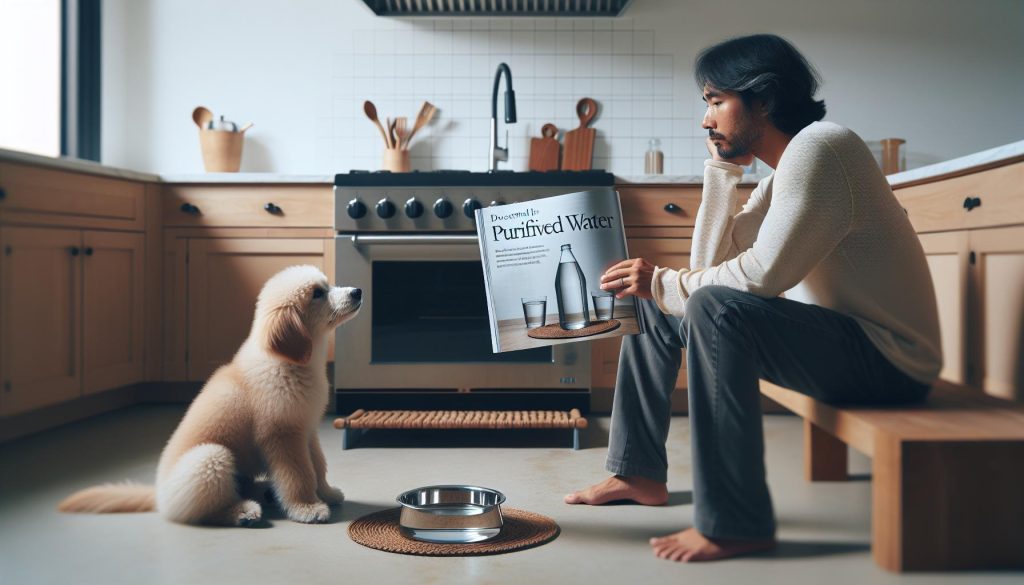
Water is essential for our furry friends, but when it comes to dogs with sensitive stomachs, the type of water they drink can make a world of difference. Purified water offers a clean, contaminant-free option that may help ease digestive issues and promote overall health. Many dog owners notice improvements in their pets after switching to purified water, leading to happier and more active pups.
If you’ve ever struggled with a dog that has a delicate stomach or frequent tummy troubles, you understand the importance of making thoughtful choices about their diet and hydration. Providing the best possible water can significantly affect their well-being, and understanding the benefits of purified water might just be the key to alleviating discomfort. Join us as we delve into how offering purified water can create a positive impact for dogs, especially those prone to sensitivities, ensuring their hydration is as enjoyable and beneficial as possible.
Understanding Purified Water for Dogs’ Health
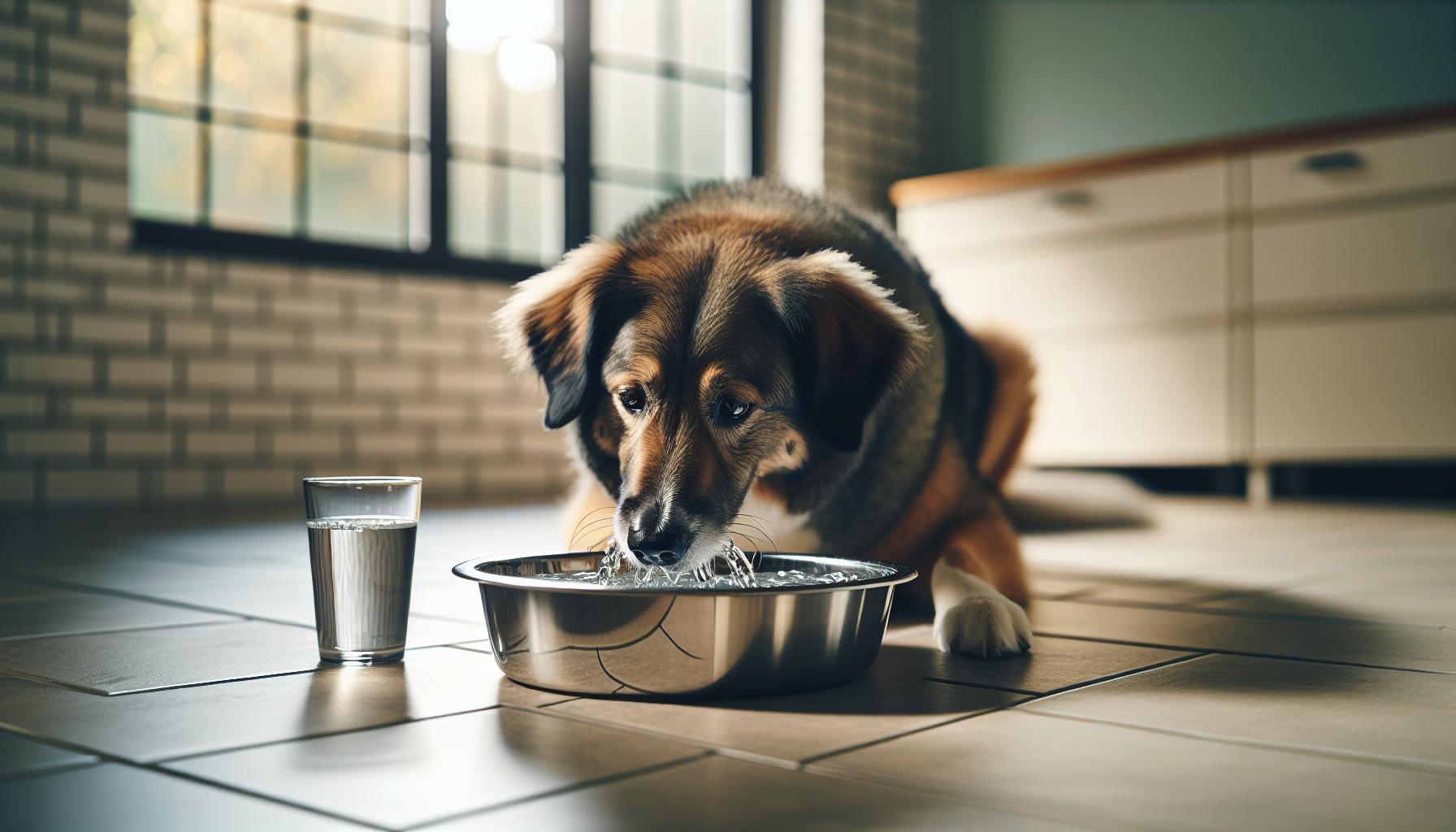
When it comes to your dog’s health, the quality of water they consume plays a crucial role, especially for those with sensitive stomachs. Purified water is often regarded as a safer and cleaner drinking option, free from the impurities and chemicals that may be present in tap water. Understanding the importance of purified water can help dog owners take proactive steps in managing their pets’ digestive health and overall well-being.
Sensitive stomachs in dogs can stem from various factors, including food intolerances, stress, and exposure to certain environmental triggers. Using purified water removes common contaminants like chlorine, heavy metals, and bacteria that can exacerbate gastrointestinal discomfort. Many owners find that switching to purified water can lead to fewer instances of vomiting or diarrhea in their pets. Furthermore, the gentle nature of purified water makes it easier for dogs to hydrate without introducing potential irritants into their systems.
When choosing purified water, it’s essential to consider several options, including bottled water, reverse osmosis, and distillation. Each method has its benefits, ensuring that your dog receives clean drinking water tailored to their needs. Additionally, staying aware of how changes in your dog’s hydration can affect their behavior and eating habits is crucial. If you notice any signs of discomfort or change in routine, it may be a cue to reevaluate their water source.
To ensure that your dog enjoys the benefits of purified water, consider ways to incorporate it into their daily routine. Offering fresh, purified water at all times is vital, particularly if your dog is transitioning from tap water. You might want to utilize a water filtration system at home to provide an endless supply of clean water. Engaging in this simple yet crucial change can lead to healthier hydration and a happier, healthier dog.
Why Sensitivity in Dogs’ Stomachs Matters

Sensitive stomachs in dogs can be challenging for both pets and their owners. Just like some people, dogs can experience gastrointestinal discomfort that leads to vomiting, diarrhea, and lethargy. This sensitivity can stem from various factors, including dietary changes, stress, underlying health issues, or even environmental triggers like allergens. As a responsible pet owner, understanding the implications of a sensitive stomach is crucial for your dog’s health and happiness.
Using purified water is an excellent step toward alleviating some of the discomfort associated with sensitive stomachs. Many tap water supplies contain chlorine, heavy metals, and other contaminants that can irritate a dog’s digestive system. By choosing purified water, you minimize the risk of introducing these potential irritants, allowing your furry friend to hydrate without further upsetting their stomach. This switch can often lead to a noticeable improvement in their health, as many dog owners report fewer digestive issues once they transition their pets to cleaner drinking water.
It’s important to monitor your dog’s reaction to different types of water, too. If your dog seems to struggle with their meals or shows signs of discomfort, it might be time to evaluate not only their diet but also their water source. Make the switch to purified water and observe any behavioral changes, noting if they become more energetic or if their digestive issues diminish. This careful attention can guide you in creating a healthier routine tailored to your pet’s specific needs.
Lastly, remember that while purified water can be beneficial, each dog is unique, and what works for one may not necessarily work for another. Keep an eye on your dog’s response and make adjustments as needed. Regular consultations with your veterinarian can also provide deeper insights into your dog’s specific sensitivities, including potential breed-related concerns that may require special consideration. By making informed choices about your dog’s hydration, you’re taking significant steps toward ensuring their overall wellness and comfort.
Benefits of Purified Water for Canines
Providing your dog with purified water isn’t just a trend; it’s a thoughtful choice that can significantly enhance their health and well-being. Many pet owners may not realize that conventional tap water can potentially introduce a range of contaminants, such as chlorine, heavy metals, and bacteria, which can upset a sensitive stomach. By switching to purified water, you’re ensuring that your furry friend enjoys a cleaner, healthier source of hydration that’s devoid of these potential irritants. This simple change can lead to remarkable improvements in digestive health and overall vitality.
One of the primary advantages of offering purified water is the reduction of gastrointestinal upset. Dogs with sensitive stomachs are often more reactive to impurities in water, which can lead to symptoms like vomiting or diarrhea. Reports from numerous pet owners highlight that after transitioning to purified water, their dogs exhibit fewer digestive issues, experience less bloating, and have more regular bowel movements. This can ultimately lead to a happier, more energetic pet who is eager to engage in play or rest comfortably without discomfort.
Changing your dog’s water source can facilitate better absorption of nutrients. Hydration is crucial for digestion, and clean drinking water can optimize this process. When dogs are adequately hydrated, their bodies can efficiently process food, promoting better nutrient absorption in their systems. Incorporating purified water into their routine can support their overall health, especially for breeds prone to digestive issues, such as Boxers or Bulldogs, who often suffer from gas and stomach sensitivity.
It’s also worth noting the practical aspect of hydration. Offering purified water makes it easier to maintain a clean feeding environment. Since purified water is free from sediments and visible particles, pet owners can enjoy the peace of mind that their dogs are drinking something fresh. Additionally, investing in a good water purifier ensures that your dog has consistent access to clean water, promoting healthy hydration habits that can extend into their senior years. As a dog owner, knowing you are taking the steps to enhance your pet’s health through something as simple yet profound as the water they drink is incredibly rewarding.
Comparing Purified Water to Tap Water
When it comes to choosing the right water for your dog, the difference between purified water and tap water can be as clear as the water itself. Many pet owners are surprised to learn that tap water may contain impurities such as chlorine, heavy metals, and even harmful bacteria that can irritate a dog’s gastrointestinal system. This is particularly concerning for pups with sensitive stomachs, who may be more reactive to what they ingest. Purified water, on the other hand, undergoes stringent filtration processes that remove these contaminants, providing a safer, cleaner source of hydration.
One significant benefit of purified water is its ability to reduce gastrointestinal upsets. Dogs who drink tap water may experience issues such as vomiting, diarrhea, or general stomach discomfort, especially if they consume water quickly or in large amounts. Transitioning to purified water can lead to a noticeable decrease in these symptoms, helping your dog feel more comfortable and less bloated. Many owners report their dogs displaying improved energy levels and better overall moods after switching to purified water, which speaks volumes about the impact clean hydration can have on their well-being.
Additionally, purified water can optimize the nutrient absorption and digestion process in dogs. Just like humans, dogs depend on proper hydration for their digestive systems to function correctly. When your furry friend drinks clean water, it enhances their ability to absorb nutrients effectively, which is particularly crucial for breeds prone to digestive issues, like Boxers or Bulldogs. By maintaining a clean hydration routine, you support not just their immediate comfort but also their long-term health.
Ultimately, making the switch to purified water for your canine companion can ease many worries associated with tap water consumption. It’s an act of care that reflects your commitment to their health, reinforcing your role as a responsible pet parent. Ensure your dog drinks the best by providing purified water-your furry friend will thank you with tail wags and happy barks.
Signs That Your Dog Has a Sensitive Stomach
When it comes to our furry friends, recognizing the signs of a sensitive stomach is crucial. Many dogs experience gastrointestinal discomfort, but not all will show it in the same way. For instance, some dogs may develop a sensitive stomach due to dietary changes, stress, or certain environmental factors, whereas others may’ve been predisposed from a young age. Understanding these signs can help you provide a more comfortable life for your dog, particularly when considering the benefits of purified water.
Common symptoms of a sensitive stomach include frequent vomiting, diarrhea, gas, and bloating. If you notice your dog retching or bringing up food shortly after eating, or if their stools are loose or inconsistent, it could be indicative of a sensitive stomach. Additionally, behaviors such as excessive licking of the lips or the air may suggest nausea. Dogs may also become less active or more withdrawn during episodes of discomfort, which can be difficult for owners to observe. It’s essential to pay attention to these changes in your pet’s behavior and overall mood.
Certain breeds tend to be more prone to gastrointestinal issues than others. For example, Boxers, Bulldogs, and Dachshunds often struggle with sensitive stomachs. If you own one of these breeds, you may wish to monitor their food and water closely, opting for safer options like purified water to minimize potential irritants. Switching to a cleaner hydration source can greatly enhance their well-being, helping to mitigate symptoms caused by contaminated or tap water.
If you suspect your dog has a sensitive stomach, providing a consistent feeding routine and balanced diet can help alleviate some symptoms. Incorporating purified water might be an easy first step in making their digestive system a bit happier. Always consult with your veterinarian to rule out any underlying health issues and to develop a tailored approach that meets your dog’s specific needs and sensitivities. By staying observant and proactive, you can significantly improve your dog’s quality of life.
How to Transition Your Dog to Purified Water
Transitioning your dog to purified water can be a simple yet impactful change that enhances their overall health, especially for those with sensitive stomachs. Just like humans, dogs can benefit from clean, contaminant-free hydration, and making this switch can lead to noticeable improvements in their digestive comfort. However, it’s crucial to approach this transition thoughtfully to ensure your furry friend adapts smoothly.
To start, begin by gradually introducing purified water into your dog’s routine. A sudden shift can be confusing for their system, particularly if they are accustomed to drinking tap water. Here’s a straightforward approach to facilitate the transition:
- Mix it Up: Start by mixing purified water with their usual water source. Use about 25% purified water and 75% tap water. This familiarizes them with the taste and consistency.
- Increase Gradually: Over the next few days, slowly increase the ratio of purified water. Move to 50/50, then 75% purified water, monitoring how your dog responds at each stage.
- Full Transition: After about a week, aim for a full change to purified water, provided your dog seems comfortable.
During this transition, keep a close eye on your dog’s reactions. If you notice any signs of discomfort-like vomiting or diarrhea-consider slowing down the process and consult your vet.
In terms of specific breeds, dogs such as Boxers and Bulldogs, known for their sensitivity, may require a more gradual approach. These breeds often have unique digestive systems, and introducing purified water slowly can help mitigate any potential digestive upset. Additionally, consider providing purified water in a clean, appealing bowl to encourage drinking. Using separate bowls for food and water can also prevent mixing odors that might deter your dog from drinking.
Ultimately, transitioning to purified water not only promotes better hydration but also contributes to your dog’s overall well-being. With patience and keen observation, you’ll be able to make this change feel natural and beneficial for your beloved canine companion. Always remain enthusiastic and supportive, reinforcing positive behavior during this transition, and soon, you’ll both enjoy the benefits of refreshing, clean water!
Breed-Specific Considerations for Sensitive Stomachs
Every dog is unique, and some breeds are more prone to digestive sensitivity than others. When it comes to providing the best hydration for your furry friend, breed-specific considerations can play a significant role in ensuring their comfort and health. For instance, breeds like Bulldogs and Boxers often face digestive challenges due to their anatomical structure, making them particularly vulnerable to upset stomachs. The flat faces of these breeds can lead to gulping air, which compounds issues when coupled with impure water sources. Transitioning these dogs to purified water can be a game-changer, as it reduces the intake of harmful contaminants like chlorine and heavy metals that may exacerbate their sensitivity.
For smaller breeds such as Chihuahuas and Dachshunds, whose systems might react severely even to slight changes in diet or hydration, introducing purified water is equally important. Their smaller bodies can’t handle the same levels of toxins that larger dogs might tolerate. These breeds may also have a higher incidence of bladder stones, which can be aggravated by impurities in the water. Offering purified water not only helps in reducing risks but also encourages better hydration, essential for preventing urinary issues.
To make this process smoother for sensitive breeds, consider the following practical tips:
- Optimal Bowl Selection: Choose wide, shallow bowls that prevent gulping and are easy for your dog to access.
- Temperature Sensitivity: Some dogs prefer their water at a certain temperature; room temperature purified water may be more appealing than cold tap water.
- Routine Monitoring: Pay close attention to your dog’s overall reaction after transitioning to purified water. Note any signs of discomfort or changes in appetite.
Given that different breeds also have specific hydration needs based on their activity levels, it’s crucial to adjust the volume of purified water accordingly. Active breeds like Border Collies will require more hydration than sedentary breeds such as Basset Hounds. It’s always a good idea to consult with your veterinarian about the best practices tailored to your dog’s breed and specific health concerns, taking into account their unique dietary triggers or any other sensitivities they may have.
With careful planning and consideration, providing purified water can significantly improve your dog’s quality of life, ensuring they remain healthy and happy. Your support and attentiveness in this process will promote positive hydration habits that can make a lasting impact on their overall well-being.
The Role of Hydration in Dog Health
Maintaining proper hydration is vital for your dog’s overall health, influencing everything from energy levels to digestion. Water plays a crucial role in regulating body temperature, lubricating joints, and facilitating nutrient absorption. For dogs, inadequate hydration can lead to serious health issues such as kidney problems, urinary tract infections, and even lethargy. This is particularly true for sensitive breeds who may struggle with tap water containing impurities or high mineral content, which can exacerbate their digestive difficulties.
Hydration and Digestion
Water is essential for digestion, as it helps to break down food and absorb nutrients. For dogs with sensitive stomachs, ensuring they drink purified water can make a significant difference. Purified water, free from contaminants like chlorine and heavy metals, minimizes the burden on a dog’s digestive system. By eliminating these impurities, you reduce the risk of gastrointestinal upset, allowing for more consistent digestion and nutrient absorption, which is particularly important for sensitive breeds.
- Daily Water Intake Recommendations: Generally, dogs should drink about one ounce of water per pound of body weight. So, a 20-pound dog would need about 20 ounces daily. Keep an eye on their intake, adjusting as needed based on activity levels and size.
- Signs of Dehydration: Be on the lookout for symptoms like dry gums, lethargy, or loss of skin elasticity. If you notice these signs, it’s crucial to increase your dog’s water intake and consult your veterinarian.
- Encouraging Hydration: To entice your dog to drink more, consider providing fresh, purified water multiple times a day. Changing the water frequently helps keep it appealing, and adding ice on hot days can make it more enjoyable.
Tailoring Hydration to Breed Needs
Different dog breeds have varying hydration needs based on their size, activity level, and specific health conditions. For instance, larger breeds like a Great Dane may require more water especially after vigorous exercise, while smaller breeds like a Pomeranian might need less but can be more sensitive to water quality. Understanding your dog’s unique hydration requirements can help prevent issues associated with dehydration or digestive distress.
Here’s a quick comparison of hydration needs based on breed size:
| Breed Size | Recommended Daily Water Intake |
|---|---|
| Small Breeds (e.g., Chihuahuas, Pugs) | 1/2 to 1 ounce per pound |
| Medium Breeds (e.g., Beagles, Cocker Spaniels) | 1 to 1.5 ounces per pound |
| Large Breeds (e.g., Golden Retrievers, Labradors) | 1.5 to 2 ounces per pound |
By providing your dog with clean, purified water and paying attention to their hydration needs based on their breed and health, you can help ensure they lead a happy and healthy life. The time spent observing and adjusting their hydration habits fosters a deeper bond with your furry friend while significantly enhancing their well-being.
Common Dietary Triggers for Sensitive Stomachs
Many dog owners may not realize how crucial diet is for their canine friends, particularly for those with sensitive stomachs. Just like humans, dogs can react negatively to certain foods, leading to discomfort and digestive issues. Being aware of these dietary triggers can make a significant difference in your dog’s overall well-being, especially if you’re considering the benefits of providing purified water as part of their diet.
Common culprits often include rich or fatty foods that can overwhelm a sensitive digestive system. Foods high in fats or oils, such as fried items or certain meats, can cause stomach upset, leading to vomiting or diarrhea. Additionally, grains such as wheat or corn can be problematic for some dogs, particularly those with sensitivities or allergies. As a general rule, it’s wise to maintain a diet that’s free from artificial additives and fillers, focusing instead on high-quality sources of protein and easily digestible carbohydrates.
When transitioning your dog to a new diet or simply adjusting their current one, keep a keen eye on their reactions. Noticing behaviors like excessive barking, pacing, or specific reactions to meals may indicate that your dog is not comfortable with what they have eaten. Keeping a food diary could be a helpful tool; note what your dog eats and any responses they have afterward. This can help identify specific triggers, allowing you to tailor their diet more effectively.
Consideration should also be given to how often your dog eats and the portion sizes. Smaller, more frequent meals can sometimes alleviate issues for dogs with sensitive stomachs, compared to a single large meal. By providing fresh, purified water alongside a balanced diet, you are ensuring that your dog not only remains hydrated but also helps their digestive system function at its best. Remember, every dog is unique, and adjusting their diets requires patience and observation to find the perfect balance for their health.
Consulting Your Vet About Water Choices
Consulting with your veterinarian about your dog’s water choices can be a game-changer, especially when it comes to dogs with sensitive stomachs. Many pet owners may be surprised to learn that hydration goes beyond just filling up a bowl every day; it can significantly impact their furry friend’s digestive health. Since not all water sources are safe or suitable for every dog, a vet’s guidance can help ensure you’re making the best decision for your pet’s specific needs.
When you consult your vet, be prepared to discuss your dog’s drinking habits, current diet, and any digestive issues they’ve experienced. For example, if you have a dog that has shown signs of stomach sensitivity, your veterinarian might suggest switching to purified water to help eliminate potential contaminants commonly found in tap water. This can be particularly beneficial for breeds known for having sensitive stomachs, such as Bulldogs or Dachshunds, which may have predispositions to gastrointestinal issues. Additionally, your vet can assess whether spring water or bottled water could be better options, given the specific characteristics of your locality’s water supply.
Keep in mind that each dog is unique; what works for one may not work for another. As you embark on this journey to choose the best water for your dog, your vet’s insights can help personalize a hydration plan that complements their health regimen. They might also share tips on transitioning your dog to purified water to minimize digestive upset, gradually introducing it alongside their regular diet. This might involve mixing small amounts of purified water into their food or incorporating it into their treats until they fully adapt.
In cases where sensitivity is a concern, your vet may even recommend specific brands of bottled or purified water that align with your dog’s needs. Your veterinarian can take into account other factors such as dental health, age, and any underlying conditions that might affect hydration. Always remember that vet recommendations can provide the much-needed clarity on how to not only keep your dog hydrated but also to enhance their overall well-being through thoughtful water choices.
Homemade Water Solutions for Sensitive Dogs
Finding the right drinking water for your furry friend can make a remarkable difference in their overall digestive health, especially for dogs with sensitive stomachs. While purified water is a fantastic option, some pet owners might want to explore homemade alternatives that suit their dog’s needs. Let’s dive into some practical and tasty DIY solutions that can help soothe sensitive stomachs while ensuring your pup stays hydrated.
One effective homemade solution is to create a simple herbal infusion. Adding safe herbs like ginger or peppermint can help reduce digestive discomfort. To make this, boil water and steep a few slices of fresh ginger or peppermint leaves for about 10-15 minutes. This infusion can then be cooled and mixed with regular purified water. Just be sure to introduce this combination gradually to see how your dog responds, as some pups may be more sensitive than others.
Another idea is to incorporate dog-friendly fruits into the water. Fruits like watermelon or blueberries can be refreshing and provide extra nutrients. Simply blend some fruits with water to create a delicious and hydrating drink. You can also freeze this mixture into ice cubes for a fun treat on warm days! Remember to keep portions small, especially if introducing new ingredients, to avoid any potential digestive surprises.
If your dog enjoys a bit of fizz, consider making sparkling water with a dog-safe twist. You can use a soda maker that allows you to control the carbonation levels, then mix the sparkling water with a few tablespoons of low-sodium chicken or beef broth. This not only adds flavor but also enhances hydration with protein and electrolytes. Just be cautious with the broth’s salt content, as excess sodium can be harmful to dogs.
In summary, homemade water solutions can be a creative and beneficial way to keep your sensitive dog hydrated. Always monitor your pet for any adverse reactions when introducing new flavors or ingredients. And since every dog has unique preferences and sensitivities, experimenting with these ideas can help you find the perfect match for your furry friend’s hydration needs. Happy hydrating!
Frequently Asked Questions
Q: Can dogs safely drink purified water?
A: Yes, dogs can safely drink purified water. It is often better for their health, particularly for those with sensitive stomachs, as it is free of contaminants and impurities found in some tap water. Providing purified water can help prevent gastrointestinal upset in sensitive dogs.
Q: What are the benefits of purified water for dogs with sensitive stomachs?
A: Purified water helps to eliminate potential irritants and toxins that can cause digestive issues in sensitive dogs. It can enhance hydration, support overall health, and minimize the risk of stomach discomfort or upset when transitioning from less clean water sources.
Q: How does purified water compare to spring water for dogs?
A: Both purified and spring water are safe for dogs, but purified water is treated to remove contaminants, while spring water retains minerals. If your dog has a sensitive stomach, purified water may be a safer option as it offers consistency and eliminates the potential for unregulated impurities found in natural sources.
Q: What symptoms indicate my dog has a sensitive stomach?
A: Common signs of a sensitive stomach in dogs include vomiting, diarrhea, excessive gas, and changes in appetite. If your dog frequently exhibits these symptoms, transitioning to purified water along with a careful diet may help alleviate issues.
Q: How can I transition my dog to drinking purified water?
A: Gradually introduce purified water by mixing it with your dog’s existing water for a few days. Slowly increase the ratio of purified water until your dog is fully adapted. This helps them adjust to the new taste and reduces the chance of digestive issues during the transition.
Q: Should all dogs drink purified water?
A: While not all dogs require purified water, it is recommended for those with known sensitivities or health issues. If your dog frequently experiences gastrointestinal problems, consulting your vet and considering purified water may be beneficial.
Q: How can dehydration affect a dog with a sensitive stomach?
A: Dehydration can exacerbate digestive issues in dogs with sensitive stomachs, leading to increased vomiting and diarrhea. Ensuring your dog has constant access to fresh, purified water is crucial for maintaining hydration and supporting their overall health.
Q: Is bottled water a good alternative for dogs with sensitive stomachs?
A: Bottled water can be an alternative, but it’s essential to check for quality. Purified bottled water is safe; however, spring bottled water may vary in mineral content. Opting for clearly labeled purified water is often the safest choice for dogs with sensitive stomachs.
The Conclusion
In conclusion, choosing purified water for your dog, especially those with sensitive stomachs, can significantly enhance their overall health and hydration. The benefits of clean water include better digestion, nutrient absorption, and preventing gastrointestinal upset. As a proactive pet owner, take steps now to ensure your furry companion is drinking safe, high-quality water. Don’t wait-explore how you can improve your dog’s hydration today!
For more insights, check out our guides on the best practices for dog hydration and tips on upgrading your pet’s water station. If you found this information helpful, consider signing up for our newsletter for ongoing pet care tips. Have questions or personal experiences to share? We’d love to hear from you in the comments! Together, let’s keep our dogs happy and healthy.