As the sun sets and the waves gently lap at the shore, our furry companions often join us to revel in the beauty of the ocean. But did you know that allowing your dog to drink salt water can pose serious health risks? While a sip might seem harmless, salt water can lead to dangerous dehydration and even poisoning. This article delves into the critical risks that come with your dog’s beach escapades, offering insights into how to keep your four-legged friend safe while enjoying those sunny days by the sea. Understanding the effects of salt water on your dog is essential for any pet owner; let’s explore the potential dangers and how to avoid them to ensure your canine companion stays healthy and happy.
Can Dogs Safely Drink Salt Water?
While it might be tempting to let your dog sip on the ocean’s salty waves, the truth is that dogs should not drink salt water. Unlike humans, dogs have a much lower tolerance for salt intake, and consuming even small amounts can lead to serious health issues. The ocean’s salt content can dehydrate them quickly, and if your furry friend is tempted to take a gulp after a playful romp on the beach, it’s crucial to understand the potential risks involved.
When dogs consume salt water, their bodies cannot process the excessive sodium. This can lead to salt water poisoning, which can manifest in various symptoms ranging from mild to severe. Dogs may experience excessive thirst and urination, vomiting, diarrhea, and in more severe cases, neurological issues like seizures or even coma. It’s worth noting that symptoms may not appear immediately, so vigilant post-beach monitoring is essential to ensure your pet remains healthy and happy.
If your dog does drink salt water, it’s vital to act quickly. Rinse your dog’s mouth with fresh water and encourage them to drink it to help dilute the salt. Keep an eye on them for any signs of discomfort or illness, and don’t hesitate to reach out to your veterinarian for advice on the next steps. Prevention is always the best strategy; consider taking fresh water with you to the beach and offering it to your dog regularly. This way, you can enjoy the warm sands and ocean waves, knowing your beloved companion remains safe and well-hydrated.
Understanding Ocean Dangers for Dogs
While the beach can be a paradise for pups, it also harbors dangers that many pet owners may overlook. For dogs, the enticing blue ocean waves can quickly turn from a source of joy to a health hazard, especially due to the dangers posed by salt water. The salty seawater, abundant with sodium, may seem harmless at first glance, but for our furry companions, it poses significant risks due to their unique physiology and much lower tolerance for salt compared to humans.
When you see your dog bounding enthusiastically towards the surf, it’s essential to recognize that ingesting salt water can lead to serious health concerns. Dogs can easily drink large amounts while swimming or playing in the shallows, often without any immediate indication that they’re doing harm to themselves. As you watch them frolic, remember that even a small lick of salt water can trigger symptoms of dehydration, increased thirst, and nausea. More severe reactions can escalate quickly, leading to gastrointestinal upset and neurologic symptoms, including tremors or, in severe cases, seizures.
It’s crucial to be proactive when enjoying beach outings with your dog. Always have fresh, clean water on hand to keep your pet hydrated and reduce their urge to drink from the ocean. Create a routine where you periodically encourage your dog to drink freshwater, especially after they’ve been splashing around. Carrying an easy-to-use portable water bowl can facilitate this. Additionally, keep a watchful eye on your dog’s behavior. If they start showing signs of discomfort such as excessive panting, vomiting, or lethargy, it’s important to take these symptoms seriously and seek veterinary attention right away.
By understanding the potential hazards and preparing adequately, you can ensure that beach days remain fun, safe adventures for both you and your four-legged friend. Enjoying sun, sand, and surf doesn’t have to come at the cost of your dog’s health-it’s all about balance, awareness, and responsible pet care.
Signs of Salt Water Poisoning in Dogs
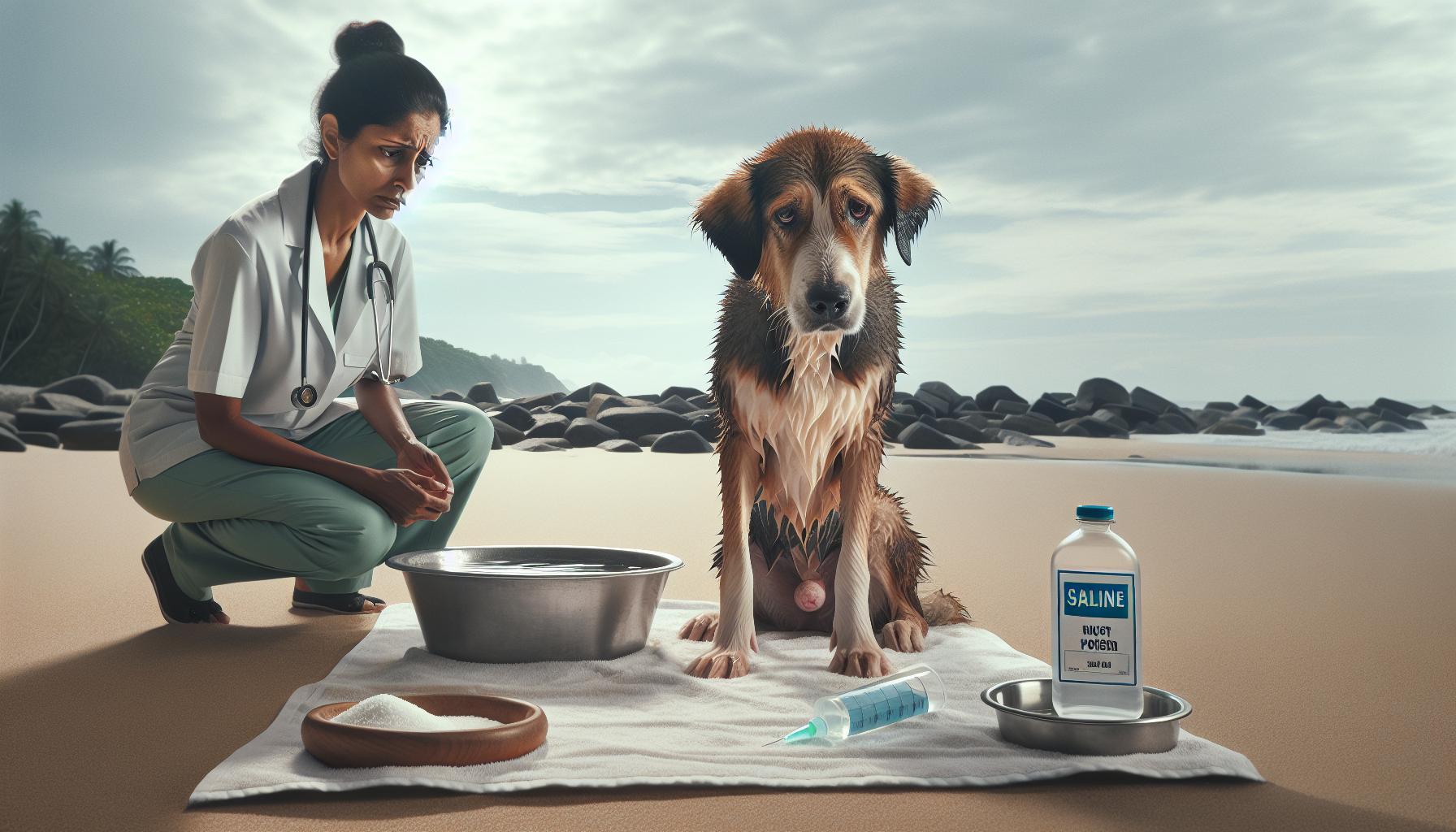
Recognizing the can be a crucial skill for responsible pet owners. Given that dogs have a much lower tolerance for salt than humans, even a small amount of ingested seawater can lead to serious health issues. Initially, your dog may appear normal, playful, and excited, but as the body processes the excess salt, symptoms can develop quickly. Look for early warning signs that may indicate distress: excessive thirst, diarrhea, and vomiting can all point to immediate salt water exposure.
As salt levels rise in the bloodstream, more severe symptoms may emerge. These can include confusion, loss of coordination, muscle tremors, and seizures, which can be distressing to witness. Stay vigilant for behavioral changes; if your dog seems lethargic, unresponsive, or excessively panting, these may be signs that the situation is worsening. Always remember, dogs can’t communicate their discomfort like we can, so keen observation is essential.
Symptoms to Watch For
To help you monitor your dog’s health after a beach day, here’s a quick checklist of symptoms that may indicate salt water poisoning:
- Excessive Thirst: Drinking more water than usual, especially after recent ocean play.
- Vomiting: Frequent vomiting can be a clear indicator of a problem.
- Diarrhea: Loose stools or diarrhea after seawater ingestion.
- Fatigue or Lethargy: Disinterest in play or long-lasting fatigue.
- Neurological Changes: This can include tremors, difficulty walking, or seizures.
If you notice any of these symptoms manifesting in your dog, it’s important to act quickly. Reach out to your veterinarian or an emergency animal clinic for advice. Remember, being proactive can significantly decrease the risks associated with salt water ingestion and ensure your furry friend stays healthy and happy.
What Happens When Dogs Ingest Salt Water?
When a dog accidentally swallows salt water during a beach outing, it can lead to a cascade of physiological reactions that range from mild to potentially life-threatening. As canines are inherently less tolerant of salt than humans, even small amounts of salty seawater can disrupt their delicate electrolyte balance. This imbalance causes dehydration and a host of other health issues, putting their well-being at serious risk.
Upon ingesting salt water, a dog’s body attempts to expel the excess salt to maintain homeostasis. This process may begin with symptoms like increased thirst and urination as the body tries to flush out the sodium. However, if the salt levels continue to rise in their bloodstream, it can lead to more severe complications. Symptoms can escalate to include vomiting, diarrhea, and abdominal pain, reflecting the body’s struggle to cope with the foreign substance.
As the condition worsens, a dog may show signs of neurological distress due to the strain on their system. These can include confusion, muscle tremors, loss of coordination, and in extreme cases, seizures. Monitoring your pet’s behavior post-exposure is crucial, as changes such as lethargy, excessive panting, or unresponsiveness can indicate an urgent need for veterinary intervention.
While a day at the beach is often filled with joy and play, it’s vital to understand that salt water ingestion poses tangible risks to our furry friends. Should your dog drink seawater, keeping a watchful eye on their condition and acting swiftly can make a significant difference in their recovery and overall health.
Immediate Actions if Your Dog Drinks Salt Water
Whenever a dog gulps down salt water, it’s crucial to act promptly, as their bodies are far less equipped to handle high salt intake compared to humans. The first thing to do is to calmly assess your dog’s condition. Look for immediate signs of distress, such as excessive thirst, vomiting, or diarrhea. These symptoms can indicate that they’ve ingested a dangerous amount of seawater. If your dog shows any unusual behavior, such as lethargy or loss of coordination, it’s essential to take action without delay.
One of the most important steps is to ensure your dog has access to fresh water as soon as possible. Offer them clean, fresh water to dilute the salt in their system. Encourage them to drink but don’t force it, as they may be very uncomfortable. It’s also helpful to observe their drinking patterns-if they refuse water or continue to vomit, this could indicate a more serious situation.
Additionally, keep an eye on their behavior over the next few hours. While some dogs might recover quickly after ingestion, others may develop more severe complications that could require veterinary attention. If symptoms like persistent vomiting, diarrhea, excessive drooling, or seizures appear, contact your veterinarian immediately. In some cases, they may require IV fluids or other treatments to help balance their electrolytes and address dehydration.
To ensure a safe beach outing in the future, consider investing in a portable water bowl to entice your dog to drink fresh water regularly while they’re playing. This not only hydrates them but also reduces the likelihood of saltwater ingestion. By following these immediate actions, you can help your dog recover effectively and prevent long-term health complications from saltwater consumption.
Long-Term Health Effects of Salt Water Consumption
When a dog ingests salt water, the immediate effects can be alarming, but the long-term health consequences can be even more significant. Dogs do not have the same capacity as humans to process high levels of salt, which can lead to serious health issues that may manifest long after the beach day is over. Understanding these potential effects is crucial for any dog owner who enjoys seaside adventures with their furry friends.
One of the primary concerns following saltwater ingestion is kidney damage. Dogs that frequently drink saltwater risk developing chronic kidney issues due to the strain placed on these organs while trying to excrete the excess sodium. Symptoms of kidney problems can be slow to appear and may include increased thirst and urination, decreased appetite, and lethargy. It’s essential to monitor your dog for these signs if they’ve ingested saltwater.
Another significant risk is hypernatremia, a condition characterized by high sodium levels in the blood. This can lead to severe health issues, including neurological symptoms such as tremors, seizures, and decreased coordination. If left untreated, hypernatremia can be fatal. It is critical to seek veterinary care if you notice any unusual behavior in your dog following exposure to saltwater, even if they seem to recover initially.
Moreover, saltwater consumption can lead to gastrointestinal distress in the long term. Dogs may experience chronic vomiting or diarrhea, which can further lead to dehydration and electrolyte imbalances. This cycle can contribute to ongoing discomfort and a poor quality of life for your pet. Therefore, ensuring your dog has easy access to freshwater after beach outings is essential for mitigating these risks.
In conclusion, while a playful day at the beach is a joy for dogs and their owners, it’s vital to be aware of the long-term consequences of saltwater consumption. By understanding the potential health risks and monitoring your dog’s health closely, you can ensure that every trip to the ocean remains a fun and healthy experience for your beloved canine companion.
Breeds at Risk: Which Dogs Are More Vulnerable?
Certain breeds of dogs are more susceptible to the dangers of ingesting salt water, largely due to their size, health predispositions, and behavior around water. For example, smaller breeds like Dachshunds and Chihuahuas have a higher risk of saltwater poisoning due to their lower body weight, making even a small amount of salt water potentially harmful. These breeds may also have a more difficult time processing the excess sodium, which can lead to quicker onset of symptoms.
Vulnerable Breeds
Recognizing which breeds are particularly at risk can help you take proactive measures to keep your dog safe during beach outings. Here’s a look at some breeds that need extra care:
- Small Breeds: Dogs like Pugs, French Bulldogs, and Cocker Spaniels often have higher risks due to their smaller size.
- Older Dogs: Seniors of any breed may have compromised kidney function, making them less able to handle the salt levels in ocean water.
- Working Breeds: Breeds such as Border Collies and Labrador Retrievers, which are often more inclined to play in the water, may be more exposed to the dangers of saltwater if allowed to swim freely.
It’s not just about the breed, though; individual health considerations also play a role. For instance, dogs with pre-existing kidney issues should be kept away from salty waters entirely. Their sensitivity to sodium can escalate health risks if they consume even small amounts of salt water.
Actionable Tips for Owners
If you own a breed that tends to be more vulnerable, here are some practical steps to minimize risk during beach outings:
- Monitor Drinking Behavior: Watch how much water your dog consumes while they’re at the beach. If they seem to be drinking large amounts of salt water, redirect their attention.
- Provide Fresh Water: Always bring plenty of fresh water to the beach to encourage your dog to hydrate without consuming the ocean salt.
- Train Your Dog: Use commands to discourage your dog from drinking from the sea or playing too vigorously in the surf.
Taking these precautions will allow you to enjoy fun beach adventures without compromising your dog’s health. By being aware of the breeds at higher risk and adopting safe practices, you can make beach trips a worry-free experience for both you and your furry friend.
How to Prevent Your Dog from Drinking Sea Water
When you’re at the beach with your furry companion, it can be a challenge to keep them from drinking sea water. Dogs, especially those that are playful and curious, are often drawn to the ocean’s waves, eager to splash and swim. However, with a few proactive strategies, you can help prevent your dog from ingesting salt water and ensure a safe and enjoyable outing.
Start by offering fresh water frequently. Bringing a portable water bowl and plenty of fresh drinking water to the beach will encourage your dog to hydrate without resorting to the salty ocean. You can even set up a little water station in a shaded area to make it inviting. Dogs are naturally inquisitive; if they taste fresh water often, they’ll be less tempted to drink from the sea.
Training is another critical component. Utilize positive reinforcement techniques to teach your dog commands such as “leave it” or “come” when they head toward the water. For example, if your dog dashes towards the ocean with their tongue out, a command to redirect them back to you can make a significant difference. Bring along some tasty treats to reward them when they listen, reinforcing good behavior while you enjoy your beach day.
Monitoring their activity is essential, particularly with breeds that are more prone to saltwater drinking. Keep a watchful eye on dogs like Pugs and French Bulldogs, who might not recognize their own limits. Engage them in games like fetch with a frisbee or stick, which can keep them more focused on play rather than sipping salty water. When they start to appear overly curious about the ocean, it’s a good time to distract them with play or bring them closer to the beach towel for a break.
Finally, consider using a doggy life jacket if you’re near deep water or if your dog has a penchant for swimming. A life jacket can help control their movement and allow for better supervision. This makes it easier to manage their exposure to sea water and keeps them safe even if they get a bit excited. Remember, a little planning and vigilance can turn a potential danger into a day full of joyful beach memories!
Strategies for Safe Beach Outings with Your Dog
Taking your furry friend to the beach can be an exhilarating experience for both of you, filled with the joy of sun and surf. However, ensuring a safe outing is crucial, especially when it comes to the potential dangers of salt water. Dogs are naturally curious and playful, which may lead them to gulp down ocean water that can have harmful effects on their health. To navigate this environment safely, employing a few strategic measures can keep your beach day fun and worry-free.
Start by bringing along a cooler filled with fresh water and a portable bowl. Setting up a hydration station in the shade invites your dog to drink fresh water regularly, enticing them away from the salty allure of the ocean. Frequent hydration not only quenches their thirst but also helps negate the urge to sip on sea water. Make this area feel like a refreshing retreat with a favorite toy or blanket to encourage visits.
Training can be a lifesaver during your beach outings. Use basic commands like “leave it” or “come” consistently to reinforce good behavior when your pup wanders too close to the waves. Pair these commands with treats or toys to create a positive association. For instance, if they venture toward the shore, calmly call them back and reward them for listening. Consistent training fosters a better understanding of boundaries while building a solid bond between you and your dog.
Keeping an eye on specific breeds is particularly important; some may not be able to recognize when they’ve had too much salt water. Breeds like Bulldogs, which are prone to overheating, or small dogs with less endurance like Chihuahuas, may tire quickly. Engage them in structured play like fetch, which not only stimulates their physical activity but also distracts them from the ocean. Set intervals for playtime and rest to prevent overexertion, providing comfort without the risk of salt water exposure.
Lastly, if you’re at a beach with deeper waters, consider utilizing a doggy life jacket. This not only safeguards your dog in case they leap too far into the waves but also allows for easier management of their movements. Your alertness paired with proper equipment can create a safe atmosphere where your dog can enjoy the surf without the risk of ingesting harmful salt water. Remember, careful planning, constant vigilance, and a positive, engaging attitude can transform a beach excursion into a delightful day of splashing around with your best friend!
Providing Fresh Water: Importance and Best Practices
When heading to the beach with your furry companion, it’s easy to get caught up in the fun and excitement of sand and surf. However, ensuring your dog stays hydrated with fresh water is crucial to preventing salt water ingestion and the associated risks. Not only does providing fresh water help quench your pup’s thirst, but it also acts as a powerful deterrent against the temptation of salty sea water.
Establishing a refreshing hydration station is simple yet effective. Bring along a cooler filled with fresh water and a lightweight, portable bowl. Set this up in the shade to encourage your dog to sip frequently throughout your beach outing. By making this area feel inviting-perhaps by placing their favorite toy or a cozy blanket nearby-you can create a special spot for them to relax and hydrate, steering them away from the ocean’s edge. You might even create a routine where your pup is reminded to drink after playing in the water, reinforcing this healthy habit.
Training can significantly enhance your beach experience and help your dog understand the importance of fresh water. Use clear cues like “water” or “drink” to signal that it’s time for a break at your hydration station. Pair these commands with positive reinforcement through treats or affection, reinforcing the behavior you want to encourage. By making drinking fresh water a fun part of your beach day, you’ll be fostering habits that could protect your dog’s health.
In terms of specific breeds, consider how risks might vary. Breeds prone to overheating, like Bulldogs, and smaller breeds that may tire swiftly, such as Chihuahuas, should be monitored closely for their hydration needs and fatigue levels. Make regular stops for refreshing water breaks and keep an eye on their energy, ensuring they don’t overexert themselves in the sun and surf. A proactive approach to water consumption not only keeps your dogs healthy but also allows for longer, happier days at the beach together.
Veterinary Expertise: When to Seek Help After Ingestion
When your dog takes a quick sip of salt water during a beach outing, it might seem harmless, but there are critical signs to watch for and actions to consider if they ingest too much. Understanding how to respond appropriately can make a world of difference in ensuring your furry friend’s health and safety. If your dog exhibits unusual behavior, it’s essential to remain calm and assess the situation carefully.
Signs to Look For
After drinking salt water, your dog may not show immediate symptoms, but it’s crucial to monitor them closely. Key signs of salt water poisoning may include:
- Increased Thirst: Dogs may try to drink more water to compensate for the salt they ingested.
- Vomiting: This is often one of the first reactions, as their body attempts to rid itself of the excess salt.
- Diarrhea: May occur in conjunction with vomiting.
- Weakness or Lethargy: If your dog seems less energetic than usual, it could be a cause for concern.
- Seizures or Tremors: In severe cases, neurological symptoms may occur due to the imbalance of electrolytes.
It’s vital to recognize these signs early and act swiftly. Consult a veterinarian if you notice any of these symptoms after your dog has ingested salt water.
When to Contact a Veterinarian
If you suspect your dog has drank a significant amount of salt water or shows any concerning symptoms, do not hesitate to contact your veterinarian or an emergency animal clinic. Quick intervention may be necessary to prevent more severe complications like dehydration, kidney damage, or neurological issues. In cases where the symptoms are mild, your vet may recommend monitoring your dog at home while maintaining hydration with fresh water.
Keep in mind that some breeds may be more susceptible to salt water poisoning due to their health profiles or sizes. For example, brachycephalic breeds like Bulldogs or Pugs might struggle more with the effects of saltwater due to their breathing difficulties, making it extra important to monitor them closely.
By being informed and proactive, you can ensure that beach trips remain a joyful experience for both you and your dog. Always err on the side of caution and get your pet checked if you’re unsure-better safe than sorry!
Alternative Fun at the Beach for Dogs Without Salt Water
Taking your dog to the beach can be an exhilarating experience for both of you! It’s a place where they can run free, dig in the sand, and explore the great outdoors. However, given the dangers associated with salt water, it’s wise to think creatively about how to keep your dog entertained without risking their health. From finding alternative play options to ensuring they stay hydrated and safe, there are plenty of exciting activities to enjoy together.
One fantastic way to allow your dog to enjoy the beach without the risks of salt water ingestion is to bring along a kiddie pool filled with fresh water. Setting it up near your beach blanket gives your pup a designated spot to cool off and hydrate while still being part of all the action. Fill the pool with their favorite toys to encourage playful splashing. This is especially beneficial for breeds that love water, like Labradors or Golden Retrievers, who may be more inclined to jump into a pool than into salty waves.
Another engaging beach activity is playing fetch on the sand. You can use a soft frisbee or a ball, ensuring that it’s light and easy for your dog to carry. The soft surface of the sand is gentler on their joints, especially for older dogs or those prone to hip dysplasia. Additionally, tossing the ball a bit further will help your furry friend work off their energy. Just remember to keep a close eye on their water intake during play sessions, offering fresh water frequently to prevent dehydration.
Moreover, consider organizing some fun games like hide-and-seek with treats or toys. You can hide them in the sand or behind beach towels, encouraging your dog to sniff them out. It stimulates their natural instincts and provides mental enrichment without posing a health risk. This activity is great for all breeds but particularly effective for scent-driven dogs like Beagles or Bloodhounds.
Lastly, plan a beach day during cooler hours, like early morning or late afternoon. This approach not only avoids the hottest part of the day but also reduces the risk of overheating and ensures the sand isn’t too hot for your dog’s paws. With plenty of fresh water available and exciting alternatives to salty beach water, your beach outing can remain safe, enjoyable, and memorable for both you and your canine companion!
Frequently Asked Questions
Q: Can salt water harm my dog if ingested?
A: Yes, salt water can harm your dog if ingested. It may lead to salt poisoning, causing symptoms like vomiting, diarrhea, and seizures. If your dog swallows salt water while at the beach, be attentive to any unusual behavior and consult a veterinarian if symptoms arise.
Q: What are the long-term effects of salt water ingestion in dogs?
A: Long-term effects of salt water ingestion may include chronic dehydration, kidney damage, and neurological issues. Frequent exposure can worsen these conditions, emphasizing the importance of managing your dog’s water intake during beach visits. For more preventive tips, refer to our section on safe beach outings with your dog.
Q: How can I identify signs of salt poisoning in my dog?
A: Signs of salt poisoning in dogs include excessive thirst, vomiting, lethargy, and tremors. If you notice any of these symptoms after your dog drinks salt water, contact a veterinarian immediately for guidance on treatment and care.
Q: Is there an alternative to letting dogs drink sea water?
A: Yes, provide fresh water regularly during beach outings. Carry a water bowl and encourage your dog to drink fresh water instead of salt water. This avoids dehydration and helps maintain your dog’s health during playtime at the beach. For more tips on providing fresh water, check our section on its importance.
Q: Can certain dog breeds tolerate salt water better than others?
A: While no breed is immune to the dangers of salt water, larger and more robust breeds may handle minor amounts better. However, all dogs are at risk for salt poisoning, so it’s crucial to monitor them closely and prevent them from drinking ocean water.
Q: What should I do if my dog accidentally drinks salt water?
A: If your dog accidentally drinks salt water, remove them from the area and provide them with fresh water to help flush out the salt. Monitor for symptoms of poisoning and consult a veterinarian if any troubling signs occur. Immediate action can prevent serious health issues.
Q: How can I keep my dog safe at the beach?
A: To keep your dog safe at the beach, always supervise their play, provide fresh water regularly, and train them to avoid drinking sea water. Additionally, familiarizing them with commands can prevent potential dangers. Learn more strategies for safe beach outings in our detailed guide.
Q: Are there any specific foods that help prevent salt water poisoning in dogs?
A: While no specific foods can prevent salt water poisoning, a well-hydrated dog is less likely to suffer severe effects. Regularly feeding your dog a balanced diet and ensuring they drink plenty of fresh water can help maintain their overall health. Consider discussing your dog’s diet with a veterinarian for tailored advice.
The Conclusion
Understanding the dangers of dogs drinking salt water is crucial for keeping your furry friend safe during beach outings. Remember, salt water can lead to severe health issues, including dehydration and poisoning. If you’re planning a beach trip, ensure you provide your dog with plenty of fresh water and supervise their activities closely.
For further insights, check out our articles on “Signs of Dehydration in Dogs” and “How to Safely Hydrate Your Dog at the Beach.” Don’t hesitate to reach out with any questions or experiences you’d like to share in the comments below-your feedback helps fellow dog owners!
Finally, if you’re passionate about your dog’s health, consider subscribing to our newsletter for tips and updates on pet care and safety. Let’s keep our pups safe and happy together!