
As a dog owner, you want to ensure that every treat and sip is safe and beneficial for your furry friend. With the growing popularity of sparkling water among humans, it’s a natural question: can dogs drink sparkling water? While it may seem like a refreshing option, there are important factors to consider regarding your dog’s health and comfort. In this article, we will explore the surprising truth behind serving sparkling water to dogs, addressing potential risks and benefits. Understanding what you can safely offer your dog will not only help you make informed choices but also keep your beloved pet happy and healthy. So, let’s dive into the bubbly world of sparkling water and find out if it’s truly suitable for your canine companion!
Understanding Sparkling Water: What It Is and How It Differs
Sparkling water has become a popular beverage among humans, often seen as a refreshing alternative to still water. But what exactly is it? At its core, sparkling water is water that has been carbonated, meaning carbon dioxide gas is added, resulting in the bubbly texture we love. Unlike soda, it typically doesn’t contain added sugars or artificial flavors, giving it a more natural taste. When considering your canine companion’s hydration, understanding the nuances of sparkling water versus still water is crucial, especially since our furry friends have different physiological needs.
It’s essential to recognize that not all sparkling waters are created equal. Some may contain added minerals or flavorings, which can pose different questions around safety for dogs. By nature, carbonation can lead to gas and potential discomfort in dogs, much like it does in humans. Therefore, while the fizz might seem intriguing for your pup, the digestive risks associated with carbonation are not to be overlooked. For dog owners eager to share their love for sparkling beverages with their pets, distinguishing between plain sparkling water and flavored or sweetened varieties becomes even more critical.
When it comes to hydration for dogs, water remains the gold standard. Dogs need plenty of fresh, clean water daily to maintain their health, reflecting their unique physique requirements. While small amounts of plain sparkling water may not cause immediate harm, it’s best to err on the side of caution and keep any carbonated beverages as an infrequent treat-not a substitute for their essential hydration needs.
The Ingredients in Sparkling Water: Are They Safe for Dogs?
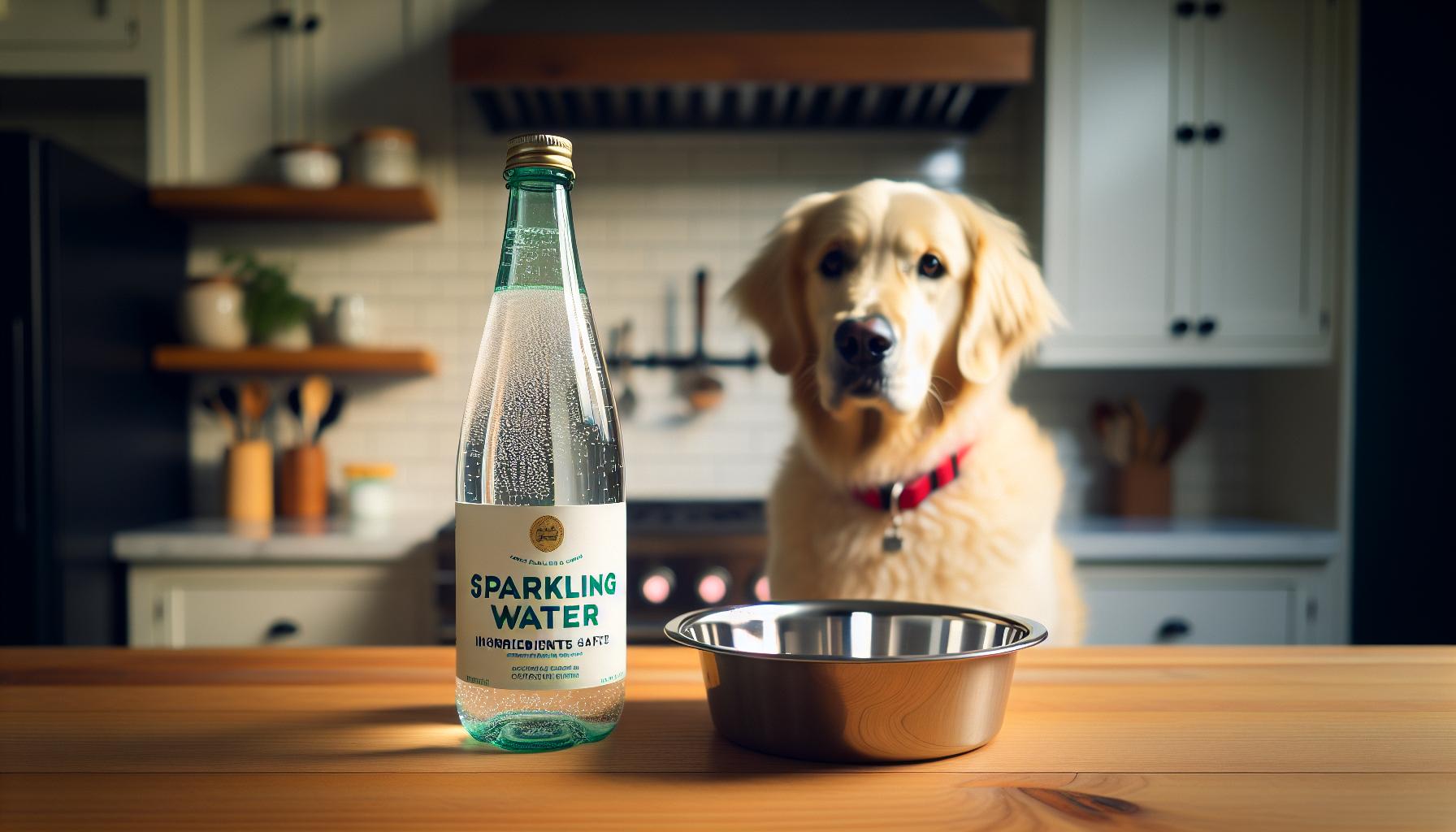
Sparkling water can seem tempting to share with your furry friend, but understanding the safety of its ingredients is crucial. Generally, plain sparkling water consists of carbonated water, which is just regular water infused with carbon dioxide gas. This carbonation is what creates those delightful bubbles that many enjoy! However, when it comes to your dog, not all sparkling waters are created equal. It’s essential to look closely at the ingredient list for any added minerals, flavorings, or sweeteners that could be harmful.
Historically, pets have thrived on simple hydration-fresh, clean water. Thus, when choosing a sparkling water for your dog, it should be as pure as possible. For instance, flavored sparkling waters often contain natural or artificial flavors, acidic agents, or sugar substitutes like xylitol, which can be toxic to dogs even in small quantities. If you ever consider indulging your dog with a sip, always check the label and stick to plain, unflavored varieties.
Some dogs may be more sensitive to the carbonation itself, leading to discomfort or digestive upset. If your dog is prone to gastrointestinal issues or gas, it’s advisable to avoid sparkling water altogether. Instead, offering plain water is the safest bet for hydration. Consider introducing any new drink slowly and monitor for any adverse reactions. Ensuring your canine companion’s happiness and health should always be top priority!
In summary, while the simplicity of unflavored sparkling water may not pose an immediate danger, individual dog reactions can vary widely, and many sparkling waters can contain ingredients that are harmful. Make sure to prioritize their standard hydration needs and keep sparkling water as an occasional novelty rather than a staple in their diet.
Potential Risks of Dogs Drinking Sparkling Water
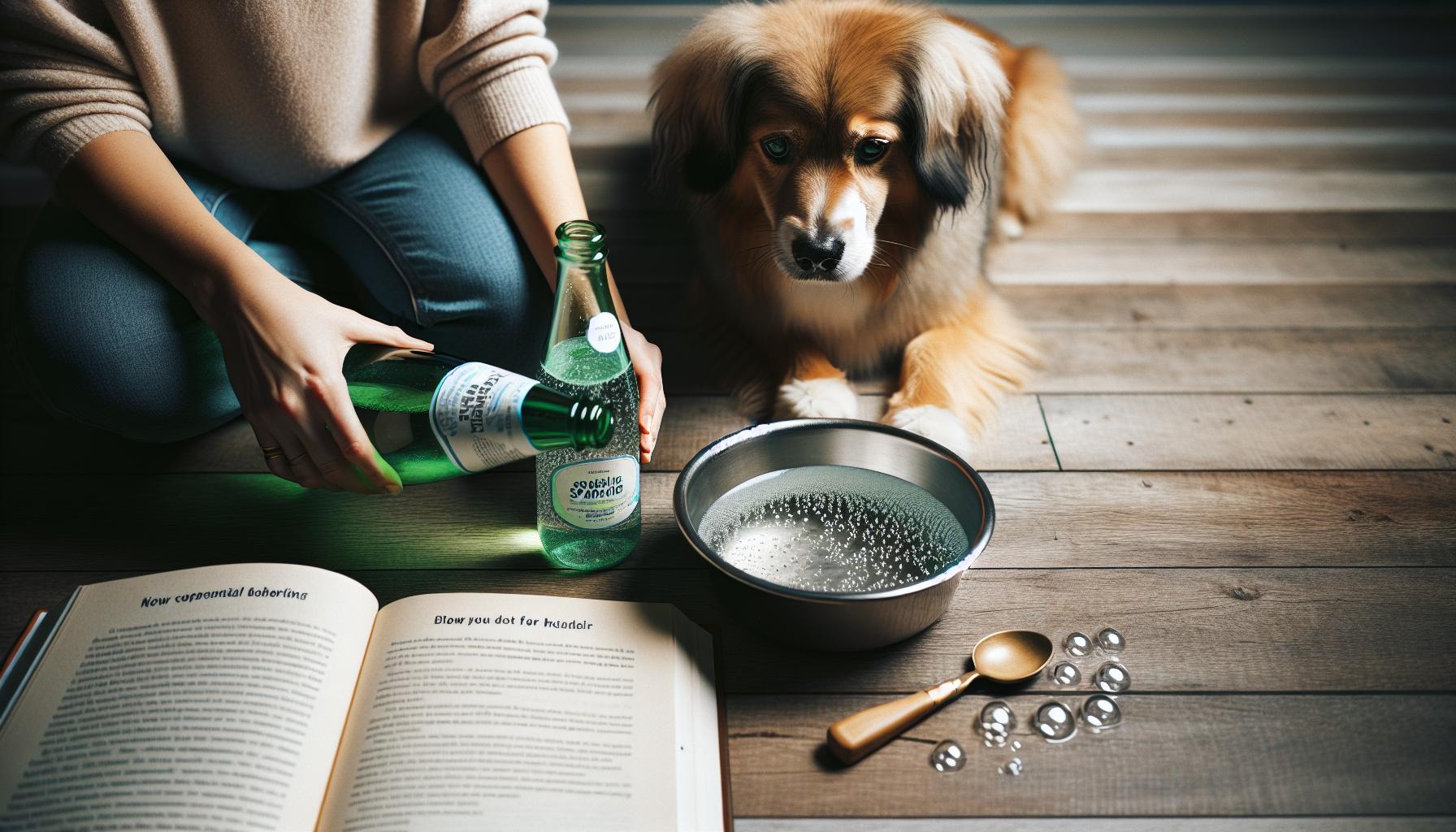
While it may be tempting to let your furry friend sample sparkling water during your next picnic or gathering, it’s essential to be aware of the potential risks associated with dogs consuming carbonated beverages. The carbonation itself can pose issues; dogs are not naturally accustomed to carbonation, and it may lead to discomfort or even digestive upset. Many pet owners report their dogs showing signs of bloating, gas, or diarrhea after consuming even small amounts of sparkling water, particularly if it is carbonated.
Additionally, the flavorings and additives that often accompany sparkling waters can be harmful to dogs. Flavored varieties might contain artificial sweeteners, like xylitol, which is notoriously toxic to dogs and can lead to severe health concerns including liver failure. Even seemingly harmless ingredients, such as citric acid or natural flavors, can cause adverse reactions in sensitive dogs. Always check the ingredients before sharing any drink with your pet, as what seems like a fun treat could quickly turn into a health risk.
Another significant concern is that certain dog breeds may be more susceptible to reactions from fizzy drinks. For example, brachycephalic breeds (like Bulldogs or Pugs) that already struggle with breathing issues could experience further respiratory discomfort from the carbonation. Similarly, dogs with existing gastrointestinal conditions may find that even a small amount of sparkling water exacerbates their symptoms.
Ultimately, the safest approach is to prioritize plain, fresh water for hydration. If you want to reward your dog with something a little different, consider ice cubes of their favorite non-toxic fruit, like watermelon or blueberries, as a refreshing and safe alternative to sparkling water. Keeping your dog’s health and comfort a top priority will help set the stage for a happy and hydrated life!
Signs Your Dog May Be Sensitive to Carbonation
Not all dogs respond the same way to bubbly beverages, and recognizing the signs that your pup may be sensitive to carbonation is crucial for their well-being. While many owners find it amusing to watch their dogs experience the fizz of sparkling water, it can lead to real discomfort for some. Just as humans can react differently to carbonated drinks, dogs can too, and it’s essential to pay attention to how your furry friend behaves after consuming even a small amount.
If you notice your dog immediately licking their lips or pawing at their mouth, it might indicate they’re uncomfortable. Additionally, behaviors such as excessive burping, whining, or pacing can signal that the carbonation isn’t sitting well with them. Some dogs might also develop a case of the hiccups or show signs of bloating, which suggests that the trapped gas is causing irritation. To help you monitor these reactions, here’s a quick list of potential signs your dog may exhibit:
- Restlessness: Pacing or not settling down can indicate discomfort.
- Gastrointestinal issues: Watch for burping, gas, or diarrhea.
- Mouth licking or pawing: This behavior can show unease in their mouth.
- Whining: Vocal discomfort is a clear warning signal.
Certain breeds may be particularly prone to sensitivity due to physical characteristics. For instance, smaller breeds or those with flat faces, such as Pugs and Bulldogs, often have more challenges when it comes to breathing. Their already compromised airways could make the fizzy sensation from carbonation feel even more uncomfortable. On the other hand, larger breeds with sensitive stomachs, like Greyhounds, might be more susceptible to the digestive upset that carbonation can cause.
It’s also important to remember that if your dog has pre-existing digestive issues or respiratory concerns, they may be more likely to react negatively to bubbly drinks. As always, if you observe any concerning symptoms or if you’re unsure about your dog’s reaction to sparkling water, don’t hesitate to consult your veterinarian. Keeping an eye on your dog’s responses will not only help ensure their comfort but will also guide you in creating the safest hydration routine tailored to their unique needs.
Alternatives to Sparkling Water for Hydrating Your Dog
When it comes to keeping your furry friends well-hydrated, there are numerous alternatives to sparkling water that can ensure they stay healthy and happy without the risks associated with carbonation. Dogs can be quite sensitive to changes in their diet and hydration sources, so offering them refreshing options that are both enjoyable and safe is crucial.
One excellent substitute is fresh, clean water-the cornerstone of canine hydration. It’s essential to provide filtered or tap water daily, ensuring it is always fresh and available. But if you’re looking to spice up their hydration routine, consider adding water enhancers like low-sodium bone broth. This tasty addition not only provides hydration but also offers beneficial vitamins and minerals, making it particularly appealing for dogs who might be hesitant to drink plain water.
Another creative alternative is infused water. You can make this by adding safe fruits or vegetables to your dog’s water bowl, such as slices of cucumber, blueberries, or watermelon. Just be sure to avoid toxic options like grapes or onions. The infusion adds a hint of flavor and can entice your pet to drink more while keeping hydration levels up.
Additionally, consider ice cubes made from chicken or beef broth as a fun, engaging way to keep dogs hydrated, especially during warm weather. These frozen delights not only quench thirst but can also act as a tasty treat that dogs love to chew on. When preparing these, just make sure the broth does not contain garlic or onion, which are harmful to dogs.
For dogs with specific dietary needs, pet-safe electrolyte solution can serve as a temporary alternative during hot days or after exercise to replenish lost fluids effectively. These solutions are designed specifically for canine consumption and can be found at pet stores or online, ensuring your dog remains hydrated after play.
Lastly, it’s essential to monitor the hydrations habits of various breeds, as their needs can differ significantly. For instance, large breeds like Great Danes may require more water compared to smaller breeds like Chihuahuas. Keeping a hydration chart handy can help you track their intake to ensure they’re drinking enough.
By offering a variety of these alternatives, you can create a fulfilling and safe hydration experience for your dog that not only meets their needs but also promotes their health and well-being. Remember, hydration is key to your dog’s vitality, so enjoy exploring these options together!
Comparing Sparkling Water to Regular Water for Dogs
While it might be tempting to share a sip of bubbly sparkling water with your furry friend, it’s vital to understand how it stacks up against good ol’ regular water when it comes to canine hydration. Unlike sparkling water-carbonated and often containing added flavors or sweeteners-regular water is the best and most natural option for dogs. The primary role of water is straightforward: to keep your dog hydrated, support their bodily functions, and promote overall health.
Differences to Consider
- Carbonation Effects: Regular water is simply H2O, which makes it easy for dogs to consume without any complications. Sparkling water, with its carbonation, may cause gastrointestinal discomfort, such as gas, bloating, or even an upset stomach. This is particularly crucial for breeds that are already predisposed to sensitive digestion, like Bulldogs or Pugs, where bloating can quickly become a serious issue.
- Additives: Many store-bought sparkling waters contain added minerals or flavors. While some minerals, like calcium or magnesium, can be beneficial in moderation, excessive amounts can disrupt your dog’s electrolyte balance. Furthermore, flavored versions may contain ingredients that are toxic to dogs, such as xylitol or citric acid. Regular water, on the other hand, is pure and has no additives, making it the safest choice.
- Taste Preferences: Some dogs are not picky and will drink whatever is available, while others might develop preferences. If you find that your dog is less interested in plain water, consider enriching it with safe infusions like mint or a splash of low-sodium bone broth. These options are healthier and provide an enticing flavor without the risks associated with carbonation.
Breed-Specific Recommendations
Understanding how different breeds approach hydration can also influence your decision. Larger breeds, such as Golden Retrievers, usually require more water due to their size and activity levels. In contrast, smaller breeds like Chihuahuas may drink less. For instance, because of their smaller stomach capacity, tiny breeds may experience gastrointestinal upset more readily from the bubbles in sparkling water.
Ultimately, the difference between sparkling and regular water for dogs boils down to health and safety. Providing consistent access to fresh, clean water is essential for maintaining hydration, while exploring safe alternatives can add variety to their hydration routine without compromising their health. Regular water stands out as the clear winner, offering the uncomplicated hydration your dog needs while keeping those pesky bubbles at bay.
The Best Practices for Introducing New Drinks to Your Dog
Introducing your dog to new drinks can be an exciting endeavor, bringing variety to their hydration routine. However, it’s crucial to proceed with caution, especially when considering beverages like sparkling water. Dogs have sensitive digestive systems that can react differently to new substances, and carbonation can pose particular challenges. To make the transition smooth and safe, you’ll want to follow a few best practices.
First and foremost, start by closely observing your dog’s reaction to any new drink. If you’re tempted to share a sip of sparkling water, begin with a very small amount. This initial taste test allows you to monitor for any immediate signs of discomfort, such as gas or bloating. If your dog seems to enjoy it and doesn’t exhibit any negative reactions, you can consider incorporating it into their routine sparingly. It’s advisable to avoid flavored sparkling waters entirely, as they may contain harmful additives, so always stick to plain versions if you choose to introduce it.
Moreover, establishing a routine can help your dog adapt to new drinks. Once you’ve determined that your dog can tolerate a small quantity of sparkling water, you could mix it with regular water in a gradual ratio to promote hydration without overwhelming their system. For example, start with a 10% sparkling water to 90% regular water ratio, gradually increasing the sparkling water if they seem to enjoy it and tolerate it well.
Consistency is key. Dogs thrive on routine, so maintaining a regular hydration schedule is ideal. Ensure they have constant access to their primary drink-fresh, clean water-while occasionally offering them a splash of sparkling water as an enticing treat. This method not only keeps hydration fun but also ensures that your dog’s health is safeguarded by always prioritizing plain water.
Lastly, consult with your veterinarian before introducing any new drinks, especially if your dog has pre-existing health conditions or sensitivities. A professional can provide personalized guidance tailored to your dog’s specific needs, ensuring that you make informed decisions about their diet and hydration. By taking these steps, you’ll create a positive and safe introduction to new drinks, promoting not only hydration but also your dog’s overall well-being.
What Breeds Are More Likely to React to Sparkling Water?
Certain dog breeds are more sensitive to carbonation and may react differently to sparkling water. Breeds known for their delicate digestive systems, such as Chihuahuas, French Bulldogs, and Pugs, are often more susceptible to issues like gas and bloating. These breeds are prone to gastrointestinal disturbances, and the bubbles in sparkling water can exacerbate these problems. If you own one of these breeds, it’s wise to be particularly cautious when introducing any carbonated beverages into their diet.
Breeds Likely to React to Sparkling Water
| Breed | Digestive Sensitivity | Common Reactions |
|---|---|---|
| Chihuahua | High | Gas, bloating |
| French Bulldog | High | Bloating, discomfort |
| Pug | Moderate | Gastrointestinal upset |
| Boston Terrier | Moderate | Bloating, gas |
| Boxer | Moderate | Gastric distress |
In contrast, larger breeds with robust digestive systems, like Labrador Retrievers and German Shepherds, may handle small amounts of sparkling water better. However, even for these breeds, moderation is key. It’s not just about breed; individual dogs may have their own tolerance levels. A dog’s health history, age, and overall condition should be taken into account before letting them sip on sparkling water.
Expert veterinarians generally recommend observing any new drink introduction closely. If you’re curious about how your dog might react, it’s best to consult with your vet. They can provide tailored insights that align with your dog’s overall health and dietary needs, helping you make an informed decision. By understanding your dog’s specific breed characteristics and individual health considerations, you can ensure a safe and healthy hydration routine for your furry friend.
Expert Opinions: Veterinarians Weigh In on Sparkling Water
When it comes to canine hydration, sparkling water is a topic that raises eyebrows among pet owners and veterinarians alike. Many dog parents often wonder if it’s safe to share a bubbly drink with their furry companions. According to veterinarians, while the occasional sip of sparkling water may not be outright harmful, it’s essential to approach this novelty with caution. The carbonation in sparkling water can lead to unwanted gastrointestinal issues, especially in smaller or more sensitive breeds.
Veterinary experts emphasize a few key points when considering whether to introduce sparkling water into your dog’s hydration routine. First, they often advise keeping an eye on individual reactions. Just like humans, dogs can have varying tolerances to carbonation. For breeds like Chihuahuas and French Bulldogs, which tend to have more delicate digestive systems, the bubbly nature of sparkling water can lead to gas and bloating. A helpful strategy is to offer a small amount initially and monitor for any adverse reactions such as excessive drooling, whining, or signs of discomfort.
Additionally, veterinarians remind owners that sparkling water should never replace regular drinking water. While it might seem exciting to let your dog indulge in a fizzy treat, plain water is still the best source of hydration. Dr. Emily Tran, a veterinarian with years of experience, suggests keeping hydration routines simple yet enjoyable. She advises offering a variety of flavors of infused water using safe fruits, like cucumber or watermelon, to make hydration appealing without the risks that come with carbonation.
In summary, while the idea of sharing a drink with your dog can feel delightful, it’s important to be prioritized by their health and comfort. Combining expert opinions with practical advice leads to a safer and more enjoyable experience for both you and your pup, ensuring that every drink contributes to their wellbeing.
Common Questions Dog Owners Have About Canine Hydration
Many dog owners are often curious about how to keep their furry friends properly hydrated, and understandably so! Hydration plays a crucial role in maintaining your dog’s overall health and well-being. Below, we address some common questions surrounding canine hydration, particularly regarding the consumption of sparkling water.
One frequent question is whether dogs can drink sparkling water at all. While it is not inherently toxic, it’s essential to approach this bubbly beverage with caution. Many vets recommend that sparkling water should only be given as an occasional treat. The carbonation can lead to discomfort, gas, or bloating, especially in small or sensitive breeds. It’s best to introduce it slowly and always observe for any adverse reactions, such as excessive drooling or fussiness.
Another common concern revolves around how hydration needs differ among various breeds. Larger breeds, like Golden Retrievers or German Shepherds, generally handle a variety of liquids better than smaller breeds such as Chihuahuas or Pugs, which often have sensitive stomachs. Therefore, it’s wise to tailor your approach based on your dog’s size and individual health. Make sure to offer fresh, clean water as the primary source of hydration, while occasionally having fun with flavored water infusions made from dog-safe fruits like cucumber or watermelon.
Dog owners also frequently ask how to tell if their dog is well-hydrated. Key indicators include the elasticity of their skin, the moisture of their gums, and the frequency of bathroom breaks. If your dog seems lethargic, has dry gums, or has a diminished appetite, these could signal dehydration. Remember that puppies and active dogs typically require more hydration due to their higher energy levels.
Ultimately, understanding your dog’s hydration needs will go a long way in promoting their health and happiness. Prioritize providing fresh water daily, consider occasional splurges on sparkling or flavored waters with care, and keep an eye out for any changes in behavior or health. By doing so, you’ll ensure that your pup stays happily hydrated!
Real-Life Experiences: Dog Owners Share Their Stories
It’s not uncommon for dog owners to want to share everything with their furry friends, including a sip of their own fizzy water. But reactions to this bubbly beverage can vary significantly across different dogs, leading to some amusing and eye-opening stories. For instance, one owner shared their experience with a spirited Beagle named Max who seemed intrigued by the bubbles in sparkling water. When offered a little to taste, Max enthusiastically lapped it up, only to quickly regret it, panting and pacing from the fizz. This owner learned quickly that though dogs can enjoy the novelty of carbonation, it’s best dosed in very small amounts and only on rare occasions.
In contrast, another pet parent with a laid-back Golden Retriever, Bella, reported no adverse effects from the occasional sparkling water treat. Bella would happily slurp from her owner’s glass during family meals, seemingly enjoying the festive atmosphere and the soft fizz. However, this owner took precautions, ensuring Bella had access to regular water at all times and only gave her sparkling water after confirming it didn’t lead to any discomfort. This experience highlighted a vital point among dog owners: individual dogs may have different reactions, so monitoring is key.
Interestingly, smaller breeds often show more sensitivity to carbonation. A Chihuahua named Tilly demonstrated this when her owner gave her a taste of sparkling water. Tilly’s immediate reaction included excessive drooling and a look that seemed to say, “What have you done to me?” This prompted her owner to reflect on the stark difference between their small dog and larger breeds. Understanding these diverse experiences can empower dog owners to tailor their hydration practices to their individual dogs’ preferences and tolerances.
It’s also helpful for owners to share their stories and insights with one another. Dog-focused forums and social media groups often feature threads about hydration tips, experimenting with dog-friendly infused waters, or discussing the merits of flavored versus plain water. By sharing insights-both wins and losses-owners can collaboratively navigate the quirks of canine hydration, ensuring their pups remain healthy and happy. After all, keeping pets hydrated should be about fun, safety, and the remarkable bond we share with our dogs!
Creating a Healthy Hydration Routine for Your Dog
Creating a proper hydration routine for your dog involves understanding their unique needs and preferences, especially when considering drinks like sparkling water. Water is vital for your dog’s health, regulating body temperature, supporting digestion, and maintaining overall well-being. However, when it comes to hydration, not all beverages are created equal. While sharing a sip of sparkling water may seem fun, it’s essential to remain mindful of its effects on different breeds and individual dogs.
To establish a healthy hydration routine, consider these supportive tips:
- Regular Water Access: Always ensure your dog has fresh, clean water available. This should be their primary source of hydration, especially on warm days or after exercise.
- Observation and Responsiveness: Pay attention to your dog’s cues when introducing new drinks. If they seem curious about your sparkling water, offer them a little taste while observing their reaction. Some dogs may enjoy the fizz, while others might feel uncomfortable.
- Hydration Variety: Mix things up by offering dog-friendly infused waters (like cucumber or watermelon) for a refreshing twist. Homemade broths can also serve as tasty alternatives, ensuring they stay hydrated and happy.
- Regular Check-Ins: Regularly assess your dog’s hydration levels, especially if you have a breed that may react sensitively to carbonation. Smaller breeds or those with sensitive digestive systems should be monitored closely when introducing any bubbly drinks.
Breed-Specific Considerations
Different breeds react uniquely to hydration options. While a robust Labrador might enjoy an occasional splash of sparkling water, a fragile Chihuahua could experience discomfort. Here’s a quick guide:
| Breed Type | Reaction to Carbonation | Hydration Tips |
|---|---|---|
| Larger Breeds (e.g., Labs, Retrievers) | Generally tolerant, but monitor for gas or bloating. | Provide ample standard water; occasional sparkling as a treat. |
| Smaller Breeds (e.g., Chihuahuas, Pugs) | Often more sensitive; may experience negative reactions. | Limit sparkling water; focus on natural, still options. |
| Active Breeds (e.g., Border Collies, Huskies) | Active dogs may enjoy a splash of flavor but check for hydration needs. | Monitor hydration after exercise; provide regular water first. |
Incorporating these practices can create a healthy hydration culture for your furry friend. Engaging in this dynamic not only fosters a better relationship with your pet but also enhances their health and happiness. Remember, always consult your veterinarian before making significant changes to your dog’s diet or hydration plan to ensure you choose the best practices for their unique needs. With the right approach and a little experimentation, you can have a happy, well-hydrated pup!
Frequently Asked Questions
Q: Can dogs safely drink flavored sparkling water?
A: No, dogs should not drink flavored sparkling water as many flavors contain artificial sweeteners, such as xylitol, which are toxic to dogs. Always opt for plain sparkling water without additives if considering for your pet. Refer to the section on “The Ingredients in Sparkling Water: Are They Safe for Dogs?” for more details.
Q: What should I do if my dog accidentally drinks sparkling water?
A: If your dog accidentally drinks sparkling water, monitor them for any signs of discomfort, such as bloating or excessive gas. If symptoms persist or worsen, consult your veterinarian immediately for advice. This is related to the “Potential Risks of Dogs Drinking Sparkling Water.”
Q: How does carbonated water affect a dog’s digestion?
A: Carbonated water can lead to gas buildup in dogs, causing digestive issues like bloating or discomfort. Future hydration should rely on regular water to avoid potential digestive problems. Learn more in the “Signs Your Dog May Be Sensitive to Carbonation” section.
Q: Is sparkling water better than regular water for dogs?
A: No, regular water is best for dogs. While sparkling water is safe in small amounts, it’s not a suitable replacement for regular water due to its carbonation. Explore more in the “Comparing Sparkling Water to Regular Water for Dogs” section.
Q: Can all dog breeds drink sparkling water safely?
A: Not all dog breeds react the same way to carbonation. Breeds prone to digestive issues may experience discomfort if they consume sparkling water. For breed-specific advice, see “What Breeds Are More Likely to React to Sparkling Water?” for guidance.
Q: Are there any health benefits to giving dogs sparkling water?
A: There are no significant health benefits to giving dogs sparkling water; it’s primarily a carbonated beverage that could cause digestive disruption. Stick to fresh, clean water for hydration, as discussed in “Creating a Healthy Hydration Routine for Your Dog.”
Q: How can I gradually introduce new drinks to my dog?
A: To introduce new drinks, including any carbonated options, do so gradually. Start with small amounts and observe your dog’s reaction. If they show signs of discomfort, discontinue use. More tips can be found in the section “The Best Practices for Introducing New Drinks to Your Dog.”
Q: What are the signs of carbonation sensitivity in dogs?
A: Signs of carbonation sensitivity in dogs include excessive drooling, bloating, or discomfort after ingestion. If any of these signs appear, it’s wise to avoid giving them carbonated beverages. Refer to the section “Signs Your Dog May Be Sensitive to Carbonation” for additional information.
Wrapping Up
While sparkling water might seem like a fun treat for your dog, it’s essential to understand the potential effects of carbonation and additives. The bottom line? Moderation is key, and offering plain water is always the best option for your pup’s hydration. If you found this insight helpful, check out our related articles on “Best Hydration Practices for Dogs” and “Signs Your Dog Is Dehydrated” to ensure you’re keeping your furry friend healthy.
Curious about more dog care tips? Click to subscribe to our newsletter for the latest insights straight to your inbox, or explore our product guides for safe hydration solutions tailored just for dogs. Your journey to being the best dog parent starts with informed choices-so let’s keep the conversation going! Share your thoughts or experiences in the comments below; we love hearing from fellow dog enthusiasts!