
Did you know that just like us, dogs can benefit greatly from drinking clean, high-quality water? When it comes to hydration, many dog owners wonder if spring water is a safe and beneficial choice for their furry friends. This article explores the natural mineral benefits of spring water and why it might be a fantastic option for your canine companion.
Understanding what your dog drinks is crucial for their health and well-being; the right water can enhance their overall vitality and support their active lifestyle. As pet parents, we want the best for our dogs, and often, the simplest choices can have profound effects on their hydration and nutrition. Stay with us as we dive deeper into the advantages of spring water, discuss its differences from tap water, and share practical tips to ensure your dog enjoys the best hydration possible. Your dog’s health and happiness are worth the exploration!
Benefits of Spring Water for Dogs
Dogs, much like humans, thrive when they have access to high-quality water. While tap water is typically the go-to choice for many pet owners, spring water offers distinct benefits that can enhance your furry friend’s health and hydration experience. One of the standout advantages of spring water is its rich mineral content, which can aid in maintaining your dog’s overall well-being. These natural minerals, such as calcium and magnesium, play a crucial role in promoting strong bones and teeth, supporting muscle function, and even contributing to a healthy heart.
Additionally, many dogs gravitate toward the clean, crisp taste of spring water, which often lacks the chlorine and other additives found in municipal water supplies. This can encourage better hydration habits, especially in dogs that may be picky drinkers. When dogs are well-hydrated, it can lead to improved digestion, healthier skin, and better coat quality. Moreover, for active breeds, adequate hydration with quality water can enhance stamina and recovery during and after physical activities.
When selecting spring water for your dog, it’s essential to choose products that are free from contaminants and additives. Look for brands that prioritize natural sourcing and provide transparency about their purification processes. Introducing spring water gradually into your dog’s routine can also help ensure a smooth transition, allowing them to adjust to the new flavor and feel of their drinking water. Keep an eye on their reactions, noting any changes in their drinking habits or overall energy levels; these observations can help you gauge how well they are responding to the switch.
For instance, many dog owners report that their pets show a noticeable increase in enthusiasm during water breaks after switching to spring water. This enthusiasm can be especially beneficial for breeds that are active or have high hydration needs, such as Border Collies and Labrador Retrievers. As you explore the benefits of spring water, remember that each dog is unique, so tailoring their water source to fit their individual preferences and health needs is paramount.
Is Spring Water Safe for Your Dog?

When considering whether spring water is safe for dogs, it’s heartening to know that this natural option can often be a healthier alternative to standard tap water. Many pet owners worry about contaminants or additives found in municipal supplies, and the absence of chlorine and fluoride in spring water can alleviate those concerns. Additionally, most commercial spring water undergoes strict quality testing to ensure it’s devoid of harmful pathogens, which provides peace of mind for dog owners seeking the best for their furry friends.
However, it’s not just about the purity of the water but also the composition of minerals it contains. Spring water is celebrated for its natural minerals, which may vary significantly in concentration depending on the source. These minerals can be beneficial; for example, calcium and magnesium are essential for muscle and nerve function, as well as maintaining strong bones. Despite these advantages, dog owners should be mindful of the mineral levels in spring water. It’s wise to consult with a veterinarian, particularly if your dog has pre-existing health conditions, as too much of certain minerals could potentially lead to complications.
To ensure safety and suitability, here are a few practical tips for dog owners looking to introduce spring water into their pet’s diet:
- Check the Source: Aim for bottled spring water that clearly labels its source and mineral content. Brands adhering to high safety standards are preferable.
- Monitor Your Dog’s Reaction: When introducing spring water, observe for any potential digestive upset or allergic reactions. Start with small amounts and gradually increase if well-tolerated.
- Maintenance of Freshness: Keep the water fresh and change it regularly to prevent any bacterial growth, as this can occur even in clean water left out for extended periods.
By following these guidelines, you can make informed choices about incorporating spring water into your dog’s hydration routine, ensuring they benefit from the natural properties it offers while prioritizing their health and safety.
Comparing Spring Water with Tap Water
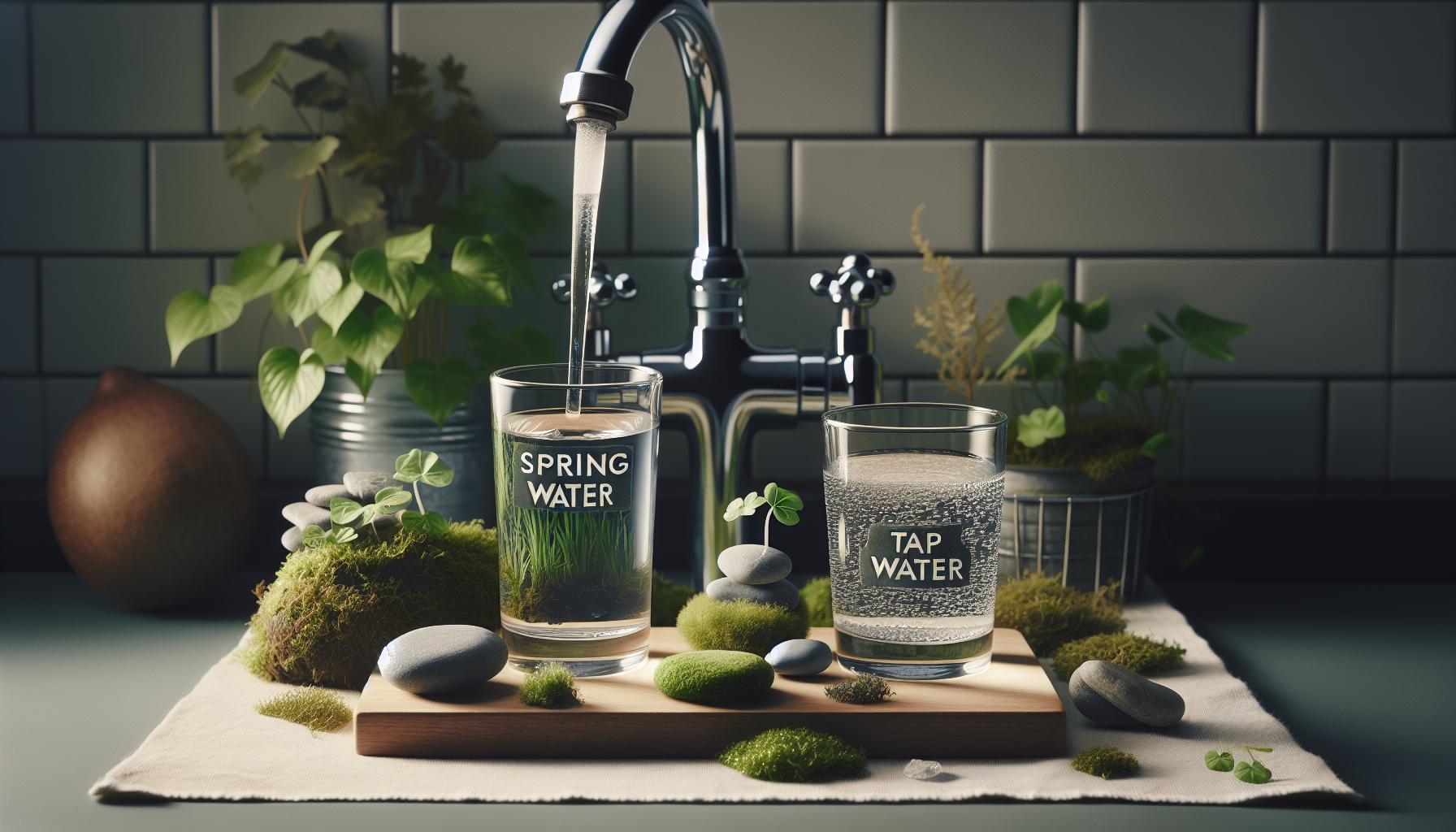
When it comes to keeping your furry friend hydrated, the choice between spring water and tap water can be a considerable one. Many pet owners may not realize that the quality and mineral content of water can vary dramatically based on its source, affecting their dog’s health and well-being. Spring water, sourced from natural springs, often contains a variety of minerals that can benefit dogs, while tap water can sometimes harbor unwanted chemicals and contaminants.
One of the primary differences is the absence of additives in spring water. Most municipal tap waters are treated with chlorine and fluoride to ensure safety for human consumption, but these chemicals can be concerning for sensitive pets. On the other hand, spring water is typically free from these additives, offering a more natural hydration option. This absence of chemicals can be particularly beneficial for dogs with allergies or digestive sensitivities, making spring water an appealing alternative.
Moreover, the rich mineral content found in spring water can provide additional health benefits for dogs. Many spring waters are rich in essential minerals like calcium and magnesium, which are vital for bone health and muscle function. This can be especially important for active breeds such as Border Collies or Labrador Retrievers, who require strong bones and muscles to support their energetic lifestyles. However, it’s essential to choose spring water that has appropriate mineral levels. Too much of certain minerals can lead to complications, especially in dogs with existing health issues, so a veterinary consultation is advisable before making the switch.
To make a well-informed choice, consider the following when :
- Read labels: Check for the source and mineral content of spring water.
- Consider your dog’s health: Consult with your veterinarian regarding any specific health concerns or dietary needs.
- Monitor their reaction: Observe any changes in behavior or health after switching to spring water.
- Stay informed: Keep up-to-date with local water quality reports if relying on tap water.
By weighing these factors, you can make the best choice for your dog’s hydration that aligns with their health needs and lifestyle. Remember, a well-hydrated pup is a happy pup!
Understanding Natural Minerals in Spring Water
Dogs thrive on hydration, and the kind of water you offer can significantly affect their health. One of the best options available is spring water, which comes straight from natural springs and is packed with essential minerals. Rich in nutrients, spring water can provide your canine companion with a refreshing and wholesome alternative to regular tap water, which might contain unwanted chemicals and contaminants. But what exactly are the natural minerals in spring water, and how do they positively impact your furry friend?
Spring water typically has a varied mineral profile, including beneficial elements such as calcium, magnesium, potassium, and sodium. These natural minerals not only aid in hydration but can also contribute to your dog’s overall health. For instance, calcium is crucial for developing strong bones and teeth, making it particularly important for growing puppies and active breeds like German Shepherds and Golden Retrievers. Similarly, magnesium plays a vital role in various bodily functions, including enzyme reactions and muscle function, supporting breeds that require stamina and agility, such as Border Collies and Australian Shepherds.
When selecting spring water for your dog, it’s essential to review its mineral content. While the benefits are significant, not all spring waters are created equal. Some brands may contain disproportionately high levels of certain minerals, which can be harmful to dogs, especially those with pre-existing health conditions such as kidney disease. Thus, consulting with your veterinarian before introducing spring water to your dog’s diet is a wise step.
In addition, ensuring your dog enjoys the transition to spring water can enhance their hydration experience. Consider offering a dilution of spring water mixed with regular water at first until they acclimate to the taste. Observing your dog’s reaction-how much they drink and how their energy levels change-can provide insight into how well they respond to this natural hydration source. This attention to detail not only fosters a stronger bond with your pet but also ensures their health remains a priority. Remember, providing the right kind of hydration not only quenches their thirst but can also enrich their everyday lives!
How Spring Water Impacts Dog Health
Providing your dog with the right hydration can make a noticeable difference in their health and well-being. One of the often-overlooked options for keeping your furry friend hydrated is spring water. Unlike tap water, spring water comes directly from natural sources and is rich in essential minerals that can boost your dog’s health. This mineral-rich water not only quenches their thirst but also supports their bodily functions, helping them thrive both physically and mentally.
Spring water typically contains minerals like calcium, magnesium, and potassium, which are crucial for maintaining good health. For instance, calcium is vital for building strong bones and teeth, especially important for growing puppies and large breeds prone to hip dysplasia, such as Great Danes and Labrador Retrievers. Magnesium plays a key role in muscle function and energy production, supporting active breeds like Border Collies and Boxers during their energetic play sessions. Additionally, potassium helps regulate blood pressure and muscle contractions, ensuring your dog remains energetic and healthy.
The natural minerals in spring water can also aid in digestion and hydration, particularly for older dogs or those with sensitive stomachs. Some dog owners have reported that their pets experience fewer gastrointestinal issues when drinking spring water compared to tap water, which may contain chlorine or other additives harmful to their digestive systems. Ultimately, mixing spring water into your dog’s daily hydration routine could contribute to improved energy levels and a more robust immune system, enhancing their overall quality of life.
While introducing spring water into your dog’s hydration regimen, it’s essential to monitor their intake and overall reaction. Keep an eye out for any changes in their behavior, energy levels, and general mood. If your dog seems more vibrant, active, or even playful, it may be a positive sign that they are benefiting from the change. Always consult your veterinarian if you have any concerns about your dog’s health or before making significant changes to their diet, ensuring that the choice of spring water aligns with their individual nutritional needs.
Selecting the Right Spring Water Brand
Selecting spring water for your dog can be an adventure! Just as you would research and choose the best food for your furry friend, the same care should be taken when selecting a suitable water brand. Not all spring waters are created equal; they can vary significantly in mineral content, source purity, and safety from contaminants. To ensure your pet reaps the health benefits, consider a few key factors when making your choice.
First and foremost, choose a brand that is transparent about its sourcing and mineral composition. Look for spring water that specifies it comes from a natural spring, which is less likely to be contaminated by harmful chemicals. Some brands provide a detailed breakdown of the minerals contained in their water; seek those that highlight beneficial minerals such as calcium, magnesium, and potassium. These minerals not only complement your dog’s nutritional needs but also help maintain proper hydration and energy levels.
Another vital factor is the packaging. Glass bottles are often seen as a safer option compared to plastic ones, which can leach harmful chemicals into the water. If you opt for plastic, ensure it’s labeled BPA-free. Remember to check out the expiration date as well, even though spring water can last for a long time, it’s best to choose fresher bottles to ensure the quality and taste remain optimal for your pet.
Additionally, conducting your own taste test is a fun way to see if your dog prefers a specific brand. You might be surprised at how discerning dogs can be! Pour a small amount of different spring waters into separate bowls and see which one your dog gravitates towards. Observing their enthusiasm can provide insight into their preferences-and it’s a great way to make hydration a more enjoyable part of their day.
Ultimately, is about balancing quality, safety, and taste. Engaging with your veterinarian can further guide your decisions, ensuring that your chosen spring water aligns well with your dog’s unique health needs and lifestyle preferences.
Signs Your Dog Enjoys Spring Water
It’s not uncommon to see your furry friend delightfully lapping up spring water, but how can you tell if they’re truly enjoying it? Dogs are not just creatures of habit; they have preferences, just like us. When you offer your dog spring water, watch for certain signs that indicate their enjoyment and satisfaction.
Increased Water Intake
One of the most obvious signs that your dog enjoys spring water is an increased interest in drinking. If your pup is eagerly approaching the water bowl, sniffing, and taking multiple sips, you can bet they find the taste refreshing. On the flip side, if they often ignore their water bowl, it may be time to reassess what you’re offering.
Playful Behavior
Dogs express themselves in a multitude of ways, and playful antics often reflect a content heart. If your dog suddenly becomes playful or zooms around the house post-drink, you might have struck gold with their hydration choice. Whether it’s wagging their tail or bringing their favorite toy closer to their water bowl, these little victories signal happiness.
Active Tail Wagging
A wagging tail can convey a lot about your dog’s feelings. If your dog approaches the bowl with a wagging tail, it generally showcases excitement and eagerness. A slow, cautious tail wag may indicate curiosity, while vigorous, fast wags likely suggest they really enjoy the spring water.
Positive Aftereffects
Observe how your dog behaves after they’ve had their fill of spring water. If they seem more energetic and playful, this is a good sign! Well-hydrated dogs are often more engaged and spirited. You might also notice improved digestion and less lethargy, indicating that the minerals in the spring water are positively impacting their health.
Bringing home the right kind of water is just one step in ensuring your dog’s well-being. Understanding their reactions will help you decide if spring water is an ideal fit for their hydration needs. From observing their drinking habits to recognizing playful behavior following a sip, these signs will guide you in making informed choices for your furry family member.
Breeds That Benefit Most from Spring Water
Some dog breeds may particularly benefit from the natural minerals found in spring water due to their unique health profiles and hydration needs. For instance, active and athletic breeds, such as Australian Shepherds, Border Collies, and Labrador Retrievers, often require higher levels of hydration and may thrive on the mineral content that spring water provides. These breeds tend to consume more water during and after vigorous play or exercise, and the trace minerals can support their energy levels and overall well-being.
Another group that might see advantages are smaller breeds prone to urinary issues, such as the Yorkshire Terrier and Pomeranian. The mineral balance in spring water can aid in proper kidney function and urinary tract health, reducing the risk of conditions like bladder stones. Additionally, senior dogs across various breeds, such as Golden Retrievers or Dachshunds, can gain hydration benefits and mineral support, which may help mitigate age-related health problems.
Common Breeds and Their Specific Benefits
| Breed | Hydration Needs | Potential Benefits from Spring Water |
|---|---|---|
| Australian Shepherd | High | Increases energy levels, supports agility |
| Yorkshire Terrier | Moderate | Promotes urinary health, kidney function |
| Golden Retriever | Moderate to High | Supports hydration, reduces lethargy in seniors |
| Beagle | Moderate | Aids in digestion, improves energy |
For any dog owner considering making the switch to spring water, it’s essential to monitor how their pet responds. The mineral composition varies by source, so finding a brand that suits your dog’s specific needs might take a bit of experimentation. Always introduce any new water source gradually and observe your dog’s behavior and health, ensuring they have a positive hydration experience.
Hydration Needs for Active Dogs
Active dogs, those high-energy companions who live for play and exercise, have unique hydration needs that are crucial to their overall health. Did you know that just like humans, dogs can get dehydrated during physical activity? Ensuring they stay well-hydrated not only keeps them energized but also supports optimal organ function and recovery. Spring water, with its natural minerals, can offer a refreshing alternative to regular tap water, providing benefits that can help maintain a healthy balance in your dog’s fluid intake.
It’s essential to recognize that hydration isn’t just about quenching thirst; it plays a pivotal role in a dog’s ability to perform and enjoy an active lifestyle. For breeds like Labrador Retrievers, Australian Shepherds, and Border Collies, which are known for their agility and stamina, the electrolytes and minerals found in spring water can provide an extra boost during and after exercise. These minerals help replenish what may be lost through sweat and exertion, promoting better endurance and quicker recovery.
Here are a few practical tips to keep your active dog hydrated:
- Monitor Their Water Intake: Ensure that your dog drinks water before, during, and after exercise. A well-hydrated dog is a happy and healthy dog!
- Consider Their Activity Level: Adjust the amount of water offered depending on how active your dog is that day. For instance, a long hike or an intense game of fetch requires more hydration.
- Temperature Matters: If it’s hot outside, dogs will need even more water than usual, so keep fresh spring water readily available.
When introducing spring water into your dog’s hydration routine, do so gradually. Pay attention to how they react to the new taste and mineral content. Some dogs may prefer spring water over regular tap water, while others might take some time to adjust. Regardless, keeping an eye on their behavior and hydration levels will help you ensure that they’re thriving both in activity and overall health. Remember, the key to a happy, energetic dog is not just the right amount of play but also the right hydration!
Common Myths About Dogs and Water
Many dog owners are often misinformed when it comes to their furry companions’ hydration needs, leading to some common myths about water consumption. One prevalent misconception is that tap water and spring water are essentially the same when it comes to dog hydration. In reality, spring water may contain beneficial natural minerals like calcium and magnesium, which can aid in hydration and overall health. Understanding these differences can make a real impact on your dog’s hydration choices.
Another myth is that all dogs can drink the same type of water without any issues. While most dogs can drink tap water safely, certain breeds with specific dietary needs or sensitivities might benefit from the enhanced mineral content in spring water. For instance, active breeds such as Golden Retrievers or German Shepherds, who need more electrolytes after vigorous exercise, may find spring water more refreshing and beneficial. Always consult your veterinarian when making changes to your dog’s hydration routine, especially if you notice any unusual behavior after introducing new water sources.
It’s also a common belief that dogs only need water when they’re thirsty. However, keeping a consistent source of hydration available at all times is crucial for their well-being. Dogs, particularly those engaged in regular exercise, may not always drink enough water on their own. Owners should offer fresh water frequently and encourage hydration, especially after outdoor activities.
Finally, many owners think that changing water sources will disrupt their dog’s routine or cause gastrointestinal issues. While it’s recommended to transition gradually, many dogs adapt quickly to new water types, including spring water. Monitoring their response is key; some dogs may even show a preference for it! As a responsible pet owner, consider incorporating spring water into their diet while keeping an eye on their hydration levels and health overall.
In summary, debunking these myths helps ensure that your beloved pet not only stays hydrated but also thrives with the right nutritional support. Being informed and proactive about your dog’s hydration can contribute significantly to their health and happiness.
Practical Tips for Introducing Spring Water to Your Dog
Introducing spring water to your dog can be a delightful experience, not just for your furry friend but also for you as a pet owner. Many dogs show an unmistakable enthusiasm when offered a new source of hydration that brings a taste of nature right into their bowls. To make the transition smooth and enjoyable, follow these practical steps to ensure your dog embraces the change with open paws.
Start by offering spring water alongside their usual tap water. This dual approach allows your dog to explore the new taste while still having access to their familiar source. Fill one bowl with spring water and the other with tap water. Over time, you can observe which bowl they gravitate towards. This gradual introduction can help alleviate any concerns about gastrointestinal disturbances that might arise from sudden changes in their diet.
It’s essential to monitor their reaction closely during the introduction phase. Look for signs of preference, like finishing the spring water faster or showing excitement when you refill that bowl. If your dog shows a particular fondness for the spring water, that’s a good indicator that they may benefit from its mineral content. Remember, you can sweeten the deal by adding some hydrating dog-friendly enhancements. A splash of low-sodium chicken broth can make the spring water even more appealing without overwhelming their dietary needs.
Keep the experience positive and fun! Reinforce the change by associating the water with their favorite activities. For instance, after a play session or a walk, offer them spring water as a refreshing treat. The more positive associations your dog has with this new water, the more likely they will enjoy it. Different breeds may react distinctively to this change, so patience is key. Larger breeds such as Labrador Retrievers may require more encouragement to try the new source due to their size and habits. Smaller breeds, on the other hand, might quickly adopt it as a favorite!
Lastly, always ensure that the spring water is sourced from a trusted brand. Natural mineral content can vary considerably, so read labels and, if necessary, consult with your veterinarian about which type is best suited for your dog’s specific health needs. By taking these thoughtful steps, you’ll not only enhance your dog’s hydration routine but also promote happier, healthier drinking habits.
Monitoring Your Dog’s Reaction to New Water Sources
As you introduce spring water into your dog’s hydration routine, observing their reactions can be both fascinating and informative. Dogs are known for their distinctive preferences, and their reactions can provide valuable insight into how much they enjoy or benefit from this new water source. Start by watching for signs of excitement-they might wag their tails, sniff enthusiastically at the bowl, or even bark in anticipation when you enter the room with spring water.
After offering spring water alongside their usual tap water, take note of their drinking habits. Are they gravitating toward one bowl more than the other? If your furry companion consistently finishes the spring water faster, it could indicate a preference for its flavor or mineral content. Additionally, keep an eye out for any changes in their behavior post-drinking. Do they appear more energetic and hydrated? Do you notice a brighter coat or improved digestion? These positive signs can suggest that spring water is agreeing with them.
It’s also essential to monitor their overall health and well-being during this transition. Look for any signs of gastrointestinal upset, such as vomiting or diarrhea, which could signal that your dog might not be adjusting well to the new water source. If such symptoms arise, temporarily revert to their usual water and consult your veterinarian to discuss any potential issues related to the mineral content in the spring water you selected.
By actively engaging in this process, you can not only ensure that your dog enjoys their hydration but also make informed decisions about their health. Documenting their reactions over time can help you understand their preferences better and tailor their diet to suit their needs. Each breed may have different reactions-larger breeds might take longer to warm up to new tastes, while smaller breeds are often more adventurous. Tailoring your approach based on your dog’s breed and personality will lead to a happier, more hydrated pet!
FAQ
Q: Can dogs drink spring water daily?
A: Yes, dogs can drink spring water daily as long as it is free from contaminants and mineral content is appropriate for their needs. Regularly switching up their water source can encourage better hydration, but always monitor their reaction to ensure they are comfortable.
Q: What minerals in spring water are beneficial for dogs?
A: Spring water often contains beneficial minerals like calcium, magnesium, and potassium, which can support bone health, muscle function, and overall wellness in dogs. Consider looking for a brand that highlights its mineral content to ensure your dog gets the benefits.
Q: Is spring water better for dogs than bottled water?
A: Spring water is typically more beneficial than standard bottled water due to its natural mineral content. However, it’s essential to choose a reputable brand that ensures proper filtration and safety standards to avoid harmful contaminants.
Q: How does spring water affect a dog’s digestion?
A: Spring water can aid digestion in dogs by providing essential minerals that support gut health. Keeping your dog well-hydrated with quality spring water may help prevent constipation and promote healthy digestion.
Q: Are there any risks associated with dogs drinking spring water?
A: While generally safe, spring water may pose risks if contaminated or if a dog has specific health conditions sensitive to mineral content. Always choose high-quality spring water and consult your vet if your dog has underlying health concerns.
Q: How can I tell if my dog prefers spring water?
A: Observe your dog’s drinking habits; if they consistently choose spring water over tap water, it’s a good indicator of preference. You can help introduce it gradually to gauge their reaction, as discussed in our practical tips section.
Q: What should I consider when choosing spring water for my dog?
A: When selecting spring water, consider the mineral content, source quality, packaging safety, and any health-related recommendations from your vet. It’s vital to select a brand known for its purity and health benefits for dogs.
Q: Can puppies drink spring water?
A: Yes, puppies can drink spring water, provided it’s free from harmful contaminants and minerals are within a safe range for their developing bodies. Always consult your veterinarian for recommendations tailored to your puppy’s breed and age.
The Way Forward
When it comes to keeping your canine companion hydrated, spring water can offer invaluable mineral benefits that support their overall health and wellness. If you want the best for your dog, consider introducing spring water into their diet-your furry friend deserves it! For pet owners eager to dive deeper, check out our articles on the “Importance of Hydration for Dogs” and “Best Food for Healthy Dog Joints,” where you’ll find more tips and advice tailored to your pet’s needs.
Don’t wait any longer to make informed choices for your dog’s health! Subscribe to our newsletter for the latest pet care insights and exclusive content. Feel free to leave a comment below with your experiences or questions about dog hydration-your feedback helps us create content that truly matters. Let’s keep the conversation going and ensure our pets thrive with every sip!