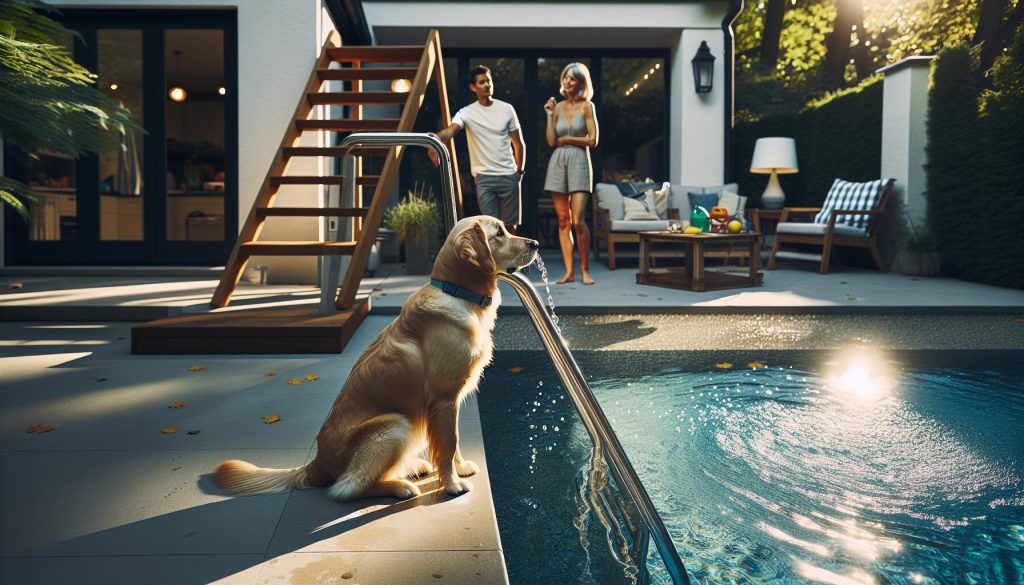
Did you know that many dogs love splashing around in pools just as much as kids do? While a dip can be a fun way for your furry friend to cool off, you may wonder if it’s safe for them to drink that water. Swimming pools often contain chemicals like chlorine, which can pose health risks to your dog if ingested. This article delves into the potential dangers of pool water, including symptoms to watch for and tips to keep your canine safe while they enjoy their aquatic adventures. Understanding these risks is essential for being a responsible pet owner and ensuring your dog has a safe, enjoyable swimming experience. Let’s explore the facts and help you make informed decisions about your dog’s water fun!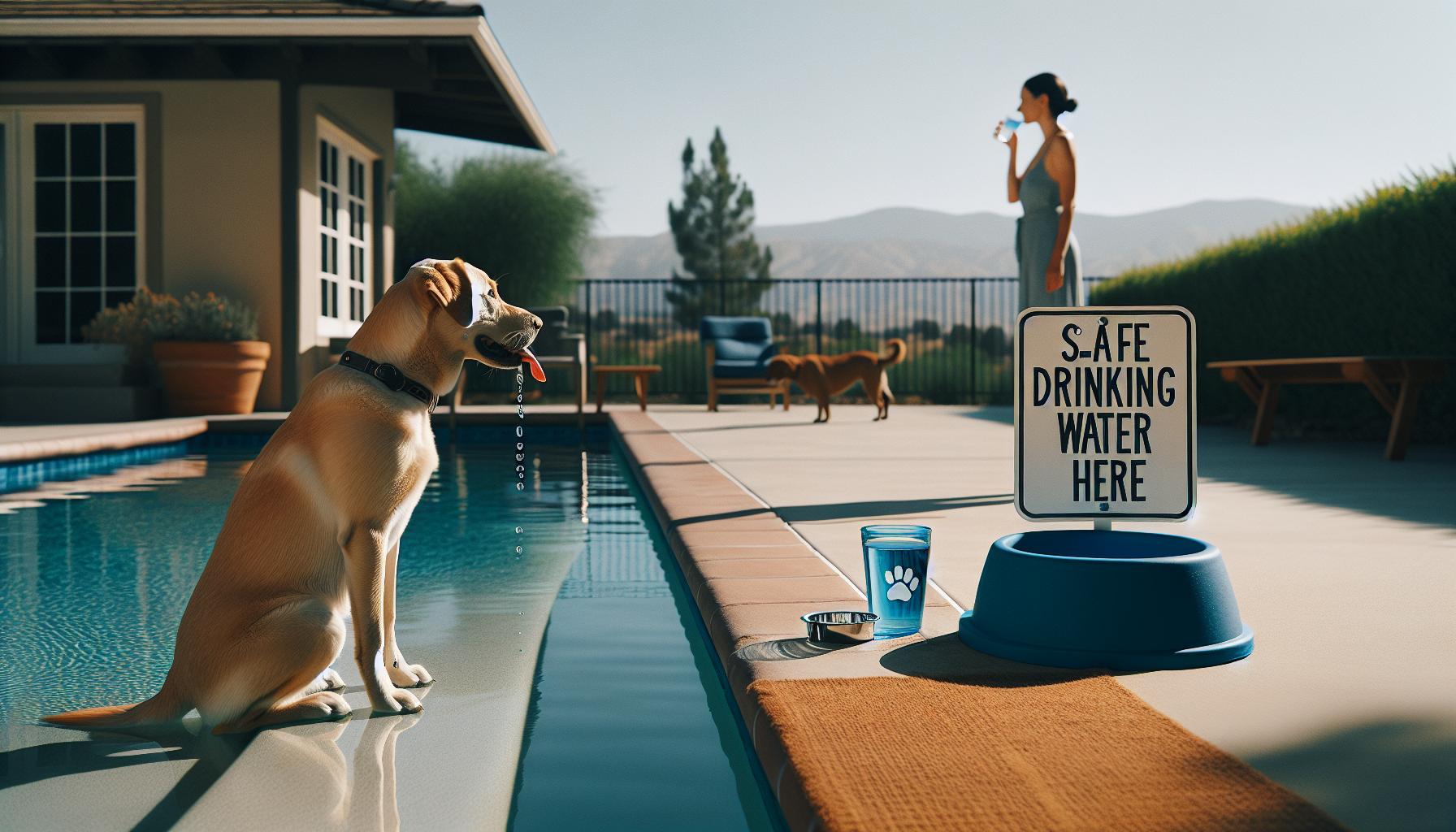
Can Dogs Drink Swimming Pool Water? Understanding Risks and Safety
While many dogs find water irresistible and love to splash around in swimming pools, it’s crucial to understand the potential risks associated with them drinking pool water. Swimming pools are filled with chemicals that keep the water clean and safe for human use, but these same substances can pose health risks to our furry friends. Chlorine, bromine, and algaecides are just a few examples of chemicals commonly used in pool maintenance, and ingesting them can lead to various health issues in dogs.
Dogs may inadvertently swallow pool water while playing or swimming, leading to possible gastrointestinal disturbances. Chlorine, for example, can cause vomiting and diarrhea, and excessive exposure may irritate their skin and eyes. Furthermore, if a dog consumes large quantities of pool water, it could lead to more severe complications such as salt poisoning, hypernatremia, or even worse outcomes. It’s essential for pet owners to monitor their dogs’ behavior around the pool, ensuring they don’t drink excessive amounts of this chemically-treated water.
To minimize the chances of this happening, pet owners should take proactive measures. Providing a fresh source of water nearby can greatly reduce the likelihood of dogs opting for pool water. You can also teach your dog commands to help them understand better when it’s time to stay out of the pool or when to refrain from drinking the water. Positive reinforcement can be effective here, as you can reward them for choosing fresh water over the pool.
Lastly, maintaining an eye on your dog’s condition post-swimming is crucial. If you notice any changes in their behavior or health-such as lethargy, excessive drooling, or unusual bowel movements-it’s vital to consult a veterinarian promptly. Ensuring safety around pools is a shared responsibility, and with a little careful management, both pets and humans can enjoy summer fun without concern.
Common Chemicals Found in Swimming Pools
While splashing around in a pool might seem like a refreshing treat for our canine companions, the reality is that the water they play in is often loaded with chemicals designed to keep it clean. Understanding the common substances found in swimming pools is crucial for dog owners aiming to protect their pets from potential health issues.
Most backyard pools rely heavily on chlorine, a chemical that effectively disinfects water but can be harsh on sensitive systems. When dogs ingest chlorinated water, they may experience gastrointestinal problems, including nausea and diarrhea. Another common pool chemical is bromine, which serves a similar disinfecting purpose. Although it’s generally considered less irritating than chlorine, it can still lead to adverse reactions in some dogs, particularly those with existing health conditions.
In addition to chlorine and bromine, many pools use algaecides to prevent algae growth, especially in warmer months. These products can be toxic to dogs if consumed in large amounts. Furthermore, pools may contain pH balancers, chemicals that help maintain the water’s acidity and alkalinity. While less harmful than disinfectants, inappropriate levels can still lead to skin irritations or allergic reactions in dogs.
To further complicate matters, pools with saltwater systems utilize a different kind of chlorine generation, which, while generally safer, can still pose a risk if dogs drink the water excessively. Understanding these chemicals and their potential effects can empower pet owners to take proactive measures in protecting their furry friends from unwanted exposure during aquatic activities. Ensuring your dog has access to fresh water nearby and educating them on safe swimming habits can significantly reduce the risks associated with pool water consumption.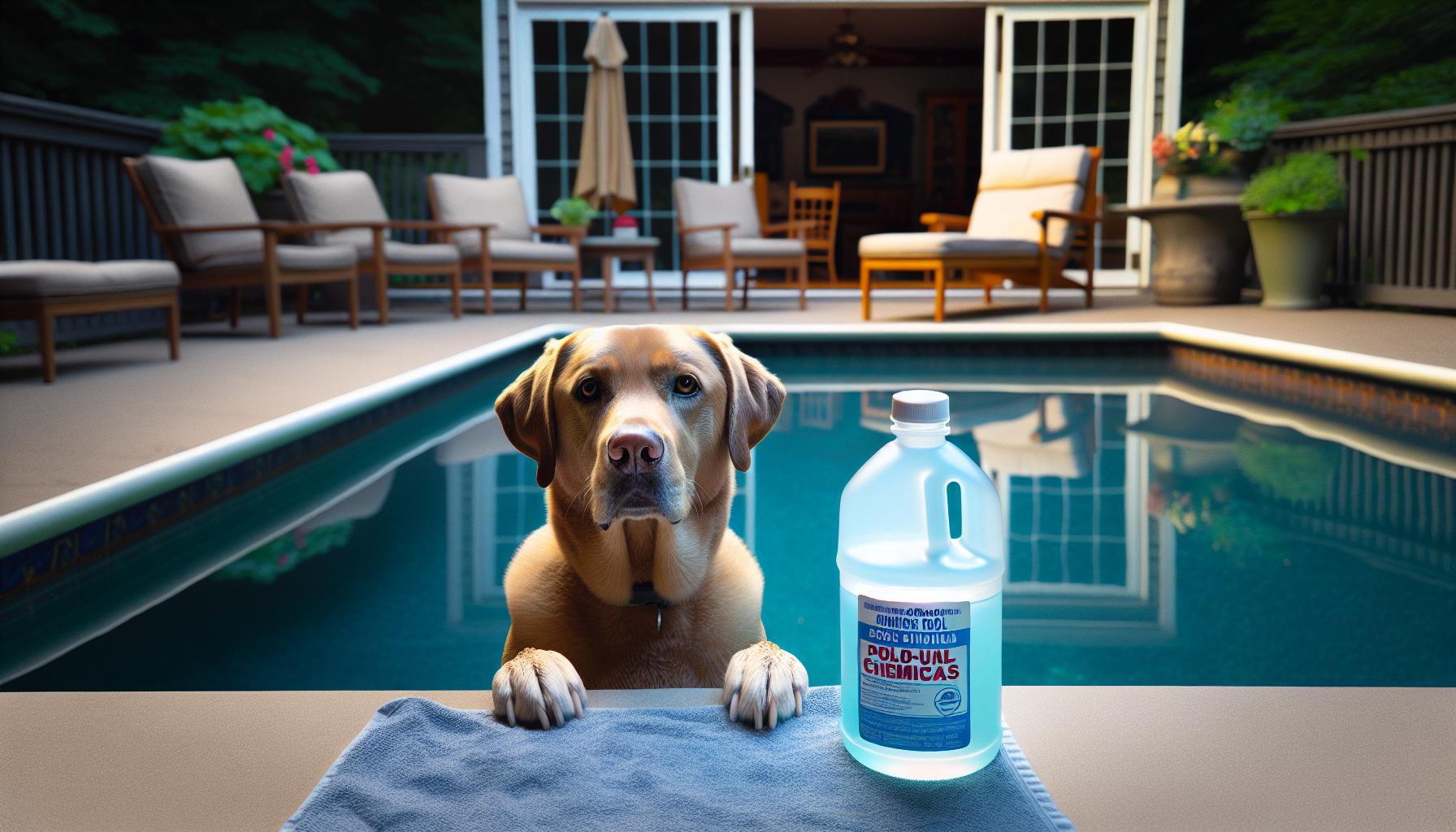
How Swimming Pool Chemicals Affect Dogs
While your furry friend might enjoy a splash in the pool, it’s vital to recognize the potential dangers lurking beneath the surface. Pool chemicals, primarily designed to keep water clean and safe for humans, can pose various risks to dogs if ingested. Chlorine, one of the most common pool disinfectants, while effective in killing bacteria, can irritate your dog’s gastrointestinal system, leading to symptoms like vomiting and diarrhea. Furthermore, the presence of other chemicals such as bromine and algaecides can contribute to a range of health issues depending on the amount ingested.
The Impact of Chlorine and Other Chemicals
Chlorine is particularly harsh for pets, especially for those with sensitive stomachs or pre-existing health issues. Even if a dog only accidentally swallows a small amount during play, the effects can manifest in GI disturbances. On the other hand, bromine is less irritating but still can cause problems for dogs, particularly those prone to allergies. Algaecides, often used to prevent algae buildup, can be toxic and lead to more severe reactions if ingested in larger quantities.
It’s essential to be proactive. Always ensure that your pup has access to fresh, clean water while at the pool, encouraging them to drink from a safe source. Dogs are naturally curious, and their proclivity for drinking whatever water is around-especially if they’re hot and thirsty-can lead to unintentional consumption of pool water.
Recognizing Adverse Effects
As a pet owner, being vigilant for signs of distress is key. Common symptoms of chemical ingestion can include lethargy, lack of appetite, or discomfort in your dog. If your dog displays any of these symptoms after swimming, it’s important to consult a veterinarian promptly. Taking these precautions not only safeguards your dog’s health but also allows you to enjoy pool days with peace of mind.
In conclusion, while pools can provide a fun environment for dogs, it’s crucial to acknowledge the risks associated with pool chemicals. By keeping your dog hydrated with fresh water, monitoring their pool behavior, and understanding how to respond to signs of distress, you can create a safer swimming experience for your beloved pet. Regular discussions with your vet can provide tailored advice to protect breed-specific sensitivities, ensuring your canine companions stay healthy while enjoying the sunny days by the pool!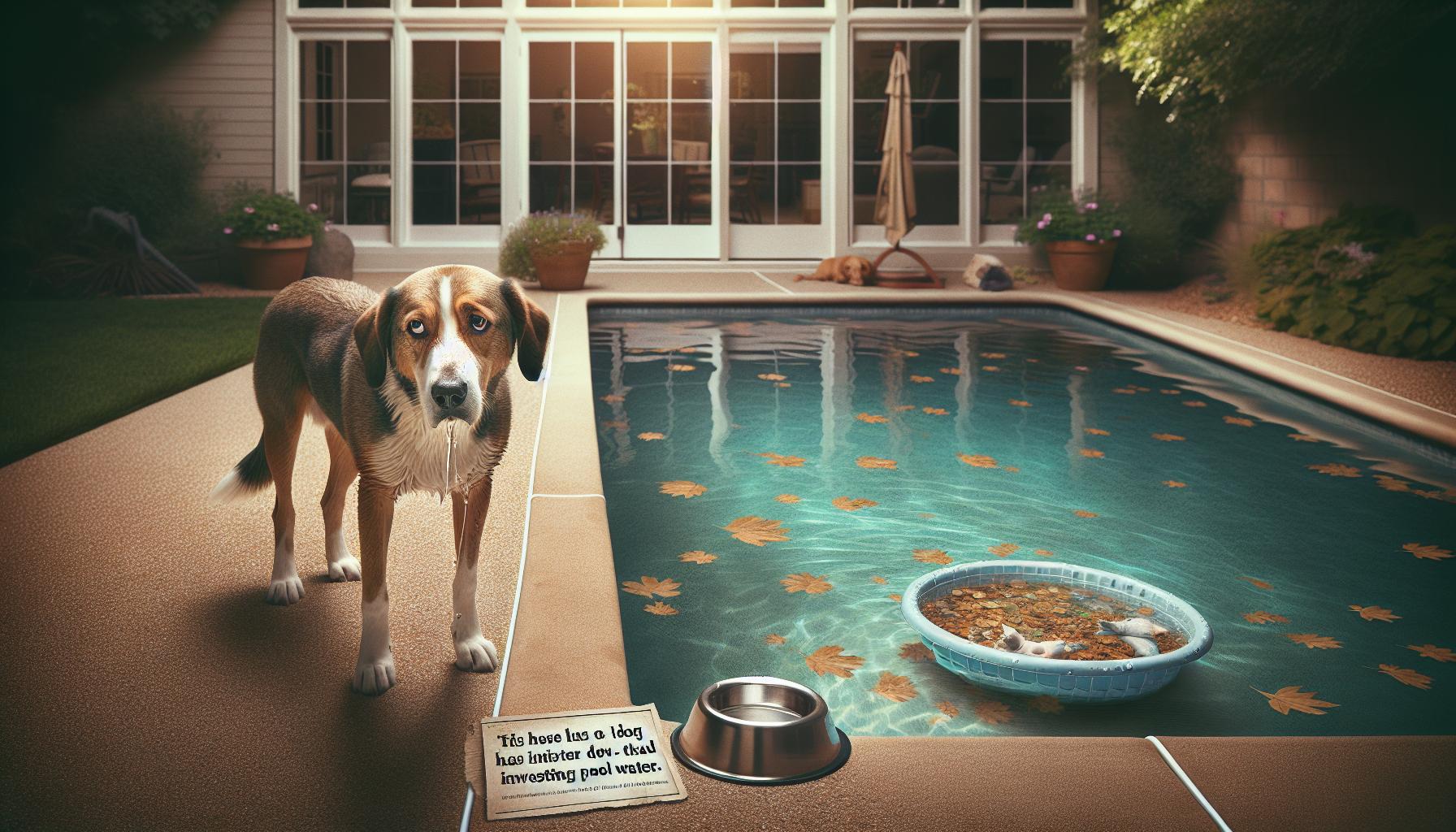
Signs Your Dog Has Ingested Pool Water
After a fun day splashing around in the pool, it’s understandable to worry about whether your dog might have ingested some pool water. While many dogs love the water, their natural curiosity can lead them to inadvertently swallow harmful chemicals present in pool water. Being aware of the signs of chemical ingestion is crucial for a swift response, which can help safeguard your pup’s health.
Common signs that your dog has ingested pool water include gastrointestinal distress, which may manifest as vomiting or diarrhea. If your dog starts showing these symptoms shortly after swimming, it could be a sign that the pool chemicals are irritating their digestive tract. Additionally, watch for signs of lethargy or a marked decrease in energy; dogs may seem sluggish or less enthusiastic about their usual activities. Monitor their appetite as well; a lack of interest in food can be another indicator that something isn’t right.
Other symptoms to look out for include excessive drooling, coughing, or signs of discomfort, such as pacing or whining. Some dogs may also develop respiratory issues, especially if they have ingested chlorine-heavy water, which can irritate their lungs. If you notice these signs, it’s best to consult your veterinarian as soon as possible, even if the symptoms seem mild. Early intervention may help prevent more severe complications down the line.
Ensuring that your dog avoids ingesting pool water in the first place is key, but understanding these warning signs will prepare you to act quickly should an ingestion occur. Keep a close eye on your furry friend during pool time, and don’t hesitate to provide them with fresh water to drink, encouraging them to stay hydrated without turning to the potentially harmful pool water.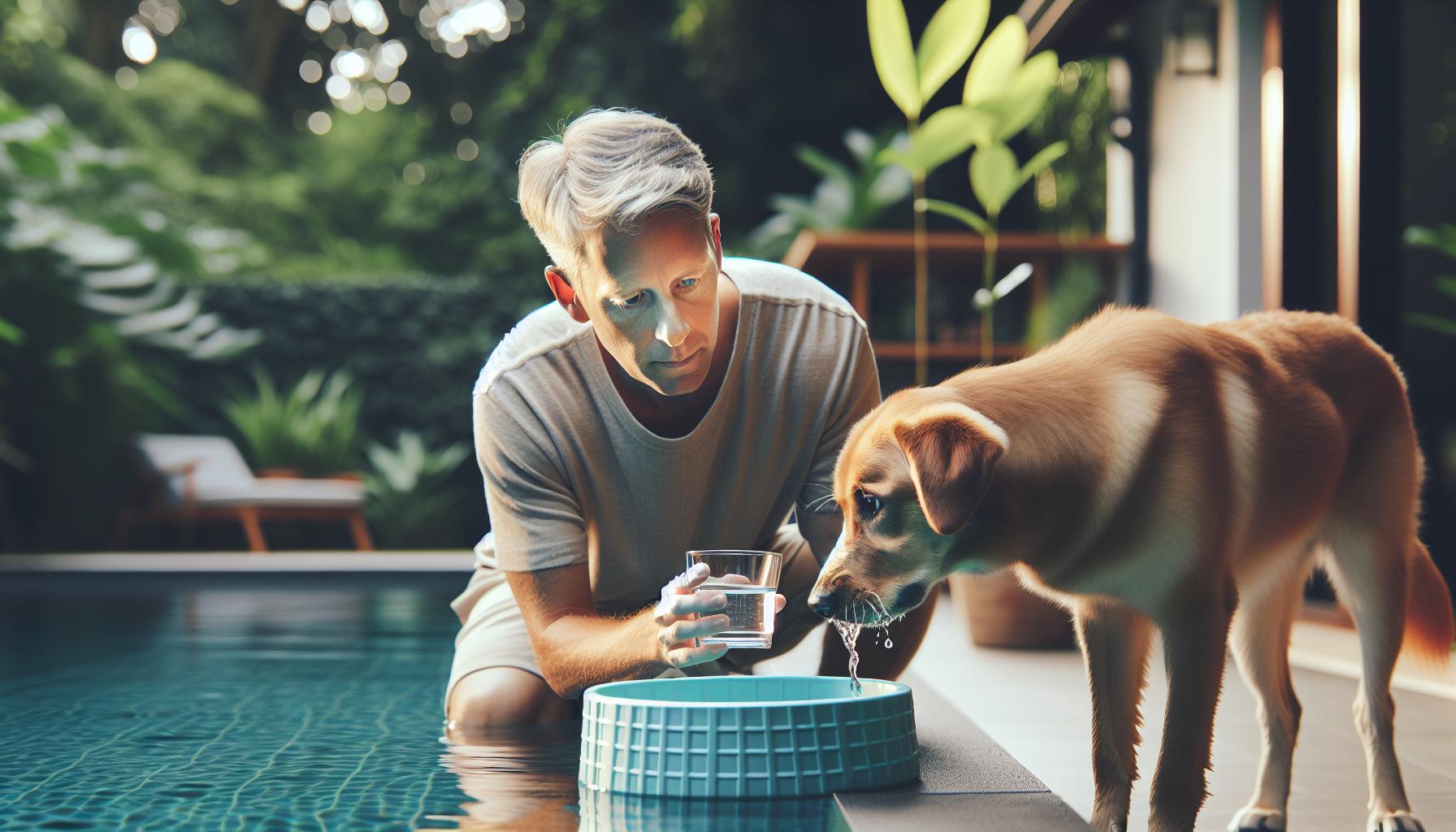
What to Do if Your Dog Drinks Pool Water
If your dog manages to gulp down a bit of pool water, it’s important to respond swiftly and wisely. Dogs, with their adventurous spirit, don’t always recognize the risks associated with tasty splashes in the water that may contain harmful chemicals. First, reassure yourself that not every sip will lead to serious harm, but it’s essential to be mindful of their health and safety going forward.
Start by watching your pup closely. Observe for any signs of distress or sickness. If your dog shows symptoms like vomiting, diarrhea, excessive drooling, or signs of lethargy, it’s time to act. Hydration is key, so encourage your dog to drink fresh, clean water. This will help dilute any chemicals that may have entered their system and aid in flushing them out. You can also offer small amounts of bland food, like boiled chicken or rice, to help settle their stomach if they’re feeling queasy.
Should symptoms persist or escalate, don’t hesitate to consult your veterinarian. They can provide tailored advice and determine whether emergency treatment is necessary. In cases of severe symptoms, such as difficulty breathing or excessive coughing, immediate veterinary attention is crucial.
It’s also beneficial to educate yourself about the chemicals commonly found in pool water and their specific effects on your dog’s health. For instance, chlorine, a common sanitizer, can be irritating when ingested in larger amounts. Being informed allows you to make more proactive choices regarding your dog’s time around the pool.
Ultimately, setting boundaries and ensuring your furry friend stays well-hydrated with fresh water can minimize the chances of accidents. Keeping their playful spirit in check while enjoying pool time will create a safer environment for everyone involved. Educate family and friends about these precautions so your dog can enjoy warm days by the pool without worry!
Breed-Specific Reactions to Swimming Pool Chemicals
Different dog breeds can react distinctly to swimming pool chemicals, which is crucial information for pet owners who regularly enjoy the water with their furry companions. Some breeds, such as water-loving Labradors and Retrievers, are naturally inclined to swim and may be more tolerant of chlorine exposure. However, breeds with sensitive skin or specific health concerns may face more severe reactions. Understanding these differences can help you take preventive measures to keep your dog safe and healthy.
For instance, breeds like Bulldogs or Pugs, known for their brachycephalic features, may experience respiratory issues if exposed to chlorinated water, especially when they ingest it while swimming or drinking. Their anatomical structure makes it challenging for them to expel water effectively, increasing the risk of chemical accumulation in their systems. Similarly, long-haired breeds like Shih Tzus or Maltese may be at risk of skin irritation and coat damage due to chlorine’s drying effects. The coat can become brittle and dull, requiring special care and maintenance after pool time.
To ensure that all breeds remain safe, consider implementing a few best practices:
- Monitor Swimming Time: Limit the amount of time your dog spends in the pool, especially for breeds prone to skin or respiratory issues.
- Rinse After Swimming: After your dog has had a swim, rinse them off with fresh water to remove any chlorine residue from their fur and skin.
- Provide Fresh Water: Always have accessible fresh water nearby to encourage your dog to hydrate without resorting to drinking pool water.
- Observe Behavior: Keep a close eye on your dog’s behavior after swimming. Look for signs of discomfort, such as excessive scratching or coughing.
Regular veterinary check-ups can also help identify any breed-specific vulnerabilities early on, allowing for tailored care that fits their unique needs. Just as we tailor our lifestyles based on personal health considerations, being proactive in caring for your dog breeds can lead to safer, more enjoyable swimming experiences for everyone involved.
Alternatives to Keep Your Dog Hydrated
Keeping your dog well-hydrated is essential, especially during hot days when they might be tempted to lap up some pool water. Instead of allowing your furry friend to drink potentially harmful chlorinated water, there are several enjoyable and safe alternatives you can introduce.
Firstly, providing fresh, clean drinking water should always be your first priority. Dogs appreciate having a consistent supply of cool water readily available, particularly after swimming. Consider investing in a dog water fountain that keeps the water flowing and fresh, as many dogs are attracted to running water and will be more inclined to drink from it. If you take your dog out to the pool, bring along a collapsible pet bowl filled with fresh water to keep them hydrated just a few steps away from the enticing pool!
Another fun alternative is to create a flavored ice treat. Dogs love cold snacks, and you can freeze low-sodium chicken broth with pieces of carrot or apple inside. This not only provides hydration but also gives them a tasty reward during hot days. You can even make larger batches for easy access throughout the summer. Simply pop one out before heading outside for a cooling, hydrating treat that will keep your dog feeling great.
Moreover, you could set up a small dog-friendly water play area using a kiddie pool filled with fresh water instead of chlorine. This allows your dog to splash and play without the risks associated with pool chemicals. Just ensure to monitor them closely to prevent any overeager drinking while they have fun!
Lastly, if you are concerned about hydration during active play, consider electrolyte solutions designed specifically for dogs. These can help replenish lost fluids and minerals after a hot day of fun, keeping their energy levels up and their bodies balanced.
By implementing these strategies, you can help ensure that your dog stays hydrated and healthy while enjoying their time in the sun without the risks associated with drinking pool water.
Tips for Reducing Pool Water Exposure for Dogs
Keeping our furry friends safe around swimming pools can sometimes feel like a balancing act between fun and responsibility. Dogs are notoriously curious and love to explore their surroundings, but pool water can pose significant health risks due to the chemicals present. There are several practical strategies you can adopt to minimize your pet’s exposure to pool water while allowing them to enjoy summer activities.
One effective approach is to establish designated play areas that are safe and appealing for your dog. Creating a dog-friendly splash zone using a kiddie pool filled with fresh, clean water gives your dog a fun alternative without the chemicals found in swimming pools. Be sure to supervise your dog during playtime to prevent excessive drinking. Another smart idea is to set up a shaded area with a comfortable mat or blanket, encouraging your dog to rest and hydrate from their fresh water bowl instead of lapping up pool water.
Moreover, consistent hydration is key. Make it a habit to bring a portable water bowl with you whenever you’re poolside, filled with fresh water. Dogs often prefer running water over stagnant, so consider investing in a dog water fountain or a bottle designed for pets that can easily be taken outdoors. You might also entice your dog with tasty, hydrating treats like frozen fruit or low-sodium broth ice cubes, making the fresh water option much more appealing.
Lastly, ongoing training can also help minimize the risk of pool water ingestion. Teaching your dog commands such as “leave it” or “come” can be extremely effective when they get too close to the edge. Use positive reinforcement to reward good behavior around the pool and consistently enforce boundaries to build a safe play zone for your pet. By taking these proactive steps, you can keep your pet hydrated and healthy, all while enjoying the beautiful weather!
The Importance of Monitoring Your Dog Around Pools
Keeping a watchful eye on your dog while they’re around a pool is essential for their safety and well-being. Many pet owners may not realize just how curious dogs can be and that their inquisitive nature could lead to potential exposure to harmful pool chemicals. The importance of monitoring your dog cannot be overstated, as even a small amount of swallowed pool water can lead to gastrointestinal distress or chemical exposure, especially if your dog has a predisposed sensitivity to these substances.
When you’re outside enjoying a sunny day by the pool, it’s easy for your dog to wander too close to the water’s edge, especially if they see something exciting to chase or investigate. This is why establishing clear boundaries is critical. Creating a designated play area where your dog can romp and play safely, away from both the water and any chemical exposure, will not only keep them healthier but also give you peace of mind. Active supervision will help you catch any attempts at sneaking a sip or two of pool water. If your dog loves to play fetch, consider using this time to redirect their attention to a toy or activity further away from the pool, reinforcing positive behaviors and keeping them engaged.
Moreover, understanding your individual dog’s behavior and breed tendencies can greatly influence how closely you should monitor their poolside activity. For example, highly energetic breeds like Labrador Retrievers may be prone to jumping in and out of the pool, while calmer breeds may merely enjoy lounging nearby, albeit still curious about their surroundings. Having a tailored approach based on your dog’s personality can enhance both their enjoyment of the day and their safety around the pool.
In addition to physical supervision, consider using training techniques to establish clear rules about pool behavior. Commands like “leave it” or “stay” can be effective in preventing accidents before they happen. Practicing these commands consistently and rewarding your dog with treats or praise will help reinforce boundaries and create a safer swimming environment. Remember that while the pool can be a great source of fun, it’s up to you to ensure that fun is safe and healthy for your furry friend!
Veterinary Perspectives on Swimming Pool Safety
Understanding the risks associated with swimming pools is vital for keeping our furry friends safe and healthy. Many pet owners might not realize that the same chemicals that keep the pool clean can be harmful to dogs if ingested. For instance, chlorine, a common disinfectant found in pools, can cause gastrointestinal upset in dogs. While small amounts of pool water may not be harmful, large quantities can lead to serious health issues, especially if the water is heavily treated. Experts highlight the importance of providing fresh water nearby to discourage dogs from drinking pool water, ensuring they hydrate safely and stay healthy.
Veterinarians often recommend monitoring your dog’s behavior around water. Certain breeds, like Labradors and Golden Retrievers, may be more prone to jumping in and out of pools, increasing their risk of chemical exposure. Similarly, water-loving breeds could potentially consume larger amounts of pool water if left unsupervised. It’s essential to understand your dog’s tendencies and establish a safe play area to limit access to treated water. Training commands such as “leave it” or “no” can be invaluable tools in preventing accidental ingestion of pool water.
Regular veterinary check-ups are also crucial for monitoring any potential health impacts from exposure to pool chemicals. For pet owners who notice signs like vomiting, diarrhea, or unusual lethargy after pool play, it’s important to consult with a vet, as these could be symptoms of chemical exposure or dehydration. Sometimes, even the best precautions can’t fully eliminate risks, making professional guidance vital.
Moreover, discussing pool safety with family and friends is important, especially if they have pets. Ensuring everyone understands the risks associated with pool chemicals can help create a safer environment for all dogs. By fostering a community awareness around swimming pool safety, we can make swimming enjoyable for both pets and their owners while reducing the risk of chemical exposure and potential health issues.
Preventing Pool Water Ingestion in Dogs
Preventing your dog from drinking pool water is crucial for their health and well-being, especially during fun-filled summer days. Dogs have a natural curiosity and a tendency to inhale or ingest anything that splashes near them, including chlorinated water. This can lead to gastrointestinal issues or more severe reactions if they consume too much. To mitigate these risks, it’s essential to adopt proactive strategies that keep your furry friend safe.
One effective approach is to always have fresh water available nearby when your dog is in the vicinity of the pool. This encourages them to drink from a safe source instead of the pool. Placing a bowl of clean water in an accessible area can make all the difference. You might also consider flavoring the water with low-sodium broth to entice your pooch to hydrate adequately.
Training is another powerful tool. Teaching commands such as “leave it” or “no” can create clear boundaries for your dog. For instance, when your dog approaches the pool edge, swiftly redirecting them with a firm but calm “leave it” reinforces the idea that the pool is off-limits. Using positive reinforcement techniques, like treats and praise when they obey, helps establish these commands.
Additionally, maintaining physical barriers can effectively limit access to the pool. Installing a child-proof or pet-safe gate around the pool area can act as a deterrent and allow for supervised play. Even a simple visual barrier, like a decal or sign indicating “no dog access,” can remind everyone, including young visitors, to be cautious.
Finally, consider your dog’s breed traits. Breeds that love water, like Labradors or Newfoundlands, may need extra attention since they can be more inclined to jump in. Customize your approach based on your dog’s behavior and tendencies to ensure their safety while enjoying the outdoors. By fostering a clear understanding of safe practices, you can help your dog enjoy the summer while steering clear of potential health risks associated with pool water ingestion.
Educating Others About Pool Safety for Pets
A summer day by the pool can be a paradise for pet lovers, but it also comes with its own set of responsibilities, especially when it comes to ensuring our furry friends are safe. Did you know that many pet owners are unaware of the potential risks pool chemicals pose to their dogs? As responsible pet owners, it’s crucial to educate not just ourselves but anyone who interacts with our pets about safe practices around swimming pools.
Start by sharing essential knowledge with family, friends, and neighbors about why pool water isn’t safe for dogs. Make them aware of the common pool chemicals-like chlorine and algaecides-that can lead to serious health issues if ingested. These chemicals can irritate a dog’s stomach, and excessive exposure might even result in more severe conditions, such as chemical burns or poisoning in extreme cases. By providing a brief overview of the dangers, you create a proactive approach to safety.
Consider organizing an educational session for local dog owners in your community. A casual gathering can serve as a platform to discuss key topics, such as recognizing signs of pool water ingestion, which may include vomiting, diarrhea, or lethargy. Sharing experiences, like a time when a friend’s dog had an adverse reaction after sneaking a drink from the pool, can resonate with others and emphasize the importance of vigilance.
You can also distribute informative materials, like flyers or handouts, at dog parks or local veterinary clinics that outline practical tips for reducing pool-related risks. Highlighting preventative measures, such as always having fresh water nearby and training dogs to avoid the pool area, can make a significant difference.
When educating others, always remember to incorporate a breed-specific perspective. Different breeds may react differently to chemicals, so sharing this information can help dog owners understand how their pet might be uniquely affected. For example, sensitive breeds like Bulldogs may be more susceptible to irritation from pool chemicals. A simple comparison chart of breeds and their potential reactions can be an effective tool.
In conclusion, fostering a culture of safety not only protects our pets but also strengthens community bonds. By sharing knowledge and resources, we can ensure that every dog has the opportunity to enjoy the summer sunshine safely, free from the hazards that lurk around our beloved pools.
Frequently asked questions
Q: Is it safe for dogs to drink swimming pool water?
A: Generally, it’s not safe for dogs to drink swimming pool water due to the presence of chemicals like chlorine, which can irritate their gastrointestinal tract. Always provide fresh, clean water for hydration and discourage them from drinking pool water.
Q: What symptoms indicate my dog has ingested pool water?
A: Symptoms of pool water ingestion include vomiting, diarrhea, drooling, and signs of discomfort. If your dog exhibits these symptoms after swimming, consult a veterinarian, particularly if they seem severe or prolonged.
Q: Can pool chemicals harm my dog?
A: Yes, pool chemicals, particularly chlorine, can be harmful if ingested in significant amounts. They can cause toxicity, leading to symptoms like lethargy, vomiting, and in severe cases, chemical burns. Always monitor your dog’s exposure and reaction to pool environments.
Q: How can I prevent my dog from drinking pool water?
A: To prevent your dog from drinking pool water, keep them well-hydrated with fresh water nearby. Training them to respond to commands like “leave it” can also help. Additionally, supervise them closely when they’re near the pool.
Q: What should I do if my dog drinks pool water?
A: If your dog drinks pool water, watch for signs of distress. If they show any symptoms of illness, contact your veterinarian for advice. It’s also wise to monitor them closely for the next few hours.
Q: Are some dog breeds more sensitive to swimming pool chemicals?
A: Yes, certain breeds, especially those with sensitive skin or respiratory issues, may react more strongly to swimming pool chemicals. Breeds like Bulldogs and some terriers can be more susceptible. Always consult with a vet about safe swimming practices for your specific dog.
Q: What are the long-term effects of swimming pool chemical exposure in dogs?
A: Long-term exposure to swimming pool chemicals can lead to various health issues in dogs, including skin irritations, respiratory problems, and gastrointestinal distress. Regular monitoring and minimizing exposure time can help mitigate these risks.
Q: Can dogs drink water from a chlorinated pool safely in small amounts?
A: In small amounts, drinking chlorinated pool water may not cause immediate harm, but it’s best to avoid it altogether. Consistent ingestion can lead to health issues. Always prioritize providing fresh water to your dog to prevent them from seeking pool water.
Feel free to refer to sections on “How Swimming Pool Chemicals Affect Dogs” and “What to Do if Your Dog Drinks Pool Water” for more insights.
Final Thoughts
As we’ve seen, the risks associated with dogs drinking swimming pool water can be significant, especially due to harmful chemicals like chlorine. It’s crucial to take proactive steps to keep your pets safe while still allowing them to enjoy the fun of the pool. If you haven’t already, consider implementing some preventative measures-like setting strict swimming rules and ensuring your furry friends have plenty of fresh water nearby.
For more insights on how to create a pet-friendly environment, check out our articles on Swimming Pool Safety for Pets and 5 Common Pet Swimming Hazards to deepen your understanding of effective safety practices. Don’t forget to subscribe to our newsletter for expert tips delivered right to your inbox!
Remember, your dog’s health is a priority, and staying informed is key to giving them the best care possible. Share your experiences in the comments below-how do you keep your dog safe around water? We’d love to hear from you!