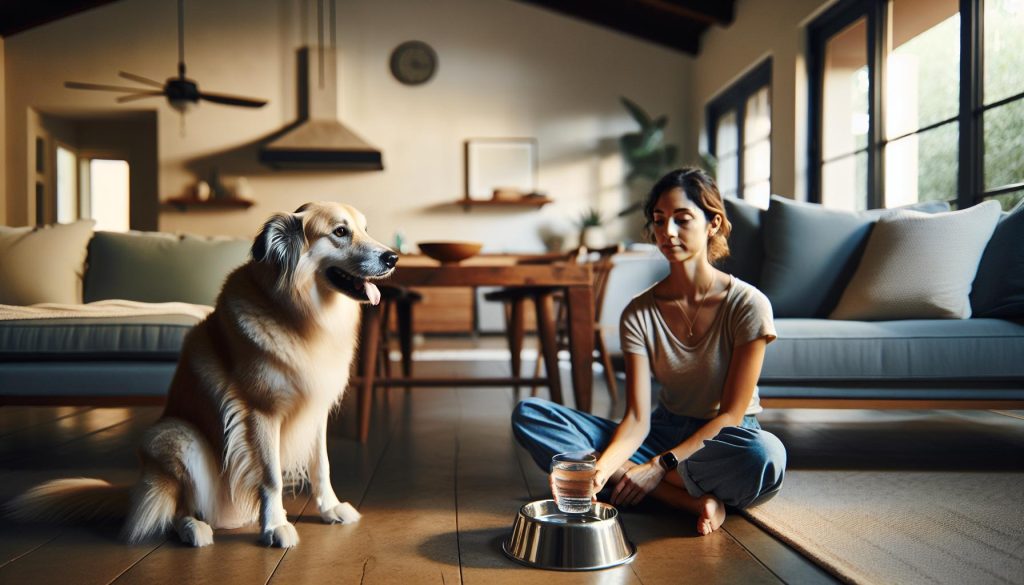
Did you know that while hydrating your dog is essential, too much water can actually be harmful? As loving pet owners, we often focus on ensuring our furry friends stay well-hydrated, especially during hot days or after vigorous play. However, understanding the balance is crucial. Water intoxication, though rare, can lead to serious health issues, such as electrolyte imbalances and, in severe cases, even death. This makes it vital for all dog owners to be aware of how much water is appropriate for their pets based on factors like size, breed, and activity level. In this article, we will explore the signs of water intoxication, practical tips for managing your dog’s water intake, and how to create a hydration plan that keeps your pup healthy and happy. By paying attention to your dog’s drinking habits, you can ensure they thrive while preventing this potentially dangerous condition. Let’s dive in!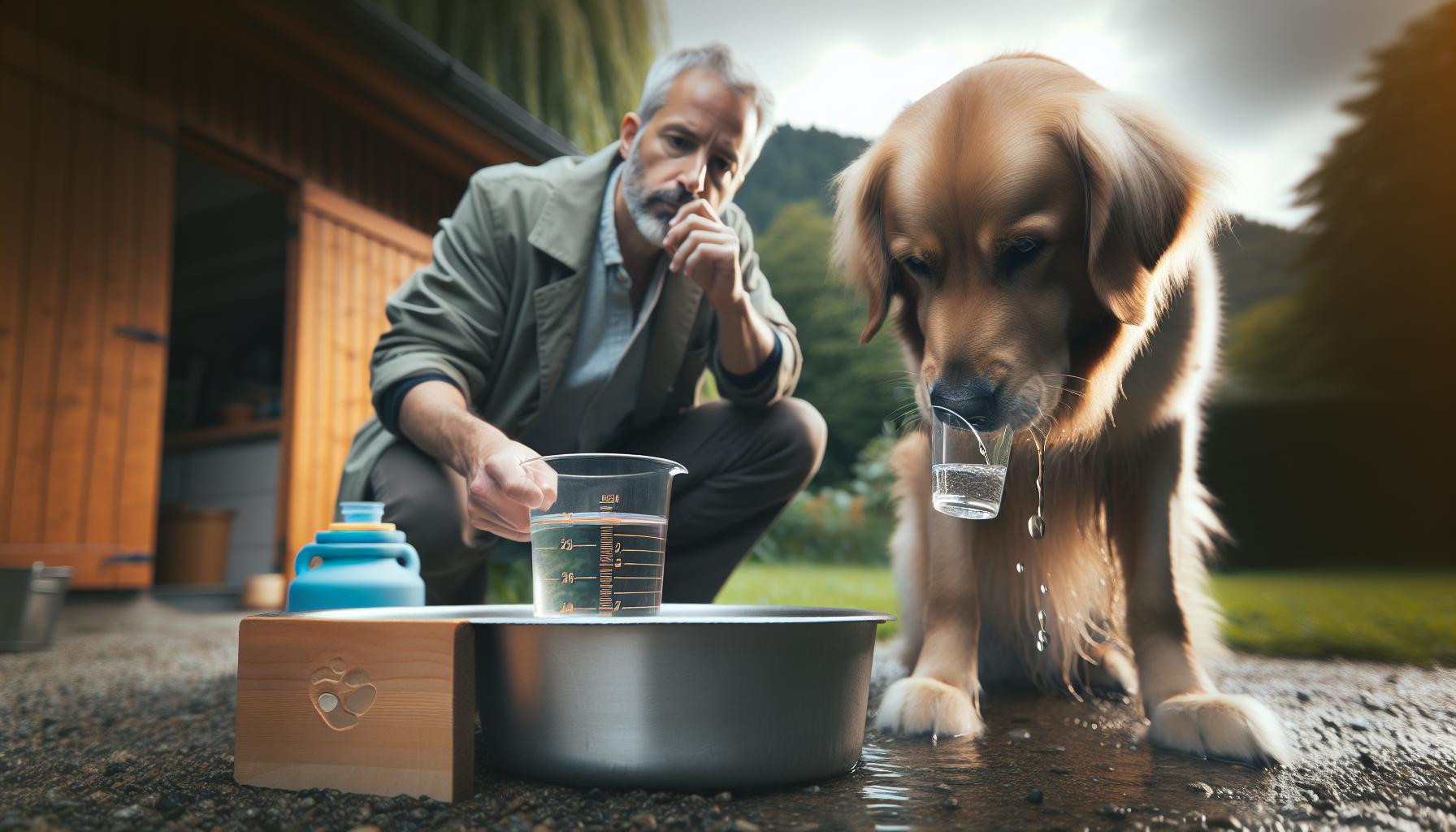
Can Dogs Drink Too Much Water? Understanding the Risks
When it comes to our furry companions, it’s easy to think that more water is always better. However, just like people, dogs can face health complications from overhydration. Water intoxication, although rare, can be a serious issue caused by excessive intake leading to an electrolyte imbalance, specifically a drop in sodium levels in the bloodstream. This condition can result in a range of symptoms, from mild lethargy to severe neurological issues, which in extreme cases could be life-threatening.
Understanding the risks associated with overdrinking is essential, especially for active breeds or those prone to excessive drinking due to anxiety or certain health conditions. Playing fetch at the park or running alongside you on a hike can make your dog more susceptible to gulping down excess water. This enthusiastic behavior can exacerbate the risk of developing water intoxication, particularly in breeds like Labrador Retrievers or Golden Retrievers, known for their love of water.
To keep your dog safe, monitoring their water intake is crucial. Setting specific drinking limits during exercise and encouraging frequent breaks can be beneficial. If your dog does appear to be drinking unusually large amounts, or if you notice any signs of distress after heavy drinking, such as vomiting, bloating, or changes in behavior, it’s important to consult a veterinarian immediately. Maintaining a balanced hydration plan tailored to your dog’s activity level, size, and health needs will help prevent the risks associated with overhydration while ensuring they stay comfortable and healthy.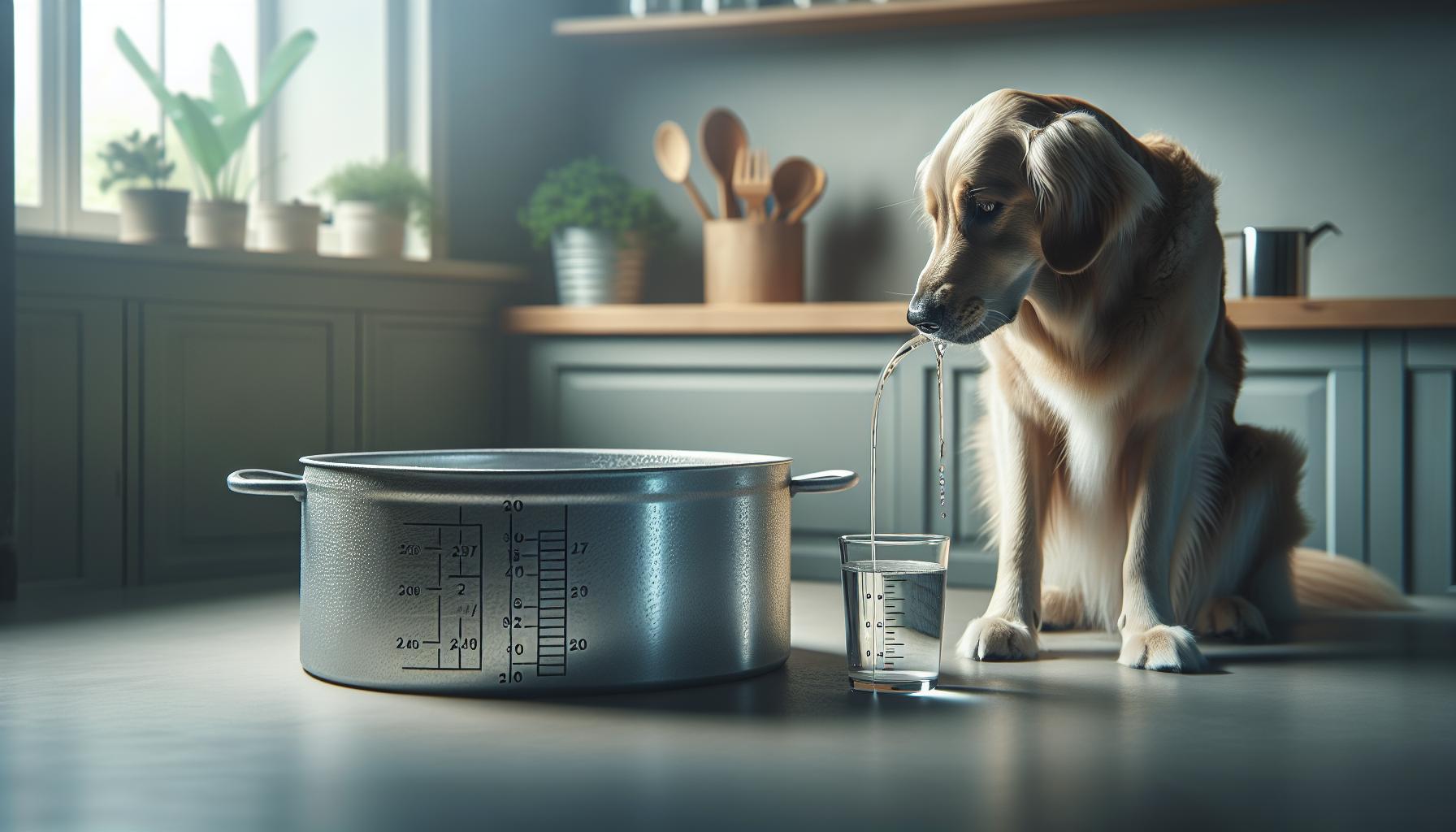
Signs of Water Intoxication in Dogs
Understanding the is essential for safeguarding their health, especially during those hot summer days or after an intense play session at the park. Just as humans risk developing complications from overdrinking, dogs can too, and recognizing the symptoms early can make a significant difference in their recovery.
Be on the lookout for symptoms that might indicate your furry friend is experiencing water intoxication. These can include:
- Nausea and vomiting: If your dog begins to vomit unexpectedly, it might be a sign they’ve consumed too much water.
- Bloating: A distended abdomen can indicate that their system is overwhelmed.
- Disorientation: If your dog seems confused or unsteady on their paws, this may be another warning sign.
- Excessive drooling: An increase in saliva production can accompany other symptoms.
- Difficulty breathing: This is a serious symptom that requires immediate attention.
- Seizures or tremors: Neurological issues can arise if an electrolyte imbalance occurs, signaling severe overhydration.
These symptoms can progress quickly, so it’s vital to monitor your dog closely after activities that might encourage excessive drinking. If your dog exhibits any of these signs, especially after a vigorous play session, do not hesitate to reach out to your veterinarian for advice.
Different breeds may show these symptoms with varying severity. For example, more excitable breeds like Golden Retrievers and Labradors, known for their love of water, may be particularly prone to gulping down large amounts quickly when they’re active. As a proactive owner, keep an eye on their behavior, and always ensure they have access to fresh water in moderation to prevent these risks.
By understanding these indications and acting swiftly when necessary, you can help ensure that your dog remains happy and healthy, enjoying every moment both in and out of the water!
How Much Water Is Too Much for Your Dog?
Understanding how much water is appropriate for your dog is crucial for their health and well-being. While staying hydrated is essential, dogs can indeed drink too much water, leading to dilution of electrolytes in their body-a condition known as water intoxication. The overall rule of thumb is that an average dog should consume about 1 ounce of water per pound of body weight per day, but this can fluctuate based on factors such as age, activity level, and environmental conditions.
To get a clearer picture, let’s consider different breeds. Smaller breeds, like Chihuahuas and Pomeranians, generally require less water than larger breeds like Labrador Retrievers or Great Danes, simply due to their size. Here’s a quick comparison table to illustrate the average daily water needs based on weight:
| Dog Weight (lbs) | Daily Water Intake (oz) |
|---|---|
| 10 | 10 |
| 25 | 25 |
| 50 | 50 |
| 75 | 75 |
| 100 | 100 |
It’s important to monitor your dog’s behavior regarding their drinking habits. If your dog drinks excessively, it could be indicative of underlying health issues such as diabetes or kidney problems. Additionally, pay attention to how quickly they drink; dogs that gulp down water rapidly are at a higher risk for water intoxication. To counter this, you might consider using a slow-feeder water bowl or incorporating breaks during playtime to sip water gradually.
Regular check-ups with your veterinarian can provide tailored guidance based on your dog’s individual needs, ensuring their hydration remains balanced and safe. By keeping a close watch on your furry friend’s water intake and following these guidelines, you can help prevent the risks associated with overhydration while keeping them happily hydrated!
Understanding the Causes of Excessive Drinking
Excessive drinking in dogs can be perplexing and concerning for pet owners. While hydration is crucial, sudden increases in water intake may signal underlying health issues or behavioral patterns that deserve attention. Dogs may drink more for a variety of reasons, including physical health conditions such as diabetes mellitus, which causes them to urinate more frequently, thus leading to increased thirst. Kidney disease is another culprit, as it can disrupt the body’s ability to concentrate urine, prompting your dog to drink more to compensate.
It’s essential to understand that some breeds may have a predisposition to increased water intake due to their physical characteristics or inherent tendencies. For example, working breeds like Border Collies and Australian Shepherds may require more water during rigorous activities. Alternatively, certain smaller breeds might display less frequent drinking habits due to their naturally lower energy needs.
- Medical Conditions: Monitor for signs of diabetes, kidney disease, or Cushing’s disease.
- Dietary Influences: High sodium content in dog food can prompt increased thirst.
- Behavioral Factors: Dogs may drink more when anxious or during hot weather.
Furthermore, medication can also influence a dog’s thirst. Some medications, particularly steroids acting as antiflammatory agents, may induce excessive drinking as a side effect. If you notice your dog drinking significantly beyond the average of 1 ounce per pound of body weight per day, it’s advisable to consult your veterinarian. They can help determine whether the behavior stems from a medical condition or is simply a reaction to environmental changes or activity levels. Daily observations and a behavioral log may help your vet pinpoint the cause more accurately.
By being vigilant and proactive in recognizing the signs of excessive drinking, you can ensure your furry companion maintains a healthy balance of hydration without risking the dangers associated with overdrinking.
Breeds Prone to Overhydration: What to Know
Certain breeds exhibit tendencies that may lead them to consume more water than others, increasing the risk of overhydration. Understanding your dog’s breed and its unique needs can significantly help in managing their water intake. For instance, breeds known for their high activity levels, such as Border Collies and Australian Shepherds, inherently require more hydration due to their energetic lifestyles. These dogs often expend a lot of energy, which can naturally lead to an increased thirst.
On the other end of the spectrum, some smaller breeds, like Chihuahuas and Pomeranians, may require less water due to their lower energy needs. However, even within less active breeds, individual variations in behavior and health can affect water consumption. For example, breeds predisposed to certain health conditions-like Cocker Spaniels, known for kidney issues-may also exhibit heightened thirst.
To help manage your dog’s hydration effectively, consider these practical tips:
- Establish a Routine: Keep a consistent schedule for water availability, ensuring fresh water is always accessible after exercise or outdoor play.
- Monitor Intake: Use a measuring cup to gauge daily water consumption and consult your veterinarian if your dog’s intake exceeds the typical amount.
- Watch for Symptoms: Familiarize yourself with the signs of overhydration, such as lethargy, vomiting, or bloating, especially following vigorous exercise.
Creating a careful balance is essential. Engaging in regular health check-ups with your vet not only helps monitor your dog’s general health but also allows for discussions on hydration needs based on specific breed characteristics. With the right knowledge and attention, you can ensure your furry friend enjoys a safe and healthy lifestyle while avoiding the risks associated with overhydration.
Preventing Water Intoxication During Playtime
It’s a well-known fact that dogs love to play, and with that play comes an enthusiastic desire to drink water. However, the excitement of playtime can sometimes lead to overdrinking and the potential risk of water intoxication. This condition occurs when a dog ingests an excessive amount of water in a short period, causing electrolyte imbalances that can be dangerous. As responsible pet owners, it’s crucial to implement strategies to prevent this serious issue during those joyous moments of fun.
One effective way to mitigate the risk of water intoxication is by regulating your dog’s water intake throughout play. Set scheduled breaks during activity where your dog can drink water, rather than allowing them to gulp down as much as they wish at once. For instance, after every 20-30 minutes of play, take a short break and encourage your dog to hydrate. This not only helps manage their thirst but also gives them a chance to rest.
Another proactive measure is to observe your dog’s behavior. Different breeds have varying tendencies when it comes to playfulness and water intake. For example, highly energetic breeds like Labrador Retrievers and Australian Shepherds may be more prone to overdrinking, especially during intense play. In contrast, smaller or less active breeds might not be as prone, but keeping an eye on any signs of distress or unusual behavior is always wise. Look for symptoms such as excessive drooling, lethargy, or bloating-these can indicate that your dog has consumed too much water too quickly.
Lastly, consider your play environment. If you’re playing in a setting where your dog has easy access to water, be mindful of the amount they are drinking. Using a controlled water source, such as a water bowl away from the play area, can help prevent them from drinking too much. You can also engage in water games in a controlled manner, such as providing just enough water for them to play with it, rather than filling a pool or bowl that encourages fast drinking.
By taking these precautions, you can ensure that playtime is both enjoyable and safe for your furry friend, allowing them to have fun while maintaining a healthy balance in their hydration. Remember, keeping an eye on their intake and being mindful of their play habits not only enhances your dog’s well-being but also protects them from the risks of water intoxication.
Emergency Response: What to Do If Your Dog Overdrinks
When dogs are having fun, especially in water, it’s easy to overlook how much they’re actually drinking. If you’ve noticed that your fur baby has consumed excessive water-especially after an enthusiastic play session-knowing how to respond quickly can make all the difference in ensuring their health and well-being. Water intoxication can disrupt your dog’s electrolyte balance, leading to serious health risks, and understanding the key signs and actions to take is vital for every responsible owner.
If you suspect your dog has overdrunk, first assess their condition. Look for signs of distress such as lethargy, bloating, vomiting, or excessive drooling. These can indicate an electrolyte imbalance caused by the rapid intake of water. If any of these symptoms are present, it’s important to act quickly. Keep your dog calm and try to minimize their movement, as excessive activity can exacerbate symptoms.
Next, contact your veterinarian immediately. They may need to evaluate your dog and could recommend bringing them in for treatment. Don’t wait to see if symptoms worsen; it’s better to err on the side of caution. If you’re unable to get to your vet quickly, provide them with as much information as possible, including the amount of water consumed and the time frame. This will help in assessing the best course of action.
In case your vet is not readily available and you need to manage the situation at home while en route to the clinic, here are a couple of things you can do:
- Monitor breathing and behavior: Keep a close watch on their breathing pattern. If it changes drastically or if they appear to be in significant discomfort, this is crucial information for your vet.
- Do not induce vomiting unless advised by a veterinarian, as this could lead to additional complications.
Finally, implement preventive measures once your dog recovers. Regularly monitor their drinking habits, especially during playtime. Make water breaks routine and consider using positive reinforcement to get them accustomed to taking those necessary pauses. Understanding the balance of hydration can help you keep your best friend safe during all their playful adventures. Remember, being proactive and informed can help prevent emergencies before they arise, allowing for many happy, hydrated moments together.
Hydration Balance: Finding the Right Amount for Your Dog
Finding the right amount of water for your dog can be a bit of a balancing act. Did you know that most dogs need about one ounce of water per pound of body weight each day? However, factors like activity level, weather, and individual health conditions can significantly affect these needs. Being aware of these variables will not only help you keep your furry friend healthy but also prevent the risk of water intoxication.
Understanding your dog’s specific hydration requirements starts with observing their behavior and habits. A typical adult dog might drink anywhere from half a cup to several cups of water each day, depending on their size and activity. For example, active breeds like Labrador Retrievers and Border Collies may drink more due to their higher energy levels and water loss through panting. In contrast, smaller or less active breeds like French Bulldogs may naturally consume less. This means it’s crucial to monitor their intake regularly, especially during exercise or warm weather.
To help manage your dog’s hydration effectively, consider implementing structured water breaks during playtime or exercise. Here are a few practical tips to ensure your dog gets just the right amount of water:
- Set Routine Water Breaks: Plan short breaks every 20-30 minutes during active play to allow your dog to hydrate. This can be especially important on hot days.
- Use Measuring Tools: If you’re concerned about overdrinking, using a measuring cup can help you track how much water your dog is consuming throughout the day.
- Pay Attention to Signs: Look for signs of dehydration like dry gums and lethargy, and also signs of overhydration such as bloating or excessive drooling.
By combining careful observation with intentional practices, you can help maintain your dog’s hydration balance, contributing to their overall well-being and happiness. Always remember that individual needs can vary, and adapting your approach as needed will create a safer and healthier environment for your canine companion.
Expert Tips for Monitoring Your Dog’s Water Intake
Monitoring your dog’s water intake is crucial to maintaining their health, especially since both dehydration and overhydration can lead to serious health issues. One fascinating aspect to keep in mind is that dogs, unlike people, may not regulate their drinking habits due to varying factors such as activity level, temperature, or mood. As a pet owner, being proactive in your approach can significantly affect your dog’s well-being.
Establishing a consistent routine helps to monitor your dog’s hydration effectively. To help you with this, consider these strategies:
- Daily Water Measurements: Use a specific container to measure how much water you give your dog daily. Establish a baseline amount according to their weight (about one ounce per pound) and adjust based on their activity and environmental conditions.
- Regular Observations: Observe your dog regularly. Are they drinking more during exercise or when it’s hot? Keeping a diary of their drinking habits can be helpful over time in identifying patterns.
- Hydration Checkpoints: Designate times during the day when you check their water bowl. This can help you catch any changes in their drinking behavior early. For instance, if your normally thirsty dog suddenly shows less interest in water, it might warrant a deeper look.
- Interactive Hydration: Some dogs love playing games that encourage them to drink. Consider incorporating water play, like using sprinklers in the yard or providing ice cubes or frozen treats in water. This can make hydration fun and engaging!
By maintaining a vigilant monitoring strategy, you empower yourself to spot potential issues before they escalate into emergencies. Additionally, familiarize yourself with both signs of dehydration (such as dry gums or loss of skin elasticity) and signs of overhydration (like excessive drooling or a swollen abdomen). If your dog frequently exhibits concerns that suggest improper hydration, consulting with a veterinarian can ensure that your furry friend’s health is prioritized. Most importantly, fostering a habit of open communication about your dog’s drinking patterns can set a solid foundation for a long and healthy life with your beloved pet.
The Role of Diet in a Dog’s Hydration Needs
A well-balanced diet plays a crucial role in managing your dog’s hydration needs, and it can often be a game-changer when it comes to preventing overhydration. While fresh water is essential, the food you provide your furry friend can significantly contribute to their overall fluid intake. For instance, wet dog food typically contains around 70-80% moisture, which means that incorporating it into your dog’s diet can help keep them hydrated without relying solely on water. This is especially beneficial for dogs that may not drink as much as they need.
Types of Dog Food and Their Moisture Content
Understanding the moisture levels in different types of dog food can help you make informed choices that support your dog’s hydration. Here’s a quick comparison:
| Type of Dog Food | Moisture Content |
|---|---|
| Wet Food | 70-80% |
| Dry Kibble | 10-12% |
| Raw Diet | 60-70% (depends on the specific ingredients) |
For dogs that primarily eat kibble, it’s essential to ensure they have constant access to fresh water. On the other hand, transitional diets that combine wet and dry food can optimize hydration levels while minimizing the risk of water intoxication. Not only does this balance support hydration, but it also helps in maintaining their overall health and wellbeing.
Adding Hydrating Foods
Another fantastic way to enhance your dog’s hydration through their diet is by incorporating hydrating fruits and vegetables. Many of these are low in calories and can be given as treats or mixed into their regular meals. Some excellent options include:
- Watermelon: A refreshing treat, just be sure to remove the seeds!
- Cucumber: Low-calorie and hydrating, it’s a crunchy snack that many dogs love.
- Carrots: High in water and fiber, they are perfect for chewing!
- Blueberries: Good for hydration and rich in antioxidants.
Each of these can contribute to your dog’s hydration levels while also providing various health benefits.
In summary, being mindful of both the water intake and the food choices you provide can create a balanced hydration strategy for your dog. Not only does this enhance their wellbeing, but it ensures that they enjoy a healthy and happy life by preventing issues like overhydration or dehydration effectively. As you establish your dog’s dietary plan, consider consulting with your veterinarian to tailor it to your dog’s specific needs, age, and activity level.
Creating a Safe Environment for Your Dog to Drink
Creating a safe space for your dog to drink water is crucial in preventing issues like overhydration and ensuring they are well-hydrated. Dogs thrive in environments where they can comfortably access fresh water at all times. This not only encourages healthy drinking habits but also helps them maintain a balanced hydration level. An important aspect of this is choosing the right bowls and ensuring they are kept clean and filled with fresh water consistently.
Start by selecting a suitable water bowl that is the right size for your dog. For larger breeds, opt for bigger, sturdier bowls that won’t tip over easily, while smaller bowls are ideal for petite pups. Additionally, consider materials: stainless steel is preferred because it’s durable and easy to clean, whereas plastic bowls can harbor bacteria and are prone to scratching. Remember to set the bowl in a safe area where your dog can drink without distractions or hazards, away from their food bowl, and in a location that minimizes the risk of spills.
Regularly check and change your dog’s water supply throughout the day, especially during hot weather or after exercise. A good practice is to establish a routine of refreshing their water at specific times, such as after meals or play sessions. This not only ensures cleanliness but also encourages your dog to drink more frequently. If you notice your dog eagerly drinking or acting overly excitable around water, it could be a sign that you’re in danger of overhydration, so providing a controlled environment can help.
Additionally, when engaging in water-related activities, such as fetching water toys or swimming, be mindful about how much water your dog ingests. It’s crucial to supervise them during such play, offering breaks and providing fresh water away from the play area to help them regulate their intake. Establishing a calm, enjoyable drinking routine can encourage your dog to hydrate properly without overdoing it. Remember, creating a safe drinking environment for your dog isn’t just about access to water-it’s also about being mindful of their habits and needs as they navigate their hydration journey.
Water FAQs: Common Questions Dog Owners Ask
One of the most common concerns for dog owners is ensuring their furry friends are properly hydrated, but also recognizing when enough is enough. Did you know that while it’s crucial for dogs to drink water, excessive consumption can lead to a rare but serious condition called water intoxication? This can overwhelm their bodies and lead to health issues. Below are some frequently asked questions that can help you navigate your dog’s hydration needs effectively.
What are the symptoms of water intoxication in dogs?
Dog owners should be vigilant for signs of water intoxication, which can include:
- Disorientation: If your dog seems confused or is unsteady on their feet.
- Excessive drooling: A sudden increase in saliva production can be a warning sign.
- Vomiting: This is a common response to excessive water intake.
- Seizures or tremors: These are more severe symptoms and require immediate veterinary care.
Recognizing these symptoms early can make a lifesaving difference.
How much water should my dog drink each day?
The general rule of thumb is that dogs should drink about one ounce of water per pound of body weight daily. However, this can vary based on their size, activity level, diet, and environmental conditions. For example, dogs eating dry kibble may require more water than those on a wet food diet. An easy way to monitor their intake is to observe how quickly they drain their bowl or establish a routine based on their habits.
What can cause my dog to drink excessively?
Excessive drinking, or polydipsia, can be influenced by many factors, including:
- Health issues: Conditions such as diabetes mellitus or kidney disease can increase thirst.
- Dietary changes: A high-salt diet may prompt increased water intake.
- Physical activity: Playing hard, especially in the heat, can lead to more panting and thirst.
If you notice a significant increase in your dog’s thirst, a visit to the veterinarian is advisable to rule out potential health concerns.
By understanding your dog’s hydration needs and recognizing the balance required, you can keep them happy and healthy while avoiding the pitfalls of overhydration. Regularly observe their drinking habits and encourage a healthy hydration routine to ensure their well-being.
FAQ
Q: How can I tell if my dog is drinking too much water?
A: Monitor your dog’s water intake compared to usual amounts, noting any significant increases. Look for signs such as frequent urination, lethargy, or bloating. If your dog consistently drinks more than needed, consult a veterinarian for advice.
Q: What breeds are more susceptible to water intoxication?
A: Breeds with a tendency to overdrink, like Labrador Retrievers and Golden Retrievers, may be more prone to water intoxication. It’s essential to observe their behavior, especially during playtime, to prevent excessive drinking. Check the section on “Breeds Prone to Overhydration” for more details.
Q: Is water intoxication common in dogs?
A: While water intoxication is relatively rare, it can occur during intense play, especially with fetch games or swimming. Always monitor your dog’s drinking behavior, particularly after vigorous activities. Refer to “Signs of Water Intoxication in Dogs” for symptoms to watch out for.
Q: Can I restrict my dog’s water intake to prevent overhydration?
A: You should not restrict your dog’s water intake; rather, provide controlled access and encourage moderation. It’s vital for their health to stay hydrated. For more tips, check the “Expert Tips for Monitoring Your Dog’s Water Intake” section.
Q: What should I do if my dog is showing signs of water intoxication?
A: If you suspect water intoxication, seek veterinary help immediately. Symptoms like rapid breathing or disorientation require urgent attention. Review the “Emergency Response” section in your dog care guide for detailed steps.
Q: How does diet affect my dog’s hydration needs?
A: A dog’s diet influences hydration needs, especially if they eat dry kibble versus wet food. Dogs fed dry food may need more water, while those on wet diets often drink less. Visit the “The Role of Diet in a Dog’s Hydration Needs” section for specific information.
Q: Why is it important to prevent water intoxication in dogs?
A: Preventing water intoxication is crucial because it can lead to serious health issues, including seizures or even death. Educating yourself on safe drinking habits can help maintain your dog’s health. For prevention methods, check the “Preventing Water Intoxication During Playtime” section.
Q: How can I encourage my dog to drink the right amount of water?
A: Encourage healthy drinking habits by providing fresh water regularly and using bowls that appeal to your dog. Additionally, consider adding hydration-friendly foods to their diet. For more guidance, see the “Hydration Balance” section in your article.
To Conclude
In conclusion, understanding how much water your dog needs is essential in preventing water intoxication. Remember, while it’s crucial to keep your furry friend hydrated, moderation is key! If you’re ever in doubt about your dog’s drinking habits, consult your veterinarian for peace of mind. For further reading, check out our articles on recognizing signs of dehydration and tips for maintaining your dog’s health and wellness.
Ready to be a proactive pet owner? Sign up for our newsletter to receive expert tips straight to your inbox and stay informed! We encourage you to share your experiences or ask questions in the comments below, and explore our resource section for more ways to ensure a healthy, happy life for your canine companion. You’re not alone on this journey-we’re here to support you every step of the way!