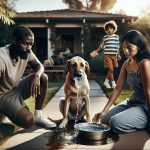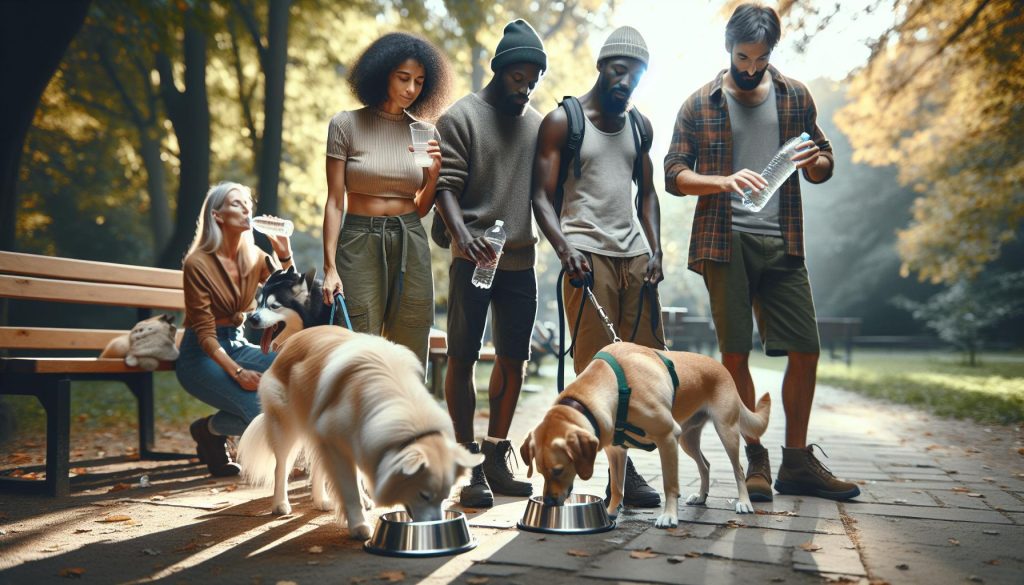
Did you know that a dog’s hydration needs can significantly change after exercise? Just like us, our furry friends require water to recover after a vigorous walk or play session. Understanding when and how to hydrate your dog post-exercise is crucial for their health and well-being. Timing can make the difference between a happy, healthy pup and one that is at risk for dehydration or discomfort. As a dog owner, you want to ensure that your companion feels great before and after their adventures. In this article, we’ll explore the best hydration practices and timing to help you keep your dog refreshed and ready for the next walk. Whether you’re a first-time dog owner or a seasoned pro, our practical tips will ensure your pup stays hydrated and healthy.
Can Dogs Drink Water After Exercise? Understanding Hydration Needs
After a long walk or energetic play session, your dog’s hydration needs become even more critical. Dogs, much like humans, can become dehydrated after exercise. They rely on water to maintain healthy bodily functions, temperature regulation, and overall well-being. Understanding when and how your dog should hydrate after physical activity is essential for their health and happiness.
One key aspect to remember is that dogs might not always drink water immediately after exercise, even when they need it. As a pet parent, it’s helpful to encourage your furry friend to drink soon after their activity. Offering fresh, cool water right after your walk can stimulate their thirst. If your dog tends to be averse to drinking right away, try incorporating fun elements, such as using a portable dog bowl during outings or providing water in a different format, such as ice cubes to play with, which can also quench their thirst.
When assessing hydration needs, consider that active dogs typically need a significantly higher water intake than more sedentary breeds. Factors such as breed size, climate, and exercise intensity can all influence how much water your dog should consume post-exercise. For example, a hardworking Labrador may require up to a liter of water after a vigorous run, while a smaller breed might need less. As a guide, aim for about an ounce of water for every pound of body weight throughout the day, adjusting based on activity level.
Furthermore, watch for signs that indicate whether your dog has had enough to drink. Observing your dog’s behavior, skin elasticity, and gum moisture can provide insights into their hydration status. This awareness will help you maintain their hydration needs before, during, and after every exciting outdoor activity!
How Much Water Should Dogs Drink After a Walk?
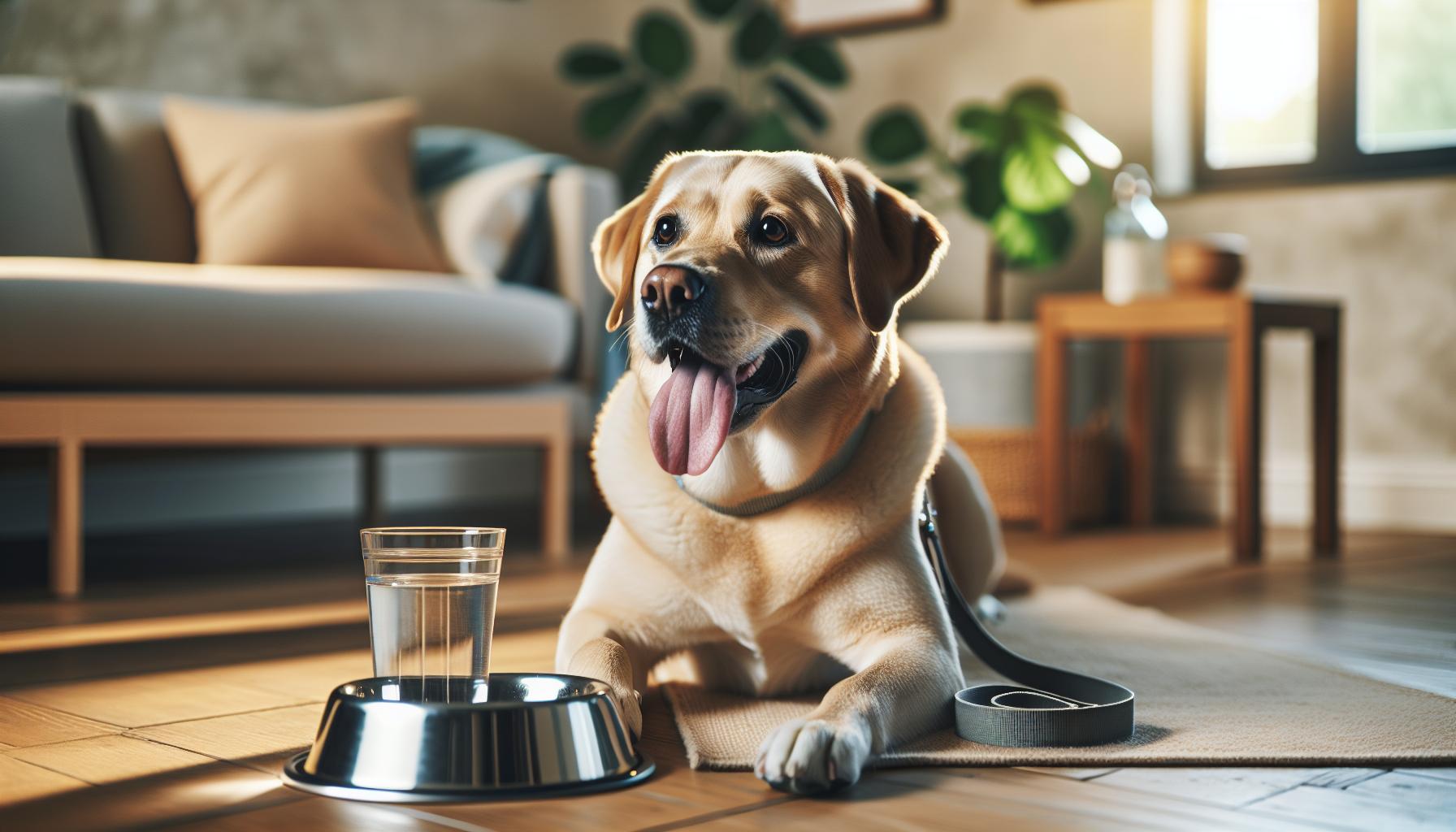
After a walk, ensuring your dog gets enough water is crucial for their well-being. Dogs are highly active creatures, and just like us, they can lose significant amounts of fluids during exercise. In general, the rule of thumb is that dogs should drink about an ounce of water for every pound they weigh daily. However, this amount can greatly increase immediately after physical activity. For instance, a 50-pound Labrador might need around 2 to 3 cups of water after a vigorous hour-long walk on a warm day.
Understanding Individual Needs
Each dog’s hydration needs may vary based on several factors, including their size, breed, age, and even the temperature outside. Smaller breeds tend to need less water, but that doesn’t mean they are off the hook! A Dachshund, for example, still should consume a substantial amount relative to their smaller size to support their health and energy levels.
Timing and Techniques for Hydration
The best time to offer water is right after the walk. Dogs might not instinctively rush to drink immediately; they may need encouragement. Bring along a portable water bowl during your outings to make it easy for them to hydrate when you’re out and about. Additionally, try offering cool, fresh water and, for some dogs, a fun alternative like ice cubes can encourage sipping and snacking simultaneously.
It’s essential to be attentive to your dog’s reaction and adjust the amount they drink based on their needs. Look out for signs of adequate hydration, such as clear gums and normal skin elasticity. If you notice your furry friend is sluggish or showing signs of dehydration, you might need to reassess their water intake not just after walks but throughout the day. By being proactive and supportive of your dog’s hydration needs post-walk, you’re setting them up for a healthy and happy life.
Signs Your Dog is Dehydrated from Exercise
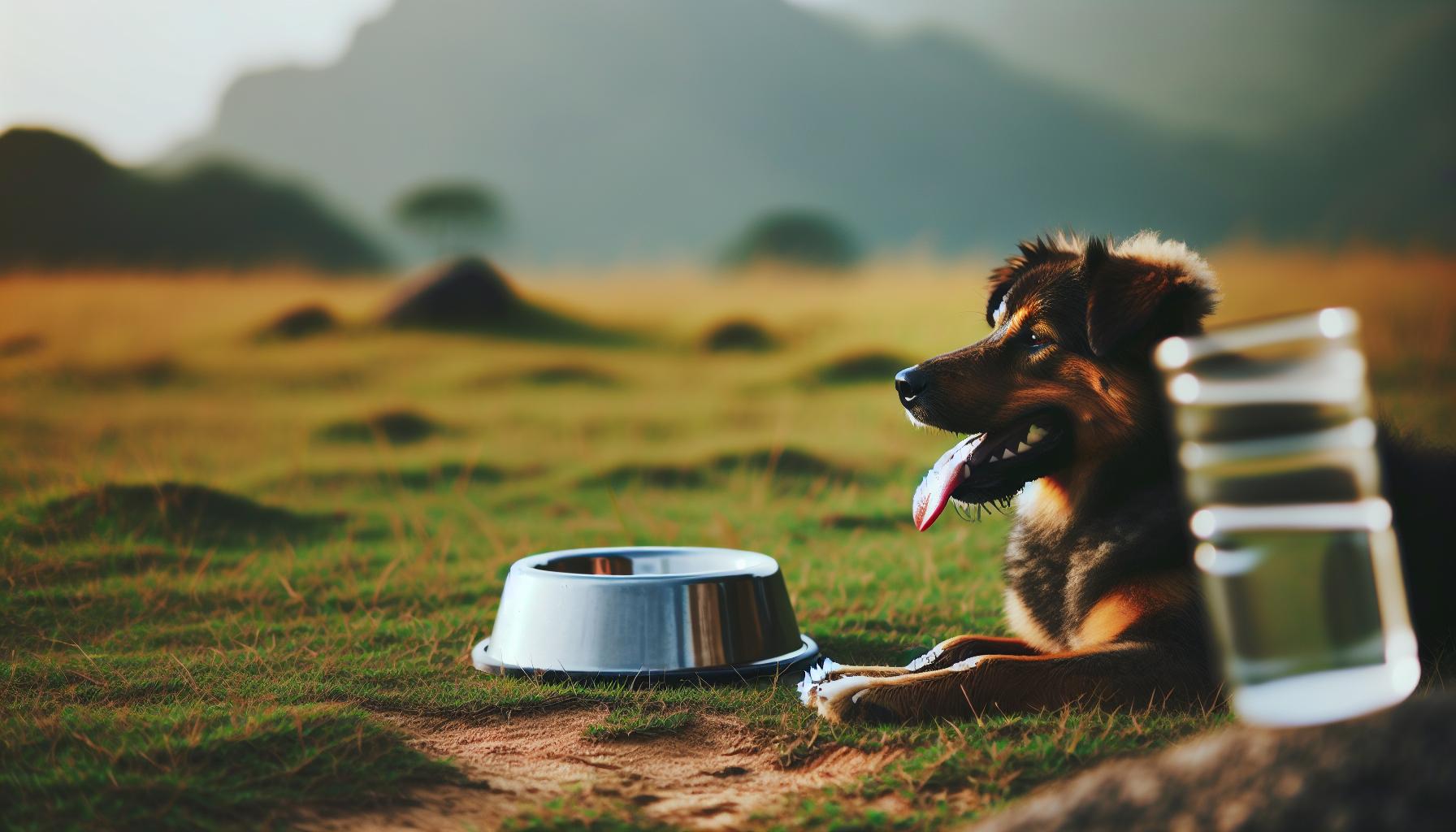
Dogs, like humans, can experience dehydration, especially after intense exercise. As you return from a walk or play session, it’s vital to be vigilant for signs that your furry friend may be feeling the effects of fluid loss. Addressing dehydration quickly can prevent more serious health issues, so knowing what to look for is essential.
One of the first indicators of dehydration is the condition of your dog’s gums. If they appear dry or sticky instead of moist and pink, it’s a red flag. Additionally, check your dog’s skin elasticity; pinch the skin on the back of their neck or between the shoulder blades. If it doesn’t spring back into place quickly, this could signify dehydration. Panting heavily after exercise may also be normal, but if it continues longer than expected, it could indicate that your dog is struggling to cool down and is losing too much fluid.
You might also notice decreased energy levels in your dog. If your once-enthusiastic companion seems sluggish or reluctant to participate in play, it may indicate that they need to hydrate. Other signs to watch for include a decrease in appetite, and excessive lethargy, both of which are signals that your dog might not be getting the hydration they require. In severe cases, dehydration can lead to symptoms like vomiting or diarrhea, which necessitate immediate veterinary attention.
In summary, staying observant can allow you to act swiftly and ensure your dog remains healthy and happy after exercise. Always have water readily available and encourage your dog to hydrate post-walk to prevent any of these signs from becoming a reality.
Best Practices for Hydrating Dogs: Timing and Techniques
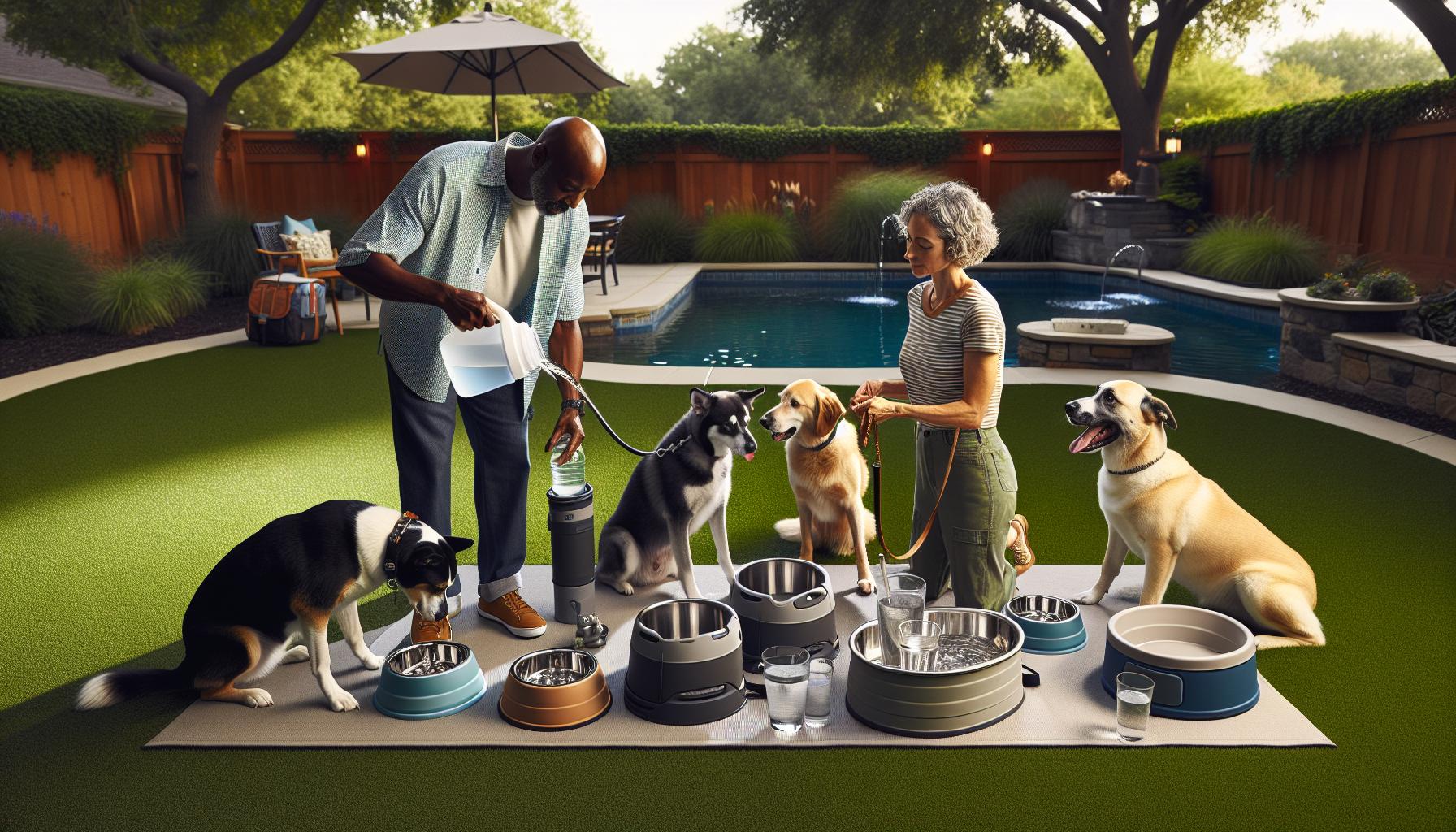
After a lively walk or an energetic play session, your dog’s hydration needs become increasingly important. This is the time when proactive hydration can mean the difference between a content and comfortable companion and one that struggles with the aftereffects of dehydration. Just like us, dogs need water to recover after exertion; however, their drinking habits can vary significantly based on breed, exercise intensity, and environmental conditions.
To ensure your dog replenishes lost fluids effectively, implement a hydration routine immediately after walks. Offer water right away, but keep in mind that dogs may be panting and excited, which can interfere with their ability to drink. A gentle approach can encourage them to hydrate more calmly. Instead of a single large bowl, place multiple water bowls around your home and yard to make access easier. Alternatively, consider a dog water fountain, as many dogs are drawn to running water, which can be more enticing than still water.
Timing is also a key element. After exercise, allow a brief cooldown period before expecting your dog to drink. This downtime lets their heart rate stabilize and makes them more receptive to hydration. Aim to provide smaller amounts of water frequently rather than one large quantity. For example, offer two to four cups of water over 30 to 60 minutes, adjusting based on your dog’s size and activity level.
Additionally, consider enhancing your dog’s water intake through hydrating foods. Fruits like watermelon or cucumbers make refreshing, low-calorie treats that can contribute to their hydration. Always ensure these are safe and vet-approved for your specific breed. By weaving these techniques into your routine, you not only help your dog stay hydrated but also build a positive association with drinking water, making it a natural part of their post-exercise care.
Comparing Hydration Needs by Dog Breed
Understanding the hydration needs of different dog breeds is crucial for ensuring they remain healthy and happy, especially after physical activities like walks or playtime. Just as humans have varying water requirements based on factors like weight, activity level, and climate, so do our furry friends. Some breeds tend to require more water due to their size, activity levels, and metabolic rates. For instance, larger breeds such as Great Danes or Saint Bernards often need more water to stay hydrated after exercise compared to small breeds like Chihuahuas, whose smaller size results in lower hydration needs.
Hydration Needs by Breed Type
To help you understand these differences better, here’s a quick guide highlighting hydration needs based on size and activity level:
| Breed Type | Typical Water Intake per Day | Post-Exercise Notes |
|---|---|---|
| Small Breeds (e.g., Chihuahua, Yorkshire Terrier) | 1/2 to 1 cup | May only need small sips post-exercise; monitor for dehydration signs. |
| Medium Breeds (e.g., Beagle, Cocker Spaniel) | 1 to 2 cups | Hydrate well after walks; aim for frequent small amounts. |
| Large Breeds (e.g., Labrador Retriever, Boxer) | 2 to 4 cups | Require substantial hydration; provide water shortly after activity. |
| Giant Breeds (e.g., Great Dane, Mastiff) | 4 to 8 cups | Higher risks of dehydration; always have water available. |
Another essential aspect to consider is the activity level within each breed. Working dogs or those with high energy, like Border Collies or Australian Shepherds, may require additional hydration compared to more sedentary breeds, regardless of size. Also, environmental factors play a significant role; hot weather can rapidly increase your dog’s water needs. Engaging in vigorous activity in warm conditions means you should be particularly vigilant about monitoring their water intake.
Practical Tips for Different Breeds
Here are some practical tips for ensuring your dog stays hydrated after their exercise, tailored to their breed type:
- Frequent Breaks: For high-energy breeds, schedule water breaks during longer walks to ensure they don’t become overly dehydrated.
- Cooling Down: Allow ample cooldown time for breeds prone to overheating-like Bulldogs-before offering water to avoid potential bloat.
- Personalize Their Routine: Observe your dog’s drinking habits after exercise. Some may prefer fresh, cool water, while others might like it at room temperature.
By tailoring your hydration practices to your dog’s breed and activity level, you not only support their wellness but also deepen your bond through attentive care.
How to Encourage Your Dog to Drink More Water
Encouraging your dog to drink enough water, especially after a vigorous walk or play session, doesn’t have to be a challenge. Just as hydration is vital for our own wellness, it plays a crucial role in maintaining your dog’s health. A well-hydrated dog is more energetic, has better skin and coat health, and overall enjoys a higher quality of life.
One great way to motivate your furry friend to drink more water is by keeping it interesting. Dogs are often attracted to fresh, clean water, so make it a point to change their water frequently. Consider adding ice cubes on hot days, as many pups enjoy the playful fun of fishing them out. Additionally, you might want to invest in a pet water fountain. Many dogs are instinctively drawn to running water, which can stimulate their desire to drink.
The use of flavored water can also work wonders. Adding a small splash of low-sodium beef or chicken broth to their water bowl can entice your dog to hydrate more. Similarly, consider incorporating water-rich fruits or vegetables into their diet, such as watermelon or cucumber, but be sure they are safe for dogs. This adds the bonus of hydration right from their treats!
Lastly, integrating regular pauses during your walks for hydration is essential, especially during warmer months or after intense activity. Carry a portable water bottle with a bowl attachment, so you can easily provide water when you notice your dog panting or slowing down. Making hydration a regular part of your outing not only keeps your dog refreshed but also helps you bond over shared activities. Keeping an eye on your dog’s drinking habits will help you adjust based on their specific needs, particularly if they belong to a breed known for higher hydration demands, ensuring they remain healthy and happy after every adventure.
Potential Risks of Overhydrating Your Dog After Exercise
While keeping your furry friend hydrated is essential, it’s crucial to understand that overhydration can be just as dangerous as dehydration. Dogs, like humans, can suffer from a condition known as hyponatremia, which occurs when there is an imbalance of electrolytes in the body due to excessive water intake. This condition can be life-threatening, particularly if not recognized and addressed promptly.
After exercise, it’s tempting to offer your dog a large bowl of water to replenish lost fluids. However, if your dog gulps down water too quickly, it can lead to a rapid drop in sodium levels in their bloodstream. Signs of hyponatremia to watch out for include lethargy, vomiting, bloating, and in severe cases, seizures or coma. These symptoms can appear suddenly, so being vigilant after intense activities is essential.
To prevent this from happening, you can use a few practical strategies. Start by offering small amounts of water at a time, allowing your dog to hydrate gradually. A good rule of thumb is to provide water breaks frequently, especially after high-energy activities. Additionally, monitor your dog’s behavior; if they seem excessively thirsty beyond normal, it may indicate that they need a more careful approach to hydration.
Incorporating dog-friendly hydrating treats, such as ice cubes made from low-sodium broth or frozen pureed fruits, can also be a fun and safe way to hydrate without overwhelming them with liquid. Always remember, moderation is key, and by keeping a close eye on your dog’s water intake after exercise, you can ensure they stay healthy and happy without the risks associated with overhydration.
Understanding Your Dog’s Unique Hydration Signals
is crucial for maintaining their health, especially after exercise. Just like humans, dogs display specific behaviors and signs that indicate their hydration levels. For instance, if your dog is panting excessively or seems restless, these may be signs that they are dehydrated and need water after a walk. It’s important for dog owners to recognize these signals, as timely hydration can prevent more serious health issues.
A good rule of thumb is to monitor the frequency of your dog’s drinking habits and their behavior after physical activities. If your pet is frequently seeking out water or seems to gravitate toward shade, it may indicate they need to replenish fluids. In contrast, a dog that appears lethargic or is reluctant to move might be showing early signs of dehydration. Keep an eye on their gums; healthy gums should be moist and pink, while dry or pale gums can signal dehydration. To support your dog’s hydration after walks or playtime, it’s helpful to offer small amounts of water frequently, rather than allowing them to gulp down large quantities all at once.
Breed-Specific Considerations
Different dog breeds may exhibit varying hydration needs and behaviors. For example, larger breeds like Great Danes may be more prone to bloat if they drink water too quickly, making it essential to monitor their intake closely. In contrast, smaller breeds such as Chihuahuas might show hydration signs earlier due to their smaller body size. Understanding the unique hydration requirements of your dog’s breed can help tailor your approach to their hydration needs.
Ultimately, creating a proactive approach to hydration involves observation, patience, and a bit of intuition. By developing a regular routine that includes offering water frequently and recognizing your dog’s individual signs, you can help ensure that your furry friend remains happy, healthy, and well-hydrated after every adventure.
Expert Tips for Post-Walk Hydration Routine
An effective post-walk hydration routine can make all the difference for your furry companion, ensuring they recover quickly and maintain optimal health after exercise. Dogs, just like athletes, need to replenish the water they lose during physical activity. One of the best practices is to give your dog access to fresh, cool water immediately upon returning home. This not only helps them rehydrate but also can be a rewarding part of your routine that they look forward to. Start by offering small amounts of water, as gulping too much at once can lead to discomfort or even bloat, particularly in larger breeds like Great Danes and Labrador Retrievers.
To help your dog drink more effectively, consider using a shallow dish or a specifically designed drinking fountain. Dogs are often more encouraged to drink when they see moving water, which can spark their interest. Additionally, if you notice your dog is hesitant to drink, try adding a splash of low-sodium broth to their water. This little trick not only enhances the flavor but also entices them to take those necessary sips.
It’s crucial to establish a consistent hydration routine based on your dog’s activity level. For instance, if you plan a longer walk or a vigorous play session, ensure to hydrate them before the activity as well. Pay attention to the weather – on hotter days, your dog may need more frequent breaks for water. Incorporate hydration stops during your walks, especially for breeds prone to overheating like Bulldogs or Pugs.
As you monitor your dog’s hydration habits, remember to look for signs of dehydration, such as dry gums or a lack of elasticity in their skin. If you’re ever in doubt or if your dog seems disinterested in drinking, consult your veterinarian for tailored advice. By taking these proactive steps, you foster not only a healthy recovery process but also a stronger bond with your canine companion.
When to Seek Veterinary Advice on Hydration
Monitoring your dog’s hydration is critical after walks or exercise, but there are instances when your pet might need more than just a good drink of water. Understanding when to seek veterinary advice can make all the difference in ensuring your furry friend stays healthy and well-hydrated. If you notice any unusual signs or behaviors following a walk, it might be time to check in with your vet.
One key factor to consider is your dog’s general behavior after hydration attempts. If they persistently refuse water, display lethargy, or seem unusually disoriented or dazed, these could be red flags. Dogs that are actively panting and have elevated heart rates after exercise should gradually calm down. However, if over time they do not seem to revert to their regular state, especially with continued reluctance to drink, professional advice is crucial.
Additionally, pay attention to physical signs of dehydration. If you see that your dog’s gums have turned dry, or if the skin doesn’t bounce back when you gently pinch it, these may indicate dehydration. Other symptoms like vomiting, diarrhea, or any signs of discomfort should be taken seriously. Breeds like Greyhounds, with their lean builds, can be particularly sensitive, so extra vigilance is required to avoid severe outcomes.
For the most accurate insight into your dog’s health, keeping a hydration checklist can be a helpful tool. Consider tracking:
- Water intake before and after walks
- Signs of dehydration and how long they persist
- Your dog’s behavior changes following exercise
- Response to hydration techniques you may have tried
If multiple symptoms present themselves or if there is a drastic change in your dog’s normal routine, don’t hesitate to call your veterinarian. It’s always better to err on the side of caution when it comes to your dog’s health. Your vet can offer tailored guidance based on your dog’s specific breed, age, and health condition, ensuring they receive the best care possible in response to hydration challenges.
Exploring Alternatives: Hydrating Treats for Your Dog
Looking for creative ways to keep your dog hydrated after a walk? Hydration treats can be a fun and effective addition to your dog’s post-exercise routine, providing both moisture and a tasty reward. These treats not only help replenish lost fluids but also transform hydration into a delightful experience for your furry friend.
There are several hydrating treat options that can complement your dog’s water intake beautifully. Water-rich fruits like watermelon (with no seeds or rind), cantaloupe, and mango make for thirst-quenching snacks that many dogs adore. They are not only juicy but also packed with vitamins and nutrients. You can offer these fruits in small, bite-sized pieces, making them easy for your dog to munch on after their walk. Additionally, you might consider homemade dog popsicles made from pureed fruits mixed with water, which can be a refreshing treat during warmer months.
For those seeking ready-made options, there are specialized hydrating dog treats available on the market. Brands like Skylar Treats create products specifically designed to boost hydration, which can be served whole, crushed over meals, or mixed with warm water for an easy-to-eat consistency[2](https://skylartreats.com/collections/hydration-treats?srsltid=AfmBOoojv8ClTcyd5LaAMhEmrvQi2ffXZlXETu817AjxpHxtrKoEtlMp). Alternatively, you can make ice cubes filled with low-sodium broth that your dog can chew on – this adds flavor and excitement to their hydration process.
Finally, introducing hydrating treats can also encourage less enthusiastic drinkers to increase their water intake, particularly in breeds that are prone to dehydration, like Greyhounds or Bulldogs. Maintaining a balance of both liquid water and hydrating treats can ensure your furry companions stay happy and healthy after their exercise sessions. Just remember to monitor how many treats your dog consumes to avoid excessive calorie intake, and always consult your vet if you’re unsure about introducing new snacks into your dog’s diet.
Hydration Myths: Debunking Common Misconceptions
Understanding the hydration needs of your dog is crucial, especially after a walk when they might be panting and thirsty. Yet, misconceptions about pet hydration abound, causing confusion for dog owners. One common myth is that dogs will naturally drink enough water on their own after exercise, but this is not always true. While many dogs instinctively seek water when they are thirsty, others may not drink enough, particularly if they’re tired or distracted. It’s essential to proactively offer water and ensure your pup stays hydrated, as lack of fluids can lead to dehydration, especially in active breeds.
Another misconception is that wet or raw food completely negates the need for water. While moist food does provide some hydration, it typically is not sufficient for a dog that has been exercised vigorously. Dogs need fresh water to replenish the fluids lost during physical activity, just like humans do. Moreover, the idea that ice-cold water can shock a dog’s system after exercise is a myth; while it’s generally safe for dogs to drink cool water, owners should monitor how much they take in promptly after a strenuous activity to avoid potential gastrointestinal discomfort.
Additionally, some believe that small dogs require less water than larger breeds. In reality, hydration needs can vary significantly among breeds based on their size, age, activity level, and health. For example, a Greyhound, despite its lean build, may require more hydration than a bulldog of similar weight due to its higher energy output. It’s vital to adjust water intake based on individual circumstances rather than relying on generalizations.
To foster better hydration habits, consider the following tips: fill your dog’s water bowl after every walk, encourage drinking multiple times a day, and offer hydrating treats. These proactive measures will help dispel hydration myths and ensure your furry friend is both healthy and happy after each adventure.
Faq
Q: How soon can I give my dog water after a walk?
A: It’s recommended to wait about 20 to 30 minutes after a walk before giving your dog water. This allows their body to cool down gradually and helps prevent gastrointestinal upset from drinking water too quickly [1].
Q: Should I offer my dog water during a walk?
A: Yes, offering small amounts of water during walks can help keep your dog hydrated, especially in warm weather or after vigorous exercise. Offer water every 15 to 20 minutes, particularly if your walk lasts longer than half an hour [1].
Q: Can I give my dog ice cubes after a walk?
A: Giving ice cubes can be refreshing for your dog, but it’s best to wait until they’ve cooled down and are hydrated. Ice can cause stomach discomfort if given immediately after exercise, so consider offering them as a treat after a cooling-off period.
Q: How much water should I offer my dog after a walk?
A: Generally, a dog should drink about 1 ounce of water per pound of body weight daily. After a walk, provide a few sips and monitor how they respond before offering more to prevent overwhelming their stomach [1].
Q: Is it safe for dogs to drink large amounts of water after exercise?
A: No, it’s not safe for dogs to drink large amounts of water all at once after exercise. This can lead to water intoxication, which can be dangerous. Instead, give them small amounts over time to rehydrate safely.
Q: How can I encourage my dog to drink more water?
A: To encourage water intake, try providing fresh water regularly, using a pet water fountain, or adding water to their food. Creating a positive drinking routine makes hydration more appealing. Explore more tips in our “How to Encourage Your Dog to Drink More Water” section.
Q: What should I do if my dog refuses to drink after a walk?
A: If your dog refuses water after a walk, try offering wet dog food, a splash of low-sodium broth, or a cooling treat to entice them. If dehydration symptoms appear, consult your veterinarian for advice [3].
These FAQs are crafted to provide immediate, actionable insights to dog owners while optimizing for search visibility and user engagement. For a deeper dive into hydration practices, explore our main article sections.
In Retrospect
Ensuring your dog stays hydrated after a walk is crucial for their health and well-being. Remember to offer water gradually after exercise and keep an eye on their hydration levels. If you’re looking for ways to boost your dog’s hydration, consider natural options like unsweetened coconut water or specialized hydration supplements. Want more tips on keeping your furry friend happy and healthy? Check out our guides on canine nutrition and post-exercise care!
Don’t miss out-sign up for our newsletter to receive the latest insights right to your inbox. If you have any questions or personal experiences to share about your dog’s hydration habits, we’d love to hear from you in the comments below! By taking these simple steps, you’re not just being a responsible pet owner; you’re enhancing your dog’s quality of life. Explore more articles about dog care to keep that tail wagging!