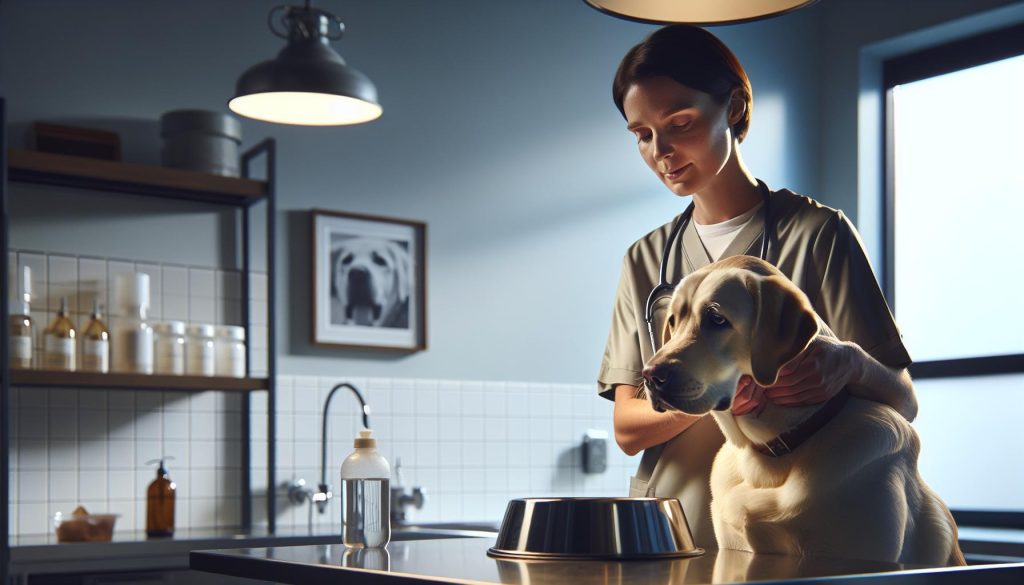
When preparing your dog for surgery, you may wonder about the specifics of pre-anesthesia care, especially regarding water intake. Did you know that hydration can play a crucial role in your pet’s safety during anesthesia? Understanding whether dogs can drink water before surgery is vital to ensure their well-being and to ease your concerns as a devoted pet owner. Many owners worry about balancing their dog’s thirst and the requirements set by veterinarians. This article will guide you through the necessary pre-anesthesia guidelines, helping you make informed decisions that foster a smooth surgical experience for your furry friend. Stay tuned as we delve into the best practices for keeping your dog safe and comfortable on surgery day!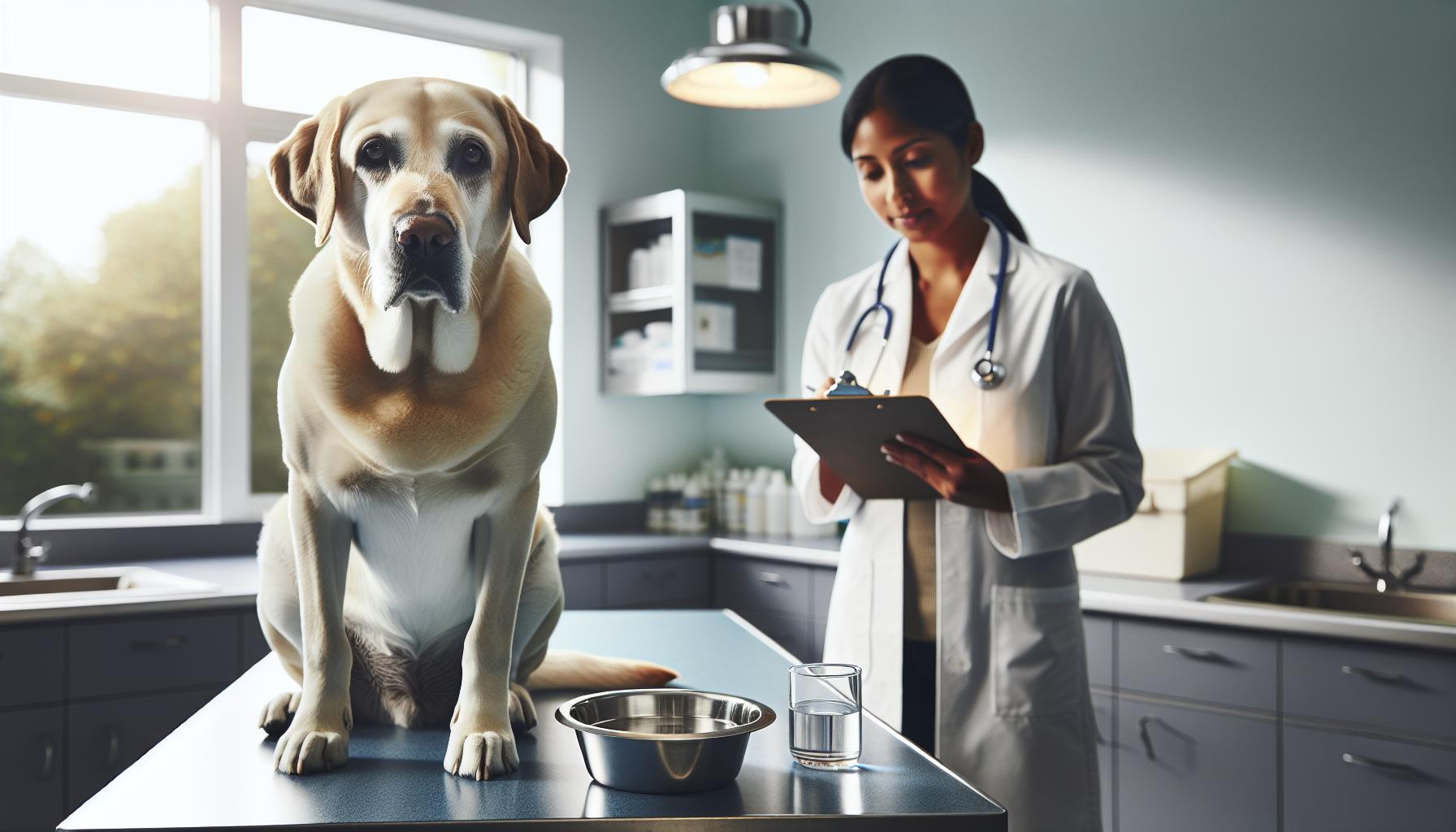
Can Dogs Drink Water Before Surgery: Understanding Pre-Anesthesia Needs
Before your dog undergoes surgery, it’s crucial to understand the guidelines surrounding their hydration needs, especially regarding water intake. Most veterinarians recommend withholding food and water for a specific period prior to anesthesia. This precaution helps prevent complications during the procedure, notably aspiration pneumonia, which occurs when food or liquid enters the lungs instead of the stomach. It’s not uncommon to feel torn between wanting to keep your pup comfortable and being mindful of medical guidelines.
Typically, your veterinarian will specify a fasting duration, often around 8 to 12 hours for dogs, depending on their age, health, and the type of anesthesia used. For instance, a younger, healthier dog might have a slightly different protocol than a senior dog or one with underlying health issues. Always follow the vet’s specific instructions, as they are tailored to ensure the safest experience for your furry companion.
While you’re eager to hydrate your dog, timing is critical. If your vet suggests withholding water, it’s usually a temporary measure to ensure safety rather than a reflection of your dog’s normal hydration needs. Hydrating your pup adequately before the fasting period can help maintain their overall well-being. Always monitor your dog for signs of dehydration leading up to surgery-like lethargy or dry gums-and consult your vet if you’re concerned. They may even provide guidelines on when to give small amounts of water, especially for dogs that are anxious or particularly active.
In summary, understanding how and when to manage your dog’s hydration ahead of surgery is vital. By sticking to your vet’s recommendations and monitoring your pet’s health, you can help ensure a smooth surgical experience, making a stressful situation a bit easier for both you and your canine friend.
Why Timing Matters: How Long Before Surgery?
Before surgery, the timing of when your dog can drink water is essential for a safe anesthesia experience. This is not just a random guideline; it’s based on medical best practices designed to protect your furry friend during the procedure. Generally, veterinarians recommend withholding both food and water for 8 to 12 hours before surgery. This guideline can vary depending on factors such as your dog’s age, health status, and the type of anesthesia that will be administered. Following this waiting period is crucial-an empty stomach reduces the risk of aspiration, where food or liquid might inadvertently enter the lungs during surgery.
Monitoring your dog’s hydration before the fasting period begins is an essential part of pre-surgery preparation. Before the cut-off time, ensure your dog has access to freshwater to stay hydrated. You might consider offering your dog smaller amounts of water if they tend to drink large quantities quickly, which could lead to discomfort or unwanted complications. Additionally, keeping a close eye on any signs of dehydration-like dry gums or decreased energy-can help you decide if it’s necessary to contact your vet for advice.
It’s worth noting that specific breeds may have different sensitivities to fasting. For example, brachycephalic breeds, such as Bulldogs or Pugs, can be more prone to respiratory issues, making careful monitoring vital. Be sure to discuss any breed-specific concerns with your veterinarian during your pre-surgery consultation. Adhering to the prescribed fasting times allows your dog to be in the best possible condition for surgery, providing peace of mind for both you and your vet.
Guidelines for Dog Breeds: Hydration Needs and Surgery
Before undergoing surgery, the hydration needs of your dog can vary significantly depending on their breed, size, and overall health. Understanding these differences is crucial not only for compliance with pre-anesthesia guidelines but also for ensuring the well-being of your furry companion during the fasting period. Particularly, certain breeds have unique characteristics that can affect their hydration status and might require tailored approaches prior to surgery.
For instance, brachycephalic breeds like Bulldogs and Pugs are more susceptible to respiratory complications. Their anatomy can make them breathe less efficiently, especially when they are stressed or restricted from drinking water. Therefore, it is recommended to start monitoring these breeds even earlier, ensuring they are well-hydrated before the cut-off and discussing potential strategies with your veterinarian. A hydration checklist for these breeds might include:
- Frequent and smaller amounts of water before fasting.
- Observation for any signs of discomfort or distress.
- Consultation with your vet regarding hydration alternatives right before surgery.
Larger breeds, on the other hand, may have a different set of considerations. Dogs like Great Danes or Mastiffs have larger body masses and thus higher water needs. Even though the general recommendation is to withhold water a few hours before the operation, these breeds can be at risk of dehydration more quickly. It’s crucial to consider their activity levels leading up to the surgical day. Ensuring access to fresh water for as long as possible before the fast can help mitigate risks.
In addition, specific medical histories play a role; dogs with kidney issues or diabetes may need more careful management surrounding their hydration status. Consulting your veterinarian for personalized advice is essential, as they can provide breed and health-specific recommendations. Don’t hesitate to prepare a list of questions and concerns for your vet, especially focusing on how to maintain hydration without jeopardizing their safety before surgery. Keeping your dog hydrated according to their distinct needs can significantly improve their surgical experience and contribute to a smoother recovery.
Recognizing Dehydration: Signs Your Dog Needs Water
Recognizing when your dog is dehydrated is vital, especially as you prepare for surgery. Hydration is crucial for a successful anesthetic experience and postoperative recovery. Dogs can be particularly vulnerable to dehydration after fasting, so understanding the signs is the first step in safeguarding their health.
One of the most apparent indicators of dehydration is a change in your dog’s behavior. If your furry friend is lethargic, less playful, or seems unusually quiet, it might be time to offer some hydration. Additionally, pay attention to their physical appearance. A quick check of the skin elasticity can provide clues: gently pinch the skin on the back of their neck; if it takes time to return to its normal position, your dog could be dehydrated.
Another telltale sign is the condition of their gums. Healthy gums should appear moist and pink. If you notice that their gums are dry, sticky, or pale, this could indicate dehydration. Similarly, monitor your dog’s drinking habits; if they are consistently drinking less than usual or refusing water altogether in the hours leading up to surgery, it may require a closer examination.
Frequent checks for these signs can help you make informed decisions before surgery. It’s essential to maintain open communication with your vet about your dog’s hydration status and any potential concerns. Remember, early detection is key, and taking proactive steps will not only prepare your dog for anesthesia but also contribute to a smoother recovery afterward.
The Risks of Water Before Surgery: What You Should Know
Understanding the implications of giving your dog water before surgery is crucial for ensuring their safety and comfort. While hydration is essential for overall health, the timing of fluid intake can significantly affect the anesthetic process. When a dog undergoes anesthesia, a full or distended stomach can pose a risk of aspiration pneumonia. This occurs if food or liquid is regurgitated during the procedure and inhaled into the lungs, leading to serious complications. Therefore, many veterinarians recommend restricting water intake for a certain period before surgery.
It’s important to follow the specific guidelines provided by your veterinarian, who takes into account the type of surgery, your dog’s size, and overall health condition. Typically, dogs are advised to stop eating and drinking at least 8 to 12 hours prior to anesthesia. This fasting helps to minimize the risk of regurgitation and aspiration, ensuring a safer surgical experience. For instance, a small breed dog may require a different fasting period compared to a larger breed, reflecting the variations in their digestive systems.
Prior to the day of surgery, always discuss your dog’s hydration needs with your veterinarian. They may offer advice tailored to your dog’s individual circumstances, including how to prepare for potential hydration methods post-surgery. Remember, while your instinct is to keep your furry friend comfortable, adhering to your vet’s instructions regarding water intake is a vital component of pre-surgical care. Engaging with your vet and understanding these protocols helps build a strong foundation for your dog’s health and safety as they prepare for surgery.
Water Intake Recommendations: How Much is Safe?
Ensuring your dog is well-hydrated is essential for their overall health, especially leading up to surgery. However, knowing how much water is safe and when to administer it is crucial for their safety. Typically, dogs should have access to fresh water up until 8 to 12 hours before anesthesia; this timeframe can vary based on your veterinarian’s recommendations, considering the dog’s specific needs and health conditions.
To guide you on how much water is appropriate, here are some general rules of thumb:
- Weight-Based Needs: A good starting point is to provide about 1 ounce of water per pound of your dog’s body weight daily. For instance, a 20-pound dog may need around 20 ounces of water.
- Activity Level: Active dogs may require more hydration, so keep an eye on their intake during play or exercise. If you know your dog will be less active leading up to the surgery, adjust their water intake accordingly.
- Temperature Considerations: Hot weather can increase your dog’s hydration needs. If your dog has been outside in high temperatures, make sure they are properly hydrated ahead of surgery.
Despite these guidelines, the countdown to surgery often necessitates a more cautious approach to hydration. After the cut-off time recommended by your veterinarian, it’s best to avoid giving any water. If you’re uncertain about your dog’s hydration status or have concerns about their water intake, don’t hesitate to reach out to your veterinarian for tailored advice. This dialogue is important not only for pre-surgery preparation but also for ensuring a smooth recovery post-surgery when appropriate hydration is critical for healing.
Staying informed and proactive about your pet’s hydration can significantly impact their surgical experience and recovery, making it an important aspect of your preparation. Ultimately, the key is balancing hydration with safety, so your furry friend can comfortably face their procedure and get back to their happy, active self as soon as possible.
Alternatives to Water: Hydration Methods Pre-Surgery
Ensuring your dog is hydrated before surgery can be a challenging but vital task, especially when the clock is ticking and your furry friend needs to fast. While giving your dog water is often restricted leading up to surgical procedures, there are several effective alternatives to ensure they stay hydrated without risking complications during anesthesia.
One excellent option is to offer ice cubes or ice chips. Many dogs enjoy chewing on ice, and this method can provide hydration while being less likely to lead to accidental overconsumption, as they may not be able to gulp it down as quickly. Another alternative is ice or broth-based frozen treats. You can make these by freezing low-sodium chicken or beef broth in ice cube trays. These treats not only keep your dog entertained but also deliver hydration in a tasty format.
If your dog is particularly anxious about surgery, you might consider administering a hydration solution, like electrolyte solutions designed specifically for pets. These solutions can help maintain hydration levels without the need for large amounts of water. Just remember, any supplements or solutions should be approved by your veterinarian beforehand to make sure they’re safe for your pet’s specific health needs.
In addition to these alternatives, monitor your dog’s overall hydration levels by observing their behavior. A playful pup typically exhibits good hydration; however, signs like lethargy or excessive panting could indicate a need for fluids. In such cases, consult your vet about the best strategies to ensure your dog’s hydration needs are met while still adhering to necessary pre-surgery guidelines. This balanced approach will not only prepare your dog for the procedure but will also ease your mind as a responsible pet owner.
Vet Perspectives: Expert Opinions on Pre-Anesthesia Hydration
Ensuring proper hydration for your dog before surgery is crucial for their safety and wellbeing. Veterinary professionals emphasize that adequate hydration helps maintain blood pressure and supports overall physiological functions during anesthesia. Dr. Sarah Thompson, a veterinarian with over a decade of experience, explains that “hydration levels can significantly impact how well a dog responds to anesthesia. Dehydrated animals are at a higher risk for complications such as hypotension.” This insight highlights the importance of recognizing when and how your dog can safely hydrate prior to their procedure.
Veterinarians often recommend a balanced approach when it comes to pre-anesthesia hydration. For instance, Dr. Alex Brown, who specializes in veterinary anesthesiology, advises pet owners to provide their dogs with small amounts of water in the hours leading up to surgery. He states, “While most clinics will recommend fasting, often a few sips of water within a couple of hours prior to transport can be beneficial.” However, this needs to be carefully managed to avoid significant water intake that could lead to aspiration pneumonia if the dog vomits during the induction of anesthesia.
Additionally, expert opinions suggest that observing your dog’s overall behavior can provide clues to their hydration status. Signs of dehydration, such as dry gums, lethargy, and reduced skin elasticity, should not be ignored. Veterinary technicians often utilize a practical checklist to assess hydration: is the dog drinking normally, are they urinating regularly, and do they seem abnormally tired? Keeping a close eye on these factors can make a significant difference in your dog’s prep for surgery. If you’re uncertain, don’t hesitate to reach out to your veterinarian; they can provide personalized advice tailored to your dog’s health profile and procedure type.
This collaborative approach between pet owners and veterinary experts fosters a sense of security, reassuring anxious pet parents as they navigate the pre-surgery process. Remember, every little effort helps in providing your furry friend the safest possible experience when it’s time for their procedure.
Common Myths Surrounding Water and Pre-Surgical Care
It’s a common misconception among dog owners that withholding water entirely before surgery is the best option. In fact, not only is proper hydration essential for your dog’s safe recovery from anesthesia, but many veterinarians advocate for giving a little water to ensure that your furry friend is well-hydrated before their procedure. One prevalent myth suggests that any water intake leads to a greater risk of vomiting or complications during surgery, but the reality is more nuanced. Veterinarians clarify that small amounts of water can aid in keeping your dog hydrated without increasing risks if managed correctly.
Some pet owners also worry that allowing their dog to drink water prior to surgery will result in the need for urgent bathroom breaks or discomfort during transport. While it’s true that dogs may need to urinate, the strategy of offering limited sips of water before the appointment can improve their overall wellbeing. It’s crucial to balance hydration without overdoing it. According to experts, a few sips two hours before surgery can suffice. It’s best to follow specific advice provided by your veterinarian, as they know the medical history and needs of your pet.
Another misconception is the belief that all breeds have the same hydration needs before surgery. For example, a high-energy breed such as a Labrador Retriever may require different considerations compared to a smaller breed like a Chihuahua, which may naturally consume less water. Understanding your dog’s breed-specific requirements can play an essential role in pre-surgical care. Observing signs of dehydration, such as dry gums or lethargy, is key to making informed decisions about their hydration status.
Ultimately, promoting accurate information about water intake and anesthesia will help ensure that your pooch remains both hydrated and safe leading up to their procedure. Always consult with your veterinarian regarding personalized practices that best fit your dog’s health needs, keeping your furry companion’s comfort and safety at the forefront of your preparations.
Preparing Your Dog for Surgery: A Complete Checklist
Preparing your dog for surgery can feel overwhelming, but a well-thought-out checklist can ease your worries and ensure your furry friend gets the best care possible. Before the big day, it’s essential to gather information and supplies that align with your dog’s specific needs. This preparation phase not only contributes to a smoother experience but also helps your dog feel comfortable and safe leading up to the procedure.
Start by consulting your veterinarian for detailed instructions tailored to your dog’s health condition and surgical procedure. Some essential points to consider include:
- Pre-Surgery Appointment: Schedule a visit to discuss all aspects of the surgery, including the type of anesthesia and any specific concerns you may have.
- Hydration Status: Discuss the recommended water intake prior to surgery. Generally, allowing your dog a few sips earlier in the day can be beneficial.
- Medical History: Provide your vet with a complete medical history, including current medications and any past health issues.
- Fasting Guidelines: Confirm how long your dog should fast before surgery. Most vets recommend withholding food for at least 8-12 hours.
- Comfort Items: Bring along a favorite blanket or toy to help reduce anxiety at the clinic.
It’s also crucial to prepare your home environment for your dog’s post-surgery recovery. Set up a quiet, comfortable space where they can rest comfortably after the procedure. Having a few essentials ready can make a significant difference:
- Soft Bedding: Create a cozy area with soft bedding that supports healing.
- Water and Food: Ensure water is readily available and plan meals that are compatible with post-surgery restrictions.
- Gate or Crate: Use a gate or crate to limit movement if necessary.
- Monitoring Supplies: Have a thermometer and a notebook handy to track temperature and any changes in your dog’s behavior.
Lastly, consider your dog’s breed-specific needs. For instance, larger breeds may require more space to recuperate, while smaller or more anxious breeds might benefit from a snug environment. Tailoring your checklist to suit your dog’s unique personality and breed characteristics will ensure they feel safe and cared for both before and after their surgery.
While preparing for surgery can be stressful, taking these steps not only helps manage potential complications but also reassures your beloved pet that they are cherished and supported during this time.
Post-Surgery Hydration: What to Watch For After Anesthesia
After the anesthesia wears off, your dog’s hydration needs take center stage in the recovery process. Proper hydration post-surgery is crucial as it aids in flushing out the anesthesia from their system, supports healing, and prevents dehydration, which can exacerbate discomfort and complicate recovery. Observing your dog closely during this vital period can help ensure they’re recovering smoothly and receiving the hydration they need.
Directly after surgery, your dog may still be groggy or disoriented. This means it’s essential to offer water in a manner that encourages hydration without overwhelming them. Start by providing small amounts of fresh, clean water-aim for a few spoonfuls or a few sips to gauge their interest. If they’re feeling a bit better and willing to drink, gradually let them have more. It’s best to avoid forcing water, as this can lead to choking or vomiting, especially if they’re still a bit unsteady.
Watch for signs of adequate hydration, which include a wet nose, moist mouth, and a pink tongue, as well as normal skin elasticity-gently pinch a small amount of skin on the back of their neck; if it quickly returns to its normal position, your dog is likely hydrated. In contrast, signs of dehydration include dry gums, lethargy, or if they’re refusing to drink altogether. If you notice any concerning symptoms, don’t hesitate to contact your veterinarian for guidance.
In cases where your dog is struggling to drink water on their own post-anesthesia, consider alternatives to help keep them hydrated. You can offer ice chips or ice cubes for them to lick or use a syringe to carefully administer small amounts of water directly into their mouth, ensuring that this is done gently to avoid stress. Some veterinarians may also recommend electrolyte solutions designed for dogs, which can be especially beneficial if your pet had a longer procedure or has shown signs of dehydration.
Monitoring your dog’s output is also critical in assessing hydration levels. Keep an eye on urination-consistent urination in the hours following surgery can be a good indicator that they are adequately hydrated. If they show signs of difficulty or have not urinated within 12-24 hours, this could be a sign of dehydration or other complications, and professional advice should be sought.
Ensuring that your dog stays hydrated post-surgery can significantly influence their recovery experience. With careful observation and proactive steps to encourage water intake, you’ll help your furry friend bounce back more comfortably and quickly.
Emergency Situations: What to Do If You’re Unsure
When it comes to your dog’s well-being, especially before surgery, navigating through uncertainty can be a nerve-wracking experience. It’s completely normal to have questions about whether your pup can drink water leading up to their procedure. If you’re ever in doubt, it’s crucial to remember that the health and safety of your furry friend are paramount. Consulting your veterinarian is always the best first step if questions arise regarding pre-anesthesia care or hydration.
If you’re uncertain about when to stop giving water or how much is acceptable, you can take a proactive approach. Start by discussing the specifics of your dog’s surgery with your vet prior to the day of the procedure. This conversation should cover important details such as the type of anesthesia being used, the expected duration of the surgery, and any breed-specific considerations that could affect hydration needs. For example, some breeds may have unique sensitivities that require tailored guidelines.
In emergency situations where you’ve accidentally given your dog water too close to their surgery time, don’t panic. The veterinary team is equipped to handle such scenarios. Providing details about your dog’s water intake will help them assess any potential risks. It can also be helpful to keep a record of your dog’s last meal and water consumption, as this specificity aids the vet in making informed decisions about your dog’s care.
Lastly, if you encounter an emergency while at home, such as signs of distress or unusual behavior in your dog before surgery, immediately reach out to your veterinarian or an emergency animal hospital. They are invaluable sources of support and will guide you through determining the best course of action for your dog. Remember, open communication with your vet is key to feeling confident in your care decisions. Keeping your dog safe and healthy is a shared goal, and getting the right advice will always lead you in the right direction.
FAQ
Q: Can my dog drink water before surgery to prevent dehydration?
A: While it’s essential to keep your dog hydrated, veterinarians generally recommend withholding water for a certain period before surgery to prevent complications during anesthesia. Consult your vet for specific guidance tailored to your dog’s needs and type of surgery.
Q: How long before surgery should my dog stop drinking water?
A: Typically, dogs should stop drinking water about 6-8 hours prior to surgery. However, your veterinarian may provide personalized recommendations based on your dog’s health and the procedure. Check the “Why Timing Matters: How Long Before Surgery” section of the article for more details.
Q: What if my dog is thirsty before surgery?
A: If your dog appears thirsty prior to surgery, consult your veterinarian. They may allow small sips of water, but it’s essential to follow their instructions to avoid risks during anesthesia. Refer to the “The Risks of Water Before Surgery” section for more insights.
Q: Are there special considerations for older dogs drinking water before surgery?
A: Yes, older dogs may have unique health concerns that warrant closer attention. Hydration is crucial, but your vet will guide you on when to restrict water intake based on your dog’s specific health status. Review the “Guidelines for Dog Breeds: Hydration Needs and Surgery” for breed-specific tips.
Q: What signs indicate my dog may need water before surgery?
A: Symptoms of dehydration, such as excessive panting, lethargy, or dry gums, indicate your dog may need water. However, always consult your vet regarding these signs before surgery to ensure safety.
Q: Can I give my dog ice cubes before surgery instead of water?
A: Generally, giving ice cubes may still introduce the risk of vomiting prior to surgery. It’s best to avoid all forms of fluids unless advised otherwise by your veterinarian. Check out the “Water Intake Recommendations: How Much is Safe?” section for more information.
Q: What should I do if my dog accidentally drinks water before surgery?
A: If your dog drinks water shortly before the scheduled surgery, notify your veterinarian immediately. They may postpone the procedure to ensure your pet’s safety during anesthesia. For more emergencies, see the “Emergency Situations: What to Do If You’re Unsure” section of the article.
Q: What are the alternative methods for keeping my dog hydrated before surgery?
A: If your dog cannot have water, consider using electrolyte solutions designed for pets, but always consult your veterinarian first. This topic is covered in more detail in the “Alternatives to Water: Hydration Methods Pre-Surgery” section.
In Conclusion
As you prepare for your dog’s surgery, understanding the guidelines about hydration can significantly ease your worries and set your pup up for a smooth procedure. Remember, each dog is unique, and while it’s crucial to follow vet recommendations, having the right knowledge can empower your decisions. If you still have concerns about your dog’s pre-anesthesia care, consider consulting with your veterinarian for personalized advice.
For more valuable insights, check out our articles on post-surgery care and dog hydration tips, which are essential for your dog’s recovery and wellbeing. Don’t forget to sign up for our newsletter to stay updated on the latest in pet health and care strategies!
Your canine companion deserves the best care, and by being informed, you’re already taking the right steps. Keep exploring, share your experiences in the comments, and let’s ensure that every furry friend is well taken care of pre and post-surgery!