Did you know that dogs, just like humans, can suffer from dehydration without you even noticing? Keeping our furry companions properly hydrated is crucial for their health and happiness. Whether you’re a new dog owner or a seasoned handler, understanding how much water your dog needs, the signs of dehydration, and how to ensure they stay hydrated during different activities is essential. As we dive into this topic, you’re sure to uncover valuable tips and insights that will help you meet your dog’s hydration needs. From tailored hydration strategies to breed-specific tips, let’s explore how to keep your furry friend healthy and thriving, one sip at a time. Your dog’s well-being greatly depends on you, so let’s make hydration a priority!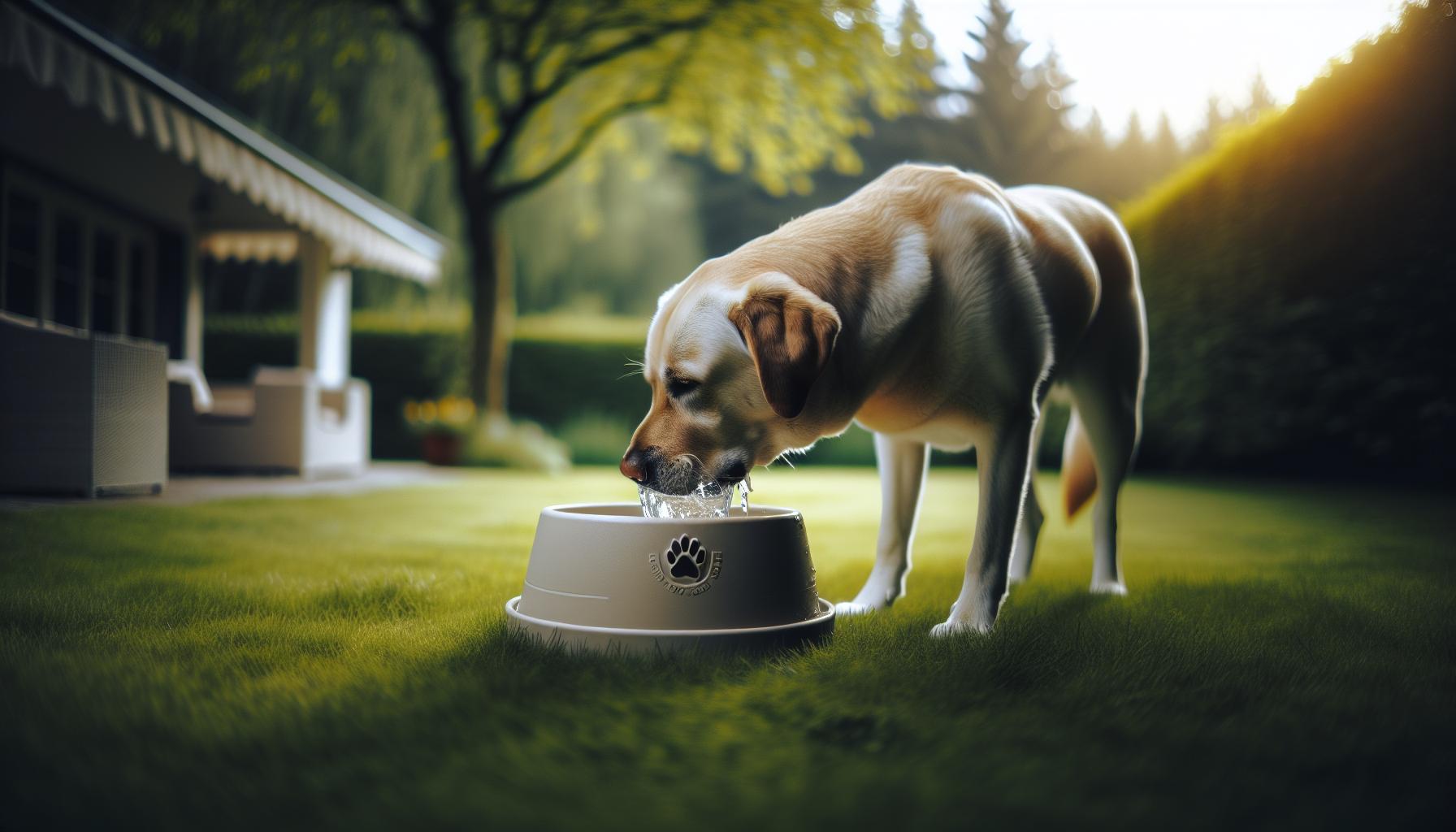
Understanding Your Dog’s Water Needs
Understanding your dog’s hydration needs is crucial for their overall health and well-being. Did you know that dogs require about one ounce of water for every pound of body weight each day? This means that a 50-pound dog needs approximately 50 ounces, or about six cups, of water daily! However, this amount can fluctuate based on several factors including activity level, age, and even environmental conditions.
Dogs lose water not just through urine, but also through panting, especially during exercise or in hot weather. It’s vital to keep an eye on your dog’s water bowl and ensure it is always filled with fresh, clean water. Also, providing access to water when you’re out and about is essential. Portable water bottles and collapsible bowls can make it easy to keep your dog hydrated while hiking or traveling.
Different breeds may have varying hydration needs based on their size and level of activity. For example, larger breeds like Great Danes will generally require more water than smaller breeds like Chihuahuas. Additionally, high-energy breeds such as Border Collies or Lab Retrievers may need increased hydration to support their active lifestyles. Consider your dog’s habits and adjust their water intake accordingly, especially following vigorous play sessions or during warmer temperatures.
Ultimately, ensuring that your dog maintains proper hydration will contribute significantly to their health, helping to prevent serious health issues such as urinary tract infections and kidney problems. So the next time you fill that water bowl, remember: hydrated dogs are happy dogs!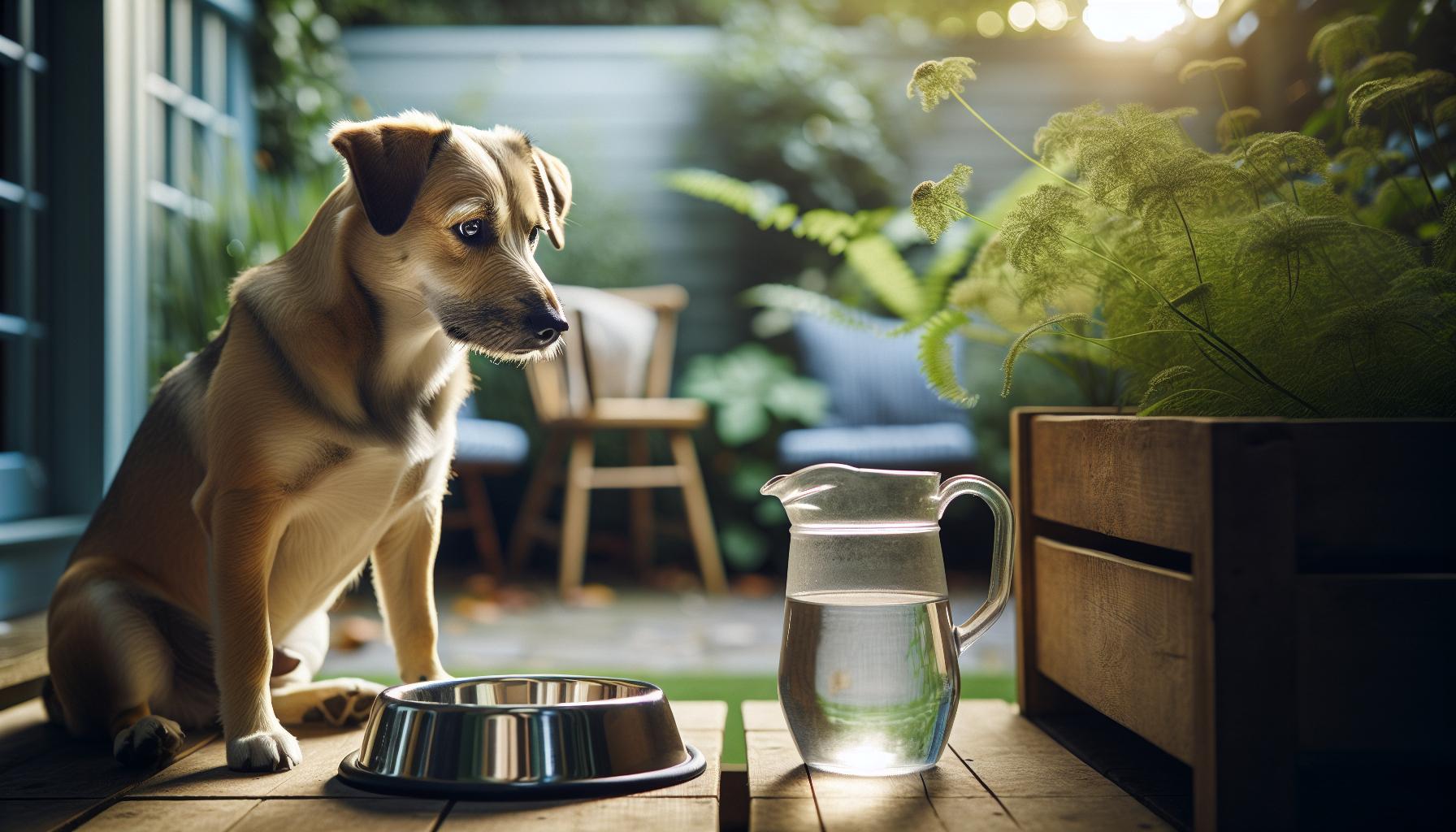
The Importance of Hydration for Dogs
Dogs are fascinating creatures, full of energy and enthusiasm, but did you know that hydration plays a pivotal role in maintaining their vitality? Just like humans, dogs rely on water for nearly every function in their bodies. Proper hydration helps regulate their body temperature, supports digestion, and even aids in nutrient absorption. A well-hydrated dog is not only healthier but also happier, with more energy to play and explore!
When considering hydration, it’s essential to understand that dogs can lose fluids rapidly, especially during intense activities or hot weather. Factors such as breed, size, age, and health conditions can influence just how much water your furry friend needs. For instance, larger breeds like Labrador Retrievers may consume more water compared to smaller breeds like Pomeranians. According to veterinary experts, a good rule of thumb is that dogs should drink about one ounce of water for every pound they weigh each day. This need can escalate if they are particularly active or during warmer days.
To keep your dog hydrated, ensure that they have unlimited access to fresh, clean water. Consider using water bowls that are designed to reduce spills, especially for larger breeds. Additionally, during outings or trips, portable water containers are invaluable. Taking breaks to offer your dog water can prevent dehydration and keep their energy levels high. Remember, even slight dehydration can lead to lethargy and health issues, so it’s important to be proactive about your dog’s water intake.
As attentive pet owners, it’s our responsibility to understand our dogs’ hydration requirements fully. Keep an eye out for signs of dehydration, such as dry gums, excessive panting, or a lack of elasticity in their skin. Developing a hydration routine that aligns with your dog’s lifestyle will enhance the bond you share and promote their overall health, ensuring that your beloved companion enjoys many happy, active years by your side.
Signs of Dehydration in Dogs
Dehydration in dogs can sneak up on pet owners, and recognizing the early signs is crucial for your furry friend’s health. Just like humans, dogs can become dehydrated quickly, especially when they are active or exposed to heat. As responsible pet owners, being vigilant about hydration can save your dog from serious health complications. Understanding the signs of dehydration is the first step in keeping your pet healthy and happy.
Watch for these key indicators that your dog may be dehydrated:
- Dry Gums: Gums should be moist and pink. If they appear dry or sticky, this is a strong sign of dehydration.
- Excessive Panting: While panting can indicate heat or excitement, excessive panting, especially in a relaxed state, can signal that your dog needs more water.
- Lack of Skin Elasticity: Gently pinch the skin on the back of your dog’s neck or between their shoulders. If it doesn’t snap back quickly, this is an indication of dehydration.
- Decreased Urination: Pay attention to how often your dog goes outside. Less frequent urination can indicate they’re not drinking enough water.
- Loss of Appetite: A decrease in your dog’s desire to eat can also be a sign of dehydration, as it might make them feel sluggish or unwell.
- Sunken Eyes: If your dog’s eyes appear to sink into their sockets, this could be a more advanced sign of dehydration.
Some breeds may exhibit dehydration symptoms differently due to their unique physical characteristics. For instance, brachycephalic breeds like Bulldogs and Pugs might initially show more severe signs due to their breathing patterns, while larger breeds like Great Danes may become lethargic more quickly. Always tailor your observations according to your dog’s specific needs.
If you suspect your dog is dehydrated, it’s vital to act swiftly. Offer them access to fresh water immediately and encourage them to drink. If the symptoms persist and your dog refuses water or shows severe signs of dehydration, such as vomiting or lethargy, consulting with a veterinarian is crucial. Early intervention can make all the difference in ensuring your dog remains healthy and hydrated. Prioritizing hydration in your dog’s daily routine not only contributes to their physical well-being but also strengthens the bond you share.
How Much Water Should Your Dog Drink?
Ensuring your dog stays properly hydrated is more essential than you might realize. On average, dogs need about one ounce of water per pound of body weight daily. For instance, a 50-pound dog should drink roughly 50 ounces or about six cups of water each day. However, factors such as age, activity level, diet, and weather can influence a dog’s hydration needs, making it crucial to monitor their water intake closely.
Factors Influencing Water Needs
Several elements can affect how much water your furry friend requires:
- Activity Level: Active dogs, especially those engaged in vigorous exercise or play, will need increased hydration to replace fluids lost through panting and sweating.
- Diet: Dogs that eat dry kibble typically need more water than those on a wet food diet since wet foods contain additional moisture.
- Climate: Hot and humid weather can increase a dog’s water needs. You’ll want to ensure fresh water is readily available, especially during outdoor activities.
- Health Status: Certain medical conditions, such as diabetes or kidney disease, can impact your dog’s thirst levels and require adjustments in their water intake.
Monitoring Your Dog’s Hydration
To gauge if your dog is drinking enough, pay attention to their behavior and the signs of dehydration mentioned earlier. Consider providing fresh water multiple times a day to encourage them to drink more. You might notice that some dogs prefer running water; if so, a pet water fountain could be a fantastic investment. Remember, hydration is not just about addressing thirst-keeping a regular routine of water availability helps maintain overall health and vitality.
Additionally, never hesitate to consult your veterinarian, especially if you notice significant changes in your dog’s drinking habits. They can provide insights tailored to your dog’s specific needs, ensuring your furry companion stays happy and hydrated. Keeping a close eye on your dog’s hydration can lead to countless joyful moments together while maintaining their well-being.
Choosing the Right Water for Your Dog
Ensuring your dog has access to the right type of water is pivotal for their hydration and overall health. While tap water is typically safe for most dogs, the quality can vary depending on your location. It’s wise to regularly check your water supply for any contaminants like chlorine, fluoride, or heavy metals, which can be harmful over time. For those in areas with questionable water quality, investing in a filtration system can provide peace of mind and a fresher taste that may encourage your dog to drink more.
Another option to consider is the use of bottled water, especially during travel or camping. While more expensive, it can be a good temporary solution if the local water source is provided with strict quality control. If you choose this route, opt for spring water or mineral water without additives. However, ensure that the brand you select does not contain harmful ingredients such as added sugars or artificial flavors, as these can lead to digestive issues for your pup.
For dogs that are extra sensitive to changes in their diet or environment, regularly refreshing their water to keep it clean and appealing is crucial. Dogs are often attracted to fresh water, so consider changing their bowl multiple times a day, especially during hot weather. Some pet owners find that using pet water fountains is beneficial; these devices keep water circulating, offering a constant stream that many dogs prefer. This can make hydration feel fun and engaging, which is particularly helpful for those fussy drinkers.
Lastly, it’s essential to stay vigilant about the temperature of the water you provide. Cold water is generally refreshing, especially after a long walk or play, but during the colder months, be cautious of very cold water that could cause discomfort or shock. Always ensure the bowl is kept in a shaded area during summer days to prevent overheating, as water left out in the sun can become uncomfortably warm. Tailoring your dog’s water choice and setup might just be the key to keeping them happy, hydrated, and healthy!
Best Practices for Keeping Your Dog Hydrated
Keeping your dog well-hydrated is essential for their overall health, energy, and well-being. Did you know that a dog can lose up to 20% of their body weight due to dehydration, which can quickly lead to severe health issues? Therefore, incorporating best practices for hydration into your daily routine is critical to ensure your furry friend remains happy and healthy.
One of the most effective ways to encourage your dog to drink water is to ensure it’s fresh and clean. Dogs are often attracted to cool, clear water, so changing their bowl multiple times a day can make a noticeable difference. You might find that your dog prefers running water, which is why pet water fountains are becoming so popular. These fountains provide a constant flow of water that is not only more appealing but also helps prevent bacterial growth, keeping the water fresher for longer.
It’s equally important to consider the type of bowl you’re using. Stainless steel bowls are often recommended as they are easy to clean and do not harbor bacteria like plastic can. Additionally, look for bowls that are heavy enough to prevent tipping, especially for more energetic breeds. For outdoor use, consider elevated dog bowls which can prevent insects and debris from contaminating the water.
Depending on the weather and your dog’s activity level, hydration needs can change. In hot weather, ensure your dog has access to shade and cool water at all times. For active dogs, particularly those that enjoy long walks or runs, consider having portable water bottles on hand. Many travel bottles come with a built-in bowl, making it easy to offer your dog a drink on the go.
Lastly, always observe your dog’s drinking habits. If you notice any changes in their drinking behavior, such as significantly increased or decreased water intake, this may indicate underlying health issues. In such cases, consulting your veterinarian is advisable to ensure proper hydration and health management. By implementing these practices, you can foster a positive hydration routine that keeps your dog healthy and well-hydrated.
How Weather Affects Your Dog’s Hydration
As the temperature rises or drops, your dog’s hydration needs can fluctuate significantly, making it essential for pet owners to remain vigilant. Hot weather can not only lead to dehydration but also increase the risk of heatstroke, particularly in brachycephalic breeds like Bulldogs and Pugs, who are especially sensitive to high temperatures. Conversely, during colder months, while your dog may not feel as thirsty, it’s vital to ensure they are still consuming enough water, as dry, heated indoor air can contribute to dehydration.
To ensure your dog stays hydrated in varying climates, consider these practical tips:
- Provide fresh water constantly: Always have clean water readily available, especially when temperatures soar. Setting out multiple bowls or using a pet water fountain can encourage your dog to drink more.
- Monitor their activity: Reduce exercise during peak heat hours; opt for walks in the early morning or late evening when it’s cooler.
- Offer cooling aids: Incorporate ice cubes in their water or feed them fresh fruits like watermelon. These can be refreshing and hydrating!
- Adapt to cold weather: Keep an eye on your dog’s water intake; they might drink less due to the colder temperatures. Providing warm water can make it more appealing.
It’s crucial to recognize the signs of dehydration, which include lethargy, dry gums, and excessive panting. If you see any of these in your dog, seek help from your veterinarian immediately. Also, keep an eye on their water consumption variations, particularly during seasonal changes; your dog may require more hydration in hotter months and less during winter. By actively managing your dog’s hydration in response to the weather, you ensure that they remain happy, healthy, and active all year round.
Impact of Diet on Your Dog’s Water Intake
The connection between your dog’s diet and their hydration levels might not be immediately obvious, but it plays a crucial role in ensuring they remain hydrated and healthy. Just like humans, dogs require a balanced intake of nutrients and water; what they eat directly influences how much water they need to drink. For instance, a diet rich in dry kibble can necessitate higher water intake compared to wet or raw food options, which contain higher moisture contents. Veterinarians suggest that wet food can significantly contribute to your dog’s overall water intake-sometimes providing over 70% moisture-making it an excellent choice for dogs that struggle to drink enough water.
To optimize your dog’s hydration through diet, consider the types of food you provide. High-quality pet food that includes whole meats, vegetables, and grains can promote better hydration compared to low-quality options filled with fillers and artificial ingredients. Additionally, incorporating fresh fruits and vegetables, such as cucumbers, carrots, and watermelon, can be beneficial as they are high in water content and serve as delightful treats. It’s essential to keep in mind that additional fruits and veggies should only constitute about 10% of your dog’s daily caloric intake to prevent any dietary imbalances.
Hydration Across Different Diets
Understanding how different types of dog food affect hydration needs can guide you in making better choices. Here’s a breakdown of common diets and their hydration implications:
| Diet Type | Moisture Content | Hydration Consideration |
|---|---|---|
| Dry Kibble | 10-12% | Encourage extra water drinking |
| Canned Wet Food | 70-80% | Lower water needs; provides hydration |
| Raw Diet | 60-75% | Moderate hydration; add water if needed |
As a dog owner, being proactive about your pet’s diet can be a game-changer in managing their hydration levels. Pay attention to their water intake, especially when switching between different types of food. A personal experience can highlight this-after transitioning my Labrador from a dry kibble to a wet food diet, I noticed she naturally drank less water, which was perfectly fine since her food was taking care of her hydration needs. However, ensuring she had fresh water available at all times remained a priority.
In conclusion, diet plays a pivotal role in your dog’s hydration, impacting not just their water intake but their overall health. Balancing the moisture content of their food while providing abundant access to fresh water can lead to happier, healthier pets. Always consult with your veterinarian if unsure how dietary changes may affect your dog’s hydration needs.
Hydration Tips for Active Dogs
Keeping your active dog well-hydrated is crucial for their health, especially when they’re running, playing, or competing. Did you know that a dog’s body is about 60-80% water, similar to humans? When dogs engage in vigorous activities, they can easily become dehydrated if their water intake isn’t managed properly. Here are some helpful strategies to ensure your energetic companion stays hydrated throughout their adventures.
First, providing access to fresh water at all times is essential. Set up multiple water bowls around your home and during outings to encourage drinking. Dogs often prefer drinking running water, so consider using a pet water fountain. If you’re heading out for walks, hikes, or playdates, take a portable water bottle with a built-in bowl. It makes hydration on the go easy and fun!
When engaging in outdoor activities, keep an eye out for signs of dehydration, such as excessive panting, lethargy, or dry gums. If your dog shows any signs of overheating, take breaks in the shade and offer water immediately. For particularly hot days or before strenuous activities, you can offer electrolyte-infused pet-safe water to replenish lost minerals. Ensure that you always have fresh, clean water on hand and know your dog’s hydration needs for better management.
Feeding your dog wet food can also significantly aid their hydration. If your pup is active and primarily eats dry kibble, you might want to mix in some wet food or add water to their kibble to improve their water intake. This is especially important for breeds that are prone to dehydration, such as Greyhounds and Boxers. Including water-rich fruits and vegetables in their diet can also help; options like watermelon, cucumbers, and blueberries are nutritious and hydrating treats that your dog will love.
By implementing these practical tips and keeping hydrated essentials close by, you can support your active dog’s health and well-being, making every outing enjoyable for both of you!
Debunking Myths About Dogs and Water
Many well-meaning dog owners have fallen prey to common myths about their dogs’ hydration needs, leading to misunderstandings that can impact their pets’ health and well-being. One of the most prevalent misconceptions is that dogs can drink any type of water without consequences. In reality, while dogs generally can drink tap water, it’s crucial to ensure it’s clean and free from harmful contaminants. Offering your dog water from a fresh, clean source is essential to avoid gastrointestinal upset, particularly from unfiltered water or standing water that can harbor bacteria and parasites.
Another myth is the belief that dogs inherently know how much water they need and will drink accordingly. Unfortunately, this isn’t always true. Dogs can become distracted by play or activities and may not drink enough, especially in hot weather. It’s important to actively monitor and encourage regular drinking to prevent dehydration. Providing multiple water bowls and using pet water fountains can help ensure they stay hydrated, as many dogs prefer the refreshing taste of running water.
Furthermore, there’s a notion that all dogs can tolerate the same amount of water. This belief doesn’t take into account factors such as age, activity level, and diet. For instance, active breeds like Border Collies or sporting dogs require more water than sedentary breeds such as Bulldogs. Additionally, if a dog primarily eats dry kibble, they may need extra hydration from added water or wet food to meet their needs. Consider your dog’s specific activity level and dietary habits when assessing their hydration requirements.
In the world of pet care, misinformation can lead to serious health issues. Owners should stay informed and consult with veterinarians to understand their dog’s unique hydration needs. A proactive approach to hydration, such as offering water-rich fruits like watermelon or electrolyte solutions during intense exercise, can significantly contribute to your dog’s overall health and happiness. Remember, keeping your dog well-hydrated is a vital part of responsible pet ownership that cannot be overlooked!
Breed-Specific Hydration Recommendations
Understanding the hydration needs of different dog breeds is crucial for their overall health and well-being. While all dogs need water, factors like size, activity level, and environmental conditions can drastically affect how much they require. For instance, active breeds such as Border Collies, Labrador Retrievers, and German Shepherds may need significantly more water than lounging breeds like Bulldogs or Basset Hounds. Recognizing these differences can empower owners to ensure their dogs remain properly hydrated.
To ensure your dog is getting the right amount of water, consider the characteristics and behaviors associated with their breed. Here’s a helpful breakdown of hydration recommendations for some common breeds:
| Breed | Average Daily Water Intake | Hydration Tips |
|---|---|---|
| Border Collie | 1-2 gallons | Provide fresh water frequently, especially after exercise. |
| Labrador Retriever | 1-1.5 gallons | Encourage water breaks during playtime; consider wet food to boost hydration. |
| Bulldog | 0.5-1 gallon | Watch for excessive heat when outdoors; keep water bowls in shaded areas. |
| Basset Hound | 0.5-1 gallon | Monitor water intake and adjust based on activity levels due to their lower energy. |
| Poodle | 0.5-1.5 gallons | Engage in regular playtime, encouraging hydration breaks during activities. |
As you assess your dog’s hydration needs, observe them closely for signs of dehydration, particularly during hot weather or after exercise. Consider carrying a portable water bowl during outings, as many dogs tend to drink more when water is readily available. Additionally, be mindful of dietary factors-dogs consuming dry kibble may need extra water, while those on wet food diets often hydrate effectively through their meals.
Whatever breed your dog is, understanding their specific hydration needs is paramount. The combination of regular access to fresh water, tailored hydration strategies based on activity levels, and attentiveness to their unique characteristics will help keep your furry companion healthy and happy. Whether you’re a new dog owner or an experienced handler, adapting your approach to your dog’s breed-specific requirements will make a significant difference in their overall well-being.
When to Consult Your Veterinarian About Hydration
When it comes to your dog’s hydration, knowing when to reach out to a veterinarian can make all the difference in ensuring their health and well-being. While minor changes in drinking habits can be normal, certain signs should trigger a prompt consultation with your vet. For example, if you observe significant changes in your dog’s drinking patterns-whether they’re excessively thirsty, consuming less water than usual, or if you notice them urinating more or less frequently-these could be indicators of underlying health issues.
It’s also crucial to pay attention to the symptoms of dehydration. If your dog exhibits any of the following, it’s imperative to seek veterinary assistance immediately:
- Dry gums or tongue
- Loss of skin elasticity (a quick skin pinch test can reveal this-if the skin doesn’t spring back quickly, it may indicate dehydration)
- Weakness or lethargy
- Loss of appetite
- Vomiting or diarrhea
Additionally, understanding specific risks associated with certain breeds can guide your vigilance. For instance, brachycephalic breeds like Bulldogs and Pugs can struggle with heat regulation and may need water more frequently during hotter months. If they show signs of excessive panting or unwillingness to hydrate, consider this a cue to consult your veterinarian.
Monitoring your dog’s hydration needs is especially vital during extreme weather or after intense exercise. Factors such as body weight, age, activity level, and overall health can uniquely affect how much water your dog requires. If you’re ever in doubt, don’t hesitate to get the expert opinion of your veterinarian. They can provide tailored advice based on your dog’s individual needs, ensuring your furry friend stays happy and hydrated.
Frequently Asked Questions
Q: How much water should I provide for my dog daily?
A: Dogs should drink approximately one ounce of water per pound of body weight daily. For example, a 20-pound dog needs about 20 ounces of water. Adjust this based on activity level, weather, and diet to ensure proper hydration. For more detailed recommendations, refer to the section on “How Much Water Should Your Dog Drink?”
Q: Can dogs drink sports drinks or flavored water?
A: It’s best to avoid giving dogs sports drinks or flavored water, as they contain sugars and additives harmful to dogs. Stick to fresh, clean water to keep your pet hydrated and healthy. For more information on choosing the right water, check the “Choosing the Right Water for Your Dog” section.
Q: What are the signs that my dog is not drinking enough water?
A: Signs of dehydration in dogs include dry gums, lethargy, loss of skin elasticity, and decreased urine output. Regularly check your dog’s hydration levels, especially in hot weather or after exercise. For a comprehensive understanding, see the “Signs of Dehydration in Dogs” section.
Q: How does my dog’s diet affect its water intake?
A: Dogs that consume dry food require more water than those on a wet food diet due to lower moisture content in dry kibble. Always ensure fresh water is available, especially for dogs eating dry food. Explore “Impact of Diet on Your Dog’s Water Intake” for further insights.
Q: Can I add ice cubes to my dog’s water bowl?
A: Yes, adding ice cubes to your dog’s water bowl can be refreshing, especially on hot days. Just ensure the ice doesn’t become a choking hazard for smaller dogs. Consider this as part of your “Best Practices for Keeping Your Dog Hydrated.”
Q: Is it safe for dogs to drink well water or river water?
A: While well water can be safe if properly tested, river water poses risks due to potential contaminants and parasites. Always provide your dog with clean, safe water. For more details, refer to “Choosing the Right Water for Your Dog.”
Q: How often should I change my dog’s water?
A: It’s advisable to change your dog’s water at least once a day to ensure it’s fresh and clean. If it’s hot outside or your dog has been very active, more frequent changes may be necessary. See “Best Practices for Keeping Your Dog Hydrated” for further recommendations.
Q: What should I do if my dog refuses to drink water?
A: If your dog refuses to drink water, try offering fresh water, ice cubes, or pet-safe broths to encourage drinking. If dehydration signs appear or drinking doesn’t improve, contact a veterinarian. For guidance on hydration concerns, refer to the section “When to Consult Your Veterinarian About Hydration.”
Key Takeaways
Ensuring your dog stays hydrated is essential for their health and happiness. Remember, adequate water intake can make a significant difference in your dog’s well-being, preventing issues like dehydration and related health concerns. If you’re curious about optimal hydration methods, check out our article on hydration for dogs, which dives deeper into recommended daily intakes and hydration tips tailored to various breeds.
Don’t miss our comprehensive guide on the benefits of dog rehydration drinks, which can not only enhance your pup’s hydration but also make it more enjoyable! Keep the conversation going by sharing your thoughts in the comments below-what hydration methods have worked best for you? If you found this content valuable, consider subscribing to our newsletter for more expert insights into dog care and nutrition.
Your commitment to keeping your furry friend healthy starts now! Explore more resources on our site and ensure your dog leads a vibrant, active life filled with joy. Remember, a well-hydrated dog is a happy dog!