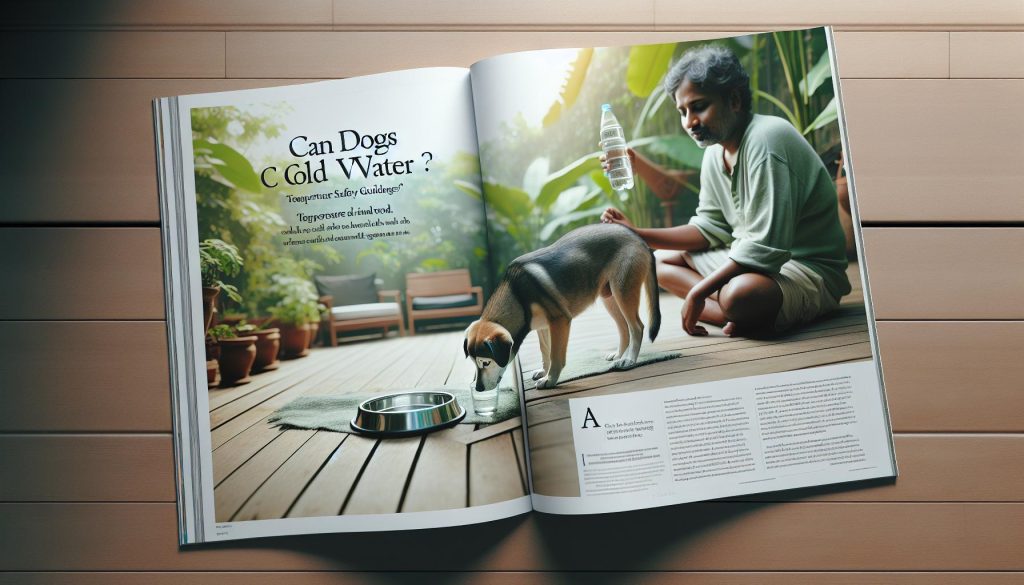
As temperatures rise, many dog owners wonder whether it’s safe for their furry friends to enjoy cold water. While dogs often love to play and cool off in water, understanding the temperature guidelines is crucial to ensure their health and well-being. Did you know that just like humans, dogs can be sensitive to extreme temperatures? Cold water can cause discomfort or even lead to health issues in some breeds, making it essential to know what’s best for your pup. Whether you’re a first-time dog owner or a seasoned handler, this guide aims to equip you with the knowledge to safely hydrate and cool down your dog in warm weather. Join us as we dive into the best practices for keeping your canine companion safe and happy, ensuring their water adventures are enjoyable and stress-free.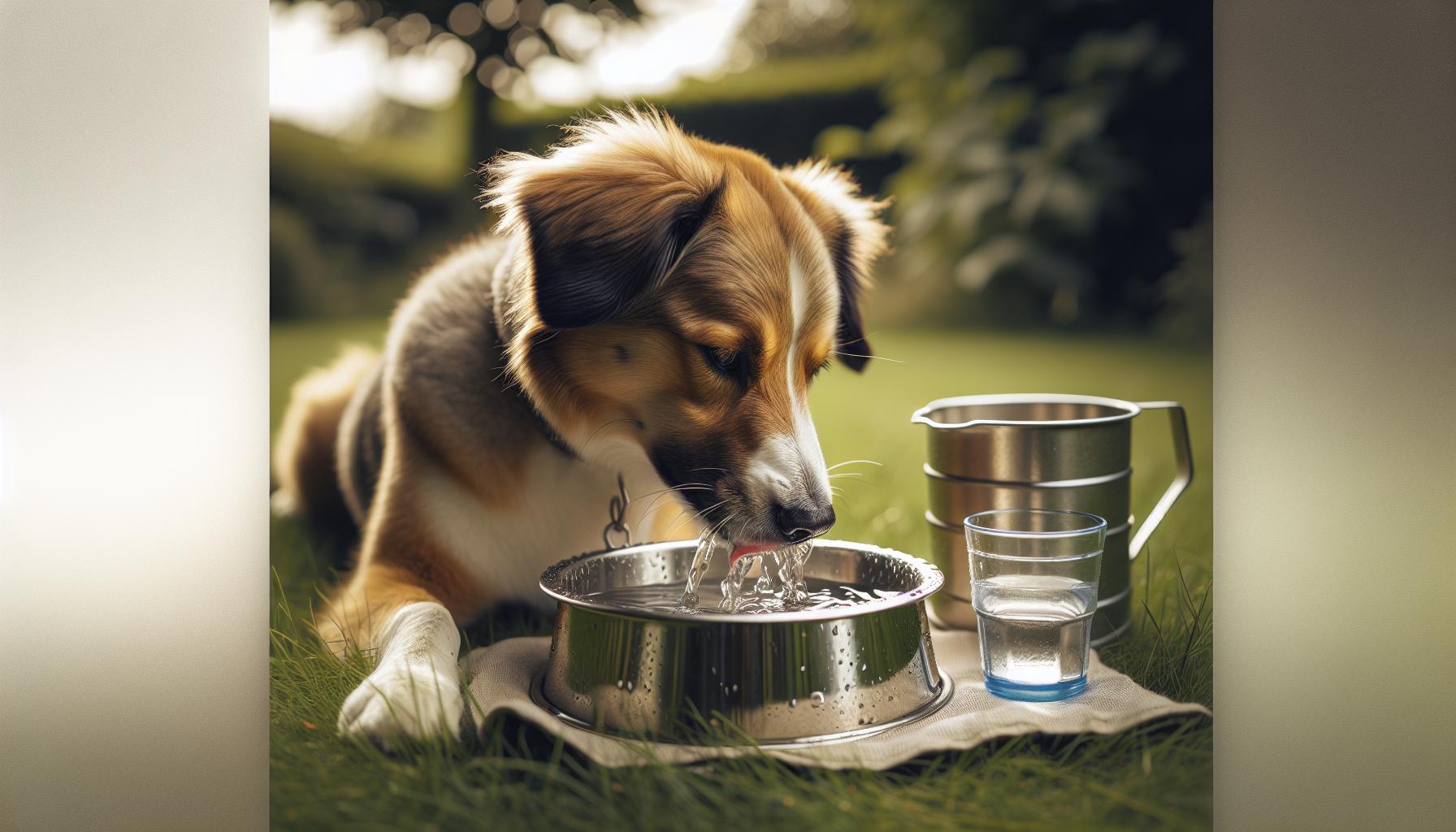
Can Dogs Safely Drink Cold Water?
While it might be tempting to offer your dog a refreshing drink of cold water on a hot day, understanding the nuances of canine hydration can help ensure that your furry friend remains safe and comfortable. Generally, most dogs can drink cold water without issues, especially during warm weather when staying hydrated is crucial. However, it’s essential to consider a few factors that can affect their experience with cold water.
Some dogs enjoy a cool drink, particularly after exercise, as it can help lower their core temperature. As long as the water is not ice-cold, it’s usually completely safe. A gradual introduction to cold water can help your dog adjust, especially if they’re not accustomed to it. Start with slightly cool water before moving to colder temperatures, and observe their reaction. If they seem hesitant or uncomfortable, it might be a sign that they prefer water at a moderate temperature.
Still, not all dogs respond the same way. For instance, certain breeds, particularly those with short noses like Bulldogs and Pugs, can struggle with temperature regulation and may prefer warmer water. Conversely, high-energy breeds like Border Collies may thrive on cooler water after an intense play session. It’s important to monitor their hydration needs closely and ensure that their water is always fresh and available, regardless of temperature.
If your dog shows signs of discomfort, such as shivering or being reluctant to drink, it’s best to switch back to room temperature water. Remember, the goal is to keep your dog hydrated and happy, so knowing your individual pet’s preferences can make all the difference in their overall well-being.
Understanding Canine Body Temperature Regulation
Understanding how dogs regulate their body temperature is crucial for ensuring their comfort and health, especially when it comes to drinking water at different temperatures. Dogs do not sweat like humans; instead, they primarily regulate their body temperature through panting and by using their paw pads. This unique physiology can make them more sensitive to extreme temperatures, both heat and cold.
When dogs are exposed to heat, their first line of defense is to pant, which helps evaporate moisture from their lungs and cools their body down. Additionally, staying hydrated with fresh water is vital. Cold water can be particularly refreshing and may help lower their core body temperature after exercise or on hot days. However, it’s important to recognize that the temperature of their drinking water should be comfortable for them. While many dogs enjoy cool water, some breeds may appreciate it more at a room temperature. Large breeds or those with thick coats might handle higher temperatures better than short-nosed breeds, such as Bulldogs or Pugs, which can struggle with both heat and cold.
To ensure your dog’s well-being, observe their behavior closely when introducing cold water. If they seem reluctant to drink, or if they appear to shiver after having cold water, it may be beneficial to transition to a warmer option. Understanding your dog’s individual needs and preferences is key to keeping them healthy and happy. Providing sustained access to water, regardless of temperature, remains one of the best practices for maintaining hydration and aiding in natural body temperature regulation.
The Pros and Cons of Cold Water for Dogs
When it comes to hydration, the temperature of a dog’s water can make a world of difference in their comfort and health. Many dog owners wonder whether cold water is beneficial or harmful to their furry friends. Cold water can provide refreshing relief, especially during hot summer days or after vigorous exercise, helping to lower a dog’s core body temperature. For active dogs, ice-cold water can be a delightful treat that not only quenches their thirst but also aids in recovery. However, there are important considerations to keep in mind.
On one hand, cold water can stimulate a dog’s appetite after exercising and can be particularly soothing on warm days, promoting hydration. Dogs like to drink and play with cold water, which can be an enjoyable experience for them. For breeds that tend to overheat quickly, such as Bulldogs or Pugs, providing slightly cooler water after intense activities can help them cool down more effectively.
On the flip side, some dogs may be more sensitive to cold temperatures. For instance, breeds with short coats or those who are elderly or ill might experience discomfort from very cold water, which can lead to shivering or reluctance to drink. Additionally, exposure to cold water can potentially lead to muscle stiffness or conditions such as ‘Limber Tail’ in certain dogs, especially after prolonged exposure to cold water or swimming in chilly environments [1].
In terms of practical advice, it’s essential to know your dog’s preferences. To ensure a positive experience, consider starting with slightly cool water and gradually adjusting the temperature according to your dog’s reactions. Always keep fresh water available and monitor your dog for any signs of discomfort, such as shivering or hesitation to drink. Experimenting with water temperature can help you find the sweet spot that keeps your pet happy and hydrated!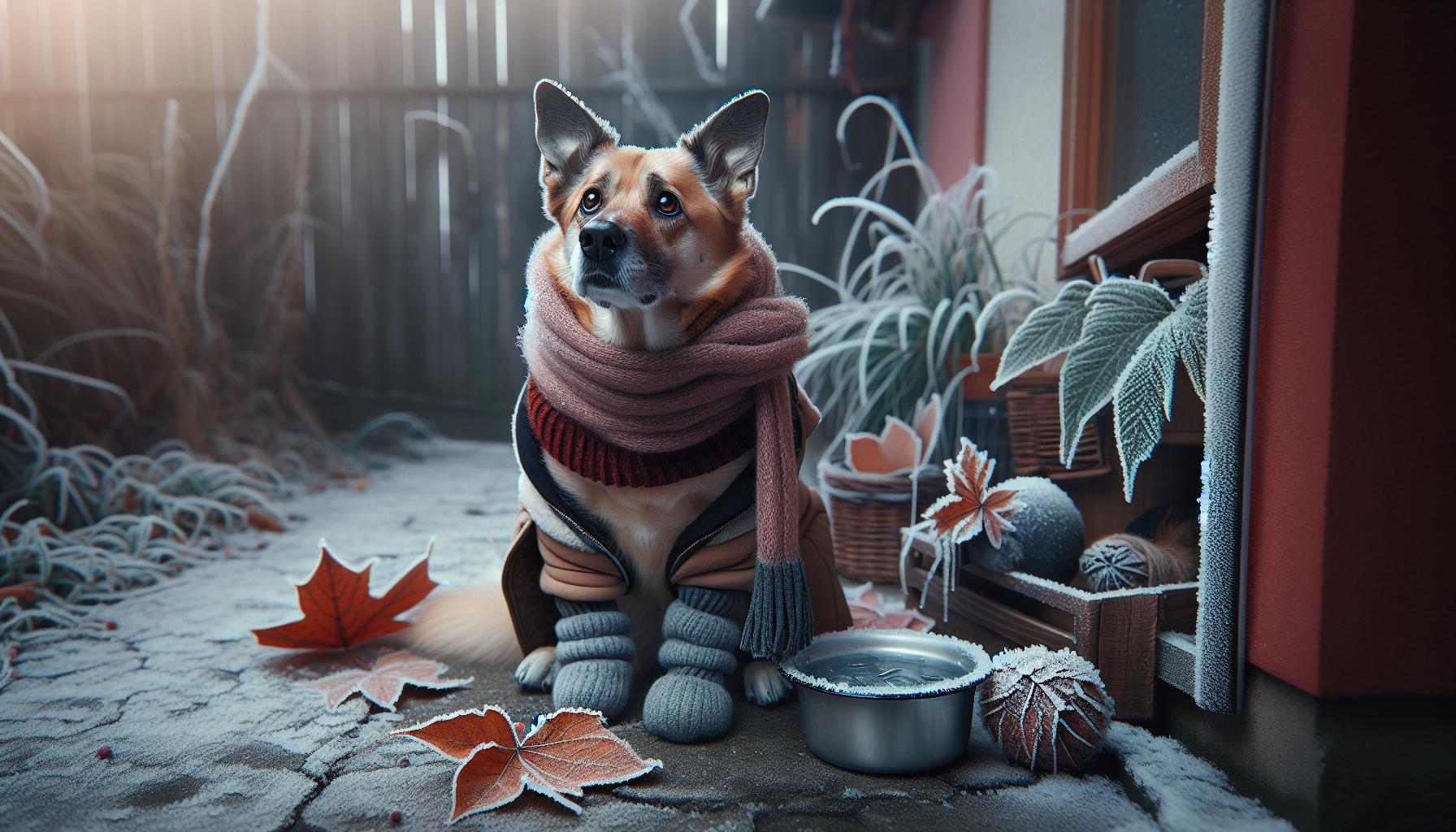
Signs Your Dog May Be Too Cold
Dogs are incredibly expressive animals, and their behavior can often tell us more than words ever could. When it comes to exposure to cold water, recognizing the signs that your dog may be feeling too cold is essential for their well-being. A dog’s body language and reactions can give you clear indications if they are experiencing discomfort.
One of the most common signs that your dog may be too cold is shivering. Just like humans, dogs shake to generate body heat when they are chilly. If you notice your pet trembling after drinking ice-cold water or after a swim in cooler water, it’s essential to warm them up. Another noticeable behavior is when your dog begins to tuck in their body or curls up tightly. This instinctual action aims to conserve body heat, signaling they need to warm up.
In addition, keep an eye out for changes in your dog’s drinking habits. If your dog suddenly becomes hesitant or refuses to drink water that is too cold, it may be an indication that they find the temperature uncomfortable. Similarly, if your dog starts seeking out warmer spots in your home or moves away from their water bowl, it might be a sign that they are looking for relief from the cold.
To help you better understand how different breeds might react to cold water, consider that smaller or short-coated breeds like Chihuahuas and Greyhounds are typically more sensitive to cold temperatures. In contrast, larger breeds or those with thick, double coats, such as Siberian Huskies or Golden Retrievers, may fare better in cooler conditions. However, no dog is completely immune to the effects of cold, especially if they are older, ill, or have recently been exposed to a chilly environment for too long. Always take the time to observe your dog’s behavior after introducing cold water, adjusting as needed to ensure their comfort and happiness.
Temperature Sensitivity by Dog Breed
Understanding how different dog breeds react to cold water is essential for ensuring their comfort and safety. Just like us, dogs have varying tolerances to temperature extremes, influenced largely by their size, coat type, and overall health. For instance, breeds with thick double coats, such as Siberian Huskies or Alaskan Malamutes, are naturally more equipped to handle cooler environments. These dogs often thrive in cold weather and may even enjoy splashing in icy water during playtime. They can typically tolerate ice-cold water better than their short-haired counterparts.
In contrast, smaller or short-haired breeds like Chihuahuas, Doberman Pinschers, or Greyhounds are generally more sensitive to cold. Their lean body structure and minimal body fat make them susceptible to dropping temperatures, leading to discomfort in chilly water. For these breeds, drinking very cold water or swimming in it may result in rapid declines in body temperature, which can be dangerous. Regular temperature checks and close observation are crucial; behavior alterations, such as shivering or withdrawal from water, can indicate they are too cold and need warming up.
It’s also important to factor in age and health when considering a dog’s ability to handle cold water. Older dogs or those with health concerns may struggle more with temperature regulation, regardless of their breed. Therefore, pet parents should always be vigilant and attentive when allowing any dog to access cold water. A practical approach involves gradually introducing cold water to see how your dog responds.
Breed Sensitivity Overview:
| Dog Breed | Cold Water Tolerance | Tips for Hydration |
|---|---|---|
| Siberian Husky | High | Cool water is often acceptable; consider warmer options in extreme cold. |
| Golden Retriever | Moderate | Can enjoy cold water; monitor closely for signs of discomfort. |
| Chihuahua | Low | Serve water at room temperature; avoid ice. |
| Greyhound | Low | Provide warmer drinking options and monitor swimming in cool water. |
By understanding these sensitivities, dog owners can create a safe and enjoyable environment for their pets. Paying attention to specific breed characteristics and monitoring their reactions will go a long way in ensuring that your furry friends remain happy and healthy throughout the seasons.
How to Monitor Your Dog’s Hydration Needs
Ensuring your dog stays adequately hydrated is vital for their overall health, especially during warmer months when they are at a higher risk of overheating. Interestingly, dogs may not always drink as much water as we think they should, making it crucial for pet owners to actively monitor their hydration levels. One of the best ways to gauge their needs is by observing their behavior. Signs of dehydration in dogs can include dry gums, excessive panting, decreased energy, and even a lack of interest in food or play. Keep an eye on how often your dog is drinking; ideally, they should be drinking water throughout the day.
To better support your dog’s hydration, consider their activity level and environment. Active dogs or those spending time outside in the heat will require more water. Make it a habit to offer fresh water frequently, especially after walks or playtime. If you’ve recently introduced cold water, observe if they drink more or if they prefer their water at room temperature. Sometimes, dogs may avoid very cold water, especially if they’re not used to it, so it might help to alternate between cold and room temperature water to see what they prefer.
Simple Hydration Checklists
- Check water bowl levels multiple times a day.
- Familiarize yourself with your dog’s normal drinking habits.
- Monitor for signs of dehydration, such as lethargy or dry mouth.
- Adjust water temperature to encourage drinking.
It’s also helpful to include a hydration schedule during particularly hot days or after vigorous exercise. For example, after a long play session, offer your dog a bowl of cool water, and after a walk, encourage them to sip from a portable bowl. For dogs that are hesitant to drink, incorporating wet food or ice cubes into their diet can be a creative way to increase their moisture intake.
Lastly, always keep their individual needs in mind. Older dogs, puppies, or dogs with health issues often require special attention. Regular veterinary check-ups can provide guidance specific to your dog’s age, breed, and health status, ensuring they remain happy and hydrated.
Safe Drinking Practices for Hot Weather
Keeping your dog well-hydrated during the scorching summer months is essential, as dehydration can quickly lead to serious health issues. One effective way to encourage your furry friend to drink more water is to provide a variety of water temperatures. While many dogs enjoy cold water on a hot day, it’s crucial to introduce it mindfully. Start with cool water and gradually lower the temperature, mixing it with room temperature water if necessary. This gradual introduction can help avoid shocking their system and makes the transition smoother.
Throughout the day, ensure that your dog has access to fresh, clean water. This includes checking and refilling their bowl several times, especially after outdoor play or exercise. On particularly hot days, your dog may require more hydration, so be attentive to how much they’re drinking. You might consider adding ice cubes to their water bowl, which can not only help cool down the water but also turn drinking into a fun game; many dogs enjoy playing with ice cubes! This can also be a great way to increase their water intake without forcing them to drink.
For those who notice their pet being picky about water temperature, alternating between cool and room temperature water can help find their preference. Remember that some breeds, especially those with short snouts like Bulldogs or Pugs, may struggle with extreme temperatures more than others. In these cases, room temperature water tends to be more comfortable for them. Keep an eye out for signs of dehydration (like excessive panting, lethargy, or dry gums), and don’t hesitate to consult with your veterinarian if you have any concerns.
Additionally, consider providing shaded areas or cooling mats for your dog when spending time outdoors; this can help regulate their body temperature and encourage drinking. Hydration doesn’t stop at water alone; incorporating wet dog food or dog-safe broths can also contribute to their daily moisture intake. Always stay vigilant, as our canine companions rely on us to keep them safe and comfortable in the heat.
Tips for Introducing Cold Water to Your Dog
Introducing cold water to your dog can be a refreshing treat, especially during those sweltering summer days. However, just like humans, dogs need some time to adjust to cooler temperatures. A thoughtful approach can make this experience enjoyable for your furry friend and encourage them to hydrate adequately. Start by offering them cool water rather than ice-cold. This gradual shift helps prevent any shock to their system. Consider mixing cold and room temperature water, allowing your dog to acclimate comfortably.
You can make drinking water more captivating by adding ice cubes to their bowl. Many dogs find ice cubes playful and engaging, turning a simple drinking session into a fun game. Monitor how your dog interacts with the ice: some dogs may enjoy chewing on it, helping cool down as they do. This playful interaction can encourage them to drink more water without the stress of traditional forcing them to hydrate.
Different breeds may react distinctively to cold water, so it’s essential to be attentive to your dog’s preferences. For example, brachycephalic breeds, like Pugs and Bulldogs, may find very cold water uncomfortable due to their short snouts. For these dogs, slightly cooler than room temperature water may be the sweet spot. Always watch for signs of discomfort, such as excessive panting or shivering, indicating that the water is too cold or that they’re getting too chilly overall.
Finally, integrating cold water into your dog’s routine should be positive and beneficial. Offer it during warmer parts of the day or after they’ve been active. Observing your dog’s response to different water temperatures will help you tailor their hydration strategy effectively. Ensuring your dog enjoys drinking water, whether cool or at room temperature, ultimately supports their overall health and well-being. Make hydration an enjoyable experience, and they’ll be more inclined to stay happily hydrated!
Common Myths About Dogs and Cold Water
Many dog owners wonder whether offering their pets cold water is safe, often influenced by common misconceptions surrounding canine hydration. It’s crucial to debunk these myths to ensure our furry companions stay happy, healthy, and hydrated.
One prevalent myth is that cold water will cause dogs to bloat or suffer from gastrointestinal issues. This fear usually stems from concerns about gastric dilatation-volvulus (GDV), a serious condition primarily associated with large, deep-chested breeds. Research indicates that ice or cold water does not inherently lead to bloat, and dogs can safely drink cold water when given in moderation. It’s important to observe your dog’s drinking habits; if they gulp their water quickly, regardless of temperature, they may be at a higher risk for issues like bloating. Gradually introducing cold water can help mitigate this risk.
Another common misconception is that dogs are universally averse to cold water. In reality, each dog has unique preferences. For example, certain breeds, such as Labradors and Retrievers, are known for their love of water and may enjoy the refreshing sensation of cold water, especially on hot days. Conversely, more brachycephalic breeds like Bulldogs or Pugs might prefer slightly warmer water, as extreme cold can be uncomfortable for them. Therefore, understanding your dog’s individual comfort level is key.
Finally, some owners believe that providing dogs with ice cubes is harmful. While it’s true that some dogs may find chewing ice uncomfortable if it’s too cold, many others love the texture and sensation. Ice cubes can also serve as a great way to encourage hydration. To ensure safety, monitor your dog’s interaction with ice and adjust accordingly. Always offer a mix of cooled water options and let your dog enjoy the benefits of both.
By addressing these myths with accurate information and paying close attention to individual preferences, you can help keep your dog well-hydrated and comfortable, particularly during hot weather.
Alternatives to Cold Water for Cooling Down
On sweltering summer days, dogs can struggle just as much as we do to cope with heat, making it essential to find effective alternatives to cold water for cooling them down. Many pet owners rely solely on cold water to keep their furry friends hydrated, but there are several other strategies to help your dog stay cool, especially if they prefer their water at a more moderate temperature.
One effective method is to provide cooling mats. These mats are designed to absorb heat from your dog’s body, providing a comfortable place for them to lie down and cool off. They are particularly beneficial for breeds prone to overheating, such as Bully breeds and Pugs, who have shorter snouts and may struggle with heat regulation. Another alternative is to create a shaded area in your yard using umbrellas or shade cloth. This gives your dog a place to retreat from direct sunlight, which is vital for preventing overheating during outdoor playtime.
Additionally, offering wet towels or bandanas can be a great way to help cool your dog down. Simply dampen a towel with cool (not ice-cold) water and place it over their back or neck. This method works particularly well for breeds with thicker fur, such as Golden Retrievers or Siberian Huskies, who may retain heat more than short-haired breeds. Regularly changing the towel for a fresh, cool one will make it more effective.
Hydration Sources Beyond Water
Incorporating frozen treats and providing some unique hydration options can also help. Many dogs enjoy frozen fruits such as blueberries, watermelon, or banana slices frozen into ice cubes. These treats not only provide a tasty snack but also contribute to your dog’s hydration without relying solely on water. Furthermore, consider investing in a pet-friendly kiddie pool for outdoor fun. Many dogs enjoy playing in shallow water, which helps keep their body temperature down while keeping them engaged in play.
By diversifying how you keep your dog cool, you can ensure they remain comfortable and hydrated, especially during hot weather. Always monitor your canine companion for signs of overheating, such as excessive panting, drooling, or lethargy, and be ready to provide extra help if needed. With these alternatives in your cooling toolkit, you’re well on your way to keeping your dog happy and healthy all summer long.
When to Consult a Veterinarian About Hydration
Understanding when to seek veterinary advice regarding your dog’s hydration is crucial, especially during temperature extremes. If your furry friend seems less enthusiastic about drinking water, or if you notice any drastic changes in their behavior, it could be a sign that something’s amiss. For example, if your dog is experiencing prolonged periods of lethargy, excessive panting, or refuses to drink even on hot days, these are red flags that warrant a trip to your veterinarian.
It’s also essential to consider the duration and severity of any symptoms. If your dog exhibits signs of dehydration, such as dry gums, sunken eyes, or persistent vomiting, it’s imperative to consult a vet right away. These symptoms indicate that your dog may need more than just cold water-they might require professional intervention, such as intravenous fluids to rehydrate effectively.
If you have a breed particularly sensitive to heat, like Bulldogs or Pugs, keeping a close eye on their hydration levels is vital. These dogs may exhibit signs of overheating more quickly than others, so ensuring they have constant access to fresh water-and knowing when their hydration needs are not being met-can make a significant difference.
Lastly, during periods of increased activity or if your dog is ill, their hydration needs may change significantly. In such cases, it’s wise to proactively consult a veterinarian to ensure you’re meeting their needs. Regular check-ups and open communication with your vet will help you stay informed about the best hydration practices for your dog, allowing you to enjoy your time together without the worry of potential health issues.
Expert Tips for Keeping Your Dog Safe in Heat
With the summer heat blazing, it’s crucial to understand just how to keep your furry friend safe and comfortable. Dogs can suffer from heat exhaustion and heat stroke much faster than we might expect, so knowing the signs, symptoms, and remedies is essential. One of the best strategies is to ensure your dog stays hydrated and cool, but what about the temperature of the water provided?
Start by making sure that fresh, clean water is always available for your dog. While many worry about offering cold water, experts suggest that room temperature water is generally fine for hydration. However, if your dog enjoys cold water, offering it can make drinking more appealing, especially on sweltering days. Just be cautious if your pup isn’t used to it-introduce cold water gradually to avoid any potential stomach upset.
To further safeguard against the heat, consider these expert tips:
- Time Outdoor Activities Wisely: Plan walks and play sessions for cooler parts of the day, usually early morning or late evening.
- Create Shade: Ensure your dog has access to shaded areas when playing outside. Consider setting up a doggy pool for them to cool off in.
- Know the Signs of Overheating: Watch for excessive panting, drooling, or lethargy. If your dog seems tired or is not drinking, it may be time to cool them off and consider a vet visit.
- Breed-Specific Sensitivity: Be extra vigilant with brachycephalic breeds like Bulldogs and Pugs, as they are more prone to heat-related issues.
Additionally, ensure that your home is a cool haven. Use fans and air conditioning when possible, and consider providing frozen treats or wetting their paws to help cool them down, especially during peak temperatures. By staying alert and proactive about your dog’s hydration and comfort, you can help them enjoy a safe and fun-filled summer!
Q&A
Q: Can dogs drink cold water?
A: Yes, dogs can drink cold water, but it’s essential to ensure it isn’t too cold. Water that is very cold can lead to shock or discomfort, especially in sensitive breeds. Gradually introduce cold water by mixing it with room temperature water to avoid sudden temperature changes.
Q: What temperature is too cold for dogs to swim?
A: A general guideline is that the combined temperature of the water and air should be at least 100°F. Swimming in colder temperatures can lead to hypothermia, so always monitor your dog’s comfort level while swimming in cold water [1].
Q: How can I tell if my dog is too cold?
A: Signs that your dog may be too cold include shivering, whining, lifting their paws off the ground, and a reluctance to engage in activities. If your dog displays these behaviors, it’s important to warm them up immediately and limit their exposure to the cold [3].
Q: Should I give my dog cold water in hot weather?
A: In hot weather, it’s safe to provide cool, but not ice-cold, water. Cold water can constrict blood vessels, making it less effective for hydration. Aim for water that’s refreshing without being shockingly cold [2].
Q: What breeds are sensitive to cold water?
A: Breeds with short coats, such as Greyhounds and Chihuahuas, are more sensitive to cold water than thicker-coated breeds like Huskies or Malamutes. Always consider your dog’s breed and coat type when assessing their comfort in cold water conditions.
Q: Can I use ice cubes to cool my dog down?
A: Use ice cubes cautiously. While some dogs enjoy them, offering too many can lead to digestive issues. Instead, offer cold water or ice chips in moderation, ensuring your dog stays hydrated without experiencing digestive discomfort.
Q: How do I transition my dog to drinking colder water?
A: To acclimate your dog to colder water, start by mixing a small amount of ice or cold water with their regular drinking water. Gradually increase the cold content over several days while monitoring their reaction and comfort level.
Q: When should I consult a veterinarian about my dog’s hydration?
A: Consult a veterinarian if your dog shows signs of excessive thirst, lethargy, or signs of dehydration like dry gums. Regular checks on your dog’s hydration, especially in extreme weather, help prevent serious health issues.
Wrapping Up
Ensuring your dog’s hydration is vital, particularly when considering the temperature of their water. Remember, while chilled water can be refreshing on hot days, it’s essential to balance it with your dog’s comfort and health. If concerns about water temperature linger, don’t hesitate to consult with your veterinarian. For more insights on keeping your pup healthy, check out our guides on routine dog care for their overall well-being and understanding hydration needs in different climates.
Ready to dive deeper? Explore our articles on the importance of proper nutrition and daily exercise to complement your dog’s hydration routine. Join our newsletter for tips delivered right to your inbox, and don’t forget to share your experiences in the comments! Engaging with fellow dog lovers helps build a community where we can learn together. Thank you for prioritizing your dog’s health-your furry friend will be grateful!