
Did you know that flavored water can be a refreshing treat for your dog, helping to keep them hydrated and happy? However, as a responsible pet owner, it’s crucial to know which flavors are safe and which ingredients can pose serious risks. One ingredient to watch out for is xylitol, a common sweetener that can be toxic to dogs. As you explore the delightful options available to tantalize your furry friend’s taste buds, understanding the potential dangers of certain additives is essential. This article will guide you through what flavored waters are safe and how to ensure your dog’s health remains a top priority while keeping them excited about hydration. Curious about which flavors are best and which to avoid? Let’s dive in!
The Risks of Xylitol: Why It’s Dangerous for Dogs
Did you know that something as seemingly innocent as flavored water could pose a serious risk to our canine companions? One of the most dangerous ingredients to watch out for is xylitol, a sugar substitute found in many human food products, from baked goods to molasses-based flavor enhancers. Even small amounts of xylitol can lead to severe health issues in dogs, including hypoglycemia, liver failure, or even death. Understanding the risks associated with xylitol consumption is crucial for keeping your furry friend safe.
When dogs ingest xylitol, it triggers a rapid release of insulin from the pancreas, leading to a sudden drop in blood sugar levels (hypoglycemia). Symptoms may include lethargy, weakness, and disorientation, which can progress quickly, sometimes within just a few hours of ingestion. In cases of higher doses, particularly over 500 mg/kg, liver damage can occur, resulting in more severe outcomes like hepatic failure. It’s important to recognize these signs early and seek immediate veterinary assistance. Remember: if a dog ingest more than 100 mg/kg of xylitol, they need to be monitored and treated by a veterinarian, as this could be life-threatening [1][3].
Prevention is key. Always check ingredient labels on flavored water and other products, and avoid anything containing xylitol. With flavored waters specifically formulated for dogs becoming more popular, it’s essential to ensure they are safe and free from toxic additives. By staying informed and vigilant regarding the contents of what you’re offering to your pets, you can ensure that their hydration is both enjoyable and safe. If you suspect your dog has ingested any xylitol, don’t hesitate to contact your veterinarian or a poison helpline immediately. Your prompt action could make all the difference in keeping your beloved pet healthy and happy.
Understanding Flavored Water for Dogs
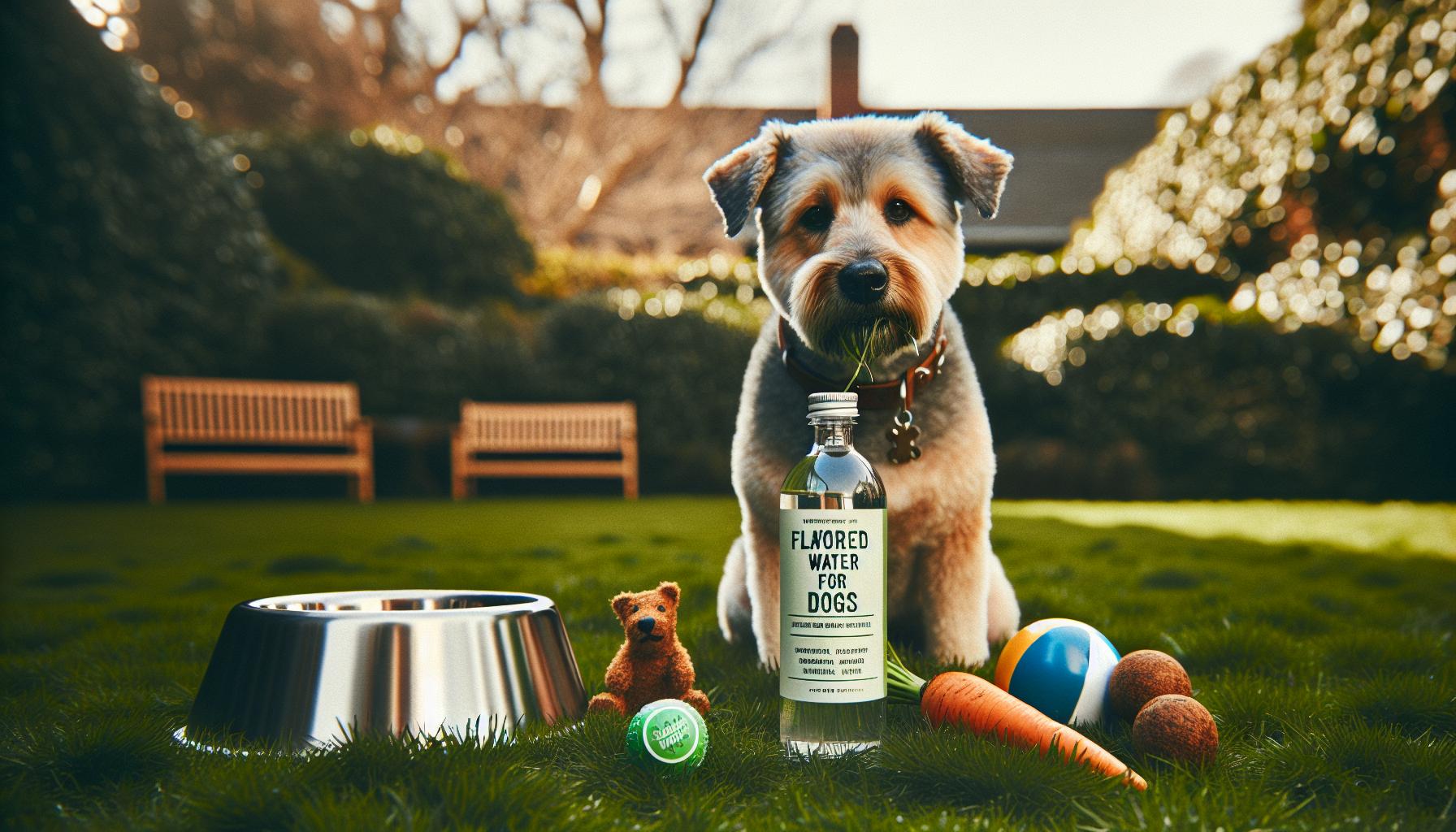
Did you know that many pet owners are turning to flavored water as a way to entice their dogs to hydrate? While the idea of enhancing your dog’s water with natural flavors might seem appealing, it’s essential to be cautious about the ingredients that can pose serious health risks. Flavor-infused options are becoming popular, especially among dogs that may be picky about their water or need a little extra encouragement to drink, but ensuring their safety is paramount.
When considering flavored water for dogs, it’s crucial to stick to products specifically designed for canine consumption. Many human flavor enhancers contain toxic substances like xylitol, a sugar substitute that can be extremely harmful to dogs. Even minute amounts of xylitol can trigger rapid insulin release, leading to dangerous drops in blood sugar (hypoglycemia) and potential liver failure. Always look for flavored waters that clearly indicate they are free of xylitol and other harmful additives on their labels.
Here are some tips for choosing dog-friendly flavored water:
- Read Labels Carefully: Always check for potentially toxic ingredients.
- Opt for Natural Flavors: Look for options that use natural ingredients without artificial sweeteners.
- Consult Your Vet: If in doubt, your veterinarian can recommend safe products or alternatives.
If you want to get creative, consider making your own flavored water at home. Simply infuse water with dog-safe fruits like blueberries, watermelon, or cucumbers. This not only provides hydration but also a tasty treat that your dog will love! Keeping your pup hydrated is essential for their overall health, so ensuring they’ve got tasty, safe options can make all the difference in their daily drinking habits. By being informed and proactive, you can maintain your dog’s hydration without compromising their safety.
Safe Alternatives: Flavor Enhancers for Pups

While many dogs can be picky about drinking water, there are delightful and safe ways to enhance their hydration without compromising their health. Flavor enhancers specifically made for dogs are a fantastic option, providing both hydration and enjoyment without risky ingredients like xylitol, which can be deadly to our furry friends. Dog-safe flavored waters or natural infusions can make the simple act of drinking a lot more appealing, especially for those pups who need a little encouragement.
When selecting a flavor enhancer, it’s important to choose products that are explicitly formulated for canine consumption. Look for those made from natural ingredients such as chicken broth or beef broth that not only add flavor but also provide some nutritional benefits. These can easily entice your pup to drink more water, particularly in warmer weather or after vigorous exercise.
If you prefer a DIY approach, consider creating your own flavored water at home. Simply add small slices of dog-friendly fruits-like strawberries, blueberries, or cucumbers-into your dog’s water bowl for a refreshing twist. Another popular option is freezing low-sodium chicken or beef broth into ice cubes for a cooling treat that provides hydration and flavor. These homemade options are not only safe but can be a fun bonding activity for you and your dog.
To ensure your chosen flavor enhancer meets safety standards, always read the ingredient labels carefully. Avoid products containing sugars, artificial sweeteners, or preservatives that could harm your pet. Consulting with your veterinarian can also provide further reassurance, helping you navigate the myriad of products available and ensuring you choose the healthiest and most enjoyable options for your canine companion.
Recognizing Safe Ingredients in Pet Products
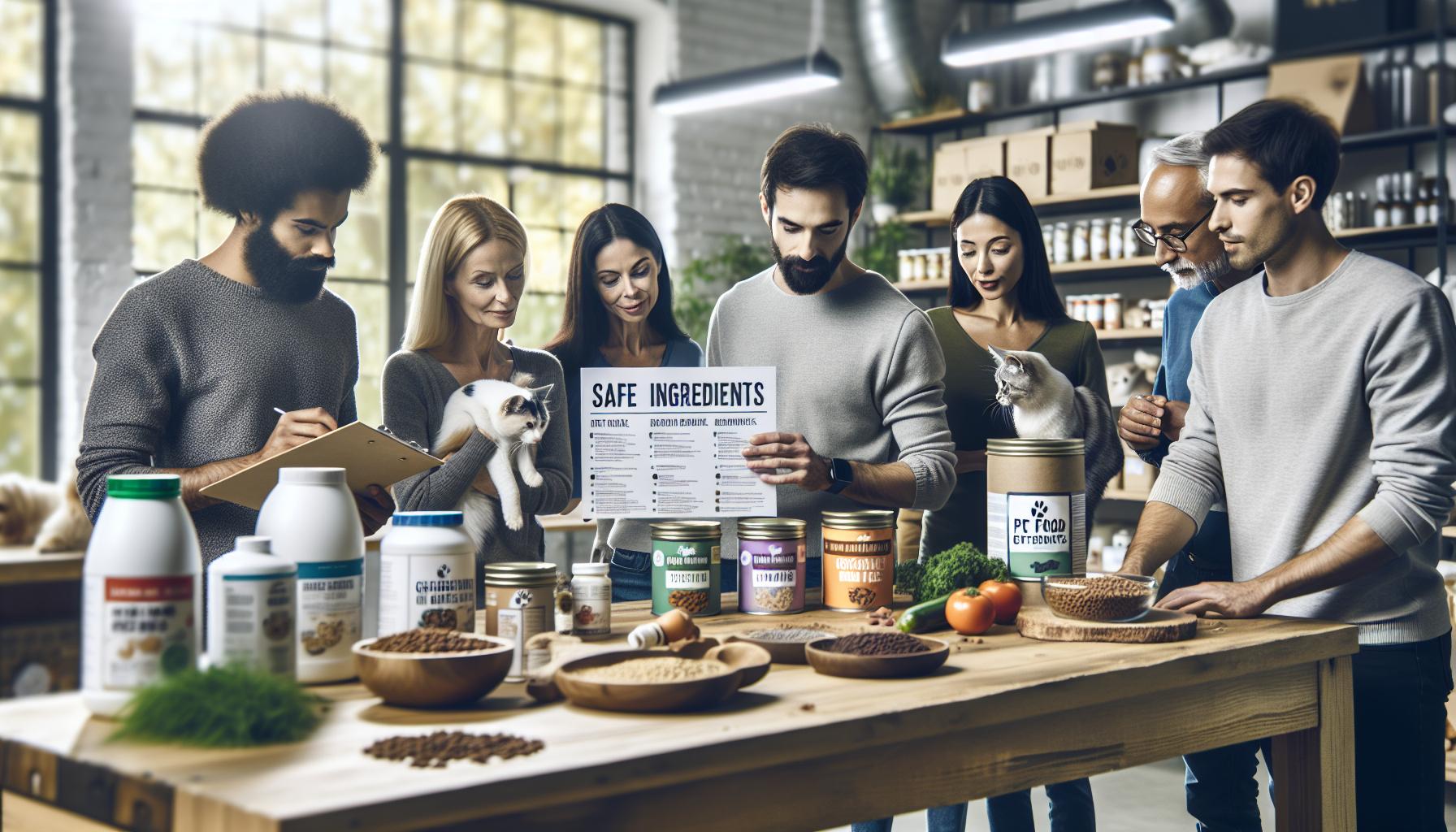
When it comes to choosing safe and healthy products for your dog, understanding ingredient labels is paramount. Just as you would scrutinize food labels for yourself and your family, the same diligence applies to your furry companions. Many pet owners mistakenly believe that all human foods are safe for dogs, leading to potentially harmful situations. A critical example is xylitol-a common artificial sweetener known to be extremely toxic to dogs. This highlights the importance of knowing which ingredients to watch for and which to embrace when selecting flavored waters or other pet products.
To ensure you’re choosing safe ingredients, always look for those explicitly designed for dogs. Ingredients you can trust typically include:
- Natural broths: Low-sodium chicken or beef broth can enhance flavor and hydration without harmful additives.
- Dog-friendly fruits: Ingredients like blueberries, strawberries, or apples (without seeds) are safe in moderation and can be used in DIY flavored waters.
- Fresh vegetables: Cucumbers and carrots can be refreshing additions and are generally safe for canine consumption.
Conversely, it’s crucial to steer clear of certain substances that can cause serious health issues. Always check for:
- Artificial sweeteners: Ingredients like xylitol should be avoided at all costs.
- Sugars and preservatives: These can lead to obesity and other health problems in dogs.
- Toxic ingredients: Chocolate, grapes, raisins, and onions are just a few examples of what should never be included in your dog’s diet.
Understanding these ingredients not only helps keep your dog safe but also fosters healthier eating habits. Your dog’s health is a shared responsibility, one that empowers you as a pet owner to make informed decisions. Engaging with a veterinarian about specific brands and ingredients can offer personalized recommendations, especially if your dog has unique health concerns or dietary needs. By prioritizing safe ingredients, you can confidently provide tasty and nutritious hydration options that keep your pooch happy and healthy.
How to Choose Dog-Friendly Hydration Options
To keep your dog hydrated while ensuring their safety, it’s essential to choose beverages that cater to their needs without exposing them to harmful ingredients. With flavored waters becoming increasingly popular, knowing how to select the right options is crucial. Remember, not all flavors are created equal-what’s delightful for us could be dangerous for our canine companions. One of the most notorious ingredients to avoid is xylitol, a common artificial sweetener that can lead to severe health complications, including hypoglycemia and liver failure in dogs [1].
When selecting hydration options for your dog, aim for products that specifically state they are formulated for canine consumption. Opting for natural flavors rather than artificial ones is a safe route. Here are some smart choices you can incorporate into your search:
- Low-sodium broths: Chicken or beef broth can enhance water and provide essential nutrients without hidden toxins.
- Dog-friendly fruits: Fruits like sliced strawberries, blueberries, or watermelon can be blended into water, creating a flavorful and hydrating treat. Just make sure to avoid any seeds!
- Fresh vegetables: Ingredients like cucumber slices or carrots can be added directly to water bowls, giving your dog an appealing drink that’s full of hydration.
As you evaluate pet product labels, it becomes easy to spot ingredients that could pose risks. Always steer clear of artificial sweeteners, especially xylitol, as well as sugars and preservatives that might contribute to weight gain and related health issues. Remember, many human foods that seem harmless can turn toxic for dogs, so being vigilant is key.
Engaging with your veterinarian can also bolster your understanding of safe brands and ingredients. Every dog is unique, and dietary needs can vary greatly depending on breed, size, and health conditions. For instance, while a small breed dog may be more susceptible to xylitol poisoning due to their size, larger breeds can also face serious risks if they consume enough of it. Always err on the side of caution and prioritize your dog’s health by making informed choices. With the right hydration mix, you can keep your pup happy, hydrated, and safe from harmful ingredients.
Signs Your Dog Has Ingested Xylitol
When it comes to our beloved furry friends, being vigilant about their health is crucial. One particularly concerning issue is xylitol ingestion, which can lead to severe medical complications in dogs. Xylitol, an artificial sweetener found in many sugar-free products, can rapidly cause a dangerous drop in blood sugar levels (hypoglycemia) and even lead to liver failure. So, how can you tell if your dog has ingested this harmful substance? Understanding the signs of xylitol poisoning is essential for prompt action.
The initial symptoms of xylitol ingestion often manifest within 30 minutes to a few hours, depending on the amount consumed and your dog’s size. Early signs to watch for include:
- Vomiting: This is often one of the first indications that something is wrong.
- Weakness or lethargy: If your normally active dog seems unusually tired or weak, it could be a red flag.
- Loss of coordination: Look out for staggering, difficulty standing, or unusual movements, indicating that their nervous system may be affected.
- Tremors or seizures: These serious symptoms indicate significant neurological distress and require immediate veterinary intervention.
- Hypoglycemic collapse: In severe cases, dogs may lose consciousness or collapse, which is critical and requires urgent care.
If you notice any of these signs, especially after your dog has had potential access to xylitol, contact your veterinarian or an emergency animal clinic right away. Time is of the essence, and swift action can make a significant difference in outcomes.
In addition, some breeds may be more susceptible to the effects of xylitol due to their size and metabolic differences. Smaller breeds such as Chihuahuas or toy Poodles can experience more severe symptoms from smaller amounts compared to larger breeds. Always be proactive about storing any products containing xylitol-such as sugar-free gums, candies, or some peanut butter-out of your dog’s reach to prevent accidental ingestion. Keeping a watchful eye on your pup and educating yourself on the signs of distress can help ensure their safety and well-being in any situation.
Navigating Ingredients Labels for Dog Safety
When shopping for flavored water or any dog-friendly products, ingredient labels are your best friend. Understanding what’s safe for your furry companion can prevent health issues while ensuring they stay hydrated and happy. One of the chief concerns on these labels is the presence of xylitol, a sweetener commonly found in various products. It’s crucial to become adept at reading labels to avoid this harmful ingredient and others that may be detrimental to your dog’s health.
First and foremost, look for any mention of xylitol in the ingredient list. Remember that xylitol can be labeled in unexpected ways or hidden among other ingredients. If you spot xylitol, put the product back on the shelf. Beyond xylitol, be cautious of artificial sweeteners, sugars, and any preservatives that could harm your dog. Products marketed as “sugar-free” should be treated with suspicion, as they often contain xylitol. Instead, seek flavored waters that explicitly state they are free from harmful additives or are labeled as “dog-safe.”
You may encounter other potentially dangerous ingredients like grapes, onions, or garlic, which can be toxic to dogs even in small amounts. Always prioritize transparency in the ingredients list. If a product lacks detailed labeling or uses vague terms like “natural flavors,” it’s better to steer clear. Instead, choose brands known for their commitment to pet safety, as they’ll usually have clearly marked ingredients lists with no hidden surprises.
It’s also beneficial to familiarize yourself with different flavor enhancers that are safe for dogs. Many companies provide dog-friendly flavored drinks without harmful ingredients, but doing a bit of research on product reviews or talking to other dog owners can help you identify the safest options. As a proactive measure, consider making your own flavored water by adding dog-safe fruits, herbs, or even low-sodium broth, allowing you to know exactly what’s going into your dog’s drink while keeping them excited about hydration.
By understanding the fine print on labels and making informed choices, you can ensure that your beloved pet stays safe and enjoys every sip of their flavored water!
Popular Flavored Water Brands: A Review for Owners
When it comes to keeping your furry friend hydrated and happy, flavored water can be a delightful treat-if chosen wisely. With so many brands on the market, it’s essential to sift through the options and find those that prioritize your dog’s safety above all else. Popular flavored water options specifically designed for dogs offer an exciting alternative to plain water, making hydration an enjoyable experience rather than a chore. However, with the lurking dangers of ingredients like xylitol, being a responsible dog owner means thoroughly vetting these products before making a selection.
One brand that stands out is PetSafe’s Doggie Water Enhancers, available in various natural flavors like chicken and beef. These enhancers are xylitol-free and contain only pet-safe ingredients, allowing you to add a splash of flavor to your dog’s water without any health risks. PetSafe emphasizes transparency on their labels, ensuring you can easily determine what goes into your dog’s drink.
Another noteworthy option is Pawfume’s Dog Flavored Water, which features flavors such as peanut butter and bacon. This product is designed to be fun and enticing, encouraging even the pickiest drinkers to hydrate. Plus, it’s also free of xylitol and artificial additives. Owners love how it can elevate their dog’s water experience, turning hydration into an event rather than a routine-perfect for hot days or after playtime.
For a DIY alternative, consider creating your own flavored water at home using safe ingredients. Simple recipes include adding slices of cucumber or watermelon to a bowl of water. These fruits not only provide a refreshing flavor but also offer hydration and nutrients without the risk of harmful additives. You can experiment with different combinations to see which flavors your dog prefers, making it a personalized hydration experience.
As you explore flavored water options for your dog, keep these essential tips in mind to ensure you choose wisely. Always check ingredient lists for potential hazards, particularly for xylitol, and opt for products that are explicitly marketed as safe for dogs. By doing your research and prioritizing your dog’s safety, you can make hydration a fun and beneficial part of their routine.
DIY Flavored Water Recipes for Dogs
Is your dog turning their nose up at plain water? Flavored water can be a fun and safe way to keep your pup hydrated, especially during hot days. Creating your own homemade flavored water not only ensures that it’s safe – free from harmful ingredients like xylitol – but also allows you to customize the flavors to your dog’s preferences. Let’s explore some easy and delicious DIY recipes that will make hydration an enjoyable experience for your furry friend!
Start simple with Cucumber & Mint Infusion. Slice fresh cucumber and add it to a bowl or pitcher of water. Toss in a few mint leaves for an extra refreshing twist. This combination is not only hydrating but also great for digestion. Your dog might just love the cool, crisp taste, especially after a long walk or play session.
Another delightful option is Watermelon Splash. Cube seedless watermelon and blend it with water. For a more robust flavor, freeze watermelon chunks in ice cube trays and drop these refreshing cubes into your dog’s bowl. Watermelon is not only tasty but also packed with nutrients and hydration, making it a fantastic summer treat.
For a protein-packed drink, try adding a bit of Low-Sodium Chicken Broth. Dilute the broth with equal parts water to ensure it’s not overly salty, and pour it into your dog’s bowl. This savory drink can be especially enticing for picky eaters and is perfect for dogs recovering from illness or surgery.
Lastly, consider creating a Herbal Tea Brew. Steep chamomile or peppermint tea in boiling water, let it cool completely, and then serve it to your pup. Both chamomile and peppermint can provide soothing benefits, and your dog may enjoy the gentle aroma and taste.
Quick Tips for DIY Flavored Water
- Always use dog-safe ingredients. Avoid any fruits or herbs that are toxic to dogs, such as grapes or chocolate.
- Introduce new flavors gradually to see how your dog reacts. Some dogs may be sensitive to sudden changes in diet.
- Make sure all ingredients are fresh and washed thoroughly to ensure safety.
- Store any infused water in the refrigerator and use it within a few days to keep it fresh.
Experiment with these ideas to find out which flavors your dog loves the most! Not only will you be providing a refreshing beverage, but you’ll also be spending quality time together in the process. Remember, healthy hydration shouldn’t be a chore; with these simple recipes, it can be a delightful part of your dog’s daily routine!
Hydration Needs by Dog Breed: What to Know
Understanding your dog’s hydration needs is crucial, and it can vary significantly by breed. For instance, larger breeds such as Great Danes and St. Bernards generally require more water due to their size, while smaller breeds like Chihuahuas or Dachshunds naturally consume less. On average, dogs need about 1 ounce of water per pound of body weight each day, but this can change based on their activity level, age, and health conditions. During hotter months or after exercise, your dog may need extra hydration, making flavored water a tempting option.
Each dog breed has specific characteristics that can affect their hydration habits. For example, active breeds like Border Collies or Labrador Retrievers often require additional fluids to maintain their energy levels, especially in warm weather or after rigorous play. Conversely, brachycephalic breeds, such as Bulldogs and Pugs, may have difficulty drinking due to their short snouts and might benefit from thicker fluids or flavored water that perks their interest.
To help you better understand hydration tailored to your dog’s breed, here’s a handy checklist:
Hydration Checklist by Breed
- Large Breeds: Ensure access to water at all times; may consume 2-4 cups daily based on activity.
- Small Breeds: Watch for changes in drinking habits; generally need less than 2 cups daily.
- Active Breeds: Increase water intake during and after exercise; add flavored water for encouragement.
- Brachycephalic Breeds: Offer gentle hydration solutions; consider ice chips or flavored water for easier consumption.
Remember, it’s essential to monitor your dog for any signs of dehydration, such as dry gums, lethargy, and reduced appetite. Making hydration enjoyable with safe flavored water can be an effective strategy to ensure your pup stays hydrated-just be cautious about harmful ingredients like xylitol. This approach not only satisfies their thirst but also encourages overall well-being and health in your beloved companion.
Common Myths About Dogs and Flavored Water
Many dog owners often mistakenly believe that any flavored water is a safe treat for their furry friends. This misconception can lead to some serious health risks, especially when considering ingredients like xylitol. For instance, xylitol, a common sweetener found in many human products, can be extremely toxic to dogs and result in severe health complications, even death. The dangers associated with xylitol consumption are significant: symptoms can include vomiting, seizures, and even liver failure depending on the amount ingested [1].
Another prevalent myth is that all fruits and natural flavors added to water are harmless for dogs. While many fruits are indeed safe in moderation, some can be harmful. For example, grapes and raisins are toxic to dogs and should never be included in flavored water. Always do thorough research or consult your veterinarian before adding any unfamiliar flavorings[2].
Additionally, some owners believe that flavored water can replace regular water altogether, mistakenly thinking dogs will hydrate sufficiently from the added flavors alone. However, the primary source of hydration should always be plain water. Flavored water can be an enticing supplement, but it cannot replace the need for fresh, clean water.
To help dispel these myths, it is crucial for dog owners to familiarize themselves with safe ingredients and always read labels carefully. Look for products specifically made for dogs, as they are formulated to be safe and beneficial. If you’re considering making your own flavored water, use safe ingredients like plain pumpkin puree or pureed watermelon but avoid any sweeteners or preservatives. A well-informed approach will keep your pet happy and healthy while ensuring they stay adequately hydrated.
Expert Tips for Keeping Your Dog Hydrated
Keeping your dog hydrated is essential, especially during warmer months or after vigorous play. It’s a common misconception that flavored water can adequately replace regular water, but this isn’t true. Dogs require fresh, clean water daily, and flavored varieties should only be a supplement. To ensure your pup stays hydrated without risking their health, here are some practical tips.
Start by ensuring your dog has constant access to fresh water. Change the water in their bowl multiple times a day to keep it clean and appealing. Some dogs are particularly picky about their water and may prefer it cool. You can enhance their hydration experience with a pet-safe water fountain, which circulates fresh water and may encourage them to drink more.
To add a bit of flavor without exposing your dog to harmful ingredients, consider using dog-safe flavors like pureed pumpkin or strained blueberries. You could mix a small amount of these natural purees into their water. Remember, moderation is key when it comes to introducing new flavors. Always observe your dog for any adverse reactions when trying a new ingredient.
Additionally, providing fresh fruits and vegetables as snacks can significantly contribute to your dog’s hydration. Many fruits are high in water content, such as watermelon, cucumber, and strawberries. Just be sure to remove any seeds from fruits like watermelon, and avoid those that are toxic, such as grapes and raisins. Involving these healthy snacks into your dog’s diet can help maintain hydration while keeping them excited about their food routine.
Lastly, always be aware of your dog’s activity level and environment. If you notice they’re panting heavily or seem lethargic, encourage them to drink more and, if necessary, consult your veterinarian. Hydration is vital for your dog’s overall health, so staying informed and prepared will support a happy, thriving pup.
Frequently Asked Questions
Q: What types of flavored water are safe for dogs?
A: Dogs can enjoy flavored water made from safe ingredients, such as cucumber or watermelon, without added sugars or toxic sweeteners. Always avoid those with xylitol, artificial flavors, or preservatives. For more on safe ingredients, see our section on Recognizing Safe Ingredients in Pet Products.
Q: How do I know if a flavored water is toxic to my dog?
A: Check the ingredient list for toxic substances like xylitol, which is highly harmful to dogs. If xylitol is listed as an ingredient, avoid it and consult your veterinarian immediately if ingestion occurs. For detailed guidance, see our article on The Risks of Xylitol: Why It’s Dangerous for Dogs.
Q: Are there any benefits to giving my dog flavored water?
A: Flavoring water can encourage hydration, especially if your dog is picky about plain water. Using natural flavors like fruits can make water more appealing without added risks. See our section on Safe Alternatives: Flavor Enhancers for Pups for ideas on healthy options.
Q: What should I do if my dog drinks flavored water with xylitol?
A: If your dog consumes flavored water containing xylitol, seek immediate veterinary assistance. Xylitol can cause serious health issues in dogs, including seizures or liver failure. Learn about Signs Your Dog Has Ingested Xylitol to monitor your pet effectively.
Q: Can dogs have flavored water with natural sweeteners?
A: Natural sweeteners such as honey are generally safe for dogs in moderation, but it’s best to ensure that flavored water does not contain any harmful additives like xylitol. Always read labels carefully, as discussed in Navigating Ingredients Labels for Dog Safety.
Q: What ingredients should I avoid in flavored water for dogs?
A: Avoid flavored waters that contain xylitol, artificial sweeteners, additives, or preservatives. Always look for natural ingredients that are safe for canine consumption. For more on what to look for, check out our How to Choose Dog-Friendly Hydration Options section.
Q: How can I enhance my dog’s water naturally?
A: You can enhance your dog’s water by adding slices of safe fruits such as strawberries, blueberries, or cucumber. This will make hydration more enticing while remaining safe. Explore more ideas in our DIY Flavored Water Recipes for Dogs.
Q: Is there a difference between dog and human flavored water?
A: Yes, many flavored waters made for humans contain ingredients inappropriate for dogs, like xylitol or excessive sugars. Always opt for products specifically designed for dogs or make your own. For guidance, refer to our Understanding Flavored Water for Dogs section.
To Conclude
As we wrap up our discussion on whether dogs can have flavored water, especially the serious implications of xylitol exposure, it’s crucial to prioritize your pet’s safety. Always consult with your veterinarian before introducing new substances into your dog’s diet, particularly when it comes to flavor additives. If you found this information helpful, why not explore our related articles on safe hydration for dogs or the best homemade dog treats?
Don’t forget to subscribe to our newsletter for more expert tips tailored for dog owners like you. Sharing your experiences or concerns in the comments below not only helps others but also builds our community of responsible pet lovers. Remember, keeping your furry friend healthy and happy is a journey-let’s embark on it together!