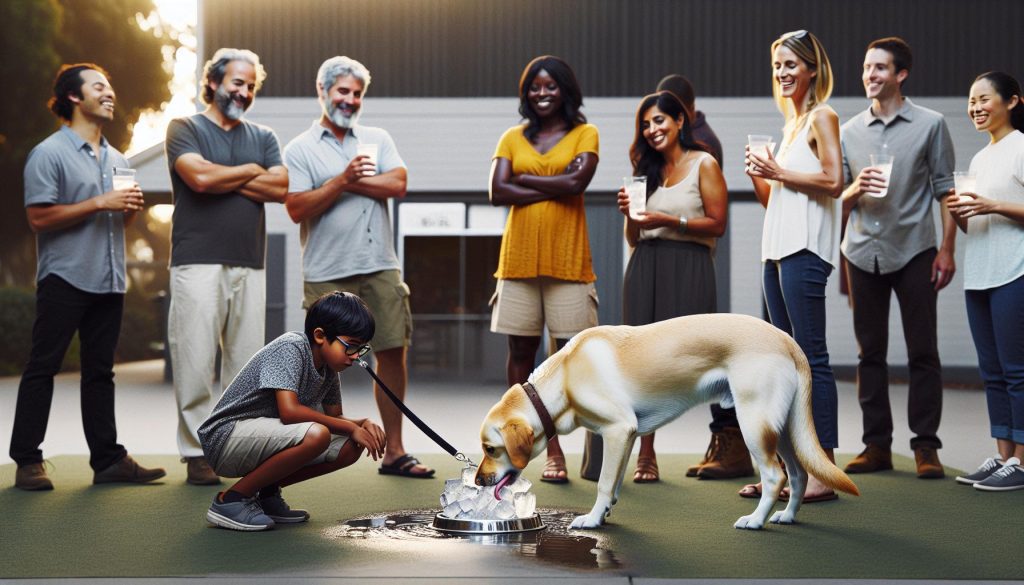
When it comes to keeping our furry friends comfortable, even small decisions like what water they drink can stir up concerns. One prevalent myth is that giving dogs ice water can lead to bloat, a serious condition that can threaten their lives. The truth, however, is far less alarming than many believe. Understanding the facts behind bloat and its myths is crucial for every dog owner. After all, knowledge empowers us to make the best choices for our pets’ health and well-being. In this article, we’ll explore the bloat myth surrounding ice water, debunking misconceptions and shedding light on how to keep your dog safe and hydrated. So, let’s dive into the details and discover what really matters for your dog’s hydration needs!
Understanding the Bloat Myth in Dogs
The fear of bloat in dogs, particularly concerning the use of ice water, is a common worry among pet owners. However, understanding the myths surrounding this condition can significantly alleviate anxiety and lead to healthier practices. Bloat, or gastric dilatation volvulus (GDV), occurs when a dog’s stomach fills with air and twists, creating a life-threatening situation. Contrary to popular belief, simply giving a dog ice water does not inherently lead to bloat. Instead, bloat is often linked to a combination of factors, such as eating habits, stress, and certain breeds predisposed to the condition.
One of the most prevalent myths is that consuming cold water-or ice-will shock a dog’s system and trigger bloat. While it’s true that gulping down large amounts of water, regardless of temperature, can increase the risk of this condition, the temperature itself is less of a concern than the behavior around drinking. For instance, if a dog is allowed to drink freely after vigorous exercise, they may gulp down water too quickly, which could contribute to the risk of bloat. Thus, the key factor lies not in whether the water is cold or warm, but in how and when a dog is allowed to hydrate.
To further demystify the subject, here are some practical tips for managing your dog’s hydration in the context of bloat prevention:
- Monitor Water Intake: Ensure your dog is not chugging water excessively at once. Instead, offer smaller amounts more frequently.
- Feeding Strategies: Consider using puzzle feeders or slow-feed bowls that encourage slower eating, as rapid ingestion of food can also increase bloat risk.
- Post-Exercise Routine: After exercise, allow your dog to rest before offering water. This simple step can help prevent them from drinking too much too quickly.
- Understand Breed Risks: Some breeds, such as Great Danes, are more at risk for bloat. Owners of these breeds should be especially cautious about feeding and hydration practices.
Being informed about the facts surrounding bloat can empower dog owners to make better choices. By focusing on safe hydration practices rather than unnecessary fears surrounding ice water, pet owners can contribute positively to their dogs’ overall well-being while fostering a healthier approach to hydration.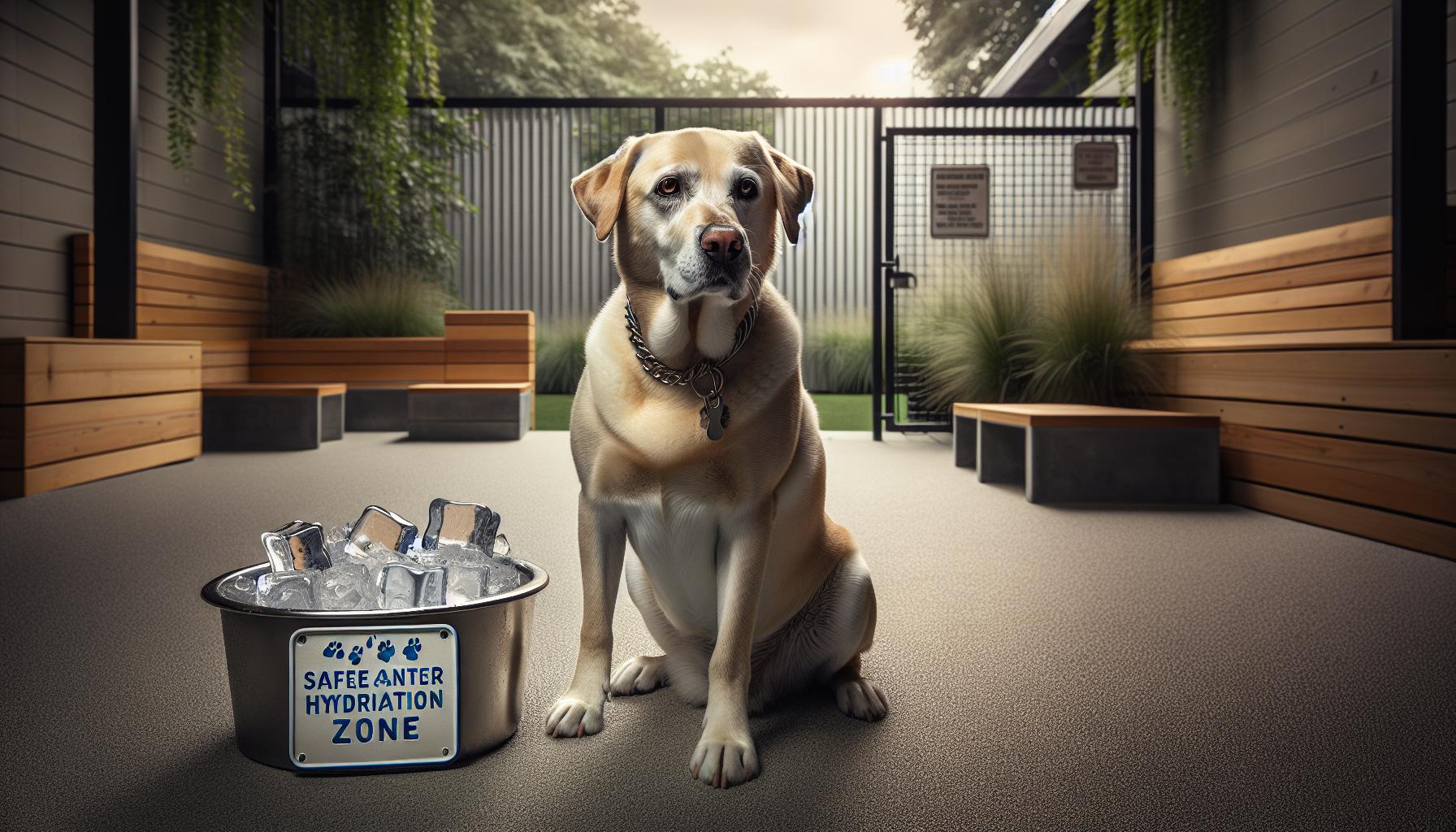
The Truth About Ice Water Safety for Dogs
While many dog owners worry that giving their pets ice water could contribute to bloat, the truth is far more nuanced and less anxiety-inducing. Ice cubes can be a fun and refreshing way for dogs to hydrate, especially on hot days. The key takeaway is that bloat is more closely related to a dog’s drinking habits rather than the temperature of the water itself. When dogs gulp down large amounts of water too quickly-regardless of whether it’s cold or warm-they may risk experiencing gastric dilatation volvulus (GDV), or bloat.
Therefore, it’s crucial to focus on how you present water to your dog. Instead of worrying about ice versus room temperature, consider how to encourage your dog to drink more mindfully. For those pet parents who are concerned about their dog’s gulping behavior, you might think about using elevated water bowls or spreading out drinking opportunities throughout the day in smaller, more controlled amounts. This approach can mitigate the urgency to chug down water, aligning with the needs of dogs who might need a little extra time to relax after a bout of play or exercise.
Practical Tips for Ice Water Safety
If you decide to let your furry friend enjoy some ice in their water bowl, here are several tips to do so safely:
- Introduce Gradually: Start with just a few ice cubes and observe how your dog reacts. Some pups might love chewing on them, while others may be unsure.
- Mix Temperatures: If you’re wary of using only ice, combine them with room temperature water to balance hydration and enjoyment.
- Watch for Signs: Always monitor your dog when they’re having ice-ensure they aren’t gulping excessively and check for any signs of distress.
- Stay Breed-Aware: Breeds prone to bloat (like Great Danes or Saint Bernards) should have varied hydration practices tailored to their specific needs, as they may require extra caution during summer playtime.
Understanding that ice cubes are not the villain in your dog’s hydration can lead to more enjoyable summer days spent together. Keeping an eye on your dog’s behavior during these moments can help create a safe and happy environment, allowing your dog to savor every drop, and every cube!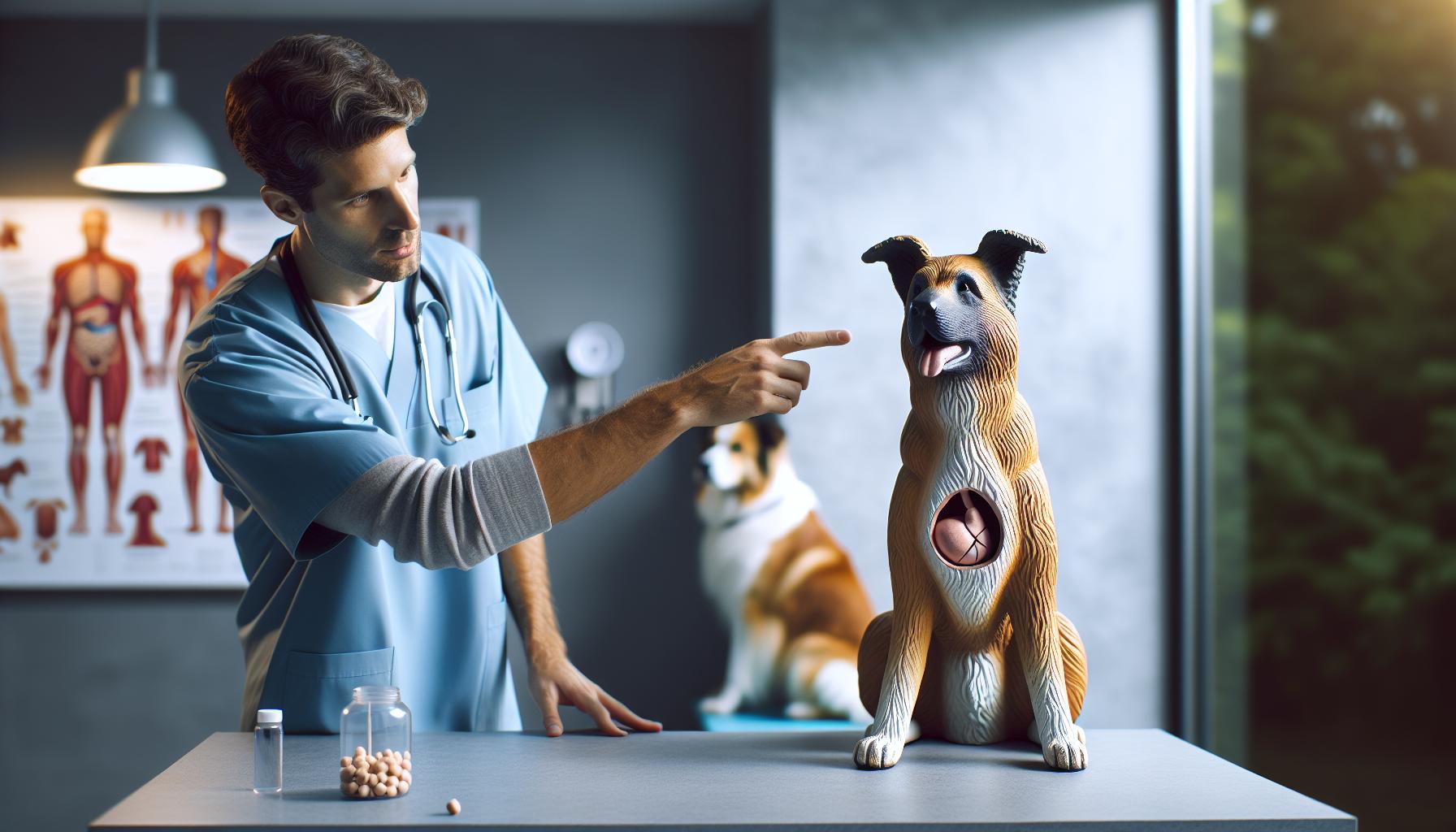
Signs of Bloat: What Every Dog Owner Should Know
Recognizing the signs of bloat can be a crucial skill for any dog owner. Bloat, or gastric dilatation volvulus (GDV), is a serious and often life-threatening condition that can develop rapidly in dogs. Understanding the early indications can potentially save your dog’s life. Common symptoms to look out for include a distended abdomen that appears swollen or tight, unproductive retching or attempts to vomit, excessive drooling, restlessness, and signs of distress, such as pacing and whining. If your dog exhibits rapid breathing or a rapid heart rate, these can also be alarming signs that immediate veterinary attention is needed.
The condition often affects larger breeds, such as Great Danes, Boxers, and German Shepherds, due to their deep-chested anatomy, which predisposes them to bloat. However, any dog can suffer from this condition, so vigilance is essential regardless of breed. For instance, smaller breeds may not be as susceptible, but they can still develop bloat under specific circumstances, like consuming a large meal followed by vigorous exercise.
When you observe the signs mentioned, don’t hesitate. Time is of the essence with bloat, as the stomach can twist and become necrotic, leading to a crisis within hours. If your dog shows these signs, contact your veterinarian immediately or head to the nearest emergency clinic. It’s always better to err on the side of caution; timely intervention is critical to improve outcomes in cases of bloat.
To further enhance awareness and preparedness, consider keeping a note of your dog’s usual behavior to spot these symptoms accurately. Additionally, educate family members or caregivers about the signs of bloat, ensuring that everyone understands the importance of quick action. You might even create a simple checklist to keep at home, outlining symptoms and emergency numbers. With vigilance and prompt action, you can help ensure your dog leads a safe and happy life.
Breeds at Risk: Who Is Most Vulnerable to Bloat?
Certain dog breeds are significantly more susceptible to the life-threatening condition known as bloat, or gastric dilatation-volvulus (GDV). Recognizing this vulnerability is crucial for dog owners, especially those with specific breeds prone to the condition. The larger breeds, particularly those with deep chests, encounter a higher risk due to their unique anatomy. For instance, Great Danes, Boxers, and German Shepherds are often at the forefront of discussions surrounding bloat vulnerability.
To understand why these breeds are particularly at risk, it helps to consider their physical characteristics. The deep chest of these breeds can result in a larger stomach volume, which, when filled with food or gas, can lead to a dangerous twist. Other breeds that are also considered at higher risk include:
- Standard Poodles
- Irish Setters
- Rottweilers
- Doberman Pinschers
While large breeds dominate the risk group, it’s essential to note that bloat can affect any dog, regardless of size or breed. For example, smaller dogs can develop bloat after eating a large meal and then engaging in vigorous exercise. This underscores the need for all dog owners, regardless of their pet’s size, to be vigilant about their animals’ behavior and eating habits.
Preventive measures can make a significant difference in minimizing the risk of bloat. Here are some practical tips:
Care Strategies
- Feed smaller, more frequent meals instead of one large meal.
- Monitor your dog after eating; avoid vigorous activities for at least an hour post-meal.
- Consider using a slow feeder to help reduce the speed of eating.
- Avoid feeding your dog directly before or after exercise.
By maintaining awareness of these breeds’ predispositions and following proactive care strategies, dog owners can help safeguard their beloved pets against bloat. Always consult your veterinarian for tailored advice based on your dog’s specific needs and risk factors. The conversation surrounding bloat and hydration only gets more complex, so ensuring you’re informed is a great step toward responsible dog ownership.
How Ice Water Affects Your Dog’s Health
It’s a common concern among dog owners: can giving your dog ice water lead to bloat? Many believe that the coldness of ice water can cause the stomach to contract suddenly, triggering bloat, but veterinary insights show that this myth doesn’t hold water. Most dogs enjoy cold water, especially after exercising or being outdoors, and there is no substantial evidence linking ice water consumption to an increased risk of gastric dilatation-volvulus (GDV), or bloat.
When it comes to hydration, the temperature of water isn’t as critical as ensuring your dog drinks enough to stay hydrated. In fact, most dogs have their preferences for water temperature, and many seem to enjoy the refreshing coolness of ice water on hot days. The key is to observe your dog’s behavior: if they drink too quickly when provided with cold water, that could create issues. Instead, consider offering smaller amounts more frequently to discourage gulping, whether the water is cold or at room temperature.
Moreover, for breeds particularly prone to bloat, such as Great Danes and Doberman Pinschers, monitoring their overall eating and drinking habits is more critical than the water temperature itself. Maintaining a routine that includes smaller, regular meals and monitoring their activity after eating will significantly reduce the risk of bloat. Hydration practices should be tailored to the specific needs of your dog, keeping in mind their size, breed, and activity levels.
Ultimately, while manageable myths can cause unnecessary concern, allowing dogs access to chilled water can be a delightful part of their hydration strategy. Always encourage drinking, especially in warmer weather, but remain vigilant about their eating behavior to ensure they stay healthy and happy.
Veterinary Insights: Expert Opinions on Water Temperature
It’s a common misconception that offering dogs ice water can pose health risks, particularly relating to bloat. However, veterinary experts are increasingly dispelling these myths, emphasizing that the temperature of the water doesn’t have the negative effects some dog owners worry about. In fact, many dogs relish the opportunity to cool off with ice-cold water, especially after an exhilarating romp outside on a hot day. Consuming cold water is generally safe and can even help regulate their body temperature.
Veterinarians highlight that the primary concern with dog hydration is not about water temperature, but rather about how much and how quickly your dog drinks. When dogs gulp down water, regardless of its temperature, they may ingest air, which could contribute to bloat, especially in breeds susceptible to this condition, such as Great Danes and German Shepherds. Therefore, it is advisable to monitor their drinking habits closely. Offering smaller doses of water more frequently can reduce the tendency to gulp and create a healthier drinking routine.
It’s also important to tailor hydration strategies to your dog’s specific needs. For instance, active breeds or those exposed to higher temperatures might benefit more from icy hydration options than sedentary breeds. Always keep an eye on how your dog behaves after drinking-if they appear uncomfortable, consider adjusting their drinking pace or the amounts offered. By maintaining a balanced approach to hydration-incorporating both room temperature and chilled water options-you can ensure your furry friend stays hydrated, happy, and healthy throughout the year.
Veterinary recommendations encourage pet owners to embrace the joy that comes with offering ice water, especially during warm weather. Just as humans savor a cold drink on a blazing day, dogs too enjoy the refreshment. Following expert advice and observing your dog’s behavior will further ensure that their hydration practices align well with their health needs, helping to dispel lingering myths and guarantee that your beloved canine companion thrives.
Preventing Bloat: Tips for Responsible Dog Care
When it comes to keeping our furry friends safe and healthy, preventing bloat is often top of mind for many dog owners, particularly those with breeds susceptible to the condition. Bloat, or gastric dilatation-volvulus (GDV), can be life-threatening, but understanding how to mitigate risks can make all the difference. Effective prevention begins with recognizing your dog’s drinking and eating habits. Did you know that encouraging your dog to drink smaller amounts of water more frequently can significantly reduce the risk of bloat? Let’s delve into how you can keep your pup safe and happy!
One crucial aspect of bloat prevention is the manner in which dogs consume food and water. Instead of allowing dogs to gulp large quantities of food or drink at once, which can lead to air being ingested, consider the following strategies:
- Use Slow Feeder Bowls: These bowls have built-in obstacles that prevent dogs from overeating quickly, forcing them to take their time and chew their food.
- Provide Water Frequently: Instead of leaving a large bowl of water out all day, offer smaller portions throughout the day to encourage regular sipping rather than gulping.
- Consider Elevated Bowls for Large Breeds: For larger breeds, elevated bowls can help ease the strain on their necks and stomachs, promoting a more comfortable eating and drinking posture.
Additionally, it’s essential to monitor your dog after meals, especially if they are prone to bloat. Wait at least 30 minutes after eating before engaging in vigorous exercise. Observe your dog for signs of discomfort, such as restlessness, pacing, or a swollen abdomen, and consult your veterinarian should any unusual behavior occur.
Incorporating a consistent feeding schedule is another best practice. Feeding your dog at the same times every day helps regulate their digestion and can reduce anxiety around meal times, further contributing to a calm atmosphere.
Finally, keep in mind that certain breeds, like Great Danes, German Shepherds, and Boxers, are at a higher risk for bloat. If you own one of these breeds, staying informed and maintaining a proactive approach to their care is particularly crucial. Regular check-ups with your veterinarian can provide additional insights into your dog’s health and prevent any potential issues before they arise.
In conclusion, a little vigilance combined with proactive feeding practices can significantly reduce the risk of bloat in your dog. By fostering safe hydration and eating habits, you not only protect their health but also enrich their lives with joy and comfort.
Hydration Needs: Best Practices for Your Dog
Ensuring your dog stays properly hydrated is a vital aspect of their overall health and well-being. Surprisingly, many pet owners overlook the importance of hydration, which can vary significantly based on the dog’s age, activity level, and even breed. It’s not just about providing a bowl of water; it’s about how and when your dog drinks. Encouraging your pup to drink in moderation can greatly reduce the risk of bloat, a potentially serious condition that occurs when a dog’s stomach twists or expands.
One effective strategy to promote healthy drinking habits is to provide smaller amounts of water throughout the day rather than leaving a large bowl out at all times. This approach encourages your dog to sip regularly, minimizing the chances that they will gulp large quantities at once. You can implement this by filling their bowl with fresh water several times a day, especially after playtime or walks, or by using a water fountain that encourages them to drink more often.
Additionally, consider the temperature of the water you’re providing. Although the myth that ice water can cause bloat has been debunked, offering water at a moderate temperature is still crucial for some dogs, especially those with sensitive stomachs. Always monitor your dog’s hydration, particularly in hot weather, as dehydration can occur quickly. Dogs that are more active or are of larger breeds may need more frequent refills.
### Practical Tips for Hydration
Maintaining consistent hydration is just as important as keeping an eye on their eating practices. Here are some actionable tips to foster better hydration habits:
- Schedule Water Breaks: Set specific times throughout the day for your dog to take water breaks, especially after exertion or outdoor activities.
- Monitor Their Drinking: Keep an eye on how much your dog drinks daily. If you notice a significant change, consult your veterinarian.
- Provide Cool, Fresh Water: Ensure their water is always clean and refresh it multiple times a day. Dogs often enjoy drinking fresh, cool water, especially after exercise.
For breeds that are prone to bloat, such as Great Danes and German Shepherds, particular attention to hydration is essential. Ensuring these dogs drink slowly can help reduce the amount of air ingested along with water. Consider using specialized slow-feeding bowls that can help manage how they drink, further decreasing their risk.
By fostering a routine that promotes healthy drinking habits, you can make a significant difference in your dog’s health while easing any concerns about bloat. Remember, a well-hydrated dog is a happy and healthy dog!
Debunking Other Common Myths About Dog Health
In the world of dog ownership, misinformation can spread quickly, often leading to unnecessary anxiety among pet parents. One such myth is the idea that certain behaviors or environments can directly cause critical health issues in dogs, such as bloat, or conditions like heatstroke. For instance, the belief that feeding dogs just before or after exercise can lead to bloat has been perpetuated, despite evidence showing that the condition has multiple contributing factors, including genetics and individual dog physiology.
Equally common are myths surrounding dietary choices. Many believe that grain-free diets are a healthier option for all dogs, yet recent studies suggest that such diets may actually increase the risk of dilated cardiomyopathy (DCM) in breeds traditionally not prone to this condition. It highlights the importance of consulting a veterinarian before making drastic dietary changes, as every dog has unique nutritional needs based on factors like age, breed, and health status.
Another pervasive misconception is that all human foods are dangerous for dogs. While it’s true some foods, like chocolate and grapes, are toxic, others can be beneficial in moderation, such as carrots and pumpkin. Educating ourselves on safe human foods can enhance our dog’s diet and provide healthy snack options. Ask yourself: does this food contain ingredients harmful to my dog?
Lastly, there’s the myth that dogs cannot regulate their body temperature and should always be kept indoors. While it’s essential to provide shelter, some breeds have thick coats that can tolerate cold weather, while others may be vulnerable. Understanding your dog’s breed characteristics is key to ensuring their well-being in varying climates. For breed-specific advice, consider factors like coat type and overall health when deciding how long your dog can be outdoors, regardless of the season.
By dispelling these myths with accurate information and relying on expert veterinary advice, we can provide our dogs with safer, healthier, and happier lives. Remember, a well-informed dog owner is a better caregiver, fostering an environment of trust and well-being for our furry friends.
Real-Life Experiences: Stories from Dog Owners
One common concern among dog owners is whether ice water could be harmful to their pets, especially with the fear of bloat looming over many discussions. However, real-life experiences from numerous dog owners reflect a different narrative, one enriched with engaging anecdotes that dissolve this myth. For instance, Sarah, a proud Golden Retriever mom, often shares how her dog, Max, loves playing with ice cubes on hot days. After watching him chew and play safely with them, she felt reassured that, contrary to popular belief, ice wasn’t a danger but rather a refreshing treat that kept him hydrated.
Many owners have noted how their pets enjoy ice water, particularly during summer heatwaves. Jack, who owns a spirited Beagle named Daisy, recounts her enthusiasm every time he fills her bowl with cold water, often adding a few ice cubes for fun. “Daisy gobbles them up and runs around like it’s the best game ever,” he laughs. This playful behavior not only keeps Daisy cool but also encourages her to drink more water, helping to prevent dehydration.
In conversations between fellow dog enthusiasts at the local dog park, the consensus is clear: as long as the ice is given in moderation, it can be a delightful and safe addition to a dog’s hydration routine. Veterinarians are echoing similar sentiments, emphasizing that moderate amounts of ice or ice water do not pose a significant risk for bloat, as long as they are not gulped down excessively or introduced in extreme cases where a dog is overheated.
Ultimately, sharing these stories fosters a supportive community of dog owners who are willing to learn from each other’s experiences. Encouraging open discussions about hydration, proper feeding schedules, and the joys of responsible pet care helps debunk myths around ice and its effects. As these narratives unfold, it becomes clear that joyful practices like offering ice water can be part of a healthy routine, enriched by the warmth of shared experiences and expert advice.
FAQs about Dog Bloat and Hydration Practices
When it comes to keeping our furry friends hydrated and healthy, dog owners often find themselves bombarded with numerous questions and conflicting advice. Among the many concerns, the relationship between hydration practices-especially involving ice water-and the risk of bloat can feel particularly daunting. Here are some frequently asked questions to clarify these topics and help you care for your dog effectively.
Can ice water really cause bloat in dogs?
Ice water itself is not a direct cause of bloat, also known as gastric dilatation volvulus (GDV). However, if a dog gulps ice or cold water too quickly, it may increase the risk of excess air entering the stomach. This can potentially lead to bloat, particularly in breeds that are predisposed to the condition. To minimize this risk, it’s wise to monitor your dog while they indulge in ice cubes or ice water and to encourage slower drinking habits.
What breeds are most susceptible to bloat?
Certain breeds are more prone to bloat due to their anatomical structure. Typically, these breeds include:
- Great Danes
- Boxers
- Standard Poodles
- German Shepherds
- Wheaten Terriers
If you own a dog from one of these breeds, it’s especially important to be cautious about their hydration practices and overall eating habits.
How should I introduce ice water to my dog’s routine?
If you want to add ice water to your dog’s hydration routine, do so gradually. Start by adding a few ice cubes to their water bowl and observe their reaction. Some dogs may be more inclined to chew on the ice rather than gulping the water, which can alleviate concerns associated with rapid water consumption. If your dog shows any signs of discomfort or distress, it’s best to remove the ice and consult your veterinarian.
What are the best practices for keeping my dog hydrated?
Hydration is crucial, especially in hot weather or after exercise. Here are some practical tips to ensure your dog stays well-hydrated:
- Provide fresh, clean water at all times.
- Use elevated water bowls for larger breeds to encourage slower drinking.
- Consider using a pet water fountain to engage your dog’s interest.
- Check hydration levels by examining your dog’s skin elasticity and checking their gums for moisture.
By adopting these practices and staying informed, you’ll help your dog stay hydrated and significantly reduce the risk of bloat, while also fostering a happier and healthier pet. Always consult your veterinarian if you’re uncertain about any changes in your dog’s hydration methods or behavior.
The Importance of Proper Feeding Techniques
Feeding your dog properly is crucial for their digestive health and overall well-being, especially for breeds susceptible to bloat. The way you present food and the environment in which your dog eats can have a significant impact on their eating habits and, consequently, their health. Many dog owners may not realize that the techniques they use during feeding times can either increase or decrease the risks associated with bloat.
First and foremost, it’s essential to establish a calm and controlled feeding environment. Dogs, particularly those prone to bloat like Great Danes or Boxers, can benefit greatly from eating in a relaxed setting. You might consider using slower feeding bowls designed to prolong mealtime and prevent gulping, which is one of the contributors to bloat. These bowls have obstacles inside that encourage your dog to take smaller bites and chew their food more thoroughly. Additionally, serving meals in smaller, more frequent portions rather than one large meal can help reduce the likelihood of bloat.
Moreover, the temperature of the food can be another factor worth considering. While concerns about giving dogs ice water have been addressed, it’s also important to ensure that the food itself is at a moderate temperature. Dogs might be inclined to gulp down cold food, which could lead them to swallow excess air. Moderately warm food may help encourage slower consumption, as it can entice your dog to savor their meal rather than hastily scarf it down.
Finally, it is beneficial to keep an eye on your dog’s posture while they eat. Elevating your dog’s food bowl can assist large breeds in maintaining a comfortable position, thus potentially reducing their inclination to rush through meals. Pair these feeding strategies with consistent feeding times and monitoring behavior for signs of distress, and you will be making significant strides in promoting better digestion and minimizing the risk of bloat in your beloved pet. By focusing on these feeding techniques, you’re not only enhancing your dog’s eating experience but also investing in their long-term health and happiness.
Faq
Q: Can giving my dog ice water really cause bloat?
A: No, giving your dog ice water does not cause bloat. This common misconception has been debunked by veterinarians. Instead, it’s essential to ensure your dog is properly hydrated, especially during hot weather. For further insights, check out the section titled “The Truth About Ice Water Safety for Dogs.”
Q: What are the signs that my dog might be experiencing bloat?
A: Signs of bloat include a distended abdomen, excessive drooling, restlessness, and unsuccessful attempts to vomit. If you notice these symptoms, seek immediate veterinary care. For a comprehensive list, refer to “Signs of Bloat: What Every Dog Owner Should Know.”
Q: Are certain dog breeds more prone to bloat from temperature changes?
A: While some breeds, particularly large and deep-chested dogs, are at higher risk for bloat, temperature changes (like ice water intake) do not contribute to this risk. For details on risk factors, see “Breeds at Risk: Who Is Most Vulnerable to Bloat?”
Q: How does the water temperature affect my dog’s health?
A: Water temperature can influence your dog’s comfort but does not directly impact their risk of bloat. Room temperature water is often more palatable, but ice water is safe. Explore more in “How Ice Water Affects Your Dog’s Health.”
Q: What should I do if my dog shows signs of bloat?
A: If your dog exhibits signs of bloat, such as a swollen belly and distress, seek emergency veterinary care immediately. This condition can progress rapidly and requires prompt treatment. Review “Preventing Bloat: Tips for Responsible Dog Care” for preventative measures.
Q: Is it safe to give my dog cold water after exercise?
A: Yes, it is generally safe to provide cold water to your dog after exercise. Just ensure they drink slowly to prevent gulping and potential gastric distress. For best practices, check “Hydration Needs: Best Practices for Your Dog.”
Q: Are there any myths about dog hydration that I should be aware of?
A: Yes, there are many myths, such as the idea that cold water can cause bloat. Understanding these can help you keep your dog safe. For a deeper dive into common myths, see “Debunking Other Common Myths About Dog Health.”
Q: How can I prevent bloat in my dog?
A: To prevent bloat, avoid rapid eating, ensure moderation in water intake, and keep your dog calm post-meal. For in-depth strategies, refer to “Preventing Bloat: Tips for Responsible Dog Care.”
Feel free to explore each section for a more comprehensive understanding, and always consult your veterinarian with any specific concerns regarding your pet’s health.
In Retrospect
Thank you for watching our deep dive into the bloat myth surrounding dogs and ice water! Remember, keeping your furry friends hydrated is crucial, especially when temperatures rise. As we’ve discussed, giving a dog ice water is safe and can actually be refreshing, debunking previous fears. If you’re curious about other essential dog care tips and want to learn the best practices for specific breeds, check out our articles on “Essential Hydration Tips for Dogs” and “Myth-Busting Dog Care.”
Don’t forget to subscribe for more valuable insights, and feel free to share your thoughts or questions in the comments below. Your engagement helps us create content that matters! For those looking to dive deeper into dog nutrition or to connect with fellow dog lovers, visit our community page. Together, we can ensure our pets lead healthy, happy lives!