
Did you know that coconut water is not just a refreshing drink for humans, but it can also be a hydrating treat for our furry friends? Packed with electrolytes like potassium and magnesium, coconut water offers potential health benefits for dogs, making it a topic worth exploring for any pet owner. As our beloved companions navigate their active lives, ensuring they stay hydrated becomes increasingly important, especially during warmer months or after playful outings. Many dog owners often find themselves questioning what’s safe and beneficial for their pets. In this article, we’ll delve into the ins and outs of giving dogs coconut water, sharing expert insights and practical advice to help you make informed decisions about your dog’s hydration needs. Whether you’re a seasoned dog owner or a new puppy parent, understanding how coconut water can fit into your dog’s diet is vital for their health and well-being. Let’s find out if this tropical treat is a good option for your canine companion!
Can Dogs Safely Drink Coconut Water?
Many dog owners are always on the lookout for healthy treats and hydration options for their furry friends, and coconut water has emerged as a tantalizing possibility. But The short answer is yes, but with a few important considerations. Coconut water can be a refreshing and hydrating drink for dogs, providing beneficial nutrients without the added sugars and artificial flavors found in many pet products. It’s packed with electrolytes that can help keep your dog hydrated, especially after exercise or on hot days. However, moderation is key; introducing it gradually and limiting the amount is crucial to avoid any digestive upset.
When contemplating if coconut water is suitable for your dog, it’s essential to choose varieties that are free from additives and sweeteners. Natural coconut water, without added flavors or ingredients, is the safest choice. As with any new food, you should begin by offering a small amount and observing your dog’s response. If your dog enjoys it and shows no adverse reactions, you can continue to incorporate it into their diet, always bearing in mind that it should remain an occasional treat rather than a staple.
Hydration is critically important for dogs, particularly during warm weather or after vigorous activity. Coconut water can be a delightful and healthy way to help replenish lost fluids and electrolytes. However, if your dog has special dietary needs or health concerns, such as kidney issues or diabetes, consult your veterinarian before adding coconut water to their diet. Ensuring your dog stays well-hydrated with fresh water should always be your top priority, with coconut water serving as a fun supplement rather than a replacement.
The Nutritional Benefits of Coconut Water for Dogs
Coconut water isn’t just a refreshing drink for us; it can also provide valuable nutrients for our dogs. This natural beverage is brimming with essential electrolytes that can help keep our furry friends hydrated and support their overall health. For instance, it is rich in potassium, a crucial mineral that aids in various bodily functions, including muscle contractions and nerve signaling. This means that coconut water can be particularly beneficial for active dogs or those recuperating from exercise, serving as a natural way to replenish lost fluids and nutrients.
Aside from potassium, coconut water offers several beneficial nutrients like magnesium, calcium, and vitamin C. These components work together to promote a healthy immune system, optimal muscle function, and strong bone health. For dog owners looking for a wholesome alternative to commercial sports drinks, coconut water may present an appealing option. However, it’s essential to choose plain coconut water without additives or sweeteners to maximize its health benefits.
To ensure you’re making the best choice for your dog, consider their specific needs. Dogs vary in size, energy levels, and health conditions, all of which can influence how they react to new foods. For example, highly active breeds such as Labrador Retrievers or Border Collies may benefit from the hydration and nutrients found in coconut water after a long day of play. On the other hand, less active breeds might require smaller amounts to avoid unnecessary calorie intake. It’s always wise to start with a small quantity to gauge how your dog responds before making it a regular part of their diet.
Ultimately, incorporating a small amount of coconut water into your dog’s hydration routine can be a fun and nutritious treat, but it should complement their regular diet, not replace their primary water intake. Remember that fresh, clean water should always be available to ensure your dog remains well-hydrated at all times.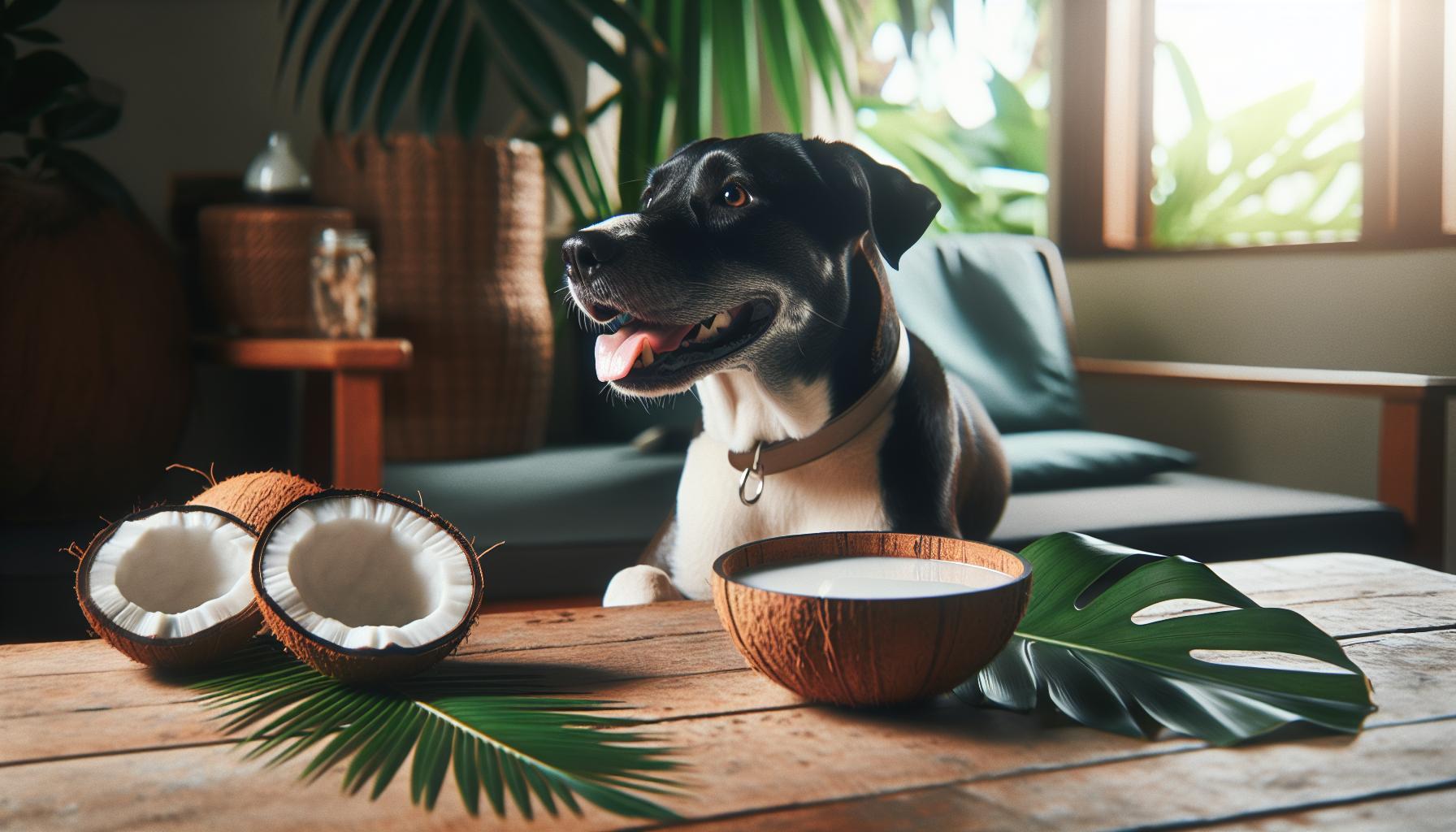
Potassium and Other Essential Nutrients in Coconut Water
Coconut water is not just a refreshing drink for humans; it offers a spectrum of health benefits for dogs, especially thanks to its rich potassium content. Potassium plays a vital role in various physiological functions, including the regulation of fluid balance, muscle contractions, and nerve signaling. This means that small amounts of coconut water can be an excellent way to support your dog’s hydration and recovery, particularly after exercise or during hot weather.
In addition to potassium, coconut water is packed with other essential nutrients that contribute to overall canine health. It contains magnesium, which aids in muscle function and supports energy production, and calcium, vital for maintaining strong bones and teeth. Coconut water also boasts vitamin C, known for its antioxidant properties, which can help bolster your dog’s immune system. For an active pup, especially breeds like Border Collies or Retrievers, the combination of these nutrients can be invaluable, providing a natural way to replenish lost electrolytes.
When considering adding coconut water to your dog’s diet, it’s essential to choose options that are free from additives and sweeteners. Opting for pure, natural coconut water maximizes its health benefits. Start by introducing small amounts to ensure it suits your dog’s taste and dietary needs. This careful approach will help you determine how your specific dog responds, as energetic breeds may appreciate a more significant boost from the nutritional content, while less active dogs might need just a splash.
Incorporating coconut water can be an exciting enrichment for your dog’s hydration routine. Think of it as a special treat that complements their regular fresh water intake, rather than a substitute. Always monitor your dog’s reaction, making sure they are enjoying the benefits without any adverse effects. By educating yourself on these nutrients and listening to your dog’s needs, you can confidently enhance their diet with this tropical beverage!
Hydration Needs: When to Offer Coconut Water
When you think of hydration for your furry friend, regular water undoubtedly comes to mind first. However, there are times when introducing a special drink like coconut water can make a significant difference, particularly for active dogs. Coconut water is more than just a tasty treat; it’s an excellent source of natural electrolytes that can help replenish lost fluids and nutrients, especially after vigorous exercise or during hot weather.
Timing is essential when it comes to offering coconut water to your dog. Consider these optimal situations for incorporating this tropical beverage into their routine:
- Post-Exercise Recovery: Dogs that enjoy outdoor play or regular exercise, such as agility training or long runs, can benefit from coconut water right after their activities. The potassium and magnesium content can aid in muscle function and recovery.
- Hot Weather Hydration: On sweltering summer days, your dog’s hydration needs can increase significantly. Offer coconut water as an additional source of fluids during outings or after walks to keep them cool and refreshed.
- Illness Recovery: If your dog is under the weather or experiencing digestive issues, a little coconut water can help hydrate them while providing essential nutrients without overwhelming their system.
- Special Treats: You can offer coconut water during special occasions or as a reward for good behavior. This not only keeps your pup hydrated but also adds excitement to their regular routine.
Introducing coconut water can be especially beneficial for breeds known for higher activity levels, such as Border Collies, Labrador Retrievers, or German Shepherds, where electrolyte replenishment is more crucial. Conversely, for more sedate breeds, it may be offered less frequently and in smaller amounts, ensuring it complements their regular water intake without becoming a primary source of hydration.
By being mindful of when you introduce coconut water into your dog’s diet, you can enhance their hydration strategy effectively. Remember always to monitor your dog’s response and adjust based on their activity levels and health needs. Keeping those tails wagging is all about balance, and a splash of coconut water can certainly add a delightful twist to your dog’s hydration game!
Potential Risks of Feeding Coconut Water to Dogs
Feeding your dog coconut water can be a refreshing addition to their diet, but it’s essential to be aware of the potential risks involved. While it contains beneficial nutrients, including potassium and other electrolytes, moderation is key. Overconsumption can lead to excess calorie intake and an imbalance in their diet, particularly if coconut water starts replacing their regular water needs.
One critical risk to keep in mind is the high potassium content found in coconut water. While potassium is important for muscle function and overall health, excessive amounts may lead to hyperkalemia, a condition characterized by elevated potassium levels in the blood. This can be particularly concerning for dogs with underlying health conditions, like kidney disease, that affect their ability to process potassium. Always consult your veterinarian if your dog has any health issues before introducing coconut water into their diet.
In some cases, dogs may also experience gastrointestinal upset from unfamiliar foods. Symptoms such as diarrhea, vomiting, or changes in appetite should be monitored after your dog consumes coconut water. Start with a small amount and observe how they respond. For breeds known for sensitive stomachs or those with a history of digestive issues-like Bulldogs or Boxers-it’s wise to approach coconut water cautiously.
Lastly, ensure that the coconut water offered is pure and free from additives, sugars, or artificial ingredients that can further complicate your dog’s nutrition. When introducing any new treat or beverage, always prioritize quality and safety to promote your dog’s health and well-being.
How to Introduce Coconut Water to Your Dog’s Diet
Introducing coconut water to your dog’s diet can be an exciting venture, particularly on warm days when your furry friend might be in need of a hydrating boost. Coconut water contains electrolytes and essential nutrients that can be beneficial for your dog, but the key to a successful introduction is to do it gradually and mindfully. Starting with small portions allows you to monitor your dog’s reaction and ensures that the introduction is met with enthusiasm rather than gastrointestinal distress.
Begin by offering a teaspoon of coconut water to your dog and observing how they react over the next 24 hours. If there are no adverse effects-like vomiting, diarrhea, or noticeable changes in behavior-you can gradually increase the amount. A general rule of thumb is to offer coconut water in moderation, perhaps one or two tablespoons for medium-sized dogs, depending on their size and health status. For smaller breeds, a teaspoon may suffice, while larger dogs could handle a couple of tablespoons without issue.
Consider Your Dog’s Unique Needs
It’s also essential to take into account your dog’s breed and overall health. Breeds like Bulldogs or Boxers, known for their sensitive stomachs, may need a more cautious approach. Keeping a journal of your dog’s reactions can be a great way to track their tolerance. If your dog has specific health conditions, particularly those affecting kidney function, consult your veterinarian before introducing coconut water, as it’s high in potassium-which, in excess, can be detrimental.
Offering coconut water as a treat rather than a regular substitution for water is wise. It should complement a balanced diet, so always prioritize fresh, plain coconut water without additives or sugars. Want to make it even more enticing? Consider freezing it in ice cube trays for a refreshing treat during outdoor play or as an alternative to traditional chew toys. This not only helps with hydration but also provides a cooling snack on hot days. By approaching the introduction of coconut water thoughtfully, you can enrich your dog’s diet while ensuring their happiness and health.
Coconut Water Versus Other Hydration Sources
Coconut water is often touted as a natural powerhouse of hydration, not just for humans but also for our beloved canine companions. As dog owners, we strive to keep our pets properly hydrated, especially during hot summer days or after intense play sessions. While plain water remains the foundation of hydration for dogs, coconut water can serve as a delightful supplement, particularly due to its unique nutritional profile. But how does it compare to other hydration sources?
When looking at coconut water versus traditional water, the primary difference lies in its added electrolytes, including potassium, magnesium, and sodium, which can be particularly beneficial for dogs that have lost fluids through exercise or heat. Dogs that are active or participate in agility or fetch games may appreciate the extra boost of hydration that coconut water provides. However, it’s crucial to remember that coconut water should not replace their regular drinking water; it should be offered as an occasional treat.
Another option for hydration is dog-friendly broth. Low-sodium chicken or beef broth can be a flavorful alternative, enticing even the pickiest of drinkers. This can be particularly useful for sick dogs or those recovering from surgery. Much like coconut water, broth can offer nutrition, but it’s important to select varieties without onions or garlic, which can be toxic to dogs.
For those seeking homemade options, consider blending water with pureed fruits such as watermelon or blueberries, which not only hydrate but also add nutrients. Here’s a quick comparison to help determine the best hydration source for your furry friend:
| Hydration Source | Electrolytes | Flavor | Potential Health Benefits |
|---|---|---|---|
| Coconut Water | High in potassium and magnesium | Sweet and nutty | Excellent hydration, especially post-activity |
| Plain Water | None | Neutral | Essential for maintaining hydration |
| Dog-Friendly Broth | Varies (check sodium content) | Savory | Great for enticing sick dogs to drink |
| Fruit Water Blend | Depends on fruits used | Flavored by fruits | Provides vitamins, hydration, and is a tasty treat |
By integrating coconut water into your dog’s diet as a supplement rather than a primary hydration source, you offer them a tasty treat that can aid in replenishment. Just like any dietary change, moderation is key. Always monitor how your dog responds to coconut water and consult your veterinarian if you have concerns about their hydration needs or dietary restrictions. Your furry friend will surely appreciate the variety and hydration boost, making playtime not just fun but refreshingly delicious!
Breed-Specific Considerations for Coconut Water Intake
When considering coconut water for your canine companion, it’s essential to recognize that different dog breeds may have unique needs and tolerances. Just as large breeds like Great Danes have different water intake requirements than smaller breeds like Chihuahuas, their reactions to coconut water can vary. Understanding these breed-specific considerations can help ensure that your pet enjoys this delicious drink safely.
Factors to Consider by Breed Size
- Small Breeds: Tiny dogs often have faster metabolisms and might be more sensitive to dietary changes, including the introduction of coconut water. Because of their smaller size, it’s wise to start with just a teaspoon or two, monitoring for any adverse reactions. Small breeds usually have lower hydration needs, so coconut water should remain an occasional treat rather than a regular drink.
- Medium Breeds: For medium-sized dogs like Beagles or Cocker Spaniels, you can generally offer up to a couple of ounces of coconut water. These breeds can benefit from the electrolytes, especially after exercise, as they may have a more active lifestyle compared to smaller dogs. However, be cautious of how it affects their digestion since some dogs can be prone to stomach upset.
- Large Breeds: Larger dogs like Labradors or German Shepherds typically have higher hydration needs, particularly in warmer weather or after vigorous activity. They may tolerate larger amounts of coconut water, up to four ounces, better than smaller breeds. Observing their body condition and hydration levels can help determine if coconut water is a beneficial addition to their routine.
Monitoring Dog Responses
Every dog is unique, and while one might enjoy coconut water without issue, another may experience digestive discomfort. Watch for signs like diarrhea, vomiting, or lethargy after introducing this treat. If any of these symptoms occur, consult your veterinarian to determine the best course of action.
Practical Tips
- Introduce coconut water gradually, starting with small quantities to gauge tolerance.
- Be mindful of the overall calorie content if your dog is on a diet, as coconut water does contain natural sugars.
- Always opt for pure, unsweetened coconut water without additives, as many flavored varieties may include ingredients that are harmful to dogs.
By tailoring the introduction of coconut water to your dog’s breed and individual health needs, you can provide a tasty, hydrating treat that complements their diet. Remember, hydration is key for happy, healthy pups, and occasional coconut water can be a delightful way to enhance their drinking routine!
Signs of Dehydration in Dogs: A Quick Guide
Recognizing the signs of dehydration in your dog is crucial for their health and well-being. Just like humans, dogs can become dehydrated, especially in hot weather or after vigorous play. Keeping an eye on your pet’s hydration levels can prevent serious health issues down the line. Here are some key signs to look for:
Common Signs of Dehydration
- Dry Nose and Gums: A dry, sticky nose is often a red flag. Check your dog’s gums, which should be moist and pink. If they appear pale, dry, or tacky, it’s time to act.
- Excessive Thirst: If your dog is constantly looking for water or drinking excessively, it might indicate they haven’t been adequately hydrated.
- Sunken Eyes: Keep an eye out for your dog’s eyes. If they seem sunken or dull, this could be a sign of dehydration.
- Lethargy: If your usual playful pup is suddenly sluggish and uninterested in activities, dehydration could be the culprit.
- Loss of Skin Elasticity: Gently pinch the skin on the back of their neck. If it doesn’t snap back quickly, your dog might be dehydrated.
For different breeds, the signs may become apparent sooner or later. Smaller breeds might show symptoms such as excessive panting or restlessness early on due to their quicker metabolisms, while larger breeds might mask symptoms longer. If you suspect your dog is dehydrated, especially after a hot day or a vigorous workout, consider offering coconut water as a hydrating treat. It contains natural electrolytes that can help replenish lost fluids, but always ensure it’s offered in moderation to avoid any digestive discomfort.
Remember, swift action is key. If your dog shows severe signs of dehydration, such as vomiting, diarrhea, or extreme lethargy, consult your veterinarian immediately. Keeping your furry friend hydrated is essential for their energy levels and overall health, so be attentive and proactive!
Expert Tips: Moderation and Serving Size for Dogs
Coconut water can be a delightful and refreshing treat for your dog, especially on hot days, but moderation is key to ensuring their health and well-being. Just like humans, dogs have unique dietary needs, and while coconut water offers beneficial electrolytes, introducing it into their diet requires a thoughtful approach. Begin by understanding your dog’s size and weight when determining the appropriate serving size. A small dog might only need a couple of ounces, while a larger breed could comfortably enjoy four ounces or slightly more. Always start with a conservative amount to gauge how your dog’s system reacts.
It’s also important to consider how frequently you offer coconut water. Incorporating it into your dog’s routine as an occasional treat rather than a daily drink helps prevent any potential digestive upset. Dogs can be sensitive to new foods, and introducing coconut water too quickly might lead to gastrointestinal issues like upset stomach or diarrhea. Monitor your dog’s response closely and, if they tolerate it well, you can gradually increase the amount but keep it to a few ounces at a time.
To simplify this process, a good rule of thumb is to limit coconut water to no more than 10% of your dog’s daily caloric intake. If you’re uncertain about the exact limit, consult with your veterinarian, who can provide tailored advice based on your dog’s individual health and dietary needs. This preventive measure helps ensure that your dog enjoys the hydrating benefits without overdoing it. After all, keeping our furry friends healthy and happy means being mindful of what they consume, even when it comes to tasty, hydrating options like coconut water.
Lastly, always opt for pure, natural coconut water without any added sugars or preservatives, as these can be harmful to your dog’s health. Keeping it simple not only benefits the dog’s digestion but also helps to ensure they’re getting the cleanest form of hydration. Enjoy these moments with your canine companion and get ready to watch them perk up with this refreshing treat!
Storing Coconut Water: Best Practices for Freshness
When it comes to giving your dog coconut water, ensuring its freshness is crucial for both safety and flavor. Just like any natural product, coconut water can spoil quickly if not stored properly. A common misconception is that sealed packages of coconut water can last indefinitely; however, once opened, it should be treated with care similar to other perishable liquids. The moment you crack open a carton, the timer starts ticking on its freshness, and your pup’s health deserves only the best!
To maintain the integrity of coconut water, it should be stored in the refrigerator once opened and consumed within 24 to 48 hours. Always look for the “use by” date on commercial packaging, and if your coconut water was purchased fresh from a market or beach vendor, register the date you opened it, as typical shelf life can vary depending on handling and processing. If you’ve made homemade coconut water, it’s even more crucial to use it quickly-ideally within a day or two-to avoid the risk of bacterial growth.
Best Storage Practices
Here are some tips to ensure your coconut water stays fresh and safe for your furry friend:
- Seal it Tight: Always ensure that opened coconut water is stored in an airtight container. This minimizes exposure to air and contaminants.
- Keep it Cool: Refrigerate immediately after opening. The cooler the environment, the longer it will stay fresh.
- Check for Signs of Spoilage: Before serving, give it a sniff and inspect the liquid. If it has an off smell, discoloration, or curdled appearance, it’s best to toss it.
- Freeze for Later: If you find yourself with more coconut water than you can use, consider freezing it in ice cube trays. This way, you can easily offer small amounts as a refreshing treat on hot days!
By following these simple storage tips, you can ensure your dog enjoys the delightful taste and benefits of fresh coconut water without risking their health. Your pup deserves only the best, and with these practices in place, you’ll be ready to serve up a safe and delicious hydration option anytime!
Homemade Coconut Water Recipes for Dogs
Making homemade coconut water for your dog is a delightful way to offer them a refreshing and nutritious treat, packed with vital electrolytes that can aid their hydration-especially after a long play session or a hot day. The process is simple and allows you to control the ingredients, ensuring your furry friend gets the purest form of hydration without any additives or preservatives.
Start with raw coconuts from a health store or farmer’s market, where you can find fresh coconuts still encased in their green exterior. To extract the coconut water, use a sharp knife to cut off the top, creating an opening. Pour the water into a clean bowl or container. If your dog enjoys the taste of coconut meat, you can scoop some out as an added bonus while avoiding any additives from processed products.
For an extra hydrating boost, consider blending coconut water with dog-friendly fruits like watermelon or blueberries. Simply take some coconut water and mix it in a blender with these fruits. This not only enhances flavor but also adds additional nutrients. Serve it chilled or freeze it into ice cubes for a refreshing summer treat. Always introduce new recipes gradually to ensure your dog doesn’t have any adverse reactions.
Here’s a quick recipe to get you started:
Coconut Water and Blueberry Hydration Treat
- Ingredients:
- 1 cup of fresh coconut water
- 1/2 cup of fresh blueberries (make sure they are washed and free of stems)
- Instructions:
- Blend the coconut water and blueberries together until smooth.
- Pour the mixture into ice cube trays and freeze.
- Once frozen, pop out a cube and offer it as a special treat on warm days.
Always remember to check with your veterinarian before introducing new foods into your dog’s diet, especially if they have any pre-existing health conditions. Homemade coconut water offers not just hydration but also a unique bonding experience as you share a naturally sourced treat that’s both tasty and beneficial!
FAQ
Q: Can diabetic dogs drink coconut water?
A: Diabetic dogs should avoid coconut water as it contains natural sugars that can affect blood sugar levels. Always consult with your veterinarian before adding any new food or drink to your dog’s diet, especially for dogs with health conditions.
Q: How much coconut water can I give my dog?
A: You can offer your dog a few ounces of coconut water daily. Start with a small amount to see how your dog reacts, then gradually increase it, ensuring it remains a treat rather than a staple in their diet.
Q: Is coconut water good for puppies?
A: While coconut water is safe for puppies in moderation, it’s crucial to speak with your vet first. Puppies have different nutritional needs, and introducing new foods should be done cautiously.
Q: Should I choose flavored coconut water for my dog?
A: No, flavored coconut water often contains additives and sugars that can be harmful to dogs. Always opt for plain, natural coconut water without any additives to ensure safety.
Q: Can coconut water help with dog dehydration?
A: Yes, coconut water can aid in hydrating dogs after exercise due to its electrolyte content. However, it shouldn’t replace water. Ensure your dog has access to fresh water at all times.
Q: What are the alternatives to coconut water for dogs?
A: Alternatives to coconut water include plain water, homemade bone broth, or low-sodium vegetable broth. These options can provide hydration and, in some cases, additional nutrients without added sugars.
Q: Can all dog breeds consume coconut water?
A: Most dog breeds can consume coconut water safely in moderation. However, always consider your individual dog’s health status and any breed-specific dietary needs. Consult your vet for tailored advice.
Q: How can I tell if my dog is dehydrated?
A: Signs of dehydration in dogs include dry gums, lethargy, sunken eyes, and reduced skin elasticity. If you notice these signs, consult your veterinarian immediately for proper guidance and care.
Concluding Remarks
As we’ve explored, coconut water can offer your dog a potassium boost and hydrating benefits, but always begin with moderation and monitor their reaction. If you’re curious about broader canine nutrition, don’t miss our articles on “Best Hydration Options for Dogs” and “Natural Supplements for Dog Health.”
Ready to keep your furry friend healthy? Consider joining our newsletter for expert tips directly to your inbox! We’d love to hear your thoughts or experiences with coconut water-drop a comment below to share! Engaging with us not only helps other pet owners but builds our community of dog lovers. Remember, informed choices lead to happier, healthier pets, so let’s keep exploring the world of dog care together!