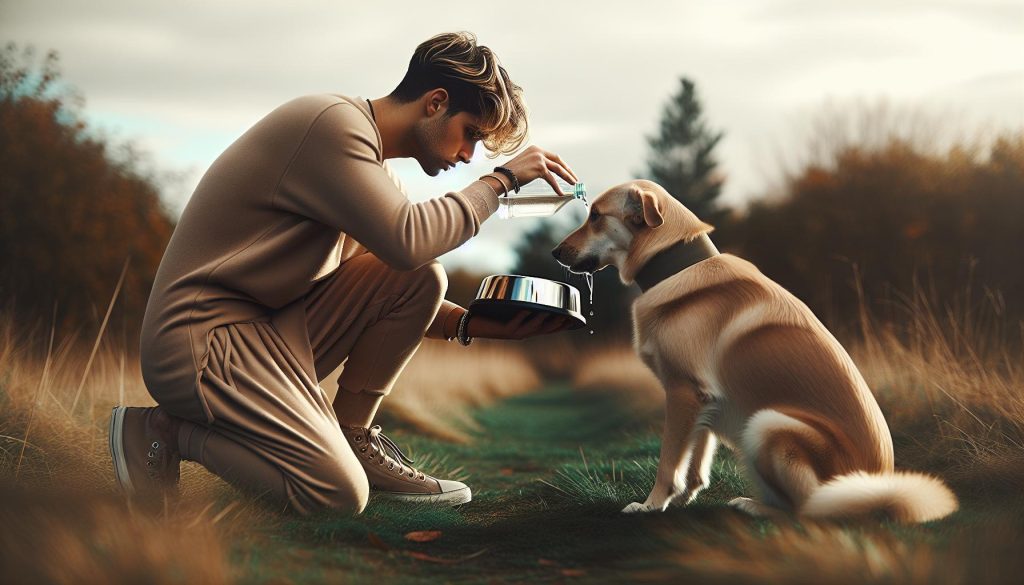
Did you know that proper hydration is crucial for your dog’s health, with even mild dehydration impacting their well-being? If you’ve ever found yourself in the stressful situation of trying to get your dog to drink water, you’re not alone. This concern is common, especially among new pet owners or during hot weather or illness. Understanding the importance of keeping your furry friend hydrated can help you recognize the signs of dehydration and the potential consequences it may have. Fortunately, there are practical, emergency solutions that work! In this article, we will explore effective strategies to encourage your dog to drink water, discuss tips tailored to different breeds, and offer insights to ensure their hydration needs are met. Let’s dive in and empower you with the knowledge to keep your beloved pet happy and healthy.
Understanding Why Your Dog Won’t Drink Water
Understanding your dog’s hesitance to drink water is crucial for their health and well-being. Many pet owners find it perplexing when their usually thirsty pup suddenly turns down hydration, but there can be a variety of reasons behind this behavior. One common factor is dental discomfort; if your dog has unresolved dental issues, such as cracked teeth or gum disease, they may associate drinking with pain, leading them to avoid it altogether. Additionally, some dogs can be quite picky about the cleanliness and temperature of their water. A bowl that’s been sitting out too long may not entice them, or they may prefer fresh, cool water over what they usually receive. Understanding these nuances can make a significant difference in encouraging them to drink.
Another aspect to consider is stress or environmental changes. Dogs can be sensitive to shifts in their routine or surroundings, such as moving to a new home, the arrival of a new pet, or even changes in human schedules. This stress can result in a decrease in their water intake. Additionally, some dog breeds are naturally more prone to being less hydrated, especially brachycephalic breeds like Bulldogs or Pugs, who may experience respiratory issues that complicate their drinking habits. Being aware of these breed-specific tendencies can help tailor your approach to hydration for your pet.
It’s also important to rule out any underlying health issues that might be affecting your dog’s desire to drink. Conditions such as kidney disease, diabetes, or even certain medications can significantly impact a dog’s thirst. Regular veterinary check-ups and being observant of changes in your dog’s behavior can help safeguard against serious health repercussions. When you understand the “why” behind your dog’s reluctance to drink, you can take proactive steps to ensure they remain healthy and hydrated.
Signs of Dehydration in Dogs to Watch For
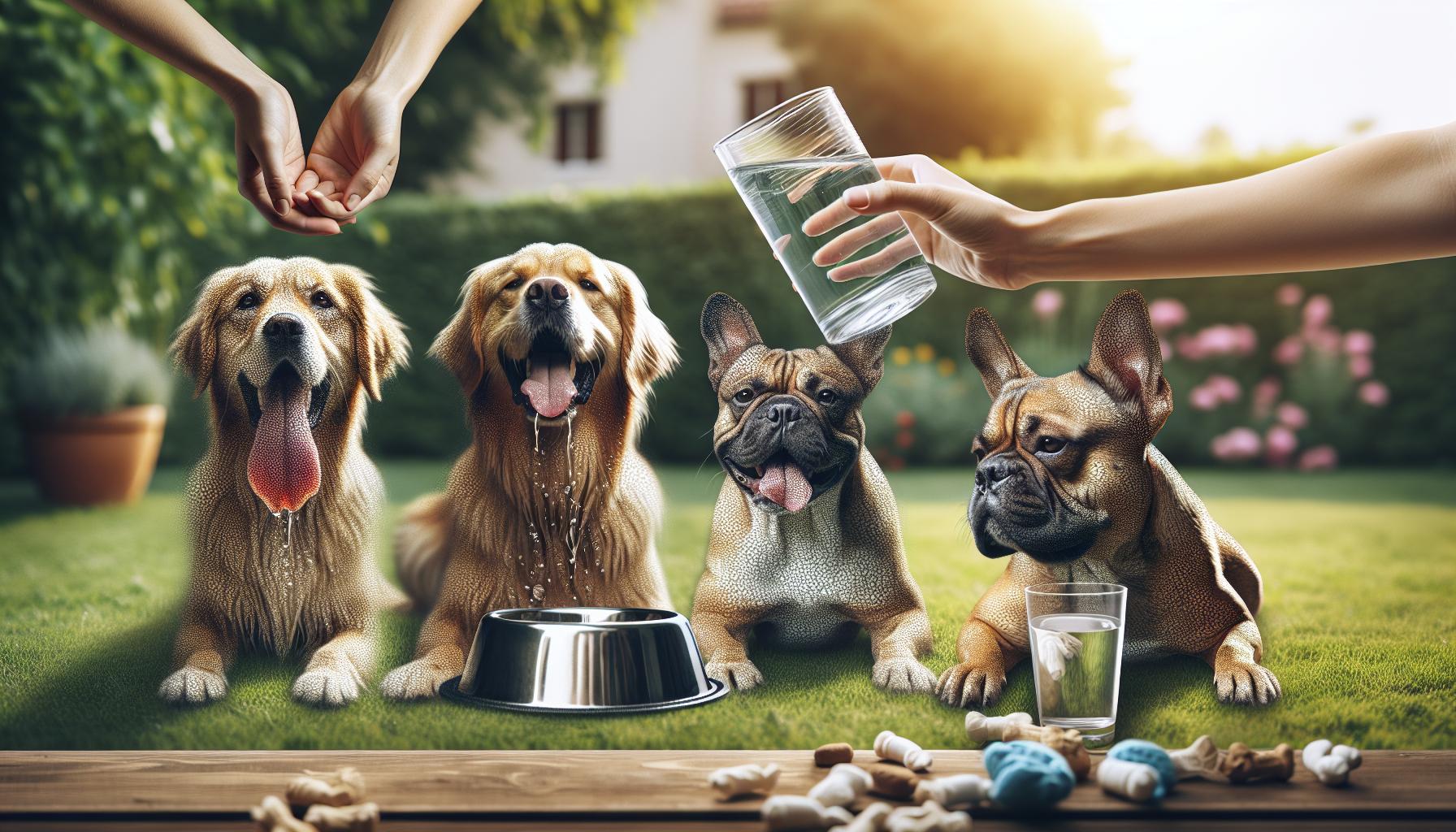
Recognizing the signs of dehydration in your dog is vital, as it can escalate quickly from mild discomfort to severe health issues. A common yet sometimes overlooked sign is loss of skin elasticity; perform a simple test by gently pinching the skin on the back of your dog’s neck. If it doesn’t return to its original position quickly, your dog may be dehydrated.
Another indicator to watch for is the condition of their gums. Healthy gums should be moist and pink. If they appear dry, sticky, or pale, that’s a red flag. Additionally, pay attention to your dog’s urination habits. A decrease in urine output or darker-colored urine can indicate dehydration as well. If your dog shows any of these signs, it’s important to act quickly.
- Behavioral Changes: Lethargy, restlessness, or unusually low energy can suggest dehydration. A thirsty dog may seem less active or more prone to taking breaks during play.
- Dry Nose and Mouth: While a dog’s nose can vary in moisture, a consistently dry or cracked nose may signal dehydration.
- Panting or Rapid Breathing: While panting can occur from exertion or heat, excessive panting without recent activity can also indicate your dog’s body is struggling to maintain hydration.
Take Action
If you notice any of these signs, it’s essential to rehydrate your dog as soon as possible. Use fresh, cool water, or consider offering hydration solutions like electrolyte-infused water specifically designed for dogs. If your dog refuses to drink and shows severe signs of dehydration-such as persistent vomiting, diarrhea, or significant changes in behavior-consult your veterinarian immediately. Quick recognition and action can make all the difference in ensuring your furry friend stays healthy and hydrated!
Immediate Solutions: How to Encourage Water Intake

If your dog is refusing to drink water, it can be alarming, especially since hydration is essential for their health and well-being. To encourage your furry friend to start drinking again, try using a few simple but effective strategies. Sometimes, dogs may be more inclined to drink when water is presented in a more enticing manner, or if they associate drinking with positive experiences.
Start by enhancing the water experience. You can try using a pet water fountain, which many dogs find intriguing due to the moving water. The sound and sight of water flowing can encourage them to drink more. Additionally, make sure the water bowl is clean and accessible-dogs can be picky about their drinking environment. If your dog is reluctant to use their regular bowl, consider offering water in a different container, such as a travel bowl or a fun, colorful dish.
One effective method to entice your dog is to add flavorful broth or low-sodium chicken stock to the water. This not only increases the palatability but also adds nutritional benefits. Alternatively, consider adding ice cubes to their bowl; many dogs enjoy playing with ice, which can lead them to lick and drink as they interact with it. For even more appeal, serve ice cubes made from diluted broth or pureed fruits like watermelon, ensuring that these are dog-friendly.
Another approach includes engaging them in play that encourages drinking, especially after exercise. After a vigorous walk or romp in the yard, provide fresh water immediately. You may also take a pause during playtime and offer water-frame it as a rewarding break. If your dog seems tired, a communal water break can promote bonding and signal them that it’s time to hydrate.
Lastly, keep a close eye on their hydration status, especially if they show reluctance to drink. Always consult a veterinarian if your dog shows prolonged refusal to hydrate, as they may require professional advice or treatment to address potential health issues. With patience and creativity, you can make drinking water a more enjoyable and routine part of your dog’s life.
Hydration Alternatives: Water Sources for Picky Dogs
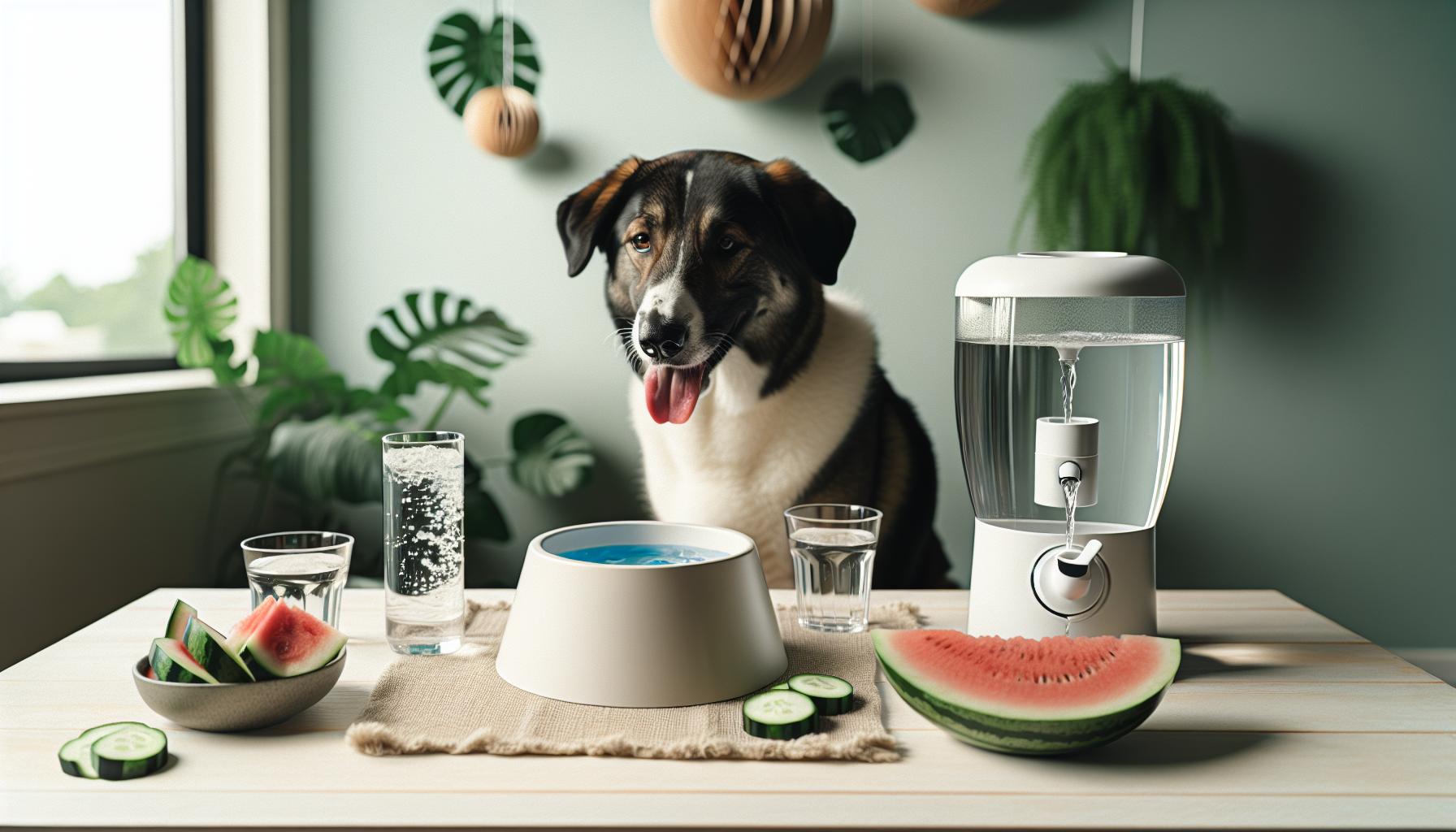
There’s nothing quite like the concern that arises when our dogs turn up their noses at their water bowls. For picky drinkers, traditional sources may not inspire enthusiasm, but there are plenty of creative and tasty alternatives that can keep them hydrated and happy. Dogs, just like us, can have their preferences, so it’s crucial to explore different avenues that might entice them to sip more frequently.
One effective strategy is to experiment with various water vessels. Some dogs prefer shallow dishes to deep bowls, or they might be more inclined to drink from a pet fountain that offers the allure of flowing water. This movement can stimulate their natural curiosity and encourage them to drink more. Additionally, immersing them in an adventurous experience-like a dog-friendly hiking trip-where they can encounter fresh streams or ponds can also promote hydration without the standard bowl.
Feel free to explore flavors! Mixing a small amount of low-sodium broth, such as chicken or beef, with their water can transform the mundane into something delicious. This not only makes the water more appealing but adds nutritional benefits as well. For those particularly finicky pups, consider the addition of fruits like watermelon or blueberries-when pureed and mixed with water-providing a refreshing drink that’s nutritious and palatable. Remember, always double-check that any flavor additions are safe and suitable for dogs!
Lastly, keeping their drinking options accessible and varied can make a significant difference. Use portable water bowls during outings or walks, and consider keeping multiple bowls filled in different rooms at home. Encourage drinking during playtime; just like a child can forget to drink while playing, so can your canine companion. Offering water at breaks can build a routine where hydration becomes an enjoyable part of their day rather than a chore.
The key to keeping your furry friend hydrated lies in consistency and creativity, ensuring they find joy in every sip!
Homemade Broths and Puppucinos: Adding Flavor
When it comes to getting your canine companion to drink more water, adding flavor can be a game-changer. Not only does a tasty addition make hydration more appealing, but it can also elevate your dog’s dining experience from mundane to delightful. One of the most popular options is homemade broth. Simple to prepare and nutritious, a little low-sodium chicken or beef broth can entice even the pickiest drinkers. Just make sure it doesn’t contain onions or garlic, which are harmful to dogs. Pour a bit of broth into their water bowl or serve it as a refreshing treat, and watch as they lap it up with enthusiasm!
Another delightful option that dogs adore is the infamous “puppuccino,” which is a dog-friendly version of the popular espresso treat served without coffee! This treat generally comprises whipped cream or low-fat yogurt and can be a fun way to motivate your pup to stay hydrated. Just a dollop on top of their water bowl, or served as a treat during training sessions, can give them the incentive they need to drink more. Small biscuits or treats can also be dipped lightly into the liquid for those who enjoy nibbling while slurping.
If you’re feeling adventurous, consider introducing additional flavors to their water using pureed fruits. Watermelon, blueberries, or even a few sprigs of mint can be pureed and mixed with their water or broth, providing a refreshing twist that’s packed with vitamins. Not only does this add flavor, but the natural sweetness can make it much more enticing for your pet. Always remember to slice fruits safely and check for any dog-safe guidelines to avoid those that aren’t recommended.
To explore further creativity, you might even consider freezing these flavored mixtures in ice cube trays for a fun hydration treat on warm days. Dogs typically love the crunch and chill, and it adds an interactive element to their drinking experience. By mixing tasty options and presenting them thoughtfully, you’re not just quenching their thirst; you’re also promoting a healthy, excited attitude towards their hydration!
Portable Water Bowls: Keeping Water Accessible
Keeping your dog hydrated is essential, especially when you’re on the go. Did you know that even a short outing without access to water can put your dog at risk for dehydration? Portable water bowls are a simple yet effective solution to ensure your furry friend has access to water wherever you roam. Whether it’s a trip to the park, a hike in the woods, or just a stroll around the neighborhood, having a water source at hand can make a world of difference.
When shopping for a portable water bowl, look for one that is lightweight, collapsible, and easy to carry. Options like silicone bowls are not only convenient but also easy to clean. Some bowls even come with built-in water bottles, which can be a handy all-in-one solution. There are also innovative designs like foldable travel bowls or bottles with attached drinking trays, making it a breeze to quench your dog’s thirst without creating a mess.
It’s also essential to keep water fresh and appealing for your dog during outings. If you’re going to be outdoors for extended periods, try freezing a small amount of water in the bowl beforehand. This way, it’ll melt gradually, keeping the water cool and refreshing. Additionally, bring along a few of those enticing flavors you might have introduced at home, like low-sodium broth or pureed fruits. You can carry some in a small, sealed container and mix them into your portable bowl when you stop-this transition can motivate a reluctant drinker during your adventures.
Don’t hesitate to establish a routine during your outings, offering water at specific intervals or whenever you take breaks. Most dogs appreciate the chance to hydrate after playtime or exercise, so use these moments to encourage drinking. It’s all about making hydration a fun and regular part of your outings while ensuring your canine companion stays healthy and happy!
When to Consult a Veterinarian
If you’ve ever watched your beloved pup refuse water, you know it can be a nerve-wracking experience. Hydration is crucial for your dog’s health, and even a short period of inadequate water intake can lead to serious health issues. If your dog is especially resistant to drinking or shows signs of distress, it’s essential to recognize when to seek professional help. Understanding the right moments to contact your veterinarian can make all the difference in safeguarding your furry friend’s health.
One of the first signs that it might be time to consult a veterinarian is if your dog shows noticeable symptoms of dehydration, such as excessive panting, lethargy, dry gums, or loss of skin elasticity. A quick home test involves gently pinching the skin at the back of your dog’s neck; if it doesn’t return to its normal position swiftly, this could indicate dehydration. If you observe these symptoms along with your dog’s refusal to drink, don’t hesitate to reach out to your vet.
Another situation to consider is if you notice changes in your dog’s behavior or appetite. For instance, if your usually active dog is becoming unusually withdrawn or is refusing food along with water, this can signal an underlying health issue that requires immediate attention. Furthermore, if your dog has a medical condition-such as diabetes or kidney disease-regular hydration is even more critical. In such cases, a quick veterinary consultation can help assess the situation and provide tailored advice for managing your dog’s health needs.
If your attempts to encourage drinking water-such as providing flavorful broths or engaging in fun water-related activities-have not been successful after a day or two, seeking veterinary support is a wise decision. Your vet may recommend specific hydration treatments or conduct tests to identify any underlying conditions. Always trust your instincts as a pet owner; if something feels off, it’s always better to be safe and get professional guidance.
Remember, keeping an open line of communication with your veterinarian isn’t just about addressing emergencies. Regular check-ins can help develop a tailored hydration plan for your beloved companion, ensuring they stay happy, healthy, and hydrated!
Understanding Breed-Specific Drinking Habits
Many dog owners may not realize that their furry friends can have distinct drinking preferences depending on their breed. Just like people, each breed can have unique habits and tendencies that can affect their hydration. Understanding these specific drinking behaviors is essential for ensuring that your pup stays properly hydrated, particularly if you’re facing challenges in getting them to drink water.
For example, high-energy breeds like Border Collies and Labrador Retrievers often require more water due to their increased activity levels. These dogs can become easily dehydrated during play, especially in hot weather. It’s a good idea to keep fresh water readily available and encourage regular breaks for hydration during playtime. On the other hand, toy breeds such as Chihuahuas and Yorkshire Terriers may have lower water intake needs but can be more prone to dehydration, especially if they’re picky about their drinking options. Offering their water in a fun or special bowl can sometimes entice them to drink more.
In addition to breed tendencies, the size of your dog can also influence their drinking habits. Larger breeds generally have bigger water needs, so maintaining a clean, replenished water supply is crucial. In contrast, smaller dogs may not drink as much but can still suffer from dehydration. It’s essential to monitor their water intake and consult with your veterinarian if you notice they’re drinking less than usual.
Recognizing the different hydration needs can help you tailor your approach. Keep an eye on your dog’s behavior and preferences, and try a variety of strategies to promote regular drinking, such as using water fountains, experimenting with flavored water, or even offering ice cubes as a playful treat. By paying attention to breed-specific drinking habits, you can take proactive steps to ensure your dog remains healthy and hydrated throughout their life.
The Role of Diet in Your Dog’s Hydration
Food goes beyond just being fuel for our canine companions; it plays an integral role in their hydration as well. Did you know that approximately 60-70% of a dog’s body is made up of water? This underscores the importance of not only providing fresh water but also understanding how their diet impacts hydration levels. Certain types of food can significantly contribute to your dog’s overall fluid intake, making it crucial to select a diet that promotes optimal hydration.
When assessing your dog’s diet, one of the first considerations is the moisture content in their food. Wet dog foods, such as canned varieties, typically contain around 75-80% moisture, whereas dry kibble generally contains about 10% moisture. For dogs that resist drinking plain water, incorporating wet food into their meal plan can be a game-changer. This is particularly beneficial for picky eaters or those that might be recovering from illness, as the extra moisture can help keep them hydrated.
You can also explore incorporating hydrating fruits and vegetables as snacks or meal toppers. Options like cucumber, watermelon, and blueberries not only add variety to your dog’s diet but also increase their fluid intake. Just be sure to introduce these treats gradually and in moderation to avoid any digestive upset. Here’s a quick list of some dog-friendly hydrating foods:
- Watermelon: Great source of hydration and vitamins.
- Cucumber: Low in calories and refreshing.
- Carrots: Crunchy and hydrating, plus good for teeth!
- Broccoli: Packed with water and nutrients.
For dogs that primarily eat dry kibble, consider soaking their food in water or low-sodium broth before serving. This simple adjustment can encourage them to drink more and can help entice those who are reluctant to drink plain water. Additionally, choosing high-quality dog food that specifies “meat” as the primary ingredient can enhance overall health, reducing the chances of dehydration and providing them with the necessary protein and nutrients.
Overall, being proactive about your dog’s diet can transform their hydration habits. By understanding the moisture content of their food and incorporating hydrating treats, you provide a holistic approach that ensures good health and keeps your furry friend feeling their best. Always monitor your dog’s overall health and hydration needs, adjusting their diet accordingly, and consult your veterinarian if you notice any changes in drinking habits or behavior.
Preventing Future Water Intake Issues
Ensuring your dog remains well-hydrated is essential for their health, and is key to achieving this. One of the simplest yet most effective strategies is to establish a comprehensive hydration routine that incorporates various engaging and appealing methods for your pup. Just as humans benefit from routine, dogs thrive on knowing where and when they can find fresh water. By consistently placing water bowls in strategic locations throughout your home-such as the kitchen, living room, and near their favorite resting spots-you can make it easier for them to access water whenever they feel the need.
In addition to placing multiple water sources around, consider the type of water bowl you use. Some dogs can be particular about their bowls. A shallow, wide bowl may appeal to breeds like Bulldogs, while taller bowls might be better for larger breeds such as Great Danes. It’s also worth experimenting with non-slip mats for bowl stability or elevated feeders designed for larger breeds, as these can enhance comfort and encourage drinking. Regular cleaning of the water bowl is crucial too; dogs can be sensitive to odors and residues, so fresh, clean water is more tempting.
Another clever approach is to enrich their environment to promote drinking. Just like people, dogs may drink more when they’re engaged and active. Incorporating fun activities that naturally promote thirst-such as longer walks, playing fetch, or introducing agility training-can encourage them to sip more frequently after exercise. This not only relates their water intake to enjoyable experiences but also keeps their overall health in check.
Experimenting with water flavors can make the entire process more enticing. Adding a splash of low-sodium chicken or beef broth to their water can transform a mundane bowl into an irresistible treat. Alternatively, consider serving flavored ice cubes made from broth or hydrating fruits. Just be mindful of moderation and any allergies. All these options not only make water more appealing but help re-establish a positive association with drinking.
Finally, it’s essential to monitor your dog’s hydration levels and recognize any changes in behavior. Keeping a hydration log, especially during warm seasons or while engaging in more activity, can help you track their intake. If hydration issues persist despite these strategies, consulting your veterinarian for tailored advice specific to your dog’s breed and health condition is essential. A proactive approach ensures your pup stays hydrated, happy, and healthy!
Engaging Activities to Promote Drinking Behavior
There’s nothing quite like a warm, sunny day filled with play and exploration to get tails wagging! However, all that activity can sometimes distract our furry friends from one of the most crucial aspects of their health: staying hydrated. Engaging activities can not only make drinking water more appealing but also encourage your dog to quench their thirst. Integrating play with hydration is a smart and enjoyable strategy for both you and your pup.
One fantastic way to promote drinking is through exercise that includes rewards and breaks for hydration. Activities such as playing fetch, tug-of-war, or agility courses can heighten your dog’s thirst. For instance, after a spirited game of fetch, take a moment to lead them to their water bowl. Make this a routine-instead of just saying “water,” invite them with a cheerful tone. You might say, “Time to hydrate! Let’s take a water break!” Associating these playful moments with drinking can help build a positive connection to their water.
Additionally, exploring interactive water toys can make hydrating fun. For example, consider using a splash pool or a hose with a gentle spray on a hot day. Dogs often love to play in water, and this can stimulate curiosity and a thirst for hydration. You might find your pup drinking more just because they’ve been splashed about! Another engaging option is water-fetching games. Throw a toy into a kiddie pool or a shallow area of a lake; your dog will not only enjoy splashing around but will also take sips as they play.
Lastly, consider incorporating mental activities that can help promote fluid intake. Puzzles and food-dispensing toys can stimulate your dog’s brain while simultaneously encouraging them to take breaks for hydration. After solving their puzzle, lead them to their water bowl and watch as their perseverance leads to a well-deserved drink. Combining these fun activities with strategic hydration breaks can foster a healthy routine that keeps your dog not just active but happily hydrated.
By making the process of drinking water more playful and enjoyable, you not only meet your dog’s hydration needs but also contribute to their overall well-being. Remember, a well-hydrated dog is a happy, playful pup!
Tips for Transitioning to a Hydration-Friendly Routine
It’s nothing short of alarming when your furry friend seems disinterested in drinking water, especially given the crucial role hydration plays in their health. Transitioning to a hydration-friendly routine is essential for ensuring your dog stays refreshed and vibrant. By implementing a few simple changes and introducing a supportive atmosphere, you can make drinking water a delightful part of your dog’s day.
To begin with, establish a consistent routine around water breaks. Dogs thrive on routine, so designating specific times for water can help reinforce the habit. For example, offer water after play sessions or right before mealtime. Make it a cheerful experience by enthusiastically guiding them to their water bowl, perhaps even using a command like “Water time!” This not only creates positive associations but also establishes drinking as a part of their daily rhythm.
Consider the physical setup of the water bowl itself. Ensure it’s always clean and filled with fresh water, as dogs can be sensitive to odors and changes in taste or temperature. You might want to explore different types of bowls; some dogs prefer ceramic or stainless steel to plastic, which can retain odors. In warmer months, switch out their regular bowl for a shallow one filled with ice cubes, creating an appealing splashing opportunity that entices them to drink.
To further encourage hydration, think about the locations of your water stations. Dogs often prefer to drink in areas where they feel most comfortable. Placing multiple water bowls around your home can help your pup instinctively find hydration when they need it. For instance, placing bowls near their resting spots or play areas ensures they never have to wander far. You can even experiment with a pet water fountain, which many dogs find intriguing and fun, mimicking the flow of fresh water found in nature.
Lastly, reward and celebrate drinking breaks. After your dog takes a sip, treat them with praise or a gentle pat. This affirmation reinforces positive behavior, encouraging them to return to the bowl more frequently. Engage in playful water-fetch games or simply tail-wagging moments of joy when they hydrate. Remember, turning hydration into a delightful experience will not only ensure your dog stays well-hydrated but also strengthens your bond with them. By consistently implementing these tips, you’ll be well on your way to fostering a hydration-friendly routine that keeps your pup happy and healthy.
Q&A
Q: What should I do if my dog refuses to drink water?
A: If your dog refuses water, try offering fresh, clean water in a different bowl or location. You can also entice them with ice cubes or a small amount of low-sodium broth. Ensure that they are not feeling unwell, as this can also affect their drinking habits.
Q: How do I know if my dog is dehydrated?
A: Signs of dehydration in dogs include excessive panting, lethargy, dry gums, and loss of skin elasticity. If your dog is showing these symptoms, it’s crucial to get them to drink fluids immediately, such as with homemade broths or hydration solutions mentioned in the article.
Q: Are there any specific breeds that are more reluctant to drink water?
A: Yes, some breeds may have specific drinking habits. For instance, brachycephalic breeds (like Bulldogs) can struggle with traditional bowls. Understanding breed-specific tendencies can help in addressing drinking issues, as discussed in the article.
Q: How can I make water more appealing for my dog?
A: To make water more enticing, consider adding flavored solutions like low-sodium chicken broth or blended fruits. This can significantly increase your dog’s interest in drinking, especially for picky eaters, as detailed in the section on homemade broths.
Q: How do changes in diet affect my dog’s water intake?
A: Diet plays a significant role in hydration. Dogs eating dry kibble need more water than those on wet food. Adjusting their diet accordingly can help maintain adequate hydration levels. Insights about the role of diet are covered in your article.
Q: What are some quick tips for encouraging my dog to drink water?
A: Quick tips include using a pet water fountain, offering ice cubes, or placing water bowls in various locations. Engaging your dog in playful activities near their water source can also stimulate drinking habits.
Q: How can I prevent my dog from becoming dehydrated in hot weather?
A: To prevent dehydration in hot weather, ensure your dog has constant access to fresh water and consider providing a cooling mat. Regular breaks during outdoor activities can also help keep them well-hydrated.
Q: When should I consult a veterinarian regarding my dog’s drinking habits?
A: Consult a veterinarian if your dog refuses to drink water for more than 24 hours, shows severe signs of dehydration, or has ongoing health issues. Quick veterinary intervention is crucial in these cases to avoid more serious health problems.
Key Takeaways
If your dog is struggling to drink water, don’t wait for it to become a bigger issue. Remember, staying hydrated is crucial for their health! Implement the solutions discussed to help them sip with ease. For more insights, check out our comprehensive guides on hydration tips and tricks, or explore breed-specific care requirements. Your pup deserves to feel their best, and you’re the best advocate for their health!
Now that you’re equipped with effective strategies, why not dive deeper into caring for your furry friend? Subscribe to our newsletter for regular updates, tips, and exclusive resources tailored just for dog owners. Share your experiences in the comments; we’d love to hear what worked for you! Let’s keep the conversation going and ensure our pups never go thirsty again. Your journey in pet care has only just begun-explore our site for more invaluable information!