When it comes to water playtime, have you ever wondered whether your furry friend enjoys splashing around in cold water? Just like us, dogs have their unique preferences and tolerances when it comes to temperature. Understanding these preferences is crucial for every pet owner who wishes to keep their dog happy and safe during swim outings or bath time. From playful pups to wise old souls, each dog may react differently to colder temperatures based on breed, age, and health. In this article, we’ll delve into what scientists and veterinarians say about dogs’ comfort levels with cold water, helping you gauge whether it’s a splashy delight or an icy ordeal. So, whether you’re planning a fun day at the beach or simply wish to fill your pup’s water bowl, keep reading to discover what truly makes them wag their tails with joy!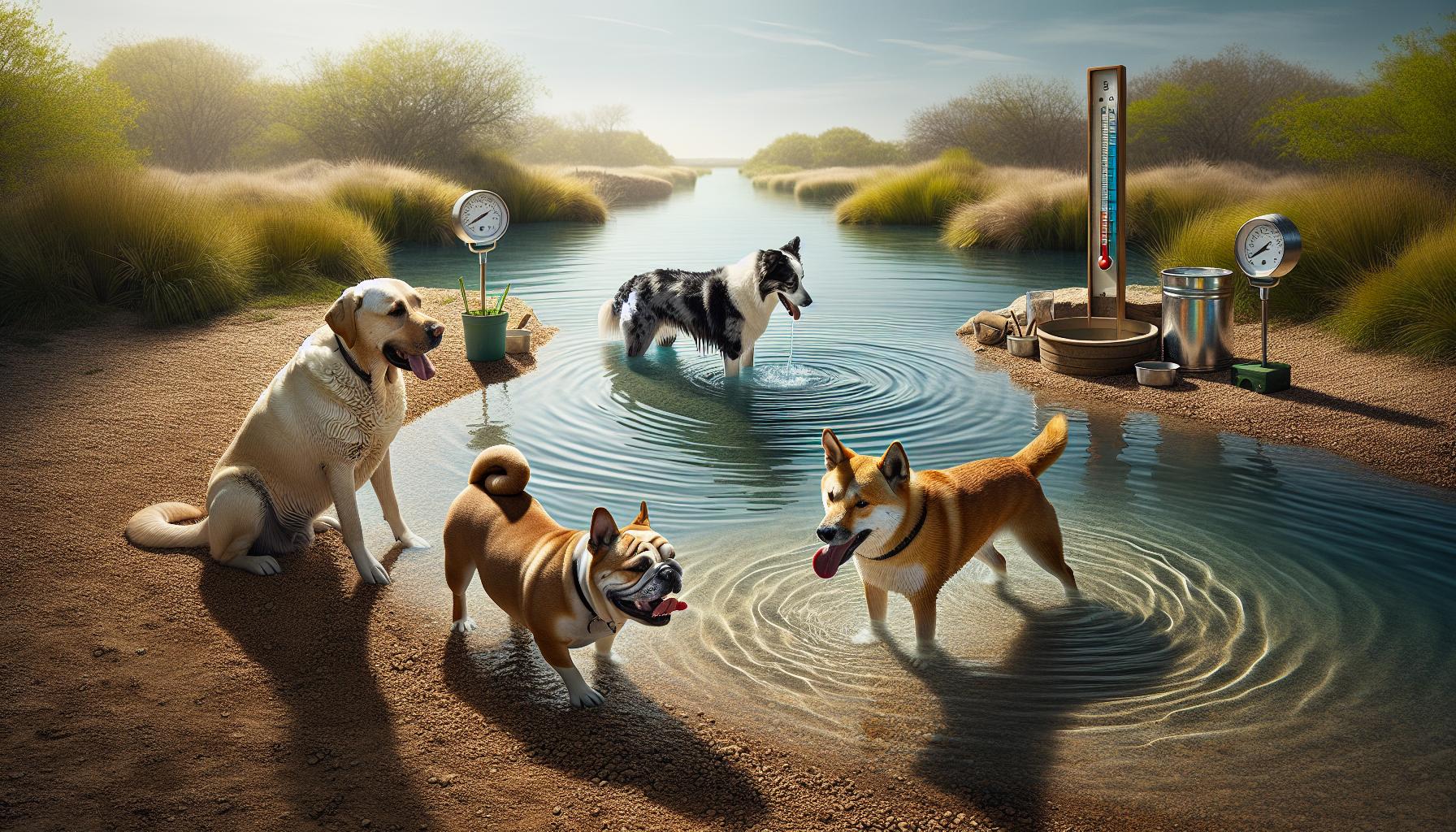
Do Dogs Prefer Cold Water or Warm Water?
Dogs, much like humans, exhibit varied preferences when it comes to water temperature, but many are surprised to learn that the majority tend to favor cooler temperatures. This preference can be traced back to their instinctual behavior; in nature, dogs would naturally seek out cool bodies of water to regulate their body heat, especially during warmer months. The sensation of cool water not only feels refreshing but also serves as a basic method for thermoregulation. However, just like people, individual dogs may have their likes and dislikes influenced by their specific experiences and environments.
When introducing your dog to different water temperatures, it’s essential to pay attention to their body language. Signs of enjoyment include eagerly jumping in, playfully splashing around, and consistently returning for more. Conversely, if a dog hesitates to enter the water, tries to avoid it, or shows signs of distress-such as whimpering or attempting to climb out-it’s clear that the temperature isn’t to their liking. Additionally, a dog’s breed, age, and overall health can significantly impact their preferences; for example, senior dogs or those with joint issues may prefer slightly warmer water for comfort, whereas active breeds like Retrievers might thrive in cooler conditions.
While experimenting with water temperatures, it’s crucial to keep several factors in mind to ensure a pleasant experience for your furry friend. During hot weather, provide access to fresh, cool water to keep them hydrated and help prevent overheating. Setting up a kiddie pool with water at a comfortable temperature can serve as a great way for dogs to cool off while ensuring their safety and enjoyment. Always introduce your dog to new water experiences gradually, that way they can build positive associations and feel secure, whether it’s a warm soak or a refreshing splash in the cool water.
Understanding Your Dog’s Temperature Sensitivity
Dogs, much like humans, respond differently to temperature, and understanding their sensitivity can greatly enhance their overall comfort and enjoyment, especially during playtime in water. Just as we might prefer different temperatures for a refreshing swim, our canine companions have their own preferences influenced by a range of factors. Knowing these can help ensure your furry friend is happy and safe while enjoying water activities.
One of the primary factors affecting a dog’s sensitivity to water temperature is their breed. For instance, breeds like Golden Retrievers and Labradors, known for their affinity for swimming, often enjoy much cooler water than breeds such as Bulldogs or Chihuahuas. Additionally, factors such as age and health can play significant roles; older dogs or those with joint pain may prefer warmer water for comfort, while younger, more active breeds are likely to seek the thrill of an invigorating splash in cooler waters. Understanding your pet’s individual needs and preferences is crucial as you introduce them to different water management experiences.
Dogs also have a natural instinct to respond to temperature changes in their environment. In the heat of summer, they often look for cooler areas to lie down or splash around, as this helps regulate their body temperature. Providing opportunities for them to access cool water after vigorous play can ensure they stay hydrated and cooled down effectively. It’s worth noting that too much heat can lead to overheating, which can be dangerous. Always monitor your dog’s behavior and steer them towards cooler water during warmer days.
As you observe your dog’s interaction with water, keep an eye out for signs that indicate their comfort level. Excited splashing and tail wagging usually suggest enjoyment, while hesitance, avoidance, or discomfort can be cues that the water temperature is not to their liking. By fostering a responsive atmosphere, with ample opportunities to explore preferences within varying water temperatures, you and your dog can create joyful, safe, and memorable moments in the water.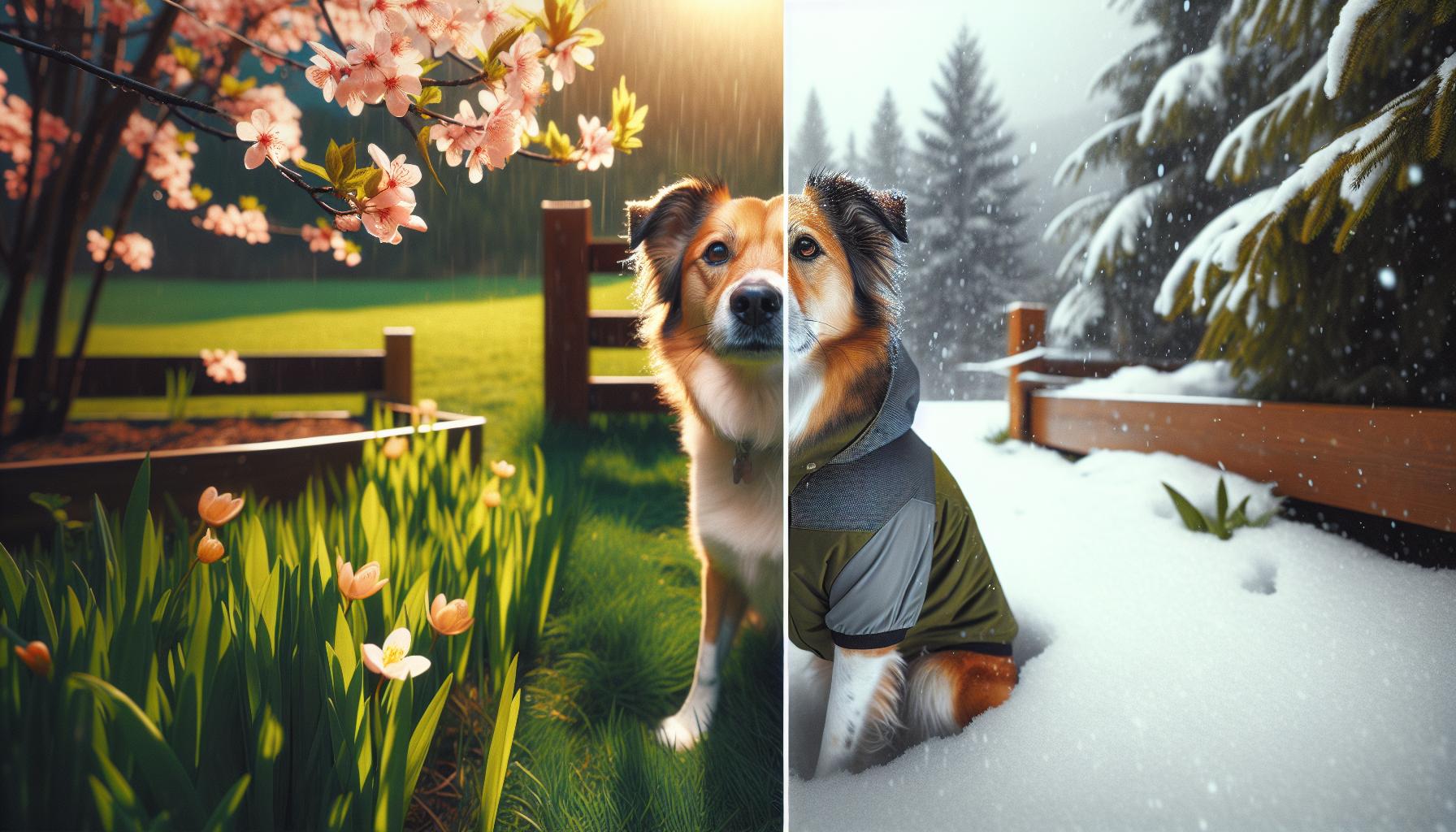
Factors Influencing Dogs’ Water Temperature Preferences
Understanding what drives your furry friend’s preference for water temperature can significantly enhance their comfort and enjoyment during swim time or hydration breaks. Dogs, like humans, have individual tastes that can be influenced by a variety of factors. While it’s easy to assume that all dogs have the same water preferences, the reality is much more nuanced.
Age and health play crucial roles in determining a dog’s comfort with water temperature. For instance, older dogs or those with arthritis often prefer warmer water, as it provides soothing relief to their joints. Conversely, healthy and energetic breeds, like Border Collies, may thrive in cooler water, as it helps to invigorate them during play. It’s important to recognize that these preferences can fluctuate based on the dog’s activity levels and overall condition. A younger dog might revel in cool water during a vigorous play session but might lean towards warmer water as they tire or if they are not feeling their best.
Additionally, a dog’s breed can also dictate their water preferences. Breeds specifically designed for swimming, such as the Newfoundland or the Chesapeake Bay Retriever, often enjoy cooler temperatures and might spend hours splashing about. On the other hand, brachycephalic breeds like Bulldogs may prefer warmer, shallow water to help them cool off without the discomfort that can arise from struggling in deeper, cooler waters. Understanding these breed characteristics can help you cater to your dog’s needs effectively, ensuring they enjoy water activities without any discomfort.
Lastly, environmental factors must also be considered. On hot summer days, dogs naturally gravitate toward cooler water to regulate their body temperature. Providing fresh, cool water after vigorous activities is essential to keep them hydrated and prevent overheating. By observing their behavior when exposed to different water temperatures, you can gather valuable insights into their preferences, making it easier to provide the best environment for their enjoyment and health.
- Age: Older dogs often prefer warmer water.
- Health: Dogs with joint issues may favor warmer temperatures.
- Breed: Energetic breeds typically enjoy cooler water, while others may not.
- Environmental Conditions: Hot weather encourages dogs to seek cooler water to cool down.
Breed-Specific Water Temperature Preferences
Many dog owners often wonder how their furry companions feel about water temperature, which can be surprisingly diverse based on breed characteristics and individual preferences. It’s not just about whether dogs like to get wet; certain breeds exhibit distinct preferences that can significantly enhance their swimming experience. For example, water-loving breeds such as the Labrador Retriever and Golden Retriever thrive in cool water, finding it refreshing and invigorating as they fetch and splash around. These breeds have a history of being water retrievers, so they are generally more accustomed to cooler temperatures, which helps them stay active and engaged while swimming.
On the other hand, Bulldogs and other brachycephalic breeds may have quite different needs. Due to their physical structure, they can struggle in deeper, cooler water, so they often prefer warmer, shallow areas where they can comfortably cool off without becoming overwhelmed. Additionally, breeds like the Shih Tzu or Pekingese, which are not natural swimmers, might also exhibit a preference for warmer water. Their shorter legs and heavier build can make it challenging for them to manage in cooler temperatures, potentially leading to a reluctance to engage in water activities altogether.
Understanding these breed-specific preferences can greatly enhance your dog’s enjoyment during water activities. It’s beneficial to keep these factors in mind when choosing the temperature of the water for swimming or even for their hydration needs. Providing options and observing your dog’s reactions can help ensure they are comfortable. If your dog tends to shy away from the water, consider gradually introducing them to warmer, shallow areas of a pool or lake before allowing them into cooler depths.
To summarize, recognizing your dog’s breed traits can guide you in providing the best water experiences for them:
| Breed | Preferred Water Temperature | Characteristics |
|---|---|---|
| Labrador Retriever | Cool | Energetic water retrievers, thrive in swimming |
| Bulldog | Warm | Brachycephalic, prefers shallow, warmer water |
| Golden Retriever | Cool | Great swimmers, enjoys fetching in water |
| Shih Tzu | Warm | Not natural swimmers, needs shallower warm water |
By tailoring your dog’s water environments to their breed-specific preferences, you’ll not only keep them happy but also promote a safer and more enjoyable experience every time they dive in.
How Outdoor Temperatures Affect Dogs’ Water Choices
Dogs are not just our companions; they are intuitive beings that can feel temperature changes in their environment-making outdoor conditions a vital aspect of their water preferences. When the mercury rises, many dogs instinctively seek out cooler water to help regulate their body temperature, reflecting their natural instincts for comfort and hydration. Conversely, during cooler months, you might notice your furry friend gravitating towards warmer water sources, or avoiding cold water altogether. Understanding these behaviors can significantly enhance your pet’s hydration and enjoyment during outdoor activities.
As outdoor temperatures climb, just like humans, dogs need to cool down to prevent overheating. On hot days, dogs often prefer water that is cool rather than merely warm. This is particularly true for breeds with thicker coats or higher energy levels, such as Border Collies or Siberian Huskies, who may refuse to enter warmer water. A refreshing dip not only helps them stay comfortable but also plays a crucial role in preventing heat-related health issues. Therefore, when planning outdoor play or swim time under the sun, aim to provide access to cooler water. You can create shaded areas or even use kiddie pools filled with fresh, cool water to let your dog have a refreshing escape from the heat.
Conversely, as the temperature drops, many dogs, particularly those less accustomed to cold temperatures, may shy away from chilly water. Breeds like the Chihuahua or French Bulldog, which are less equipped to handle cooler conditions, often prefer warmer water to maintain their body heat. In cooler months, setting up shallow, warmer spots for swimming-like heated dog pools-can encourage your pet to enjoy water activities even in colder weather. Equipping your dog with a life jacket can also help them feel safer and more comfortable in any water temperature, making it easier for them to enjoy swimming.
In addition to outdoor temperatures, always be mindful of other factors that can influence your dog’s water choices. Keep an eye on their behavior-if your dog seems hesitant or uncomfortable around a particular water temperature, it’s essential to adjust accordingly. By providing thoughtfully curated water experiences that reflect the conditions outside, you ensure your furry friend remains happy, healthy, and hydrated all year round.
Recognizing Signs of Discomfort in Water Temperatures
Recognizing discomfort in your canine companion during water activities is crucial for ensuring their safety and enjoyment. Dogs, despite their playful nature, can express discomfort in various ways that, as an attentive owner, you should learn to identify. One of the most significant signs of distress is their body language. For example, if a dog suddenly stops playing, stands still, or refuses to enter the water, they may be feeling uncomfortable. Look for signs such as tense muscles, a lowered head, or wide eyes, which can indicate anxiety or distress.
Other behaviors can provide insights into your dog’s temperature preferences in the water. If your dog is frequently shaking, particularly after emerging from the water, it may signal that they’re too cold. Similarly, excessive panting, which can occur in both cold and warm water, is a crucial indicator of overheating or discomfort. Dogs may also attempt to escape the water, either by jumping out or retreating to the shade if they feel too warm or too cold. Understanding these signals enables you to adjust the water’s temperature or limit their exposure, ensuring their overall comfort.
Breed-specific considerations also play a significant role in recognizing water discomfort. For instance, breeds like the Labrador Retriever may be accustomed to varying water conditions, whereas smaller or short-haired breeds, such as Chihuahuas or Dachshunds, might struggle in colder water due to a lack of insulation. This emphasizes the need for thoughtful monitoring, especially during seasonal changes. For example, if you know your breed doesn’t handle the cold well, it’s wise to set up a warm spot nearby where they can retreat and feel secure.
Ultimately, maintaining a positive experience around water is about being attuned to your dog’s needs. Regularly checking in with your pet, whether through observation or affectionate gestures, can further enhance their comfort. Make it a habit to change the water temperature, provide warm towels after swimming, or even incorporate toys that float to encourage play without discomfort. By fostering an environment where your dog feels safe and appreciated, you can transform water outings into joyful experiences, reinforcing the bond you share while keeping their well-being paramount.
Best Practices for Water Temperature During Swimming
Swimming can be an absolute joy for dogs, but maintaining the right water temperature is key to ensuring a fun and safe experience. Dogs may have varying preferences for water temperatures, influenced by their breed, age, and individual comfort. Most dogs generally prefer water that is cool, but not frigid, ideally around 70°F to 75°F (21°C to 24°C). This range helps to keep them comfortable, encouraging play while preventing overheating. Before you dive into a swimming session, consider a few best practices to create a favorable environment for your furry friend.
To help your dog acclimate to water conditions, gradually introduce them to different temperatures. You might start with shallow water that is at a comfortable temperature before moving to deeper areas. Watch for signs of discomfort such as panting or shivering, which could indicate the water is too hot or cold. For breeds like French Bulldogs or Pugs, which can struggle in extreme temperatures due to their brachycephalic nature, it’s even more essential to monitor their comfort closely. Providing them with shallow, warmer water can also be a great alternative, especially during the colder months.
Another effective tactic is to prepare for varying outdoor conditions. If taking your dog swimming on a hot day, be sure to check that the water temperature is suitable – excessive heat can lead to overheating, so cooler water is preferred. Conversely, during colder months, it’s wise to limit exposure to icy waters. A warm bath post-swim can help them rewarm and feel cozy, especially for smaller or short-haired breeds that might get chilly quickly.
In addition to temperature, ensure there are shaded areas available for your dog to rest and cool down if needed. Always have fresh, warm water on hand to keep your pet hydrated, especially on hot days when they may be playing energetically. By following these practices and being attuned to your dog’s preferences and needs, you can ensure that water outings remain a delightful and refreshing experience for your cherished companion.
Tips for Keeping Your Dog Hydrated in Heat
When the temperatures soar, keeping your dog hydrated becomes a top priority, especially since our furry companions are at a higher risk of overheating. Did you know that dogs can only sweat through their paws and rely on panting to cool themselves down? This means they need plenty of fresh water readily available to help regulate their body temperature and stay comfortably cool. Here are some practical tips to ensure your canine companion remains well-hydrated during those hot summer days.
First and foremost, always have clean, fresh water available for your dog. Consider investing in a portable water bowl or a dog water bottle for outings. These are especially handy during walks or trips to the dog park. Additionally, providing an ice cube or two as a treat can be a refreshing way to keep your dog cool and encourage hydration. Some dogs love to chew on ice, especially on a hot day!
Another excellent strategy is to wet your dog’s feet or rub some water on their abdomen before outdoor activity. This not only cools them down but can also make them more inclined to drink. If you notice your dog panting heavily or acting lethargic, it may be time to take a break in a shaded area and offer them more water. Recognizing these signs early is crucial in preventing heat-related illnesses.
For breeds that are particularly susceptible to heat, such as Bulldogs, Pugs, or other brachycephalic breeds, consider keeping their water at a slightly cooler temperature. Providing them with chilled water can be more appealing and encourage them to drink more frequently. You might even consider adding electrolyte solutions designed for dogs to their water on sweltering days to replenish lost minerals and help maintain hydration.
Lastly, creating a cool retreat for your dog is essential; ensure they have access to shade, air conditioning, or a cool indoor spot when outdoors. Keeping a watchful eye on your pet’s drinking habits and body language can help you make adjustments as needed, ensuring that your dog stays hydrated, healthy, and happy during the heat of summer.
The Role of Conditioning in Water Preferences
Dogs, like humans, have their preferences shaped by experiences, habits, and even training. Understanding the role of conditioning in their water preferences can help you ensure that your furry friend stays refreshed and happy, especially on warm days. Dogs often develop a taste for certain water temperatures based on their previous encounters. For instance, if a dog frequently drinks cold water, it may come to prefer that temperature, associating it with refreshment. On the other hand, a dog that consistently drinks room temperature water may not seek out cooler options as eagerly.
To condition your dog to enjoy colder water, consider gradually introducing it in a fun and engaging way. For many dogs, the allure of play can be a great motivator. You might splash some cool water during a game of fetch or offer chilled water after a vigorous play session. This connection between physical activity and their refreshing drink can create a favorable association, making your dog more likely to seek out colder water in the future.
Another aspect of conditioning involves the predictability of having access to cold water. Regularly providing it while ensuring it’s always clean and fresh can encourage your dog to become accustomed to that choice. Over time, you might even notice your dog seeking out colder water more proactively-sipping eagerly from a bowl filled with ice cubes or making a beeline for a cool stream during walks.
It’s also important to note that not all dogs will prefer the same water temperatures. Factors like breed, age, and health can influence what feels best to them. For instance, dogs that naturally run hot, such as those with thick fur, may gravitate towards cooler water, whereas others may enjoy it a bit warmer, particularly if they are younger puppies or older dogs. Monitoring your dog’s cues and adjusting accordingly can create a more enjoyable hydration experience tailored to their specifics.
Incorporating these insights into your daily routine can truly enhance your dog’s water-drinking habits. By being attentive and playful, you can encourage a healthy relationship between your dog and their water-making hydration not just essential but an enjoyable aspect of their day!
The Importance of Water Temperature in Dog Training
Understanding water temperature’s role in training can significantly enhance your dog’s learning experience and overall enthusiasm for training sessions. Dogs, much like humans, can have varying preferences when it comes to water temperature, and utilizing this understanding can turn ordinary training sessions into refreshing and stimulating experiences. For instance, after a workout session or a command drill, offering your dog cool water can not only help them hydrate but also create a positive association with the training routine itself. This makes them look forward to the training sessions, knowing they will receive a refreshing reward afterwards.
To effectively integrate this concept into training, consider the following tips:
- Timing: After a physical activity, such as fetch or agility training, offer cold water to cool them down and reward them for their hard work.
- Consistency: Regularly providing water at a preferred temperature after training reinforces both hydration habits and positive associations with the training experience.
- Variety: Experiment with different temperatures to discover what your dog enjoys most. For some, slightly warmer water is comforting; for others, icy water is invigorating.
It’s important to keep in mind the individual dog’s preferences, as factors like breed and age can influence their comfort and enjoyment of certain water temperatures. For instance, breeds like the Siberian Husky, which are built for colder climates due to their thick fur, may feel more refreshed with cooler water, while older dogs or those with thinner coats might prefer it a bit warmer. By paying attention to their reactions and adjusting accordingly, you can create a tailored training environment that not only promotes effective learning but also honors their personal comfort.
Incorporating water temperature into your training regimen can have broader effects beyond just hydration. For example, it can also be a way to help desensitize a dog to water if they are hesitant about it. During swim training, introducing them to cooler water in a calm and controlled manner can help them gradually become accustomed to it, resulting in a more confident swimmer.
Ultimately, using water temperature as a tool in training is about creating a more interactive and enjoyable atmosphere for both you and your dog. When training sessions become synonymous with positive experiences, you strengthen your bond and foster a healthy learning environment, setting the stage for success in both training and overall well-being.
Common Misconceptions About Dogs and Water Temperatures
Many pet owners believe that all dogs naturally prefer either cold or warm water, but this notion is often too simplistic. Dogs, much like humans, have individual preferences that can vary widely based on several factors including breed, age, health status, and previous experiences with water. One common misconception is that all dogs should drink cold water to stay cool, especially during hot weather. While some dogs may enjoy cold water after strenuous activity, others might find it uncomfortable or even sensitive to their teeth or stomachs.
Another myth is that dogs will instinctively gravitate toward water temperatures that are best for them. The reality is that many dogs, particularly those who aren’t accustomed to water, can be quite picky. For instance, a young Labrador Retriever might rush into a chilly pool without hesitation, while an older Yorkshire Terrier may only feel comfortable with lukewarm water. It’s essential for dog owners to observe their pets closely to understand what they prefer rather than assuming a one-size-fits-all approach.
Additionally, some people think that dogs only drink water when they are thirsty, but this can lead to dehydration if owners don’t pay attention to their dog’s water sources, especially in varying temperatures. Providing your dog with water at the right temperature can encourage them to drink more often. For example, during the hot summer months, cool water is refreshing and enticing, whereas, in colder weather, room temperature water might be more appealing and encourage hydration.
Lastly, the belief that all dogs dislike getting wet is another oversimplification. While certain breeds, like the Afghan Hound, might shy away from water, others, particularly retrievers and spaniels, often revel in swimming and splashing around. Each dog’s personal history with water plays a crucial role; a positive experience can ignite a love for swimming, while a negative encounter may instill a lifelong aversion. Recognizing these individual preferences and experiences can aid in creating a safe and enjoyable water experience for any dog.
By debunking these common misconceptions and fostering a better understanding of water preferences, owners can enhance their dogs’ overall comfort and enjoyment, whether it’s during playtime at the beach or everyday drinking habits.
Faq
Q: Do dogs prefer cold water or warm water in hot weather?
A: In hot weather, many dogs prefer cool water as it helps regulate their body temperature. This preference can vary by breed and individual sensitivity. Providing fresh, cool water can keep them hydrated and comfortable during warm days. Check out the “Best Practices for Water Temperature During Swimming” section for tips.
Q: How can I tell if my dog is uncomfortable with the water temperature?
A: Signs of discomfort include excessive shaking, whining, or trying to escape the water. If your dog seems hesitant to enter or stays close to the edge, the water temperature may be uncomfortable. Refer to the “Recognizing Signs of Discomfort in Water Temperatures” section for more details.
Q: What is the ideal water temperature for dogs during swimming?
A: The ideal water temperature for most dogs is between 70°F and 80°F (21°C – 27°C). Water outside this range may cause discomfort or hypothermia. Consult the “Best Practices for Water Temperature During Swimming” section for further insights into safe swimming conditions.
Q: Why do some dog breeds prefer cooler water?
A: Some breeds, particularly those with thick coats, may prefer cooler water to help cool down their body temperature. Each dog’s preference can vary based on individual sensitivity and conditioning. Explore the “Breed-Specific Water Temperature Preferences” section for breed comparisons.
Q: Can the outdoor temperature affect my dog’s water choice?
A: Yes, outdoor temperatures significantly impact a dog’s water preferences. In hot conditions, dogs may seek cooler water, while colder weather may lead them to prefer slightly warmer water for comfort. See “How Outdoor Temperatures Affect Dogs’ Water Choices” for more.
Q: How does my dog’s age influence their water temperature preferences?
A: Older dogs may prefer warmer water due to potential joint stiffness, while younger, more active dogs may enjoy cooler water. Pay attention to your dog’s signals and adjust the water temperature accordingly for their comfort.
Q: Are there risks to letting my dog swim in cold water?
A: Yes, cold water can lead to hypothermia, especially in small or short-haired breeds. Always monitor your dog closely and ensure they can exit the water easily. For safer swimming options, refer to “Best Practices for Water Temperature During Swimming.”
Q: How can I help my dog acclimate to colder water?
A: Gradually introducing your dog to cooler water can aid acclimatization. Start with warm water sessions and slowly decrease the temperature over time. Positive reinforcement during these sessions will help make the experience enjoyable. Check out “The Role of Conditioning in Water Preferences” for more tips.
In Summary
Understanding your dog’s preferences, especially when it comes to water temperature, is essential to their happiness and health. Remember, most dogs appreciate cool water, particularly on warmer days, but it’s always important to observe your pet’s reactions. If you want to dive deeper into canine care, check out our articles on choosing the right hydration options for your furry friend and the best swimming practices for various breeds.
Don’t miss out on the opportunity to enhance your dog’s well-being-sign up for our newsletter for expert tips and advice right in your inbox! If you have any questions or personal experiences to share, we’d love to hear from you in the comments. Exploring your dog’s needs and preferences can lead to a stronger bond and a happier pet. Keep discovering more about your canine companion while enjoying their unique quirks and qualities!