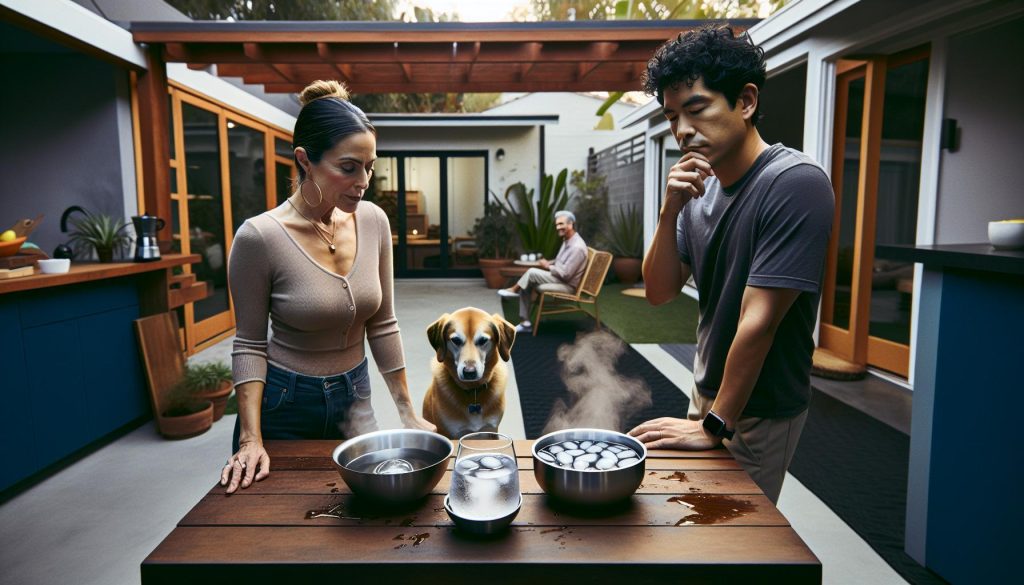
Have you ever noticed your dog’s reaction to different water temperatures? Just like us, dogs have their preferences, and understanding these can significantly enhance their well-being. In this exploration of whether dogs prefer cold water, we’ll dive into eye-opening experiment results that reveal how temperature affects hydration and comfort. Knowing what your furry friend enjoys can help you keep them happy and healthy, especially during those warm summer days. If you’re curious about how temperature influences your dog’s drinking habits and overall happiness, keep reading to uncover insights that could change the way you provide water for your pet. Let’s embark on this journey together to ensure our beloved companions are always comfortable and cared for!
Understanding Dogs’ Natural Preferences for Water Temperature
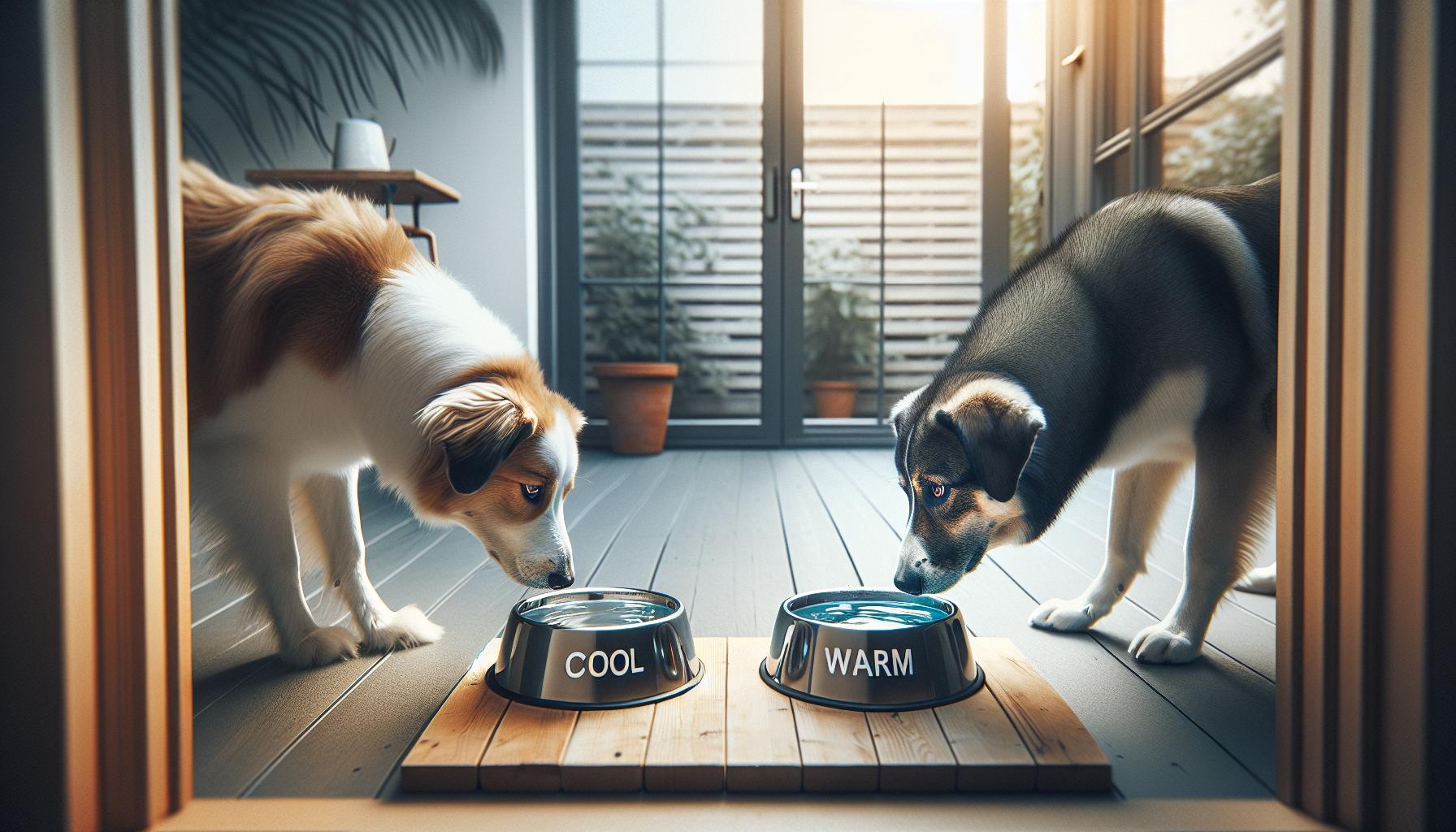
Dogs, much like humans, exhibit distinct preferences when it comes to water temperature, which can significantly influence their hydration habits and overall well-being. Understanding these preferences is essential for dog owners devoted to providing the best care. Research indicates that many dogs show a marked inclination towards cooler water, especially on warm days. This preference can be attributed not only to comfort but also to instinctual behaviors; cooler water can help regulate their body temperature, especially after physical exertion.
When considering your dog’s hydration, it’s important to recognize that temperature can impact their overall hydration levels. Dogs can be picky drinkers, and warmer water might not be as enticing. A dog that looks at you quizzically when you refill their bowl with room-temperature water may simply be longing for something cooler. Offering cold water, especially after playtime or during hot weather, can encourage your furry friend to drink more, preventing dehydration that can lead to serious health issues.
### Making Water Appealing
To further engage your dog in proper hydration habits, you can try a few simple tricks:
- Ice Cubes: Add ice cubes to their water bowl for an instant cool factor.
- Flavor Infusion: Mix in low-sodium chicken broth or pet-safe flavors to make water more enticing, while still ensuring it’s served cold.
- Regular Change: More frequently change their water-dogs often prefer fresher, cooler water.
Experimenting with your dog’s water preferences can not only keep them hydrated but also promote a more engaging interaction around drinking. By observing how your dog reacts to different temperatures and adjusting accordingly, you can contribute to their hydration in a way that honors their natural inclinations and supports their health.
Why Temperature Matters for Your Dog’s Hydration
Dogs have a remarkable ability to sense their environment, including something as simple yet vital as the temperature of their drinking water. This seemingly small detail can significantly impact their hydration habits and overall health. A study of canine preferences has shown that dogs often prefer cold water, especially in warmer conditions or after physical activity. This preference isn’t just about comfort; it’s an instinctual response that can help them regulate their body temperature effectively.
Hydration is crucial for a dog’s well-being, and temperature plays a pivotal role in encouraging them to drink. Dogs are notoriously selective about their water, and they may shy away from warmer water, associating it with stale or less appealing sources. This instinct can lead to decreased water intake, which is a concern, especially during hot weather or after energetic play sessions. By offering cold water, you’re not just catering to their preferences; you’re promoting healthy drinking habits that can help prevent dehydration, which is vital to their health. Dehydration can result in serious health issues, so understanding how temperature affects their drinking behavior is essential for any responsible dog owner.
To ensure your furry friend stays well-hydrated, consider these practical tips related to water temperature.
- Keep it Cool: Always provide fresh, cold water, especially during the warmer months.
- Monitor Preferences: Observe your dog’s behavior with water temperature. They may lean toward cooler water after exercise.
- Cool Enhancements: Freeze some of their favorite fruits in ice cubes or add ice to their water bowl for an enjoyable twist.
Being attentive to your dog’s water preferences can foster a proactive approach to their hydration needs. It’s also a great opportunity for engaging with your dog-watching their reaction to different temperatures can reveal not only their preferences but can strengthen the bond you share. Happy hydration leads to a happy and healthy dog!
The Science Behind Dogs and Temperature Preferences
Dogs are inherently drawn to cooler environments, a trait rooted in their evolutionary adaptations as descendants of wolves. This instinct is particularly evident when it comes to their preference for water temperature. Studies show that a significant number of dogs favor cold water over warmer options, especially after activities that increase their body heat, such as playing fetch or running. The reason behind this preference is not just about comfort; it speaks to a dog’s need to regulate its body temperature effectively. Cold water serves as a refreshing and vital resource, especially during hot days or after vigorous exercise.
The physiological responses of dogs highlight their need for hydration and temperature regulation. When dogs drink cool water, it can help lower their core body temperature, which is essential for maintaining energy levels and preventing overheating. This is particularly critical in breeds with thicker coats or those predisposed to overheating, such as Bulldogs or Pugs. Understanding this can significantly influence your approach to hydration. If you notice your dog gravitating toward cooler water, it’s a signal that you should prioritize offering cold options more frequently, ensuring they remain hydrated and comfortable.
Another aspect of dogs’ temperature preferences is their potential aversion to warm water. Many dogs may associate warmer water with stagnation or unpalatability, leading to decreased water intake. This is particularly concerning in hotter climates or during summer months when hydration is crucial. To promote healthy drinking habits, try to offer fresh, cold water at all times. Adding ice cubes or including refreshing elements like fruit can make drinking more appealing while also catering to their natural preferences.
Paying attention to your dog’s hydration behaviors can not only assist in their health and well-being but also enhance the bond you share. Experimenting with different water temperatures can be a fun and engaging way to tailor your dog’s needs. By providing options and observing their choices, you become more attuned to their preferences, ultimately leading to a healthier and happier companion.
Cold Water vs. Warm Water: Dogs’ Taste Test Results
When it comes to hydration, the temperature of the water can significantly influence your dog’s drinking habits. In various informal tests, it has been consistently observed that many dogs show a clear preference for cold water over warm. This preference can be attributed to several factors, including instincts related to temperature regulation and previous experiences with different water sources. Dogs are natural explorers and can be very sensitive to changes in their environment, including the temperature of the water they drink.
One fascinating experiment involved placing two bowls of water side by side-one filled with cold water and the other with warm water. A startling number of dogs gravitated toward the cold water, often drinking eagerly and displaying positive body language. This behavior suggests that dogs not only prefer the taste of cold water but also may find it more refreshing, particularly after exercise or on hot days. On the contrary, many dogs showed little interest in warm water, sometimes abandoning it altogether, which can lead to decreased hydration levels if owners are unaware of their preferences.
To further understand this phenomenon, consider conducting a simple taste test at home. Fill one bowl with ice-cold water and another with lukewarm water. Observe your dog’s behavior-does he sniff both bowls? Does he take a long drink from one while ignoring the other? Engaging in this playful experiment can help you determine your dog’s temperature preferences and adjust their water supply accordingly. Remember to keep things interesting; occasionally adding ice cubes or a splash of low-sodium broth to their water can make it even more enticing.
Recognizing and responding to your dog’s preference for cold water can enhance their hydration experience and overall well-being. A well-hydrated dog is a happy dog, and by offering fresh, cold water consistently, you ensure they remain healthy, playful, and energized. Keep in mind that individual preferences can vary, so stay attentive to your dog’s cues, and you’ll both enjoy the benefits of optimal hydration!
Key Breed Differences in Water Temperature Preferences
Every dog is unique, and their preferences for water temperature can often be tied to their breed characteristics. Understanding these breed differences can help you cater to your dog’s hydration needs more effectively. For instance, breeds like the Chesapeake Bay Retriever and Labrador Retriever, which were originally bred for water work and retrieval activities, may display an inclination towards cooler water, especially after a strenuous play session in the heat. Their natural understanding and adaptation to water environments often translate into a preference for refreshing, crisp water, eliciting great enthusiasm during hydration.
Conversely, some smaller breeds, such as the Chihuahua or Pomeranian, may not show as strong of a preference based purely on temperature due to their smaller size and slower metabolism. In a more controlled environment, they might appreciate slightly warmer water, especially during colder months, as it can help them feel cozy and comfortable. It’s also worth noting that older dogs or those with certain health conditions, regardless of breed, may benefit from warmer water which is gentler on their stomachs and easier on their arthritic joints.
To put this into practical terms, observing your dog’s behavior can provide valuable insights. If your dog approaches a bowl of ice-cold water eagerly but hesitates at room temperature, this is a clear signal of their preference. Similarly, conducting a simple test with two bowls-one filled with cold water and the other with slightly warmed water-can illuminate these breed-specific preferences.
Here’s a quick reference table showcasing some breeds and their general tendencies:
| Breed | Water Temperature Preference | Reasoning |
|---|---|---|
| Chesapeake Bay Retriever | Prefer Cold | Water retrieval history |
| Labrador Retriever | Prefer Cold | Active and water-oriented |
| Chihuahua | Prefer Warm | Smaller size, metabolic needs |
| Pomeranian | Prefer Warm | Comfort in colder climates |
| Senior Dogs | May Prefer Warm | Health considerations, joint comfort |
By embracing these individualized preferences, you can foster a hydration routine that promotes better health and happiness for your dog. Keep observing your canine companion; the little things, like water temperature, can make a bigger difference than we often realize!
How to Conduct Your Own Temperature Experiment
One of the most enjoyable aspects of dog ownership is discovering your furry friend’s unique preferences, and what better way to engage with them than by observing their hydration habits? Conducting a simple temperature experiment can be a fun and educational experience for both you and your dog! By setting up a few controlled scenarios, you’ll uncover whether your pup prefers their water cold, warm, or something in between. This hands-on approach not only fosters a deeper understanding of your dog’s tastes but also allows you to ensure they stay adequately hydrated.
To get started, you’ll need two bowls, one for cold water and one for warm water. Begin by filling one bowl with cool water from the tap-aim for a refreshing temperature, around 50-60°F (10-15°C). For the other bowl, fill it with warm water at a temperature comfortable for your dog, typically around room temperature or a bit warmer, depending on the season. Make sure the water in both bowls is clean and fresh before beginning your experiment for the best results.
Next, place both bowls next to each other in a familiar space, like your kitchen or living room where your dog often drinks. It’s important to allow your dog to approach both bowls freely without influencing their choice. As they try to hydrate, observe their behavior: Do they dive eagerly into the cold water, or do they seem more inclined to sip from the warm bowl? Keep track of their preferences over several days, ensuring to switch the locations of the bowls to account for any environmental factors that might influence their choice, like sunlight or drafts.
This simple experiment not only sheds light on your dog’s preferences but can also inform how you manage their hydration in different climates or while engaging in physical activities. For instance, if you notice that your active breed, like a Labrador or Chesapeake Bay Retriever, is consistently drawn to the colder water, you may want to prioritize ensuring they have access to chilled water after vigorous play. On the other hand, if smaller breeds or senior dogs favor warmth, particularly in colder months, adjusting their hydration routine becomes essential for their comfort and health.
Remember to document your findings to compare results across various conditions or times of day. Engaging in this experiment not only promotes a fun bonding experience but also establishes a proactive approach to meeting your dog’s hydration needs, proving that a little curiosity can go a long way in enhancing your pet’s quality of life.
Tips for Keeping Your Dog Hydrated in Different Climates
Keeping your dog well-hydrated is essential, especially as seasons and climates change. Just like humans, dogs can be influenced by temperature and environmental conditions, which affect their hydration needs. During hot summer days, dogs may prefer cooler water, while in colder climates, a comfortable warmth in their drinking water can make all the difference. Understanding these preferences can ensure your furry friend stays hydrated and happy throughout the year.
In warmer climates, always offer fresh, cool water. Dogs often prefer chilled water, especially after running around outside. Consider filling their water bowl with ice cubes during peak heat to make it even more enticing. Additionally, providing water in shaded areas or using a cooling mat can encourage your dog to hydrate more frequently during those sizzling summer days. You might even want to invest in a pet-friendly water fountain that circulates water, which many dogs find more appealing than still water.
In contrast, when temperatures drop, dogs, especially smaller breeds or those with short coats, may appreciate drinking warm water. It can be surprisingly soothing, helping them stay hydrated without causing discomfort from extreme cold. To maintain a comfortable drinking temperature, try using an insulated water bowl or placing the bowl in a warm area indoors. This simple adjustment can make a big difference in how much your dog drinks throughout colder months.
Here are some quick tips for various climates:
- Hot Weather: Offer cool water regularly, use ice cubes, and shade the drinking area.
- Cold Weather: Provide warmed water, keep bowls indoors when icy, and monitor hydration, as dogs may drink less in the cold.
- Traveling: Always take water along, and consider portable bowls that can keep water cool or warm as needed.
Understanding your dog’s hydration preferences and adapting to different climates is a responsible part of pet ownership. Always observe how your dog interacts with the provided water, and don’t hesitate to make adjustments based on their preferences and the weather. Keeping your furry companion hydrated contributes immensely to their overall health and well-being, helping them thrive in any environment.
Signs That Your Dog Prefers Cold Water
Dogs, much like humans, have distinct preferences, especially when it comes to their hydration. Observing your dog’s behavior around water can reveal quite a bit about their temperature preferences. A common sign that your dog favors cold water is their reaction to different water temperatures. When offered a choice, a dog that leans towards refreshing coolness will often gravitate toward the colder bowl or drink. They may even seem more enthusiastic, lapping up the cold water eagerly, whereas tepid water might receive little attention.
Another telltale sign is their body language. Dogs that prefer cold water may show signs of discomfort when drinking warmer water. You might notice them hesitating, sniffing the bowl, or even backing away as if it’s unappealing. These dogs may also engage in playful antics, like splashing around in a kiddie pool or trying to bite at chilly water from a hose, suggesting a preference for that invigorating chill. Furthermore, if your dog consistently seeks out shaded areas to hydrate in hot weather, it’s a good indication that they are instinctually attracted to cooler liquids.
To better understand your dog’s water preferences, consider experimenting with temperature variations. Offer two separate bowls-one with chilled, perhaps even ice-enhanced, water and one at room temperature. Watch which they gravitate toward over a few days. If they consistently choose the cold water, it’s a clear indication of their preference. This playful observation not only satisfies your curiosity but can also significantly impact their hydration routine, ensuring they remain well-hydrated and comfortable.
When transitioning to cooler water, be mindful of your dog’s breed characteristics. For example, larger breeds like Golden Retrievers may display a preference for extremely cold water after a vigorous romp, while smaller or older dogs may prefer it less icy to avoid enamel sensitivity. Paying attention to these details will help you meet your dog’s hydration needs more effectively, contributing to their overall health and happiness.
How Temperature Affects Your Dog’s Health and Behavior
Understanding how temperature affects your dog’s hydration and overall health can significantly enhance their well-being. Dogs, like humans, have specific preferences that can impact their behavior and health, especially concerning water temperature. One striking fact is that dehydration can lead to serious health issues, including kidney problems, heatstroke, and a compromised immune system. Ensuring your dog has access to water at their preferred temperature is vital for maintaining proper hydration levels and promoting a happy, healthy life.
When dogs drink water that doesn’t align with their preferences, it can lead to discomfort, which may manifest in various behavioral changes. For instance, a dog that prefers cool water might refuse to drink lukewarm water, leading to potential dehydration. This act of avoidance is more than just a quirk; it’s an instinctive response. Dogs have evolved behaviors based on what feels good to them, and temperature plays a significant role in their hydration habits. Increased energy levels and playful behavior can be directly linked to their satisfaction with their drinking options.
Different breeds showcase varying behaviors and needs when it comes to water temperature. For example, high-energy breeds such as Border Collies and Labrador Retrievers may thrive on cooler water, particularly after rigorous play. In contrast, smaller or older breeds, like Chihuahuas or Dachshunds, may benefit from slightly warmer water, especially if they have dental issues. Recognizing these nuances can help you create a hydration plan that is tailored to your dog’s unique characteristics:
- Larger breeds: Often prefer colder water post-exercise to cool down.
- Smaller breeds: May seek warmer water to avoid dental discomfort.
- Older dogs: Appreciate water at a moderate temperature for sensitive teeth.
It’s crucial to monitor your dog’s hydration, particularly when temperatures climb. A dog that drinks enough cold water during the hotter months is less likely to suffer from heat-related illnesses. To ensure they are adequately hydrated, keep fresh, cool water accessible and consider using a chilled water bowl or ice cubes on particularly warm days. Ultimately, attentively observing your dog’s reactions can guide you to better support their hydration needs, keeping them happy and healthy.
Best Practices for Water Temperature in Hot Weather
When the heat of summer hits, ensuring your dog remains hydrated becomes a top priority. Did you know that a dog can dehydrate faster than a human due to their unique physiology? This means that being mindful of your dog’s water temperature preferences can significantly impact their drinking habits, especially in hot weather. Dogs often gravitate towards cooler water because it helps regulate their body temperature, especially after vigorous play or exercise. Providing water that aligns with their preferences not only keeps them hydrated but also supports their overall well-being.
To optimize your dog’s water temperature during sweltering days, consider utilizing insulated bowls to keep water cool for longer periods. Another effective method is to add a few ice cubes to their bowl. This creates a refreshing experience that many dogs love, making drinking a delightful activity rather than a chore. Be sure to monitor the water levels throughout the day, as dogs will often drink more when the temperature is right. Establishing a routine of replacing their water with fresh, cool options throughout the day can make a significant difference.
Additionally, it’s crucial to teach your dog about hydration habits. If you notice them hesitating to drink, try enticing them with flavored water, perhaps by adding a splash of low-sodium broth. Implementing these small changes can keep your dog excited about drinking. Additionally, pay attention to their behavior; if they seem more lethargic or refuse to drink altogether, this may indicate that the water is too warm for their liking.
Understanding your dog’s breed can also make a difference in hydration strategies. For instance, larger breeds like Golden Retrievers might prefer colder water during active play, while smaller dogs, like French Bulldogs, may appreciate water at a moderate temperature. Tailor your approach to suit their specific needs, and always keep an eye on their hydration status, especially if they’ve been outside in the heat for extended periods. By doing so, you’re not just keeping them hydrated-you’re helping them stay safe and enjoy their time outdoors to the fullest.
Hydration Hacks: Making Water More Appealing to Dogs
Did you know that simply changing your dog’s water can greatly enhance their hydration experience? Dogs, much like humans, have preferences when it comes to their drinking habits. By implementing a few creative hydration hacks, you can make water more appealing, encouraging your furry friend to stay hydrated and healthy.
One effective method is to flavor their water. Adding a splash of low-sodium broth not only makes the water tastier but can also entice them to drink more frequently. For picky drinkers, consider experimenting with different flavors-chicken, beef, or even vegetable broth if your dog enjoys variety. You might be surprised at how quickly they warm up to it!
Another fun way to keep your dog engaged with their water supply is by incorporating ice cubes or frozen treats. Freeze small amounts of flavored water or broth in ice cube trays and offer these as refreshing “popsicles” on a hot day. This not only helps cool them down but also turns hydration into a fun game. Just be mindful of the size of the cubes; make sure they’re suitable for your dog’s size to avoid choking hazards.
When it comes to different breeds, preferences can vary significantly. For instance, large breeds like Labrador Retrievers often enjoy cooler water, especially after an energetic play session. In contrast, breeds like Chihuahuas might prefer their water at room temperature. Observing your dog’s behavior can provide clues about their preferences, so keep an eye on how they react to different temperatures and flavors.
Finally, consider the placement of water bowls. Dogs are more likely to drink if their water is easily accessible and placed away from their food bowl. Experiment with different locations around your home or yard to find the sweet spot. Incorporating these strategies not only makes drinking more enjoyable but also ensures that your dog remains hydrated and healthy all year round.
Expert Insights: Veterinarians Share Their Recommendations
Veterinarians often emphasize that hydration is crucial for a dog’s overall health, but many owners overlook the nuances of water temperature in this equation. Research indicates that dogs do exhibit preferences for different water temperatures, which can impact their drinking habits and, consequently, their hydration levels. Understanding these preferences can be essential in addressing potential hydration issues, especially in warmer climates or during intense physical activity.
Most veterinarians suggest offering your dog cold water, especially after exercise or during hot weather. This not only cools them down but can also make drinking more appealing. However, it’s important to monitor individual reactions-your dog’s unique personality and health status play a significant role in their preferences. For example, older dogs or those with dental issues may find colder water uncomfortable, while younger, more active breeds tend to gravitate toward cooler options.
In practice, many veterinarians recommend conducting simple experiments to determine your dog’s preferences. Try serving water at different temperatures-room temperature, slightly chilled, and cold. Observe your dog’s drinking patterns, noting which temperature they seem to prefer. Additionally, incorporating flavored water can enhance their interest, making it a dual approach that satisfies their taste and hydration needs.
Moreover, if you live in a region with extreme temperatures, be mindful of how those conditions can affect your dog’s hydration habits. In hot weather, always provide fresh, cool water and consider bringing a portable water bowl when exercising outdoors. Conversely, in colder weather, ensure that the water doesn’t freeze and remains at a palatable temperature for your dog. With these insights and recommendations from veterinarians, you can better align your dog’s hydration practices with their natural preferences, promoting their health and well-being effectively.
Faq
Q: Do dogs naturally prefer cold water?
A: Many dogs tend to prefer cooler water, especially in warm weather, as it helps keep them hydrated and comfortable. However, preferences can vary based on individual dogs and specific breeds. Observe your dog’s behavior to gauge their favorite water temperature.
Q: How can I tell if my dog prefers cold water?
A: Signs that your dog prefers cold water include them eagerly drinking from a cooler bowl, splashing in cold water, or showing a reluctance to drink warm water. Offer both temperatures and observe which one they gravitate towards for a clear indication.
Q: What temperature should water be for dogs?
A: Ideally, water for dogs should be fresh and cool, around room temperature or slightly cooler. Avoid anything colder than 50°F (10°C) to prevent upsetting their stomach, especially in extreme temperatures.
Q: Does temperature affect a dog’s hydration levels?
A: Yes, water temperature can influence a dog’s hydration. Dogs are more likely to drink sufficient amounts of cooler water, especially during warmer months. Ensure your dog has access to fresh, cool water at all times, particularly after exercise.
Q: Are certain dog breeds more likely to prefer cold water?
A: Yes, some breeds, especially those with thicker fur like Huskies or Malamutes, may prefer colder water due to their natural adaptation to cooler climates. Conducting a simple taste test can help determine your dog’s specific preference.
Q: What are the best practices for providing water in hot weather?
A: To keep your dog hydrated in hot weather, provide fresh, cool water throughout the day. Regularly change the water, use insulated bowls to maintain lower temperatures, and avoid taking your dog on walks during peak heat.
Q: Can the temperature of water impact my dog’s behavior?
A: Yes, the water temperature can impact behavior. Dogs may be less inclined to drink warm water, leading to dehydration. Ensuring cool water is available can help maintain your dog’s energy levels and overall mood, especially during hot days.
Q: How does cold water affect dogs’ health?
A: Cold water can help regulate a dog’s body temperature, especially on hot days. However, overly cold water might be uncomfortable or cause stomach issues. It’s essential to monitor your dog’s reactions and provide water at a comfortable temperature.
Concluding Remarks
As we’ve discovered, dogs have unique preferences when it comes to water temperature, which can greatly affect their hydration and playtime experiences. Understanding these preferences not only enhances your dog’s comfort but also reinforces your bond with them. If you’re looking to delve deeper into the best practices for caring for your furry friend, check out our articles on “Dog Hydration: Best Practices” and “Choosing the Right Water Bowl for Your Dog.”
Don’t let your dog miss out on the refreshment they truly enjoy; take a moment now to experiment and see what your dog prefers! If you have any questions or experiences to share, feel free to drop a comment below-we’d love to hear from you. And remember, subscribing to our newsletter will keep you updated with the latest dog care tips, tricks, and insights to ensure your four-legged family member always has the best. Thank you for joining us, and we hope to see you soon for more exciting dog-related discoveries!