Have you ever wondered if dogs can truly taste water, or if it’s just a refreshing necessity they gulp down? Interestingly, dogs have fewer taste buds than humans, which influences their perception of flavors, including water. Understanding how canine taste buds work can enhance your bond with your furry friend, leading to better hydration habits and overall health. As a dog owner, you might be curious about how to encourage your pet to drink more or what flavors can entice them. Whether you’re a new dog parent or a seasoned handler, grasping the nuances of your dog’s taste preferences opens up a world of possibilities for enhancing their well-being. So, let’s dive deeper into the fascinating ways dogs experience taste and discover tips for keeping them happily hydrated!
Understanding How Dogs Perceive Taste
Understanding how our canine companions perceive taste is an intriguing journey into the unique biology of dogs. With approximately 1,700 taste buds-compared to humans’ 9,000-dogs experience taste differently. This difference stems not only from the number of taste receptors but also from their evolutionary background. Dogs evolved primarily as hunters and scavengers, which influences their taste preferences today. Interestingly, while dogs might not savor complex flavors like humans, they have heightened sensitivity to certain taste modalities, such as sweetness, and they generally prefer more significant protein and fat content in their foods.
Dogs and Water: The Taste Connection
Many pet owners wonder if dogs can taste water. The short answer is yes, but the experience is not as nuanced as it is for humans. Dogs utilize their olfactory senses extensively when drinking, and the taste of water often serves more as a vehicle for hydration than a source of enjoyment. When it comes to their drinking habits, they are more likely to favor clean, fresh water over tap water, which can sometimes carry off-putting chemicals or flavors that they pick up on through their sensitive taste buds.
To ensure that dogs remain hydrated and happy, owners might consider practical tips, such as providing filtered or fresh water and regularly changing their water bowl to maintain cleanliness. Observing your dog’s drinking habits can also give insight into their hydration preferences. For instance, if they seem reluctant to drink from a bowl, it might be beneficial to offer water in a different container, like a pet fountain which many dogs find more appealing.
Understanding the factors that influence taste preferences in dogs requires a look at both their sensory perception and their unique breed characteristics. For instance, certain breeds might exhibit more pronounced taste preferences-this could range from their inclination towards meaty flavors to aversions to bitter tastes. Furthermore, age, health, and past experiences can also shape a dog’s taste. Therefore, assessing your dog’s individual needs and preferences is critical for proper nutrition and hydration management.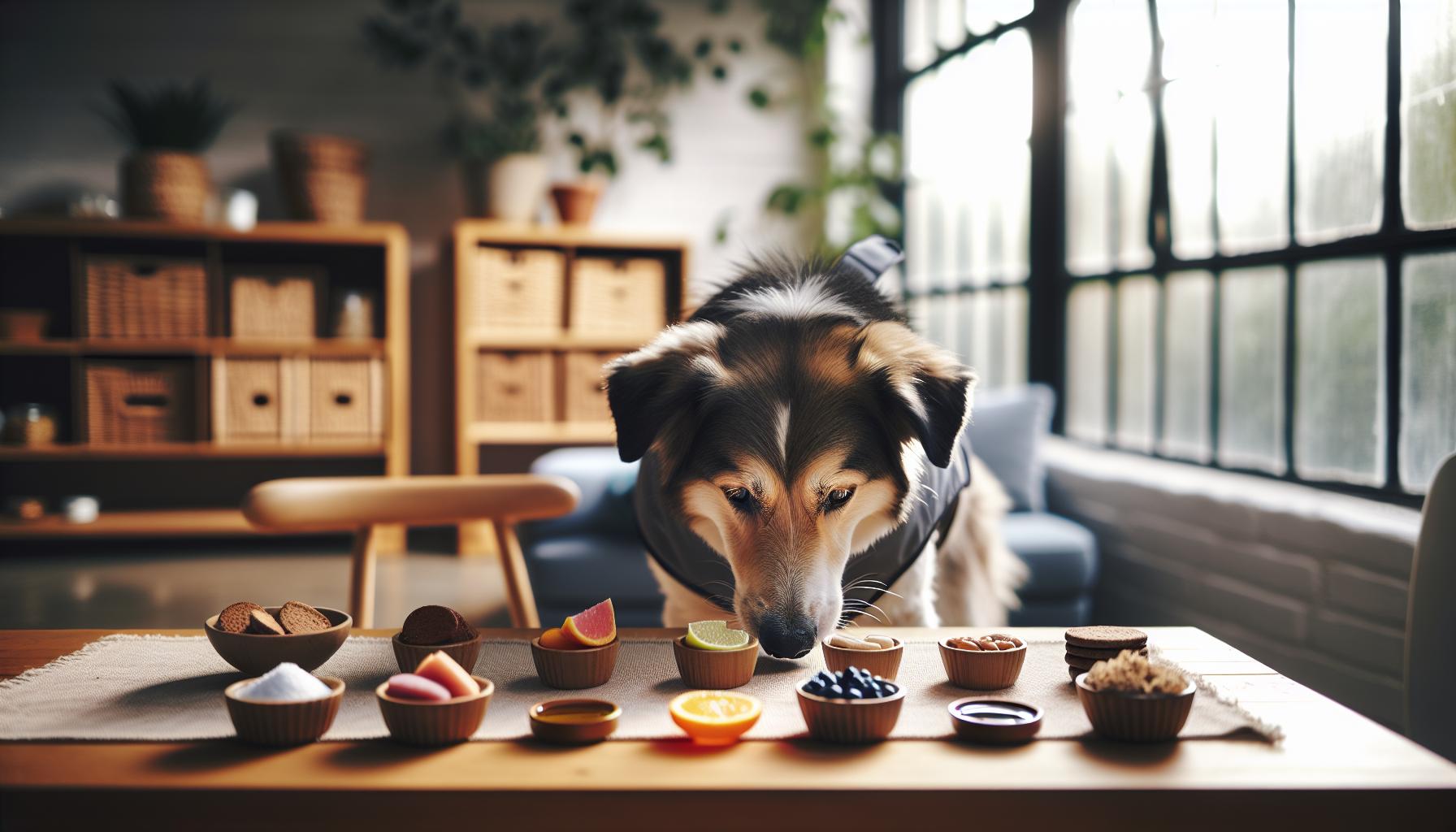
The Science Behind Canine Taste Buds
Understanding the unique world of canine taste buds reveals fascinating details about how dogs experience their food and even their water. With approximately 1,700 taste buds, dogs have a reduced capability for flavor differentiation compared to the 9,000 found in humans. While they might not appreciate the subtleties of complex flavors, this doesn’t mean they lack a rich sensory experience when it comes to food and hydration. In fact, dogs show a preference for certain taste modalities, particularly sweetness, and a significant attraction to amino acids found in proteins and fats, which are vital for their diet.
When dogs drink water, the sensory experience is rather straightforward. While they can taste it, the depth of that experience is primarily about fulfilling a need for hydration rather than deriving pleasure from distinct flavors. What’s particularly interesting is that the perception of water quality can influence their drinking habits significantly. Many dogs prefer fresh, clean water over tap water, which may harbor chlorine or other flavors that can deter them from hydrating properly. To ensure your furry friend is drinking enough, consider these points:
- Provide fresh water daily; dogs prefer water that is clean and free from any aftertaste.
- Use filtered water to remove unpleasant tastes and odors that could discourage drinking.
- Experiment with different types of bowls; some dogs may enjoy drinking from bowls that are wider or deeper.
- Consider a pet water fountain, which often encourages drinking due to flowing water that is fresher than stagnant bowl water.
One key takeaway is to observe your dog’s drinking behavior closely; preferences can vary greatly not just across different breeds but also within individual dogs. For instance, larger breeds like Great Danes and retrievers might have different hydration needs and preferences compared to smaller breeds like Dachshunds. Older dogs or those with health issues may also experience changes in taste sensitivity, prompting adjustments in their hydration approach. By paying attention to your dog’s unique preferences and behaviors, you can enhance their hydration experience effectively, ensuring they remain healthy and well-hydrated.
Do Dogs Taste Water? What Happens When They Drink
Dogs experience the world in a refreshingly unique way, especially when it comes to something as essential as water. While canines have around 1,700 taste buds, which is significantly fewer than the 9,000 we humans possess, this doesn’t mean their experience with hydration is bland or unimportant. When your pup takes a sip, they’re not just quenching their thirst; they’re engaging in a sensory experience shaped by hydration needs, instinctual preferences, and environmental factors.
When dogs drink, the primary focus is on hydration rather than flavor. While canines can taste water, their enjoyment of it is quite different from our own. Dogs rely more on their sense of smell, which is far superior-estimated to be between 10,000 to 100,000 times more sensitive than ours. They are also influenced by the water’s temperature and freshness. For example, many dogs gravitate toward cooler, filtered water, avoiding tap water that may contain chlorine or other residues. To encourage your furry friend to drink sufficiently, consider these strategies:
- Provide Fresh Water Daily: Ensure that the water bowl is filled with clean, fresh water every day. This simple step can make a significant difference.
- Opt for Quality: Fresh, filtered water typically tastes better than tap water. If you can, invest in a water filter to enhance the taste.
- Bowl Variety: Experiment with different types and shapes of bowls. Some dogs prefer wider or deeper bowls, while others may enjoy specialized pet drinking fountains that provide running water.
- Add Ice Cubes: Some dogs find ice cubes irresistible! Adding a few to their water can make drinking more appealing and fun.
Paying attention to your dog’s drinking habits can lead to surprising discoveries. For instance, larger breeds like Labradors may prefer larger bowls, while smaller breeds like Chihuahuas may be more comfortable with shallower designs. Moreover, older dogs or those with health conditions can exhibit changes in drinking behavior, making it essential to adjust their hydration approach accordingly. By understanding how your dog interacts with water and refining their drinking experience, you can help ensure they stay hydrated and healthy, supporting their overall wellness.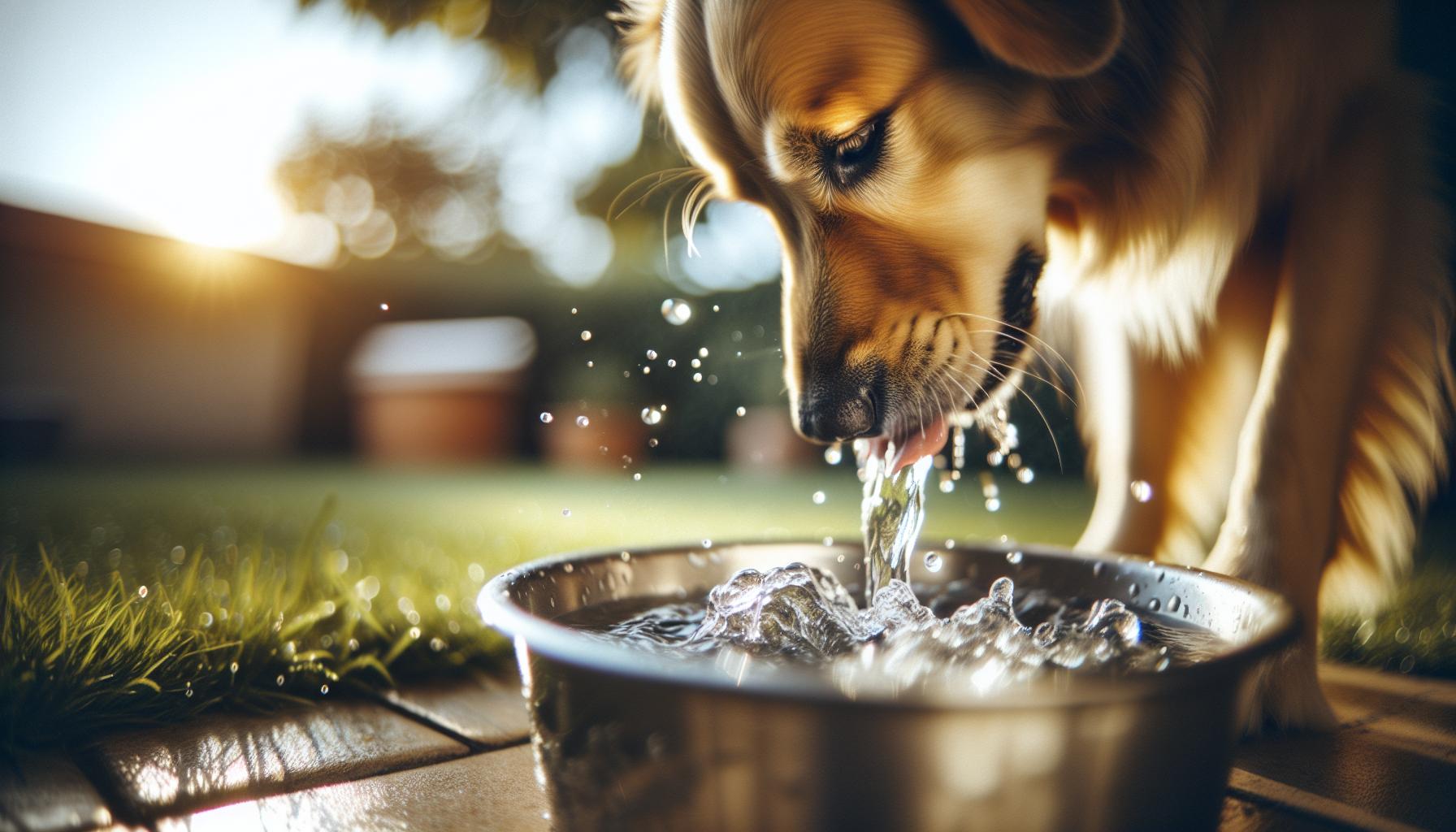
Comparing Canine and Human Taste Perception
While humans revel in a complex tapestry of flavor experiences, dogs engage with taste in a far more utilitarian manner. With only about 1,700 taste buds compared to our 9,000, dogs have a distinctly different palate, shaping how they perceive flavors, especially in water. For instance, while we might savor intricate blends of flavors, dogs primarily evaluate hydration, relying heavily on their superior sense of smell to inform their choices. As studies suggest, a dog’s sense of smell can be up to 100,000 times more acute than ours, allowing them to detect subtleties that our taste buds might miss.
When it comes to drinking water, dogs have unique preferences influenced not just by taste but by environmental factors. They tend to gravitate towards cooler, fresher water over stagnant or treated tap water, which can carry flavors or residues that many dogs might find unappealing. Pet owners can enhance their dogs’ drinking experience by providing fresh, filtered water and even introducing ice cubes to make hydration a bit more exciting. It’s common for dogs to prefer running water, possibly because of its freshness-adding a pet fountain might significantly increase their willingness to drink.
Dogs’ taste preferences can also vary significantly across breeds, similar to how human taste might vary among individuals. For example, a Labrador Retriever known for its love of food may respond differently to taste cues compared to a more discerning breed like a Dachshund. Experimentation with different types of water bowls and flavors can reveal a lot about an individual dog’s preferences. By paying attention to these subtle cues, owners can foster a more enjoyable and healthy drinking routine for their furry friends.
In summary, understanding the fundamental differences in taste perception between dogs and humans can aid owners in fostering healthier hydration habits for their pets. By focusing on freshness and tailored experiences, you can support your dog in enjoying their drinking routine more fully, translating to better hydration and overall health.
What Humans Can Learn from Dogs’ Taste Preferences
Understanding how dogs perceive taste offers intriguing insights for pet owners. One fascinating aspect is that while humans indulge in a spectrum of flavors and seasoning, dogs predominantly seek hydration and freshness in their drinking experience. For dog owners, this realization can spark new approaches to enhancing their pet’s hydration habits.
To adopt a more dog-friendly hydration routine, consider adhering to a few simple principles that capitalize on what dogs find appealing. Firstly, freshness matters. Dogs often prefer cool, clean water over warmed or stagnant options. Implementing a daily routine of refreshing their water bowl with filtered water can make a significant difference. Have you noticed your dog quenching its thirst at the garden hose? Dogs are naturally inclined towards running water, likely due to its freshness, which can be easily replicated with a pet fountain. These devices not only encourage drinking but can also be a source of entertainment.
Another important factor is temperature. Many dogs enjoy icy treats, so why not add a few ice cubes to their bowls? It stimulates their interest and can cool them down on warm days. Additionally, experimenting with different containers can help find the best fit. Some dogs might prefer a shallow dish that allows them to easily access their liquid treasure, while others may be curious about elevated water dispensers. The goal is to make drinking as appealing as possible.
Furthermore, breed differences play a role in taste sensitivity and preferences. For example, grazers like Labradors often enjoy gulping down water, while more discerning breeds, such as Shih Tzus, may take their time. Observing your dog’s drinking habits can provide clues about their individual likes. By fostering a routine that aligns with their innate preferences-potentially even incorporating treats for a time during which they can enjoy a special flavor or scent-you can create positive drinking experiences that enhance hydration and general welfare for your dog.
Incorporating these tailored strategies not only improves your dog’s hydration but also nurtures a deeper bond through shared moments of care and attention. Understanding your dog’s unique preferences can lead to healthier behaviors while ensuring they feel loved and considered in the minutiae of daily life.
The Role of Smell in Canine Taste Experience
The intricate connection between smell and taste plays a vital role in how dogs perceive their drinking experience. While humans primarily rely on taste buds to assess flavor, dogs benefit from their keen sense of smell, which dramatically influences their preferences and reactions to different waters. In fact, dogs possess approximately 220 million scent receptors compared to a human’s 5 million, meaning their ability to detect and interpret scents is vastly superior. This exceptional olfactory capability not only influences their enjoyment of food but also significantly affects how they interact with water.
When a dog takes a sip of water, they are not just tasting in the conventional sense; they are also inhaling its aroma. The olfactory bulbs in a dog’s brain are far more developed than those in humans, allowing them to detect subtle scent variations that we might overlook. For instance, if there are natural scents from their environment-like grass, flowers, or even a familiar human scent-these can enhance the drinking experience, making it more appealing. This is why many dogs seem excited about drinking water from a garden hose or a stream; the experience combines movement, freshness, and varied smells that engage their senses effectively.
To support your dog’s hydration habits, consider incorporating elements that stimulate their sense of smell. Here are a few practical tips:
- Introduce natural flavors: You can add dog-friendly broth or a splash of unsweetened coconut water to their water to enhance its scent and flavor, potentially encouraging them to drink more.
- Use a pet water fountain: These fountains circulate water and can help maintain freshness while producing enticing sounds and smells that attract your dog.
- Change the water frequently: Freshness is crucial for dogs. Regularly providing clean, cool water not only enhances the taste but also its aroma, which can be particularly inviting after exercise or play.
Understanding the significance of smell in canine taste experiences can transform your approach to keeping your dog hydrated. By creating a multi-sensory drinking experience, you not only meet their physical needs but also contribute to their overall happiness and well-being. The more you cater to these natural instincts, the more engaged your dog will be during those essential hydration moments.
What Factors Influence a Dog’s Taste Preferences?
Understanding what influences a dog’s taste preferences goes beyond just their taste buds-it’s a combination of their biology, environment, and even experiences. Dogs possess around 1,700 taste buds, a fraction of the number humans have, which means their flavor perception is not as intricate. However, several factors can significantly shape what they find appealing.
One major aspect is the scent associated with food or water. As previously mentioned, dogs have a highly developed sense of smell; this ability often outweighs their taste in terms of importance. For example, if a dog has a chance to drink from a fresh stream versus stagnant water, the appealing, natural scents of the stream are likely to influence their choice, making it more tempting. This connection between smell and taste means that dogs may show preference for water that has a bit of flavor or scent added, such as chicken broth or lightly infused fruits like watermelon.
Another influential factor is individual experience. Just like humans can develop taste preferences based on what they’ve been exposed to, dogs also have their own likes and dislikes shaped by their past. A dog that has always drunk from a bowl with fresh water might be less inclined to drink from a cup that smells of metal or plastic. Similarly, dogs that have undergone positive experiences with specific flavors or scents during play or training with rewards are more likely to be attracted to similar tastes later on.
Breed characteristics also play a crucial role in determining taste preferences. Some breeds, like Labs or Beagles, may be more inclined towards strong, hearty flavors, whereas others, such as Belgium Malinois, might show a preference for milder options. Understanding your dog’s breed traits can guide you in providing appealing flavors that align with their natural inclinations.
Finally, health and age cannot be overlooked. Dogs that are aging or have health issues might develop different preferences or requirements. For instance, senior dogs may prefer softer or more flavorful options that entice them to hydrate more freely. Keeping your dog healthy also means monitoring their tastes to ensure they remain engaged and happy with their water intake.
By taking into account these factors-scent, individual experiences, breed traits, and health-you can create an enjoyable hydration experience tailored to your dog’s preferences. Simple adjustments, such as periodically refreshing their water or experimenting with flavors, can elevate their drinking habits, ensuring they stay hydrated and content.
How Breed Differences Affect Taste Sensitivity
Understanding the nuances of how different dog breeds perceive taste can enhance not only their enjoyment but also their overall hydration habits. While all dogs possess approximately 1,700 taste buds, which is significantly fewer than humans, the way these taste buds function can vary widely across breeds, influenced by their ancestral backgrounds and specific needs. This trait can lead to distinct preferences in flavors and even textures that can significantly impact their willingness to drink water.
For instance, breeds like Labrador Retrievers and Beagles are known for their love of food and strong flavors, likely due to their historical roles as hunting and retrieving dogs. These breeds might be more inclined to drink flavored water or water that has enticing scents, such as chicken broth or even a hint of beef. In contrast, herding breeds like the Belgian Malinois may prefer milder flavors, often favoring the natural taste of fresh water. Recognizing these predispositions can help dog owners create a more appealing hydration strategy for their pets.
To effectively cater to your dog’s preferences, consider the following actionable tips:
- Know Your Breed: Research specific breed traits. For example, the energetic Dalmatian may respond well to slightly flavored water, while a more reserved breed like a Shiba Inu might enjoy plain water.
- Experiment with Flavors: Gradually introduce flavored water to ascertain your dog’s preferences. Use dog-safe ingredients like low-sodium broth or pureed fruits like watermelon.
- Assess Texture Sensitivity: Some breeds, such as Greyhounds, may prefer cooler, more refreshing sips, while others may enjoy slightly warmer liquids. Pay attention to their reactions.
- Monitor Changes: As dogs age, their taste sensitivity can shift. Regularly reassess your dog’s hydration preferences and adjust accordingly, especially if they experience health changes.
Incorporating these breed-specific strategies not only helps in keeping your dog hydrated but also enriches their overall experience. Observing their responses to different flavors and water types fosters a joyful relationship between you and your furry companion. With a little experimentation and patience, you can create a hydration routine that complements your dog’s unique taste sensitivities.
Tap Water vs. Freshwater: Which Do Dogs Prefer?
When it comes to hydrating our furry companions, understanding their preferences between tap water and freshwater can significantly enhance their drinking habits. Many dog owners may notice that their pets display a preference for certain types of water, and there’s more to it than just habit-dogs indeed experience taste differently, making it essential to cater to their unique needs. While tap water is typically treated and safe for consumption, it’s often compared with freshwater sources that may provide more appealing tastes and scents to dogs.
Freshwater sources, such as streams or lakes, often have a distinct taste derived from natural minerals and plant matter. These characteristics can be particularly appealing to certain breeds. For instance, breeds historically involved in outdoor activities, like Golden Retrievers or Labradors, may find the taste of freshwater tantalizing compared to the sometimes bland and chemical-tainted taste of tap water. This preference can be attributed to their evolutionary backgrounds, where their ancestors thrived in natural environments, demanding a taste experience reflective of their surroundings.
To determine what your dog prefers, consider conducting a simple taste test. Fill two bowls, one with tap water and the other with treated freshwater, perhaps collected from a safe and clean local source. Monitor your dog’s response-most dogs will have a noticeable preference. You might be surprised at what they choose! Additionally, if you’re sourcing freshwater from a natural source, ensure it’s free from contaminants and safe for consumption.
- Hydration Quality: Always ensure that the water is clean and free of pollutants. Regularly change both tap and freshwater to keep it fresh for your dog.
- Flavor Experimentation: If your dog favors freshwater, consider adding natural flavors to tap water, such as low-sodium chicken broth or pureed fruits, to enhance its appeal.
- Watch for Reactions: Take note of your dog’s reaction after drinking different types of water-this can offer insights into their preferences and hydration habits.
Ultimately, the choice between tap water and freshwater comes down to your dog’s individual taste preferences. As a responsible dog owner, paying attention to these nuances not only ensures proper hydration but also fosters a stronger bond between you and your pet. So don’t forget to observe your dog’s drinking habits and adjust their hydration options accordingly-it might just make all the difference!
Should You Flavor Your Dog’s Water? Expert Insights
Did you know that flavoring your dog’s water can not only enhance their hydration experience but can also encourage them to drink more? Just like us, dogs have their own taste preferences, and by adding a splash of flavor, you could make their water more appealing. While most dogs can enjoy plain water, some may savor additional tastes that excite their palate or bring back fond memories of their natural habitats.
One popular option is adding low-sodium chicken broth to your dog’s water. This not only adds flavor but can also provide a welcome change to their routine hydration. Just a tablespoon mixed into their bowl can entice even the pickiest drinkers. As dogs are often more drawn to warm or mildly flavored options, you might notice that your pup is more motivated to hydrate, especially after playtime or on warm days when their thirst might increase.
Simple Flavoring Ideas for Your Dog’s Water
- Low-Sodium Broth: Chicken, beef, or vegetable broth are excellent choices, just ensure they are low in sodium and free of onion and garlic.
- Fruit Purees: Small amounts of pureed fruits like watermelon or blueberries can add a sweet twist. Just be cautious about the amount; moderation is key!
- Herbal Infusions: Try brewing a mild herbal tea, like chamomile, then cooling it down to mix with their water. This can be soothing and hydrating.
Before diving into flavoring, you should observe any potential allergies or sensitivities your dog might have to various ingredients. It’s advisable to introduce new flavors gradually and monitor their reactions. For instance, if you decide to add broth, start with a small quantity mixed with their regular water. This way, you can gauge their acceptance without overwhelming their taste buds or causing any digestive upset.
Empowering your dog to enjoy their hydration can be transformative-especially for breeds that might need a little extra encouragement due to sensitive stomachs or lower thirst drive. Dogs that are prone to kidney issues, for example, may benefit from additional hydration strategies. By engaging with their taste preferences, you’re not only helping prevent dehydration but also enriching their daily experiences. Just remember, the ultimate goal is to keep your furry friend happy and healthy!
Common Misconceptions About Dogs and Taste
When it comes to our furry friends and their taste perception, many misconceptions can cloud our understanding. One prevalent myth is that dogs have an inferior sense of taste compared to humans. In reality, while dogs may have fewer taste buds-around 1,700 compared to our 9,000-their taste experience is uniquely adapted to their lifestyle. They are more sensitive to certain flavors, especially meaty and savory tastes, which reflect their natural diet. This difference means that while they may not appreciate subtle flavors like a fine wine or gourmet dish, they can distinctly enjoy beef over chicken, or be drawn to the taste of textures and smells that we might overlook.
Another common misunderstanding is the belief that dogs only prefer plain water. While many dogs will drink plain water without complaints, some may actually prefer options that have an added flavor. This doesn’t mean they despise water; rather, certain flavors can enhance their drinking experience. For instance, introducing low-sodium chicken broth or mild fruit purees to their water can make it much more appealing-especially to younger pups who are naturally curious and open to new tastes. Just like humans, dogs can be influenced by their experiences and associations, so a flavorful drink can turn a mundane hydration session into a delightful experience.
Many owners also think that all dogs will enjoy the same flavors, but preferences can vary widely by breed and individual personality. For example, a Labrador Retriever may relish the taste of beef broth, while a more finicky Toy Poodle might take a liking to lighter flavors, like fruit-infused water. Additionally, some breeds are naturally more prone to dehydration due to their energy levels and activity, making it essential to cater to their unique tastes when encouraging them to drink more.
In correcting these misconceptions, it’s essential to observe your dog’s hydration habits and preferences closely. If you see your dog avoiding their water bowl, consider experimenting with flavorings to entice them. Remember, introducing new flavors should be done gradually, especially for dogs with sensitive stomachs. By engaging their taste buds and ensuring they stay hydrated, you’re contributing to their overall health and happiness. So, next time you think about your dog’s hydration, remember that it can be more than just plain water-it’s an opportunity to treat them to something special!
Enhancing Your Dog’s Hydration: Tips and Tricks
To keep your furry friend happily hydrated, understanding how flavor can enhance their drinking experience is key. Many dog owners might not realize that while dogs have fewer taste buds than humans, they are particularly sensitive to certain flavors that align with their primal tastes. With a little creativity, you can transform drinking water from a routine chore into a delightful experience that encourages better hydration.
One simple method to enhance your dog’s water is by incorporating flavor-rich additions. Consider mixing in low-sodium broth-like chicken or beef-which not only boosts flavor but also adds hydration and nutrients. A fun tip is to freeze this broth into ice cubes for a refreshing treat during hot days! Alternatively, try adding a splash of unsweetened coconut water or even small amounts of fruit purees (like apple or pumpkin) to pique their curiosity and entice them to drink more.
Experiment with Different Flavors
Every dog has unique preferences, so experimenting with various flavors can lead you to the perfect blend that excites your pup’s palate. Here are some popular options to consider:
- Broths: Low-sodium chicken, beef, or vegetable broth
- Coconut water: Naturally sweet and hydrating
- Fruit purees: Applesauce (no added sugar), pureed pumpkin, or mashed bananas
- Herb infusions: A few sprigs of parsley or mint can add freshness
As you introduce new flavors, be mindful of your dog’s digestion. Start slowly to gauge their reaction, especially if they have a sensitive stomach. If your dog shies away from their water bowl, try creating a DIY hydration station by placing flavored water in a more appealing location-perhaps next to their favorite lounging spot or outdoors where they enjoy playing.
The Role of Temperature
Additionally, temperature can play a significant role in a dog’s willingness to drink. Some dogs may prefer cool or chilled water, especially in warmer months. To keep their water fresh and inviting, consider using a water fountain that circulates the water, as fresh, flowing water can fascinate and encourage a more frequent drinking habit.
Engaging your dog’s taste buds not only promotes proper hydration but can also enhance their overall health. By converting hydration into an enjoyable experience, you’re helping your canine companion stay refreshed and invigorated, improving their quality of life. Always make hydration a fun and flavorful adventure for your puppy!
FAQ
Q: How do dogs perceive the taste of water compared to humans?
A: Dogs have fewer taste buds than humans, which affects their perception of water. While humans have around 9,000 taste buds, dogs have only about 1,700, making their taste perception less varied. Instead, dogs rely more on their sense of smell to gauge the quality and flavor of water. For a deeper understanding, see the section on Comparing Canine and Human Taste Perception in the article.
Q: Can flavored water benefit my dog?
A: Yes, flavored water can make hydration more appealing, especially for picky drinkers. Adding low-sodium broth or dog-safe flavorings can entice your dog to drink more. However, always consult your veterinarian to ensure the additives are safe. Check the article’s section on Should You Flavor Your Dog’s Water? Expert Insights for more details.
Q: Why do some dogs prefer running water over still water?
A: Dogs often prefer running water because it smells fresher and is cooler than standing water. The movement indicates cleanliness and safety, appealing to their instincts. Providing a pet water fountain can help meet this preference, encouraging better hydration. For tips, refer to Enhancing Your Dog’s Hydration: Tips and Tricks in the article.
Q: Do different dog breeds have varying taste preferences?
A: Yes, different breeds can have differing taste sensitivities and preferences due to genetic factors. For example, some breeds are more food-driven, thus more inclined to seek varied flavors, while others may be satisfied with simpler tastes. This is discussed in the How Breed Differences Affect Taste Sensitivity section of the article.
Q: How does a dog’s sense of smell affect its taste?
A: A dog’s sense of smell significantly enhances its ability to taste. About 80% of what dogs perceive as taste comes from their sense of smell. This means that flavorful scents can make water more appealing, even if the taste itself is basic. Explore The Role of Smell in Canine Taste Experience for more insights.
Q: What should I do if my dog stops drinking water?
A: If your dog refuses to drink water, it’s essential to investigate potential causes, such as health issues or changes in taste. Offering fresh water, trying a pet water fountain, or flavoring their water can help. For practical advice, see the section on Enhancing Your Dog’s Hydration: Tips and Tricks.
Q: Are there any health risks to flavored water for dogs?
A: Flavored water can pose health risks if the additives are inappropriate, such as onion or garlic extracts. Always opt for dog-safe flavorings and consult your veterinarian before introducing any new ingredients. For further guidance, refer to Common Misconceptions About Dogs and Taste in the article.
Q: How can I tell if my dog is properly hydrated?
A: Signs of proper hydration include having bright, clear eyes, moist gums, and a willingness to play. If you notice signs like lethargy or dry gums, your dog may be dehydrated. To ensure hydration, check the What Factors Influence a Dog’s Taste Preferences? section for tips on encouraging water intake.
Insights and Conclusions
Now that you know how canine taste buds work and their intriguing relationship with water, you’re better equipped to cater to your furry friend’s needs! Understanding that dogs may not taste water the same way we do emphasizes the importance of keeping them hydrated and offering fresh water regularly. Don’t miss out on enhancing your dog’s drinking experience-consider adding a splash of low-sodium broth or ice cubes to their water for a fun twist!
If you’re eager to learn more about your dog’s unique habits, check out our articles on “10 Ways to Keep Your Dog Hydrated” and “Understanding Canine Nutrition.” These resources will deepen your knowledge and help you take the best care of your beloved pup.
We want to hear from you! Share your thoughts in the comments, and if you found this information valuable, don’t forget to sign up for our newsletter for more tips and exciting content. Your dog’s happiness starts with informed choices-let’s keep exploring together!