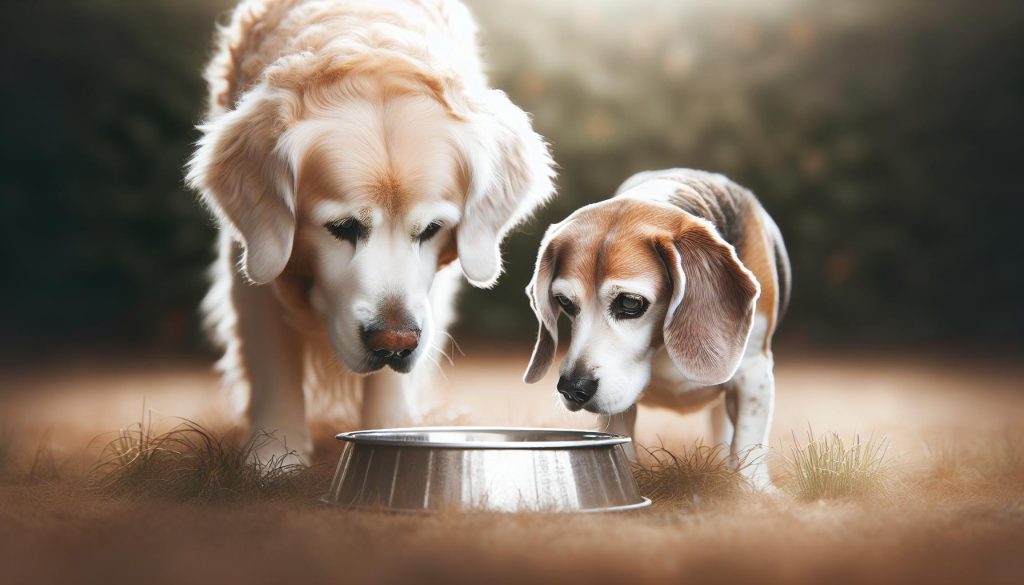
As our beloved dogs age, their behavior can change in surprising ways-one common concern is increased thirst. You may wonder if your old dog is simply experiencing normal aging or if their increased water intake could signal an underlying health issue. Understanding this shift is crucial for keeping your furry friend healthy and happy. In this article, we’ll explore the reasons behind increased water consumption in older dogs, helping you differentiate between natural changes and potential medical concerns. With insights into why hydration matters and tips for monitoring your dog’s drinking habits, you’ll be equipped to ensure your aging companion receives the best care possible. So, let’s dive in and unravel the mystery of why your senior dog might be guzzling more water.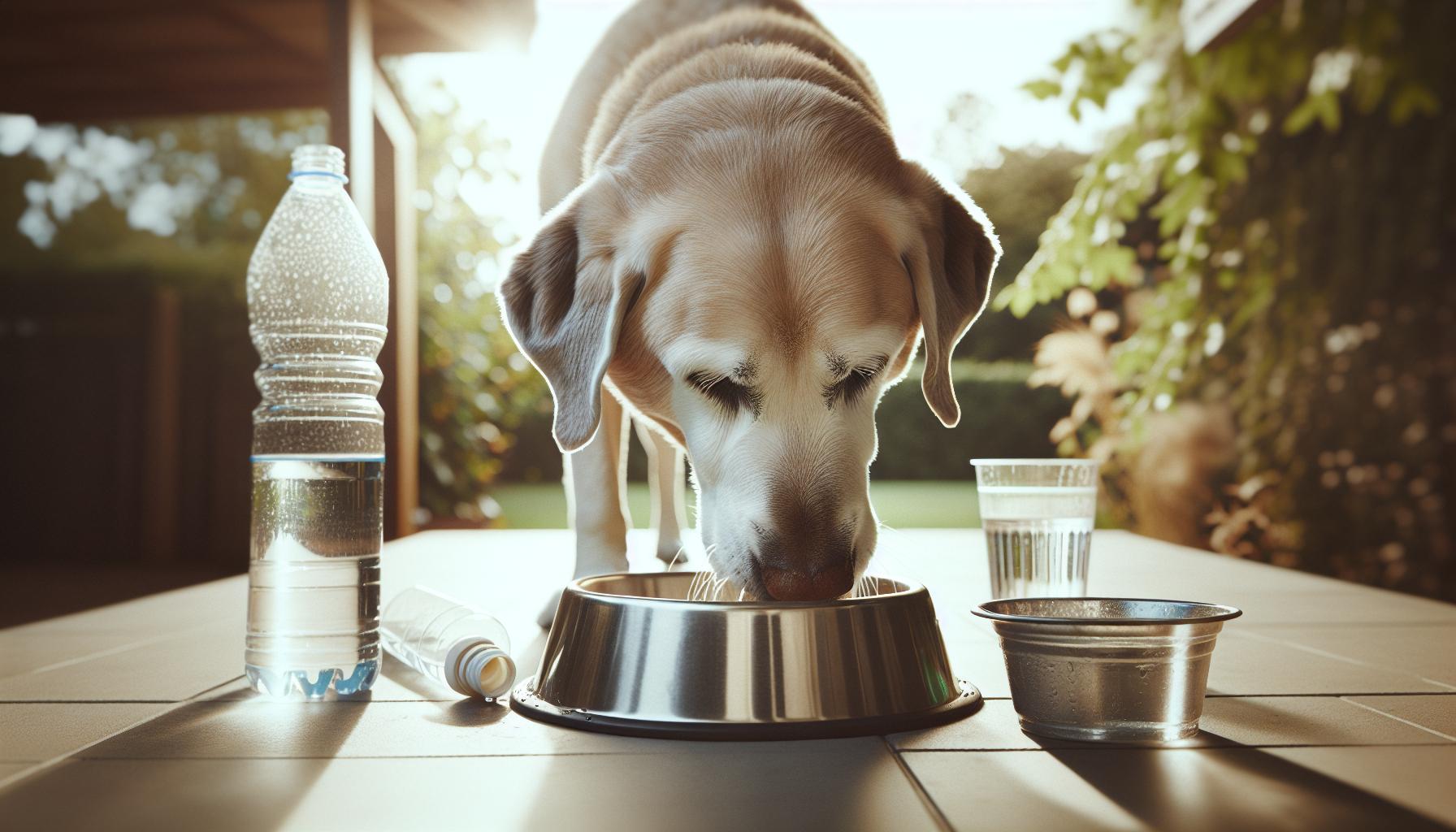
Do Old Dogs Drink More Water? Understanding the Basics of Canine Hydration
As your beloved dog ages, you may notice a shift in their water intake, prompting the question: Do older dogs drink more water than younger ones? The answer is often a nuanced blend of normal aging processes and potential health concerns. It’s crucial to recognize that just like humans, dogs experience changes in hydration needs as they age. For older dogs, increased thirst can be attributed to several factors, ranging from natural physiological changes to underlying health issues.
One of the primary reasons older dogs may drink more is the gradual decline in kidney function. As dogs age, their kidneys may become less efficient at filtering and reabsorbing fluids, leading to increased water consumption. Additionally, age-related changes can affect their sense of thirst, causing them to drink more frequently. It’s essential to provide easy access to fresh water at all times, as older dogs may also be less capable of alerting you to their needs compared to their younger counterparts.
Aside from normal aging, certain medical conditions prevalent in senior dogs can contribute to increased thirst. Diseases such as diabetes mellitus, Cushing’s disease, and kidney disease often present with symptoms of excessive thirst and urination. Monitoring your dog’s water intake can help identify concerning patterns. If you notice significant changes in their drinking habits or other symptoms like lethargy or weight loss, consulting with a veterinarian is advisable to rule out any serious health issues.
Lastly, consider the role of diet in your dog’s hydration. Foods with higher moisture content-like wet food-can contribute to overall hydration, while dry kibble might necessitate a greater need for water intake. Understanding these nuances will not only help you keep your aging dog comfortable but also ensure you are prepared to take proactive measures to address any health concerns early. Always remember, maintaining hydration is a key component of your senior dog’s overall well-being-making your attentive care vital as they age gracefully.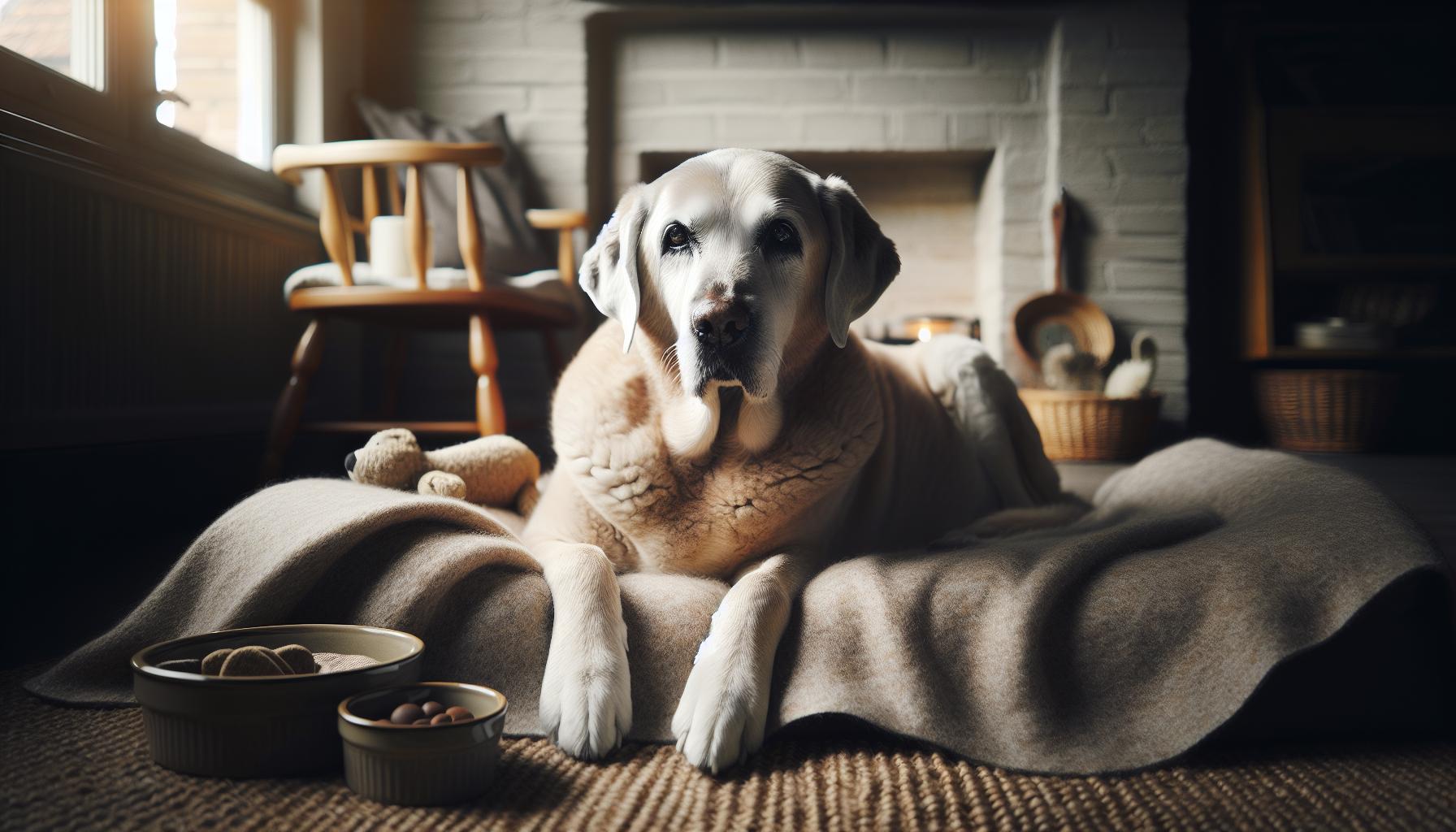
Normal Aging in Dogs: What to Expect as They Grow Older
As your canine companion ages, wonderful changes-and some challenges-begin to unfold. Aging is a natural process, and understanding what to expect can help you provide the best care for your senior dog. Like humans, dogs transition through different life stages; however, they may face various age-related changes that impact their health, mobility, and hydration needs. Notably, older dogs might exhibit shifts in their hydration patterns, which can be crucial to monitor for overall well-being.
One of the most significant physiological changes is the gradual decline in kidney function. With age, kidneys become less effective at filtering waste and maintaining fluid balance, which often results in an increased need for water. You may notice your dog seeking out water more frequently or drinking larger amounts at once. These changes necessitate vigilance. Providing easy access to clean, fresh water at all times is essential, as older dogs may not be as quick to signal their thirst when they need a drink, potentially leading to dehydration.
Additionally, senior dogs can experience a decrease in their sense of smell, impacting their appetite and thirst awareness. When food becomes less enticing, some dogs may prefer wetter food options, which can naturally increase hydration. Offering a variety of food types, like incorporating wet food or adding water to dry kibble, can help enhance their hydration levels.
It’s also vital to pay attention to any behavioral changes. If your dog becomes increasingly lethargic, has trouble moving, or appears to be panting more than usual, these could indicate more serious underlying issues, including diseases that affect thirst. Regular check-ups with your veterinarian can help track these changes and address any concerns before they become significant problems. Understanding your dog’s needs as they age can help ensure they stay comfortable, healthy, and hydrated during their golden years.
Signs of Dehydration in Older Dogs: When to Be Concerned
It can be shocking to realize how subtle signs of dehydration can creep up on our beloved senior dogs, especially since these furry friends may not articulate their discomfort as easily as they once did. Just like humans, dogs can suffer from dehydration, which can be particularly concerning in older animals due to their changing physiology and potential underlying health issues. Being equipped to recognize the early signs of this condition can make a crucial difference in your dog’s well-being.
Common symptoms of dehydration include dry gums, excessive panting, and a lack of skin elasticity. To assess your dog’s hydration level, gently pinch the skin on the back of their neck; it should return to its normal position almost immediately. If it stays tented, your dog may be dehydrated. Additionally, pay attention to their drinking habits. Is your dog reluctant to drink or is drinking much more than usual? Both can be red flags warranting further investigation. Other signs might include lethargy, a decrease in appetite, and a notable reduction in energy levels, all of which might indicate that your dog is struggling to stay hydrated.
Various factors can exacerbate dehydration in older dogs, including certain diseases like kidney issues or diabetes, which can also lead to increased thirst. If your dog appears confused or disoriented, it could indicate something more serious. In these scenarios, it’s essential to consult with your veterinarian as soon as possible. Keeping a close eye on these changes will not only aid in proactive intervention but also reassure you as a responsible pet parent.
To promote hydration, always provide fresh water and consider a hydration schedule tailored to your dog’s daily activities and health condition. You might also explore moistened food options, which can aid in overall water intake. Always stay alert and informed, as being proactive about hydration can contribute dramatically to your dog’s comfort and longevity in their golden years.
It’s not merely about the volume of water available; it’s about understanding your senior dog’s needs and being responsive to the signs they may be sending. Regular veterinary check-ups can be invaluable in helping you monitor your dog’s health status and hydration needs effectively.
Common Diseases That Cause Increased Thirst in Dogs
Increased thirst in dogs, particularly as they age, can often be a sign of underlying health issues rather than simply a normal aspect of growing older. Understanding which diseases can contribute to this increased thirst is crucial for responsible pet owners. As our furry companions enter their golden years, their susceptibility to certain illnesses can increase, leading to changes in drinking behavior that warrant close attention.
One of the most common conditions associated with excessive thirst in older dogs is diabetes mellitus. This metabolic disorder affects the body’s ability to regulate blood sugar, causing not only increased thirst but also frequent urination. If your senior dog shows symptoms such as increased drinking and urination, a noticeable decline in energy, or unusual weight changes, it’s time to consult your veterinarian for a thorough evaluation.
Kidney disease is another prevalent issue in senior dogs that can lead to heightened thirst and urination. The kidneys play a vital role in filtering waste and maintaining hydration levels, and when their function declines, dogs may drink more water to compensate. Look out for signs like decreased appetite, vomiting, or changes in behavior, as these may indicate that it’s time for a vet visit.
Also noteworthy is Cushing’s disease (hyperadrenocorticism), a hormonal disorder caused by an overproduction of cortisol. Dogs with Cushing’s typically exhibit increased thirst and urination, along with other symptoms such as a pot-bellied appearance, thinning skin, and lethargy. If your dog seems unusually thirsty or is showing any of these signs, a veterinary examination can provide clarity and direction for management.
To provide any dog, especially older ones, with the best care possible, it’s important to regularly monitor their drinking habits and be aware of these potential diseases. Simple steps can make a big difference: keep a daily log of your dog’s water intake, watch for changes in behavior, and consult your veterinarian with any concerns. Recognizing these symptoms early can help ensure your pup remains happy and healthy during their senior years, allowing you both to enjoy the time spent together.
The Role of Diet in Hydration: Food That Affects Water Intake
Feeding your dog the right diet plays a pivotal role in their overall hydration, particularly as they age. Many pet owners might not consider how the texture, moisture content, and nutritional balance of their dog’s food can significantly influence their water intake. For instance, wet or canned dog food typically contains around 70-80% moisture, which can be an excellent way to help keep your older dog hydrated. This can be especially beneficial for dogs that may be less inclined to drink water as they age, perhaps due to decreased thirst drive or mobility issues that make accessing water more challenging.
Conversely, dry kibble generally has much lower moisture content, often only around 10% to 12%. This means that if your dog is primarily eating dry food, they will likely need to drink more water to compensate for this lack of moisture. As your dog’s dietary choices can directly affect their hydration levels, it’s beneficial to mix wet and dry foods. Not only does this combination provide variety, but it can also enhance hydration without the need for excessive water consumption.
Some ingredients can further aid in maintaining hydration. Foods high in fiber, like pumpkin or sweet potatoes, can help sustain a dog’s digestive health and promote better water absorption, indirectly supporting hydration. Additionally, beef or chicken broth (low sodium, of course) can be an enticing addition to meals, encouraging your dog to drink more. However, be cautious with treats and table scraps, as human food can sometimes be too salty or fatty for dogs, potentially leading to dehydration rather than hydration.
Ultimately, understanding how your dog’s diet affects their water intake is essential for ensuring they remain hydrated and healthy. Regularly assess not only what your dog eats but also their drinking habits. If you observe a change in their thirst, consider discussing dietary adjustments with your veterinarian to create a balanced meal plan that best meets your dog’s needs in their senior years. Adapting their diet to include hydrating foods can make a significant difference, turning mealtime into an opportunity to enhance their hydration and overall well-being.
Comparing Water Intake Across Different Dog Breeds
Understanding how water intake varies among different dog breeds can shed light on the unique needs your senior dog may have. Just like people, each dog breed has its own quirks and characteristics, including its hydration requirements. Factors such as size, energy levels, dietary habits, and overall health can significantly influence how much water a dog needs daily. For instance, large breeds like Great Danes or Saint Bernards often require more water due to their size and weight, while smaller breeds, such as Chihuahuas or Pomeranians, typically drink less simply because of their smaller body mass.
Another fascinating aspect is that certain breeds are predisposed to health issues that can affect their thirst. For example, breeds like Cocker Spaniels and Labrador Retrievers are known for having a higher propensity for obesity; this can lead to increased thirst if diabetes or kidney issues develop. In contrast, breeds that are more prone to being active, like Border Collies or Australian Shepherds, may have a higher water intake not only due to their exercise regimen but also due to their propensity for overheating.
Here’s a quick overview of some breed-specific hydration needs:
| Breed | Average Daily Water Intake | Factors Influencing Water Needs |
|---|---|---|
| Great Dane | 1-2 gallons | Large size, high exercise levels |
| Labrador Retriever | 1-1.5 gallons | Active lifestyle, susceptibility to obesity |
| Cocker Spaniel | 0.5-1 gallon | Potential for health issues, moderate activity |
| Chihuahua | 0.1-0.5 gallons | Small size, lower activity levels |
| Border Collie | 1-1.5 gallons | High energy and activity levels |
Always remember, hydration needs can change with age. Older dogs, regardless of breed, often consume more water due to a decreased ability to concentrate urine, which can be an important indicator of kidney health. Therefore, it’s essential to ensure your dog has constant access to fresh water, especially as they navigate the later years of their life. Observing your dog’s drinking habits over time will help you catch any potential health issues early, allowing you to adjust their water intake or consult with your veterinarian as needed.
By being aware of these breed-specific tendencies, you can better cater to your senior dog’s hydration needs, ensuring they maintain optimal health and comfort as they age.
How Environmental Factors Influence Your Dog’s Water Needs
As the seasons change, so too do the hydration needs of our beloved canine companions. Environmental factors play a significant role in how much water an aging dog requires. For instance, a dog’s water intake can drastically increase in the summer months when heat and humidity rise. Older dogs may already have decreased kidney function or other health considerations, making them more susceptible to dehydration during warmer weather. If your furry friend spends time outdoors, ensure there’s access to cool, fresh water in shaded areas to encourage frequent drinking.
Temperature Considerations
In hot weather, a dog’s body works harder to regulate its temperature, leading to an increased need for hydration. Dogs that are more active outdoors or belong to breeds with thick fur, like Golden Retrievers or Samoyeds, might require additional water intake compared to their more laid-back counterparts. Ensuring water is always available after walks or playtime can help maintain hydration. It’s also a good idea to include ice cubes in their bowl for a fun and refreshing option on hotter days.
Indoor Environment
Indoor settings contribute to hydration needs too; air conditioning can create a dry atmosphere that reduces moisture in the air. Dogs, especially older ones, may not feel as thirsty in cooler environments but still require sufficient water. Using a humidifier can help balance the moisture content in the air, encouraging better hydration. Familiarize yourself with the signs of dehydration, such as lethargy or dry gums, as older dogs might not exhibit typical thirst cues.
Altitude and Climate
If you live in a high-altitude area, your dog may need more water due to lower oxygen levels, which can lead to increased respiration and fluid loss. Similarly, in arid climates, quick evaporation can diminish moisture in the food they consume, affecting overall hydration. Remember, when adjusting your dog’s water needs based on environmental factors, always monitor their behavior and hydration levels closely.
By remaining vigilant regarding how environmental changes impact your dog’s water needs, you can help ensure a healthier life for your aging companion. Implement simple measures to keep their hydration levels optimal, and don’t hesitate to consult your veterinarian for personalized recommendations based on your dog’s specific circumstances.
Best Practices for Keeping Your Senior Dog Hydrated
Keeping your senior dog hydrated is essential for their health and well-being, especially as they age. Did you know that dehydration can exacerbate common age-related issues, like kidney problems or joint pain? Ensuring your furry friend drinks enough water is crucial, and there are several practical strategies to help with this.
First, make water readily available at all times. Place multiple bowls of fresh, clean water in various rooms where your dog spends time. This simple step encourages frequent drinking and eliminates the need for your dog to walk long distances, especially if they have mobility issues. Consider switching to a pet water fountain, which can entice them with flowing water, making it more appealing than a stagnant bowl.
Another effective strategy is to incorporate wet food into their diet. Canned dog food or home-cooked meals can provide additional hydration, as they often contain a higher moisture content than dry kibble. You can also enhance their hydration by adding water or low-sodium broth to their dry food. For picky eaters, you might try freezing broth into ice cubes and serving these as a cool treat during warmer months.
Pay attention to your dog’s habits and behavior. If they seem less interested in drinking or show signs of dehydration-like dry gums or a lack of skin elasticity-consider offering them ice cubes as a fun alternative to drinking. You can turn hydrating into a game by tossing a few cubes on the floor for them to play with and lick. If you’re walking outdoors, make regular stops for water breaks, particularly on warmer days.
Lastly, consult with your veterinarian about tailored hydration strategies based on your dog’s specific health conditions. Regular check-ups will help monitor kidney health and ensure that any changes in thirst or urination are addressed promptly. By proactively managing your senior dog’s hydration, you can directly contribute to their comfort and longevity, ensuring they enjoy their golden years to the fullest.
Veterinary Insights: When to Seek Professional Help
Determining whether a senior dog drinks more water due to normal aging or an underlying health issue can sometimes feel daunting. It’s important to remember that increased thirst, or polydipsia, can be an early indicator of various conditions, such as diabetes, kidney disease, or even hyperthyroidism. Therefore, monitoring your dog’s water intake is crucial, and knowing when to reach out to your veterinarian can make all the difference.
If you notice your older dog drinking significantly more water than usual-particularly if they have also started exhibiting other symptoms like increased urination, weight loss, or changes in appetite-it’s wise to consult a veterinarian. An initial check-up will often include a thorough physical exam and may involve blood tests or urinalysis to rule out serious issues. For instance, older dogs, especially breeds like Poodles or Doberman Pinschers, can be more susceptible to kidney-related ailments, so being vigilant with their hydration habits is essential.
Common Signs That Indicate a Veterinary Visit Is Necessary:
- Sudden increase in water consumption.
- Changes in bathroom habits, such as frequent urination or accidents in the house.
- Loss of weight or increased lethargy.
- Dry gums, persistent panting, or excessive drooling.
Regular vet visits become even more critical as dogs age. Annual or bi-annual check-ups allow for early detection of potential problems, and your vet can provide tailored advice based on your dog’s specific breed and health history. It’s particularly important to share any new behaviors or changes you’ve observed; veterinarians appreciate detailed insights from owners as they assess a dog’s well-being.
By staying proactive and engaged in your senior dog’s health, you can help ensure that their golden years are not just longer but also filled with comfort and joy. If you’re ever in doubt about your pet’s hydration habits, err on the side of caution, and give your veterinarian a call; after all, a happy, healthy dog is what we all strive for!
Monitoring Your Dog’s Water Intake: Tools and Tips
Monitoring your dog’s water intake is vital, especially as they age. Did you know that dehydration can be particularly dangerous for older dogs? Just like humans, dogs can struggle with hydration, and since older pets are often less active, they may not drink enough water. This makes proactive monitoring essential. Here are some effective tools and tips to help you track your dog’s hydration habits.
Invest in a water bowl that has measurement markings or a water dispenser that accurately tracks intake. This can provide a clear visual indication of how much water your dog is consuming daily. To make monitoring easier, establish a routine. For example, refill the water bowl at specific times of the day and measure how much water you pour in compared to what remains. Keeping track of this for a week can give you valuable insights into your dog’s drinking patterns.
A food diary can also be beneficial. Note not only the amount of water consumed but also any changes in food intake or behavior. Certain dog breeds, like Greyhounds and Dachshunds, might have different hydration needs, so understanding your specific breed’s requirements can help. If you notice your dog drinking significantly more (or less) than usual, check for signs of dehydration, such as dry gums or a lack of energy.
Additionally, smart pet devices are available that can help monitor water intake. Some water bowls are equipped with sensors that connect to your smartphone, providing real-time data about your dog’s drinking habits. This technology can be particularly helpful for busy pet owners who may not always be able to observe their dog’s drinking behavior.
Ultimately, you know your dog best. If you notice any abrupt changes or have concerns about your dog’s hydration, don’t hesitate to reach out to your veterinarian. Regular check-ins allow for early intervention and help ensure your furry friend remains healthy and hydrated, especially in their golden years. With diligence and the right tools, you can help keep your aging dog comfortable and thriving.
Adjusting Water Needs for Dogs with Health Conditions
As dogs age, their water needs may fluctuate-for better or worse-especially if they have underlying health conditions. For instance, renal disease, diabetes, and Cushing’s disease often contribute to increased thirst and urination in senior dogs. Understanding how these conditions impact hydration is essential for proactive dog owners seeking to maintain their pet’s health and comfort.
When managing a dog with such a condition, it’s crucial to keep a close eye on water consumption. You may notice your dog drinking much more or less than usual. If, for example, your diabetic dog is drinking excessive amounts, this is a classic symptom of the disease, and adjusting their water intake becomes necessary-to ensure hydration while preventing the complications that can arise from too much fluid loss. Likewise, increasing the moisture content in their food can be beneficial; consider adding wet food to their diet or simply incorporating more water into their kibble to enhance hydration without relying solely on water intake.
Recognizing Signs of Distress
To better support your furry friend, familiarize yourself with signs that indicate dehydration or health complications. These may include:
- Dry gums or tongue
- Lethargy or decreased energy levels
- Loss of skin elasticity
For example, when you gently pinch the skin between your dog’s shoulder blades, it should snap back quickly. If it takes time to return to its normal position, your dog might be dehydrated. Keeping a daily log of your dog’s drinking habits can serve you well here; if any abnormalities arise, contact your veterinarian promptly, who may suggest further tests or adjustments tailored to your dog’s specific health issue.
Tailoring Water Intake for Health Conditions
When adjusting hydration for dogs with health conditions, consider these tailored strategies:
- Portion Control: For dogs with conditions affecting their thirst drive, such as kidney issues, ensure they have access to water at all times but monitor portions to prevent overwhelming their system.
- Hydration Schedule: Establish a routine, like scheduled water breaks, to promote regular drinking rather than allowing them to go long stretches without water, particularly if they tend to forget or are less active.
- Consult Your Vet: Discuss dietary changes, like transitioning to lower sodium options or introducing supplements that help maintain hydration and reduce thirst. Your vet might have specific recommendations based on your dog’s health history.
By being mindful of these needs and creating a supportive environment, you can help your dog maintain optimal hydration, contributing positively to their overall well-being despite any health challenges they may face. Always remember, understanding your dog’s unique needs is a testament to the love and care you have for them.
Creating a Hydration Routine: Daily Care for Aging Dogs
Creating a hydration routine for your aging dog is essential to ensure they stay healthy and comfortable. Just like humans, dogs need a consistent water intake to maintain proper bodily functions, especially as their bodies become less efficient due to aging. As many dog owners have discovered, older pups can sometimes become more selective about their drinking habits. To combat this, establishing a predictable hydration routine will enable you to monitor and encourage their water consumption effectively.
Begin by placing multiple water bowls around your home to make drinking more convenient for your older dog. This is particularly helpful for those with mobility issues that might make it challenging to reach one central bowl. Opt for shallow bowls that are stable and heavy enough not to tip over easily. Additionally, consider investing in a pet water fountain, as many dogs are attracted to running water and may drink more when it’s readily available and fresh.
Daily Hydration Schedule
Creating a daily hydration schedule can help in keeping your dog hydrated throughout the day. Here’s a suggested routine to get you started:
- Morning Routine: Start the day with fresh water and encourage your dog to drink after their morning walk.
- Meal Times: Add some water to their food, especially if you’re feeding dry kibble. This not only enhances hydration but also makes their meals more appealing.
- Afternoon Breaks: Offer water after playtime or exercise, reinforcing the importance of hydration during physical activity.
- Evening Wind Down: Encourage drinking before bedtime so your dog starts the night hydrated.
Remember to adjust the amount of water based on your dog’s size, breed, and health status. For instance, larger breeds may require more water than smaller ones, and dogs with health conditions like diabetes or kidney disease typically need closer monitoring.
Monitoring Hydration
Keep an eye on your dog’s water intake by noting daily consumption and observing any changes in their behavior or bathroom habits. If you suspect your dog is not drinking enough, consider mixing in low-sodium broth with their water or offering ice cubes as a tasty treat. Regular interaction during these hydration breaks not only promotes drinking but also strengthens your bond with your pet.
By integrating these practices into your daily routine, you foster an environment that encourages ample hydration. This supportive approach helps ensure your cherished companion remains happy and healthy in their golden years. Always feel free to consult your veterinarian for tailored advice or recommendations specific to your dog’s individual needs, especially if you notice sudden changes in their drinking habits or overall health.
FAQ
Q: How can I tell if my aging dog is drinking too much water?
A: If your aging dog drinks more water than usual, monitor for changes such as increased urination, sluggishness, or changes in appetite. These could indicate underlying health issues. Consulting your veterinarian is advisable if you notice excessive thirst, as it may signal diabetes or kidney problems.
Q: What health issues cause increased thirst in senior dogs?
A: Increased thirst in senior dogs can be caused by conditions like diabetes mellitus, kidney disease, and Cushing’s disease. Each of these diseases affects fluid balance and kidney function, leading to excessive drinking. Regular veterinary check-ups can help catch these issues early.
Q: What are the signs of dehydration in older dogs?
A: Signs of dehydration in older dogs include dry gums, lethargy, decreased skin elasticity, and loss of appetite. Monitoring water intake and noting changes in behavior can help ensure your dog remains properly hydrated. If you notice these signs, consult your veterinarian immediately.
Q: Should I change my dog’s diet as they age to help with hydration?
A: Yes, modifying your dog’s diet can impact hydration. Introducing wet food can increase water intake since it contains moisture. Additionally, consider foods with high water content and ensuring consistent access to fresh water to encourage hydration.
Q: How do environmental factors affect my dog’s water needs?
A: Temperature, humidity, and activity levels heavily influence a dog’s water needs. Hot weather or increased physical activity can lead to higher water requirements. Make sure to offer plenty of water and monitor your dog during warmer months or after exercise.
Q: How much water should a senior dog drink daily?
A: A general guideline is that dogs should drink about one ounce of water per pound of body weight daily. However, senior dogs may need more, especially if they have certain health conditions. Monitoring your dog’s intake and sticking to a routine is essential for their health.
Q: What are the best ways to encourage my senior dog to drink more water?
A: To encourage your senior dog to drink more water, try using a pet water fountain, offering ice cubes as treats, or adding water to dry food. Keeping fresh water available and flavorful options can stimulate their interest in drinking.
Q: When should I consult a vet about my dog’s drinking habits?
A: If your dog shows sudden changes in water intake, especially if accompanied by other symptoms like vomiting, weight loss, or lethargy, consult your vet. Regular check-ups are important, especially for senior dogs, to address any potential health issues early on.
To Wrap It Up
As we conclude our exploration of whether older dogs drink more water due to normal aging or potential health issues, it’s essential to remember that water intake can be a vital indicator of your pup’s well-being. If you’ve noticed significant changes, considering a vet consultation could provide peace of mind-don’t wait until health concerns arise. For more insights on canine hydration and overall wellness, check out our articles on “Understanding Your Dog’s Nutritional Needs” and “Signs of Dehydration in Dogs.”
We encourage you to share your thoughts or questions in the comments below-your experiences could help other dog owners! If you found this guide useful, consider signing up for our newsletter to stay updated on the best tips for caring for senior dogs. Remember, being proactive about your furry friend’s health is the best way to ensure they enjoy their golden years to the fullest!