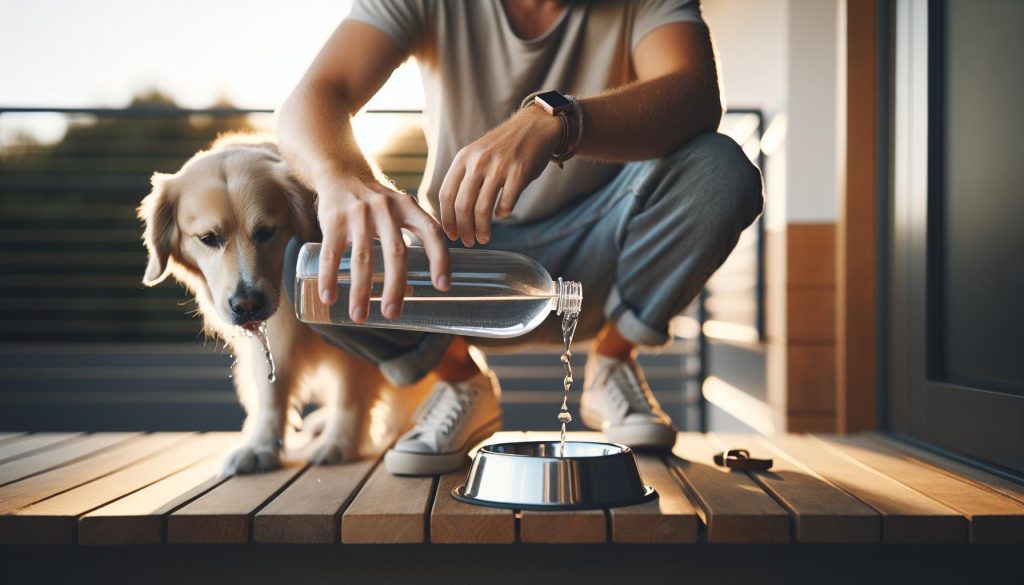
Did you know that a dog’s unique way of drinking water is not just charming but also showcases their incredible biology? Understanding how dogs drink can help you better care for your furry friend and ensure they stay hydrated, especially if you’re a new pet owner or considering bringing a dog into your home. In this enlightening article, we’ll explore the fascinating science behind a dog’s drinking method-how they create a vacuum with their tongues and the clever mechanics that allow them to lap up water efficiently. By learning more about this essential behavior, you can enhance your dog’s well-being and appreciate the intricate ways in which they interact with their environment. So, let’s dive into the science behind this everyday act and discover how we can support our dogs in staying healthy and happy!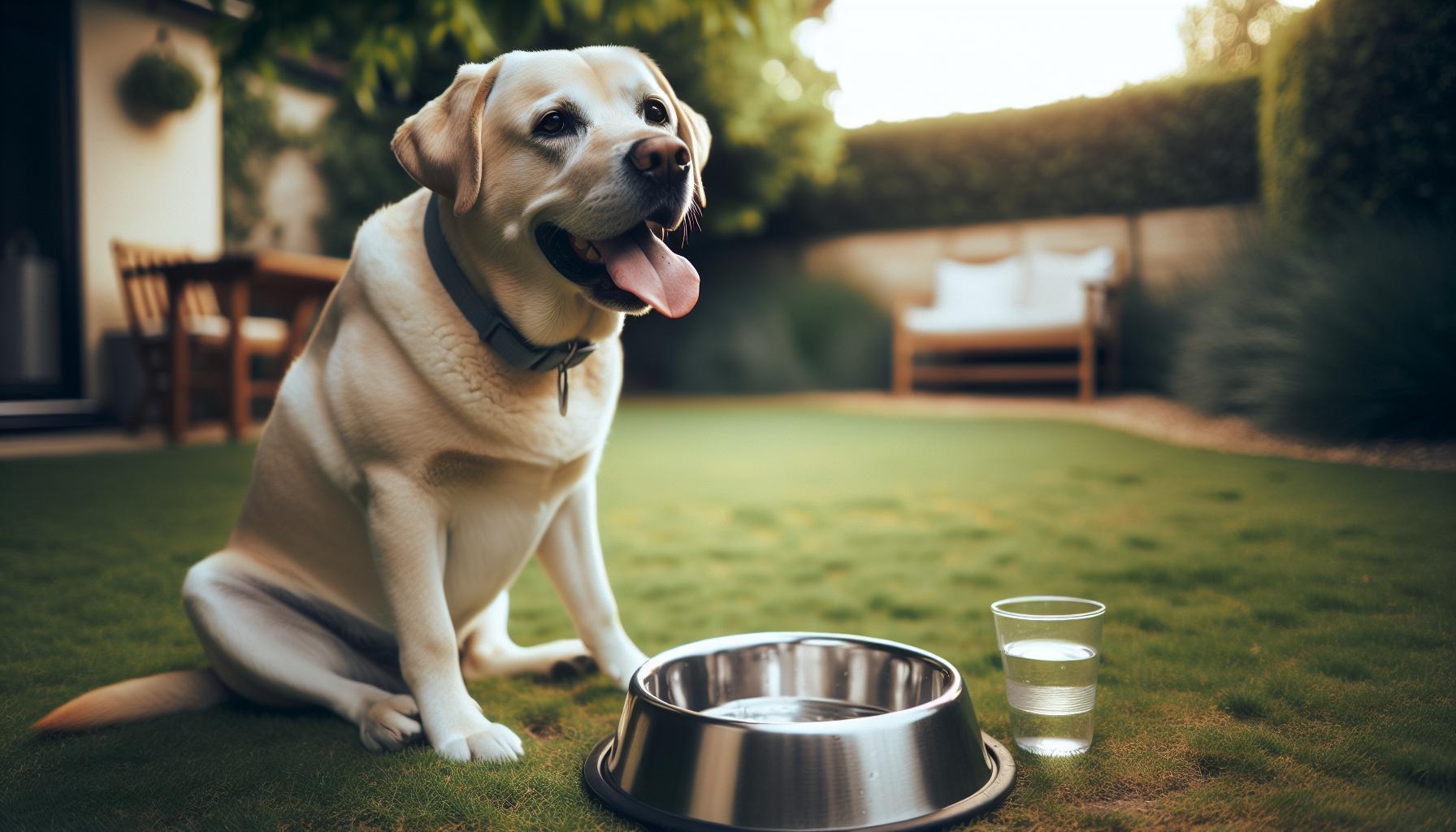
The Science of Canine Hydration: Why Water Matters for Dogs
Did you know that water makes up about 60% of a dog’s body weight? This high percentage highlights just how critical hydration is to your furry friend’s health and well-being. Just like humans, dogs need water for a variety of bodily functions, including regulating body temperature, aiding digestion, and facilitating nutrient absorption. Proper hydration helps support their joints, skin, and fur, allowing them to lead a happy and active life. Understanding the science behind canine hydration allows us as pet owners to prioritize it effectively.
Dogs often rely on instinctual behaviors honed over thousands of years, but they also need fair guidance from their owners. Factors like age, breed, size, activity level, and even environmental conditions play a significant role in how much water a dog needs each day. For instance, active breeds such as Border Collies or Labrador Retrievers may require more water than more sedentary breeds like Bulldogs or Shih Tzus. Monitoring their drinking habits can ensure they stay adequately hydrated, especially during physical activities or hot weather conditions.
Conducting regular checks and ensuring water bowls are always filled can make a difference. Don’t hesitate to switch up the water delivery method, as some dogs might prefer a bowl, while others may enjoy drinking from a pet fountain. Regularly refreshing their water, partaking in consistent walks, and incorporating wet food into their diet can all make hydration more appealing. Ultimately, a dog’s hydration is both a shared responsibility and a rewarding journey to ensure the health and happiness of your canine companion.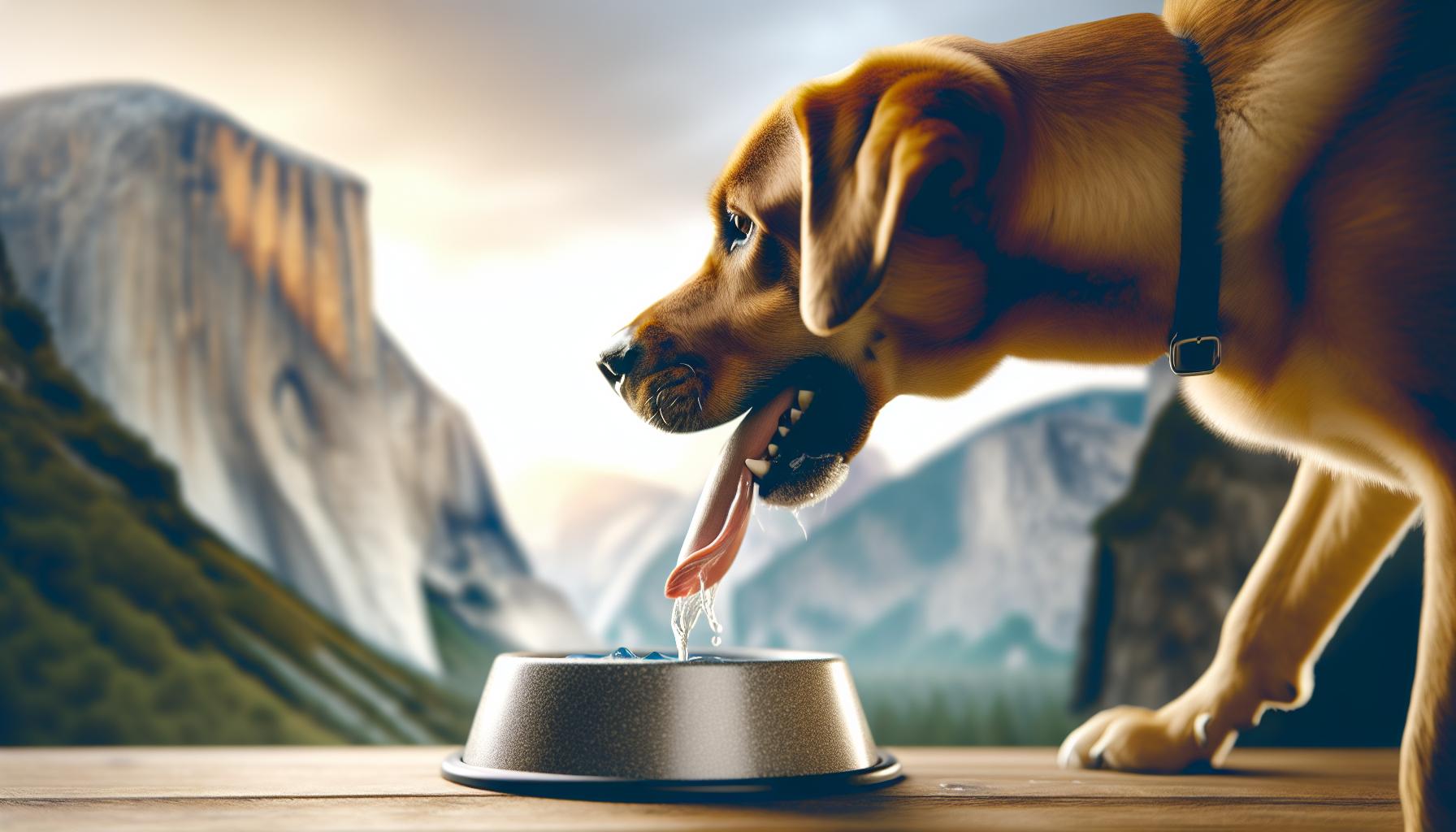
The Anatomy of a Dog’s Tongue: Nature’s Water Scoop
Dogs have a remarkable way of drinking water that many pet owners might not fully understand. Did you know that a dog’s tongue acts like a built-in scoop? This fascinating adaptation plays a crucial role in how they hydrate. When dogs drink, they use their tongues in a unique lapping motion to draw up liquid, captivatingly crafting an effective, yet natural, water-fetching mechanism.
The structure of a dog’s tongue contributes greatly to this water-fetching technique. The tongue is long and flexible, enabling it to dip into the water and then flick back quickly. This action creates a small pocket of water that the dog can then quickly swallow. To help visualize this, consider the way some people might use a spoon to scoop up a small amount of liquid; dogs essentially do this with their tongues. Moreover, the underside of a dog’s tongue is covered in papillae, small backward-facing projections that assist in securing the water, making it easier to catch and consume.
It’s fascinating to note the variation in lapping techniques among different breeds. For instance, a Greyhound, known for its elegance and speed, often has a very quick lapping style due to its need for efficiency, while a Bulldog, with its shorter tongue, may demonstrate a more deliberate and slower approach. As a dog owner, being aware of these subtleties can enhance your understanding of your pet’s individual drinking habits. Regularly observing how your dog drinks can not only help you ensure they remain hydrated but can also be a delightful insight into their personality.
To support hydration, ensure your dog has easy access to fresh water at all times. Keeping the water bowl clean and filled encourages them to drink more. If you notice your dog’s lapping style changing – perhaps they seem to struggle or take longer to drink – it may be worth consulting a vet to rule out any dental issues. In understanding how effectively and uniquely our dogs drink, we can take better care of their hydration needs, ensuring they remain healthy and happy companions.
How Dogs Drink: The Techniques Behind Their Lapping Method
Did you know that the way dogs drink water is a fascinating display of both biology and efficiency? When your furry friend quenches their thirst, it’s not just a simple act; it’s a captivating process rooted in their anatomy and instinct. Dogs have mastered a unique lapping technique, using their tongues to create a small pocket of liquid that allows them to hydrate quickly and effectively. This method showcases not only their adaptability but also highlights the incredible design of their tongues, which play a crucial role in ensuring they get enough water.
The mechanics of how dogs lap up water are quite intriguing. A dog’s tongue is not only long and flexible but also shaped to facilitate this drinking behavior. When they extend their tongues into the water, they flip them backward, forming a spoon-like scoop that draws the liquid upwards. At the same time, the papillae on the underside of their tongues, which are small backward-facing projections, help to hold onto the water and secure it for swallowing. This technique is both effective and efficient, allowing dogs to take in water with minimal effort-ideal for their active lifestyles.
It’s essential to note that different breeds exhibit variations in their lapping styles due to their physical characteristics. For example, a Labrador Retriever, known for its energetic nature, typically laps water with purpose, often taking bigger gulps to keep up with its hydration needs after play. In contrast, a Chihuahua, with its smaller frame, may have a more delicate and careful approach to drinking, taking small sips rather than big gulps. Observing these differences can be quite rewarding for dog owners, as it helps in understanding each pet’s unique drinking habits and preferences.
To help your dog maintain optimal hydration, it’s crucial to monitor their drinking habits and ensure fresh water is always available. Consider placing multiple water bowls around your home, particularly in warmer weather or after vigorous exercise. Additionally, if you notice any changes in your dog’s lapping technique-such as difficulty in drinking or reluctance to approach their bowl-it may indicate potential health issues, making a vet visit a wise choice. By being proactive and attentive to how your dog drinks, you can better support its hydration needs, leading to a healthier, happier life together.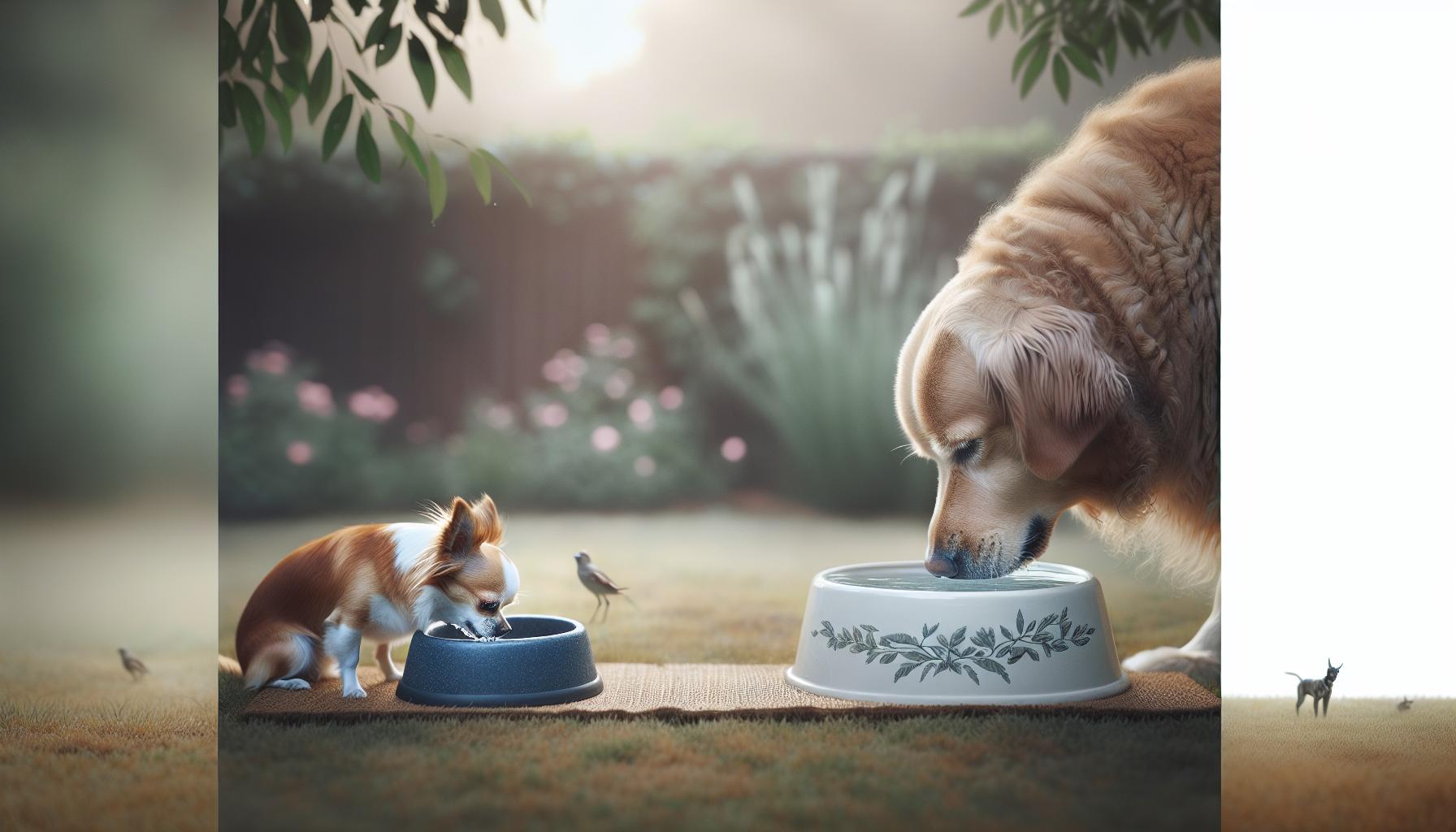
Comparing Dog Breeds: Drinking Habits and Preferences
When it comes to hydration, not all dogs are created equal. Each breed exhibits unique drinking habits and preferences influenced by their size, anatomy, and activity levels. Understanding these differences is crucial for pet owners aiming to ensure their furry friends stay well-hydrated and healthy. For instance, larger breeds often have a more robust drinking style and typically require more water compared to smaller breeds, which may be more delicate in their approach.
One fascinating example can be seen in the comparison between a Labrador Retriever and a Shih Tzu. Labradors, known for their exuberant playfulness and high energy, tend to lap water vigorously, taking large gulps after their daily adventures. Their physical size and activity level necessitate greater water intake, and owners can often observe them drinking more frequently throughout the day. In contrast, Shih Tzus, being smaller with less energy, may only sip occasionally, making them less prone to showing signs of dehydration quickly.
Another breed to consider is the Bulldog, whose unique facial structure can affect how they drink. Bulldogs might struggle with traditional water bowls due to the short snouts, often leading to messes. In these cases, elevating the water bowl or providing a fountain designed for their size can encourage better drinking habits. Moreover, breeds with longer muzzles, like the Greyhound, can drink more efficiently and often prefer deeper bowls which allow easier access to water, particularly after rigorous runs.
To support your dog’s hydration needs, consider creating a drinking schedule based on their breed and activity levels. Here are a few actionable tips:
- Regular Refills: Ensure that fresh, clean water is available at all times, especially in warmer weather.
- Multiple Bowls: Place water bowls in different locations in your home to encourage drinking.
- Monitor Intake: Pay attention to how much water your dog consumes daily, adjusting based on their activity level.
- Breed-specific Solutions: Adapt water bowl heights and types according to your dog’s breed and preferences.
By tailoring hydration strategies based on your dog’s breed characteristics and their individual drinking habits, you can foster a healthier, more enjoyable drinking experience that aligns with their requirements and enhances their overall well-being.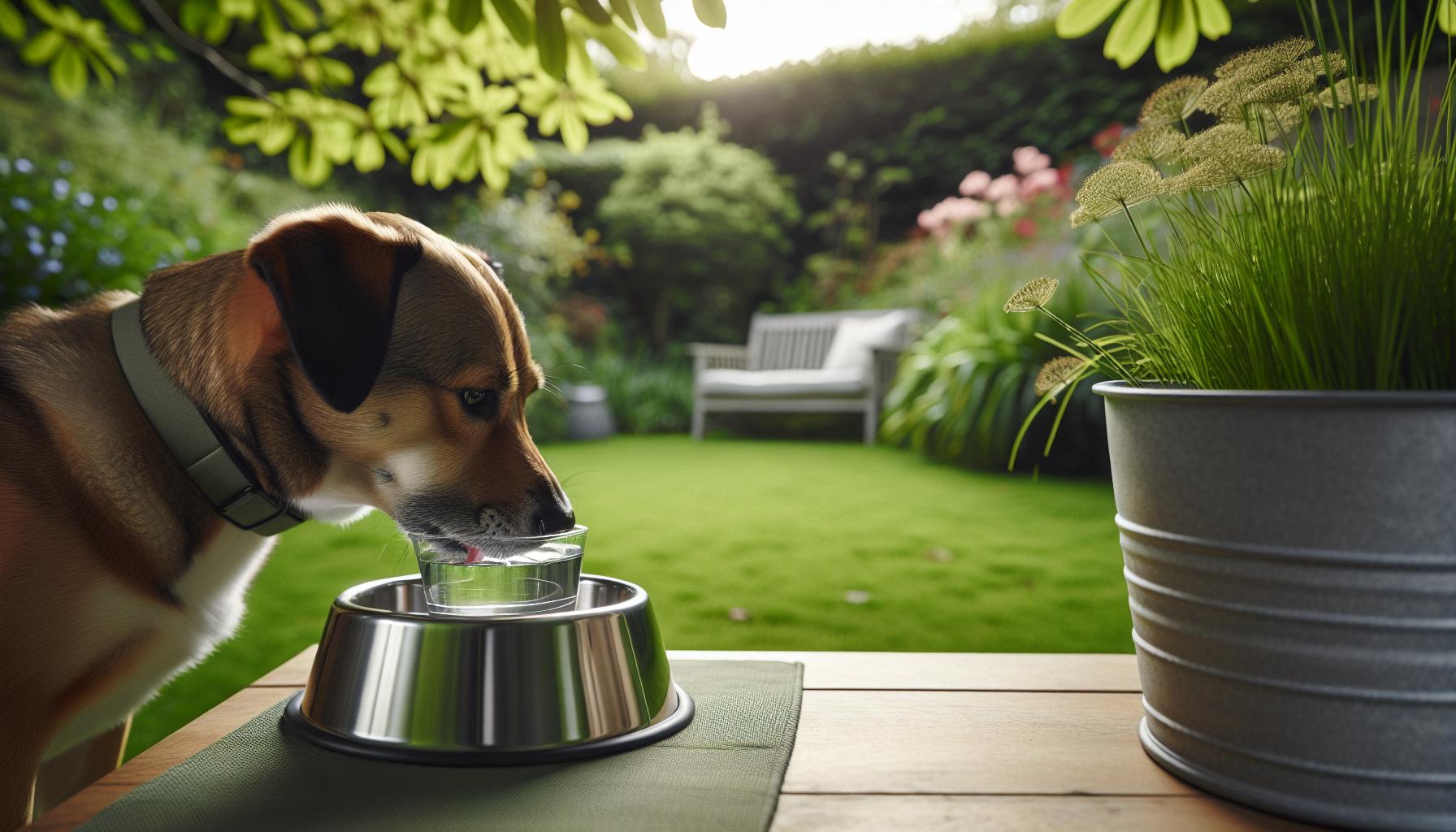
Understanding Dog Hydration Needs: Daily Water Intake Guidelines
Understanding how much water your dog needs daily is vital for ensuring their health and well-being. Generally, a good guideline is that dogs require about 1 ounce of water per pound of body weight. For instance, a 50-pound dog should ideally drink around 50 ounces (or approximately 6 cups) of water each day. However, this can vary based on several factors, including the dog’s age, size, activity level, and dietary habits.
Factors Influencing Water Needs
It’s essential to recognize that certain conditions can significantly alter hydration needs. For example, a playful Labrador Retriever may need more water when romping outdoors compared to a less active Shih Tzu who prefers lounging around the house. Larger breeds typically require more water, while smaller breeds might need slightly less, but it’s crucial to monitor their specific behaviors and adjust accordingly.
Dogs that eat dry kibble generally need to drink more water to stay hydrated, as kibble contains around 10% water compared to wet food, which can be up to 80%. Thus, incorporating water-rich foods or wet food into their diet can help enhance hydration. Additionally, factors like warm weather or vigorous exercise can increase a dog’s water intake needs. The key is to always provide access to clean, fresh water and to be observant of your dog’s drinking habits.
Daily Water Intake Checklist
To help ensure your furry friend stays properly hydrated, keep the following tips in mind:
- Consistent Access: Always keep a clean bowl filled with fresh water available.
- Monitor Behavior: Pay attention to changes in drinking habits, especially during hotter months or after exercise.
- Adjust for Food: If your dog primarily eats dry food, ensure they have access to extra water throughout the day.
- Check for Dehydration: Learn to recognize signs of dehydration, such as lethargy, dry gums, or decreased skin elasticity.
By staying informed about your dog’s hydration needs and incorporating these considerations into your daily routine, you can help ensure that your canine companion remains healthy, happy, and hydrated!
The Impact of Weather on Your Dog’s Drinking Behavior
Extreme weather conditions can greatly influence your dog’s drinking habits, making it essential for pet owners to be vigilant about their hydration needs year-round. During hot summer days, the risk of dehydration escalates, as just like us, our furry friends can easily become overheated and need to replenish lost fluids. A common sign of discomfort or dehydration is excessive panting, which means your dog is not only trying to cool down but is also likely losing significant moisture.
Conversely, colder weather can also affect water consumption. In winter, dogs might be less inclined to drink from their bowls, especially if they are playing in the snow or if your heating system is drying out the air. Just like us, dogs might not feel as thirsty in cold weather, but they still need hydration to keep their bodily functions running smoothly. This is particularly true for breeds with thicker fur, as they can become quite warm even in lower temperatures, leading to an underestimation of their hydration needs.
Here are some practical tips to ensure your dog stays well-hydrated throughout the year, regardless of the weather:
- Always Provide Fresh Water: Regardless of the temperature, ensure your dog has constant access to fresh water. In warmer months, consider a wide, shallow bowl to avoid overheating the water.
- Monitor Activity Levels: On hot days, limit vigorous exercise during peak heat hours (usually between 10 AM and 4 PM) and be sure to offer water breaks frequently.
- Offer Hydration Options: For cooler times, consider warming their water slightly, or introducing ice cubes or water-filled toys to make drinking more engaging.
- Observe Behavior: Keep an eye on your dog’s behavior. If they seem lethargic or less interested in play, it might be a sign they need more hydration.
Remember that a well-hydrated dog is not just a happier dog; proper hydration helps maintain energy, support digestion, and regulate body temperature. Whether it’s summer or winter, staying active and engaged with your dog’s hydration needs can make all the difference in their overall health and well-being.
Signs of Dehydration in Dogs: What to Watch For
Dehydration can sneak up on our dogs surprisingly quickly, and as a responsible pet owner, knowing the warning signs is crucial to keeping them healthy and happy. One of the first indicators of dehydration is a change in your dog’s behavior; if your playful pup seems unusually lethargic or disinterested in activities they typically enjoy, it could be a sign that they need more water. Additionally, keep an eye out for physical signs like dry gums and a loss of skin elasticity. To check skin elasticity, gently pinch the skin at the back of your dog’s neck and see how quickly it returns to its normal position. If it takes a while to flatten back down, your dog may be dehydrated.
Another telltale sign is excessive panting. Dogs pant to cool off, but if your dog is panting more than usual without engaging in physical activity, it could indicate that they are struggling to maintain their hydration levels. Panting often accompanies a dry nose or mouth, reflecting their need for fluids. Furthermore, monitor their urination; infrequent or darker-than-normal urine can suggest that they are not drinking enough water. Ideally, a well-hydrated dog’s urine should be light yellow in color.
To help prevent these issues, you’ll want to establish a routine for hydration. Always ensure your dog has access to fresh water, and consider placing bowls in multiple locations throughout your home. If your dog shows reluctance to drink, make it more appealing by adding low-sodium broth or ice cubes to their water bowl. It’s all about keeping them excited about hydration while offering plenty of opportunities to sip throughout the day. Remember, recognizing these signs early can make all the difference in your dog’s health, so stay vigilant and proactive in their care.
Choosing the Right Water Bowl for Your Dog
Choosing the perfect water bowl for your dog can significantly enhance their hydration experience, ensuring they drink enough throughout the day. Did you know that dogs can be quite particular about their drinking vessels? The right bowl can encourage your furry friend to sip more often, aiding in their overall health. Here’s how to find the right fit for your dog’s needs.
First, consider the material of the bowl. While plastic bowls are lightweight and easy to clean, they can retain odors and be susceptible to scratches where bacteria can grow. Stainless steel and ceramic bowls are often better choices as they are more durable and easier to sanitize. Stainless steel, in particular, is rustproof and resistant to damage, making it a long-lasting option. For added decoration, some ceramic bowls are beautifully designed, adding a touch of style to your home.
Next, think about the size and shape of the bowl. A small bowl might be sufficient for a toy breed like a Chihuahua, while larger breeds such as Great Danes benefit from extra-wide and deeper bowls. These larger bowls can accommodate their size and encourage them to drink more comfortably. Additionally, some dogs may prefer specific shapes – for example, dogs with long snouts, like Greyhounds, might find flatter dishes more accessible, while shorter-nosed breeds, such as Bulldogs, may struggle with deeper bowls.
Height Matters
Elevated water bowls can benefit larger dogs or those with joint issues, reducing strain on their necks and making it easier for them to reach their water. Conversely, small puppies and senior dogs might require lower bowls for easier access. Many bowls now come with adjustable heights that can cater to your dog’s changing needs as they grow or age.
Lastly, keep in mind your dog’s drinking habits. Some dogs tend to splash water everywhere while drinking or need encouragement to drink. If your pup is a messy drinker, a bowl with high sides or a mat to catch spills might be your best bet. If your dog shows reluctance to drink, you might consider incorporating a water fountain, which keeps the water circulating and can stimulate their instinct to drink more.
By carefully selecting the right water bowl based on your dog’s size, drinking habits, and preferences, you can help ensure that they stay well-hydrated and healthy. Make sure to observe how your pup interacts with their bowl and adjust as necessary to provide them with the best hydration experience possible!
Innovative Water Solutions: Fountains vs. Bowls
When it comes to keeping our furry companions hydrated, the choice between traditional water bowls and innovative water fountains is more than just a matter of style-it can significantly impact their drinking habits and overall health. Dogs have unique preferences, and what works for one pup may not suit another. Understanding these differences can help ensure that your canine stays properly hydrated while enjoying the experience.
Water fountains are gaining popularity among pet owners for various reasons. One of the most compelling aspects is the continuous flow of fresh, filtered water, which can entice dogs to drink more. Many dogs are instinctively drawn to moving water, which mimics a natural source and may appeal to their primal instincts. Fountains also help keep water cool and clean, reducing the risk of bacteria growth that can occur in stagnant water and helping to minimize odor.
However, bowls still hold their own charm and practicality. They are typically simpler to set up and maintain, and some dogs may prefer the tranquility that comes with traditional bowls. Having a variety of bowl sizes and shapes available can cater to different breeds and their unique drinking styles. For example, larger breeds often need wider dishes to accommodate their muzzles, while smaller dogs may thrive with smaller, elevated options that are easier for them to access.
Benefits Comparison
| Feature | Water Fountains | Water Bowls |
|---|---|---|
| Encourages Drinking | Yes, moving water attracts more dogs | Depends on the dog |
| Maintenance | Requires regular cleaning and filter changes | Easy to clean; may need daily refills |
| Water Quality | Filtration keeps it fresh | Stagnation can lead to bacteria |
| Cost | Generally higher initial investment | Usually less expensive |
When deciding between a water bowl or a fountain, consider your dog’s personality and habits. If you have a playful puppy or a curious adult dog, a fountain might be just the ticket to keep them engaged and hydrated. For older dogs or those that are more laid-back, a bowl may provide the familiar, calm experience they prefer. Regardless of the choice, ensuring that your dog has constant access to fresh, clean water is paramount in maintaining their health and well-being.
Hydration Tips: Encouraging Your Dog to Drink More Water
Did you know that a well-hydrated dog not only has more energy but also enjoys better health overall? Just like us, dogs rely on water for nearly every bodily function, and keeping them hydrated is crucial for their vitality. However, many dog owners struggle to ensure their furry friends drink enough each day. Fortunately, there are several strategies you can use to encourage your dog to sip more, making hydration a fun part of their daily routine.
One effective approach is to make water more appealing. Consider using a water bowl or fountain with a dynamic design that captivates your dog’s interest. For instance, many dogs are instinctively drawn to moving water, which is why pet fountains can be so enticing. They mimic a natural source of water and often encourage dogs to drink more often. Additionally, you can try adding a little flavor to your dog’s water. Adding dog-safe broth or mixing in a bit of low-sodium chicken broth can make drinking feel like a treat. Be sure to choose products that are free from harmful additives, keeping your dog’s health as a priority.
Another practical tip is to create a routine around drinking. Dogs thrive on habits, so establishing specific times for your dog to drink can help reinforce the behavior. For example, offer fresh water after walks or playtime, as dogs often listen to their thirst signals more after exercise. You can also place water bowls in several locations around your home, making it convenient for your dog to hydrate whenever they feel thirsty. If you have a puppy or a small dog, consider getting an elevated bowl to make reaching the water easier and more comfortable for them.
Lastly, pay attention to your dog’s food and activity level. Dogs eating dry kibble will require more water than those on a wet food diet, so keep this in mind when assessing their hydration needs. During hot weather, dogs will also need more water to stay cool, so be proactive in offering them additional hydration during those sweltering days. Always watch for signs of dehydration, like lethargy or dry gums, as early intervention is key in keeping your companion healthy.
By implementing these strategies, you can transform hydration into an enjoyable part of your dog’s life, ensuring they remain both happy and healthy.
The Connection Between Diet and Hydration in Dogs
Did you know that the type of food you provide for your dog can significantly impact its hydration needs? While water is the cornerstone of canine health, the dietary choices you make play a vital role in ensuring your furry friend stays adequately hydrated. Dogs consuming dry kibble, which typically contains around 10% moisture, will need to drink more water compared to those on a wet or raw food diet, which can contain 70-80% moisture. Understanding this connection helps in tailoring their diet and hydration effectively.
How Diet Influences Hydration
When considering your dog’s diet, you’ll want to assess both the moisture content and the nutritional balance. The more moisture present in their food, the less additional water they may need to drink. For instance, breeds like the Shih Tzu or Bulldog, which can be prone to obesity, may benefit from a wet food diet, allowing them to hydrate while also managing their caloric intake. Conversely, high-energy breeds like the Border Collie or Labrador Retriever that require dry kibble for higher caloric content may need closer monitoring to ensure optimal water intake.
- Wet Food: Highly moist, providing hydration through food.
- Dry Kibble: Requires more water intake to compensate for lower moisture content.
- Raw Diets: Often contain a mix of protein and moisture, beneficial for hydration but must be handled safely.
Making Hydration a Priority
Incorporating hydration-friendly foods means being conscious of your dog’s entire dietary regimen. For example, you might consider integrating hydrating fruits and vegetables like watermelon or cucumber (in moderation) into their diet. Not only do these treat options encourage hydration, but they also provide valuable vitamins and minerals. Always consult with your veterinarian before making significant dietary adjustments, especially if your dog has specific health concerns or dietary restrictions.
By paying close attention to your dog’s diet and hydration balance, you create a holistic care approach that empowers their overall health and well-being. This ensures that every meal contributes to their hydration needs-keeping your furry friend lively, healthy, and ready for every wagging adventure!
Water Safety: Keeping Your Dog Hydrated During Activities
Engaging in outdoor activities with your dog is a joy that strengthens your bond and keeps both of you active. However, it’s vital to prioritize hydration, especially during these fun-filled moments. Did you know that dogs can lose moisture rapidly, particularly when they’re excited or exercising? Keeping them hydrated not only enhances their performance but also prevents dehydration-related health issues.
When planning outdoor adventures, always ensure your dog has access to fresh water. This can be easily managed by carrying a portable water bowl and a water bottle designed for pets. There are many types of travel bowls available that fold down easily when not in use, making them convenient for hikes or long walks. During breaks or after exuberant play, make it a routine to offer water frequently. This is especially critical for active breeds like Border Collies and Retrievers who exert more energy and can quickly deplete their fluids.
Signs of Dehydration
Being vigilant about your dog’s hydration status is crucial. Here are some common signs of dehydration to watch for while out and about:
- Excessive panting: While panting is normal after exercise, excessive panting may indicate dehydration.
- Dry nose and gums: If your dog’s nose feels dry or their gums look sticky instead of moist, it’s time for water.
- Lethargy or tiredness: A normally energetic dog that seems unusually tired may need a drink.
Always remember, specific breed characteristics can influence hydration needs. For example, brachycephalic breeds like Bulldogs or Pugs may need extra encouragement to drink due to their unique facial structures.
Fun Hydration Strategies
Incorporating fun and functional hydration strategies during activities can make drinking water appealing for your dog. Consider bringing along flavored water or dog-safe electrolytes to motivate them to hydrate. A quick splash of low-sodium chicken broth can make plain water tasty and enticing. Additionally, if you’re at a park or beach, try incorporating water play into your activities; splashing in shallow water can help keep your dog cool while encouraging them to drink.
In conclusion, staying mindful of your dog’s hydration needs not only supports their health but also enhances their enjoyment of outdoor adventures with you. Remember, a well-hydrated dog is a happy dog!
Frequently asked questions
Q: How do dogs primarily use their tongues to drink water?
A: Dogs primarily use their tongues to create a cup-like shape to scoop water while lapping. They flick their tongues rapidly in and out, forming a column of water that they catch back in their mouths. Understanding this fascinating technique sheds light on canine hydration behavior.
Q: Why is hydration critical for a dog’s health?
A: Hydration is essential for a dog’s overall health as it aids in digestion, temperature regulation, and nutrient absorption. Ensuring your dog consistently has access to fresh water can help prevent dehydration and related health issues, such as kidney problems and urinary tract infections.
Q: Can the type of water bowl affect how much my dog drinks?
A: Yes, the type of water bowl can influence your dog’s drinking habits. Some dogs prefer stainless steel or ceramic bowls over plastic, as certain materials can affect the taste of water. Experimenting with different bowls can help encourage your dog to drink more regularly.
Q: How often should I refill my dog’s water bowl?
A: You should refill your dog’s water bowl at least once daily and more often if it’s warm outside or your dog is active. Regularly providing fresh water ensures that your dog stays hydrated, especially after meals and walks.
Q: What signs indicate my dog may be dehydrated?
A: Signs of dehydration in dogs include dry gums, lethargy, loss of skin elasticity, and an increase in thirst. It’s crucial to monitor your dog’s hydration, especially during hot weather or after vigorous exercise.
Q: How does weather affect my dog’s drinking habits?
A: Weather significantly influences a dog’s drinking behavior. In hot weather, dogs tend to drink more to stay cool and hydrated, while colder conditions may reduce their water intake. Always ensure water availability, regardless of the weather conditions.
Q: What innovative hydration solutions can I use for my dog?
A: Innovative hydration solutions like pet water fountains can encourage your dog to drink more by providing a continuous flow of fresh, oxygenated water. These fountains often attract dogs more than traditional bowls, promoting hydration.
Q: How can I encourage my dog to drink more water?
A: To encourage your dog to drink more, try adding fresh fruit or low-sodium broth to their water. Also, offer smaller, frequent servings instead of one large bowl. Ensuring fresh water availability and using appealing bowls can enhance their drinking experience.
In Summary
Now that you’ve discovered the fascinating science behind how dogs drink water, you can enhance your pup’s hydration routine with breed-specific tips and care checklists to ensure they stay healthy and happy. Consider exploring our articles on “Top 5 Best Water Bowls for Large Breeds” and “Understanding Your Dog’s Hydration Needs: A Comprehensive Guide” for deeper insights.
Don’t miss out on our monthly newsletter filled with expert advice, so you can provide the best care for your furry friend. If you have any questions or personal experiences to share, drop a comment below-your insights could help other dog lovers in our community! Remember, keeping your dog properly hydrated is crucial for their well-being, so take action today and prioritize their hydration needs. Explore more and empower yourself with the knowledge to be the best dog parent possible!