
Did you know that staying adequately hydrated is just as essential for dogs as it is for humans? Water plays a crucial role in keeping your furry friend healthy, but have you ever wondered just how long a dog can actually go without it? In this article, we’ll explore the critical survival facts surrounding canine hydration, addressing key concerns for any dog owner. From understanding the signs of dehydration to knowing how temperature and activity levels can affect your dog’s water needs, this knowledge can make all the difference in ensuring your pet’s well-being. Join us as we uncover vital information that can help you keep your beloved companion safe and happy. Whether you’re a seasoned dog owner or new to pet parenthood, understanding your dog’s hydration needs is a fundamental aspect of responsible care. Keep reading to learn more about how to prioritize your dog’s health and hydration!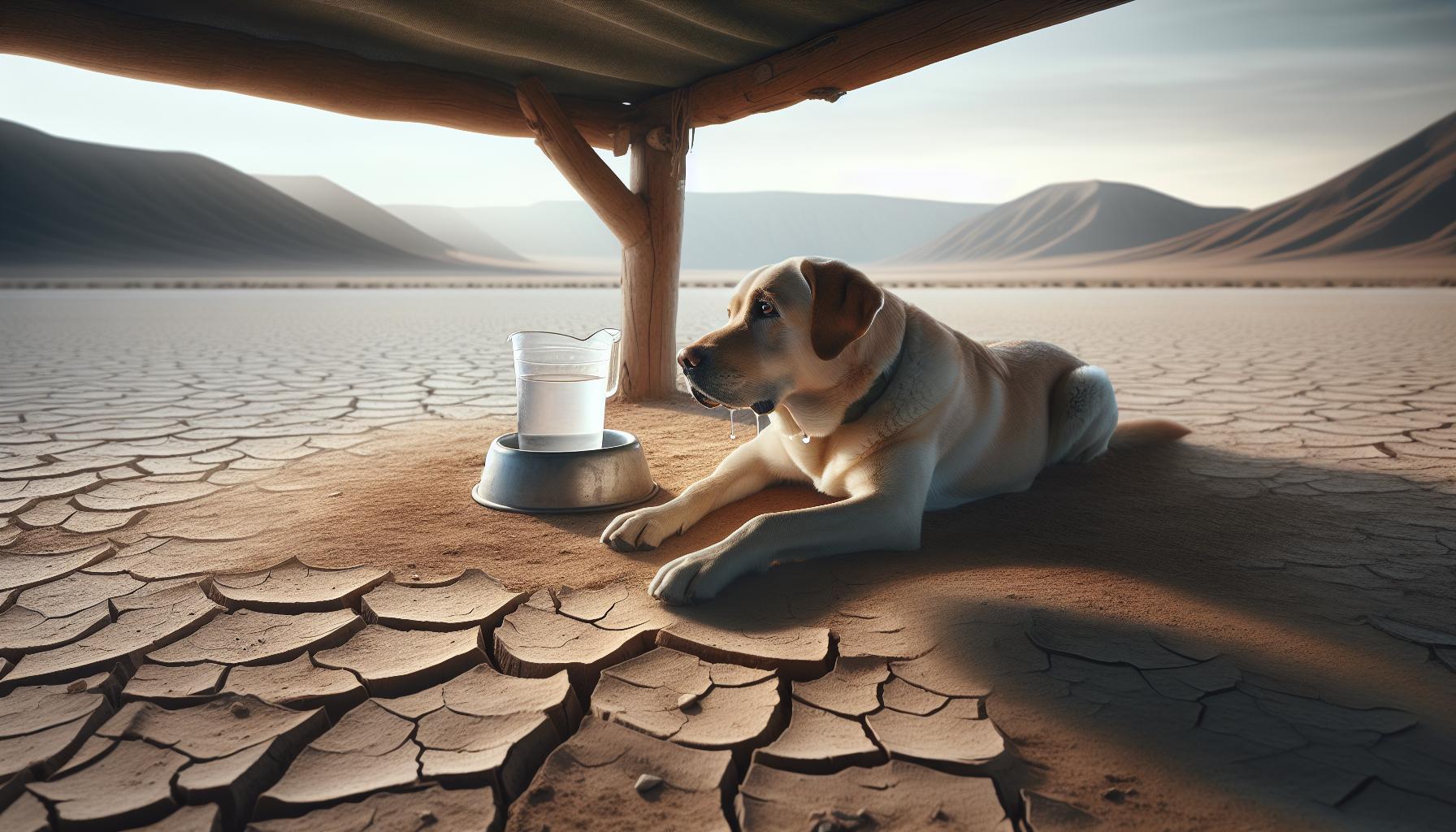
How Long Can Dogs Survive Without Water?
Dogs have a remarkable ability to adapt to their environment, but their survival without water is highly limited. In general, a dog can survive for about three to five days without water, depending on various factors like age, health status, activity level, and environmental conditions. However, as each hour passes without hydration, a dog’s health deteriorates significantly. In as little as one day, a dog can begin to show signs of dehydration, making it crucial for every dog owner to ensure their furry friends have regular access to fresh water.
The hydration needs of dogs can vary greatly based on size and breed. Larger breeds typically require more water than smaller dogs. For instance, a Great Dane might need around 1.5 gallons of water per day, whereas a Chihuahua may only need about 1 cup. Active dogs, especially those that exercise vigorously or live in hot climates, will demand even greater water intake to replace fluids lost through panting and sweating.
Understanding the signs of dehydration becomes critical, especially in emergencies. Common symptoms include excessive thirst, dry gums, lethargy, and decreased skin elasticity. Regularly checking your dog’s hydration status by gently pinching the skin at the back of their neck can provide immediate insight; if the skin doesn’t quickly snap back, it may indicate dehydration. It’s essential to ensure that your dog stays hydrated to promote good health and prevent life-threatening conditions that can develop from prolonged lack of water.
It’s not just about meeting the minimum requirements; being proactive in hydration management can lead to a longer, healthier life for your dog. Always be alert to the signs of dehydration and remember that a well-hydrated dog is a happy dog!
Understanding Canine Hydration Needs
Dogs’ hydration needs are crucial yet often overlooked. Just like humans, dogs depend significantly on water to sustain their well-being, regulate their body temperature, and facilitate digestion. Did you know that a dog’s body is composed of approximately 60-70% water? This astounding fact highlights the importance of maintaining sufficient hydration in your furry friends.
When it comes to understanding how much water a dog requires, several factors come into play, including size, age, breed, activity level, and environmental conditions. For instance, larger breeds such as the Great Dane generally require more water compared to smaller breeds like a Chihuahua. On average, dogs need about 1 ounce of water per pound of body weight per day. A 50-pound dog, for example, would need roughly 50 ounces or about 6 cups of water daily. However, this is merely a baseline; dogs that are active or live in warm climates may need significantly more to compensate for the fluids lost through panting and increased activity.
Proper hydration isn’t just about ensuring your dog has access to water; it’s also about the quality of that water. Always provide fresh, clean water, as dirty or stagnant water can lead to health issues. Dogs can be particularly sensitive to changes in water quality, which is why regularly cleaning their bowls and refreshing their water supply is essential. Moreover, during hot weather or after vigorous exercise, offering your dog diluted electrolyte solutions or specialized hydration formulas can also help replenish lost fluids more effectively.
To help you manage your dog’s hydration needs effectively, consider creating a routine around water intake. Whether you’re out for a walk or simply enjoying a sunny day at the park, always bring a portable water bowl and encourage your dog to take regular breaks to drink. Having this proactive approach can make a significant difference in keeping your dog well-hydrated and happy!
Quick Tips for Hydration
- Always provide fresh and clean water.
- Know your dog’s daily water intake needs based on size and activity level.
- Check for signs of dehydration regularly.
- Bring water on outings and encourage regular drinking.
- Consider specialized hydration solutions during intense activities or heat.
Understanding and addressing your dog’s hydration requirements can greatly improve their health and happiness, ensuring they thrive in all settings.
Signs of Dehydration in Dogs
Noticing the early signs of dehydration in your dog is vital for their health and well-being. Dogs cannot verbally express their needs, so being attentive to changes in their behavior and physical state is essential. One of the first indicators of dehydration is the condition of their gums. When your dog’s gums appear dry or sticky rather than moist and pink, this could be a red flag. Additionally, performing a simple test, called skin tenting, can help you assess hydration levels. Gently pinch the skin between their shoulder blades and release it; if the skin doesn’t snap back promptly, it may indicate dehydration.
Another key sign to watch for is changes in your dog’s energy. If your usually vibrant pup seems lethargic or less playful, it’s a potential sign that something isn’t right. Keeping a close eye on their drinking habits can also provide insights. If you notice your dog is drinking significantly less water than usual or avoiding their water bowl altogether, it’s time to investigate further. Furthermore, watch for physical signs such as sunken eyes, which can indicate dehydration, particularly in pups who might find themselves in hot environments or after extended play sessions.
Recognizing that dehydration can escalate quickly is crucial. Mild dehydration can be addressed at home by encouraging your dog to drink small amounts of water, but it’s important to act swiftly if your dog shows symptoms like vomiting, diarrhea, or a refusal to eat or drink. These can indicate more severe dehydration, requiring immediate veterinary attention.
Incorporating regular check-ins regarding your dog’s hydration can be immensely helpful. Keep a close watch on their water intake and behavior, particularly during hot weather or after exercise. Staying proactive in monitoring and responding to signs of dehydration ensures that your canine companion remains healthy, happy, and hydrated.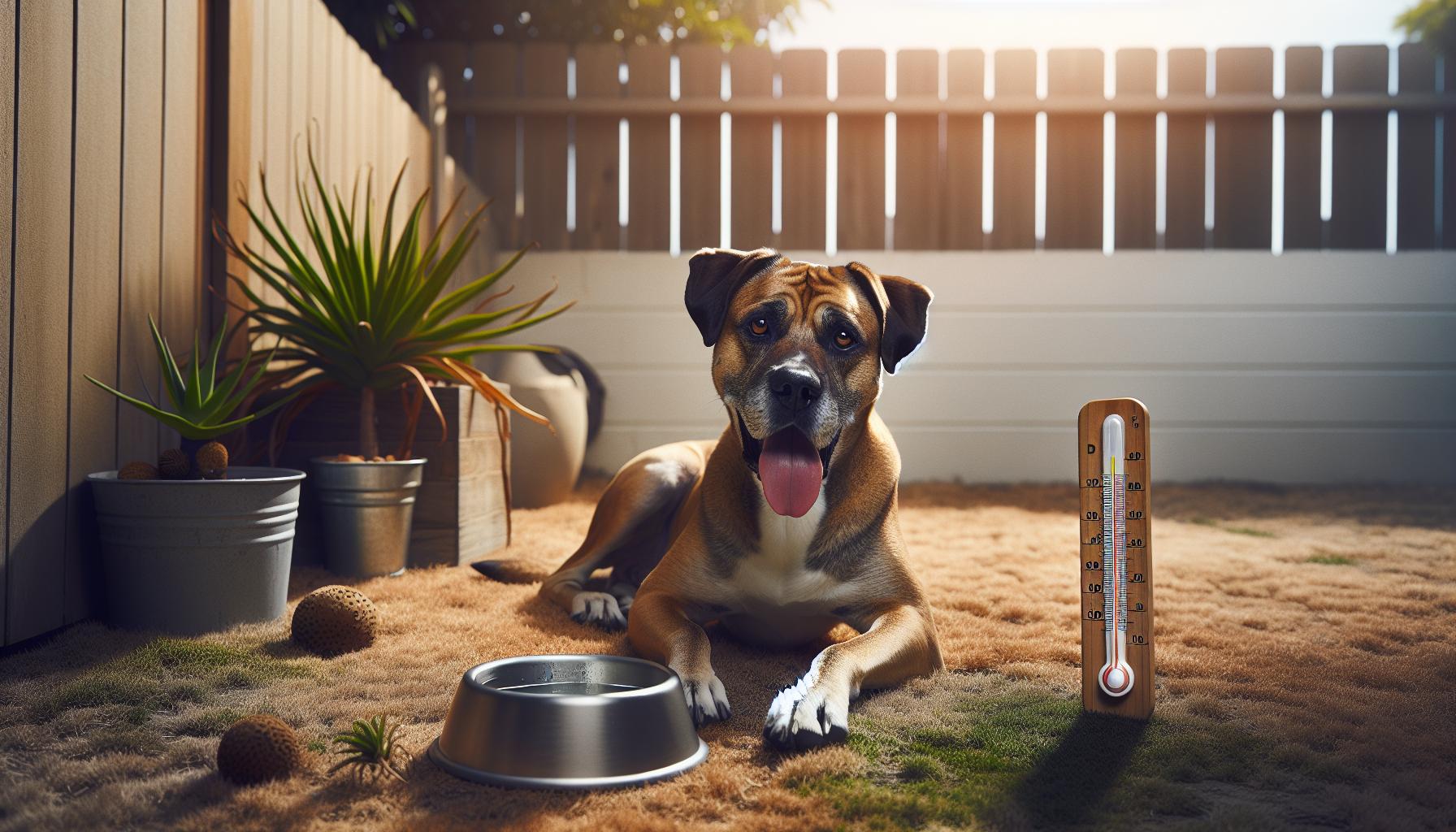
Factors Affecting a Dog’s Water Needs
Understanding the factors that affect your dog’s water needs is crucial for ensuring their health and well-being. Dogs are incredible creatures with varying hydration requirements based on several key elements. For instance, a dog’s size and breed significantly influence how much water they need. Larger breeds like Great Danes have higher water requirements compared to smaller breeds like Chihuahuas. Similarly, active dogs, such as Border Collies, require more water than couch potatoes, as their physical activity level directly impacts their hydration needs.
Another critical factor is the climate in which your dog lives. During hot weather or high humidity, dogs can lose water quickly through panting and may require more frequent access to fresh water. On the other hand, dogs in cooler climates might not drink as much. The food your dog eats also plays a part; dry kibble contains less moisture than wet food, meaning a dog on a dry diet needs to drink more water to stay hydrated.
Age is also a significant consideration. Puppies, for example, typically need more water relative to their size because they are rapidly growing. Senior dogs might also be less active, but they may need assistance to stay hydrated, especially if they have health issues that affect their kidney function. Furthermore, any underlying health conditions, such as diabetes or kidney disease, can alter a dog’s hydration needs. Owners should consult with a veterinarian to assess the specific water intake required for their dog’s unique situation.
To keep your furry friend hydrated, it’s essential to monitor their water intake daily and adjust accordingly based on these factors. Regular check-ins on their water bowl and encouraging them to hydrate-especially during exercise or hot days-can make a significant difference in their overall health. Remember, a well-hydrated dog is a happy dog!
Critical Short-Term Survival Without Water
Dogs, being incredibly resilient creatures, can survive without water for a limited time-typically around three days under ideal conditions. However, this duration can vary significantly based on several critical factors, including the dog’s health, environment, and level of activity. The consequences of dehydration can set in quickly, making it essential for pet owners to understand how to manage their dog’s hydration effectively.
During short-term survival without water, a dog’s body begins to conserve resources. Initially, they may experience fatigue and decreased energy levels, as their bodies start to function on stored reserves. Around 12 hours into dehydration, a dog’s behavior may change; they may become more lethargic and less interested in play or social interaction. In extreme cases, dogs can suffer from heatstroke or kidney failure if they are left without water for too long, especially in warmer climates or during vigorous exercise.
To avoid this dangerous scenario, it’s crucial for owners to observe preventive measures. Ensure your dog always has access to fresh water, especially during hot weather or after exercise. Use pet-friendly water bottles or travel bowls when out and about, making it easy for your dog to hydrate on the go. Additionally, consider incorporating water-rich foods into their diet, such as fresh fruits or specially formulated wet dog food, to help maintain hydration levels.
Being proactive is vital; keeping a close eye on your dog’s drinking habits can alert you to potential issues before they escalate. If your dog shows signs of excessive panting, dry gums, or decreased urination, it’s imperative to seek veterinary attention promptly. Remember, a little extra effort in hydration can significantly impact your dog’s health and happiness!
Long-Term Effects of Dehydration on Dogs
During prolonged periods of dehydration, dogs can face a variety of serious health consequences that go beyond mere discomfort. Over time, insufficient water intake can lead to significant physiological changes within the body and can even compromise critical organ functions. Hydration is essential not just for thirst but also for maintaining health and vitality, making it crucial for pet owners to recognize the long-term effects dehydration can have.
One of the most critical impacts of sustained dehydration is on kidney function. The kidneys play a vital role in filtering waste from the blood and maintaining fluid balance. When a dog becomes dehydrated, its kidneys cannot perform these functions effectively, which can lead to kidney damage or even kidney failure in severe cases. For instance, older dogs or those with pre-existing health conditions are particularly vulnerable. Regular veterinary check-ups and monitoring of water intake are essential for these pets to avert chronic kidney issues.
Another significant effect of long-term dehydration is the impact on the digestive system. A dog that lacks sufficient water may suffer from constipation or dry feces, leading to discomfort and pain during elimination. This can create a negative feedback loop; the discomfort may deter them from drinking, exacerbating the problem. To help alleviate these issues, owners should consider incorporating wet foods into their dogs’ diets, as these can provide additional moisture and help ease the digestive process.
Furthermore, dehydration can adversely affect a dog’s skin and coat condition. A well-hydrated dog typically boasts a shiny coat and healthy skin. Conversely, dehydration can lead to dry skin, flakiness, and a lackluster appearance. For breeds prone to skin issues, such as Bulldogs or Retrievers, monitoring hydration is particularly critical. Regular brushing and dietary adjustments, including omega fatty acids, can further support skin health alongside proper hydration practices.
Maintaining optimal hydration levels is essential for your dog’s overall well-being. Implementing consistent routines for offering fresh water, using specialized feeding bowls or hydration gear, and monitoring their drinking habits can make a significant difference. Ultimately, by recognizing and addressing the long-term effects of dehydration, pet owners can help ensure their furry friends live longer, healthier lives filled with energy and joy.
Breed-Specific Water Requirements and Tips
Providing the right amount of water for your dog is essential for their health and well-being, but did you know that different breeds can have significantly different hydration needs? Factors such as size, activity level, and even coat type can influence how much water your dog requires daily. Understanding these breed-specific needs can empower you as a pet owner to create a customized hydration strategy that keeps your furry companion feeling their best.
Size Matters
Larger breeds, like Great Danes and Mastiffs, naturally require more water than smaller breeds, such as Chihuahuas or Dachshunds. On average, a dog should drink about 1 ounce of water per pound of body weight each day. For example, a 100-pound dog needs about 100 ounces of water, while a 10-pound dog only needs around 10 ounces. It’s essential to adjust these figures based on activity level and climate. For instance, active dogs or those living in warmer regions may need extra water to stay properly hydrated.
Activity Level
Active breeds, like Border Collies or Siberian Huskies, may require increased water intake, especially after vigorous exercise. If you’re out hiking or playing fetch, make sure to offer water frequently. A handy tip is to carry a portable water bowl or a collapsible dog bowl on your outings so that you can easily hydrate your dog without skipping a beat. Conversely, more sedentary breeds like Bulldogs or Basset Hounds might not need as much, but they can be prone to overheating. Ensuring they have access to cool water at all times is crucial.
Coat Type and Climate
Dogs with thick or long coats, such as Golden Retrievers or German Shepherds, may require more hydration during hot weather to help regulate body temperature. They lose more moisture through their skin and needs can increase when they’re shedding. Providing them with additional wet food can also help boost hydration, keeping their coats healthy and shiny.
Practical Tips for Hydration
To ensure your dog is properly hydrated, consider these actionable strategies:
- Regular Water Checks: Monitor your dog’s water bowl and refill it as needed, especially after walks or playtime.
- Wet Food Inclusion: Incorporate wet food into their diet. This not only enhances hydration but also provides valuable nutrients.
- Routine Establishment: Create a routine for when and where your dog drinks. Structured feeding and drinking times can help them develop good hydration habits.
- Temperature Awareness: Be mindful of the temperature. Avoid exercising your dog during peak heat and offer plenty of water breaks.
In summary, understanding the breed-specific water needs of your dog is crucial for their health. By tailoring their hydration strategy to fit their unique characteristics, you can help them thrive and enjoy a long, vibrant life. Remember, always consult your veterinarian if you have concerns about your dog’s hydration or overall health. They can provide tailored advice based on your pet’s specific needs.
Best Practices for Keeping Dogs Hydrated
Keeping your furry friend hydrated is essential not only for their physical health but also for their overall well-being. Did you know that just like humans, dogs can suffer severe consequences from dehydration in a matter of hours? Understanding the best practices for maintaining your dog’s hydration can safeguard their health, especially during outdoor adventures or in warmer climates.
One of the simplest yet most effective strategies is to offer fresh water frequently throughout the day. Dogs may not always drink enough water on their own, so it’s vital to make water available at all times. Ensure that their water bowl is filled and clean, as dogs can be particular about their drinking habits. For added fun and efficacy, consider using a pet water fountain; many dogs enjoy drinking from running water, which encourages them to hydrate more often. Also, pay attention to their individual needs based on their size and activity level; for instance, larger breeds like Labrador Retrievers can drink up to 1 ounce of water per pound of body weight, while smaller breeds like Pomeranians require less.
Experimenting with their diet can also play a crucial role in hydration. Mixing wet dog food with dry kibble not only provides hydration but can also boost their intake of essential nutrients. Additionally, offering water-rich fruits and vegetables such as watermelon or cucumber as treats can be a delightful way to keep them hydrated. Always introduce new foods gradually to avoid any digestive upset.
Lastly, don’t forget to adjust your approach based on the weather. On hot days, keep a portable water bowl handy when you’re out for walks or playtime, and schedule outdoor activities for cooler times of the day. If your dog shows signs of panting excessively or lethargy, this might be an indication that they need immediate hydration. In such cases, offering water and finding a cool place for rest can make all the difference. By implementing these practices, you’re not just ensuring your dog’s hydration; you’re boosting their vitality and happiness!
Emergency Care: What to Do If Your Dog Is Dehydrated
Recognizing the signs of dehydration in your canine companion is critical, and having a plan for emergency care can truly make a difference. If you suspect your dog is dehydrated, it’s vital to act quickly, as even mild dehydration can escalate into a serious condition. Dogs can survive for only a few days without water, and in extreme heat or after vigorous activity, that timeframe can shrink to just hours.
First and foremost, assess your dog’s condition. Look for classic symptoms such as dry gums, lethargy, loss of skin elasticity (you can test this by gently pulling up on the skin between the shoulder blades; it should return quickly), and abnormal thirst. If your dog is displaying any of these signs, you can start providing them with water immediately but do so in small amounts to avoid them gulping down too quickly, which can lead to vomiting.
Here’s a quick checklist for immediate care:
- Rehydrate Gradually: Offer small amounts of fresh water or an electrolyte solution designed for dogs, ensuring they drink slowly.
- Keep Them Cool: Move your dog to a shaded or cool area, especially if they are showing distress or if it’s hot outside.
- Monitor Symptoms: Keep an eye on your dog’s response. If they do not seem to improve within an hour or continue to exhibit severe symptoms like persistent vomiting, a rapid heartbeat, or unresponsiveness, it’s time to seek veterinary care.
For severe cases, where dehydration is extreme, veterinary intervention is necessary. Veterinarians often provide intravenous fluids to quickly restore hydration levels. It’s essential to remember that while you can start treatment at home, professional guidance is crucial for serious dehydration cases.
Lastly, incessantly watch for potential hazards, especially in extreme weather. For active breeds like Huskies or German Shepherds, hydration becomes even more paramount during vigorous play. Bringing along a portable water bowl during outings can help keep your furry friend hydrated, ensuring their health and happiness in any adventure. Your proactive approach can help prevent dehydration from becoming a life-threatening situation, so be observant, be prepared, and show your dog the love and care they deserve!
Water Intake: How Much Is Enough?
Determining the right amount of water for your dog is essential in ensuring their health and well-being. On average, dogs should consume approximately one ounce of water per pound of body weight each day. For example, a 20-pound dog requires about 20 ounces of water daily. However, this guideline can vary based on factors such as their size, activity level, diet, and environmental conditions.
Factors Influencing Water Intake
Several elements can affect how much water your dog needs:
- Activity Level: Active dogs, particularly working breeds or those who exercise regularly, will require more hydration. After an intense play session or running, it’s crucial to provide additional water.
- Weather Conditions: Hot and humid weather increases a dog’s need for fluids. Always ensure fresh water is available during the summer months and after outdoor activities.
- Diet: Dogs eating dry kibble may need more water compared to those on a wet food diet, as wet food contains moisture that contributes to their overall intake.
To ensure your dog is drinking enough, keep an eye on their water bowl and refill it regularly. If you’re unsure about how much is enough for your specific breed or individual dog, consulting your veterinarian can provide tailored advice. Monitoring your dog’s drinking habits is equally crucial; if they seem to be drinking significantly more or less than usual, it may indicate underlying health issues requiring professional attention.
Introducing fun elements like hydration stations during playtime or using a pet water fountain can encourage your dog to drink more throughout the day. Additionally, always be mindful of their needs, especially during warm weather or after vigorous activities, as keeping them well-hydrated is key to a happy and healthy life.
Hydration During Hot Weather and Activity
When the temperatures rise, ensuring your dog stays hydrated becomes even more crucial, as dehydration can set in quickly, especially during hot weather or after vigorous activity. Dogs can lose body water through panting, increased drooling, and exercise, making it essential to monitor their water intake and provide ample opportunities for them to drink. Studies show that even mild dehydration can lead to decreased energy levels, affecting your dog’s appetite and overall well-being. So, how can you ensure your beloved pet is getting enough hydration when the heat is on?
Start by offering fresh, cool water frequently throughout the day, especially during outdoor play sessions or walks. Consider carrying a portable water bowl or a pet-friendly hydration pack during your outings; this not only encourages drinking but also establishes a hydration routine. For added excitement, try ice cubes or a splash of low-sodium broth in their water bowl-many dogs find this refreshing and will be more inclined to drink.
It’s essential to be aware of breed-specific hydration needs, as some breeds are more prone to heat stress than others. For example, brachycephalic breeds like Bulldogs and Pugs may struggle with heat and dehydration more than their athletic counterparts, such as Retrievers or Border Collies. For high-energy breeds, always provide water breaks during exercise to keep them from becoming overly fatigued or dehydrated.
Lastly, recognize the signs of dehydration, which can include dry gums, lethargy, and, in severe cases, sunken eyes. If you observe these symptoms, offer water immediately and consult a veterinarian if your dog refuses to drink or shows worsening signs. Staying proactive about your dog’s hydration-especially in warmer months-ensures they enjoy safe and fun-filled adventures with you!
Hydration Myths: What Dog Owners Should Know
It’s a common belief among dog owners that their pets can go for long periods without water, but this is a dangerous myth. In reality, a dog can only survive for about three days without water, depending on factors such as their age, size, and health. Just like humans, hydration is essential for dogs’ overall well-being, and a shortage can lead to serious health issues. Understanding these myths can help owners ensure their furry friends are always hydrated.
One prevalent misconception is that dry food alone provides enough moisture for dogs. While dry kibble contains some water, it isn’t sufficient to meet all of a dog’s hydration needs, especially during hot weather or after exercise. Wet food can contribute to hydration, but it’s crucial to provide fresh water at all times. Consider offering a mix of both wet and dry food to help maintain hydration levels, particularly for breeds prone to heat stress.
Another myth is that dogs can drink from any water source, such as puddles or streams. While some dogs may enjoy this, it’s essential to remember that not all water is safe for consumption. Contaminated water can lead to serious illnesses, such as leptospirosis. Always provide your dog with clean, fresh water, especially when you’re out on walks or adventures to avoid health hazards.
Furthermore, many believe that during cooler months, hydration isn’t as critical, but this is far from true. Even in colder weather, dogs lose moisture through panting and exertion. Ensure your dog always has access to water, regardless of the season, to prevent dehydration.
By breaking these hydration myths and making informed decisions, dog owners can significantly enhance their pets’ health and longevity. Being proactive about hydration, especially in warmer months or during active play, can help maintain your dog’s energy levels and overall well-being. Regularly monitor your dog’s water intake, especially for breeds that are more susceptible to dehydration, such as Bulldogs and Pugs. This simple practice can ensure your canine friend remains happy, healthy, and ready for any adventure!
FAQ
Q: How long can a dog safely go without water?
A: A dog can typically survive without water for about 3 days, but their health significantly declines after just 24 hours. Always ensure your dog has access to fresh water daily to prevent dehydration and associated health risks.
Q: What are the immediate signs that a dog is dehydrated?
A: Immediate signs of dehydration in dogs include dry gums, lethargy, loss of elasticity in the skin, and increased panting. If you notice these signs, it’s crucial to provide water and consult a veterinarian if symptoms persist.
Q: Can certain breeds tolerate longer periods without water?
A: While all dogs require regular hydration, some breeds with specific adaptations-like desert breeds-might tolerate dehydration slightly better. However, they should still not be deprived of water for extended periods. Refer to the “Breed-Specific Water Requirements” section in our article for detailed guidance.
Q: How can I tell if my dog is getting enough water?
A: You can monitor your dog’s hydration by checking their water intake, the moisture of their gums, and their urine output. Ensuring they drink regularly each day can help avoid dehydration. Consult the “Water Intake: How Much Is Enough?” section for more tips.
Q: What factors influence how much water a dog needs?
A: Factors that influence a dog’s water needs include their size, age, activity level, climate, and overall health. Active and larger dogs generally require more water, especially in hot conditions. See “Factors Affecting a Dog’s Water Needs” for details.
Q: What should I do if I suspect my dog is dehydrated?
A: If you suspect your dog is dehydrated, offer them fresh water immediately and monitor their condition. If symptoms persist or worsen, seek veterinary care. Check out the “Emergency Care: What to Do If Your Dog Is Dehydrated” section for further advice.
Q: Could my dog’s diet affect their hydration needs?
A: Yes, a dog’s diet can impact their hydration needs. Dogs on dry kibble typically require more water than those on wet food, which already contains moisture. For details, visit the “Understanding Canine Hydration Needs” section for insights.
Q: What can I do to encourage my dog to drink more water?
A: To encourage your dog to drink more water, refresh their water bowl frequently, add flavoring such as low-sodium broth, or provide a dog-friendly water fountain. For more strategies, explore the “Best Practices for Keeping Dogs Hydrated” section of our article.
The Way Forward
Ensuring your dog stays hydrated is crucial for their health and well-being. Remember, while dogs can sometimes tolerate short periods without water, it’s essential to keep a watchful eye on their needs, especially in hot weather or during exercise. If you’re concerned about your furry friend’s water intake or potential dehydration symptoms, don’t hesitate to consult a veterinarian for tailored advice specific to their breed and lifestyle.
For more insights into dog care, check out our articles on “Signs Your Dog is Dehydrated” and “Essential Dog Care Tips for Every Breed.” And don’t forget to join our newsletter for expert tips delivered straight to your inbox! Your commitment to understanding your dog’s needs not only promotes their health but also strengthens your bond with them. Share your thoughts or experiences in the comments below, and let’s create a community of responsible dog owners who prioritize their pets’ well-being.