Did you know that dogs, like humans, can face serious health risks when they’re sick and dehydrated? Understanding how long a dog can go without water in such critical times is essential for every pet owner. Dehydration can lead to severe complications, making it vital to recognize signs and act swiftly. Whether you’re a new dog owner or a seasoned handler, knowing how to respond when your furry friend is unwell empowers you to provide the best care. In this article, we’ll explore the crucial indicators of dehydration, optimal hydration strategies, and what steps to take if your dog is facing a health crisis. Your proactive approach could make all the difference in your dog’s recovery and well-being. Let’s dive in to ensure your beloved companion stays happy and healthy!
How Hydration Affects Sick Dogs’ Recovery
When dogs are unwell, hydration plays a pivotal role in their recovery and overall health. Just like humans, dogs are susceptible to dehydration, which can exacerbate their illness and prolong recovery time. Water is essential for maintaining body temperature, transporting nutrients, and aiding digestion, especially when a dog’s immune system is compromised. For instance, a dehydrated dog may struggle to regulate its body temperature, leading to additional complications such as heat stroke, especially if they are fighting an infection or illness. It’s crucial to know that even mild dehydration can lead to lethargy, decreased appetite, and reduced resilience against infection.
There are various signs that indicate your dog might not be getting enough fluids. One clear indicator is checking the skin’s elasticity; if the skin doesn’t snap back quickly after being gently lifted, your dog could be dehydrated. Additionally, if your furry friend has dry gums or a decreased energy level, these are red flags to monitor closely. Meeting your dog’s hydration needs can significantly speed up their recovery process. Providing them with fresh, clean water at all times is the simplest way to ensure they stay hydrated. For dogs recovering from a specific illness, consider offering pet-safe electrolyte solutions to replace lost minerals, as this can also assist in maintaining their energy and hydration levels.
Moreover, breed-specific factors can influence a dog’s water requirements. For instance, larger breeds or those with high energy levels may require more hydration than smaller or less active dogs. Adjusting your approach based on your dog’s needs is essential for effective care. Always be observant of their behaviors and adjust their water intake accordingly, especially during recovery phases when their hydration tolerance may change.
Finally, consulting with your veterinarian can provide tailored advice on proper hydration methods for your dog’s specific health condition. They can guide you on how to effectively introduce fluids, whether through water, broths, or electrolyte solutions, ensuring your beloved pet gets back on their paws with the love and care they need.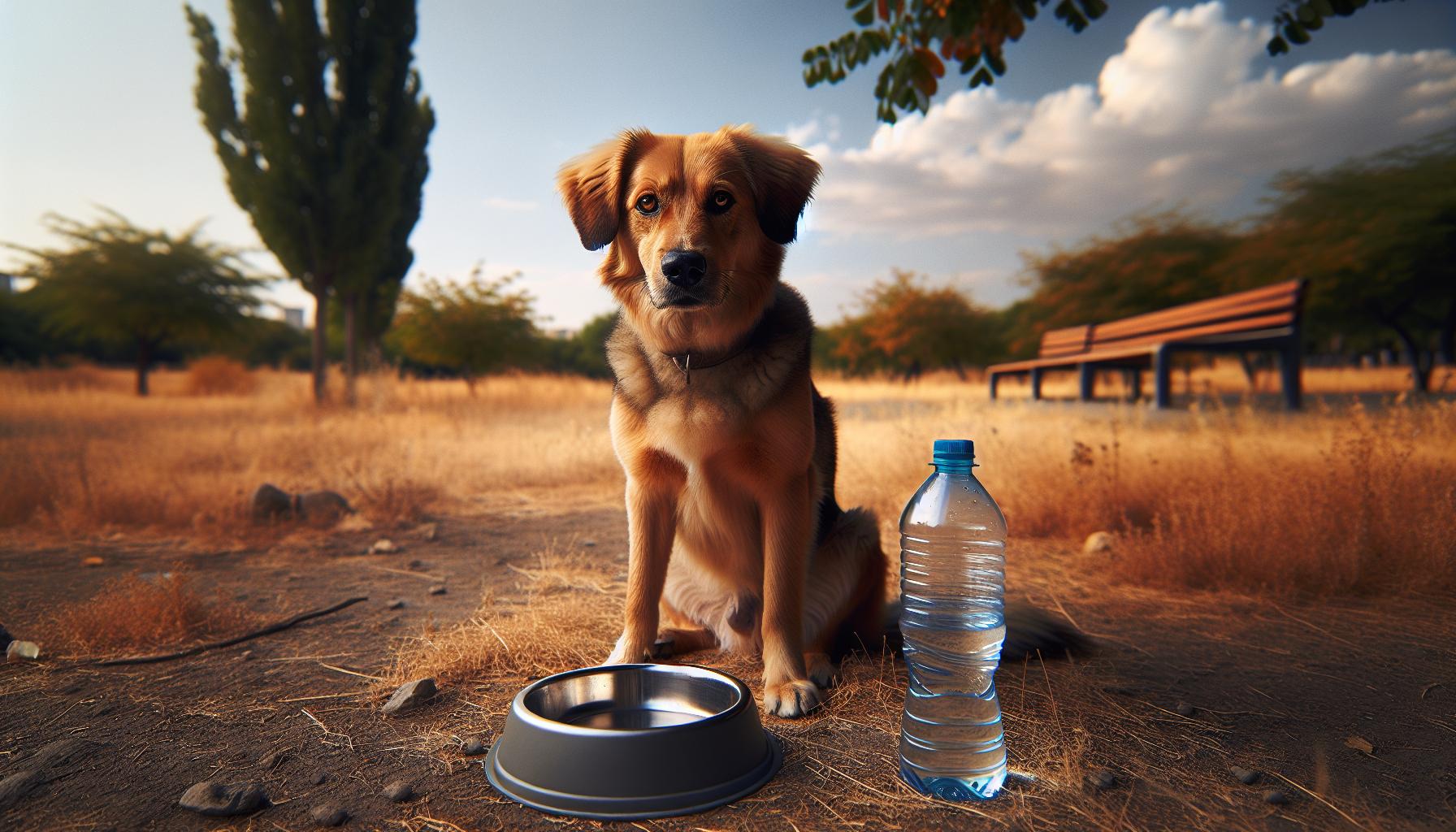
Signs Your Dog is Dehydrated
It’s alarming to think about how quickly dehydration can set in for our furry friends, especially when they are sick. Dogs, much like humans, rely heavily on proper hydration to facilitate healing and maintain their overall health. Recognizing the subtle signs of dehydration can be the difference between a swift recovery and a more serious situation.
One of the first indicators to watch for is a change in your dog’s gums and mouth. Healthy gums should be moist and pink; if they appear dry or sticky, it’s a clear warning sign. Another effective way to assess hydration is through the skin’s elasticity. Try gently pinching the skin on the back of your dog’s neck. If it doesn’t spring back swiftly, that could indicate dehydration. Observe your dog’s energy levels, too. A normally playful pup that becomes lethargic or disinterested in activities they typically enjoy may be showing signs of hydration issues.
Pay attention to your dog’s drinking habits. If you notice that their water bowl hasn’t been touched or they are drinking less than usual, this could signal a problem. Additionally, if you see any excessive panting, this can also signal a need for more fluids. Furthermore, a loss of appetite or vomiting can lead to dehydration, so keep an eye on their eating patterns.
Being observant and acting promptly can greatly assist in managing your dog’s hydration. It’s always best to err on the side of caution. If you suspect your dog is dehydrated, especially when they are unwell, reach out to a veterinarian for advice tailored to your dog’s specific condition.
How Long Can Dogs Survive Without Water?
The survival of dogs without water can be quite alarming-especially considering that dogs are remarkably resilient creatures, yet they cannot go long without proper hydration. On average, a healthy dog can survive about 3 to 5 days without water, but this timeframe can be drastically shortened when the dog is sick. Factors such as temperature, humidity, and the dog’s overall health play critical roles in determining how long they can last without fluids. A sick dog might begin to show symptoms of dehydration in as little as 24 hours, and delaying hydration can lead to severe complications.
When dogs are unwell, their bodies require more water than usual to aid in recovery. Illnesses, medications, and a lack of appetite can exacerbate dehydration, making it essential to monitor water intake closely. If your dog refuses to drink or is unable to keep water down due to vomiting or other health issues, it is crucial to seek veterinary assistance immediately. The sooner you address the problem, the better the chances of a swift recovery.
To be proactive about your dog’s hydration needs, ensure that clean and fresh water is readily accessible throughout the day. Look for signs that your dog might be suffering-like lethargy, dry gums, or loss of skin elasticity-and act swiftly. In some cases where a dog is severely dehydrated, they may need intravenous fluids in a veterinary emergency setting. Taking these precautions can make all the difference in your dog’s well-being during their recovery process.
Finally, breed differences can influence hydration needs, so consider your dog’s size, age, and activity level. Larger breeds, for example, might have different intake requirements compared to small puppies. Keep a watchful eye on breed-specific hydration tips, ensuring every dog gets the care they need to thrive.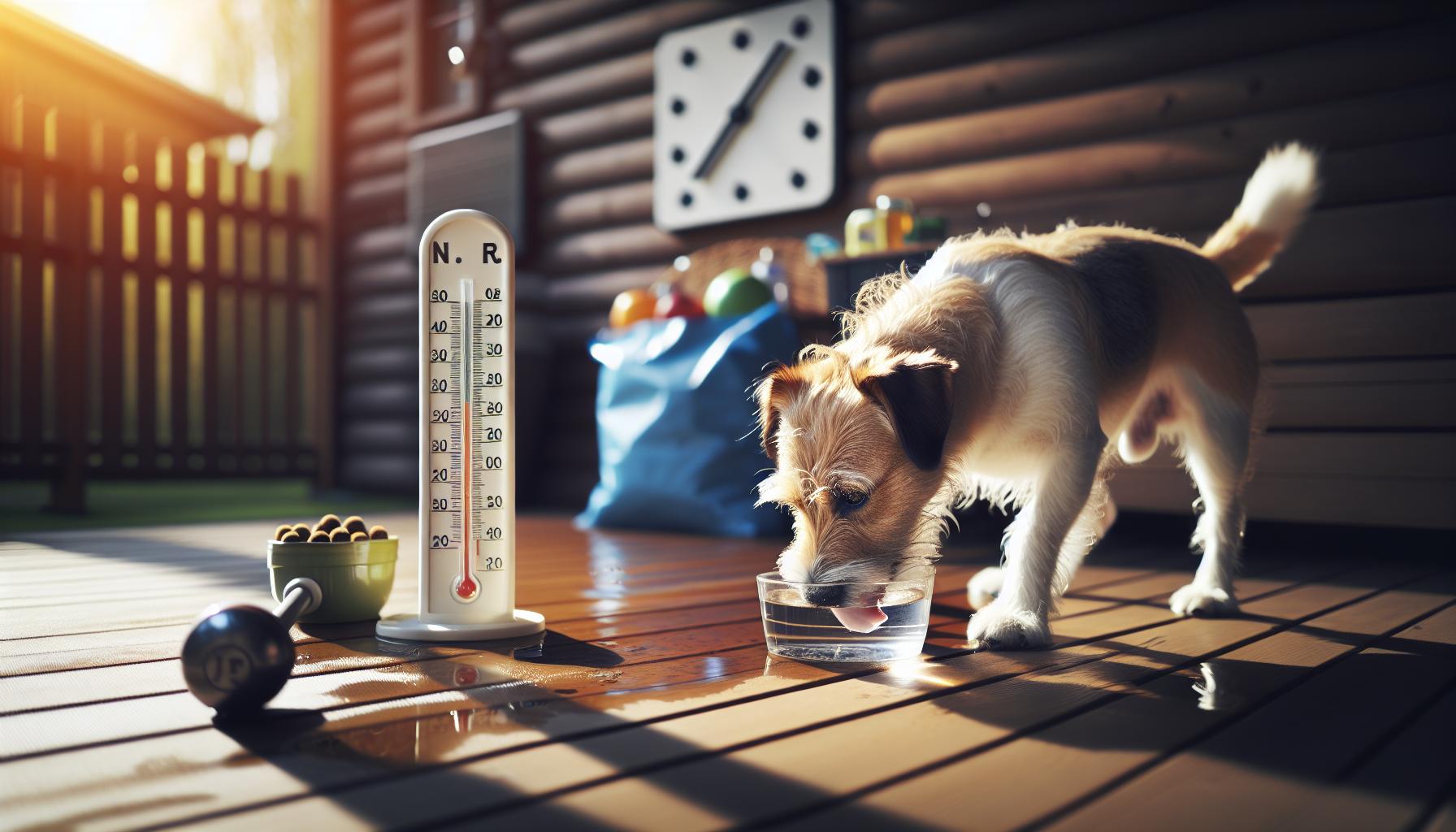
Factors Influencing a Dog’s Water Needs
Understanding the factors that influence a dog’s water needs is essential for maintaining their health and well-being, especially when they are sick. Dogs, like humans, require adequate hydration to support their bodily functions, and this need can change significantly based on several factors. For instance, size, age, activity level, and even environmental conditions all play vital roles in determining how much water a dog should consume daily.
Size Matters
The size of your dog is perhaps the most evident influencing factor. Smaller breeds, such as Chihuahuas or Pomeranians, generally require less water than larger breeds like Great Danes or St. Bernards. On average, dogs should drink between ½ to 1 ounce of water per pound of body weight daily. Therefore, a 20-pound dog might need around 10 to 20 ounces of water, while a 90-pound dog could require 45 to 90 ounces. In the case of illness, however, these requirements often increase as the body works harder to recover.
Age and Activity Level
Puppies and senior dogs exhibit different hydration needs due to their unique life stages. Puppies, being more active and still in growth phases, typically require more water to support their energy levels and bodily functions. Conversely, older dogs may need careful monitoring since they can be less active and may not feel thirst as acutely, leading to potential dehydration.
Activity levels also contribute significantly to hydration needs. An active dog, especially those engaged in vigorous play or exercise, will lose water rapidly through panting and sweat (through their paw pads) and will thus need more frequent access to fresh water.
Environmental Factors
Environmental conditions, such as temperature and humidity, can drastically affect a dog’s hydration needs. During hot, humid summer days, dogs can become dehydrated quickly, requiring more water to stay hydrated. Similarly, dry winter air can lead to increased water loss through the skin and respiratory tract.
Considering these factors, it’s crucial for pet owners to actively monitor their dogs’ water intake, particularly when dealing with illness. If you notice your dog is not drinking enough or showing signs of dehydration-such as lethargy, dry gums, or loss of skin elasticity-take immediate action to provide fluids, and consult your veterinarian if necessary. Keeping a close eye on your dog’s hydration can significantly influence their recovery and overall health.
Critical Signs of Severe Dehydration
Recognizing severe dehydration in dogs is crucial, especially when they’re already battling illness. Dogs can lose hydration rapidly, and understanding the critical signs can make a significant difference in their recovery. One key aspect to keep in mind is that hydration plays a pivotal role in maintaining energy levels, supporting organ function, and facilitating healing.
When it comes to severe dehydration, look out for these tell-tale signs:
- Dry Gums and Tongue: A dog’s mouth should feel moist. If you notice dry, sticky gums or a dry tongue, this is a clear indicator of dehydration.
- Sunken Eyes: Pay attention to the condition of your dog’s eyes. Sunken or dull eyes can be a sign of fluid loss.
- Loss of Skin Elasticity: An easy test is to gently pinch the skin on the back of your dog’s neck. If the skin doesn’t return promptly to its normal position (more than a second), this suggests dehydration.
- Lethargy and Weakness: If your dog is unusually tired, less responsive, or appears weak when attempting to stand, these symptoms could signify that your dog is severely dehydrated.
- Rapid Heart Rate and Breathing: Elevated heart rate and rapid breathing can indicate that the body is struggling to compensate for fluid loss.
- Dark Urine: If your dog’s urine is dark yellow or orange instead of a light straw color, it may suggest dehydration.
As dedicated pet owners, it’s important to note that any combination of these symptoms warrants immediate attention. Dogs can only survive a few days without water, and the timeline can shorten significantly if they are sick. In critical cases, contacting a veterinarian for professional assessment and potential rehydration interventions, like intravenous fluids, is essential. Being proactive about hydration can prevent serious health issues and foster a quicker recovery.
Emergency Care for a Dehydrated Dog
If you ever find yourself facing a situation where your dog is severely dehydrated, knowing how to respond quickly and effectively can save their life. Dehydration can happen remarkably fast, particularly in sick dogs, and it’s crucial to act as soon as you notice any alarming signs. Remember that your furry friend’s well-being hinges on your ability to provide immediate assistance in critical moments.
In an emergency, the first step is to offer your dog some water. Encourage them to drink, but if they refuse, do not force it. Instead, you might try offering water with a syringe (without the needle) to gently squirt small amounts into their mouth. Another option is to provide an electrolyte solution specifically designed for pets, which can help replenish lost fluids and minerals. Look for formulations that are veterinarian approved-these can be particularly effective for restoring hydration levels.
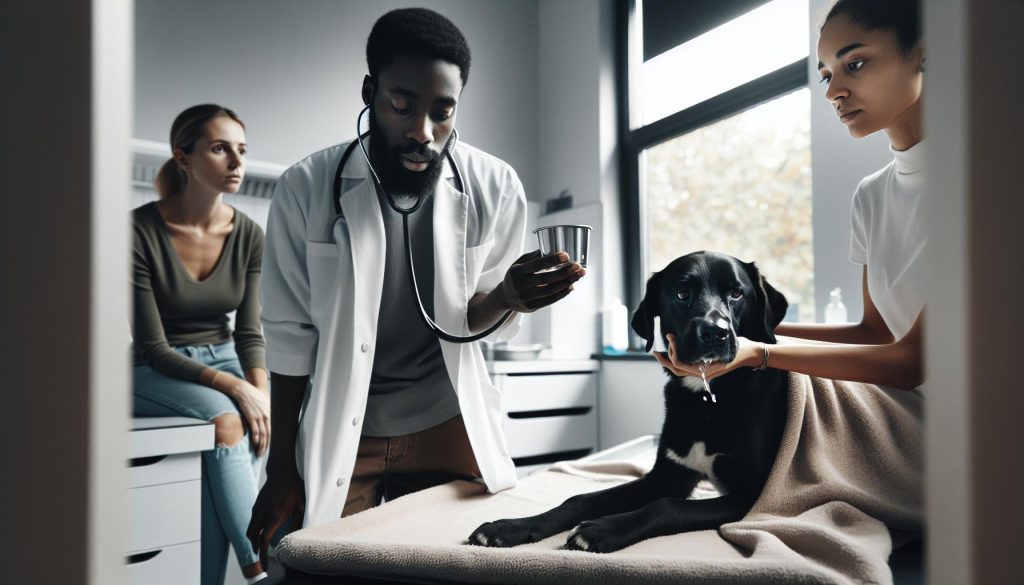
If your dog’s condition appears severe-evidenced by symptoms such as persistent lethargy, dry gums, and significantly sunken eyes-you should seek veterinary assistance immediately. In such cases, professional treatment may involve administering intravenous (IV) fluids, which is often the quickest way to restore hydration in critically dehydrated dogs. Your vet will assess the level of dehydration and determine the appropriate course of action, ensuring your pet gets the specific care needed based on their condition.
Don’t hesitate-time is of the essence. Being proactive about your dog’s hydration, especially when they are unwell, can not only alleviate immediate health risks but also foster a more resilient recovery process. Prepare yourself with knowledge and tools so that you can act confidently when every second counts. Keeping a small emergency kit that includes clean water, safe electrolyte solutions, and any necessary first aid supplies can also set you up for preparation. This mindful approach to your dog’s welfare will ensure they receive the best possible care when they need it most.
Best Hydration Methods for Sick Dogs
Ensuring that your dog remains hydrated, especially during periods of illness, is paramount. Dogs can quickly become dehydrated, and when they’re sick, they might not drink water on their own. If a dog is feeling unwell, encouraging them to hydrate can be a challenge, but it’s crucial for their recovery. Implementing effective hydration methods can significantly improve your sick dog’s health and enhance their overall comfort.
One of the most straightforward methods is to provide fresh, clean water at all times. Consider using a pet water fountain, as the running water can entice dogs to drink more. If your dog is reluctant to drink, you can offer water mixed with low-sodium chicken or beef broth to make it more appealing. Just be cautious with sodium levels and avoid seasonings. Here are some additional tips to encourage hydration:
- Use a Syringe: If your dog refuses to drink, you can use a syringe (without a needle) to administer water or broth directly into their mouth. This can help them get small amounts of fluid safely.
- Offer Ice Cubes: Many dogs enjoy chewing on ice cubes. You can freeze broth in ice cube trays to offer a tasty hydration treat.
- Electrolyte Solutions: Consider using electrolyte solutions specifically formulated for pets. These can help replenish lost fluids and essential minerals. Make sure to choose vet-approved brands.
- Wet Food: If your dog usually eats dry kibble, switching to wet food can also help increase their fluid intake. Look for high-quality canned dog food that includes moisture-rich ingredients.
Educating yourself about your dog’s specific hydration needs is also beneficial. Different breeds and ages can affect how much water a dog should drink, especially when they’re sick. For instance, smaller breeds like Chihuahuas may require less water than larger breeds such as Labradors, but they are also more susceptible to rapid dehydration. Keeping track of your dog’s drinking habits can provide insight into their hydration status.
By taking proactive steps to ensure hydration, you can play an integral part in your dog’s healing process. Hydration can be a vital component of recovery from illnesses, especially those resulting in vomiting or diarrhea. Being aware of their preferences and monitoring their fluid intake will empower you to take effective action. As you navigate your dog’s recovery, always be ready to consult with your veterinarian for tailored advice that suits your pup’s individual health needs.
Choosing the Right Fluid: Water vs. Electrolytes
Choosing the right fluid for your sick dog can be a pivotal decision in their recovery process. Fresh, clean water is always the best option for maintaining hydration; however, when your dog is under the weather, they may need something more to help replenish lost electrolytes and fluids. Electrolyte solutions formulated specifically for dogs can be an invaluable tool, especially if your furry friend is suffering from conditions that cause vomiting or diarrhea, where electrolyte loss can occur rapidly.
When considering the use of water versus electrolytes, it’s important to understand how each can benefit your dog’s health. Regular water should always be readily available since it remains essential for hydration. To make it more enticing, you might try adding low-sodium broth or providing it in different forms, such as ice cubes or gel-infused hydration treats. On the other hand, if your dog exhibits signs of dehydration, such as dry gums or lethargy, an electrolyte solution designed for pets can help replenish minerals like sodium, potassium, and chloride. These products can help restore balance and ensure your dog’s body is functioning properly.
Hydration Options
Consider the following approaches when deciding between water and electrolyte solutions:
- Water: Always the first choice, especially if your dog is just mildly dehydrated. Freshwater should be available at all times.
- Low-Sodium Broths: Great for encouraging drinking, making water flavorful while still being hydrating.
- Electrolyte Solutions: Ideal for dogs experiencing moderate to severe dehydration or illness. Ensure the product is vet-approved to avoid harmful ingredients.
- Wet Food: Helps increase fluid intake significantly, as canned food typically consists of 70-80% moisture.
Remember to consult with your vet before introducing any new hydration methods, particularly electrolyte solutions, as they can provide a tailored recommendation based on your dog’s specific health needs. If you notice that your dog isn’t responding to typical hydration methods, it might be an early warning sign that further medical intervention is needed. Ultimately, keeping your dog hydrated with the right fluids can support their recovery and promote overall health.
Hydration Tips for Specific Dog Breeds
When it comes to hydration, understanding the specific needs of your dog’s breed can make all the difference, especially during times of illness. Some breeds are naturally more prone to dehydration issues due to their physical characteristics, activity levels, or even their predisposition to certain health conditions. For instance, brachycephalic breeds like Bulldogs and Pugs may struggle more with drinking enough water due to their short snouts, which can make it harder for them to access water effectively. Owners of these breeds should consider using shallow, wide bowls that allow for easier access while ensuring their dog remains well-hydrated during illness.
H3: Hydration Tips for Small Breeds
Small breeds, like Chihuahuas and Dachshunds, have higher metabolic rates and can lose fluids more quickly than larger breeds. These dogs can become dehydrated rapidly when sick. To help keep them hydrated, consider offering multiple small bowls of water around the house, making it convenient for them. Additionally, incorporating wet food into their diet can increase fluid intake, as a majority of canned food contains moisture. You might also try adding a bit of low-sodium chicken broth to their food to entice them to drink more.
H3: Hydration Strategies for Large Breeds
Larger breeds, such as Great Danes and St. Bernards, naturally require more water due to their size, but they may also face unique hydration challenges. If a large dog is recovering from illness, they might not want to drink as enthusiastically, leading to delayed hydration. To encourage drinking, consider using a pet water fountain, as many dogs are attracted to running water. This can inspire them to drink more frequently. In cases of severe dehydration, consult a veterinarian for recommendations on safe electrolyte solutions that aid in recovery.
H3: Breed Comparison Table
| Breed Group | Hydration Needs | Tips |
|---|---|---|
| Brachycephalic Breeds | Higher risk of dehydration | Use shallow bowls, monitor water intake closely |
| Small Breeds | Rapid fluid loss due to high metabolism | Multiple water bowls, use wet food or broth |
| Large Breeds | Higher volume of water needed | Pet fountains to encourage drinking, vet-approved electrolytes |
Ultimately, understanding your dog’s breed-specific hydration needs during illness is crucial. By tailoring your approach, you can help your furry friend maintain their hydration levels effectively, supporting their overall recovery and well-being. Always keep an eye on their drinking habits and don’t hesitate to consult your veterinarian for personalized advice.
Long-term Consequences of Dehydration
Dehydration can have serious long-term consequences for dogs, impacting their health in ways that may not be immediately visible. When a dog is deprived of water, even for a short period, vital functions begin to falter. Chronic dehydration can lead to significant health issues such as kidney problems, urinary tract infections, and even risk of organ failure. Maintaining optimal hydration is crucial for ensuring that your furry friend remains healthy and vibrant throughout their life.
One of the most critical areas affected by dehydration is the kidneys. These organs play a crucial role in filtering waste from the blood and maintaining fluid balance. When a dog is dehydrated, the kidneys struggle to function properly, which can lead to conditions like acute kidney injury. This condition can develop into chronic kidney disease if dehydration is recurrent or prolonged. Dogs suffering from dehydration may not display symptoms until the damage is significant, making it essential for owners to be vigilant about their dog’s water intake, especially during illness.
In addition to kidney problems, dehydration can also negatively impact a dog’s digestive system. Insufficient water can lead to constipation and an overall slow-down in the digestive process. This can create a cycle where a dog becomes less willing to eat, further exacerbating the hydration problem. For breeds with sensitive stomachs, ensuring adequate fluid intake is particularly vital to prevent gastrointestinal upset.
Owners of larger, active breeds should also be aware of the long-term effects of inadequate hydration. These dogs often require more water to support their larger body mass and increased metabolic demands. Without sufficient water, they may develop muscle cramps or injuries due to electrolyte imbalances. This can be especially concerning for athletic dogs or those recovering from illness or surgery.
Ultimately, the goal is to foster a consistent habit of hydration that leads to long-term health. Here are some actionable steps to help prevent the long-term consequences associated with dehydration:
- Monitor your dog’s water intake daily, adjusting based on activity level and temperature.
- Encourage hydration with engaging methods, such as flavored water or water-rich foods like fruits (e.g., watermelon) and wet dog food.
- Provide fresh, clean water at all times, and consider using a pet water fountain to appeal to dogs’ preferences for running water.
- Consult your veterinarian about appropriate hydration strategies and whether additional electrolytes may be beneficial.
By prioritizing hydration in your dog’s care routine, you’re not only supporting their immediate health but also safeguarding their long-term well-being. Remember, staying proactive about your dog’s hydration can make all the difference in preserving their quality of life for years to come.
When to Consult a Veterinarian
When your furry friend is feeling under the weather, their hydration levels become more critical than ever. Dogs, just like humans, can struggle with dehydration, especially when sick. If you notice your dog drinking less or refusing water, it’s essential to act quickly. Consulting a veterinarian becomes crucial if you observe concerning signs such as persistent vomiting, diarrhea, or lethargy. These issues can exacerbate fluid loss, leading to severe dehydration and potential health crises.
While dogs can technically survive for days without water, the general guideline is that they shouldn’t go more than 24 hours without drinking, particularly if they are already fighting an illness. If a dog shows other symptoms like dry gums, sunken eyes, or excessive panting-these are red flags that warrant an immediate trip to the vet. In these cases, timely intervention can prevent serious complications.
Recognizing Red Flags
Being vigilant about your dog’s behavior can help identify when professional help is necessary. Look for signs such as:
- Refusal to eat or drink for more than 12 hours
- Unusual lethargy or lack of energy
- Dry mouth or lethargy during walks
- Changes in urinary habits, such as very little output or extremely concentrated urine
Expert Guidance for Specific Breeds
Different breeds may react to dehydration and illness in unique ways. For instance, smaller breeds like Chihuahuas may show symptoms more quickly than larger breeds like German Shepherds, who can tolerate a bit more fluid loss. If you have a breed that is prone to health issues-like Bulldogs or Dachshunds-consulting a veterinarian at the first sign of decreased water intake is particularly important.
Ultimately, trusting your instincts about your dog’s health is crucial. If you have any doubt or are simply uncertain, don’t hesitate to contact your veterinarian. The sooner you address potential dehydration, the better the chances your dog has for a swift, comfortable recovery.
Preventative Measures for Hydration Management
Ensuring your dog stays hydrated should be a top priority, especially when they are unwell. Dehydration can severely impact their recovery, so proactive measures are essential to help manage their fluid intake. One effective strategy is to offer fresh, clean water in multiple locations around your home, making it more accessible for your furry friend. Consider using a water fountain, as many dogs find running water more appealing than still water in a bowl. Additionally, during hot weather or if your dog is taking medications that may cause increased thirst, it’s vital to monitor their water consumption closely.
A great way to encourage hydration is through their diet. Adding water or low-sodium broth to dry kibble can entice your dog to drink more. For sick dogs, consider using wet food, which typically has higher moisture content. Some dog owners find that offering ice cubes or freezing chicken or beef broth into cubes can make hydration fun and interactive for their pets. This method not only provides hydration but can also serve as a soothing treat.
Although breed can influence hydration needs, all dogs benefit from consistent monitoring. Smaller breeds like Pomeranians and Chihuahuas often become dehydrated more quickly than larger breeds like Golden Retrievers or Rottweilers due to their size and metabolic rates. It’s important for owners of these breeds to adjust their monitoring routines according to their specific needs. Keep a detailed log of your dog’s water intake and behavioral cues related to hydration to share with your veterinarian, which can be helpful during check-ups.
Finally, creating a routine around hydration can significantly contribute to your dog’s well-being. Ensure they have access to water at all times, especially if they are recovering from an illness. By establishing a daily check-in system, you can maintain their hydration levels effectively. Remember, your vigilance and care can make a significant difference in your dog’s recovery journey, leading them back to feeling their best sooner.
Q&A
Q: How can I tell if my dog is critically dehydrated?
A: Look for signs like extreme lethargy, dry gums, sunken eyes, and persistent vomiting. If your dog shows these symptoms, it’s crucial to seek veterinary assistance immediately as critical dehydration can be life-threatening.
Q: What should I do if my dog refuses to drink water?
A: Try offering ice cubes or ice chips, which can entice them to hydrate. You could also offer electrolyte solutions designed for dogs. If your dog still refuses water after a few hours, consult your veterinarian for further guidance.
Q: Can a dog survive without water if not eating?
A: No, a dog cannot survive long without both food and water. In general, dogs can only last a few days without water. If your sick dog is not drinking and isn’t eating, seek veterinary care urgently.
Q: Why is hydration crucial for a sick dog?
A: Hydration is vital for maintaining bodily functions, regulating temperature, and supporting organ health. Sick dogs require adequate fluids to recover. Failure to hydrate can worsen their condition and delay healing.
Q: How long should I monitor my dog for signs of dehydration after they get sick?
A: Continuously monitor your dog for 24-48 hours after they show signs of illness. If dehydration symptoms develop or worsen, contact your veterinarian to ensure your dog receives appropriate care.
Q: Are certain dog breeds more susceptible to dehydration when sick?
A: Yes, smaller breeds or those with high metabolism rates, like Chihuahuas and Terriers, may dehydrate faster. Always ensure these breeds are monitored closely for hydration needs, especially when ill.
Q: What fluids are best for rehydrating a sick dog?
A: Use clean water or a vet-recommended electrolyte solution specifically for dogs. Avoid giving flavored or sugary drinks. For critical cases, veterinary-administered fluids are often necessary.
Q: What home remedies can I use to encourage my sick dog to drink more?
A: Try adding low-sodium broth to their water, offering fresh, wet food, or using a pet water fountain. Keep water easily accessible and change it frequently to encourage your dog to hydrate.
The Way Forward
Taking care of a sick dog requires immediate action, especially regarding their hydration. Remember, how long a dog can go without water depends on various factors, but when illness strikes, it’s crucial to monitor their intake closely. If you’re unsure of your dog’s needs, consult your veterinarian for personalized advice. For more in-depth insights on dog health, check out our guides on vital signs to watch in sick dogs and how to keep your dog hydrated.
Feeling concerned? You’re not alone! Join our community of dog lovers by subscribing to our newsletter for helpful tips and resources right in your inbox. Sharing your experiences in the comments can also help others facing similar challenges-your story might inspire someone else!
Don’t forget to explore our other articles to become the best advocate for your furry friend. Your proactive approach to dog care not only helps your pet but also fosters a network of informed pet owners. Keep engaged, stay informed, and let’s navigate the journey of responsible dog ownership together!