
Did you know that dogs, just like us, can face serious health risks without water? Understanding how long a dog can survive without this vital resource is crucial for all dog owners and enthusiasts. Whether you’re planning a trip, navigating a hot summer day, or simply concerned about your furry friend’s hydration, knowing the survival timeline can help you make informed decisions. Dogs can typically go without water for only a few days at most, but their well-being can significantly deteriorate within just a few hours. In this article, we’ll explore the factors that influence hydration needs, the signs of dehydration to watch for, and practical tips to ensure your dog stays healthy and happy. Dive in to learn how you can safeguard your beloved pet’s health and well-being!
How Long Can Dogs Survive Without Water?
Dogs are remarkably resilient animals, but like all living beings, they have their limits. A well-hydrated dog will thrive and maintain optimal health, while water deprivation can lead to severe consequences. The timeline for how long a dog can survive without water typically falls between 3 to 5 days; however, this duration can vary based on several factors, including the dog’s size, age, health condition, and the environmental conditions they are in.
During the first 24 hours without water, a dog may begin to show signs of mild dehydration, such as decreased energy levels and a dry nose. As dehydration progresses beyond this initial phase, they may develop more serious symptoms, including loss of appetite, lethargy, and dry gums. After 48 hours, the risk escalates significantly. At this point, internal organ function can be compromised, and irreversible damage can start to occur. If your dog goes without water for 72 hours, the situation becomes critical, and they may experience a life-threatening risk of organ failure and heat stroke, particularly in warmer conditions.
In hot weather or after physical exertion, the timeline for a dog’s survival without water shortens drastically. Dogs, especially breeds with thicker coats or brachycephalic (flat-faced) dogs, can suffer from heat-related issues much faster due to their inability to effectively cool down through panting. Thus, it’s crucial for pet owners to be vigilant about their dog’s hydration needs and ensure fresh water is always accessible. The key takeaway is that understanding this timeline underscores the importance of monitoring your dog’s water intake and proactively preventing dehydration in all circumstances.
Factors Influencing Water Needs in Dogs
The water needs of dogs can vary significantly based on a myriad of factors, making it essential for owners to understand what influences their furry companions’ hydration requirements. First and foremost, a dog’s size and weight play a pivotal role; larger breeds generally require more water than smaller ones. For example, a Great Dane may need up to two gallons of water a day, while a Dachshund might only require a cup or two.
Age and activity level also significantly affect hydration needs. Puppies, due to their rapid growth and high energy, often need more water relative to their body weight than adult dogs. Similarly, active dogs that engage in regular exercise or live in warmer climates will require increased water intake compared to their more sedentary counterparts. Additionally, health conditions can influence a dog’s hydration needs; for instance, dogs with kidney issues may need more water to help flush toxins from their bodies.
Diet is another crucial factor. Dogs that consume dry kibble typically need more water than those on a wet or raw food diet, which naturally contain higher moisture levels. Owners should also consider urinary health; dogs prone to urinary tract infections or stones may benefit from increased hydration to help maintain optimal urinary function.
Finally, environmental conditions cannot be overlooked. Heat, humidity, and altitude can all elevate a dog’s hydration needs. For example, during hot summer days or intense outdoor activities, a dog’s requirement for water can skyrocket, making it vital to ensure they have access to plenty of fresh water at all times. Regularly monitoring your dog’s behavior, including signs of thirst and periodic checks on their water bowl, can help you adjust their intake to meet their needs effectively.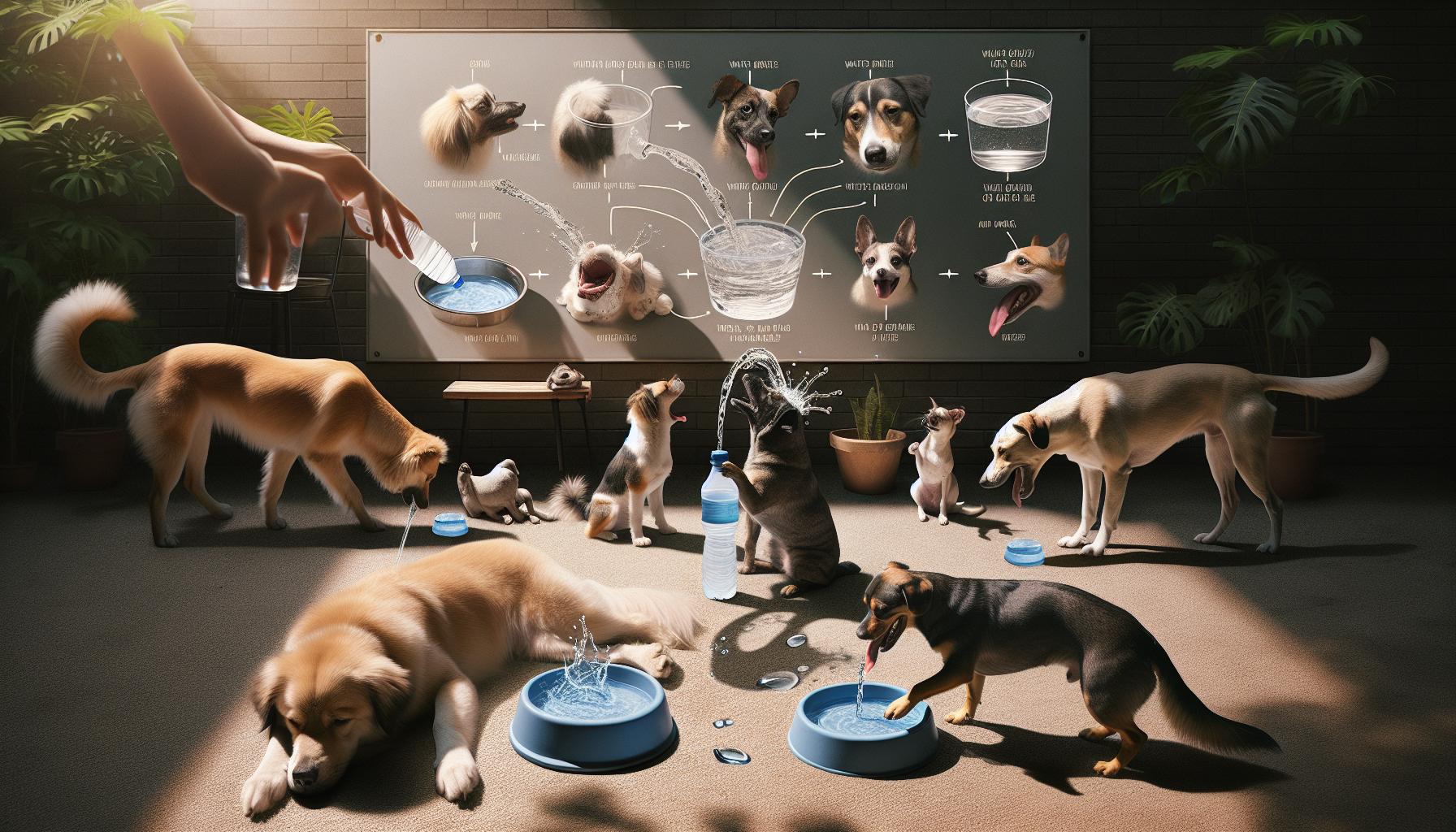
Signs Your Dog is Dehydrated
Recognizing the signs of dehydration in dogs is crucial for ensuring their health and well-being. Dehydration can strike quickly, and your four-legged friend may not always be able to vocalize their needs. One of the first things you might notice is an increase in thirst; they may persistently seek water or appear restless and anxious. However, more subtle signs can signal that immediate attention is required.
One of the most reliable indicators of dehydration is a loss of skin elasticity. This can be tested by gently pinching the skin between your dog’s shoulder blades or on the back of their neck. In a well-hydrated dog, the skin should quickly return to its normal position. If it takes time to lay flat again, your pup may be dehydrated. Additionally, observe their gums; if they appear dry, sticky, or pale instead of a healthy pink, this could also indicate a serious hydration issue. You can lightly press on their gums; they should be moist and should return to a healthy color almost immediately when released.
Another concerning sign is a decrease in energy. If your normally playful dog suddenly seems sluggish, uninterested in walks or playtime, or simply lays around, it’s time to investigate further. Breeds like Greyhounds and Bulldogs, which naturally have different energy levels, may show this lethargy earlier, making it essential to understand your dog’s baseline behavior. Other signs include a change in urine color; dark yellow or orange urine can be a red flag that your dog isn’t drinking enough.
Being aware of these signs and acting quickly is key to preventing more severe consequences of dehydration. If you suspect your dog is dehydrated, provide them with water immediately and consult your veterinarian for guidance on further steps. Keeping a close eye on their behavior and hydration status can make all the difference in maintaining their health and happiness. Remember, your vigilance not only promotes their physical health but also deepens the bond you share.
The Critical Survival Timeline for Dogs
Dogs, which are known for their energy and playfulness, can face severe health risks when they don’t have access to water. Understanding how long a dog can survive without water can be crucial for any pet owner. Generally, dogs can last about three to five days without water, but this varies significantly based on several factors such as their health, age, and environment. In extreme conditions, like heat or vigorous activity, this timeframe can be drastically shortened, sometimes to just a matter of hours.
During the first 24 hours without water, many dogs may show mild signs of dehydration, such as lethargy and dry gums. As dehydration progresses over the next few days, you may notice more severe symptoms like rapid panting, sunken eyes, and excessive drooling or thick saliva. If these symptoms appear, it’s critical to take immediate action, as irreparable damage to the organs can occur if hydration is not restored. Such changes can make a significant impact on your dog’s health, leading to potential organ failure or even death if not addressed quickly.
It’s equally essential to consider your dog’s breed and individual needs. For instance, larger breeds or dogs with a dense coat may struggle more with dehydration if they are in hot climates. Additionally, puppies and older dogs tend to be more vulnerable, requiring closer monitoring during periods of inadequate water intake. Engaging in activities that increase fluid loss, like exercise on hot days, escalates the urgency for hydration.
Ultimately, fostering good hydration habits and being observant of your dog’s needs is key to preventing dehydration. Always have fresh water available, especially during warmer months or after exercise. Keeping an eye on changes in behavior can help you act promptly, ensuring that your furry companion remains healthy and happy. Remember, your proactive approach can make a world of difference in your dog’s well-being.
Breed-Specific Water Needs and Sensitivities
While it’s common knowledge that all dogs need water to thrive, the specific hydration needs can vary significantly among different breeds. Understanding how a dog’s breed affects its water requirements can help you tailor care routines to keep your pup healthy and hydrated. For instance, larger breeds such as Great Danes and Saint Bernards generally require more water than smaller breeds like Chihuahuas or Dachshunds, not only due to their size but also the greater muscle mass that needs to be supported with adequate hydration.
Factors Influencing Breed-Specific Needs
Several factors influence how much water a dog of a specific breed needs:
- Activity Level: Active breeds, such as Border Collies or Labrador Retrievers, will require more hydration than laid-back breeds like Bulldogs or Shih Tzus due to the higher energy expenditure.
- Climate: Dogs living in hotter climates, particularly those with thick fur like Huskies or Samoyeds, might seem like they’d need less water. However, the opposite is true; they can suffer from dehydration faster and require constant access to fresh water.
- Health Considerations: Some breeds, like Doberman Pinschers, are more prone to certain health issues that can affect their hydration levels. A sick or elderly dog may not drink as much, increasing the need for attentive care and possibly supplemental hydration options.
- Diet: The types of food a breed consumes can also impact hydration needs. Dogs on kibble diets will need more water than those eating wet food, as the latter incorporates moisture directly into their diet.
Checking Hydration Needs by Breed
It’s crucial to observe your dog’s water intake and behavior closely. Here’s a simple checklist to ensure your specific breed is getting enough hydration:
Hydration Care Checklist
| Breed | Daily Water Intake (approx.) | Signs of Dehydration |
|---|---|---|
| Small Breeds (e.g., Chihuahua) | 1-2 cups | Dry mouth, lethargy |
| Medium Breeds (e.g., Beagle) | 2-4 cups | Sunken eyes, dry nose |
| Large Breeds (e.g., Labrador) | 4-8 cups | Rapid panting, thick saliva |
| Giant Breeds (e.g., Great Dane) | 8-12 cups | Excessive drooling, confusion |
By observing and adapting to your dog’s specific needs, you foster a responsible and attentive relationship that ensures their health and happiness. Providing easy access to water, especially during playtime or hot weather, can make all the difference. Engaging in breed-focused education not only empowers pet owners but enhances the well-being of their four-legged friends.
Emergency First Aid for Dehydrated Dogs
Recognizing the signs of dehydration in dogs can be a life-saving skill for any pet owner. When a dog is deprived of water, the body quickly begins to experience distress, and knowing how to intervene until professional help arrives can make all the difference. Immediate action can help stabilize your furry friend and prevent the situation from worsening.
A vital first step is to assess your dog’s level of dehydration. Common indicators include dry gums, excessive panting, lethargy, and sunken eyes. If you suspect dehydration, your first priority should be to offer your dog small amounts of fresh water. Avoid large quantities, as their stomachs may be sensitive. In cases where your pup refuses water or shows severe symptoms, it’s crucial to contact your veterinarian right away.
Administering Emergency Care
Here are some practical steps to follow if your dog shows signs of dehydration:
- Cool Your Dog Down: If your dog is overheated, move them to a shaded or cooler area to help lower their body temperature. Wetting their paws and using a fan can provide additional relief.
- Offer Electrolyte Solutions: If you have them on hand, diluted electrolyte solutions can help replenish lost minerals. Make sure these are safe for canine consumption, as some human products may contain harmful ingredients.
- Check for Shock: Signs of shock include cool limbs, shallow breathing, and unresponsiveness. If your dog is in shock, keep them warm and calm while awaiting veterinary assistance.
- Seek Veterinary Care: Always consult your vet if dehydration is severe or if your dog does not improve with home care. They might require intravenous fluids to rehydrate effectively.
Breed-Specific Considerations
Different breeds may react differently to dehydration. For example, brachycephalic breeds like Bulldogs or Pugs may struggle more as they can have breathing issues that exacerbate dehydration. Larger breeds such as Great Danes or Saint Bernards, on the other hand, may show physical symptoms more readily due to their size. Always consider your dog’s breed and specific circumstances when assessing dehydration and deciding on a treatment approach.
Being prepared and informed can empower you to act quickly should your dog face a hydration crisis. Continuous education on hydration needs and proactive measures can protect your pet’s health, providing them with a happier, healthier life.
Best Practices for Keeping Your Dog Hydrated
Dogs need plenty of fresh water each day to stay healthy and happy, and dehydration can sneak up on both dogs and their owners if they’re not careful. Engaging your pup in regular hydration practices not only prevents health issues but also contributes to overall well-being. One effective way to ensure your dog stays hydrated is to provide fresh, clean water. Change the water at least twice daily, and if your dog spends a lot of time outdoors or exerts themselves during play, check the water bowl more frequently. Some dogs prefer to drink from bowls made of certain materials, like stainless steel or ceramic, which can help maintain freshness.
Creating a routine can also aid in keeping your dog adequately hydrated. Try offering your dog a fresh bowl of water every time they come indoors from outdoor activities. You might even want to have multiple water stations around your home and yard to encourage drinking. Thinking about your dog’s preferences can make a significant difference; for instance, adding ice cubes, or letting them sip from a pet-friendly water fountain can turn hydration into a fun activity.
Another valuable strategy is to incorporate moisture-rich foods into your dog’s diet. Dogs can get a good portion of their hydration from the food they consume, particularly if you feed them wet or fresh food. Adding water or low-sodium broth to dry kibble can be an excellent way to sneak liquid into their diet as well. For instance, some dog owners blend water with mashed fruit or vegetables that are safe for dogs, which not only adds hydration but also an extra nutritional boost.
Remember, every dog has specific hydration needs based on their size, age, activity level, and health status. Small breeds such as Chihuahuas may require less water compared to larger breeds like Great Danes, whose large bodies can lose significant fluid during exercise or hot weather. Having an understanding of how much water your dog needs can empower you to respond effectively. As a general guideline, most dogs should have access to 1 ounce of water per pound of body weight each day, but individual needs may vary significantly. Keeping awareness of these practices not only helps in managing your dog’s hydration but also enriches your bond through shared activities focused on their health.
Understanding the Risks of Dehydration
Dehydration in dogs can rapidly become a critical issue, as it affects their overall health and ability to function properly. Just like humans, dogs depend on water for various bodily functions, from regulating their temperature to aiding digestion and facilitating nutrient absorption. Even being slightly dehydrated can lead to noticeable changes in behavior and physiology. For example, a dog that usually exhibits boundless energy may become lethargic or easily fatigued when dehydrated.
Several factors influence a dog’s risk of dehydration. Hot weather, strenuous exercise, age, and certain health conditions can all increase the need for water. Furthermore, some breeds have a higher sensitivity to heat and dehydration due to their physical characteristics. Brachycephalic breeds, such as Bulldogs and Pugs, may struggle to regulate their temperature effectively, placing them at greater risk. Understanding these nuances can help dog owners preemptively address their pets’ hydration needs before they escalate into more severe health crises.
Recognizing the signs of dehydration is crucial. Symptoms can range from a dry nose and gums to more severe indicators like sunken eyes and decreased skin elasticity. For instance, a simple skin test can help gauge hydration levels: gently pinch the skin at the back of the neck and observe how quickly it returns to its original position; if it doesn’t snap back promptly, your dog may be dehydrated. Being attentive to these changes can empower you to act swiftly, preventing potentially life-threatening situations.
Finally, hydration isn’t just about water intake; the quality and accessibility of water play a significant role. Dogs thrive when they have constant access to fresh, clean water, which should be changed at least twice a day. And during warmer months or after vigorous play, ensuring your dog remains well-hydrated can help avert serious complications like heatstroke or kidney failure. By integrating hydration checks into your daily routine and remaining vigilant about your dog’s specific needs, you can safeguard their health and happiness.
Hydration Solutions: Foods and Supplements
Providing your dog with optimal hydration goes beyond just ensuring they have water to drink; it’s about integrating various foods and supplements into their diet that can assist in maintaining their overall fluid balance. Did you know that certain fruits and vegetables can be excellent sources of hydration? Watermelon, cucumbers, and leafy greens are great examples that not only satisfy your dog’s taste buds but also contribute significantly to their water intake.
### Nourishing Foods
Including high-water content foods in your dog’s meals can help supplement their hydration needs, especially during hot weather or after strenuous activities. Here’s a list of hydrating foods you can consider:
- Watermelon: Low in calories and filled with water, this summer favorite is safe for dogs (without seeds and rind).
- Cucumber: Crisp and crunchy, cucumbers are a great treat for dogs, packed with hydration.
- Carrots: While they don’t contain as much water as fruits, carrots provide fiber and can be given raw for a crunchy snack that aids hydration.
- Blueberries: These tiny powerhouses are not only hydrating but also loaded with antioxidants.
### Expert Recommendations
Beyond fruits and vegetables, consider incorporating specially formulated dog foods designed to enhance hydration. Many commercial wet dog foods contain higher moisture content compared to dry kibble, effectively bolstering your dog’s water intake. If your dog primarily eats dry food, a mix of wet and dry can be beneficial. Always consult with your veterinarian for personalized recommendations, especially if your dog has specific health concerns or dietary restrictions.
### Supplementing Hydration
Don’t overlook hydration supplements that can be mixed into your dog’s water bowl. Products like electrolyte-enhanced solutions can help replenish lost fluids during exercise or hot weather. Always choose vet-recommended options and be cautious about ingredients, ensuring they are dog-safe.
Incorporating these enriching foods and supplements into your dog’s diet can play a crucial role in maintaining their hydration levels, keeping them active, healthy, and happy. Being mindful of hydration not just during the summer heat, but throughout the year, showcases your dedication to your furry friend’s well-being.
Preventing Dehydration During Hot Weather
When the temperatures soar, keeping your furry friend hydrated isn’t just important; it’s essential for their well-being. Dogs, much like humans, can suffer from dehydration in hot weather, which can quickly lead to serious health issues. Understanding how to prevent dehydration during these sweltering days can make all the difference.
One of the first steps in ensuring your dog stays hydrated is always providing them with fresh, clean water. During warmer months, it’s wise to check their water bowl more frequently, as they may drink more often than usual. Consider using a water fountain; many dogs are attracted to running water, which can encourage them to drink more. If you’re heading out for walks, bring a portable water bottle designed for dogs to keep them hydrated on the go.
Recognizing Breed-Specific Needs
Different breeds can have varying needs when it comes to hydration. For instance, brachycephalic breeds like Bulldogs or Pugs are particularly susceptible to overheating. Their flattened faces make breathing harder, which can exacerbate dehydration risks. On the flip side, high-energy breeds such as Border Collies may require more water than more sedentary dogs, especially after vigorous play. Knowing your dog’s breed-specific characteristics can help tailor your hydration strategy.
Creating a Cool Environment
Creating a comfortable environment is also key to preventing dehydration. Ensure your dog has access to shade during outdoor adventures and consider providing a kiddie pool for some fun splashing. If your dog seems reluctant to drink water, try adding ice cubes to their bowl or offering them wet dog food, which contains higher moisture levels. This simple trick is not only refreshing but can also be a delightful treat for your pup.
By implementing these strategies while being conscious of your dog’s individual needs, you can effectively prevent dehydration and keep them healthy and happy during hot weather. Regular check-ins and adjustments to their hydration routine will ensure that your beloved pet enjoys the summer safely!
Behavioral Changes: How Dogs React to Water Deprivation
When dogs experience water deprivation, their behavior can shift dramatically, reflecting their discomfort and need for hydration. Initially, a well-hydrated dog is typically lively and engaged. However, as dehydration sets in, they may become lethargic, less responsive, or even exhibit signs of distress. This shift is not just a minor change; it can highlight significant health concerns that owners must recognize and address promptly.
One of the first behavioral changes you may notice is an increase in restlessness. A thirsty dog might pace or look visibly uncomfortable, seeking out water sources or trying to communicate their need for hydration. Conversely, as dehydration worsens, dogs may become unusually quiet or withdraw, showing less interest in play or social interaction. Each dog’s reaction can vary, but some common responses include:
- Excessive Panting: Dogs pant to cool down and regulate their temperature. If they are dehydrated, they may pant excessively in an attempt to manage body heat.
- Reduced Appetite: A dehydrated dog may lose interest in food, as their body prioritizes water over nourishment.
- Dry Nose and Gums: You’ll notice changes in their oral health, with dry, sticky gums serving as a clear indicator of dehydration.
- Increased Licking: Dogs may lick their lips more as a sign of discomfort and a desire for moisture.
Recognizing these behaviors is crucial not only for immediate intervention but also for understanding your dog’s individual water needs. For example, active breeds like Labrador Retrievers require more water, especially after exercise, compared to more sedentary breeds like Bulldogs, who may be less tolerant of heat. It’s essential to observe how your dog reacts to changes in their hydration status and to be proactive about their water intake, especially during hot weather or after vigorous activities.
Offering fresh water regularly and observing their hydration habits can foster a healthier environment for your dog. Creating a routine that includes regular water breaks during walks or playtime not only keeps them hydrated but also encourages healthy behavioral patterns and prevents the complications of dehydration. By being attentive to these signs and adjusting care accordingly, you can help ensure your furry friend stays healthy and happy.
Long-Term Effects of Dehydration on Health
When dogs are deprived of water for extended periods, the consequences can be dire, impacting not just their immediate health but also their long-term well-being. A study indicates that dogs can only survive without water for about three days, but the effects of dehydration can begin to manifest much sooner, with significant health implications arising within just a few hours. Understanding these long-term effects is crucial for any dog owner who wishes to ensure the ongoing health and happiness of their furry friend.
Prolonged dehydration can lead to a variety of health challenges, including kidney damage and urinary tract issues. The kidneys are vital for filtering waste from the blood, and without adequate hydration, they struggle to perform this function effectively. Over time, this can result in conditions such as kidney stones or even chronic kidney disease, particularly in breeds predisposed to these issues, such as Persians and Siberian Huskies. Additionally, dehydration can affect the urinary system, making dogs more susceptible to infections and complications.
Moreover, dehydration can impair the immune system, decreasing a dog’s ability to fend off illness and infection. When the body is lacking sufficient water, it prioritizes essential functions, which can leave other systems, like immunity, vulnerable. This is especially concerning in older dogs or those with pre-existing health conditions. For instance, senior dogs often require more careful monitoring of their hydration levels, as they may not exhibit the typical symptoms of thirst, leading to unintentional dehydration.
To protect your dog’s health, it’s vital to establish a consistent hydration routine. Regularly providing fresh, clean water is foundational, but also consider incorporating moisture-rich foods, like wet dog food or fresh fruits and vegetables such as watermelons and cucumbers. This not only supports hydration but also offers additional nutrients. By paying close attention to your dog’s drinking habits and being proactive about their water intake, you can help mitigate the long-term effects of dehydration and ensure they lead a vibrant, healthy life.
Q&A
Q: How can I tell if my dog is dehydrated?
A: Signs of dehydration in dogs include dry gums, excessive thirst, lethargy, loss of skin elasticity, and a decrease in urination. If you suspect dehydration, check your dog’s skin by gently pinching it; if it doesn’t quickly return to normal, consult a vet immediately. For preventive tips, see our section on “Signs Your Dog is Dehydrated.”
Q: What should I do if my dog refuses to drink water?
A: If your dog refuses water, try offering ice cubes or ice chips, which some dogs prefer. You can also add low-sodium broth to their water or offer wet dog food to increase their fluid intake. If this persists, consult a veterinarian, as it may indicate underlying health issues.
Q: Can certain dog breeds survive longer without water?
A: Yes, some breeds are more resilient to dehydration than others due to their size, coat type, and overall health. For instance, larger breeds with thicker fur may have different hydration needs compared to smaller breeds. Check our section on “Breed-Specific Water Needs” for detailed guidance.
Q: What are the long-term effects of dehydration in dogs?
A: Long-term dehydration can lead to serious health issues, including kidney failure, urinary tract problems, and organ damage. To mitigate these risks, ensure your dog has constant access to fresh water, and monitor their hydration regularly as outlined in our article on “Understanding the Risks of Dehydration.”
Q: How quickly can a dog become dehydrated?
A: Dogs can start showing signs of dehydration within just a few hours, especially in hot weather or after vigorous exercise. It’s crucial to monitor their water intake and provide hydration options readily, as discussed in “Best Practices for Keeping Your Dog Hydrated.”
Q: What are the emergency first aid steps for a dehydrated dog?
A: If your dog is dehydrated, immediately offer small amounts of water or provide an electrolyte solution formulated for pets. If severe, take them to a vet for intravenous (IV) fluids. For more detailed steps, refer to our section on “Emergency First Aid for Dehydrated Dogs.”
Q: How does hot weather affect a dog’s hydration needs?
A: Hot weather significantly increases a dog’s hydration needs due to increased panting and sweating through their paws. Always provide ample fresh water and shade during outings; for further information, see our “Preventing Dehydration During Hot Weather” section.
Q: What foods can help keep my dog hydrated?
A: Foods with high moisture content, such as fruits and wet dog food, can help keep your dog hydrated. Options include watermelon, cucumber, and specially formulated hydration supplements. Check our “Hydration Solutions: Foods and Supplements” for more recommendations.
Wrapping Up
When it comes to your dog’s health, understanding how long they can survive without water is crucial. Remember, hydration is vital for their well-being, and knowing the signs of dehydration can make all the difference in an emergency. If you’re concerned about your dog’s drinking habits, don’t hesitate to consult a veterinarian for personalized advice tailored to your furry friend’s needs.
For more insights into dog care, check out our articles on identifying dehydration symptoms and tips for encouraging hydration in pets. Don’t forget to explore our dog training tips, which can help improve overall behavior and well-being. Your dog’s health is in your hands – take action now to ensure they’re happy and hydrated! Share this information with fellow dog owners who might benefit and feel free to leave a comment with your questions or experiences. Your journey to becoming a more informed pet parent starts here!