Did you know that just like us, dogs can quickly become dehydrated, which can lead to serious health issues? Understanding how long a dog can survive without water is crucial for every pet owner. In this article, we’ll break down the hour-by-hour timeline of dehydration in dogs, helping you recognize the signs and take proactive steps to keep your furry friend healthy and happy. Whether you’re a seasoned dog owner or new to the journey, learning about the importance of hydration can significantly impact your pet’s wellbeing. Join us as we explore this vital topic and equip you with the knowledge needed to ensure your dog stays hydrated and thriving!
How Long Can Dogs Survive Without Water?
While dogs can survive for various lengths of time without water, the critical threshold is generally about three days under ideal conditions. However, numerous factors can influence this timeframe, including the dog’s age, health, activity level, and the environment they are in. For instance, a puppy or a senior dog may be more vulnerable and could exhibit signs of dehydration even after just 12 hours without water. On the other hand, a dog that is healthy and active in cooler temperatures might stretch that time a bit longer, but it is not advisable to test these limits.
In practical terms, dehydration can begin setting in within just a few hours. If your pup goes without water during a walk or trip to the dog park, they might start to feel thirsty within two hours. This is critical because a dog’s body is composed of about 60% water, and just a small decrease in their hydration levels can lead to serious health risks. It’s essential for responsible pet owners to recognize that at any point when a dog is without water, they should be monitored closely for symptoms of dehydration and provided with water as soon as possible to prevent severe outcomes.
Making hydration a priority is simple: always have fresh water available for your dog and encourage them to drink, especially in hot weather or after exercise. It’s an easy way to support their health and happiness, ensuring they stay energetic and alert during playtime or daily activities. Remember, your dog’s health hinges on regular access to water, so don’t wait until they’re parched to refill their bowl!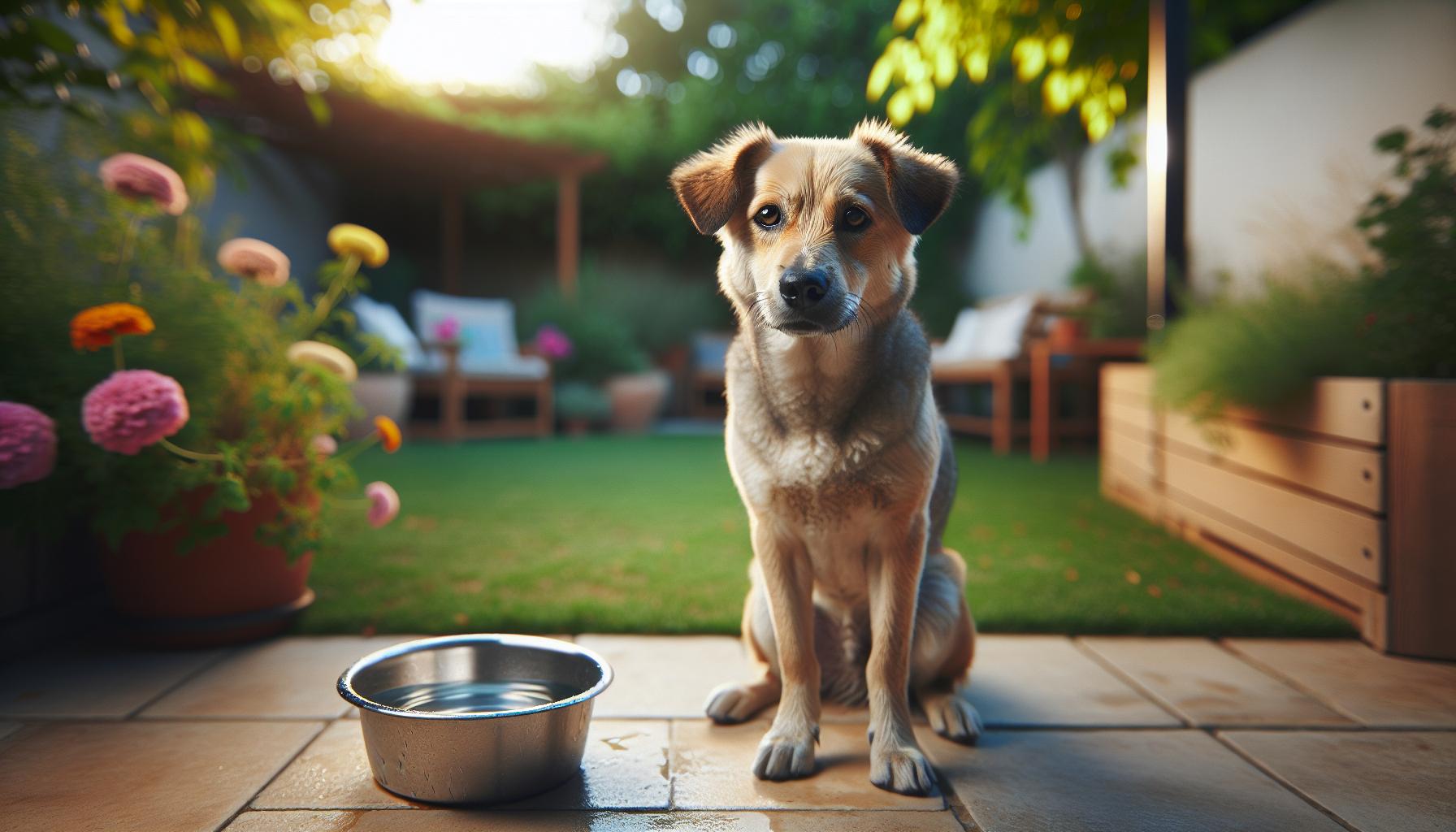
Signs of Dehydration in Dogs to Watch For
Recognizing the signs of dehydration in dogs is crucial for every pet owner, as a dog’s survival can hinge on swift action. Dogs, being composed of approximately 60% water, can begin to suffer from the effects of dehydration just a few hours without proper hydration. Each dog is unique, and factors such as age, activity level, and even the climate can affect how quickly they show symptoms of dehydration. Notably, puppies and senior dogs are particularly vulnerable and may exhibit signs even sooner than their healthier adult counterparts.
Common signs to watch for include:
- Increased Thirst: If your dog is drinking excessively or constantly searching for water, this may indicate early signs of dehydration.
- Loss of Skin Elasticity: Gently pinch the skin on the back of your dog’s neck. If it doesn’t quickly return to its normal position, it’s a sign of dehydration.
- Dry Gums and Nose: A healthy dog’s gums should be moist and pink, while their nose should be cool and wet. Dehydration can cause gums to become dry and sticky, and the nose may feel warm.
- Fatigue and Lethargy: Watch for unusual tiredness or lack of interest in activities they typically enjoy. This could mean your dog is struggling with hydration.
- Vomiting and Diarrhea: If your dog is experiencing gastrointestinal issues, they may lose fluids rapidly, leading to severe dehydration.
- Sunken Eyes: Observe your dog’s eyes; sunken or dry-looking eyes can be a telltale sign of dehydration that requires immediate attention.
Monitoring your dog’s behavior and physical condition regularly is key, especially during warm weather or after vigorous exercise. Keep in mind that breed-specific needs can alter the signs presented; for instance, brachycephalic breeds like Bulldogs may show respiratory distress sooner, complicating their hydration levels. If you suspect dehydration, providing water should be your first step, but don’t hesitate to contact your veterinarian for advice if symptoms persist. Reacting quickly can make all the difference in maintaining your dog’s health and happiness.
Factors Affecting How Long Dogs Can Go Without Water
The amount of time a dog can survive without water is influenced by several crucial factors that every dog owner should be aware of. Hydration isn’t just about availability; it’s closely tied to your dog’s health status, environment, and activity levels. For instance, a young, active puppy may dehydrate faster than an older, less active dog. Additionally, certain breeds, particularly those with short muzzles like Bulldogs or Pugs, are often more susceptible to respiratory distress in heat, which can lead to faster dehydration.
Temperature and humidity play a significant role in a dog’s hydration needs. In hot, humid conditions, dogs may need more water than usual, especially if they are engaged in outdoor activities. Conversely, in cooler climates, they may require less. Age is another vital factor; puppies and senior dogs typically lack the same physiological reserves as healthy adult dogs. This means they are at higher risk of dehydration and need more frequent access to water.
Moreover, a dog’s diet can also affect their hydration. Dogs that consume dry kibble will generally require more water compared to those eating wet food, which contains moisture. Moreover, certain medical conditions, such as diabetes, kidney disease, or gastrointestinal issues, can increase a dog’s water requirement. Observing your dog’s behavior and making adjustments based on their unique needs can help ensure that their hydration levels remain optimal, especially during periods of increased activity or heat.
For any dog owner, understanding these factors is key to preventing dehydration and ensuring a happy, healthy pet. Keeping fresh water available at all times and monitoring your dog’s intake can help mitigate these risks, ultimately contributing to their well-being.
Hour-By-Hour Breakdown: The Critical Timeline
When it comes to our furry companions, understanding their hydration needs can truly be a lifesaver. Dogs may start to show signs of distress from dehydration within just a few hours without water, but the timeline can vary significantly based on factors like their size, age, and overall health. By breaking down the hour-by-hour progression of dehydration, we can better appreciate the urgency of keeping our dogs properly hydrated.
In the first hour without water, dogs can still feel relatively normal, but they are already beginning to lose moisture, especially if they are active. This is particularly concerning in warm weather or if they have been exercising. By the second hour, you may notice subtle changes in behavior; a playful pup may seem a bit lethargic, and their panting may become more noticeable. During this time, dogs may start to seek out moisture from other sources, like grass or dirt, which can be concerning.
As hours three to six roll in, the signs of dehydration become more pronounced. Dogs might show increased restlessness or attempts to seek shade and cool areas. Their gums can start to feel tacky, and their skin may not bounce back as quickly when pinched, indicating a loss of elasticity. This stage is critical; if they remain without water, their internal systems begin to falter. By the 12-hour mark, the risk intensifies significantly. Dogs can develop a serious condition known as renal failure, where the kidneys cannot function properly due to a lack of fluids.
Recognizing these urgent signs allows dog owners to take proactive measures. Make a habit of checking your pet’s water bowl routinely, especially during hotter months or after vigorous play. Providing enriched hydration options, such as incorporating wet food or dog-safe broth, can also keep your pup excited about drinking. Meanwhile, having portable water bowls for road trips or long walks ensures they always have access to water, reducing the risk of dehydration. Remember, with dogs, prevention is always better than cure, so keep that water flowing!
What Happens to a Dog’s Body Without Water?
Without water, a dog’s body can quickly begin to face severe consequences. Just like humans, dogs rely on water to maintain vital functions, and their well-being can deteriorate alarmingly fast without it. Within as little as a few hours, the absence of water leads to dehydration, which can disrupt the balance of electrolytes and the overall hydration levels within their cells and tissues.
The effects of dehydration manifest in various ways. Initially, dogs might not exhibit overt symptoms, but their internal systems start to feel the strain. As water depletion progresses, crucial bodily functions-like circulation, digestion, and temperature regulation-become compromised. When a dog is dehydrated, their heart has to work harder to pump thicker blood, and their organs may start to experience distress due to reduced blood flow. This can lead to more serious health issues, including renal failure, particularly if they remain without water for an extended period.
In the critical hours, cellular dehydration can result in persistent dryness of tissues, affecting salivation and leading to sticky gums. As the condition worsens, dogs may experience a decrease in urine production, and their skin may lose elasticity. When you gently pinch a dog’s skin, it typically should snap back quickly; lethargy and tacky gums can signal that the dog is suffering significant fluid loss. It’s essential to keep an eye on these dehydration indicators and respond promptly.
To ensure your dog remains healthy, make hydration a priority. Always provide fresh water, and avoid leaving them without it for long periods. Incorporating wet food or offering canine-safe broths can add hydration and entice your pup to drink. Remember, recognizing the warning signs early can save your furry friend’s life, so stay attentive to their needs, especially in hot weather or after exercise.
Breed-Specific Water Needs and Tolerance
Every dog is unique, not just in temperament and behavior but also in their hydration needs. Just like humans, different breeds have varying tolerances and requirements for water based on their size, activity level, and environmental conditions. For instance, a Border Collie, known for its high energy and active lifestyle, may require significantly more water than a Bulldog, which is generally more sedentary and prone to overheating.
Small breeds, such as Chihuahuas, may have a harder time tolerating dehydration due to their smaller body size and higher metabolic rates. Conversely, larger breeds like Great Danes or Mastiffs need more water simply due to their larger body mass, but they can sometimes suffer from bloat if they drink too quickly after exercise. Understanding these breed-specific requirements is crucial.
Here are some general breed guidelines to help you gauge your dog’s hydration needs:
| Breed Type | Average Daily Water Intake | Activity Level | Signs of Dehydration |
|---|---|---|---|
| Small Breeds (e.g., Chihuahua, Pomeranian) | 1/2 – 1 cup | Low to Moderate | Tacky gums, lethargy |
| Medium Breeds (e.g., Beagle, Cocker Spaniel) | 1 – 2 cups | Moderate | Dry nose, decreased energy |
| Large Breeds (e.g., Labrador Retriever, Golden Retriever) | 2 – 3 cups | High | Persistent panting, sticky saliva |
| Giant Breeds (e.g., Great Dane, Mastiff) | 3 – 6 cups | Variable | Abnormal thirst, weakness |
To keep your dog properly hydrated, it’s not just about the amount but also the source of water. Ensure that they have access to clean, fresh water at all times, especially during warmer months or after vigorous play. Consider adding wet food to their diet, as this can increase their fluid intake without them needing to drink more water directly. Whether you’re a new dog owner or have years of experience, always stay attuned to your dog’s specific water needs, adapting your approach as necessary to keep them healthy and happy.
Tips to Ensure Your Dog Stays Hydrated
Keeping your dog well-hydrated is crucial, especially given that even mild dehydration can lead to significant health issues. Dogs, like humans, can face serious consequences when deprived of water. Did you know that a dog can start showing signs of dehydration as quickly as 24 hours without water? To ensure your furry friend remains happy and healthy, consider implementing the following strategies.
First and foremost, always provide your dog with access to fresh, clean water. Change their water multiple times a day, especially if you notice it getting dirty or stale. Dogs are more inclined to drink if their water is appealing. Additionally, incorporating a dog-friendly water bowl that discourages spillage can encourage them to drink more freely. Another great alternative is a pet water fountain, which keeps the water circulating and fresh, attracting your dog to drink frequently.
You can also enhance your dog’s hydration through their diet. Adding wet dog food, which contains up to 80% moisture, can greatly contribute to their overall water intake. For those who prefer kibble, consider mixing in a bit of water or low-sodium broth to moisten their meal. Also, offering ice cubes as a treat can be a fun way for your dog to hydrate, especially on warm days.
If you’re heading out for a walk, ensure you bring water along, particularly if you plan on being outside for an extended period. Many pet-friendly water bottles and collapsible bowls are available for easy transport. If your dog is very active or if the temperature rises, be extra vigilant about their water needs. Always watch for signs of dehydration, such as excessive panting, dry nose, or lethargy.
Remember, every dog has its unique needs based on size, breed, and activity level. Keeping track of their daily water intake and making adjustments as necessary is key to ensuring your pet stays hydrated and healthy. Celebrate your pet’s hydration journey by being involved and proactive-your dog will thank you with wagging tails and happy barks!
Emergency Steps if Your Dog is Dehydrated
When a dog is dehydrated, every second counts, and knowing how to act quickly can save their life. Dehydration can occur for various reasons, including heat exposure, illness, or simply not drinking enough water, and taking immediate steps can make all the difference in their recovery.
First, assess the severity of the dehydration. If your dog exhibits mild signs, such as slight lethargy or dry nose, you can typically manage the situation at home. Provide them with fresh, cool water immediately, and encourage drinking by adding a splash of low-sodium chicken broth to make it more enticing. For a fun twist, try offering ice cubes or frozen treats made of broth to get them to hydrate while satisfying their cravings.
However, if your dog is showing more serious symptoms, like persistent vomiting, loss of consciousness, sunken eyes, or excessive panting, you must seek veterinary care right away. These signs indicate that the dehydration is severe and could require intravenous fluids for proper hydration. Never attempt to force-feed water during these critical moments, as it may cause choking or further distress.
In preparation for potential emergencies, it’s wise to keep a pet first aid kit handy with essentials like an electrolyte solution specifically formulated for dogs. These solutions can assist in replenishing lost fluids and vital nutrients. Always consult your veterinarian about the right product for your dog’s specific needs and how to administer it. Remember, in cases of significant dehydration, every moment matters, and prompt veterinary intervention is key to helping your furry friend bounce back to health.
Long-Term Effects of Dehydration in Dogs
Dehydration in dogs can have lasting effects that extend well beyond the immediate consequences. When a dog goes without water for an extended period, their body starts to suffer in ways that can lead to long-term health issues. For example, the kidneys, responsible for filtering waste from the blood, become particularly vulnerable when hydration levels drop. Over time, chronic dehydration can lead to kidney damage or even kidney failure, which is not only serious but also costly to treat.
Moreover, dehydration can affect a dog’s digestive system. A lack of sufficient fluids can cause constipation and other gastrointestinal issues, leading to more severe complications if not addressed. Dogs may also experience impaired thermoregulation, making them more susceptible to overheating during hot weather or vigorous activity. Over time, this can place additional strain on the heart and lungs as the body works hard to maintain a safe internal temperature.
Another critical consideration is the potential impact on a dog’s skin and coat health. Dehydrated dogs may develop dry, flaky skin and a dull coat. This can diminish their appearance and overall comfort, leading to potential skin infections or other dermatological issues. Thus, ensuring your dog is well-hydrated is integral to maintaining their health and vitality.
To prevent the harmful effects of dehydration, it is crucial to establish a routine that prioritizes your dog’s hydration needs. Offering fresh, clean water at all times, especially during outdoor excursions or hot weather, can create positive habits. Keep an eye out for breed-specific needs as well; for instance, larger breeds may require more water due to their size and activity levels. Making hydration a priority not only keeps your dog healthy in the short term but also contributes to their well-being for years to come.
Hydration Myths: Debunking Common Misconceptions
Did you know that many dog owners hold onto some startling misconceptions about their furry friends’ hydration needs? For instance, a common myth is that dogs can easily drink any kind of water they find, be it from a puddle or a stagnant pond. In reality, this can expose them to harmful bacteria and parasites, potentially leading to severe health issues, including dehydration. It’s essential to provide your dog with fresh, clean water at all times to keep them healthy and avoid these risks.
Another widespread belief is that dogs only need water when they’re thirsty. However, by the time a dog feels thirsty, they may already be experiencing early signs of dehydration. Regularly providing water, especially during hot weather or after exercise, is crucial. Understanding your dog’s hydration needs-based on their size, activity level, and even breed-can help prevent serious health consequences. For example, larger breeds or those with higher energy levels generally require more fluids than smaller, less active breeds.
Sometimes, owners may think that if their dog eats moist food, they won’t need as much water. While it’s true that wet food contains more moisture, it’s not a substitute for drinking water. Dogs still need regular water intake to maintain proper kidney function and overall health. Keeping a close eye on your dog’s drinking habits will go a long way in ensuring they’re well-hydrated.
In a nutshell, dispelling these myths about dog hydration is key to helping your canine companion lead a happier and healthier life. Stay informed and proactive about your dog’s water intake, and you’ll be well on your way to ensuring their vitality and longevity. Remember, fostering proper hydration habits early on will become an easy part of your daily routine!
Veterinary Insights: When to Seek Help
It’s startling to realize that a dog can only survive without water for a mere few days, depending on various factors such as their age, health, activity level, and environmental conditions. As devoted pet owners, being attuned to our dogs’ needs is essential, especially regarding hydration. Recognizing the critical signs of dehydration and knowing when to consult a veterinarian can be a matter of life and death for our four-legged companions.
If you notice your dog displaying signs such as excessive panting, lethargy, dry gums, or decreased skin elasticity, it’s crucial to act quickly. These symptoms might indicate that your dog is becoming dehydrated, and they may need medical attention right away. Particularly in extreme heat or after vigorous exercise, be vigilant about these signs and take precautions. If symptoms persist after offering water and they refuse to drink, it’s time to contact your veterinarian. Some breeds, like Bulldogs and Pugs, are especially sensitive to heat due to their short snouts, making them more susceptible to dehydration.
When to Call the Vet
Understanding when to seek professional help can be challenging, but certain scenarios should prompt immediate action. Here’s a quick guide to help you determine when to call your vet:
- Persistent Symptoms: If dehydration symptoms last longer than a couple of hours despite providing water.
- Severe Symptoms: Signs such as vomiting, diarrhea, or inability to stand warrant immediate veterinary assistance.
- Underlying Health Issues: Dogs with existing health problems, like kidney issues or diabetes, need immediate veterinary care if showing any signs of dehydration.
- Excessive Thirst: If your dog is drinking excessive amounts of water without improvement in their condition, a vet visit is advised.
Don’t forget that preventive care is just as important as reacting to symptoms. Regular check-ups, especially during warm months or after physical activities, are important for maintaining your dog’s overall health. Keeping a record of your dog’s drinking habits, dietary intake, and changes in behavior can provide your vet valuable insights if issues arise.
Taking swift action when your dog shows signs of dehydration can make all the difference. Being proactive about monitoring your dog’s hydration can prevent serious health concerns and keep your furry friend happy and healthy.
Best Practices for Maintaining Your Dog’s Hydration
Ensuring your dog stays hydrated is crucial not just for their immediate health, but for their overall well-being. Just like humans, dogs need consistent access to fresh water to thrive, and dehydration can lead to serious health issues. Keeping a close eye on your dog’s hydration levels, especially during hot weather or after exercise, can help prevent these problems. Here are some best practices that every pet owner should adopt to maintain their dog’s hydration effectively.
First and foremost, it’s important to offer clean and fresh water to your dog at all times. Refill their water bowl multiple times a day, especially if you notice it getting dirty or if your pup has been active. Consider using a stainless steel bowl, as it’s more hygienic and easier to clean than plastic options. Some dogs prefer drinking from moving water sources, so you might want to invest in a pet water fountain. These not only encourage your dog to drink more but also keep the water fresh and oxygenated.
Additionally, pay attention to your dog’s diet. If they eat dry kibble, they might require more water than dogs who consume wet food, which contains higher moisture content. For many dogs, a combination of both dry and wet food can encourage hydration while providing a balanced diet. To further enhance hydration, you can also add water or dog-safe broth to their meals, ensuring they get additional fluids while enjoying their food.
It helps to create a routine for hydration by encouraging your dog to drink water after walks or play sessions. After strenuous activities, dogs may be reluctant to hydrate due to fatigue, so it’s useful to bring water along on outings and offer it to them regularly. For example, try having a portable water bowl or collapsible cup handy during walks or travel. Lastly, always keep an eye on breed-specific needs. Some breeds, like bulldogs or brachycephalic breeds, may have different hydration requirements due to their unique physical structures, so ensure they’re staying hydrated adequately according to their specific needs.
To summarize, keeping your furry friend hydrated is an ongoing responsibility that involves regular water supply checks, monitoring their diet, encouraging hydration after activities, and understanding their unique needs. By implementing these practices, you’re not just preventing dehydration but actively promoting a healthier and happier life for your dog.
Q&A
Q: How does dehydration affect a dog’s behavior?
A: Dehydration can significantly impact a dog’s behavior, making them lethargic, disoriented, or more irritable. If you notice your dog showing these signs, it’s crucial to provide water immediately and consult with a veterinarian if symptoms persist. Check the section on Signs of Dehydration in Dogs to Watch For for more insights.
Q: What are the first signs of dehydration in dogs?
A: The first signs of dehydration in dogs include dry gums, excessive panting, and a decrease in energy levels. It’s important to monitor these signs closely, as early detection can lead to quicker recovery. For an in-depth look, refer to the Signs of Dehydration in Dogs to Watch For section.
Q: Can dogs drink saltwater?
A: No, dogs should never drink saltwater as it can exacerbate dehydration and lead to serious health issues. Instead, ensure your dog has access to fresh, clean water at all times. Check the Tips to Ensure Your Dog Stays Hydrated for more information.
Q: How can I tell if my dog is dehydrated?
A: You can check for dehydration in your dog by performing the skin tent test or checking their gums for a tacky texture. If the skin does not return to normal quickly or gums appear dry, consult a veterinarian. More details are available in the Signs of Dehydration in Dogs to Watch For section.
Q: What is the most common breeding type to suffer from dehydration?
A: Some breeds, like Bulldogs and Pugs, are more prone to dehydration due to their short snouts, making it difficult for them to cool down effectively. It’s vital to monitor these dogs closely in hot weather. See Breed-Specific Water Needs and Tolerance for further insights.
Q: How can I help my dog hydrate quickly?
A: To help your dog hydrate quickly, encourage them to drink by offering fresh water and even ice cubes. You can also consider wet dog food or homemade broths as alternatives. For tips, check the Tips to Ensure Your Dog Stays Hydrated section.
Q: How long can a dog go without drinking water?
A: While the maximum time a dog can survive without water varies, most can only last 3 to 5 days under optimal conditions. If you suspect your dog has gone too long without hydration, seek veterinary attention immediately. More information can be found in the Hour-By-Hour Breakdown: The Critical Timeline section.
Q: What should I do if my dog refuses to drink water?
A: If your dog refuses to drink water, try offering flavored water or ice chips to entice them. If they continue to refuse fluids for more than a few hours, contact your veterinarian to prevent potential dehydration. See Emergency Steps if Your Dog is Dehydrated for more guidance.
Insights and Conclusions
As we’ve explored how long a dog can survive without water, remember that hydration is crucial for all canine companions, regardless of their breed. If you’re concerned about your dog’s water intake, check out our detailed care guides on hydration needs, or learn about specific breeds like the Cavalier King Charles Spaniel, which might have unique requirements. Don’t wait to ensure your furry friend is well-hydrated-take action today to keep them healthy and happy!
For additional insights, consider subscribing to our newsletter for exclusive tips and expert advice on dog care. Have questions or concerns? We’re here to help-drop a comment below or explore related articles about dog wellness, training, and nutrition. Your dog’s health is worth it, and we’re dedicated to providing you with the best resources to support your journey as a responsible pet owner. Explore more with us and make informed decisions for your beloved companion!