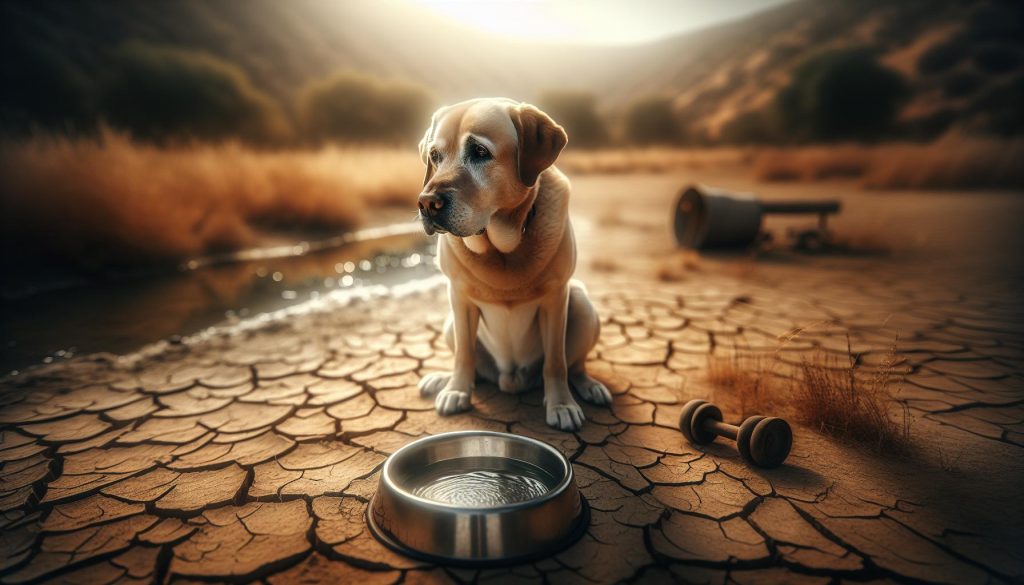
Did you know that dogs can typically survive for up to 72 hours without water? However, the initial signs of dehydration can begin to show as soon as 24 hours in, making it crucial for dog owners to understand their pets’ hydration needs. As responsible pet parents, it’s our job to ensure that our furry friends stay well-hydrated, not just during those long summer walks but every day. Knowing how long your dog can go without water is essential for their health, especially in situations like travel or unexpected emergencies. This article will help you grasp the maximum survival period without water, the significant impacts of dehydration, and practical tips to keep your beloved canine companion healthy and happy. Let’s dive into this important topic that every dog owner should be well-versed in!
How Dehydration Affects Dogs’ Health
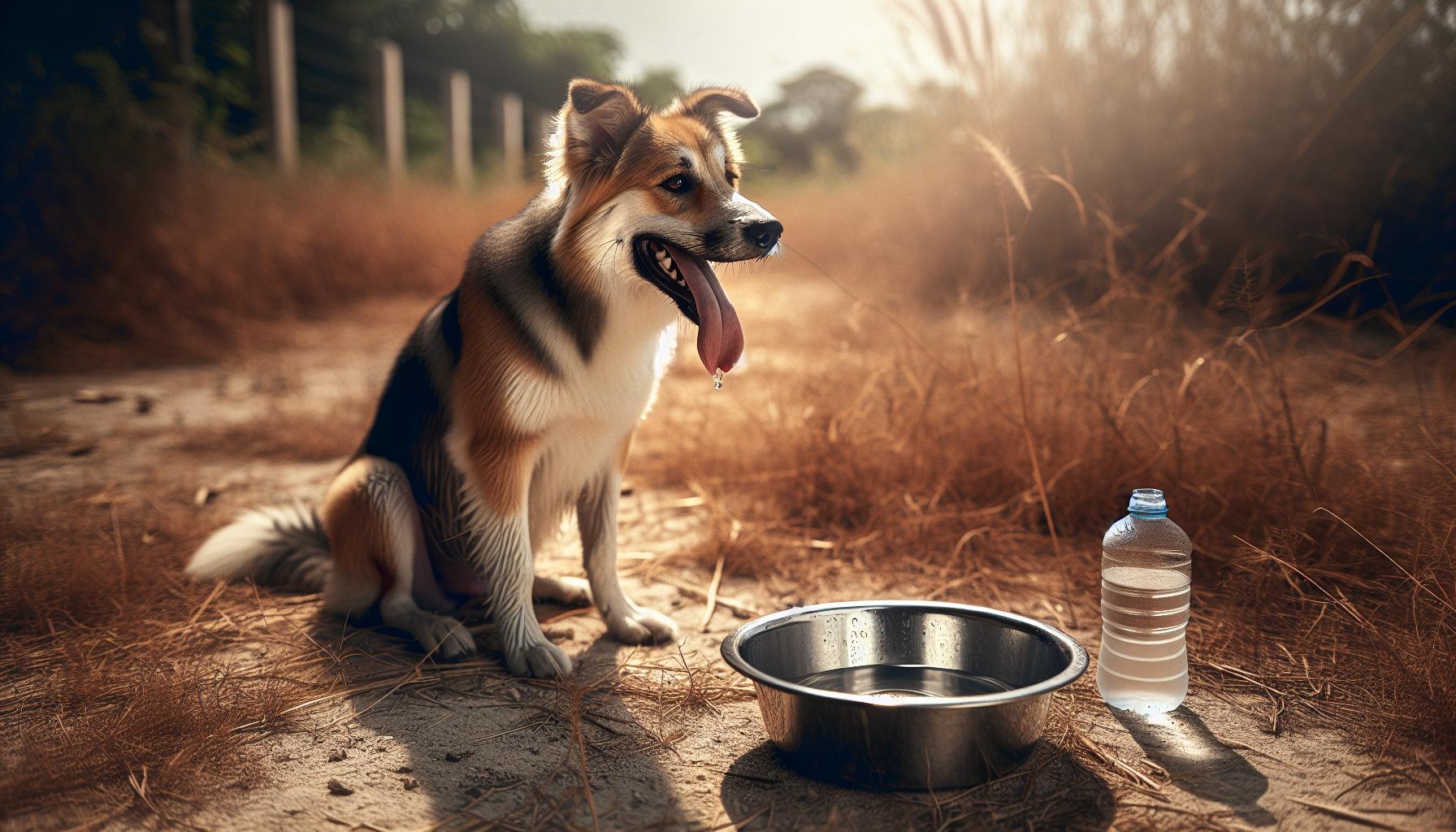
Every dog owner has likely experienced a hot day when they’ve watched their furry friend panting, tongue lolling, and may have wondered how dehydration can impact their health. Understanding how dehydration affects dogs is crucial, as it can lead to serious health issues and even become life-threatening if left unaddressed. Dogs primarily consist of water, and just like in humans, water plays a vital role in maintaining bodily functions, regulating temperature, and facilitating digestion.
When a dog becomes dehydrated, the first areas of concern are often the skin, mouth, gums, and eyes. Dogs may show several signs, such as dry or tacky gums, loss of skin elasticity, increased thirst, lethargy, and in severe cases, rapid heart rate and weakness. Monitoring these indicators is essential, as chronic dehydration can lead to organ failure. In younger or smaller dogs, the risk is amplified; a loss of just 10% of their body weight from fluid loss can quickly spiral into an emergency situation.
Furthermore, the effects of dehydration extend beyond immediate physical health issues. A dehydrated dog can experience a decline in mental alertness, leading to confusion or altered behavior. It can also impair their ability to regulate body temperature, increasing the risk of heatstroke during high-temperature outings. Ultimately, keeping your dog well-hydrated is not just about quenching their thirst; it’s a fundamental aspect of responsible dog ownership that aids in their overall well-being and longevity.
To actively prevent dehydration, it’s important to ensure that dogs have constant access to fresh water, especially during hot weather or after physical activity. Encourage regular water breaks during walks and playtime, and consider providing wet food for added hydration. Your vigilance can help keep your beloved pet healthy and thriving.
Understanding the Signs of Dehydration
Recognizing the signs of dehydration in your dog can be the difference between a minor issue and a critical health emergency. Dogs, much like humans, exhibit specific symptoms that alert us to the fact that they may not be getting enough water. One of the first signs to look for is dry or tacky gums; if you gently press on your dog’s gums, they should quickly return to their normal color. If they are dry and take longer to recover, this is a significant indicator of dehydration.
Another important sign is the skin elasticity – perform a simple test by gently pinching the skin at the back of your dog’s neck. If the skin doesn’t return to its original position quickly, this may indicate dehydration. Increased thirst is also a common symptom, but keep in mind that not all thirsty dogs are adequately hydrated. Other symptoms can include lethargy, decreased appetite, and in more severe cases, a rapid heart rate or weakness. Immediate attention is essential if your dog displays these latter signs, as they can signal critical stages of dehydration where intervention is needed.
Dogs can become dehydrated for various reasons, including exercise, heat, illness, or not drinking enough water. For example, puppies and smaller breeds can dehydrate faster than larger dogs due to their lower body weight and smaller water reserves. In extreme cases, a dog may survive only a few days without water, so being vigilant and knowing what to look for can save your furry friend from serious harm.
Remember, prevention is key. Always ensure your dog has access to fresh water, especially during hot weather or after playtime. If you notice any signs of dehydration, take action immediately by offering small sips of water and consulting your veterinarian if symptoms persist. Keeping a close eye on your dog’s hydration is one of the simplest yet most impactful ways to ensure their health and longevity.
Factors Influencing How Long Dogs Can Survive Without Water
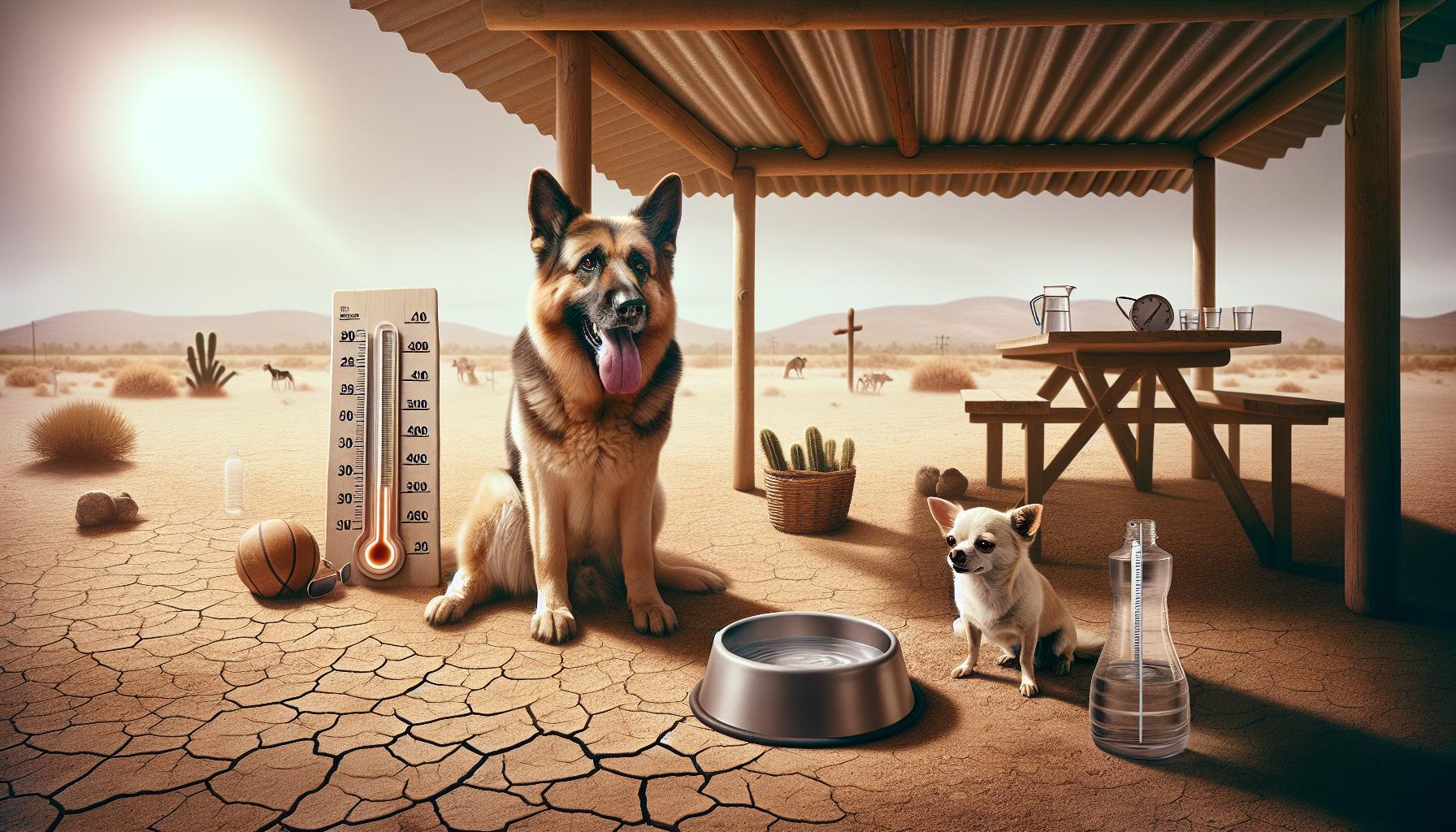
Dehydration is a critical concern when it comes to the health and survival of our canine companions. One of the most eye-opening facts is that dogs can only survive a few days without water-typically between three to five days. However, this survival window varies significantly based on several factors. Understanding these influences is key to protecting our furry friends from the dangers of dehydration.
Body Size and Breed
Different breeds and sizes of dogs have varying levels of water reserves. Smaller dogs and puppies, such as Chihuahuas or Dachshunds, have a higher surface-to-volume ratio, causing them to lose moisture more quickly than larger breeds like Great Danes or Mastiffs. For instance, a small dog might become dehydrated in just 24 hours without water, while larger breeds may withstand up to 72 hours, although this is still risky.
Environment and Temperature
The environment plays a crucial role in water needs. Hot, humid weather increases the risk of overheating and dehydration. Dogs pant to cool themselves, which leads to a loss of moisture that needs to be replenished. During summer months, especially if your dog is active outdoors, it is essential to ensure they always have access to water. Even moderate exercise in high temperatures can significantly reduce survival time without hydration.
Activity Level
A dog’s activity level hugely impacts its hydration needs. Active dogs, like Border Collies or Retrievers, require more water to replace fluids lost during play or work. If your dog has been exercising, it will need water more urgently, as physical exertion can lead to rapid dehydration. Regular breaks for water during playtime or walks can help maintain their hydration.
Age and Health Status
Age also plays a significant role-puppies and older dogs are especially vulnerable to dehydration. Puppies, due to their underdeveloped systems, can dehydrate very quickly, while older dogs may have chronic conditions that increase their need for hydration. Dogs with health issues, such as diabetes or kidney disease, may require additional water and can become dehydrated more rapidly.
By keeping these factors in mind, you can better ensure your dog stays hydrated. Regularly monitoring their water intake, especially in extreme conditions or after exercise, will help safeguard their health and extend their survival period in case of unexpected situations. Empowering yourself with this knowledge means you’re one step closer to being the responsible and loving pet parent your dog deserves.
Comparative Survival Times: Small vs. Large Breeds
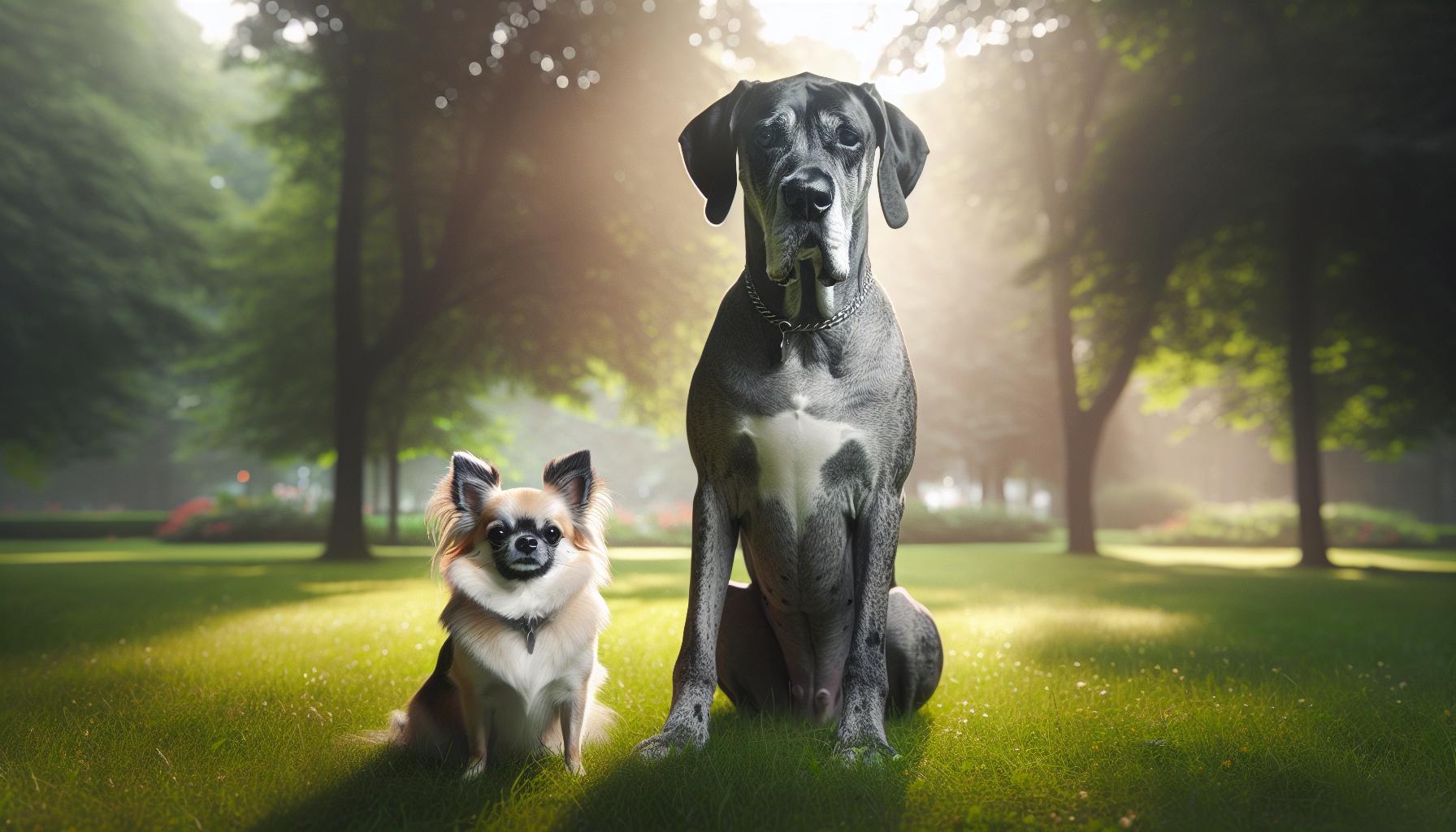
Understanding how long dogs can survive without water varies significantly between small and large breeds, making this information vital for all dog owners. Did you know that smaller breeds tend to dehydrate much faster than their larger counterparts? This difference is primarily due to their higher surface area-to-volume ratio, which influences how quickly they lose moisture. For example, a small breed like a Chihuahua may show signs of dehydration within just 24 hours without water, while larger breeds, such as Great Danes or Labrador Retrievers, can typically last anywhere from 48 to 72 hours under similar conditions.
In practical scenarios, this variance highlights the need for tailored care based on a dog’s size and breed. Smaller dogs often require more frequent access to fresh water, especially during hot weather or after play. Conversely, while larger dogs may have a greater water reserve, their sheer size can mask the early signs of dehydration. Hence, vigilant care is essential; for instance, owners of larger breeds might not notice subtle changes in behavior that indicate dehydration until it’s more advanced.
### Breed Comparison Table
| Breed Type | Approximate Survival Time Without Water | Dehydration Symptoms Timeline |
|---|---|---|
| Small Breeds (e.g., Chihuahua, Pomeranian) | 24-48 hours | 6-12 hours |
| Medium Breeds (e.g., Beagle, Cocker Spaniel) | 48-72 hours | 12-24 hours |
| Large Breeds (e.g., Labrador, Golden Retriever) | 72 hours or more | 24-48 hours |
| Giant Breeds (e.g., Great Dane, Mastiff) | 72 hours or more | 48-72 hours |
Being aware of these differences can empower dog owners to take proactive measures. Regardless of size, all dogs should have easy access to fresh water at all times, especially after vigorous activities or during warm weather. If you’re ever in doubt about your dog’s hydration levels, arm yourself with knowledge about the signs of dehydration, such as lethargy, dry gums, and excessive panting. This understanding not only helps protect your furry friend’s health but also fosters a deeper bond between you and your pet through attentive care.
Immediate Actions to Take When Your Dog Is Dehydrated
When you discover that your dog is dehydrated, quick action can be the difference between a swift recovery and a serious health crisis. Dogs can lose vital amounts of water rapidly, and knowing how to respond effectively is crucial for their well-being. If your pup is showing signs of dehydration, such as dry gums, lethargy, and excessive panting, it’s essential to take immediate steps to rehydrate them.
Start by offering your dog fresh, cool water immediately. Sometimes, dogs may resist drinking if they’re feeling unwell, so consider using a shallow bowl to make it easier for them to access the water. If your dog is still hesitant, try adding a splash of low-sodium chicken or beef broth to the water, which can entice them to drink while also providing additional sodium that can help with hydration. Alternatively, ice cubes can be a fun way for them to hydrate, as many dogs enjoy chewing on them.
If your dog is showing more severe symptoms of dehydration or refuses to drink, it may be necessary to take them to the veterinarian promptly. In some cases, dogs may require intravenous fluids or subcutaneous fluids to restore their hydration levels effectively. Delay in treatment can lead to serious complications, so it’s best to err on the side of caution.
Additionally, while dealing with dehydration, it’s important to monitor your dog’s overall condition. Keep an eye on their energy levels, appetite, and urination. If you notice that their condition isn’t improving or is worsening, seeking veterinary care is crucial. Remember, hydration is not just about the quantity of water available; the quality of care you provide in these stressful situations can significantly impact your dog’s recovery.
In summary, when faced with a dehydrated dog, act quickly to provide water, consider tasty enhancers to stimulate drinking, and don’t hesitate to seek veterinary assistance if needed. By staying proactive and attentive, you can help ensure your furry friend bounces back to health swiftly.
The Importance of Hydration for Your Dog’s Overall Wellness
Dogs rely on water for nearly every bodily function, and without adequate hydration, their health can quickly deteriorate. In fact, a dog’s body is composed of approximately 60-70% water, highlighting just how essential this vital fluid is for their overall wellness. Adequate hydration is crucial for various physiological processes, including digestion, circulation, temperature regulation, and waste elimination. When a dog is dehydrated, it can lead to severe health issues, including kidney damage, urinary tract infections, and even compromised immune function.
Maintaining proper hydration goes beyond just having a bowl of water available. Active dogs, particularly those engaging in strenuous exercise or spending extended time outdoors, tend to require more water than their less active counterparts. For example, a large dog like a Labrador Retriever may require up to a gallon of water per day, particularly during hot weather or intense play sessions. On the other hand, a smaller breed like a Chihuahua might only need around half a liter, depending on their activity level. This discrepancy underlines the importance of considering both size and activity when assessing hydration needs.
To help ensure your dog remains well-hydrated, consider implementing practical strategies such as regularly refreshing their water supply and choosing bowls that are appropriate for their size. Here are a few tips to maintain optimal hydration:
- Monitor Water Intake: Keep an eye on how much water your dog consumes daily. If you notice a significant decrease, it might be worth investigating further.
- Incorporate Wet Food: Adding wet dog food to their diet can provide extra moisture, especially beneficial for dogs who don’t drink enough water.
- Portable Water Supply: For outings, carry a collapsible bowl and fresh water to keep your dog hydrated during walks or adventures.
- Flavor Enhancements: If your dog is reluctant to drink, consider adding a splash of low-sodium broth to entice them.
Recognizing how crucial hydration is to your dog’s overall health is vital for any responsible pet owner. By prioritizing your dog’s hydration needs, you can ensure they lead a happy, healthy life. Moreover, early detection of any dehydration signs can prevent more serious health issues down the line, keeping your furry friend both energetic and joyful!
Hydration Needs Based on Activity Level and Weather
Understanding your dog’s hydration needs based on their activity level and the weather is crucial for their overall health and well-being. Just like water is essential for us, it plays a vital role in your dog’s bodily functions, and having a well-hydrated pup is key to keeping them happy and healthy. For example, an energetic dog engaging in vigorous play or training sessions can lose a significant amount of water through panting and physical exertion. Conversely, a less active dog will have lower hydration needs, but that doesn’t mean you can overlook their water intake.
During warmer months or on hot days, your dog’s needs can increase dramatically. Larger breeds, like the Labrador Retriever, might require about one gallon of water daily if they’re playing outside in the heat, while smaller breeds, like the Dachshund, might only need half a gallon under similar conditions. Weather conditions are another important factor-high humidity can also lead to increased sweating and panting, leading to higher hydration requirements. It’s essential to keep fresh water readily available and to encourage your dog to drink more during these hotter times.
When planning activities, remember to take along portable water solutions like collapsible bowls. If you’re hitting the trails for a hike or heading to the park, the extra weight of water becomes irrelevant to your furry friend’s health. A general rule of thumb is to offer water at least once every hour during your outdoor adventures, and even more frequently if the heat is intense.
It’s also helpful to recognize that some dogs, like working breeds-think Border Collies or German Shepherds-tend to require more hydration due to their high energy levels, especially when involved in rigorous tasks. In contrast, calmer breeds, such as Shih Tzus or Bulldogs, might need less, but still benefit from constant access to fresh water. Tracking how much your dog drinks can help you gauge their hydration status; a good reminder is that clear or light-colored urine typically indicates proper hydration, while darker urine can signify dehydration.
This awareness of your dog’s unique hydration needs based on their activity level and the weather can significantly impact their health, reducing the risk of dehydration and associated health issues. Prioritizing hydration is a simple yet effective way to keep your beloved companion feeling their best through all seasons and activities!
Best Practices for Keeping Your Dog Properly Hydrated
It’s astonishing how essential water is to your dog’s health-just a mere 10% reduction in water can lead to significant dehydration symptoms. As a dog owner, keeping your furry friend well-hydrated should be a priority. Fortunately, there are several effective strategies you can implement to promote proper hydration.