Did you know that a dog can only survive without water for about 72 hours? However, dehydration’s harmful effects begin to show after just 24 hours. Understanding how long your furry friend can go without this essential resource is vital for all dog owners. As a responsible pet parent, knowing the signs of dehydration and the critical timeline can help you keep your dog safe and healthy. Whether you’re hiking in the summer heat or dealing with an unexpected situation at home, being informed is key to ensuring your dog’s well-being. In this article, we’ll explore the timeline of survival without water, practical tips on maintaining hydration, and how to recognize when your pup needs help. Keep reading to make sure you’re prepared to care for your dog no matter the circumstances!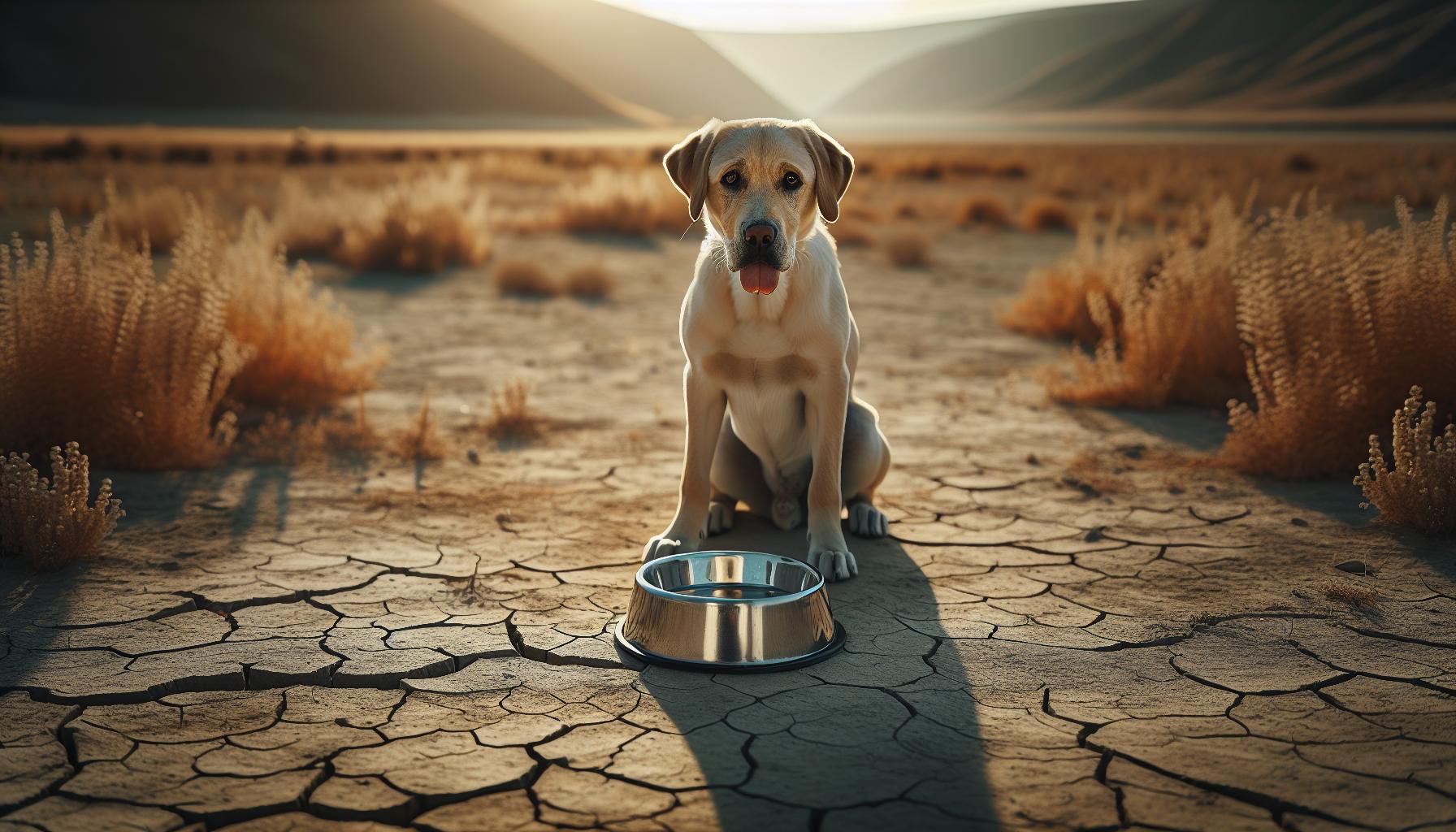
How Dehydration Affects Dog Health
Dehydration is not just a simple lack of water; it can have severe repercussions on your dog’s health that escalate quickly if not addressed. Just as humans feel sluggish and unwell when dehydrated, dogs can suffer from a wide range of troubling symptoms that can lead to serious health problems or even threaten their life. When a dog loses approximately 10% of their body weight from fluid loss, they can experience significant physiological stress, leading to diminished organ function, impaired circulation, and ultimately, a risk of organ failure if hydration isn’t promptly restored.
In addition to general lethargy, dehydration affects a dog’s ability to regulate body temperature, which is crucial, especially in warmer weather. A canine’s normal body temperature ranges between 101°F and 102.5°F, and dehydration can lead to an increase in body temperature, putting them at risk for heatstroke. As hydration levels decrease, blood viscosity increases, making it harder for the heart to pump, which can lead to decreased blood flow to vital organs. This condition can create a dangerous feedback loop where the inability to circulate fluids leads to further dehydration and more severe health issues.
Recognizing the signs of dehydration- such as sunken eyes, dry gums, and skin that does not bounce back when pinched- is vital for early intervention. The sooner you act, the greater the chance to minimize health impacts. If dehydration is suspected, immediate steps should be taken, which could include simple actions like offering small amounts of water frequently rather than letting your dog gulp down a large quantity at once, which can induce vomiting and worsen the situation.
In conclusion, the effects of dehydration can be quite serious and escalate quickly, making it crucial for dog owners to be proactive about their pets’ hydration needs. Regularly monitoring your dog’s water intake, especially during periods of increased activity or hot weather, is essential. Your vigilance can make all the difference in maintaining your furry friend’s health and vitality. Remember, when in doubt, consult your veterinarian promptly to ensure your dog’s best chance for recovery.
Understanding Canine Hydration Needs
Understanding your dog’s hydration needs is crucial for maintaining their health and well-being. Just like humans, dogs require a consistent intake of water to function optimally. A typical dog needs about half an ounce to one ounce of water per pound of body weight each day, depending on their activity level, diet, and environmental conditions. For example, an active dog or one living in a hot climate may need more water compared to a sedentary companion in a cooler environment.
A dog’s body is composed of approximately 60% water, which plays a major role in digestion, temperature regulation, and circulation. When a dog is dehydrated, their body can’t perform these vital functions effectively, leading to a myriad of health issues. Dogs obtain some hydration from their food, especially if they consume wet or raw diets, which can account for about 20% of their daily water needs. However, it’s essential to ensure they always have access to fresh, clean water to meet their needs.
To make sure your dog remains properly hydrated, it’s a good practice to monitor their water intake daily. You can create a hydration-friendly environment by providing multiple water bowls around your home, especially in areas where your dog spends time. Consider investing in a water fountain; many dogs prefer moving water, which can encourage them to drink more throughout the day.
Additionally, be mindful of breed-specific needs. Breeds with higher energy levels, such as Border Collies or Labrador Retrievers, may require increased hydration, especially during exercise or warmer months. On the other hand, brachycephalic breeds (with short noses like Bulldogs and Pugs) can overheat more easily, so it’s vital to ensure they stay hydrated and cool during hot weather. Tracking your dog’s water consumption with a simple check of their daily behavior can aid in recognizing potential dehydration early on-unusual lethargy or a decrease in energy levels could signal that your dog needs more fluids.
In summary, staying vigilant about your dog’s hydration can lead to a healthier, happier life for your furry friend. Make it a routine to check their water bowl regularly, offer fresh water throughout the day, and adapt their hydration needs based on their activity level and environment. Engaging in these practices not only reinforces their health but also strengthens your bond with them.
Critical Signs Your Dog is Dehydrated
Recognizing dehydration in your dog is critical, as symptoms can escalate quickly and lead to serious health consequences. Dogs are unable to communicate their discomfort in the same way humans do, so being observant can make all the difference. A fascinating fact to consider is that a dog can lose as much as 10-15% of its body weight due to dehydration before it becomes life-threatening. Therefore, being able to identify the warning signs quickly is essential for every dog owner.
One of the primary indicators of dehydration is dry gums and tongue. When your dog is hydrated, their gums should be moist and shiny. When they are dehydrated, those same gums may appear sticky, dry, or dark-colored, which is a clear signal that your furry friend needs more fluids. Another reliable sign is the turgor test: gently pinch the skin at the back of their neck. If the skin doesn’t return to its original position quickly, it suggests dehydration. A healthy dog’s skin will spring back immediately, whereas delayed response indicates a need for water.
Additional signs include lethargy and sunken eyes. You might notice your dog is less playful or not interested in their usual activities, which can be a sign of both fatigue and dehydration. If you observe that their eyes appear sunken or dull rather than bright and alert, it’s crucial to address their hydration needs immediately. Furthermore, if your dog is trembling, panting excessively, or exhibiting signs of heat distress, you should take action without delay.
Understanding the connection between hydration and your dog’s overall health is vital. Consider your dog’s daily activities, age, and dietary habits. For instance, working dogs or those in hot climates may show signs of dehydration faster than others. Make it a habit to monitor their water intake, and be proactive in ensuring they have access to clean, fresh water at all times. In case you notice any of these critical signs, do not hesitate to offer water, check for updates in their behavior, and consult your veterinarian if necessary. Early intervention can save your pet from serious health risks associated with dehydration!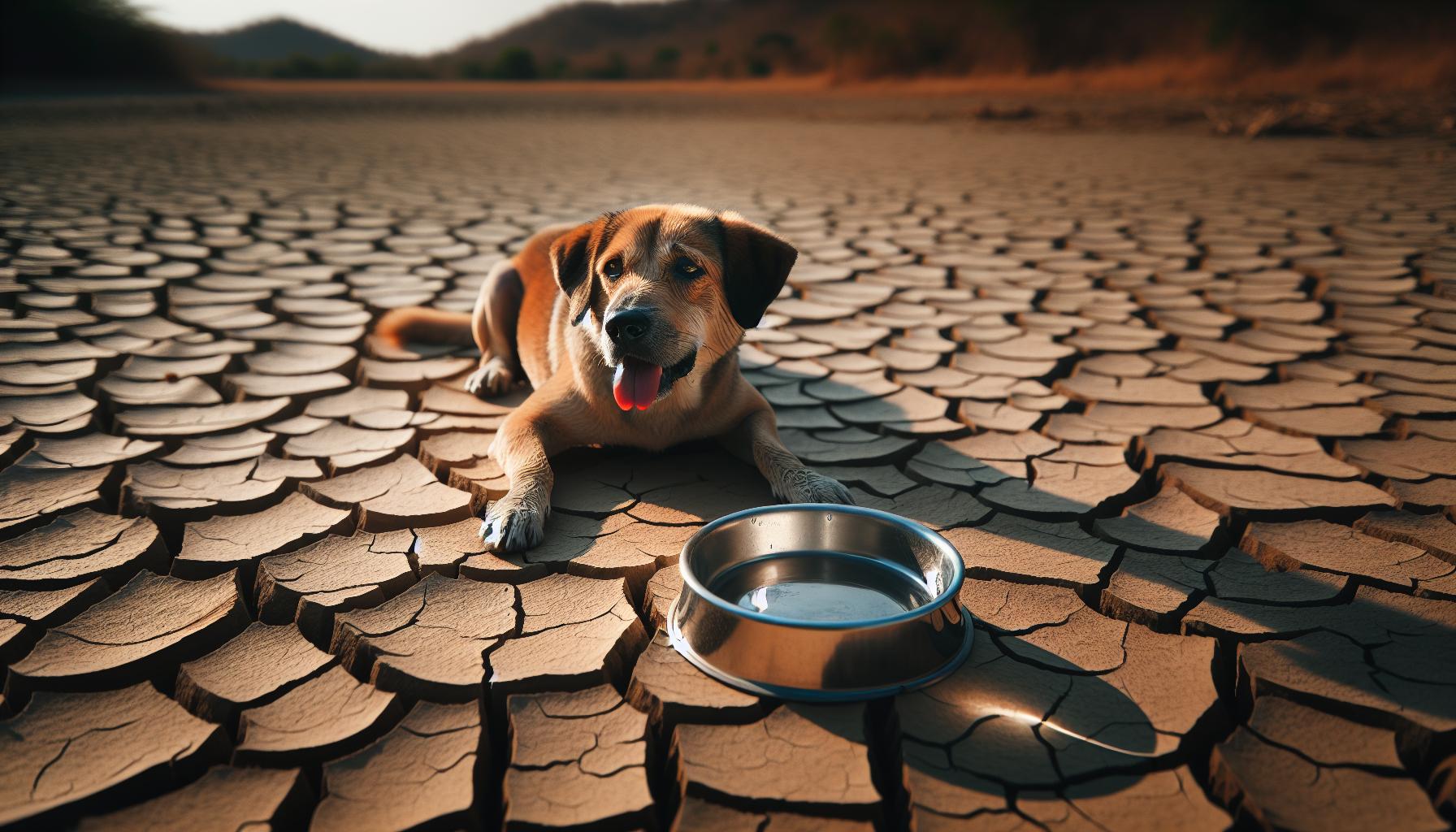
Timeline of Survival: Dog Water Deprivation
Dogs are remarkably resilient creatures, but they have a critical need for water that can dictate their health and well-being. Understanding the timeline of survival regarding water deprivation is essential for dog owners. Generally, dogs can survive around 3 days (72 hours) without water, but the effects of dehydration start appearing much sooner – often within the first 24 hours. As a dog owner, being aware of this timeline can help you react promptly to prevent serious health risks.
After just 6 hours without water, subtle signs of dehydration can manifest, such as a decrease in energy or slight changes in behavior. By the 24-hour mark, your dog’s body will begin to feel the impact more seriously. Symptoms may include dry gums, lethargy, and perhaps even some confusion or disorientation. If your dog has not ingested any fluids for 48 hours, it enters a critical state. Organ damage, weakened immune function, and more severe signs of dehydration, like sunken eyes and dry, sticky mucous membranes, can arise. This period is alarming, as the stress on the body increases significantly.
If your dog reaches the 72-hour limit without water, the situation can become life-threatening. The internal organs, particularly the kidneys, can start to shut down, and the risk of shock significantly rises. At this stage, immediate veterinary intervention is crucial. Filling your dog’s bowl with fresh, clean water at regular intervals and monitoring their intake will also help prevent delays in addressing dehydration.
Practical Steps to Take
- Monitor Water Availability: Regularly check your dog’s water bowl to ensure it’s full of fresh water.
- Encourage Hydration: Offer wet food or ice cubes if your dog shows disinterest in drinking plain water.
- Stay Informed: Educate yourself on the specific hydration needs of your dog’s breed and age.
- Critical Signs: Know the warning signs of dehydration to act quickly.
Understanding this timeline of survival underscores the importance of proactive measures regarding hydration. By having a plan and being vigilant, you can help ensure your furry friend stays safe and healthy, ready to enjoy all life’s adventures with you!
Breed-Specific Resistance to Dehydration
Certain dog breeds have unique characteristics that affect their resistance to dehydration, making them more susceptible when water intake is inadequate. Understanding these breed-specific traits is vital for caregivers, especially during hot weather or strenuous activities.
For example, brachycephalic breeds such as Bulldogs, French Bulldogs, and Pekingese are particularly at risk. Their short muzzles limit airflow, making breathing difficult, especially in heat. This compromise on respiratory efficiency can lead to higher rates of panting and rapid loss of bodily fluids. Similarly, small breeds like Chihuahuas and Yorkshire Terriers have relatively higher metabolisms which can increase their hydration needs compared to larger dogs. Due to their smaller size, they can also dehydrate faster and may struggle to recover from fluid loss.
On the other hand, larger breeds like the Akita or the Great Dane may have more substantial water reserves owing to their size, but they also can be less tolerant of heat. Their thick coats can exacerbate overheating issues, compelling them to lose more fluids. Additionally, older dogs or those with specific health conditions, such as kidney problems, may have reduced capabilities to manage hydration, regardless of their breed.
To ensure optimal hydration, proactive measures should be taken for any dog, regardless of breed. Here are practical steps to tailor hydration strategies:
- For Brachycephalic Breeds: Provide frequent access to shade and fresh water, especially during warm weather. Consider using ice cubes or crushed ice in their water bowl to encourage drinking.
- For Small Breeds: Monitor their water intake keenly. Offering moist food can help supplement their hydration, and flavored water (like broth) may pique their interest.
- For Large Breeds: Ensure they have access to larger bowls or multiple water sources, as they can drink more at once. Always keep an eye on their activity levels to prevent overheating.
- For Older Dogs: Assess their hydration needs closely. Providing a consistent hydration schedule can prevent potential health issues related to dehydration.
As dog owners, being aware of your pet’s specific breed traits regarding hydration can allow you to take preventive actions, ensuring they remain healthy and active. Engaging with your vet for tailored advice can further enhance your strategy tailored perfectly for your dog’s individual needs.
Immediate Actions to Take for Dehydrated Dogs
Dogs can show signs of distress rapidly when dehydration sets in, potentially leading to serious health implications. Immediate action is essential to mitigate further risks. First and foremost, assess your dog for visible signs of dehydration, such as dry gums, lethargy, or extreme thirst. If you observe any troubling symptoms, it’s crucial to act quickly to rehydrate your furry friend and seek veterinary assistance if their condition appears serious.
Start by providing access to fresh, clean water immediately. If your dog is reluctant to drink, you can entice them with bowl water that has been slightly warmed or mix in low-sodium broth for flavor. For dogs who are severely dehydrated, consider offering an electrolyte solution designed for pets, which can help replenish lost minerals more effectively than plain water alone. Remember to offer small amounts at a time, as allowing your dog to gulp large quantities can lead to further complications, including vomiting.
For larger breeds or those with a tendency to overheat, ensure they can lie down in a cool, shaded area while drinking. Small, frequent sips are preferable compared to one large drink. Additionally, if your dog shows signs of distress beyond dehydration-such as panting excessively or appearing weak-head to your veterinarian promptly. They may require a more intensive rehydration approach, such as intravenous fluids, to stabilize their health.
- Step 1: Assess dehydration signs (dry gums, lethargy, excessive thirst).
- Step 2: Offer fresh, clean water immediately; consider low-sodium broth if they won’t drink.
- Step 3: Monitor their intake-small amounts are better than a large gulp.
- Step 4: If severe symptoms appear, contact your veterinarian without delay.
Caring for a dehydrated dog requires responsiveness and a proactive approach. Your diligence not only helps avoid serious complications but also reinforces the trust your dog has in you as their caregiver. Make it a habit to regularly check your dog’s water supply and be aware of factors that influence their hydration needs, such as weather changes or increased activity levels. With the right care and immediate action, you can help ensure your dog stays healthy and happy.
Preventing Dehydration in Hot Weather
On a hot summer day, the stakes can be incredibly high when it comes to your dog’s hydration. Did you know that dogs can only survive a few days without water? When temperatures soar, this timeframe shrinks even further, making prevention of dehydration crucial. As responsible pet owners, it’s essential to be proactive in keeping our furry friends well-hydrated and healthy, especially during those sweltering months.
Creating a shaded area where your dog can escape the sun is a simple yet effective measure. This space should be cool and comfortable, encouraging them to relax without overheating. Always have a bowl of fresh water accessible, and consider using insulated water bowls that keep the water cooler for longer periods. To entice your dog to drink frequently, try adding ice cubes or opting for dog-safe electrolyte solutions, which can stimulate their thirst and add a special treat to their hydration ritual.
Monitoring your dog’s activity level when it’s hot outside is equally important. If your dog is particularly active, such as during a vigorous play session or a long hike, be sure to take frequent breaks. A good rule of thumb is to take a break every 20 minutes to offer water and allow them to cool down. Adjust your exercise schedule to cooler parts of the day, like early morning or late evening, to avoid the heat of the midday sun.
Consider your dog’s breed, too. Breeds with flat faces, like Bulldogs and Pugs, have a harder time cooling themselves due to their shorter airways. They may require more frequent hydration breaks compared to other breeds. Always stay attentive to changes in your dog’s behavior during heat stress, such as excessive panting or lethargy, which can signal dehydration. Keeping these strategies in mind will not only help prevent dehydration but will also ensure your dog’s enjoyable and safe summer adventures.
Hydration Tips for Active Dogs
Keeping your furry companion well-hydrated during playtime is crucial, especially when they are more active than usual. Dogs, much like humans, need adequate water intake to maintain their energy levels and avoid dehydration. Did you know that even mild dehydration can significantly impact your dog’s performance and overall health? Knowing how to keep them hydrated during play can prevent serious issues and enhance their enjoyment!
When engaging in activities that require endurance, such as hiking, running, or playing fetch, ensure that fresh water is always within reach. Just like you would pack water for yourself, bring along a portable dog water bottle or collapsible bowl. Frequent water breaks every 20 minutes, particularly during vigorous exercise, can help to stave off dehydration. Be sure to watch for signs of fatigue or overheating, like excessive panting or drooling, which could indicate that your pup needs to stop and hydrate.
Another excellent way to keep your dog hydrated while exercising is to incorporate moisture-rich snacks into their diet. Foods such as watermelon or cucumbers not only provide hydration but can also serve as refreshing treats during breaks. Additionally, if your dog enjoys the excitement of flavored liquids, consider using dog-friendly electrolyte solutions to make drinking more enticing during and after exercise. This can help replenish lost fluids and encourage them to drink more.
Lastly, take your dog’s breed into account. Breeds with shorter noses, like Bulldogs and Pugs, may struggle more in the heat and will benefit from more frequent hydration breaks compared to breeds like Labradors or Greyhounds, which are typically more adept at cooling themselves. Remember, it’s essential to adjust the intensity of play based on your dog’s individual needs, ensuring that they have a fun, safe, and hydrating experience: their well-being relies on your attentiveness!
The Importance of Water Quality for Dogs
Ensuring your dog has access to clean, high-quality water is fundamental to their health and well-being. While it’s common to think about how much water your dog drinks, it’s equally important to consider the quality of that water. Contaminated or stagnant water can harbor bacteria, parasites, or harmful chemicals, all of which can lead to serious health issues, including gastrointestinal upset or more severe conditions that might require veterinary intervention.
Dogs have a keen sense of taste and can be sensitive to water that smells or tastes unpleasant. Using fresh, filtered water not only improves their drinking experience but also encourages them to drink more. This is especially crucial in challenging conditions, such as hot weather or during strenuous activities. Here are some tips for ensuring your dog’s water quality remains top-notch:
- Clean Bowls Regularly: Always use bowls made of stainless steel or ceramic. Plastic can harbor bacteria and odors. Wash their water bowl daily and replace water at least once a day.
- Consider Filtered Water: If you have concerns about your tap water quality, consider installing a filter or providing bottled water, especially for sensitive breeds.
- Avoid Stagnant Water: Prevent your dog from drinking from puddles, ponds, or streams, as these can contain harmful pathogens and toxins.
- Monitor Water Temperature: In extreme heat, consider providing cool water to encourage your dog to hydrate.
If you notice that your dog hesitates to drink from their bowl, it could be a sign that the water isn’t appealing to them. Sometimes, adding a splash of low-sodium broth or using dog-safe flavor enhancers can entice them to drink more. Always check that their water source is clean and fresh – your dog’s hydration has a direct link to their vitality and overall health! Incorporating these practices can help ensure your furry friend stays hydrated and happy, reducing the risk of dehydration during critical periods.
Recognizing Risk Factors for Canine Dehydration
When it comes to keeping our furry friends healthy, being aware of the risk factors for dehydration is essential. Dehydration can set in quickly, and understanding the situations that can trigger it helps you prevent serious health issues down the line. Dogs can be particularly vulnerable to dehydration for several reasons, including environmental conditions, physical activity levels, and their specific health needs.
Hot weather is one of the most significant risk factors for dehydration. As temperatures rise, dogs lose water through panting, and their bodies struggle to regulate temperature. Breeds with thicker coats, like Siberian Huskies or Saint Bernards, can be especially susceptible to overheating, making it vital to ensure they have constant access to fresh water during warmer months. Additionally, during vigorous exercise, such as long hikes or intense playtime, dogs can lose fluids rapidly and may not compensate adequately by drinking enough water.
Certain health conditions can also elevate the risk of dehydration. Dogs with chronic illnesses such as diabetes, kidney disease, or gastrointestinal issues may be prone to fluid loss and should be monitored closely. Elderly dogs often have reduced thirst drives, which can complicate hydration efforts. Furthermore, puppies may be more sensitive to dehydration due to their smaller body size and immature physiological systems.
Here are some practical steps to mitigate the risk factors of dehydration:
- Provide Shade and Water: Ensure your dog has access to shade and fresh water during hot days. Portable water bowls can be lifesavers during outings.
- Monitor Activity Levels: Keep an eye on your dog’s playtime and exercise routines, especially in warm weather. Schedule breaks for hydration.
- Health Monitoring: Regular veterinary check-ups can help catch underlying health issues that may affect hydration.
- Encourage Drinking: If your dog seems reluctant to drink water, try providing ice cubes or wet food to boost fluid intake.
By being proactive about these risk factors and taking steps to support your dog’s hydration needs, you can contribute to their overall well-being and ensure they remain healthy and happy during every season.
How Long Dogs Can Sustain Water Loss
Dogs, much like humans, are composed primarily of water-around 60% of their body weight, in fact. This essential fluid plays a critical role in their overall health, including digestion, temperature regulation, and joint lubrication. When it comes to accommodating the needs of our furry friends, it’s alarming to learn that dogs can only withstand a limited amount of water loss before facing serious health consequences.
In general, a dog can survive without water for approximately 3 to 5 days, but this timeline can be significantly affected by several key factors. For example, hot weather, physical activity levels, and the individual dog’s health condition all influence how long a dog can endure water deprivation. A dog that is active or exposed to high temperatures may begin to feel the effects of dehydration within just 24 hours. This urgency underscores the importance of always ensuring that fresh water is accessible during hot days or engaging activities.
Breed also plays a crucial role in hydration resilience. Larger breeds, for instance, tend to have a higher water reserve due to their body mass. However, smaller breeds or those with shorter muzzles, like Bulldogs or Pugs, may struggle more significantly with heat and dehydration. Recognizing these differences can guide dog owners in anticipating hydration needs based on the dog’s size and activity. Here’s a brief comparison:
| Breed Type | Water Needs (Daily) | Hydration Resilience |
|---|---|---|
| Larger Breeds (e.g., Labradors) | 1-2 gallons | Higher resilience |
| Small Breeds (e.g., Dachshunds) | 0.5-1 gallon | Lower resilience |
| Brachycephalic Breeds (e.g., Pugs) | 0.5-1 gallon | Very low resilience |
The critical takeaway is to remain vigilant about your dog’s water intake and to observe any signs of dehydration-such as lethargy or dry gums-before reaching the danger zone where health is affected drastically. As responsible pet owners, we can help ensure our companions lead healthy, hydrated lives by knowing their specific needs and adapting accordingly. Always having fresh water available, especially during hot outings or after vigorous play, is the best defense against the dangers of dehydration.
Expert Veterinary Insights on Canine Hydration
In some cases, even the most attentive dog owners may overlook the critical signs of dehydration in their furry friends. As responsible caretakers, understanding canine hydration needs is essential, not just for emergencies but for ongoing health and well-being. Experts underscore that hydration is fundamental to maintaining optimal physiological functions. Just like humans, dogs rely on a consistent intake of water to support bodily processes, regulate temperature, and facilitate digestion. When dogs undergo prolonged periods without water, they risk significant health issues, which can escalate quickly.
One of the foremost pieces of advice from veterinarians is to be proactive in monitoring and ensuring your dog’s hydration, especially during hot weather or increased activity levels. It’s important to know that each dog has different hydration needs influenced by factors such as size, breed, and age. For example, larger breeds generally require more water daily compared to smaller breeds. A daily intake guide might look like this:
| Breed Type | Recommended Daily Water Intake |
|---|---|
| Large Breeds (e.g., German Shepherds) | 1-2 gallons |
| Medium Breeds (e.g., Beagles) | 0.5-1 gallon |
| Small Breeds (e.g., Chihuahuas) | 0.25-0.5 gallon |
| Brachycephalic Breeds (e.g., Bulldogs) | 0.5-1 gallon |
Moreover, recognizing breed-specific limitations can guide dog owners in adapting their hydration strategies. Brachycephalic breeds, with their shorter muzzles, are particularly susceptible to overheating and may have difficulty drinking enough water, especially in warm conditions.
Establishing habits such as providing fresh water at all times, using pet-friendly water bottles during walks, and incorporating wet food into your dog’s diet can also help boost hydration levels. As you integrate these practices, keep an eye on the general condition of your dog. Palpating their skin, checking gum moisture, and observing their energy levels are practical steps to spot potential dehydration early. By taking these preventative measures and fostering an open line of communication with your veterinarian, you can ensure your dog stays happy, healthy, and hydrated.
FAQ
Q: How long can a dog survive without water?
A: Dogs can typically survive for 3 to 5 days without water, but this varies based on factors like health, size, and environmental conditions. Always ensure your dog has constant access to fresh water to avoid dehydration, especially during hot weather.
Q: What are the first signs of dehydration in dogs?
A: Early signs of dehydration include dry gums, increased thirst, sunken eyes, and lethargy. Check for skin elasticity by gently pinching the skin near the shoulder; if it doesn’t return quickly, your dog may be dehydrated.
Q: Why is hydration critical for dogs?
A: Hydration is essential for regulating body temperature, supporting organ function, and aiding digestion in dogs. Even mild dehydration can lead to serious health issues, so it’s crucial to monitor their water intake, particularly in hot weather.
Q: Can dogs drink saline solutions for hydration?
A: No, dogs should not drink saline solutions. Instead, they need clean, fresh water. If your dog is dehydrated, rehydration solutions specifically designed for pets can be used after consulting a veterinarian for appropriate guidance.
Q: How can I encourage my dog to drink more water?
A: To encourage hydration, provide fresh water daily, use a pet water fountain, or add wet food to their diet. You can also try flavoring the water with low-sodium broth to make it more appealing.
Q: Are some dog breeds more prone to dehydration?
A: Yes, certain breeds, such as brachycephalic dogs (e.g., Bulldogs), are more susceptible to dehydration due to their breathing difficulties and lower tolerance for heat. Monitor these breeds closely for signs of dehydration in warm conditions.
Q: What immediate actions should I take if my dog is dehydrated?
A: If you suspect your dog is dehydrated, offer small amounts of fresh water frequently. For serious cases, seek veterinary care immediately, especially if your dog shows severe signs like vomiting, confusion, or collapse.
Q: How does weather affect a dog’s hydration needs?
A: Hot and humid weather increases a dog’s hydration needs due to higher fluid loss from panting and sweating through their paws. Always provide ample water and shaded areas to keep them cool and hydrated during outdoor activities.
The Conclusion
Understanding how long dogs can survive without water is crucial for every pet owner. Remember, hydration is key to your dog’s health and well-being. If you’re ever unsure about your dog’s water intake or health status, don’t hesitate to consult a veterinarian. For more insights on keeping your furry friend healthy, check out our guide on “How to Recognize Dehydration in Dogs” or explore our comprehensive “Dog Care Checklist” to ensure you’re providing the best for your companion.
If you’ve found this information helpful, consider signing up for our newsletter for regular tips and updates tailored to dog owners. Your engagement is vital-share your thoughts in the comments below or share this article with fellow dog lovers. Together, we can keep our pets happy and healthy! Delve deeper into our resources on dog hydration to empower your pet care practices. Remember, every action counts towards ensuring your dog’s vibrant life!