Did you know that a dog’s daily water requirement can vary significantly based on their breed, size, and activity level? Just like us, our furry friends need proper hydration to thrive, especially as many dogs can require up to an ounce of water for every pound they weigh. Understanding how much water your dog should drink isn’t just about keeping their bowl full; it’s crucial for their overall health and well-being. In this guide, we’ll explore breed-specific hydration needs, helping you ensure your beloved pup stays hydrated and healthy. Whether you’re a new dog owner looking for practical tips or an experienced handler wanting to refine your dog’s care routine, you’ll find valuable insights tailored just for you. Let’s dive into the world of canine hydration and discover how to keep your dog happy and healthy!
Understanding Your Dog’s Hydration Needs
Dogs, like us, require a proper balance of hydration to maintain their overall health and energy levels. extends beyond simply providing a bowl of water; it’s about recognizing the factors that influence how much water they need based on their breed, size, age, and activity level. For example, a high-energy breed like a Border Collie may need significantly more water due to their active lifestyle compared to a more sedentary breed like a Bulldog.
Different breeds have varying physical characteristics and energy levels that can greatly affect their water intake. Large breeds, such as Great Danes, generally require more water than smaller breeds like Chihuahuas, due to their larger body mass and increased metabolic demands. Additionally, factors such as climate and temperature play a crucial role. During warmer months or after intense play sessions, dogs may need up to twice their normal intake to stay adequately hydrated.
It’s essential for dog owners to observe their pet’s drinking habits. A good rule of thumb is to offer fresh water at all times and observe if your dog seems to drink regularly. If you notice they are drinking excessively or not enough, it could be an indicator of an underlying health issue and warrants a visit to the veterinarian. Regular monitoring can help ensure that your furry friend remains healthy, happy, and hydrated!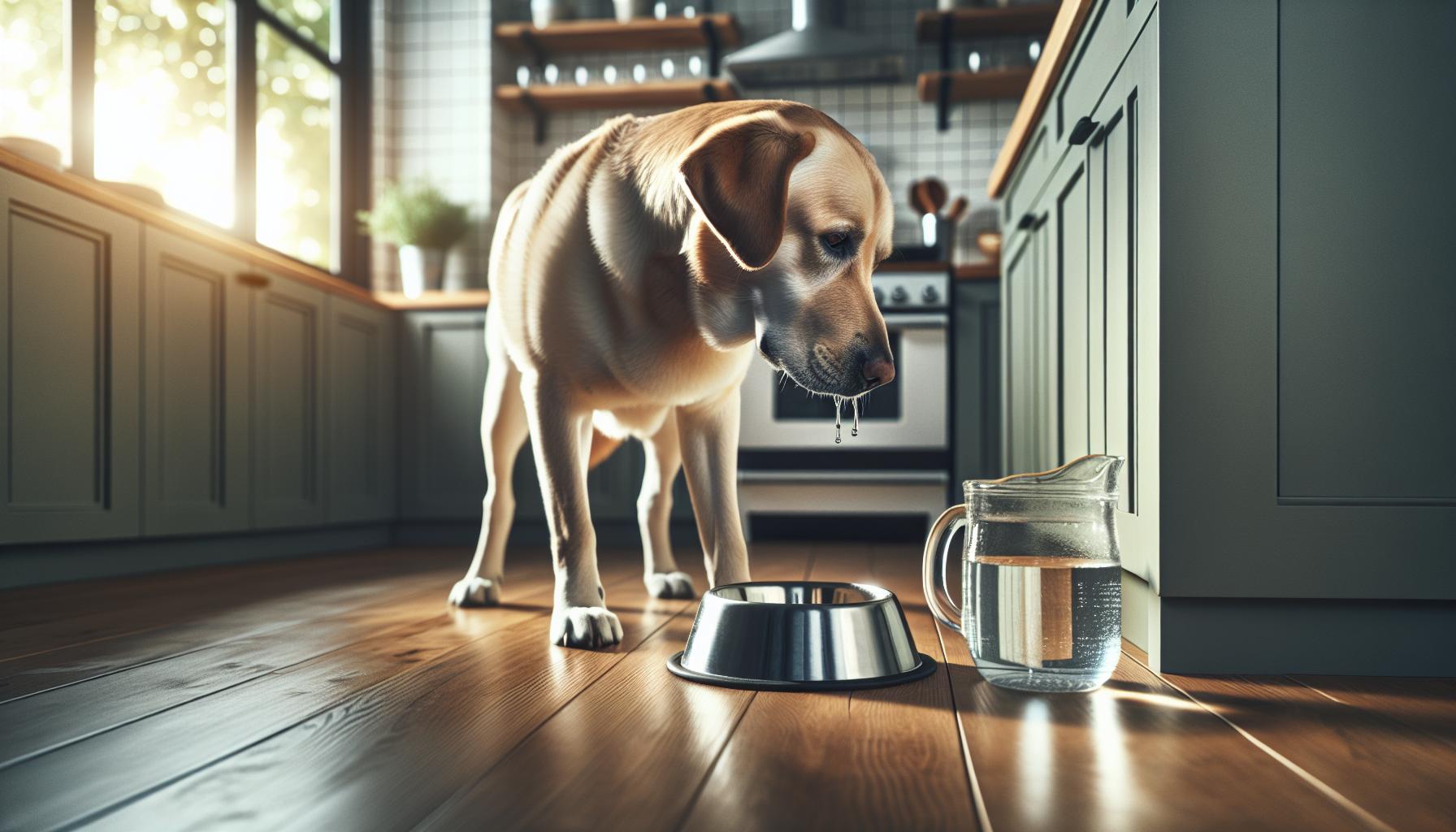
Factors Influencing Water Intake by Breed
Understanding how various factors influence a dog’s water intake is essential for ensuring their health and well-being. Different breeds have unique physiological characteristics that significantly affect their hydration needs. For example, large breeds like Great Danes may require more water due to their greater body mass and metabolic demands, while smaller breeds like Chihuahuas often need less water. However, this doesn’t mean smaller dogs don’t require adequate hydration; their needs may be just as critical when considering their size.
Physical Characteristics
When assessing how much water your dog should drink, physical characteristics play a pivotal role. Brachycephalic breeds, such as Bulldogs and Pugs, are particularly susceptible to dehydration because their shortened snouts make it harder for them to pant effectively, which is their primary method of cooling down. In contrast, breeds designed for rigorous activity, like Border Collies or Labrador Retrievers, typically have higher water needs due to their increased stamina and higher metabolic rates. For these energetic types, hydration becomes crucial during and after active play sessions.
Age and Health Status
Age is another important factor to consider. Puppies consume less water than adult dogs proportionate to their body size but require water frequently throughout the day because of their rapid growth and metabolism. Conversely, senior dogs may have health issues that affect their thirst, such as kidney problems or diabetes, leading to either excessive drinking or reduced water intake. This makes it crucial for pet owners to monitor their senior dogs closely and adapt their hydration strategies accordingly.
Environmental Influences
Finally, environmental factors can’t be overlooked. Hot weather necessitates increased water intake; dogs may need up to twice their typical amount when temperatures soar. During playtime or outdoor activities, always ensure a fresh water supply is available. A practical tip is to take along portable water bowls when exercising your dog, especially in warmer months. Incorporating water-rich treats, such as fruits or vegetables like cucumber and watermelon, can also help boost overall hydration.
By keeping these breed-specific considerations in mind, dog owners can make informed decisions about their pet’s hydration, enhancing their health and happiness while avoiding the pitfalls of dehydration. Regular monitoring and a proactive approach can ensure that every furry friend gets the water they need!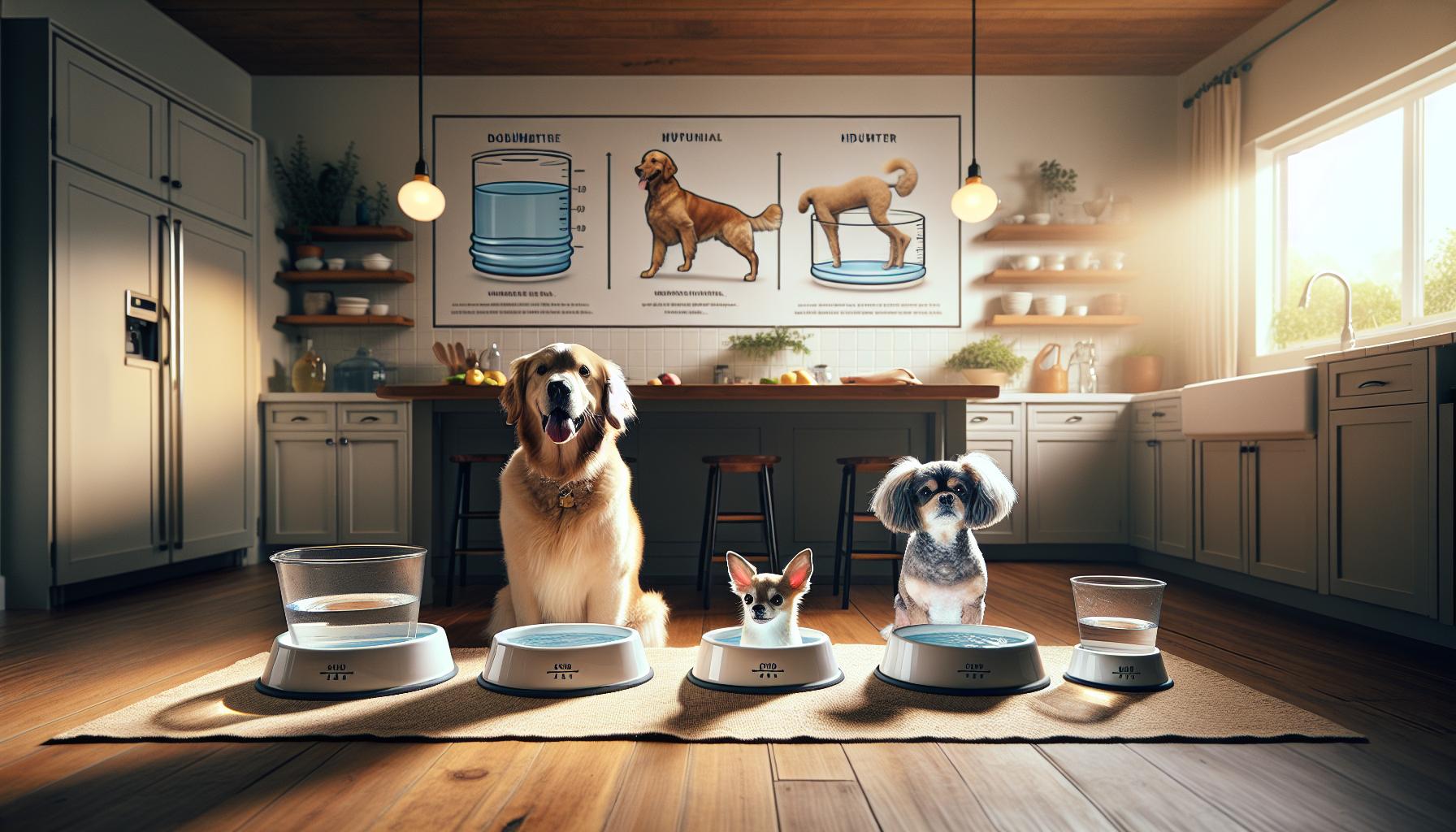
Daily Water Intake Guidelines for Different Breeds
When it comes to ensuring your furry friend’s well-being, understanding their water intake needs is crucial. Just as we have different hydration requirements based on our body size, activity levels, and overall health, dogs have unique guidelines depending on their breed. Recognizing these breed-specific requirements not only keeps your dog hydrated but also helps prevent serious health issues related to dehydration.
General Guidelines by Weight
While the ideal water intake varies widely among breeds, a general rule of thumb is that dogs should drink about 1 ounce of water per pound of body weight each day. This guideline tends to be a solid foundation, but here’s how it varies among some common breeds:
| Breed | Approximate Daily Water Intake |
|---|---|
| Small Breeds (e.g., Chihuahua) | 8-16 ounces |
| Medium Breeds (e.g., Beagle) | 16-32 ounces |
| Large Breeds (e.g., Labrador Retriever) | 32-64 ounces |
| Giant Breeds (e.g., Great Dane) | 64 ounces and above |
This table gives you an easy reference for the daily water needs of different sizes of dogs, but remember that specific breeds may also have special considerations. For instance, high-energy working breeds like Border Collies need more water, particularly after activities, compared to more sedentary breeds like Bulldogs.
Activity Level
Consider your dog’s activity level as well. An active breed that loves to run and play, like a German Shepherd, may require significantly more water than a couch-loving breed, even if they’re of similar size. If your dog enjoys long walks or play sessions, it’s wise to provide additional water during and after these activities to keep them hydrated.
Environmental Factors
Hot weather can further impact hydration needs. If it’s a warm day or during the summer months, dogs can drink up to four times their normal intake, especially if they’ve been exercising outdoors. Always have fresh water available and consider taking along a portable water bowl for outdoor adventures.
By keeping these breed-specific hydration needs in mind, you’re not just ensuring your dog has enough water but also promoting their overall health and happiness. Remember to adjust water intake according to activity level, environmental conditions, and any specific health concerns relevant to your dog. It’s all part of being a responsible and caring pet owner!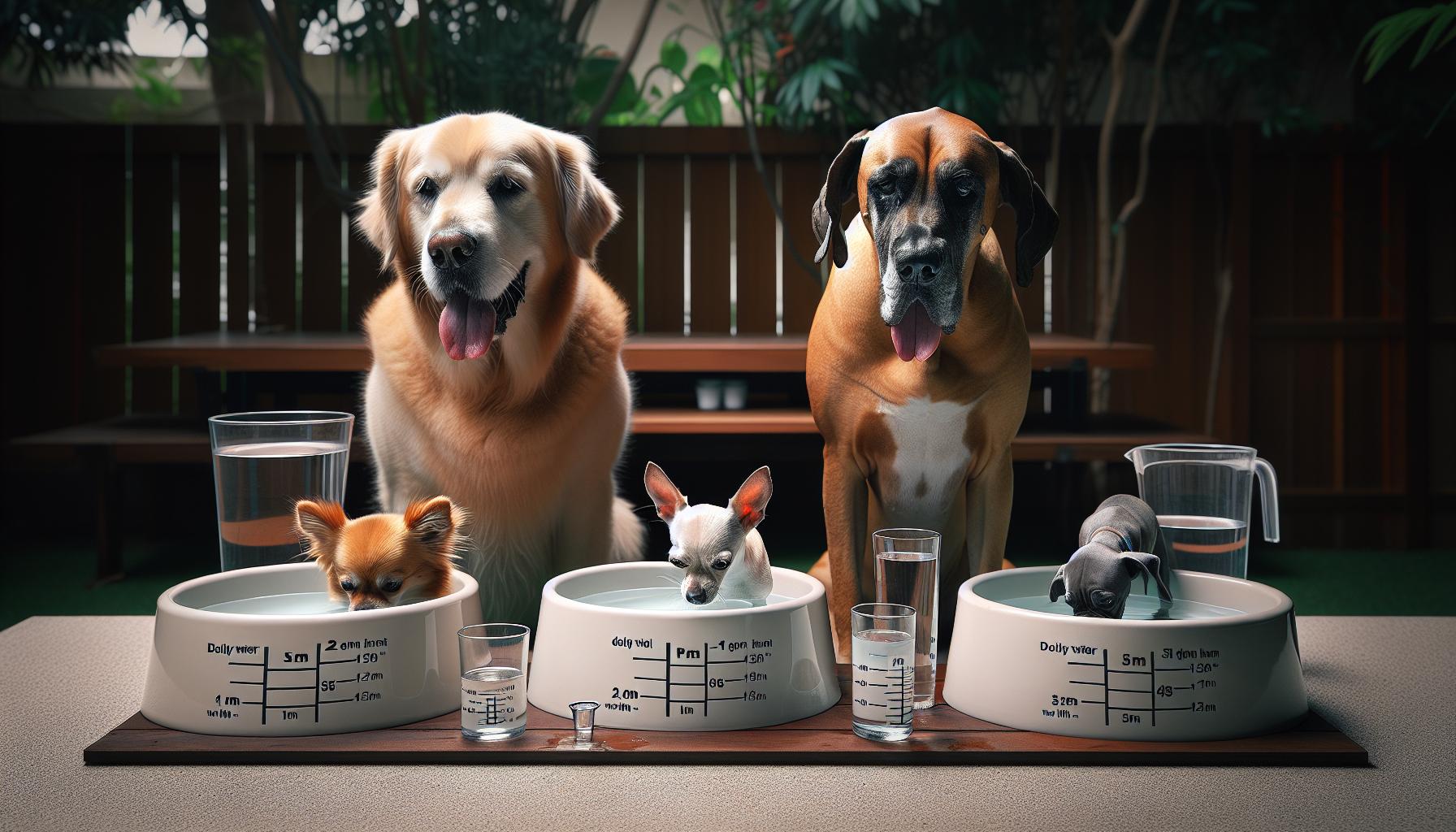
Signs of Dehydration in Dogs
Recognizing the is critical for every pet owner. Just like us, dogs can suffer from dehydration, which can lead to severe health issues if not addressed promptly. Did you know that even a loss of just 10% of a dog’s body weight from dehydration can be life-threatening? Being aware of the warning signs ensures that you can take immediate action to keep your furry friend healthy and hydrated.
The initial signs of dehydration can be subtle but are crucial to note. A common indicator is diminished energy; if your dog seems unusually lethargic or disinterested in play, it might be time to check their water intake. Another key sign is dry or sticky gums. You can easily check this by gently lifting your dog’s lip-healthy gums should be moist and pink. Also, assess your dog’s skin elasticity: gently pinch the skin at the back of their neck and release; if it doesn’t snap back quickly, dehydration could be a concern.
Other noticeable signs include a decrease in appetite, sunken eyes, and foul-smelling breath, all of which can indicate that your dog isn’t getting enough fluids. If you observe any of these warning signs, it’s essential to increase their water intake and consult your veterinarian if conditions do not improve. Keep in mind that certain breeds may show signs of dehydration differently; for example, brachycephalic breeds like Bulldogs might display rapid panting due to heat stress.
Be vigilant and proactive about your dog’s hydration. By keeping an eye out for these signs and ensuring your pup has constant access to fresh water, you can help them lead a happy and healthy life.
How to Encourage Your Dog to Drink More Water
To ensure our furry friends stay hydrated, it’s essential to create an environment that encourages them to drink more water. Did you know that some dogs may not instinctively drink enough water, leading to dehydration? Thankfully, with a few creative strategies, we can promote consistent hydration, tailoring our approaches to different breeds and preferences.
One effective method is to enhance the appeal of water by using a pet water fountain. Many dogs are naturally drawn to running water, which mimics a more instinctual source of hydration, making them more likely to drink. If your dog is particularly picky, try adding ice cubes or freezing bits of fruit like blueberries or strawberries in the water. This not only cools down the water but also provides a fun and flavorful treat. For dogs that enjoy chewing, offering ice cubes can be a delightful distraction that encourages them to hydrate simultaneously.
Also, consider the placement of water bowls throughout your home. Dogs may drink more if they have easy access to water in various locations-such as the living room, bedroom, and outside area. It’s a simple but highly effective change. Be mindful of your dog’s preferences; some breeds, like retrievers, thrive with larger, floating toys in their water, encouraging them to interact more with their hydration source. Dogs can be quite playful, and adding an entertaining element may lead to them hydrating more often.
Moreover, be mindful of your dog’s diet; incorporating wet food or feeding broths can significantly boost overall water intake. This is especially beneficial for breeds that are less inclined to drink water directly. You might also combine kibble with a splash of water to create a tasty mix that keeps them interested and hydrated at mealtime.
Ultimately, understanding your dog’s unique habits and preferences is key to encouraging proper hydration. With these tailored strategies, not only can you keep your dog healthy, but you also enhance their overall quality of life. Implementing a few of these ideas today could lead to noticeable changes in your dog’s drinking habits!
The Role of Activity Level in Hydration
Engaging in regular activity is a fundamental aspect of a dog’s well-being, but it also significantly impacts their hydration needs. When dogs exercise, they not only expend energy but also lose fluids through sweat and breathing, especially if they are highly active or engaging in vigorous play. For instance, after a spirited game of fetch or an energetic walk, a dog may need more water than they ordinarily would on a leisurely day at home. It’s essential to recognize that each dog’s activity level varies greatly by breed and individual personality, and this can showcase a spectrum of hydration needs.
To ensure your dog remains properly hydrated, consider their daily exercise routine. Highly active breeds, such as Border Collies and Labrador Retrievers, typically require more water, sometimes as much as 1 ounce for every pound they weigh per day, particularly on days filled with vigorous activity. In contrast, less active dogs like Basset Hounds may need significantly less. Here’s a practical breakdown to help you understand these differences:
| Breed Type | Average Daily Water Intake (per pound) | Additional Activity Consideration |
|---|---|---|
| High-energy (e.g., Border Collie, Siberian Husky) | 1 oz | More water needed during and after vigorous play or running |
| Moderate-energy (e.g., Beagle, Cocker Spaniel) | 0.5 oz – 1 oz | Adjust intake according to energy expended during walks |
| Low-energy (e.g., Bulldog, Basset Hound) | 0.5 oz | Lesser amounts of water are required, especially on resting days |
In addition to regular hydration, pay attention to how long and intensively your dog exercises, particularly during warmer months. For instance, dogs can easily overheat, and ensuring they have access to clean, fresh water before, during, and after playtime is critical. You might want to bring water with you on longer walks or hikes, and taking breaks for hydration is a must, especially during the hot summer months.
Monitor your dog’s drinking habits; if they seem unusually thirsty after a play session, it’s a clear sign they need more fluids. Moreover, if your active dog struggles to take in enough water, consider using hydration formulas designed to replenish electrolytes lost during strenuous activity, which can be beneficial for endurance and overall health. By adapting their water intake to match their activity level, you’ll contribute to their health, vitality, and happiness.
Hydration During Hot Weather: Essential Tips
As temperatures rise, ensuring your dog’s hydration takes on newfound urgency. Did you know that dogs can suffer from heat stress just like humans? In fact, staying hydrated in hot weather is vital not only for comfort but also for overall health. Here are some essential tips to keep your furry friend well-hydrated during those scorching summer days.
One effective strategy is to provide access to fresh, clean water at all times. Dogs are often more inclined to drink if they find their water source appealing. You might consider changing the water frequently or using a pet water fountain, which can keep the water circulating and cooler. As a general rule of thumb, dogs should consume about one ounce of water per pound of body weight daily; however, during hot weather or after exercise, this amount may need to increase significantly.
Practical Hydration Tips
To further encourage hydration, you can engage your dog’s senses with some creative methods:
- Add Flavor: Flavored water or electrolyte drinks made specifically for dogs can make hydration more enticing.
- Offer Ice Cubes: Many dogs love chewing on ice cubes, especially on a hot day. You can even freeze pieces of fruit or low-sodium broth in ice cube trays for an enjoyable treat.
- Hydration During Walks: Always carry a portable water bowl and a bottle of water when you take your dog out. Schedule breaks to allow your dog to drink, especially after exertion.
Be vigilant about your dog’s behavior. Signs of dehydration can include excessive panting, reduced energy, and a dry nose. If you notice these signs, offer water immediately and potentially seek veterinary advice if symptoms persist. With the right strategies, you can ensure that your beloved companion stays cool, comfortable, and hydrated during those hot summer months.
Diet and Its Impact on Water Needs
The link between your dog’s diet and their hydration needs is profound and often underestimated. The moisture content of the foods you provide plays a significant role in how much water your dog should drink daily. For instance, dogs consuming a dry kibble diet typically need to drink more water compared to those on a diet rich in wet food or homemade meals that include moisture. This is because dry kibble contains only about 10% moisture, while canned foods can contain up to 80% moisture, directly contributing to their fluid intake.
In addition to the type of food, the nutritional content also matters. High-protein diets, or meals packed with fiber, may require increased water consumption to aid digestion and metabolism. For instance, larger breeds or those with high activity levels, such as Huskies or German Shepherds, may benefit from a diet that incorporates more hydrating resources. On the other hand, smaller or older dogs might require carefully regulated diets that consider both their caloric intake and liquid needs.
Consider incorporating hydrating foods into your dog’s meal plan, such as fruits and vegetables that are safe for canine consumption. Foods like watermelon, cucumber, and carrots not only provide hydration but also offer essential nutrients. Monitor your dog’s reaction to these additions to ensure they digest them without issues.
If you’re ever unsure about your dog’s hydration needs or dietary influences, consulting with your veterinarian can help tailor a plan that suits their specific breed, age, and lifestyle. Adopting this tailored approach ensures your furry friend maintains proper hydration levels while enjoying their meals, leading to a happier and healthier life.
Puppies vs. Adult Dogs: Hydration Differences
Ensuring proper hydration is crucial for the health and well-being of your canine companions, and this is especially true when comparing puppies to adult dogs. Puppies have distinctive hydration needs that differ significantly from adults due to their growth and development stages. Did you know that puppies lose water more rapidly than adult dogs? This makes it even more essential to keep an eye on their water intake.
Puppies require more water relative to their body weight compared to adults because they are growing rapidly and need to stay hydrated for healthy organ function and cellular development. Generally, a puppy should drink about half a cup of water every two hours, increasing this amount based on activity level, size, and dietary choices. On the other hand, adult dogs typically need about an ounce of water per pound of body weight daily, depending on their activity levels and diet composition.
Factors Influencing Hydration in Puppies and Adults
When it comes to hydration, several factors come into play:
- Activity Level: Puppies, with their boundless energy, often require more frequent water breaks to prevent dehydration during playtime.
- Diet: Puppies tend to consume high-moisture food, especially in the form of wet or canned goods, which can affect their water intake needs. Adult dogs on dry kibble must compensate for the lower moisture content.
- Environmental Conditions: Hot weather can increase hydration needs for both puppies and adults. However, puppies may require extra vigilance to ensure they’re drinking enough.
It’s easy to overlook the hydration needs of our furry friends, particularly when they’re busy romping around. Providing fresh, clean water at all times, along with watching for signs of dehydration such as lethargy, dry gums, or loss of skin elasticity, is crucial. This applies to both puppies and adult dogs but is more pressing in the younger, developing pups.
In summary, while the basic principles of hydration remain the same, recognizing and adapting to the different water needs of puppies versus adult dogs will ensure that your canine companions grow up healthy and happy. Always monitor their water intake and adjust based on their unique lifestyles and needs, and consult your veterinarian if you have any concerns. After all, a well-hydrated dog is a happy dog!
Common Myths About Dogs and Water Intake
It’s a common belief among pet owners that their furry friends will drink enough water on their own, but this can lead to serious misconceptions about canine hydration. One of the most prevalent myths is the idea that if a dog isn’t showing signs of thirst, it’s adequately hydrated. This is particularly misleading; many dogs, especially older ones, may not exhibit noticeable thirst cues. As pets age, their natural hydration signals can diminish, which means they may not drink enough water even when they need it. Establishing a regular water intake schedule and keeping fresh water accessible is crucial for their health.
Another widespread myth is that all dogs need the same amount of water regardless of their breed or size. The truth is that hydration needs can vary significantly based on factors like breed, age, exercise level, and environment. For instance, active breeds like Border Collies or Siberian Huskies may require more water than a less active breed such as a Bulldog. Generally, a guideline suggests that dogs should drink about one ounce of water per pound of body weight daily, but this can fluctuate based on the individual dog’s needs and lifestyle. Therefore, pet owners should tailor hydration checks based on their specific breed requirements and behaviors.
It’s also essential to debunk the notion that wet food or high-moisture diets eliminate the need for additional water. While it’s true that these diets can contribute to a dog’s hydration, they should not replace a dog’s access to water. Dogs still require plenty of fresh water to complement their dietary intake and maintain optimal health, particularly because dry kibble is prevalent in many pet diets. Providing a balanced approach with both high-moisture food and clean water will ensure that dogs stay well-hydrated and healthy.
Lastly, many owners think that water intoxication is a rare issue and unlikely to affect their pets. However, while it’s uncommon, dogs can indeed suffer from water intoxication, particularly after drinking excessive amounts of water in a short timeframe, especially during intense play or exercise. Signs include lethargy, bloating, and nausea. Awareness of both the need for hydration and the potential dangers of overconsumption will help owners take a balanced approach in caring for their pets. By dispelling these myths, owners can provide a better environment for their dogs, ensuring they stay hydrated and healthy throughout their lives.
When to Consult a Veterinarian About Hydration
Recognizing the nuances of your dog’s hydration needs is essential for their overall health and well-being. While many pet parents keep a vigilant eye on their dog’s eating habits, hydration is often overlooked until a problem arises. It’s crucial to understand when to consult a veterinarian regarding your dog’s water intake. This can ensure that you’re not just monitoring hydration but actively contributing to your furry friend’s vitality.
For starters, if you notice significant changes in your dog’s drinking behavior-whether it’s drinking less than usual or suddenly drinking excessively-it’s time to consult your vet. These alterations can signal underlying health issues; for instance, decreased water intake could be a sign of kidney problems or diabetes, while increased consumption might indicate conditions like Cushing’s disease. Developing a baseline understanding of your dog’s typical behavior can empower you to identify any concerning shifts more promptly.
Signs and Symptoms to Watch For
Being aware of the symptoms of dehydration can also be key to knowing when to seek help. Common signs include:
- Dry or sticky gums
- Loss of skin elasticity (the skin doesn’t spring back when gently pulled)
- Lethargy or lack of energy
- Sunken eyes
- Reduced appetite
If you observe any of these signs, don’t hesitate to reach out to your veterinarian for advice. An early consultation can often prevent more severe health complications.
Additionally, if you find your dog struggling to drink enough water due to mobility issues or age-related challenges, a discussion with your vet can help optimize hydration strategies. They may recommend elevated bowls, fountain-style water dishes, or even hydration-supportive dog food, tailored to specific breeds and their unique needs. Remember, certain breeds such as Bulldogs or Dachshunds may face more challenges than others due to their physical characteristics, making it crucial to stay proactive in addressing hydration-related issues.
Ultimately, your dog relies on you to optimize their hydration-either through adequate monitoring or by providing practical solutions. The insights and expertise of your veterinarian can partner with your attentive care, ensuring your four-legged family member remains healthy, happy, and well-hydrated. Whether you’re a new dog owner, a seasoned handler, or somewhere in between, being attentive to changes in your dog’s drinking habits and recognizing when to consult a veterinarian can have a lasting impact on their health.
Special Considerations for Senior Dogs and Health Issues
As your furry friend ages, understanding their hydration needs becomes increasingly important. Senior dogs often face unique challenges when it comes to drinking enough water, particularly those struggling with health issues like kidney disease, diabetes, or arthritis. These conditions can affect not only their thirst but also their ability to reach water bowls comfortably. It is crucial for dog owners to remain vigilant about their senior dog’s hydration habits, as even mild dehydration can lead to serious complications.
One key factor in monitoring hydration for senior dogs is recognizing the signs of dehydration, which can often manifest more subtly in older pets. Keep an eye out for behaviors such as decreased interest in food, changes in energy levels, or changes in urination patterns. Loose skin that shows slower elasticity or dry, tacky gums can also indicate that your dog needs more water. Regular veterinary check-ups are essential for seniors, as these visits can help detect any underlying health issues that can exacerbate dehydration.
To facilitate hydration, consider implementing the following strategies:
- Raise the water bowl: Elevating your dog’s water bowl can make it easier for them to drink, especially if they have joint issues.
- Use a pet fountain: Many dogs prefer fresh, running water to stale water sitting in a bowl. A pet fountain can encourage your senior dog to drink more.
- Flavor the water: Adding a splash of low-sodium chicken or beef broth to their water can entice picky drinkers.
- Hydration-friendly foods: Incorporating wet food into their diet can boost fluid intake, as it typically contains a higher moisture content than dry kibble.
When it comes to specific breed considerations, larger breeds such as Siberian Huskies or Great Danes might have different hydration needs compared to smaller breeds like Dachshunds or Chihuahuas. Consult your veterinarian for tailored advice that takes your dog’s breed and health status into account, ensuring that their unique requirements are met.
In conclusion, ensuring that your senior dog stays hydrated involves a combination of monitoring their health, adjusting their environment, and facilitating better drinking habits. By taking steps to make water more accessible and appealing, you can help support their overall health and happiness throughout their golden years.
Frequently Asked Questions
Q: How much water should my dog drink daily based on its size?
A: The general guideline is that dogs should drink about 1 ounce of water per pound of body weight daily. For example, a 50-pound dog should drink approximately 50 ounces of water. Adjust this amount based on activity level and environmental factors to ensure proper hydration.
Q: What factors can affect a dog’s water intake?
A: Several factors influence a dog’s water intake, including size, age, diet, activity level, and climate. Dogs eating dry kibble may need more water compared to those eating wet food. Additionally, active dogs require more hydration than sedentary ones.
Q: Are there specific water intake recommendations for different dog breeds?
A: Yes, some breeds have higher hydration needs due to size and activity level. For instance, large breeds like Great Danes may require more water than smaller breeds like Chihuahuas. Refer to breed-specific guidelines to establish appropriate hydration levels.
Q: How can I tell if my dog is drinking enough water?
A: Signs that your dog is adequately hydrated include normal energy levels, moist gums, and clear urine. If you notice signs of dehydration, such as dry gums and lethargy, consult your veterinarian immediately for advice.
Q: How does activity level influence a dog’s hydration needs?
A: More active dogs require more water to replenish fluids lost through panting and sweating. Consider increasing water access after exercise sessions to ensure they stay hydrated, especially during hot weather.
Q: Can I give my dog water from the tap?
A: In most cases, tap water is safe for dogs if it is clean and free from contaminants. However, ensure that the water is not treated with harmful chemicals or extreme fluoride, which might pose risks.
Q: What should I do if my dog refuses to drink water?
A: If your dog is not drinking enough water, try offering fresh, clean water frequently, using different bowls, or adding ice cubes for enrichment. Consider wetting their food or offering flavor enhancers to encourage hydration.
Q: When should I consult a veterinarian about my dog’s hydration?
A: Consult your veterinarian if your dog shows persistent signs of dehydration, such as vomiting, lack of appetite, or unusual lethargy. Regular check-ups can also help monitor hydration and overall health in different life stages.
Key Takeaways
As we wrap up our exploration of “How Much Water A Dog Should Drink: Breed-Specific Guidelines,” remember that hydration is essential not only for your dog’s overall health but also for their happiness and vitality. Tailoring water intake to your dog’s breed can make a significant difference. If you’re still unsure about your pup’s hydration needs, consider monitoring their water consumption and observing any changes in behavior or health. Don’t hesitate to consult your veterinarian for personalized advice.
To take your dog care knowledge a step further, check out our guide on How to Ensure Your Dog is Properly Hydrated and discover effective tips to keep water fresh and appealing. Also, browse our article on How to Hydrate a Dog: 6 Vet-Approved Steps for a comprehensive approach. We encourage you to sign up for our newsletter for ongoing access to vital tips and resources to keep your furry friend happy and healthy. Share your thoughts in the comments below, and let’s keep the conversation going-your dog’s health depends on it!