Did you know that while staying hydrated is essential for your dog’s health, too much water can actually be dangerous? Water intoxication, a serious condition resulting from an overload of water in a dog’s system, can lead to severe health issues or even be fatal. This topic is crucial for every dog owner, as understanding how much water poses a risk can help keep your furry friend safe. Whether you’re a new puppy parent or a seasoned dog handler, being mindful of your dog’s hydration needs during playtime, hot weather, or after exercise is vital. In this article, we’ll explore the lethal amounts of water that can lead to water intoxication in dogs, along with practical tips for ensuring their hydration remains safe and balanced. Let’s dive deeper to safeguard our beloved companions!
How Water Intoxication Affects Your Dog’s Health
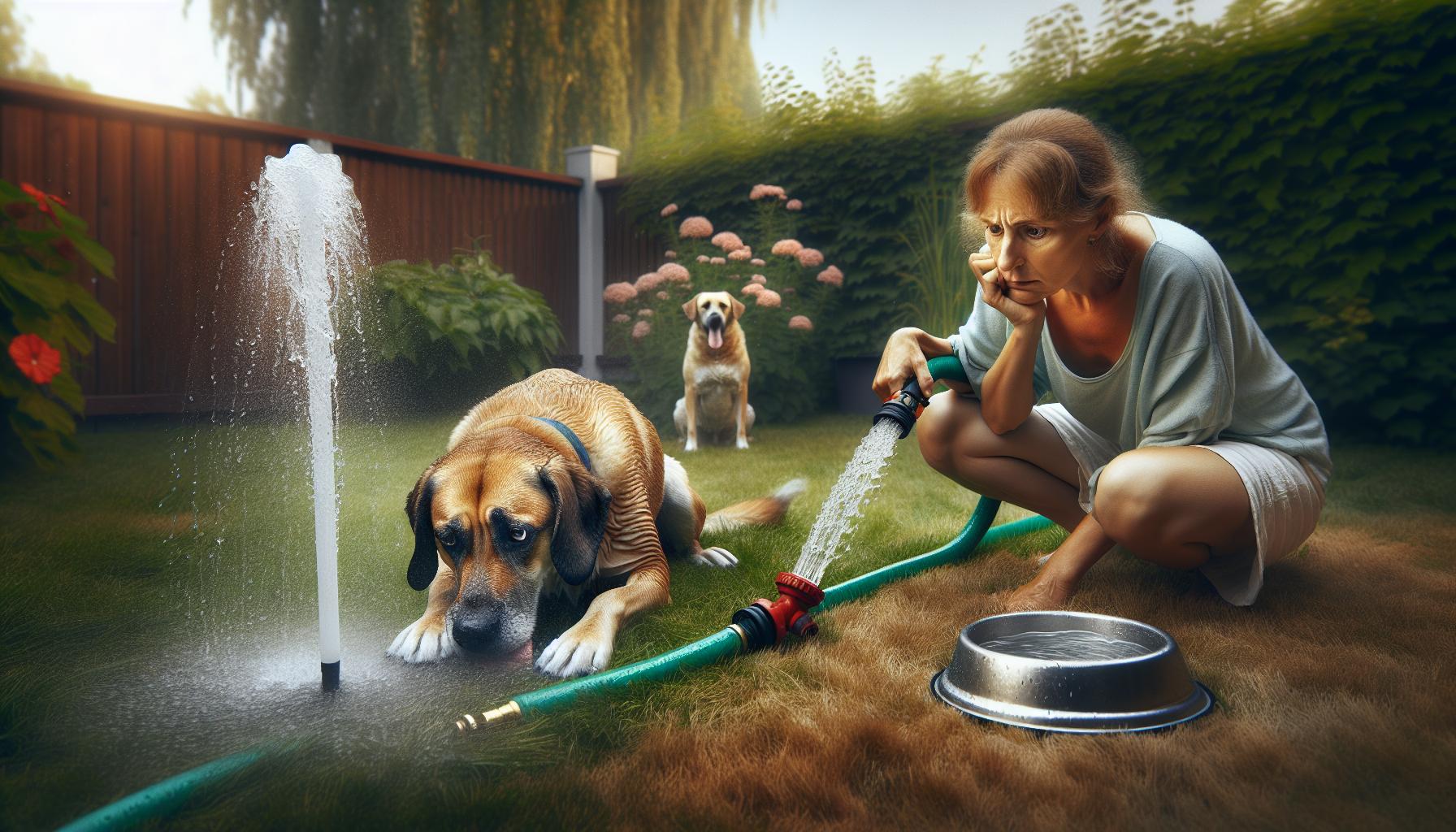
While it’s common to think of hydration as solely beneficial, too much water can lead to severe health issues in dogs. Water intoxication occurs when a dog consumes an excessive amount of water in a short period, causing an imbalance of electrolytes, particularly sodium. This imbalance can lead to symptoms ranging from mild nausea to life-threatening conditions such as edema in the brain. The severity of these effects is alarming; in life-threatening cases, the swellings can cause seizures or even death without immediate intervention.
When a dog’s body takes in more water than it can appropriately excrete, it dilutes the sodium levels in the bloodstream. Sodium is critical for maintaining fluid balance, and when levels drop, it can disrupt the brain’s normal function. The cells absorb too much water and start to swell, leading to increased intracranial pressure, which can manifest as behavioral changes, vertigo, and loss of coordination. This is not a common occurrence in daily life but is more prevalent in scenarios such as excessive water play, vigorous exercise where dogs gulp water rapidly, or during endurance activities.
Understanding the lethal amounts of water that can lead to such intoxication will aid dog owners in monitoring their pet’s water intake effectively. A general guideline is to be cautious if your dog drinks more than one ounce of water per pound of body weight per day, especially if combined with intense physical activity. Ultimately, being informed about how easier it is for an excited dog to overhydrate can make all the difference in safeguarding their health.
Recognizing when your dog may be enjoying their time in the water but may also be at risk is essential. Always supervise your pet around bodies of water, ensure they have regular breaks to relieve themselves, and limit their access to water during intense play sessions. By understanding and managing these factors, you can help prevent unpredictable and dangerous situations related to overhydration.
Recognizing the Symptoms of Water Intoxication
Identifying the signs of water intoxication in dogs can be the difference between a simple scare and a life-threatening emergency. This condition arises when a dog drinks an excessive amount of water in a short period, leading to a dangerous drop in sodium levels. Recognizing the early symptoms is crucial because timely intervention could save your dog’s life.
Watch for behavioral changes such as confusion, lethargy, or disorientation. A normally playful pup may appear unusually quiet or hesitant to move around. Other symptoms include:
- Retching or coughing: Your dog might gag or vomit as their body tries to cope with the excess water.
- Loss of coordination: Stumbling or difficulty standing are physical signs that something is off.
- Seizures: In severe cases, your dog may exhibit jerking movements or convulsions.
- Bulging eyes: This is a clear sign of increased intracranial pressure, indicating a serious condition.
- Swollen abdomen: The dog’s stomach may appear distended, which is concerning and should prompt further investigation.
If you notice any of these symptoms following a drinking binge, particularly after vigorous play or swimming, it’s essential to contact a veterinarian immediately. Take note of how much water your dog has consumed in relation to their body weight since generally, a dog should drink no more than one ounce per pound of body weight daily. Always err on the side of caution and don’t hesitate to seek help if anything seems amiss.
Ultimately, being vigilant about hydration not only involves ensuring your dog gets enough water but also keeping an eye out for these warning signs. Just like us, dogs can get a bit too eager when playing in water, so your role as a responsible owner includes preventing excessive intake and monitoring their behavior closely. This partnership in care can lead to happier, healthier adventures together!
Factors Influencing Water Intoxication Risks

While many pet owners prioritize their dogs’ hydration, it’s essential to recognize that too much water can lead to serious health risks, particularly in high-activity situations. Several factors can influence the likelihood of water intoxication, which occurs when dogs ingest excessive amounts of water too quickly, leading to a dangerous drop in sodium levels and other severe complications.
One significant factor is activity level; dogs that engage in rigorous exercise such as playing fetch, swimming, or running may become overly eager to drink, sometimes gulping large amounts of water in a short period. Environmental conditions, such as swimming in pools or lakes, can also contribute, as many dogs instinctively drink while splashing around. Owners should be mindful of how their dogs behave around water and set boundaries to avoid excessive drinking.
Breed plays another crucial role-certain breeds, particularly those known for their enthusiasm in water activities (like Labradors and Golden Retrievers), may be more prone to water intoxication due to their natural behaviors and tendencies. Furthermore, age and health conditions can increase risks; younger dogs, excited by new experiences, and older pets with pre-existing health issues may struggle to regulate their water intake and electrolyte balance effectively.
To mitigate these risks, it’s vital to monitor your dog’s water intake, especially during and after vigorous exercise. A general guideline is to allow one ounce of water per pound of body weight daily but to adjust based on factors like the day’s heat and activity level. Educating yourself and regularly checking in on your dog’s water consumption can significantly help in preventing this potentially life-threatening condition, ensuring that your furry friend remains healthy and happy.
Safe Hydration: How Much Water is Enough?
Understanding how much water your dog needs is essential for their health and well-being. While it’s important to keep your furry friend hydrated, it’s equally crucial to avoid the risks associated with overhydration, particularly water intoxication. Just like we sometimes find ourselves gulping down water on a hot day, dogs can get carried away-especially during vigorous activities like swimming or playing fetch. This can be dangerous, leading to a condition where their sodium levels plummet, resulting in serious health issues.
A general guideline for daily water intake is about one ounce of water per pound of body weight. However, this amount should be adjusted based on your dog’s age, activity level, and the weather. For example, a playful Labrador retriever may need more water on a hot summer day after a long swim compared to a laid-back bulldog. The key is to monitor your dog’s drinking habits and adjust accordingly. Here are some tips to ensure your dog stays well-hydrated without crossing the line into overhydration:
- Provide Fresh Water: Always ensure your dog has access to clean, fresh water throughout the day.
- Break Hydration into Sessions: Instead of allowing your dog to drink excessively all at once, offer water breaks during playtime or after exercise.
- Watch for Signs: Learn to recognize if your dog is drinking too quickly or too much. Look for signs of bloating or lethargy, which may indicate potential problems.
- Gradual Introduction: If your dog is new to water activities, gradually introduce them to swimming or playing in water to help them adapt their drinking habits.
It’s always a good idea to consult your veterinarian for breed-specific recommendations, as some breeds may be more susceptible to water intoxication than others. By being proactive and attentive to your dog’s hydration needs, you can help prevent overhydration while ensuring they stay healthy and active. Remember-a happy, hydrated pup is a healthy pup!
Understanding Breeds at Risk of Water Intoxication
Understanding that certain breeds are more susceptible to water intoxication can greatly help dog owners safeguard their furry friends during playtime or swimming activities. Water intoxication, a serious condition that arises from excessive water intake, can lead to dangerous drops in sodium levels, resulting in neurological issues and even death. Hence, it’s crucial to identify which dogs may need extra monitoring when it comes to hydration.
Some breeds, particularly those inherently drawn to water activities, are at a higher risk. Breeds like Labradors, Golden Retrievers, and Newfoundlands have a natural inclination toward swimming and fetching balls from water. Their enthusiasm can sometimes lead them to drink more than their bodies can safely handle. In contrast, breeds like Bulldogs or Dachshunds, which are not typically swimming enthusiasts, may not face the same level of risk, but they can still be affected if they indulge excessively during a hot day or after rigorous exercise.
- Breeds at Higher Risk:
- Labrador Retrievers
- Golden Retrievers
- Newfoundlands
- Spaniels
- Breeds at Lower Risk:
- Bulldogs
- Dachshunds
- Shih Tzus
- Boxers
When considering these breed differences, it’s vital for owners to observe their pets closely, adjusting their play and hydration routines. For those more susceptible breeds, implementing manageable hydration strategies during play can significantly decrease the likelihood of overhydration. For example, encouraging breaks during water play, monitoring intake, and providing fresh water in controlled amounts can have a considerable impact.
Additionally, always keep an eye on the dog’s behavior during and after water activities. Signs such as vomiting, lethargy, or bloating can be telltale indicators that something may be wrong. As a dog owner, being proactive is essential-the balance of keeping your canine companion hydrated while preventing unnecessary health risks is key. With proper awareness and preventive measures, you can enjoy countless joyful moments by the water, ensuring your pup stays safe and happy!
Emergency Response: What to Do If Your Dog is Affected
If you ever suspect that your dog may be suffering from water intoxication, immediate action can be life-saving. This condition, while rare, is serious due to the rapid shifts in sodium levels within their body, which can lead to severe neurological distress. The first step is recognizing the signs-a vital skill for any dog owner. Symptoms often include excessive drooling, lethargy, vomiting, bloating, and disorientation. If you notice any of these signs after your dog has been swimming or has had access to large amounts of water, don’t hesitate-it’s time for a proactive response.
First and foremost, if your dog exhibits symptoms of water intoxication, it’s crucial to stop any activity immediately. Ensure they are no longer exposed to water and remove any toys or water sources nearby. Check for any distressing signs; if your dog is lethargic or having trouble walking, it is essential to stay calm but act quickly. Get your dog to a veterinarian as soon as possible; this is not a situation to handle at home. Even mild symptoms can escalate quickly, so timely intervention is key. While you are on the way, keep the dog as calm and comfortable as possible. Avoid giving them food or additional water, as this can exacerbate the situation.
At the vet’s office, treatments may include intravenous fluids to help restore electrolyte balance and medications to manage symptoms. The veterinarian will perform a thorough examination, which could involve blood tests or imaging if they think it’s necessary. It’s important for you to communicate the timeline of events leading to the symptoms. What your dog drank, when, and any activities that preceded the onset of symptoms can help in formulating an effective treatment plan.
While this knowledge helps prepare you for a potential emergency, prevention is always better than cure. Monitoring your pet’s water intake during playtime, especially for breeds at higher risk like Labradors and Newfoundlands, is crucial. Implementing regular breaks and ensuring your dog doesn’t overindulge can make a great difference. By being vigilant and prepared, you can protect your furry friend from the dangers of water intoxication, ensuring their health and happiness during those fun, splashing moments!
Preventive Measures: Safeguarding Your Dog from Overhydration
To ensure your dog enjoys water play safely, it’s essential to adopt proactive measures against overhydration. Dogs, especially energetic breeds, may gulp down water quickly during or after swimming, leading to potential health risks, including water intoxication. Keeping a watchful eye on their water consumption and managing their access to water can significantly reduce these risks while allowing your canine companion to have fun.
One of the best ways to prevent overhydration is by incorporating structured play sessions with regular breaks. For example, if you’re at the beach or a lake, set a timer for every 15-20 minutes. During these intervals, encourage your dog to rest in the shade or take a short walk rather than continuously splashing around. This not only helps control excessive drinking but also allows them to cool down after active play. Furthermore, offering water in portions instead of allowing unlimited access can help regulate their intake better. Carry a portable water bowl and serve small amounts, checking to see if they still seem thirsty before offering more.
It’s also crucial to recognize that certain breeds are more susceptible to water intoxication than others. Breeds like Labradors, Newfoundlands, and Golden Retrievers are known for their love of water, but they may not always know when to stop. If you own one of these breeds, it’s vital to be extra cautious. Observing their behavior can provide clues to their water needs. If they start to act unusually calm or lethargic after swimming, it’s time to remove them from the water and allow recovery.
In addition to monitoring playtime and encouraging safe habits, educating yourself about the specific hydration needs of your dog’s breed can offer further protection. For instance, smaller breeds typically require less water than larger breeds. Providing owner-oriented checklists can keep things straightforward:
- Limit continuous water exposure to 15-20 minute intervals.
- Take breaks to check their hydration status and allow for rest.
- Provide a measured amount of water after play rather than free access.
- Be aware of breed-specific tendencies towards water consumption.
Understanding your dog’s behavior around water and knowing when to step in can make all the difference. These preventive measures not only safeguard your dog’s health but also allow for enjoyable, safe playtimes filled with splashes and fun!
Expert Insights: Veterinarian Perspectives on Water Intoxication
Understanding the potential dangers of water intoxication in dogs is crucial for ensuring their health and safety. Veterinarians explain that while water is essential for a dog’s well-being, excessive intake can lead to a serious condition where the balance of electrolytes in the dog’s body is disrupted. This can happen quickly, especially in breeds that love to swim or fetch in water, such as Labradors and Newfoundlands. Just a few gulps of water taken in too rapidly can lead to significant health risks, with toxic levels potentially arising even from a few ounces, depending on the dog’s size.
To keep your furry friend safe, veterinarians recommend closely monitoring water intake during play or exercise. It’s advisable to implement structured play sessions with designated breaks to allow your dog time to rest and recover. For instance, during a day at the lake, plan to take a break every 15-20 minutes. This strategy not only prevents overhydration but also helps to manage heat and fatigue. Always watch for signs of distress, such as lethargy or unusual calmness post-swim, which can indicate that your dog may be absorbing too much water.
Veterinarians also highlight the importance of educating pet owners about breed-specific behaviors relating to water. For instance, a high-energy swimmer like a Labrador may require stricter hydration management than a more sedate breed. Owners should consider creating a checklist to streamline their care routine, which may include limiting water exposure, checking hydration status, and offering guided portions of water rather than free access.
In cases where water intoxication occurs, immediate intervention is vital. If you suspect your dog is suffering from this condition, reducing water intake and consulting a veterinarian as soon as possible can significantly improve outcomes. Veterinarians urge all pet owners to remain vigilant and proactive about their dog’s water consumption. A few small adjustments to playtime and hydration practices can go a long way in protecting your beloved pet from the dangers of overhydration.
Common Misconceptions About Dog Hydration
It’s a common belief that water can never be harmful to dogs, but this misconception can lead to serious health risks. Many pet owners equate a never-ending supply of water with good care, failing to recognize that overhydration can be just as dangerous as dehydration. The truth is, water intoxication is a real threat, especially for dogs who love to swim or play vigorously. Understanding this issue is vital for responsible pet ownership.
An oft-held belief is that dogs will self-regulate their water intake, but this isn’t always the case. High-energy breeds, particularly those that enjoy fetching or swimming, may drink excessive amounts of water without realizing it. For instance, Labrador Retrievers are known for their enthusiasm for water, making them more susceptible to overdrinking. As a dog owner, it’s crucial to monitor their water consumption actively-offering breaks during playtime and ensuring they rest adequately helps to prevent overhydration.
Another misconception is that all breeds have the same water requirements. In reality, a dog’s size, weight, and activity level significantly influence how much water they need. Smaller breeds like Chihuahuas may require very different hydration strategies compared to larger breeds like Great Danes or energetic ones like Border Collies. A good rule of thumb is to allow approximately 1 ounce of water per pound of body weight daily, adjusting based on activity level and environmental conditions. Keeping a simple hydration log can help you track how much water your dog consumes, helping to prevent any dangerous trends.
In summary, being well-informed about hydration needs is essential for your dog’s health. By actively managing their water intake and understanding their breed-specific needs, you can help your furry companion stay safe and healthy. Being proactive makes all the difference-educating yourself about water intoxication ensures you are prepared to act effectively should any issues arise. Regular check-ups with your veterinarian can also provide further insights tailored to your dog’s specific needs, fostering a healthier life for your beloved pet.
Water Intoxication Case Studies: Real-Life Examples
While it’s commonly believed that more water is better for our canine companions, there are alarming cases that illustrate how excessive hydration can lead to water intoxication in dogs. Understanding these real-life examples can help pet owners grasp the serious implications of overhydration and take precautionary measures.
One poignant case involved a young Golden Retriever named Max, who loved splashing around in his owner’s backyard pool. During a particularly warm day, after hours of play, Max was seen eagerly guzzling water, far beyond his usual intake. Just a few hours later, his owner noticed unusual symptoms: Max was disoriented, drooling excessively, and had difficulty standing. He was rushed to the veterinary clinic, where it was determined that he had developed water intoxication. The vet explained that while dogs need hydration, consuming too much water too quickly can dilute their blood electrolytes, leading to potentially life-threatening conditions such as swelling in the brain and seizures.
Another poignant example is Bella, a Labrador who was part of a local swimming competition. After an exhilarating day, Bella downed around 5 liters of water in just a couple of hours due to her stress and excitement. Shortly after, she began exhibiting signs of lethargy and displayed uncharacteristic behavioral changes. Her owners recognized the distress signals and immediately contacted their veterinarian. Bella’s quick trip to the vet resulted in the administration of IV fluids containing electrolytes, enabling her to recover fully. This case starkly illustrates how specific breeds, particularly those with high energy levels, can be at increased risk for over-drinking during intense play or stress.
Key Takeaways from Real-Life Cases
To ensure your dog remains safe while hydrating, consider adopting the following practices:
- Monitor Playtime: Be aware of how much water your dog might consume during vigorous activities and provide frequent breaks.
- Establish a Hydration Routine: Offer water at regular intervals instead of allowing free access all the time, especially after strenuous exercise.
- Know Your Breed: Understand the specific hydration needs and risks associated with your dog’s breed; breeds like Labradors and Retrievers are particularly prone to overhydration given their love for water.
By being proactive and informed, pet owners can better protect their dogs from the dangers of water intoxication. Regularly consulting with a veterinarian can also provide personalized advice based on your dog’s individual needs, ensuring they live a happy and healthy life.
Monitoring Your Dog’s Water Intake Effectively
Keeping a close eye on your dog’s water intake might seem tedious, but it’s crucial for their health and safety. Dogs, much like humans, can suffer from serious complications when they consume too much water too quickly. To prevent the dangers of water intoxication, understanding how to effectively monitor their hydration is essential. A practical starting point is to become familiar with your dog’s normal drinking behavior-this sets a baseline that will help you spot any unusual changes.
Understanding Your Dog’s Needs
Different breeds have varying hydration requirements, influenced by factors such as size, activity level, and environment. For example, high-energy breeds like Border Collies or Labradors often need more water, especially after vigorous activities. In contrast, smaller or less active breeds might require relatively less. As a rule of thumb, a dog should drink about 1 ounce of water per pound of body weight each day, but this can vary. Keeping a consistent measurement of your dog’s water intake can help you identify when they are drinking excessively.
Practical Tips for Monitoring
To assist in effective monitoring, consider implementing the following techniques:
- Use a Measured Bowl: Invest in a bowl that shows measurements so you can keep track of how much water your dog consumes at each filling. This provides clear insight into their intake.
- Record the Amount: Keep a simple log of daily water intake, particularly after exercise or play. This can be as easy as jotting down numbers on a calendar or using an app designed for pet care.
- Limit Access During Intense Play: Instead of leaving water freely available during play sessions, provide breaks for water at set intervals. This gives you the opportunity to monitor how much they’re drinking at a time.
- Observe Behavior Changes: Be alert to any changes in your dog’s energy levels or behavior after drinking. Rapid changes could indicate overhydration, prompting an immediate check on their water consumption.
Moreover, if you’re mindful of your dog’s hydration habits, you’ll be better equipped to identify signs of distress that may suggest water intoxication, such as bloating, lethargy, or sudden changes in behavior. For instance, if your usually lively Retriever is now lethargic after swimming, consider checking his water intake before dismissing it as exhaustion.
Incorporating these monitoring methods into your routine ensures that you’re proactive about your dog’s health, ultimately fostering a safer and more enjoyable environment for both of you! Regularly consulting with your veterinarian is also wise, as they can provide tailored advice based on your dog’s unique needs, helping you maintain a healthy balance in their hydration levels.
Long-Term Effects of Water Intoxication on Dogs
Water intoxication in dogs can lead to severe and lasting effects, especially when excessive amounts of water are consumed, disrupting their electrolyte balance. One of the most significant long-term impacts is the potential for neurological damage. When sodium levels in the bloodstream drop dangerously low, cerebral edema, which is the swelling of the brain, can occur. This can result in ongoing issues such as cognitive dysfunction or seizures. Dogs that have experienced severe cases of water intoxication may carry these neurological deficits for life, introducing new challenges in their training and behavior management.
Moreover, the physical strain of overhydration on a dog’s organs, particularly the kidneys, can be a source of long-term health problems. The kidneys filter blood and regulate the body’s water and electrolyte balance. If they are forced to process a sudden influx of water, their function might remain compromised even after the immediate crisis is managed. Consequently, these dogs may face chronic kidney issues or be more susceptible to dehydration in the future, given their altered renal function.
In some scenarios, behavioral changes can manifest long after the incident. A dog that once enjoyed swimming or playing with water might develop aversions due to the trauma associated with water intoxication. Owners may find their pets displaying increased anxiety or reluctance to engage in similar activities. Addressing these behavioral adaptations requires patience and often professional guidance from trainers or veterinarians specializing in post-traumatic behavior.
To protect your furry friend from these potential long-term effects, understanding their hydration needs is critical. Regular monitoring not only helps prevent overhydration but also fosters a healthy relationship with water. As simple as it seems, being aware of your dog’s drinking habits and establishing a routine can go a long way in safeguarding their health for years to come. Emphasizing moderation when it comes to water breaks during playtime and ensuring that your dog has access to an appropriate amount of water tailored to their needs can help prevent the serious complications associated with water intoxication.
Q&A
Q: How can I tell if my dog is experiencing water intoxication?
A: Symptoms of water intoxication in dogs include vomiting, bloating, lethargy, and difficulty breathing. If you notice these signs, act promptly and seek veterinary assistance. It’s crucial to monitor your dog’s behavior after heavy drinking, especially during or after playtime around water bodies.
Q: What breeds are most at risk for water intoxication?
A: Breeds with a strong instinct to retrieve, like Labrador Retrievers and Golden Retrievers, are particularly at risk for water intoxication. They may drink excessive amounts of water after swimming or playing. Always supervise these dogs around water and limit their intake when possible.
Q: Can small amounts of water cause water intoxication in dogs?
A: Yes, even small amounts can lead to water intoxication, especially if ingested quickly. It’s essential to control your dog’s drinking habits, especially after intense activities. Encourage gradual hydration instead of allowing them to gulp large quantities.
Q: How much water is too much for a dog?
A: Although it varies by size and activity level, a general guideline is that adult dogs typically need about 1 ounce of water per pound of body weight. Exceeding this amount rapidly within a short time frame, especially in a high-stress situation, can increase the risk of water intoxication.
Q: What should I do if my dog drinks too much water?
A: If your dog has consumed an unusual amount of water, monitor for symptoms such as vomiting or restlessness. If any symptoms arise, contact your veterinarian immediately for a professional evaluation and advice on how to proceed.
Q: Is water intoxication in dogs a common issue?
A: Water intoxication is relatively rare but can occur, particularly in high-energy dogs playing in water. Awareness of the risks and symptoms can help prevent this serious condition. Regularly check your dog’s intake and manage their water access.
Q: What are the long-term effects of water intoxication in dogs?
A: Long-term effects of severe water intoxication can include neurological damage or even death. Quick response to symptoms can limit complications, so it’s critical to act fast and consult a vet. Early treatment often leads to better outcomes.
Q: Are there specific times or activities when water intake is more dangerous for dogs?
A: Yes, after extensive exercise or during hot weather, dogs are likely to drink more. Monitor them during such times to prevent gulping down large amounts too quickly. During these periods, encourage them to take breaks and sip water gradually.
Insights and Conclusions
Understanding how much water can lead to water intoxication in dogs is crucial for every pet owner. Remember, the safety of your furry friend is paramount-monitor their water intake, especially during playtime or after exercise, to prevent potential risks. If you’re concerned about your dog’s hydration habits, check out our articles on “The Signs of Dehydration in Dogs” and “How to Keep Your Dog Hydrated Safely” for further guidance.
Don’t wait for a mishap to occur; take proactive steps today! Sign up for our newsletter to receive tips tailored for dog owners, or explore our care guides for specific breeds to ensure you’re providing the best care possible. Share your experiences in the comments, and join our community of passionate dog lovers. Together, we can ensure our canine companions lead healthy, happy lives!