
Did you know that a dog’s hydration needs can vary just as much as their personalities? Proper water intake is crucial for keeping our furry friends happy and healthy, but determining how much water your dog should drink daily isn’t always straightforward. Understanding your dog’s hydration requirements not only supports their overall well-being but also helps to prevent potential health issues related to dehydration. As loving dog owners, knowing the signs of adequate hydration, the factors that affect your dog’s water intake, and how to encourage drinking can significantly enhance their quality of life. So let’s dive into the essential details about how much water dogs typically need each day, ensuring that you’re well-equipped to keep your canine companion comfortably hydrated!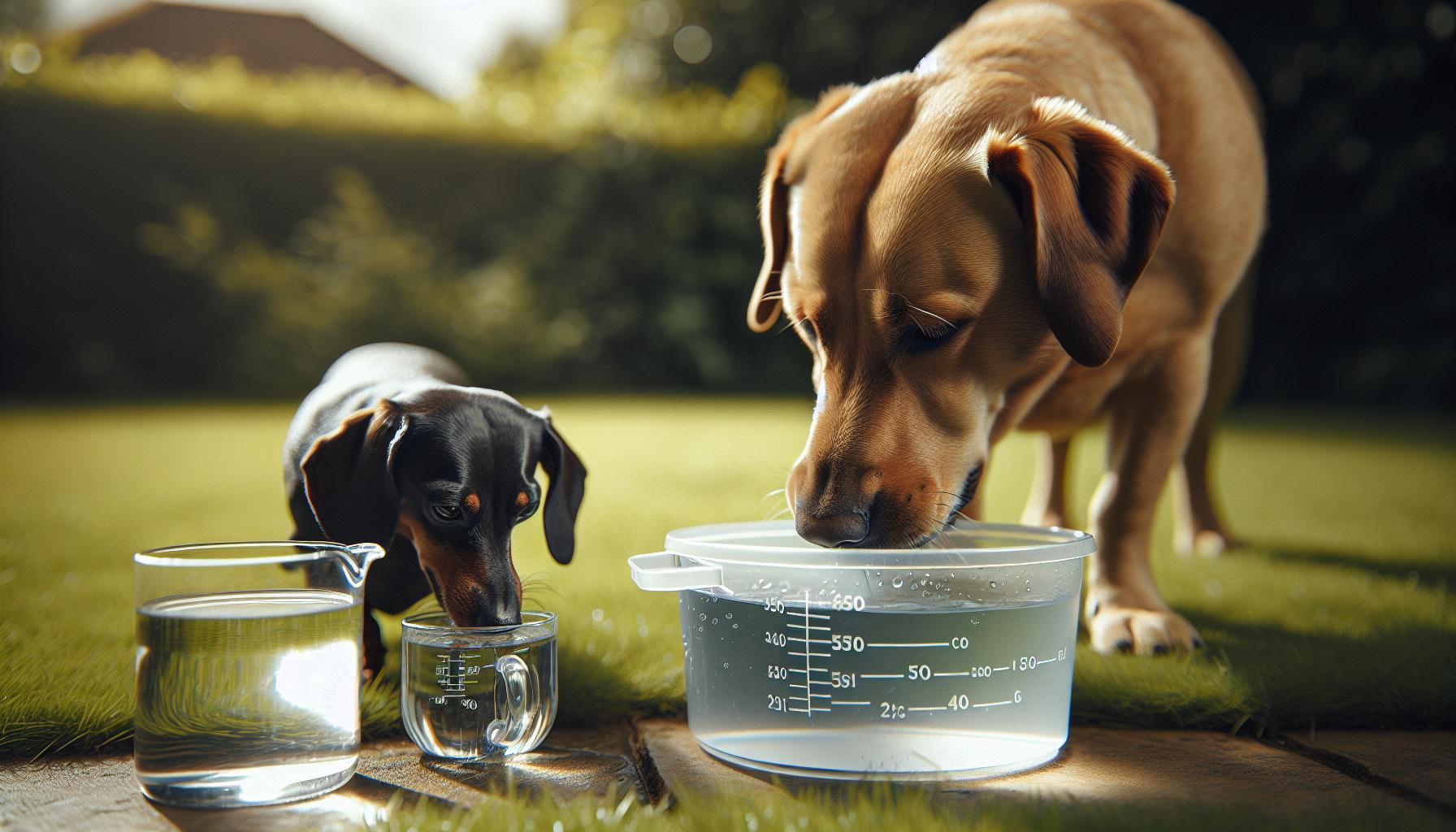
How Much Water Should Your Dog Drink Daily?
Did you know that a dog’s water intake can directly impact its overall health and well-being? On average, dogs require about 1 ounce of water per pound of body weight each day. This means that a 50-pound dog should be drinking around 50 ounces or approximately 6.25 cups of water daily. However, several factors play into this average, and understanding them is crucial for ensuring your furry companion stays hydrated.
One of the key elements influencing how much water your dog needs is activity level. An active dog, especially one that engages in vigorous play or exercise, may require significantly more water than a more sedentary pet. Additionally, environmental factors such as climate-hotter weather may lead to increased sweating and panting-can affect hydration needs, making it essential to adjust your dog’s water intake during warmer months. Lastly, the dog’s diet plays a role; for instance, those consuming dry kibble will need more water compared to those on a wet food diet, which contains higher moisture content.
Consider the size and age of your dog-larger breeds typically drink more water than smaller ones, while puppies and senior dogs might have different hydration needs due to their growth stages or health issues. Always monitor your dog for signs of dehydration, such as lethargy or dry gums, especially during hotter seasons or after extensive exercise. Keeping a fresh bowl of clean water available at all times and encouraging hydration through play can help meet your dog’s daily water needs and support its overall health.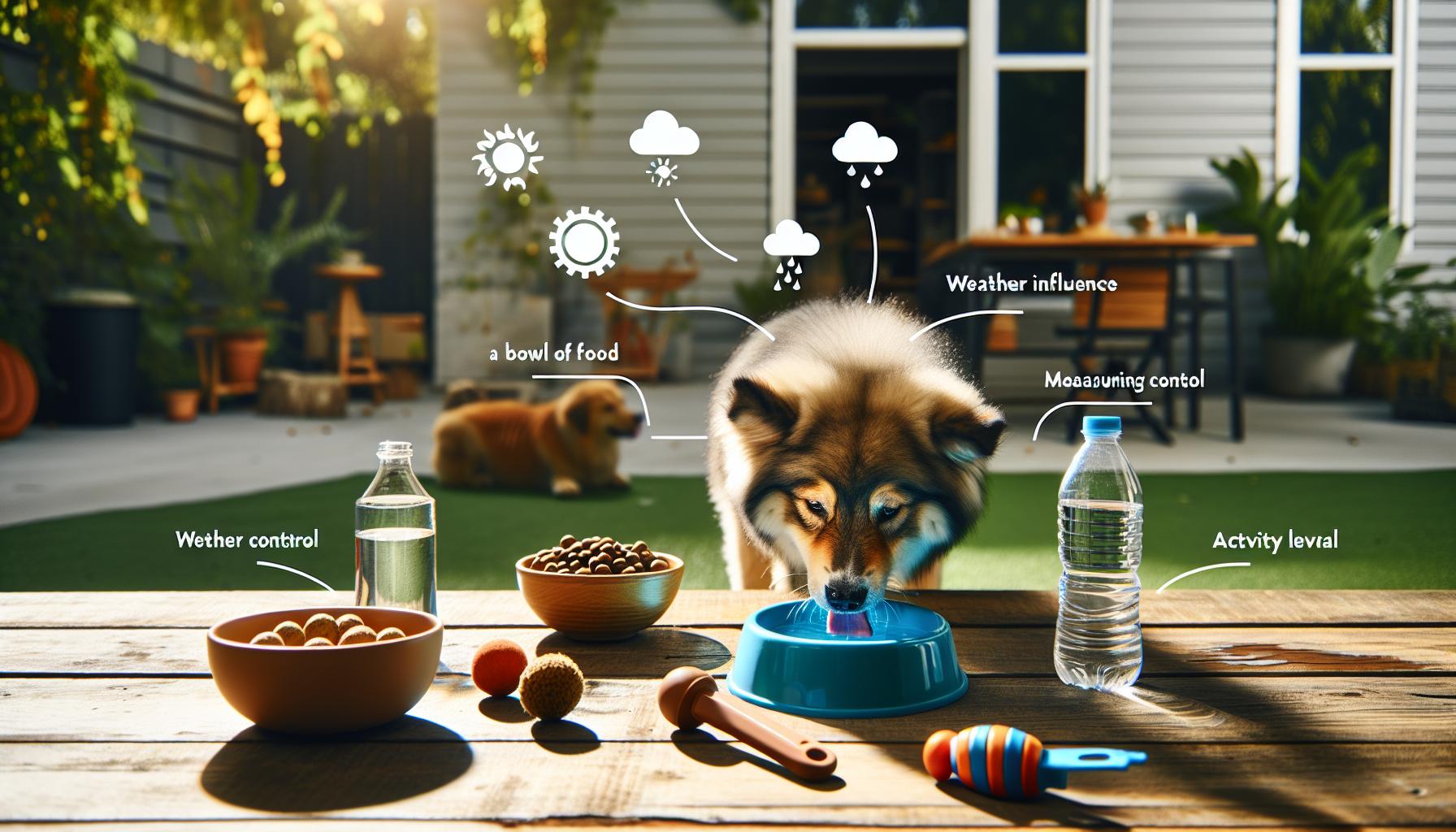
Factors Influencing Your Dog’s Water Intake
Did you know that just like people, dogs have unique hydration needs that can change based on various factors? Understanding these factors is vital for maintaining your pet’s health and ensuring they get the right amount of water each day.
One major factor influencing your dog’s water intake is their activity level. For instance, a playful Labrador Retriever that enjoys long runs will naturally drink much more than a sedentary Chihuahua lounging on the couch. In fact, active dogs may require double the water of their less active counterparts due to the loss of fluids through panting and sweating, especially after vigorous exercise.
Climate is another crucial element. On hotter days, dogs will pant more, which increases their need for water. It’s important to monitor their water bowl closely during summer and ensure they stay hydrated. Additionally, very cold weather can also impact drinking habits, as dogs may drink less if they’re less active or if the water in their bowl freezes. Adjusting your dog’s water supply based on the season can help mitigate these changes.
Lastly, consider dietary factors. Dogs on dry kibble will typically require additional hydration compared to those on wet food, which contains a higher moisture content. For instance, if your dog primarily eats dry kibble, you might need to ensure they have access to fresh, clean water at all times to compensate for the lack of moisture in their food.
By paying attention to these factors-activity level, climate, and diet-you can help your furry friend maintain optimal hydration levels, supporting their overall health and well-being.
Understanding Dog Hydration Needs by Age
Understanding your dog’s hydration needs varies significantly depending on their age, as puppies, adults, and senior dogs each have different requirements. Puppies, for instance, have rapidly growing bodies and high energy levels, which can lead to increased water consumption. On average, a puppy might drink about one-half to one ounce of water per pound of body weight daily. This means that a 10-pound puppy could require anywhere from 5 to 10 ounces of water each day, particularly if they’re active.
Adult dogs generally need about one ounce of water per pound of body weight, but factors such as size, activity levels, and diet still come into play. A medium-sized dog, weighing around 30 pounds, would typically drink about 30 ounces (or just under a gallon) each day. Regular monitoring can help you adjust this as needed, especially during active play or hot weather, which can significantly increase their water needs.
As dogs age, their hydration needs may shift once again. Senior dogs often become less active, which can result in them drinking less water than they actually need. However, dehydration in older dogs can lead to serious health issues. It’s crucial to ensure that seniors have access to fresh water at all times and monitor their intake closely. Additionally, some senior dogs may have health conditions such as kidney disease or diabetes that impact their hydration needs, sometimes requiring more frequent access to water and specialized diets rich in moisture.
For owners, being diligent about your dog’s hydration needs as they age is essential. Keeping an eye on their water intake and adjusting it based on their life stage, health, and any changes in their diet can go a long way in promoting their overall health and well-being. Regular vet check-ups can provide further personalized recommendations based on your dog’s specific health conditions and lifestyle, helping you ensure they stay happy and hydrated at every stage of their life.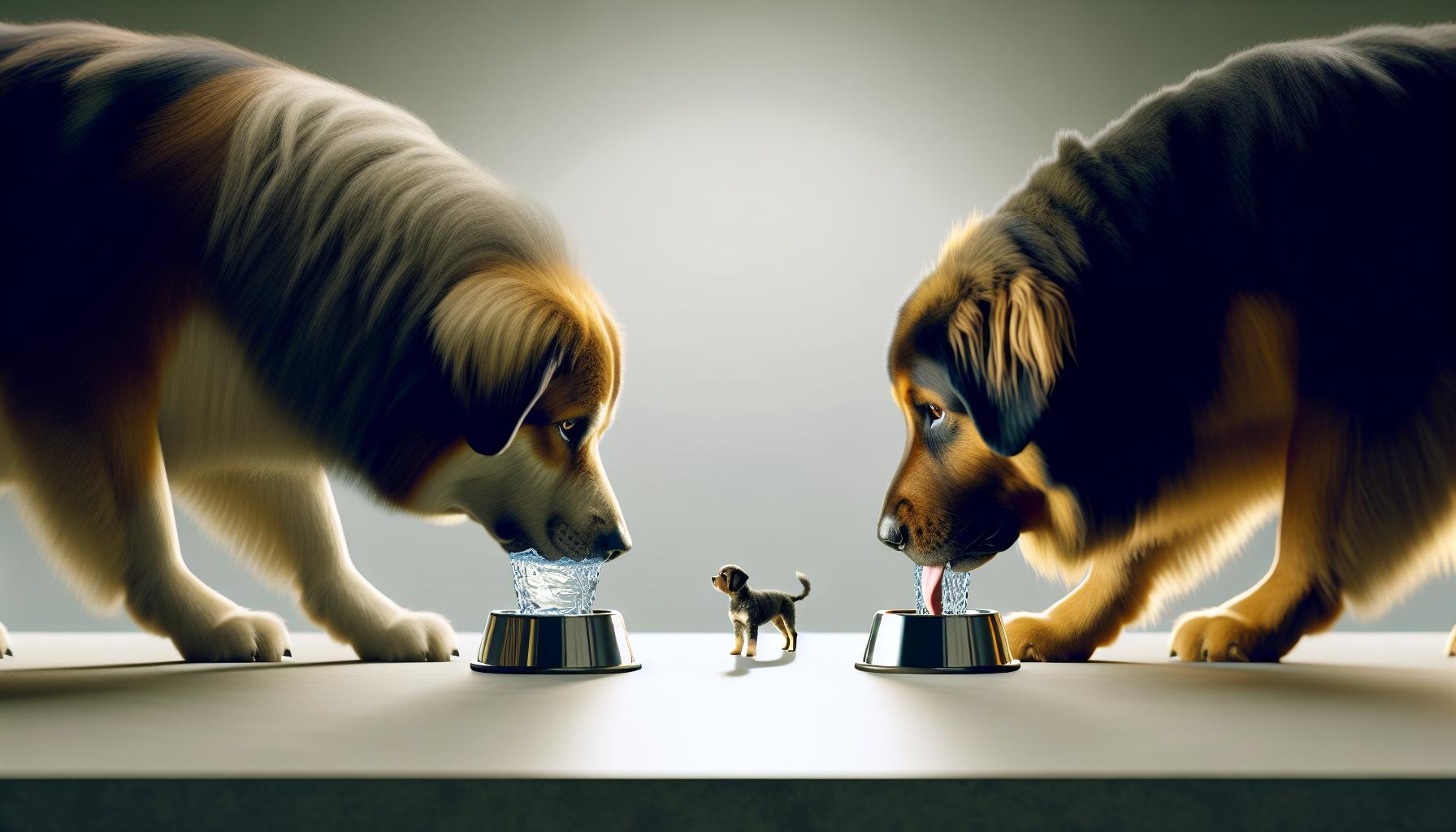
How Breed Size Affects Water Consumption
The amount of water a dog should drink can vary significantly based on its breed size, and understanding these differences is crucial for maintaining optimal hydration. Larger breeds, like Great Danes and Mastiffs, generally require more water due to their increased body mass. On average, big dogs need about one ounce of water per pound of body weight. For example, a 100-pound Great Dane may drink around 100 ounces of water daily, especially if they’re active or live in a warm climate.
Smaller breeds, such as Chihuahuas or Dachshunds, have different hydration needs. While they require less water overall, they can still be prone to dehydration due to their high metabolic rates and activity levels. Typically, the guideline is about one half to one ounce of water per pound of body weight for smaller dogs. A 10-pound Chihuahua might need anywhere from 5 to 10 ounces daily, but the key is to ensure they have access to fresh water throughout the day to avoid any dips in their intake due to their smaller stomach capacity.
Table: Daily Water Needs by Breed Size
| Breed Size | Weight Range (lbs) | Water Intake (ounces/day) |
|---|---|---|
| Small | 1-20 | 5-20 |
| Medium | 21-50 | 21-50 |
| Large | 51-100 | 51-100 |
| Giant | 100+ | 100+ |
Understanding how breed size influences water consumption also requires considering the dog’s activity level and environmental factors. Active breeds, like Border Collies or Labrador Retrievers, will need more water due to increased physical exertion. In contrast, a senior dog or one with mobility issues may drink less but still require careful monitoring to prevent dehydration.
Ultimately, every dog is unique, and it’s important to adjust water intake based on individual needs. Observing your dog’s drinking habits and making necessary adjustments will help ensure they remain hydrated and healthy. If you have any concerns about how much water your dog should be drinking based on their breed size or activity level, consult your veterinarian for personalized advice tailored to your furry friend’s needs.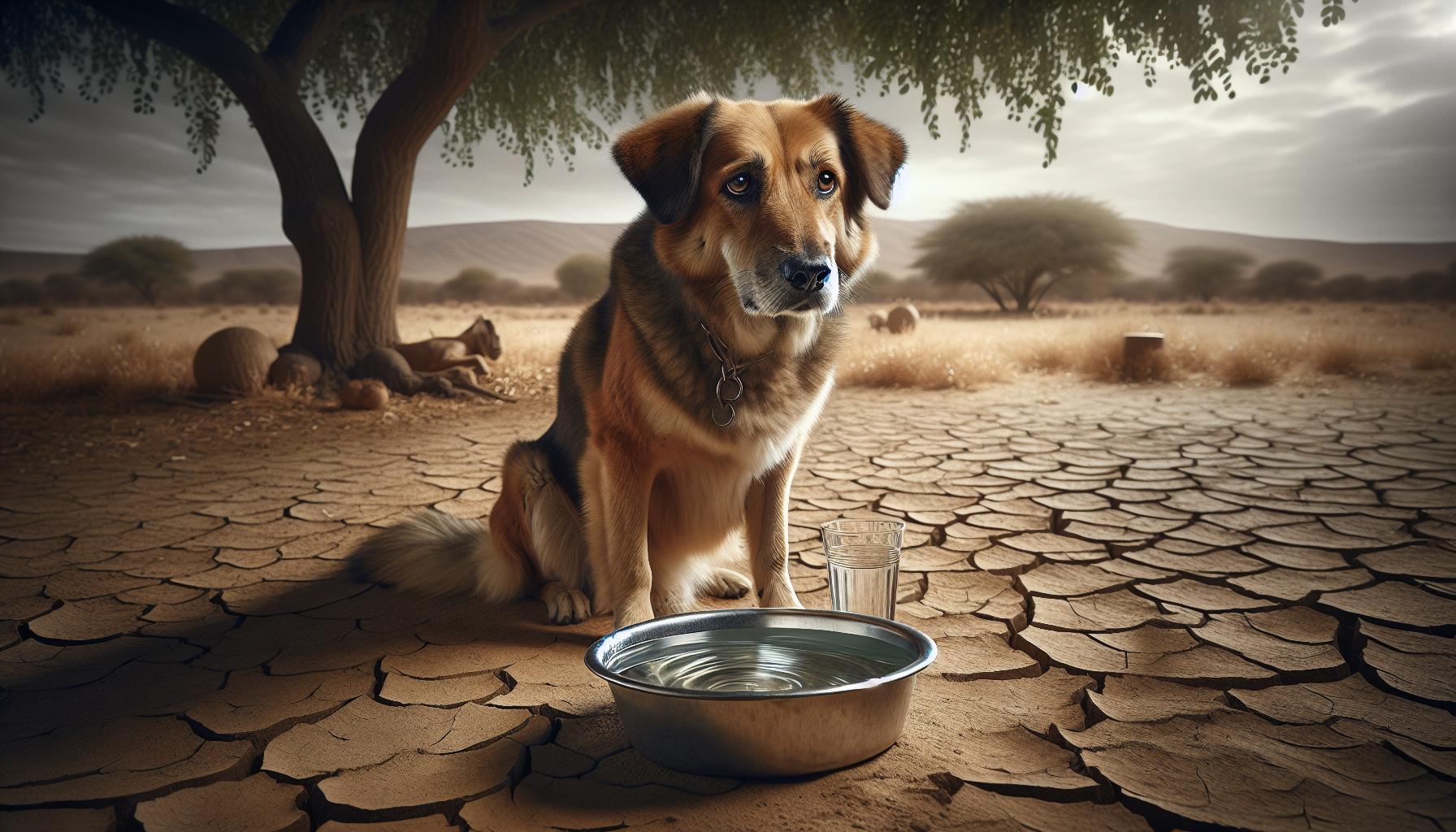
Signs of Dehydration in Dogs to Watch For
Recognizing the signs of dehydration in dogs is crucial for their health and well-being. Just like humans, dogs can suffer from dehydration, especially during hot weather or after intense exercise. Sadly, many pet owners underestimate the risks, thinking their furry friends won’t be as affected. This could not be further from the truth! Watching for specific signs can help you act swiftly and prevent serious complications.
One of the first indicators of dehydration is a decrease in energy or enthusiasm. If your normally playful pup seems lethargic, it might be time to check their water bowl. Another telltale sign is dry or sticky gums; a well-hydrated dog will have moist gums, whereas dehydration can cause them to feel tacky when you press your finger against them. Consider doing a quick skin elasticity test: gently pinch the skin between their shoulder blades or on the back of their neck. If the skin doesn’t spring back immediately, it may suggest that your dog is dehydrated.
Pay attention to their drinking habits and urine output, too. Dogs should urinate several times a day; if you notice a significant decrease in urination, or if the urine is dark and concentrated, these can signal dehydration. Additionally, you might observe dry or cracked noses; a healthy dog typically has a moist nose, and a persistently dry one could indicate that it’s time for a drink.
In more severe cases, you might notice other symptoms such as sunken eyes, rapid heart rate, or even more alarming signs like vomiting. If your dog exhibits any combination of these signs, it’s essential to act promptly. Increased water intake, encouraging them to nibble on water-rich foods, or visiting your veterinarian can help restore hydration levels. Always keep fresh water available, and remember that while dogs typically know when to drink, they may need your guidance to stay hydrated, especially in high-temperature conditions or after vigorous activities.
Hydration Tips for Active Dogs and Puppies
Did you know that active dogs can lose a significant amount of water through panting and exertion, sometimes needing double the usual amount of hydration? Keeping your pup well-hydrated is especially crucial during playtime or after an exciting hike. Here are some important hydration tips tailored for active dogs and puppies to help ensure they stay refreshed and healthy.
First, always monitor your dog’s water intake during and after vigorous activities. It’s a great idea to bring a portable water bowl and a water bottle for longer outings. After strenuous play, offer them small sips of water frequently rather than allowing them to gulp down a large amount all at once, which can lead to bloating or discomfort. If your dog is hesitant to drink water, you might entice them by adding a splash of low-sodium broth, which adds flavor and makes hydration more appealing.
Hydration Strategies During Exercise
- Regular Breaks: Schedule breaks to allow your dog to rest and hydrate. This is especially important in warmer weather. Just like humans, dogs appreciate a little downtime!
- Hydration-Enhanced Food: Consider incorporating wet dog food or adding water to dry kibble. This not only increases their fluid intake but can also make meals more enjoyable.
- Ice Cubes as Treats: Many dogs love chewing on ice cubes. You can freeze low-sodium broth in an ice cube tray for a tasty treat that also helps with hydration.
For young puppies or breeds with high energy levels, hydration must be monitored closely. Their small bodies can dehydrate rapidly, especially after play. Make it a habit to offer water regularly and pay attention to their cues. If you notice excessive panting or drooling, it could be time for a drink.
Alongside these practical tips, it’s beneficial to understand your dog’s specific needs based on their breed and activity level. For instance, larger breeds like Labrador Retrievers may require more water than smaller breeds, such as Chihuahuas, especially when playing fetch or running. Keeping this in mind will help you tailor your hydration strategy effectively.
Ensuring that your active dog and playful puppy stay hydrated is a vital part of their care routine. By incorporating these tips, you will not only promote their overall health but also enhance their enjoyment of play and exercise. Remember, a well-hydrated dog is a happy dog!
Common Misconceptions About Dog Water Needs
Many dog owners hold misconceptions about their pets’ water needs, which can lead to inadequate hydration and health issues. One common belief is that all dogs require the same amount of water daily, regardless of their breed, size, or activity level. In reality, the average dog should drink approximately one ounce of water per pound of body weight each day, but this can vary. For instance, an active dog, particularly one engaged in high-energy activities or in warmer climates, may need double the normal intake. Understanding these variations is crucial for keeping your furry friend properly hydrated.
Another frequent misunderstanding is that dogs will drink enough water on their own without need for encouragement. While many dogs are good at self-regulating, there are also plenty that will not drink enough without a little nudge from their owners. This can be especially true for younger puppies, older dogs, or those with certain health issues. To combat this, consider offering fresh water in multiple locations around your home and during outings. Adding a splash of flavor, like low-sodium broth, can also entice dogs that are reluctant to drink, making hydration a positive experience.
Furthermore, some pet parents think that if their dog eats wet food or is fed a raw diet, they won’t need as much water. While it’s true that these food types contain more moisture, they don’t completely replace the need for fresh water. Always ensure that your dog has free access to clean water, regardless of diet. A good rule of thumb is to monitor your dog’s hydration habits and adjust as needed. If you notice they aren’t drinking as much as they should, you may need to take action to ensure they stay well-hydrated.
Being aware of these misconceptions helps pet owners take proactive measures in supporting their dog’s health. Paying close attention to your dog’s hydration needs can prevent issues like urinary tract infections or kidney problems, which can arise from chronic dehydration. By offering consistent hydration opportunities and understanding the unique needs of your dog, you can help ensure they stay happy and healthy throughout their lives.
Adjusting Water Intake for Different Climates
When it comes to your dog’s hydration needs, the climate can play a pivotal role in how much water they require each day. Extreme weather conditions, whether it be the sweltering heat of summer or the biting cold of winter, can significantly affect your dog’s hydration levels. For instance, did you know that dogs can lose moisture not just through sweat (as humans do), but primarily through panting? In warmer climates, this loss can be even greater, making it essential to adjust their water intake accordingly.
In hot weather, dogs can easily become dehydrated, especially if they are engaging in physical activities. Aim for a higher water intake, typically around 1.5 to 2 ounces of water per pound of body weight, depending on their activity level. Providing fresh, cool water throughout the day can help encourage frequent drinking. You might even consider using a pet fountain, as many dogs are attracted to running water and may drink more. Additionally, bringing water along during outdoor excursions, especially to the park or on hikes, is an effective way to keep your furry friend hydrated.
On the other hand, during colder months, dogs still need to maintain their hydration levels, even though they may not seem thirsty. The dry air from indoor heating can contribute to dehydration, so it’s essential to monitor their water bowls and ensure they are kept filled. Dogs may also consume less water if their diet consists of predominantly dry kibble, so you may need to encourage additional drinking. Trying warm water or adding a little low-sodium broth can help entice them, enriching the experience and often making it more enjoyable.
In all cases, recognizing the signs of dehydration is crucial. Dogs may exhibit symptoms like lethargy, loss of appetite, dry gums, or excessive panting if they are not drinking enough. By adjusting their water intake based on the climate and being proactive about hydration, you can help keep your dog healthy and happy throughout every season. Take the time to evaluate the conditions, and don’t hesitate to make necessary changes in their routine to ensure they remain well-hydrated.
Feeding Practices That Impact Hydration
When considering how much water your dog should drink daily, it’s essential to recognize that feeding practices can significantly impact their hydration levels. For example, did you know that the moisture content in your dog’s food can influence how much water they consume? Dogs that primarily eat dry kibble typically require more water compared to those that enjoy wet or mixed diets. Canned food or home-cooked meals not only provide essential nutrients but also contribute additional moisture, helping maintain hydration without requiring as much water intake.
Types of Food and Hydration
The type of diet you provide plays a crucial role in your dog’s hydration balance. Here are key considerations:
- Kibble: This dry food contains about 10% moisture, which means dogs relying solely on kibble must drink more water to compensate for the lower moisture content.
- Canned Food: With a moisture content ranging from 70% to 80%, canned food greatly assists in hydration. Mixing wet food with dry kibble can create a balanced diet that also ensures adequate fluid intake.
- Raw Diets: Many raw diets, including whole meats and vegetables, are naturally high in moisture, allowing dogs to meet their hydration needs through their food intake.
Feeding Schedule and Frequency
How often and when you feed your dog also affects their drinking habits. For instance, if you provide meals at irregular intervals, your dog may not develop a consistent drinking routine. Establishing a regular feeding schedule can help regulate their hydration needs. Additionally, offering a fresh bowl of water at mealtimes can encourage dogs to drink while they eat, embedding hydration into their daily routine.
Encouraging Hydration Through Feeding
Getting creative with meals can further encourage your dog to drink more water. Here are some practical tips:
- Add a splash of low-sodium broth to their kibble or wet food to enhance flavors and stimulate their drinking.
- Freeze broth or water into ice cubes and add them to meals during warmer months for a refreshing addition that also promotes hydration.
- Use food puzzles or dispensers that require dogs to engage more with their meals; this stimulates appetite and can lead to drinking more water.
By understanding how different feeding practices impact hydration, you can facilitate a routine that benefits your dog’s health and well-being. Remember, consistency is key: mixing high-moisture foods with balanced hydration practices will keep your canine companion thriving and satisfied!
How to Encourage Your Dog to Drink More Water
Dogs, much like humans, thrive on hydration. It’s not just about having a bowl of water available; sometimes, our furry friends need a little extra encouragement to stay hydrated. Did you know that many dogs prefer fresh, clean water and are more likely to drink if they have access to it throughout the day? Here are some engaging strategies to make drinking water an appealing activity for your canine companion.
One effective way to promote hydration is to offer filtered or fresh water. Tap water can sometimes carry odors or tastes that pets might find off-putting. A water fountain can be particularly enticing because moving water often attracts dogs. The sound and sight of water flowing can encourage them to drink more frequently. Additionally, ensure that you change the water regularly. A clean bowl of water is a simple yet powerful motivator for your dog to hydrate.
Another great method is to add flavor to your dog’s water. A splash of low-sodium chicken or beef broth can turn plain water into an irresistible treat. This not only entices finicky drinkers but also adds a touch of nutrition. For an extra fun twist, consider freezing broth into ice cubes or making popsicles with diluted broth and allowing your dog to nibble on these during warmer weather. This not only helps hydrate them but provides a refreshing treat on hot days.
When it comes to feeding times, integrating hydration can be beneficial. Offering a bowl of water during meal times encourages dogs to drink as they eat. You might also want to consider adding wet food to their diet, as these foods have higher moisture content compared to dry kibble. Mixing wet food with dry kibble can aid in their overall hydration strategy.
Lastly, if your dog seems uninterested in drinking, try engaging them in play to elevate their water intake. After a vigorous game of fetch or a long walk, most dogs are likely to reach for their water bowl. Associate water with fun by taking a break during playtime to encourage them to drink, creating a routine that helps reinforce this essential habit.
The Role of Water in Your Dog’s Health
Water is the foundation of life, and this rings particularly true for our canine companions. Did you know that water makes up about 60-70% of a dog’s body weight? Just like humans, dogs rely on water for optimal health, impacting everything from digestion to temperature regulation. Ensuring your dog stays hydrated is crucial not only for their physical well-being but also for their overall vitality and energy levels.
Having access to fresh water supports multiple bodily functions. Water aids in digestion by helping to break down food and absorb nutrients efficiently. It also plays a vital role in regulating your dog’s body temperature, especially in breeds with thick coats or those that are active outdoors. Dogs cool down through panting, and adequate hydration ensures their bodies can manage heat effectively. Furthermore, good hydration helps maintain healthy kidney function, flushing out toxins and waste products, which is vital for preventing urinary tract infections and kidney stones.
Understanding the average water intake required for a dog can vary based on several factors, such as their size, age, activity level, and the climate they live in. As a general rule, dogs should drink approximately one ounce of water per pound of body weight daily. More active dogs or those in warmer climates may need even more to compensate for fluid loss through sweat and increased activity. To promote hydration, consider offering water during playtime or after meals, and try to keep their water bowl consistently full with fresh water.
Encouraging your pooch to drink enough can often be a challenge, especially if they are picky. Utilizing a dog water fountain can entice them with fresh, flowing water, inspiring them to drink more. For those stubborn drinkers, adding flavor to their water-like low-sodium broth-can make hydration feel like a special treat! Remember, a well-hydrated dog isn’t just a happy dog; they are more alert, energetic, and overall healthier, ultimately ensuring you have many joyful moments together.
Special Considerations for Senior Dogs
As dogs age, their hydration needs can change significantly, making it essential for pet owners to pay close attention to their water intake. Senior dogs may not feel thirsty as often as younger dogs, but their bodies still require a substantial amount of water to function effectively. Particularly, older dogs are more vulnerable to dehydration due to factors like decreased kidney function, certain medical conditions, and the medications they might be taking, which can lead to increased water loss. Ensuring your senior dog has constant access to fresh water can help combat these issues.
Regular monitoring of your senior dog’s water consumption is vital. Aim for a minimum of one ounce of water per pound of your dog’s body weight each day, just as you would for younger dogs. However, be vigilant in observing any changes in their drinking habits. For instance, if your dog suddenly starts drinking much less or more than usual, it may indicate an underlying health issue, such as diabetes or kidney disease, and requires immediate veterinary attention.
To facilitate hydration, consider incorporating wet food into their diet, as this can provide essential moisture alongside their daily meals. Adding water or low-sodium broth to dry kibble can also enhance its palatability, encouraging your senior dog to drink more. Additionally, keeping their water bowl clean and filled with fresh water is crucial, as older dogs may be hesitant to drink from containers that appear dirty or stale. You might also find that a pet water fountain, which circulates and filters water, can attract rustier drinkers, making hydration pleasurable.
Lastly, factor in environmental elements when caring for senior dogs. Hot weather can exacerbate dehydration risks, so ensure you provide adequate shade and monitor their water intake more closely during warmer months. Your interest in your senior dog’s hydration not only improves their quality of life but can also contribute to a longer, healthier lifespan, allowing you to create even more cherished memories together.
Frequently asked questions
Q: How much water should a dog drink per day?
A: On average, dogs should drink about one ounce of water per pound of body weight each day. For example, a 50-pound dog needs approximately 50 ounces of water daily. Always ensure fresh water is available and adjust for activity level and heat.
Q: Does a dog’s size affect their water consumption?
A: Yes, a dog’s size significantly affects water intake. Larger dogs generally require more water than smaller dogs due to their increased body mass. Consider your dog’s weight and activity level when determining their hydration needs.
Q: What factors influence a dog’s daily water needs?
A: Several factors can influence a dog’s water intake, including age, size, diet, activity level, and environmental conditions. For instance, active dogs or those in warm climates may require more water to stay hydrated.
Q: How can I tell if my dog is getting enough water?
A: Signs that your dog is well-hydrated include moist gums, a healthy coat, and normal energy levels. If your dog is lethargic or has dry gums, they may be dehydrated. Monitor their drinking habits closely, especially during hot weather or after exercise.
Q: Are there symptoms of dehydration in dogs?
A: Yes, symptoms of dehydration in dogs include excessive panting, dry mouth, lethargy, sunken eyes, and loss of skin elasticity. If you notice these signs, encourage your dog to drink water and consult your veterinarian if symptoms persist.
Q: How does diet affect a dog’s water intake?
A: A dog’s diet can greatly impact their hydration needs. Dogs on dry kibble require more water than those on wet food since kibble contains less moisture. Adjust water availability based on your dog’s diet for optimal hydration.
Q: What are effective ways to encourage my dog to drink more water?
A: To encourage your dog to drink more water, try adding flavor to their water bowl with low-sodium broth or providing a pet water fountain. Regularly change the water to keep it fresh and appealing.
Q: Can I give my dog ice cubes for hydration?
A: Yes, ice cubes can be a fun and refreshing way to hydrate your dog, especially on hot days. However, make sure they are small enough to avoid choking and always monitor your dog’s chewing habits to ensure safety.
Future Outlook
As we wrap up our discussion on how much water dogs should drink each day, remember that keeping your furry friend hydrated is crucial for their overall health and vitality. Whether you have a high-energy breed or a gentle companion, ensuring they have access to fresh water at all times is key to their well-being. If you’re concerned about your dog’s hydration habits, consider monitoring their intake and consulting with a veterinarian for personalized advice.
Looking for more ways to enhance your dog’s health? Check out our articles on “Top Health Supplements for Dogs” and “Understanding Canine Dietary Needs” for valuable insights. Don’t forget to take a moment to join our newsletter for the latest tips and advice direct to your inbox. Have questions or experiences to share? We’d love to hear from you in the comments below-your insights could help fellow dog lovers! Stay engaged and keep exploring our resources to ensure your pup thrives.