Did you know that the amount of water your dog needs can vary significantly based on their size? Just like humans, dogs need proper hydration to thrive, and understanding their daily water requirements is crucial for their health and well-being. Whether you’re a first-time puppy parent or a seasoned dog lover, knowing how much water your furry friend should drink can make a world of difference in their energy levels, coat condition, and overall vitality. In this article, we’ll explore the size-based water needs of dogs, offering practical tips and insights to help you ensure your companion stays properly hydrated. Join us as we unravel the important details that will keep your pup happy and healthy!
Understanding Daily Water Needs for Dogs
Understanding a dog’s hydration needs is crucial for their overall health and well-being. Just like humans, dogs require an adequate intake of water to thrive. A common rule of thumb is that dogs should drink about one ounce of water per pound of body weight each day. For example, a 50-pound dog would need approximately 50 ounces (or about 6.25 cups) of water daily. However, this amount can fluctuate based on various factors, including activity level, environmental conditions, and diet.
Several elements can influence how much water your dog drinks. Active dogs, especially those that enjoy running or playing, tend to have higher water requirements. Similarly, dogs in warmer climates or during hot weather will need more fluids to stay hydrated. It’s also essential to consider diet; dogs that consume dry kibble will typically require more water compared to those on a wet food regimen, which already provides moisture. Pay attention to your individual dog’s habits and needs; keeping a consistent eye on their water intake will help you ensure they stay well-hydrated.
Practical Tips to Monitor Hydration
You can encourage your dog to drink enough water by making it more accessible and appealing. Here are a few tips to consider:
- Fresh Water: Always provide clean, fresh water daily. Change it regularly to encourage drinking.
- Multiple Bowls: Place water bowls in various locations around your home and yard.
- Add Flavor: Consider adding low-sodium broth to water or serving frozen treats made with water.
- Regular Walks: Take them on regular walks, allowing time for water breaks.
Remember, understanding and monitoring your dog’s hydration needs not only enhances their health but also contributes to their happiness and vitality. A well-hydrated dog is likely to be more energetic and playful, making for a happier household.
Factors That Influence Water Intake

Understanding the factors that influence how much water your dog needs can help you ensure they stay well-hydrated and healthy. One of the most significant aspects is a dog’s activity level. For instance, a lively puppy that loves to play fetch might need more water than a laid-back senior dog that prefers lounging on the couch. In fact, during playtime or exercise, your dog can lose significant moisture through panting and perspiration via their paw pads. Therefore, after a vigorous activity session, always offer them a refreshing drink to help replenish those lost fluids.
Another critical consideration is the dog’s environment. Hot weather can greatly increase hydration needs, making it vital for owners in warmer regions to be vigilant about their dog’s water intake. Dogs are very susceptible to heat exhaustion, especially breeds with thick coats, like Golden Retrievers or Huskies. During summer months, take extra precautions by providing plenty of cool, clean water at all times and encouraging indoor play during peak heat hours.
Diet also plays a pivotal role in hydration needs. Dogs that are fed a diet high in dry kibble are at a greater risk for dehydration compared to those consuming wet or raw food, which naturally contains more moisture. If you’re transitioning your dog to a dry food plan, keep an eye on their water consumption and adjust their water intake goals accordingly. Always check the ingredient labels and opt for high-quality kibble that focuses on balanced nutrition to support hydration and overall health.
Lastly, factors such as a dog’s age and overall health can influence their water requirements. Puppies, for example, often require more hydration relative to their size due to their fast metabolism, while older dogs may have decreased thirst drives or specific health issues that affect their fluid balance. Regular check-ups with your veterinarian will help ensure your pup is properly hydrated, allowing for timely adjustments based on their changing needs. By understanding these factors, you can proactively manage your dog’s hydration and maintain their health and vitality.
How Dog Size Affects Hydration Requirements
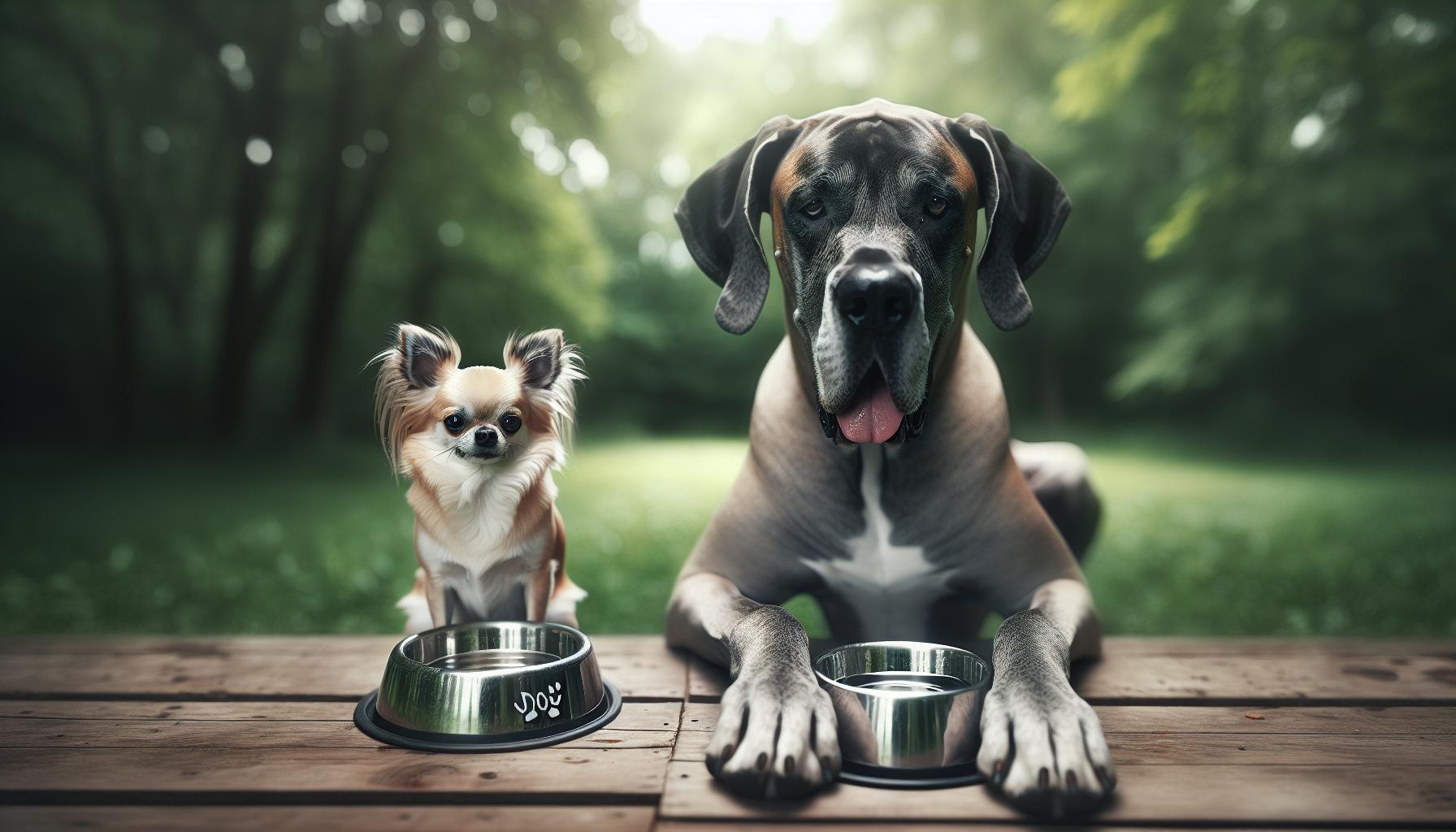
Understanding how a dog’s size impacts its hydration needs is crucial for ensuring optimal health and well-being. Smaller dogs, like Chihuahuas and Dachshunds, have higher metabolisms relative to their body size. This means they often require more frequent water intake compared to larger breeds, despite their overall lower volume needs. Conversely, larger dogs, such as Great Danes and Labrador Retrievers, can consume more water at each drinking session, yet they may not need to drink as frequently due to their greater volume capacity.
Size-Based Water Intake Guidelines
When considering how much water a dog needs based on size, the following general guidelines can help:
| Dog Size | Daily Water Intake (approx.) |
|---|---|
| Small (up to 20 lbs) | 1/2 – 1 cup |
| Medium (20-50 lbs) | 1 – 2 cups |
| Large (50-90 lbs) | 2 – 3 cups |
| Giant (over 90 lbs) | 3 – 5 cups |
These measurements serve as a starting point. Individual needs can vary due to factors such as activity level, temperature, and health status. For instance, an active Border Collie may require significantly more water than a sedentary Bulldog of similar weight. Keeping a close watch on your dog’s drinking habits will help in adjusting these guidelines to better suit your pet’s needs.
Tips for Different Sizes
- Small Breeds: Small dogs can easily become dehydrated because of their size. They may benefit from having water readily available in multiple places around the house to encourage regular sipping throughout the day.
- Medium Breeds: Dogs in this category might enjoy having a water bowl that’s larger and easier to access when they’re playing or eating, given their moderate activity levels. Regular checks are essential to ensure they are hydrating throughout the day.
- Large Breeds: Larger dogs usually need water stations that can accommodate their size. Consider using elevated bowls, which can help to reduce strain on their necks and facilitate drinking.
- Giant Breeds: For giant breeds, monitoring is essential. They can consume large amounts of water but may also need assistance to ensure they don’t drink too quickly, which can lead to digestive issues.
By paying attention to your dog’s size, you can take a proactive approach in managing their hydration, leading to a happier, healthier life for your furry friend. Remember, if you notice any signs of dehydration-such as excessive panting, lethargy, or dry gums-don’t hesitate to contact your veterinarian for further guidance.
Breeds with Higher Water Needs Explained
Some breeds have unique hydration requirements due to their activity levels, metabolism, and body composition, making them particularly susceptible to dehydration if not properly managed. Active breeds, such as Border Collies and Siberian Huskies, are known for their energy and stamina, which can significantly increase their daily water needs. These dogs can burn through fluids quickly, especially during intense physical activities like herding or running, requiring you to replenish their water more frequently throughout the day.
Certain large breeds, such as Great Danes and St. Bernards, also have heightened water needs due to their size and mass. Despite their slower pace compared to more active breeds, their overall volume and body temperature regulation can lead to considerable water consumption. In these cases, it’s crucial to have a persistent supply of fresh water at their disposal to meet their needs. Implementing accessible hydration stations that cater to their height can encourage regular drinking and prevent excessive strain.
For our furry friends who are working dogs or heavily engaged in dog sports, the need for hydration becomes even more pronounced. Breeds like Labrador Retrievers and German Shepherds thrive in roles like search and rescue or police work, where their exertion levels may fluctuate dramatically. For these dogs, it’s advisable to ensure water availability both during and after exercise sessions. Carrying a portable water bottle and bowl when out for walks or at events can ensure your dog stays hydrated, keeping their energy levels up and promoting optimal performance.
To sum it up, managing breed-specific hydration needs is essential. Being observant and adjusting your dog’s water intake based on their activity, size, and environmental conditions will play a crucial role in maintaining their health. Remember to monitor their behavior for signs of dehydration, like excessive panting or lethargy. By staying proactive about your dog’s hydration, you contribute to their overall well-being and happiness.
Signs Your Dog is Dehydrated
Recognizing the signs of dehydration in dogs is crucial for any pet owner, as even mild dehydration can impact your dog’s health and well-being. Dogs can lose water rapidly, especially during hot weather or after vigorous activity. It’s important to be observant and proactive in ensuring they stay hydrated. If you notice any of the following warning signs, it’s time to take action.
One of the first indicators of dehydration is dry gums. When your dog’s gums appear sticky, dry, or dull rather than moist and glossy, it may be a signal that they need more water. Another visible sign is skin elasticity. You can check this by gently pulling up on the skin at the back of their neck or between their shoulder blades; if it doesn’t snap back into place quickly, this can indicate dehydration.
Excessive panting is another common sign that your dog may be in need of hydration. While dogs do pant to regulate body temperature, panting that seems excessive, especially in cooler environments, can be a red flag. Additionally, keep an eye out for changes in behavior; if your usually vibrant and active dog seems lethargic, uninterested in play or food, or is hiding, it could signal a need for immediate rehydration.
In some cases, severe dehydration can cause vomiting or diarrhea, which creates a vicious cycle as it depletes their body even more. If you observe these symptoms, it’s essential to contact your veterinarian. Remember, consistent monitoring of your dog’s water intake and being attentive to these signs can help you catch dehydration before it becomes a serious health issue. Always ensure your furry friend has easy access to fresh, clean water, especially during exercise or on warm days.
Hydration Tips for Active and Working Dogs
When it comes to keeping your energetic companion hydrated, knowing how to manage their water intake can make all the difference, especially for active and working dogs. These dogs engage in rigorous physical activities, which can lead to significant fluid loss through panting and sweating, primarily from their paw pads. As a rule of thumb, active dogs require approximately one ounce of water per pound of body weight daily, but this can increase depending on the level of activity, weather conditions, and individual health needs.
To ensure your dog stays properly hydrated during demanding activities, it’s crucial to have a hydration strategy in place. Here are some valuable tips:
- Frequent Breaks: During exercise or outdoor play, encourage your dog to take regular breaks. This offers them the opportunity to drink water, especially after strenuous activities or in hot weather.
- Portable Water Bowls: Invest in a portable dog water bowl or a collapsible one that you can take with you wherever you go. Having water readily available can help prevent dehydration during hikes, jogs, or long walks.
- Mix with Food: If your dog struggles to drink enough, consider mixing water with their kibble or offering wet food. This provides moisture in their diet, supporting overall hydration.
- Offer Ice Cubes: Some dogs enjoy chewing on ice cubes. This can be a fun way to encourage hydration, especially on hot days. Just ensure the size is safe to avoid choking.
Always keep an eye on the weather; hydration needs can double or triple during hot summer months. Besides the summer heat, dogs involved in activities such as agility training, search and rescue, or even daily fetch sessions may require additional hydration before and after exercise sessions.
It’s also smart to monitor your dog’s overall activity and adjust water intake accordingly. Be observant of their behavior-heavy panting or reluctance to engage in play can be early signs of dehydration. By nurturing their hydration habits, you ensure your active dog remains healthy, happy, and ready for whatever adventure comes next.
Age and Health Considerations for Hydration
Ensuring your dog is properly hydrated is not just about keeping their water bowl filled-age and health significantly impact their hydration needs. Puppies and senior dogs have different requirements compared to their adult counterparts, and understanding these nuances can help you maintain their health and well-being.
Puppies, with their rapidly growing bodies, generally require more water relative to their size compared to adult dogs. They are curious and often very active, which can lead to increased fluid loss. It’s essential to monitor the water intake of your puppy diligently, ensuring they always have access to fresh water. A good rule of thumb is to provide about one cup of water for every 10 pounds of body weight, adjusting for activity levels and the environment.
On the other hand, older dogs may face health challenges that can complicate their hydration needs. Conditions such as kidney disease or diabetes can lead to increased thirst and urination, making it vital to maintain a steady supply of water. Senior dogs may also have reduced mobility, making it challenging for them to reach their water bowl. Consider placing multiple water stations around your home to encourage regular drinking. If your senior dog’s water consumption suddenly increases or decreases, this could indicate a health issue, so always consult your veterinarian if you notice significant changes.
Additionally, dogs with specific health conditions may require tailored hydration strategies. For instance, dogs recovering from surgery or illness often need extra hydration to help their bodies heal. Adding a splash of low-sodium broth to their water can make it more enticing, much like when my own dog seemed disinterested in plain water after dental surgery but happily lapped up her broth-infused bowl.
Ultimately, being attentive to your dog’s age, health status, and daily habits is key to ensuring they remain adequately hydrated. Keeping a close eye on their drinking habits, adjusting water availability as needed, and being proactive about their health will help them stay active and happy-because your dog deserves the best care you can provide!
How to Encourage Your Dog to Drink More Water
Encouraging your furry friend to drink enough water can sometimes feel like a challenge, but a well-hydrated dog is a happy and healthy dog! One effective approach is to enhance the appeal of their water with unique additives. You might consider adding a splash of low-sodium broth or a few ice cubes made from flavored liquids like coconut water or fruit-infused water. The playfulness of ice cubes can create a fun drinking experience, especially for puppies and playful breeds like Labradors and Golden Retrievers who enjoy interactive play with their water.
Another great method to promote hydration is through the use of food. Incorporating wet food into your dog’s diet can significantly increase their fluid intake, particularly for dogs who are reluctant to drink. Commercial dog food often contains around 70-80% moisture, making it an excellent option for hydration. For dry kibble fans, consider soaking their food before mealtime to entice them. Additionally, providing access to pet-friendly fruits and vegetables like watermelon or cucumber, which have high water content, can serve both as a treat and an effective hydration supplement.
Utilizing hydration stations throughout your home is another practical strategy. Dogs are more likely to drink water if they find it easily accessible. Setting up multiple bowls in various areas, especially where your dog spends most of their time, reduces the effort needed to get a drink. Ensure that the bowls are clean and filled with fresh water daily; dogs are often sensitive to stale or dirty water!
Lastly, turning hydration into a game could make a significant difference. Interactive water dispensers or special water fountains designed for pets can attract dogs curious about moving water. Breeds known for their high energy, like Border Collies or Beagles, may find these setups stimulating and motivational for drinking more frequently. Remember, consistent encouragement and monitoring can help reinforce healthy drinking habits, ensuring your dog stays hydrated and healthy!
Best Practices for Daily Water Management
Dogs, much like humans, require a consistent intake of fresh water to maintain optimal health and vitality. Understanding daily water needs is crucial, and effective management of your dog’s hydration can make a significant difference in their overall well-being. One key principle is to offer access to clean, fresh water at all times. Investing in a quality water bowl or pet water fountain can encourage your pup to drink more frequently, especially if they enjoy the sound or movement of flowing water.
Another vital aspect of daily water management is to tailor the water intake based on your dog’s size, activity level, and environmental conditions. For instance, a small dog may only need about half a cup of water per 10 pounds of body weight, while larger breeds typically require more. Monitoring and adjusting their water intake can help prevent dehydration, especially on hot days or after vigorous exercise. Understanding your dog’s specific requirements based on their breed and lifestyle is indispensable.
Regularly checking the water bowl is just as important as filling it. Dogs are sensitive to stale or dirty water, which can deter them from drinking. Keeping bowls clean and refreshing their water daily is essential. Consider placing multiple water stations around your home to promote hydration, particularly in high-traffic areas where your dog spends most of their time. This not only makes drinking more convenient but also encourages healthy habits.
To add an element of fun, you can incorporate some creativity into your dog’s hydration routine. Offering ice cubes filled with safe fruits or using interactive bowls can stimulate their interest in drinking. Remember, every dog is unique, and it’s essential to observe your pet’s drinking habits to ensure they’re getting enough water daily. With consistent effort and a little creativity, you can make hydration an enjoyable and vital part of your dog’s daily routine.
Homemade Hydration Solutions for Dogs
Dogs thrive not just on love and companionship, but also on proper hydration, which is crucial for their health and vitality. Sometimes, encouraging your furry friend to drink enough water can be a challenge, especially during hot weather or after playtime. One creative solution is to offer homemade hydration solutions that are not only refreshing but also enticing to your dog.
One great way to boost your dog’s water intake is to create homemade broth. Simply boil chicken or beef bones (ensure no bones are splintered), along with safe vegetables like carrots or green beans, and strain the liquid once it’s enriched with flavor. This nutritious broth can be served on its own or poured over regular water to make it more appealing. You can also freeze this broth in ice cube trays to create flavorful ice treats, perfect for hot days or after vigorous exercise. Just ensure that the broth is low-sodium and free of any onions or garlic, which can be harmful to dogs.
Another fun and hydrating option is to blend fruits that are safe for dogs, such as watermelon, blueberries, or strawberries, with water to create a refreshing smoothie. This can be a delightful treat that keeps your dog hydrated while providing essential vitamins. Just be cautious with portion sizes, as fruits can be high in sugars. Offering these homemade solutions can not only help quench your dog’s thirst but also provide them with added nutrients.
For dogs that are picky drinkers, consider using infused water. A few slices of cucumber, a sprig of mint, or a couple of blueberries can turn plain water into an exciting flavor adventure. Moreover, creating a hydration station with different types of water and flavorings can spark interest and encourage your dog to drink more throughout the day. Remember to rotate flavors to keep it fresh and exciting!
Incorporating these homemade hydration solutions into your dog’s daily routine not only promotes proper hydration but also strengthens your bond as you both enjoy the process together. With a bit of creativity and some healthy ingredients, staying hydrated can become a flavorful and enjoyable part of your dog’s day!
The Role of Diet in Your Dog’s Hydration
Providing the right balance of hydration for your dog goes beyond just making sure they drink enough water; it also includes considering the moisture content in their diet. Did you know that a significant portion of a dog’s daily water intake can actually come from their food? If you’re looking to optimize your dog’s hydration, understanding the interplay between diet and water consumption is essential.
Many commercial dog foods contain varying moisture levels, which can significantly impact how much additional water your dog might need. For instance, wet or canned food typically has about 70-80% water content, while dry kibble may only contain around 10%. Therefore, a dog that is fed primarily wet food may require less additional water than a dog eating a dry diet. Providing your dog with a mix of both wet and dry food can maintain hydration while also offering variety and texture that many dogs enjoy.
Comparing Foods and Hydration Levels
| Food Type | Water Content | Hydration Contribution |
|---|---|---|
| Dry Kibble | 10% | Minimal |
| Wet/Canned Food | 70-80% | Significant |
| Homemade Dog Food with Moisture-Rich Ingredients | Varies (often high) | Varies |
In addition to the type of food, the ingredients used can also influence hydration. Certain ingredients are naturally higher in moisture than others; for example, fruits and vegetables like watermelon, cucumbers, or blueberries can not only serve as delightful treats but also enhance hydration. Introducing these into your dog’s diet can be beneficial, particularly during warmer months or after vigorous activity.
Remember, if your dog has specific health considerations-such as kidney issues or diabetes-consulting with your veterinarian about their dietary needs and hydration strategy is crucial. This will not only help you select the best food options but also ensure that your dog’s hydration levels are adequately maintained through their diet.
By being mindful of the relationship between your dog’s diet and hydration needs, you can create a balanced routine that promotes their overall health and well-being. This approach not only keeps them hydrated but also contributes to their nutrition, ultimately leading to a happier pup!
Monitoring Water Intake: Tools and Techniques
Keeping track of your dog’s water intake might seem like a minor detail, but it plays a crucial role in their overall health and well-being. Did you know that a dehydrated dog can quickly develop serious health issues? To ensure your furry friend stays hydrated, utilize various tools and techniques to monitor their water consumption effectively.
One practical method is to use a measurement cup or water bottle with graduated markings to keep track of how much water you fill their bowl with daily. This way, you can easily note the amount they drink and adjust their supply as needed. Remember, an average dog requires about an ounce of water per pound of body weight each day, but this can vary based on age, activity level, and environment. For instance, active breeds such as Border Collies or Labradors may need more hydration, especially after vigorous exercise.
Regularly refreshing your dog’s water can also encourage them to drink more. Dogs often prefer fresh water, so changing it at least once or twice a day can make a difference. If you notice your dog is reluctant to drink, consider investing in a pet water fountain. Many dogs are attracted to running water, and these fountains can provide a continuous flow of fresh, filtered water, which may encourage them to drink more.
It’s beneficial to observe your dog’s behavior in relation to their water intake. Monitor not just how much they drink but also any changes in their habits. Keeping a simple hydration log can be particularly useful, especially for older dogs or those with health conditions. Jot down daily amounts and any relevant notes about their activity level or food intake to help you spot trends or consult with your veterinarian when necessary. By being vigilant and proactive about your dog’s hydration needs, you can ensure they stay healthy and happy.
Q&A
Q: How much water should a small dog drink daily?
A: A small dog, usually weighing under 20 pounds, should drink about ½ to 1 ounce of water per pound of body weight each day. This translates to roughly 10 to 20 ounces daily, depending on their activity level and climate. For more tips, see our article on daily water management.
Q: What is the daily water intake recommendation for large dogs?
A: Large dogs, weighing between 50 to 100 pounds, typically need about 1 ounce of water per pound of body weight daily, averaging between 50 to 100 ounces. Adjust intake based on activity and weather to prevent dehydration.
Q: How does a dog’s size impact their hydration needs?
A: Dog size significantly affects hydration; larger dogs require more water due to increased body mass. Smaller breeds might need less, as their higher metabolism can influence hydration levels. For detailed insights, visit our section on size and hydration.
Q: Are there specific breeds that require more water?
A: Yes, certain breeds like Great Danes and Mastiffs require more water due to their size, while active breeds such as Border Collies or Labrador Retrievers also need increased hydration, especially during intense exercise. Dive deeper into breed specifics in our article.
Q: How can I tell if my dog is drinking enough water?
A: Monitoring your dog’s water intake is crucial. Check their hydration by examining skin elasticity and checking for a dry mouth. If unsure, consult our section on signs of dehydration to better assess hydration levels.
Q: What factors influence a dog’s water needs aside from size?
A: Several factors affect a dog’s water needs, including age, health condition, diet, physical activity, and external temperature. For a thorough understanding, explore our article section on influencing factors for hydration.
Q: How can I encourage my dog to drink more water?
A: To encourage hydration, try offering fresh water regularly, using a water fountain, or adding water to their food. Consider incorporating ice cubes or offering wet food to increase their water intake. More tips can be found in our hydration encouragement section.
Q: Do puppies need more water compared to adult dogs?
A: Yes, puppies often need more water because they are growing and more active. They should drink about 1 ounce of water per pound of body weight daily. Growth stages and hydration needs are discussed in our age and health considerations section.
The Conclusion
Now that you understand how much water your dog needs based on their size, it’s essential to put this knowledge into practice. Remember, staying hydrated is crucial for your dog’s health and vitality-especially during warmer months or after exercise. Keep a fresh bowl of water accessible at all times and consider investing in a pet hydration station to ensure your furry friend is always well-hydrated.
For more insights, don’t miss our guides on “The Importance of Hydration for Dogs” and “Choosing the Right Dog Food for Optimal Health,” which can help you make informed decisions about your pup’s overall well-being. If you have any questions or need personalized tips, feel free to comment below or reach out to our community for support.
By incorporating these hydration tips into your routine, you’re taking a vital step toward ensuring your dog’s health and happiness. Explore more on our site to uncover valuable resources that can enhance your dog’s care and deepen your understanding of their needs!