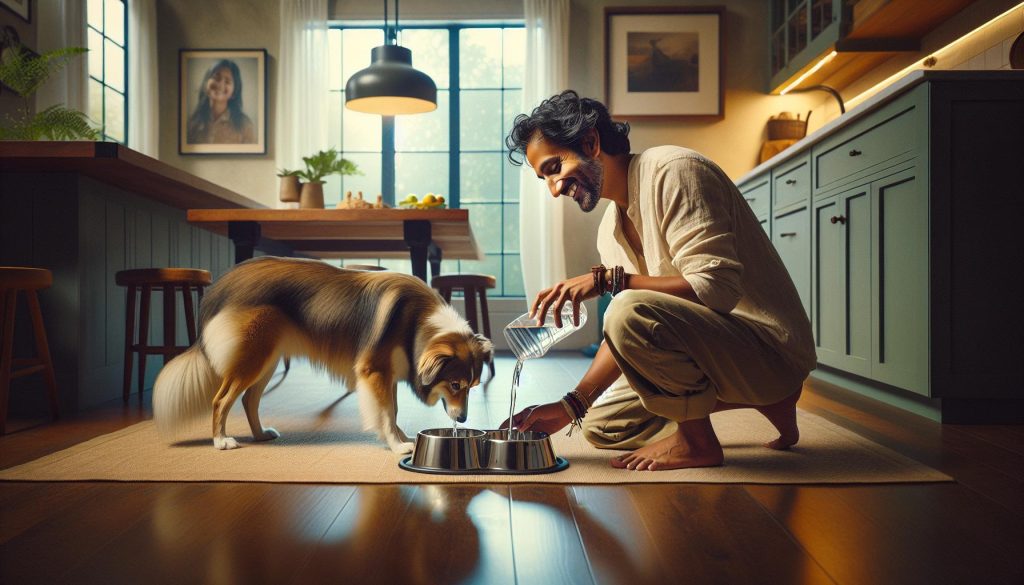
Did you know that a dog can drink anywhere from a half to a full ounce of water per pound of body weight each day? Understanding how much water your furry friend needs is crucial for their health and wellbeing. Dehydration can quickly become a serious issue, especially in active or hot weather, affecting everything from energy levels to overall organ function. This guide will help you navigate the normal intake range for dogs of various sizes and breeds, ensuring that your pet stays hydrated. Whether you’re a new dog owner or have been caring for your canine companions for years, keeping a close eye on their water intake is vital. Dive in to learn the key factors that influence your dog’s hydration needs, practical tips for keeping their water bowl full, and how to recognize signs of dehydration. Your dog’s happy, wagging tail is just a few sips away!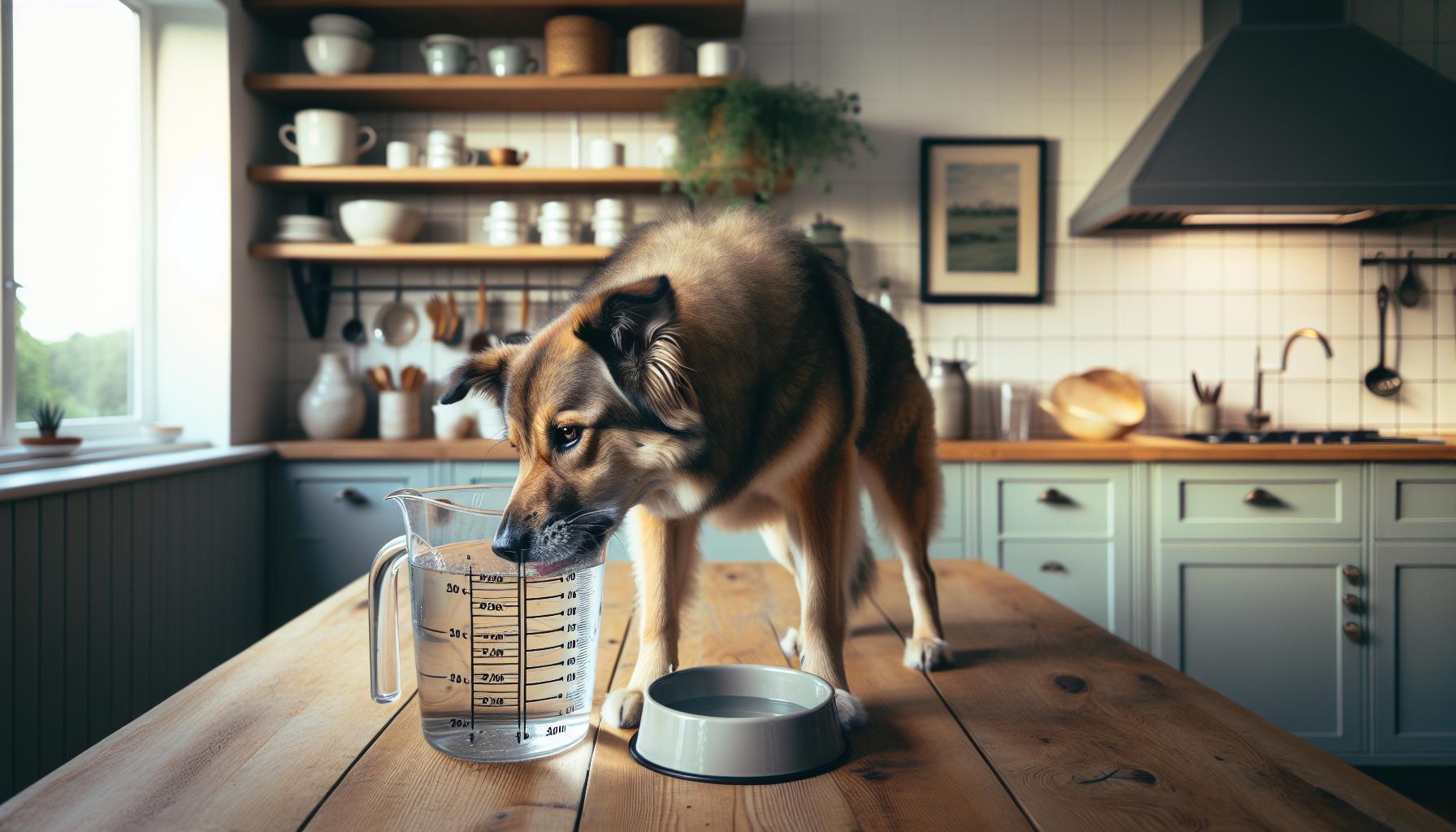
Understanding your Dog’s Daily Water Needs
is crucial for ensuring their overall health and well-being. Did you know that, on average, a dog requires about 1 ounce of water per pound of body weight each day? This means a 10-pound dog would need around 10 ounces, while a 50-pound dog needs approximately 50 ounces to stay hydrated. However, these numbers can fluctuate based on various factors such as age, breed, activity level, and environmental conditions.
Several elements can influence how much water your dog should drink daily. For example, active dogs and those exposed to warmer climates often need more water due to increased fluid loss through sweating and panting. Similarly, larger breeds like Great Danes have different hydration requirements compared to smaller breeds like Chihuahuas. It’s essential to monitor your dog’s water intake and adjust based on their behavior and needs. Providing fresh, clean water at all times is vital, and having multiple water bowls throughout your home can encourage them to hydrate more frequently.
To make hydration easier for your dog, consider the following tips:
- Always keep clean water available, refilling their bowl regularly.
- Use a pet-friendly water fountain; many dogs enjoy drinking running water.
- Add a bit of low-sodium broth to their water to entice reluctant drinkers.
- During hot weather or after exercise, encourage frequent sips by offering water breaks.
By understanding and responding to your dog’s specific hydration needs, you’ll help maintain their health and vitality. Remember, keeping an eye on your dog’s habits, especially during hot weather or after physical activity, is key to ensuring they remain adequately hydrated.
Factors Influencing Water Intake in Dogs
Understanding how much water your dog needs can feel a bit like solving a puzzle, but once you recognize the various factors influencing their intake, it becomes much clearer. One of the most significant elements is a dog’s level of activity. For instance, if your playful pup enjoys running around at the dog park or playing fetch, their need for water increases due to the fluids lost through panting and exertion. A more sedentary dog, on the other hand, will require less water on a daily basis.
Another crucial aspect affecting hydration is the environment. During hot summer months, or in a dry, arid climate, your dog may need 1.5 to 2 times more water than usual to combat heat stress and dehydration. In contrast, dogs living in cooler or humid areas may have more stable hydration needs. Similarly, the type of dog breed you have can also dictate how much water they need; larger breeds like the Labrador Retriever usually consume more than small breeds like the Dachshund due to their size and energy levels. You may want to consider keeping a breed-specific hydration needs guide accessible in your home.
Diet plays a significant role too. Dogs that eat dry kibble may need more water compared to those eating wet food, which already contains a higher moisture content. Therefore, if you’ve recently switched your dog’s diet, it’s worth evaluating their water intake to ensure they’re drinking enough. Additionally, certain health conditions can impact thirst; for example, dogs with kidney disease may drink excessively, while those with other ailments might have reduced thirst levels.
Being proactive about changes in your dog’s drinking habits is key. Regularly observing if they finish their water bowl or seem disinterested can offer insights into their hydration status. Keeping fresh water readily available and monitoring their daily intake will help you maintain a healthy balance, ensuring your furry friend thrives.
Signs of Dehydration: What to Watch For
It’s essential to recognize the signs of dehydration in dogs because they can become dehydrated much more quickly than humans, especially after vigorous activities or on hot days. Understanding these signals can be lifesaving and allows you to take immediate action to rehydrate your furry friend.
One of the first signs to look for is a change in your dog’s behavior, such as lethargy or a sudden decrease in energy. Active dogs that seem unusually tired or reluctant to engage in play may be showing early signs of dehydration. Additionally, pay attention to their skin elasticity; you can perform a simple skin test by gently pulling up on the skin at the back of their neck. If the skin doesn’t return to its normal position quickly, it can indicate dehydration.
In terms of hydration, dry or sticky gums are another significant warning sign. A healthy dog’s gums should be moist and pink; if they appear dry, pale, or even tacky to the touch, it’s time to take action. Additionally, you might observe signs such as excessive panting, which indicates that your dog is trying to regulate its body temperature; if this is coupled with a lack of interest in drinking water, it could point to dehydration.
To further understand your dog’s hydration status, monitor their urine output. If your dog is drinking enough water, their urine should be light yellow and frequent. Dark, concentrated urine or very infrequent urination can signal that they are not getting enough fluids. If you notice any of these signs, it’s crucial to offer water immediately and consult a veterinarian if symptoms persist, especially in more vulnerable breeds prone to dehydration. Keeping a close eye on your dog’s hydration levels and knowing what signs to watch for can help you ensure that they stay happy and healthy.
How to Measure Your Dog’s Water Consumption
Measuring your dog’s water consumption is crucial for keeping them healthy and hydrated. Surprisingly, many dog owners underestimate just how much water their furry friends need each day. On average, dogs should drink about one ounce of water per pound of body weight. That means a 50-pound dog should drink approximately 50 ounces or about 6.25 cups of water daily. However, this amount can vary based on several factors such as climate, activity level, and diet.
To accurately track your dog’s water intake, start by using a graduated measuring cup or a container with measurements marked on it. Pour the water into your dog’s bowl at the start of the day, taking note of how much you’ve put in. You can check the bowl periodically to see how much they’ve consumed, and at the end of the day, measure the remaining water to calculate their daily intake. This simple method gives you a clear idea of whether they are drinking enough or not.
It’s also essential to consider your dog’s unique needs based on their breed and size. For instance, larger breeds like Great Danes may drink significantly more than smaller breeds like Chihuahuas. Active breeds or those in hot climates might require even more hydration to compensate for their increased activity levels and perspiration. Keeping a hydration log over a week can further help you establish a baseline for your pet’s normal drinking habits. If you notice any significant changes or unusual patterns in their water consumption, it’s always wise to consult your veterinarian.
In addition to tracking water consumption, ensure the water bowl is always clean and fresh. Dogs may turn away from stale or dirty water, further complicating the measurement of their intake. Offering multiple water stations around your home may encourage your dog to drink more, especially if they are playful and energetic. Remember, consistent hydration is key to your dog’s overall health, so keeping an eye on their water intake should be a regular part of their care routine!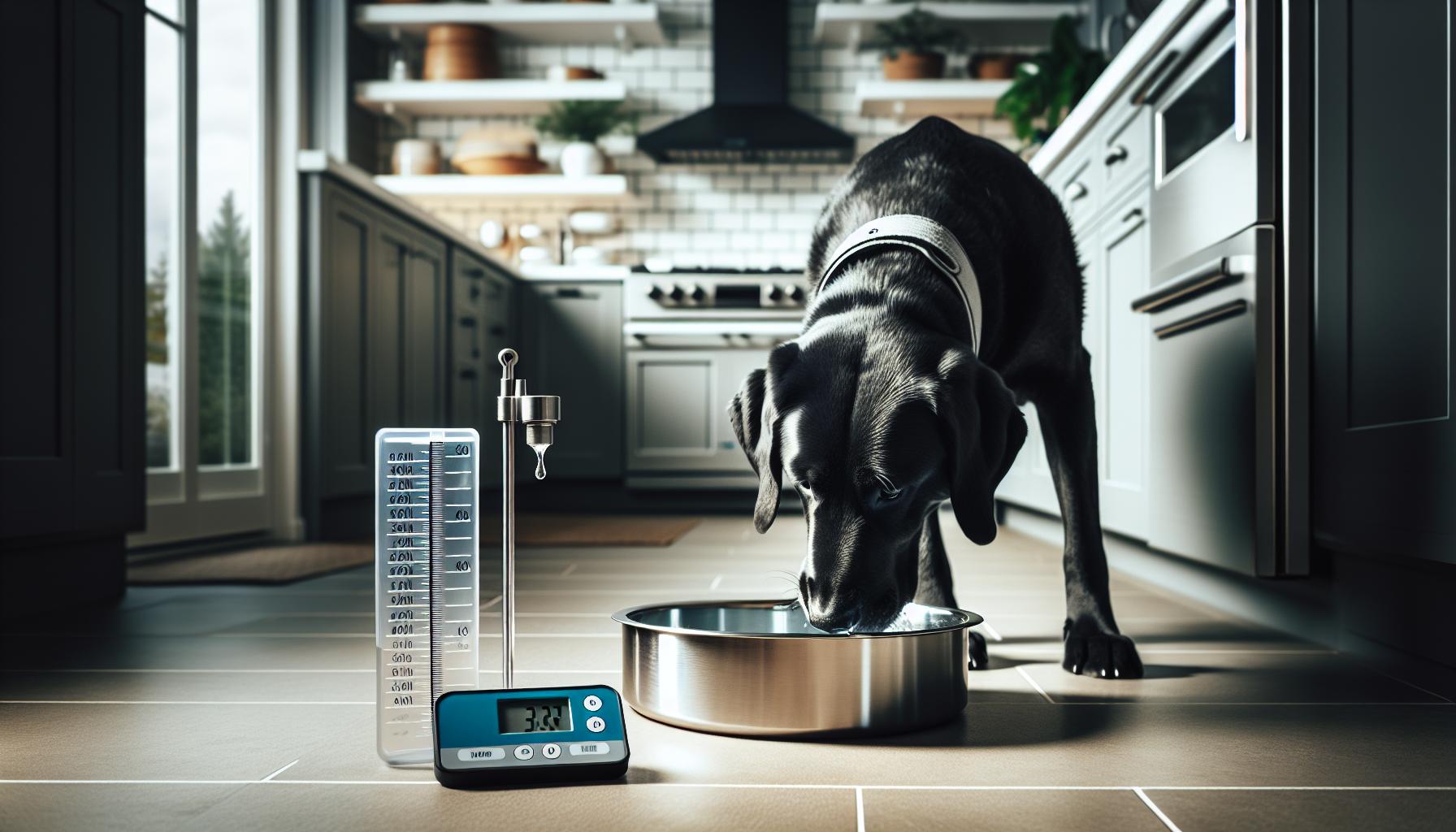
Breeds and Their Unique Hydration Needs
Understanding how different dog breeds have unique hydration needs can make all the difference in ensuring your furry friend stays healthy and vibrant. For instance, larger breeds like the Great Dane or Bernese Mountain Dog can drink considerably more water than smaller breeds like the Chihuahua or Yorkshire Terrier. A fun fact: while a Chihuahua might need around 16 ounces of water daily, a Great Dane could require upwards of 100 ounces! This difference underscores the importance of tailoring the amount of water offered to your dog’s size and breed.
Size Matters
In general, larger dogs have higher hydration needs, but activity levels also play a crucial role. Breeds that are naturally more active or energetic, such as Border Collies and Labrador Retrievers, may require additional water, especially after play or exercise. Conversely, more sedentary breeds, like the Bulldog or Basset Hound, might maintain adequate hydration with slightly less water. It’s essential to adjust their intake based on their activity level throughout the day.
Consider Breed Characteristics
Certain breeds have specific characteristics that can influence hydration needs. For example, dogs with short muzzles such as Pugs and French Bulldogs are prone to respiratory issues, which can impact their water intake indirectly. Keeping their water bowl easily accessible and replenishing it regularly helps ensure they’re drinking enough throughout the day. Similarly, dogs with thick coats, like Siberian Huskies, may be less inclined to drink as much during cooler months but will need more water during hotter weather.
Maintaining a hydration log can be beneficial, especially if you’re modifying your dog’s diet or exercise routine. Keeping track of how much water your dog drinks over the course of a week can help you better understand their unique needs and adjust accordingly. Providing fresh water at all times and using a clean bowl can encourage your dog to drink more. Remember, the goal is to keep your best friend happy and hydrated, no matter the breed!
Adjusting Water Intake for Activity Levels
Adjusting your dog’s water intake based on their activity levels is essential for maintaining their health and vitality. Did you know that a highly active dog, like a Border Collie or a Labrador Retriever, might need nearly double the amount of water than a more sedentary breed such as a Bulldog? This variation is crucial to consider, especially when it comes to exercise, play, and the overall lifestyle of your furry friend.
To ensure your dog stays hydrated, start by observing their activity throughout the day. If your dog enjoys long walks, vigorous play sessions, or agility training, their water needs will significantly increase. After an extensive activity period, always offer fresh water-a quick drink can help prevent dehydration and replenish the fluids lost through panting and exertion. You might find it beneficial to carry a portable water bottle and bowl during outings, making it easier to keep them hydrated while on-the-go.
For dogs that are less active, it’s important to understand that they still require adequate hydration but may not need as much. Older dogs or those with certain health conditions may also drink less. Keep an eye on their water bowl and observe if they are drinking enough; if not, try encouraging them with fresh water or adding ice cubes to their bowl to entice them to drink.
In particular, knowing the specific hydration needs of varying breeds based on their activity levels can be beneficial. For instance, high-energy breeds like Australian Shepherds or Siberian Huskies, especially during warm weather, will likely need more frequent access to water compared to lower-energy breeds like Shih Tzus. Here’s a simple comparison of general water needs based on breed activity:
| Breed Type | General Water Needs (ounces/day) | Hydration During Activity |
|---|---|---|
| High Energy (e.g., Border Collie, Labrador Retriever) | 60-100+ | Frequent breaks to hydrate |
| Moderate Energy (e.g., Cocker Spaniel, Beagle) | 30-60 | Occasional hydration during play |
| Low Energy (e.g., Bulldog, Shih Tzu) | 20-40 | Regular access, especially in warm weather |
By adjusting their water intake according to their activity levels, you can help prevent issues like dehydration or urinary tract problems, ensuring your dog remains happy and healthy. The goal is to provide a healthy balance of hydration that accommodates their lifestyle, allowing them to thrive no matter how active they are!
The Role of Diet in Hydration
It’s a common misconception that water is the sole source of hydration for dogs; however, the foods they consume play a significant role as well. For instance, if your furry friend enjoys wet dog food, it can provide a substantial amount of moisture to their diet-often containing around 70-80% water. This added hydration can be especially beneficial for dogs that do not drink enough water on their own.
How Diet Influences Hydration
The type and quality of food you choose for your dog can greatly influence their overall hydration. Dry kibble, while convenient, generally offers less moisture-around 10% at most. Therefore, if kibble is the primary source of their nutrition, you’ll need to be proactive in ensuring they drink enough water. On the other hand, a mixed diet that incorporates both wet and dry food can provide a balanced approach, making hydration easier to maintain.
Breed-Specific Dietary Considerations
Different breeds have varying dietary needs, and these can further influence hydration. For example:
| Breed Type | Food Recommendation | Hydration Impact |
|---|---|---|
| Large Breeds (e.g., Great Dane, St. Bernard) | High-quality, moisture-rich foods | Supports hydration and reduces bloat risk |
| Small Breeds (e.g., Chihuahua, Pomeranian) | Balanced diet with wet and dry mix | Encourages drinking for smaller stomachs |
| Active Breeds (e.g., Border Collie, Labrador Retriever) | High-protein options, wet food for energy | Increased moisture from food helps recovery |
Tips to Enhance Hydration Through Diet
- Incorporate Moisture-Rich Foods: Mix wet food with dry kibble to enhance moisture intake.
- Add Water to Meals: When serving dry kibble, consider adding a bit of water or low-sodium broth to increase hydration.
- Homemade Diets: If you prefer preparing home-cooked meals, include ingredients with high water content, like pumpkin or sweet potatoes, to boost overall hydration.
By being mindful of your dog’s diet and making adjustments based on their breed, activity level, and personal preferences, you not only contribute to their happiness but also to their health and hydration needs. A well-rounded nutritional approach ensures that your loyal companion stays hydrated and thrives in their daily life!
How Weather Affects Your Dog’s Water Needs
Extreme weather conditions can significantly impact a dog’s hydration needs, making it crucial for pet owners to stay vigilant. During hot summer days, dogs may require up to twice the usual amount of water due to increased evaporation and perspiration. For instance, a medium-sized active dog normally drinks about 1 to 2 cups of water per day, but in sweltering heat, they might need 3 to 4 cups, especially after playtime or long walks in the sun. This increase is not just a response to temperature; heat stress and the potential for overheating are serious risks.
In contrast, cold weather can also affect water intake, albeit in different ways. Some dogs may drink less in the winter since they are less active and might not feel as thirsty. However, the dry indoor air caused by heating systems can lead to dehydration. It’s essential to provide fresh water at all times and consider factors like the humidity level in your home when monitoring your dog’s hydration.
Breed-Specific Hydration Needs
Different dog breeds have varying tolerances and responses to weather changes, affecting their hydration needs. Here’s a quick comparison:
| Breed Type | Summer Needs | Winter Needs |
|---|---|---|
| Short-Nosed Breeds (e.g., Bulldog, Pug) | Higher risk of overheating; ensure constant access to water | May need monitoring to ensure they drink enough |
| Large Breeds (e.g., Great Dane, St. Bernard) | Increased water intake due to larger body mass | Monitor hydration when indoors; encourages water consumption |
| Active Breeds (e.g., Labrador Retriever, Border Collie) | Major increase after exercise; hydrate post-activity | Still need hydration, even when less active |
Practical Tips for Keeping Your Dog Hydrated
- Regular Checks: On hot days, check your dog’s water bowl frequently to ensure it’s full and fresh.
- Cooling Strategies: During outdoor play in the heat, take breaks for water or provide cooling vests.
- Indoor Comfort: In winter, keep water bowls in warmer areas of your home and freshen the water often to encourage drinking.
- Observe Behavior: Watch for signs that your dog may need more water, such as increased panting or lethargy.
By being aware of how weather affects your dog’s hydration and adjusting accordingly, you can help ensure their health and comfort year-round. Whether going for a winter hike or enjoying lazy summer days, providing your dog with adequate water means a happy, healthy companion at your side.
Tips for Encouraging Your Dog to Drink More Water
Keeping your furry friend hydrated is vital for their health and happiness, yet many dogs can be reluctant to drink water regularly. One effective strategy is to enhance their drinking experience to make it more appealing. For instance, consider adding ice cubes to their water bowl. Many dogs love to chew on ice, and it can be a fun way to encourage them to drink more as they play. Additionally, if your dog enjoys flavor, try adding a splash of low-sodium broth or a bit of dog-friendly electrolyte water to their regular water. This not only makes it taste better, but it can motivate even the most hesitant drinkers to take a sip.
Another great approach is to ensure that fresh water is always accessible and presented in a way that invites drinking. Invest in a pet water fountain; many dogs prefer running water over stagnant water, and these fountains often encourage them to drink more. Ensure you clean the bowl or fountain daily-dogs are sensitive to smells and residue, so a fresh environment can make a big difference.
Creating a routine can also be helpful. Offer water at regular intervals throughout the day and especially after exercise or playtime, since dogs may instinctively hydrate more when they feel they should. Adding hydration breaks during walks or outdoor playtime is another proactive approach to keep their intake consistent. Keep an eye on your dog’s habits; if they seem less inclined to drink, it might be time to reassess their setup or explore a new method that could suit their preferences better.
Lastly, remember that certain breeds may need extra encouragement to drink more. For example, breeds with shorter snouts, like Bulldogs and Pugs, can sometimes struggle with traditional bowls due to their design; try experimenting with different types of bowls or even elevating the water dish to a more comfortable height to see if that encourages them to drink. Being attentive to your dog’s specific needs fosters a healthier lifestyle and contributes to overall well-being.
Common Myths About Dog Hydration Debunked
Many dog owners are misled by common misconceptions about their pet’s hydration needs. For instance, some believe that dogs only need water when they seem thirsty, but this is not entirely accurate. Like humans, dogs require a consistent intake of water throughout the day to maintain optimal health and bodily functions. A lack of sufficient hydration can lead to severe health issues, including kidney failure. Proper hydration supports vital bodily processes such as digestion, circulation, and temperature regulation.
Another prevalent myth is that the amount of water a dog drinks depends solely on its size or breed. While breed and size do play a role, factors such as age, activity level, diet, and environmental conditions are also important. For example, active dogs or those fed dry kibble will typically require more water compared to less active dogs or those fed wet food. Additionally, larger breeds like Great Danes might require more water overall, but smaller breeds like Chihuahuas have a proportionally higher need relative to their size, making it essential to assess each dog’s unique circumstances when determining their hydration needs.
Some people think that all dogs can drink the same type of water, but that’s not the case! Dogs can be sensitive to different water sources. Tap water can sometimes contain chemicals or contaminants not suitable for every dog, leading to reluctance in drinking. In such situations, filtered water or bottled water might be more appealing.
It’s also essential to debunk the myth that dogs won’t drink enough water in cold weather. Cold weather can actually decrease their thirst response, leading to dehydration if not managed carefully. Ensuring fresh water is always available, and perhaps warming it slightly in colder months can encourage your dog to drink adequately.
By understanding these myths and the realities of your dog’s hydration needs, you can take proactive steps to ensure they remain healthy and happy. Recognizing that reliable access to water is a cornerstone of dog care will empower you to provide for your dog effectively.
When to Consult a Veterinarian About Hydration
When it comes to hydration, understanding your dog’s signals is crucial. Dogs can’t vocalize their discomfort or needs as humans do, which can make it challenging to determine when it’s time to consult a veterinarian regarding hydration issues. A general rule of thumb is that if your dog shows any unusual behavior regarding drinking, such as drastically increasing or decreasing their water intake, this could signal an underlying health concern that warrants professional attention.
A sudden change in drinking habits is particularly noteworthy. For example, if your typically drink-loving Labrador retriever suddenly becomes hesitant to drink or shows reluctance to approach the water bowl, it might indicate underlying health problems like kidney disease, diabetes, or dental issues. Similarly, on the flip side, if your dog is guzzling water excessively, it could be a sign of conditions such as Cushing’s disease or liver issues. Keeping track of your dog’s usual water intake and any health manifests can provide invaluable information to your vet.
Aside from alterations in drinking habits, it’s essential to observe other symptoms. Look for signs of dehydration, such as dry gums, lethargy, loss of skin elasticity, or decreased urine output. If you notice any of these signs alongside changes in water consumption, it’s time to seek veterinary advice immediately. Early intervention can often prevent serious complications, so don’t hesitate to call your vet if you have concerns.
Regular health check-ups are also vital, as these provide your veterinarian with insight into your dog’s health and hydration needs. During these visits, don’t forget to discuss your dog’s specific breed and its hydration requirements, as different breeds may have distinct needs. For instance, large breeds may need more water due to their size, while small breeds might require proportionally more water relative to their size. This tailored approach helps ensure your furry friend remains hydrated and healthy, giving you peace of mind as a devoted owner.
Best Practices for Providing Fresh Water
Providing your dog with clean, fresh water is one of the simplest yet most significant aspects of responsible pet ownership. Dogs, like all living beings, require hydration to thrive, and maintaining availability can dramatically affect their overall health and happiness. On average, dogs need about one ounce of water for every pound of body weight daily; however, this can vary based on factors such as size, breed, activity level, and weather conditions. Therefore, ensuring a steady supply of fresh water not only quenches their thirst but also promotes proper digestion, nutrient absorption, and temperature regulation.
To create an optimal hydration station for your furry friend, consider the following tips:
- Provide Multiple Water Bowls: If you have a larger home or multiple floors, placing water bowls in different locations encourages your dog to drink throughout the day. This is especially useful for breeds prone to dehydration.
- Choose the Right Bowl: Some dogs prefer certain types of bowls. Wide, shallow bowls can work well for flat-faced breeds, while larger breeds may benefit from elevated dishes to reduce strain on their necks.
- Regularly Refresh Water: Change your dog’s water at least once a day, or more often in hot weather or after outdoor play. Stale water can become unappealing due to dust and debris, which might deter your dog from drinking.
- Monitor Water Levels: Keep an eye on how much water your dog is consuming, adjusting the amount available based on their needs and environment. If you notice significant changes in their drinking habits, consult with your veterinarian.
In addition to these straightforward practices, consider using specially designed water fountains that keep water flowing and aerated. Dogs often enjoy drinking from running water, making fountains a fun way to encourage hydration. Also, in hot weather, you might tempt your dog to drink more by adding ice cubes or offering chilled water, which can be refreshing during those sweltering summer months.
By focusing on these best practices, you not only meet your dog’s hydration requirements but also contribute to their overall well-being. With a little attention and care, you’ll ensure that your furry companion stays hydrated and happy, ready for all the adventures that lie ahead!
Frequently asked questions
Q: How much water should a dog drink daily based on weight?
A: Generally, a dog should drink about 1 ounce of water per pound of body weight each day. For example, a 20-pound dog would need approximately 20 ounces of water daily. Adjust this amount based on factors like activity level and weather conditions.
Q: What are the signs that my dog is drinking too much water?
A: Signs that your dog may be over-drinking include frequent urination, excessive thirst, or watery stool. If you notice these symptoms, consult a veterinarian to rule out health issues.
Q: Does the type of food affect a dog’s water intake?
A: Yes, a dog’s diet can impact hydration needs. Dogs fed dry kibble may require more water compared to those eating wet food, as wet food contains a higher moisture content. Adjust their water availability accordingly.
Q: How can I tell if my dog is dehydrated?
A: Dehydration signs in dogs include dry gums, lethargy, loss of skin elasticity, and increased heart rate. If you notice these signs, ensure your dog has access to fresh water and consult a veterinarian if concerns persist.
Q: How often should I refresh my dog’s water?
A: It’s best to refresh your dog’s water at least once daily to ensure it’s clean and appealing. More frequent changes may be necessary in hot weather or if your dog frequently spills or soils the water bowl.
Q: Can puppies drink the same amount of water as adult dogs?
A: Puppies generally need more water relative to their body weight than adult dogs due to their rapid growth and higher activity levels. Monitor their intake and consult a vet for specific recommendations based on age and breed.
Q: How does age affect a dog’s water consumption?
A: Older dogs may require slightly less water than younger dogs, but they are also at a higher risk for dehydration. Ensure they have constant access to water, and consult your vet if you notice changes in their drinking habits.
Q: What temperature should water be for my dog?
A: Dogs usually prefer their water at room temperature, as very cold water can be uncomfortable for them. Make sure the water is fresh and palatable to encourage regular drinking.
Insights and Conclusions
Thank you for diving into “How Much Water Does A Dog Drink A Day: Normal Intake Range.” Remember, maintaining proper hydration is crucial for your dog’s overall health and well-being. If you have specific concerns, like your dog’s drinking habits or potential health issues related to hydration, don’t hesitate to consult with your veterinarian.
For more insights, check out our related articles on the importance of hydration in different dog breeds and tips for encouraging your pup to drink more water. Want to stay updated on essential pet care information? Subscribe to our newsletter for expert tips and exclusive resources!
Your furry friend deserves the best care possible, and understanding their hydration needs is a significant step in that journey. Don’t forget to share your thoughts in the comments and explore more of our engaging content designed to support you in your pet parenting adventure!