
Did you know that proper hydration is just as crucial for dogs as it is for humans? Just like us, our furry friends need water to maintain their health, energy levels, and overall well-being. However, figuring out how much water your dog actually needs can be confusing, especially when considering factors like size, activity level, and climate. That’s why we’ve created our personalized water calculator to help you determine the ideal amount of water for your pup. Understanding your dog’s hydration needs not only helps prevent dehydration but also supports their vitality and longevity. Whether you’re a first-time dog owner or a seasoned handler, this tool aims to empower you to make informed decisions for your pet’s health. Dive in and discover how to keep your beloved companion well-hydrated!
Understanding Your Dog’s Unique Hydration Needs
Understanding your dog’s hydration needs is crucial for their overall health and well-being. Just like humans, dogs require adequate water to maintain vital bodily functions, and understanding the specifics of their hydration can prevent a range of health issues. Did you know that a dog can lose up to 10% of its body weight in water before experiencing severe health consequences? This alarming fact underscores why staying informed about your dog’s unique hydration requirements is essential.
Many factors influence how much water your dog needs. For instance, a dog’s age, weight, and activity level play significant roles. Active dogs, such as those who frequently participate in agility or hunting, require significantly more water than a lounging lap dog. Additionally, environmental conditions-like heat and humidity-can increase their water consumption. Understanding these factors allows you to better cater to your dog’s needs.
For example, large breeds such as Great Danes might need up to a gallon of water a day, while smaller breeds like Chihuahuas may only need a pint. Your dog’s diet also contributes; dry kibble can increase water needs compared to wet food options. To help monitor this, consider using a personalized water calculator that factors in your dog’s specific circumstances.
Here are some quick tips for ensuring your dog stays well-hydrated:
- Easy Access: Always provide fresh, clean water. Consider multiple water bowls throughout your home.
- Encourage Drinking: Add ice cubes to the water during warmer months or try dog-friendly broths to entice them.
- Monitor Intake: Keep an eye on their water bowl; if it seems to be empty more frequently, they might need more.
By paying attention to these various elements, you’ll be well-equipped to keep your four-legged friend happy and hydrated!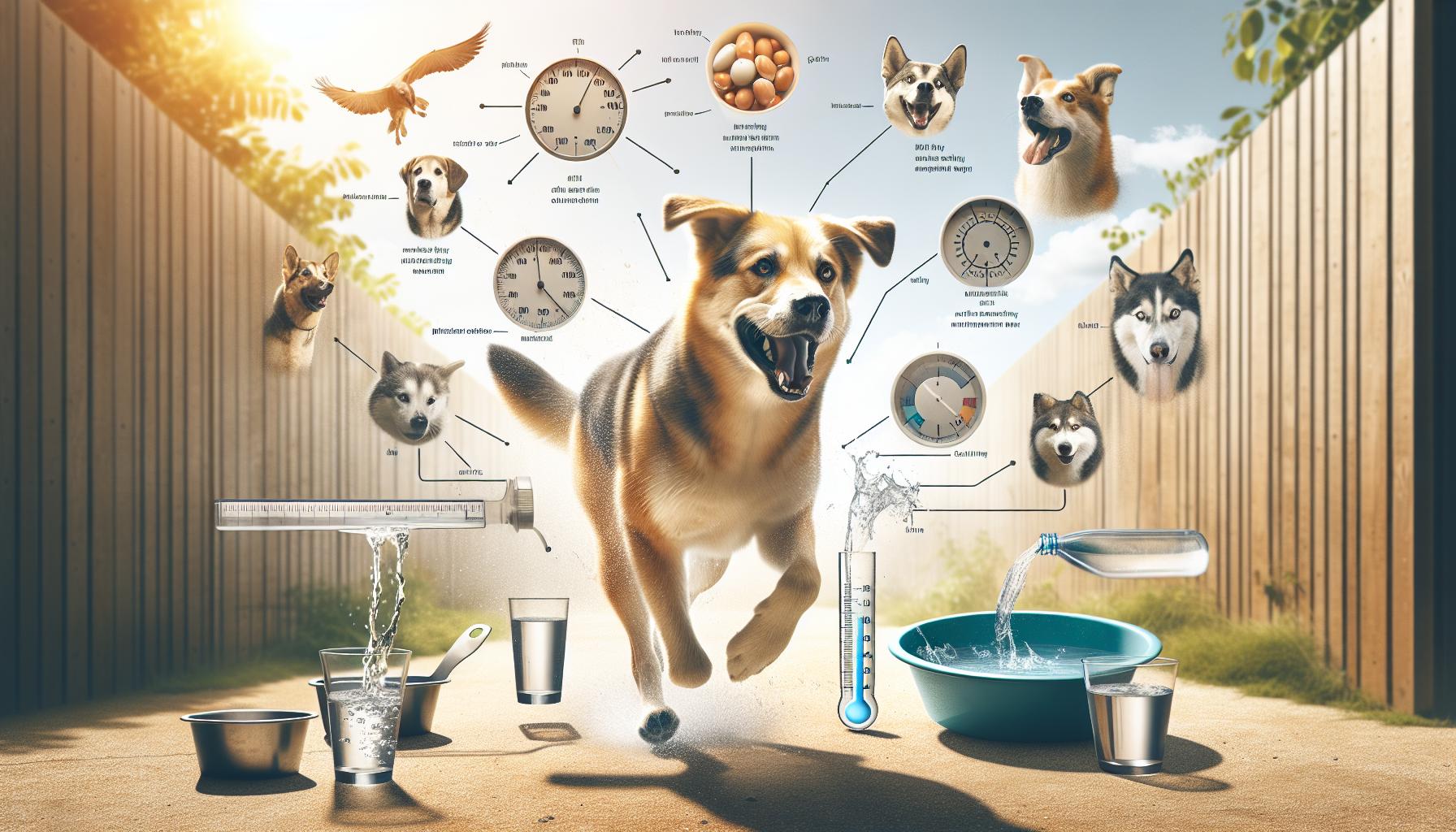
Factors That Affect Your Dog’s Water Intake
Understanding what influences your dog’s water intake can be a game changer for their health and happiness. It’s important to remember that hydration needs can vary greatly among individual dogs based on several key factors. For instance, a highly active Border Collie burns energy and loses fluids quickly during a day of herding, necessitating more water compared to a sedentary Bulldog lounging around the house.
Additionally, your dog’s age plays a crucial role. Puppies, with their developing bodies, and senior dogs, who might have health concerns, typically require different amounts of water. Active puppies may drink more as they grow, while older dogs may need frequent reminders to hydrate. Similarly, the climate in which your dog lives can impact their water requirements substantially. Hot and humid weather tends to increase the need for hydration, whereas cooler climates may result in lower water consumption.
Diet also greatly affects hydration. Dogs on dry kibble will need more water compared to those eating wet food, as the latter already contains moisture. If you’re curious about how certain breeds perform or react in varying conditions, consider this: a Great Dane might thrive in cooler weather with plenty of hydration due to their size and weight, while a tiny Chihuahua could struggle in the same environment if they don’t have access to enough water. Creating an awareness of these factors not only promotes better health for your furry friend but also fosters a deeper connection between you and your beloved pet.
Implementing strategies to encourage your dog to drink more water can be beneficial. Simple tactics like flavored water, ice cubes, or even adding water to their food can aid in keeping your dog hydrated. As you monitor your dog’s habits and adjust based on their activity level, age, and environmental conditions, you’ll reinforce a routine that ensures they remain happy and healthy at all stages of life.
Breed-Specific Water Requirements: A Closer Look
Understanding the hydration needs of different dog breeds can profoundly impact their overall health and well-being. Just as humans have varied hydration needs based on activity level, age, and environment, our furry friends do too! For instance, a high-energy breed like the Labrador Retriever requires more water to remain hydrated than a more laid-back breed like the Shih Tzu. This disparity is especially crucial if you consider activities like playdates at the park or family hikes.
When evaluating your dog’s specific needs, consider their size and fur density. Larger breeds, such as Mastiffs or Great Danes, typically need more water much like their larger body mass demands more food and nutrients. Conversely, smaller breeds like Dachshunds or Pomeranians might not drink as much but still require adequate hydration proportionate to their weight. Additionally, certain breeds with thick fur or those prone to overheating, such as Siberian Huskies or Bulldogs, may need extra water, especially during hot weather or after substantial exercise.
### Breed-Specific Considerations
Here’s a quick reference to help you determine how much water different breeds may need:
| Breed | Average Daily Water Intake | Factors Affecting Needs |
|---|---|---|
| Labrador Retriever | 1.5 – 2.5 cups | High activity level, ongoing training sessions |
| Bulldog | 0.5 – 1.5 cups | Lower activity, susceptibility to overheating |
| Chihuahua | 0.5 – 1 cup | Size, metabolism, and environment |
| Golden Retriever | 1.5 – 3 cups | Active lifestyle, size, warmth of climate |
### Practical Advice for Dog Owners
As a dog owner, you can help your dog maintain hydration through simple steps. Always provide fresh water in a clean bowl, especially after outdoor play or during mealtime. If you have a small breed, consider keeping an eye on their water intake; they can be prone to dehydration without you even realizing it. Offering ice cubes and considering elevating their bowls can make drinking more appealing, especially for picky drinkers. For breeds with specific dietary needs-like those requiring higher moisture content-adding wet food or incorporating water into their meals can significantly enhance their hydration levels.
By being mindful of these breed-specific hydration needs, you can ensure that your dog remains healthy, energized, and ready for whatever adventures await!
How to Use the Personalized Water Calculator
Understanding how much water your dog needs can feel like a daunting task, but fear not! A personalized water calculator can take the guesswork out of your pet’s hydration needs, giving you a tailored amount based on various important factors. This tool acknowledges that not all dogs are created equal; their age, weight, activity level, and environmental conditions all play a critical role in how much water they should be drinking every day.
To effectively use the personalized water calculator, start by entering your dog’s weight, as this serves as the foundational element. Larger breeds typically require more water, while smaller dogs need less. Next, assess your dog’s activity level. Is your pup a busy bee, enjoying long walks and play sessions? Or do they prefer lounging around? This distinction is key, as higher activity levels generally increase hydration needs. Finally, consider any environmental factors such as climate and temperature, particularly in the hot months when dogs are more prone to dehydration.
By inputting these details, the calculator will provide an estimate tailored to your dog, which can serve as a great starting point for monitoring their water intake. However, be mindful that this is just a guideline. Observing your dog for signs of dehydration-such as lethargy, dry gums, or a lack of elasticity in their skin-will give you real-world insight into whether they need more or less water.
To ensure your dog stays hydrated, create a routine around drinking water. Place multiple water bowls accessible throughout your home and refilling them frequently. You can also encourage hydration by using a pet-friendly water fountain, which some dogs find more enticing than a standard bowl. Keeping a close eye on your dog’s drinking habits and regularly recalibrating your understanding of their hydration needs based on activity and weather conditions can lead to a happier, healthier pup!
Signs Your Dog May Not Be Drinking Enough Water
Dogs, like humans, rely heavily on proper hydration for their overall health and well-being. Not drinking enough water can lead to serious health issues, but since dogs can’t articulate their needs, it’s essential for us to recognize the signs that our furry friends may be dehydrated. Keeping an eye on their behavior and physical attributes makes a significant difference in preventing these complications.
One of the most telling indicators of insufficient water intake is a noticeable change in energy levels. If your dog seems lethargic, disinterested in play, or reluctant to take their usual walks, it could be a sign they’re not getting enough hydration. Additionally, observe their physical condition. Dry gums, a sticky mouth, or a loss of skin elasticity-exemplified by the skin not springing back promptly when gently pinched-are clear signs of potential dehydration.
Pay attention to your dog’s urination habits as well; infrequent urination or notably darker urine can indicate that they aren’t drinking enough water. In some cases, dogs may also exhibit changes in appetite, becoming less willing to eat if they are dehydrated. Keeping a consistent eye on these signs allows you to take prompt action to ensure your pet stays healthy and hydrated.
Incorporating hydration checks into your daily routine can be straightforward. Ensure that your dog always has access to fresh water, and encourage them to drink, especially after exercise or during hot weather. If you notice any of these signs, consult your veterinarian to discuss your dog’s hydration needs and possibly make adjustments to their water intake. Your attentive care can significantly contribute to your dog’s health and happiness!
Hydration Tips for Active and Working Dogs
When your furry friend is on the go, staying properly hydrated is critical to their performance and well-being. For active and working dogs, just like athletes, the impact of water intake can significantly affect their energy levels, stamina, and overall health. Engaging in strenuous activities or working long hours outdoors, dogs require more diligent hydration strategies. It’s essential to adapt your approach based on the dog’s breed, size, age, and the intensity of their activities.
To start, always ensure that clean, fresh water is readily available. Carry a portable water bowl or collapsible container during outings or work sessions so that your dog can hydrate frequently, especially after vigorous play or labor. Dogs can lose a significant amount of fluid through panting and sweating through their paw pads, so frequent watering breaks can help replace lost fluids. Aim for water breaks every 30 minutes of activity, but be attentive to your dog-if they seem fatigued or excessively pant, take a break to hydrate without delay.
Personalized Hydration Strategies
Understanding your dog’s specific needs can enhance their hydration. Here are a few tips tailored to different dogs:
- Large Working Breeds: Breeds like the German Shepherd or Labrador Retriever may need significantly more water, especially after physical tasks. Consider offering an electrolyte solution designed for dogs after a long day of work.
- Small Active Breeds: Dogs like the Chihuahua or Pomeranian, while smaller, still require adequate hydration. Their smaller bodies can dehydrate faster, so monitor their intake and offer little sips often.
- High-Energy Dogs: Breeds known for their energy, like the Border Collie or Australian Shepherd, can become overheated quickly. Always keep cool, shaded areas available for breaks, and make sure to check their water bowls regularly.
Remember that hydration can also come from food. If feeding your dog kibble, consider supplementing with water-rich foods or adding water to the kibble before serving. This is especially beneficial for those who may not drink as much water. Even adding a little low-sodium broth can entice a finicky drinker.
Engaging your dog in a little active play? For every session of agility or fetching, provide a refreshing water break afterward to help them recuperate and especially after meals.
Being mindful of their hydration not only supports their physical health but also enhances their working capabilities, allowing them to perform at their best, whether they’re retrieving a ball or assisting in daily tasks. A little preparation goes a long way in ensuring your active companions remain healthy and happy!
Adjusting Water Intake in Hot Weather
As temperatures rise, keeping your furry friend properly hydrated becomes more crucial than ever. A dog’s ability to regulate its body temperature is significantly influenced by its level of hydration. During warmer weather, dogs can lose fluids quickly through panting, which is their primary cooling mechanism, and as a result, it’s essential to adjust their water intake accordingly.
Start by increasing access to fresh water. Always ensure that your dog has access to clean water at all times, especially when outdoors. Consider investing in a portable water bowl or a hydration pack for longer outings. For those particularly hot days, check and refill their water supply frequently to encourage consistent drinking. Aim to offer water breaks every 15-20 minutes during play or exercise sessions, as this can help stave off dehydration and overheating.
Breed-specific guidelines also play a vital role in how much extra hydration your dog may need in hot weather. Large breeds, such as the Mastiff or Bernese Mountain Dog, can struggle with heat more than smaller breeds. These larger dogs might benefit from additional cooling measures, such as shaded resting spots or cooling mats, along with increased water. On the other hand, small breeds like the Chihuahua may find it hard to cope with heat due to their lower body mass, so offering small, sips of water more frequently can help prevent overheating.
Lastly, the type of activity matters too. If your dog is engaging in vigorous exercise, they will need more water than during leisurely walks. Playing fetch, running, or participating in agility classes should be followed by a generous hydration break to replenish lost fluids. Adding moisture-rich foods, such as wet dog food or fresh fruits like watermelon and cucumber (in moderation and safe for dogs), can also contribute to overall hydration. Remember, your awareness and proactive approach to hydration can greatly contribute to your dog’s health and happiness during the hottest days of the year!
The Role of Diet in Your Dog’s Hydration
A dog’s hydration doesn’t solely rely on the water bowl; the food they eat plays a substantial role too. Many pet owners may not realize that certain diets can contribute significantly to their dog’s overall fluid intake. For instance, wet dog food typically contains around 70-80% moisture, while dry kibble has only about 10%. This means that if your dog eats a diet rich in wet food, they may not need as much water available because they’re already getting hydration from their meals.
When considering the hydration impact of your dog’s diet, it’s essential to understand the differences across various types of food. Dogs consuming a balanced diet rich in natural ingredients, especially fruits and vegetables, can benefit significantly. Foods like cucumbers, watermelon, and even carrots can provide both hydration and vital nutrients. These not only hydrate but also add fiber and vitamins to their diet, contributing to overall health.
Factors to Consider in Your Dog’s Diet for Hydration
- Type of Food: Wet food is beneficial for hydration, while dry kibble may require your dog to drink more water.
- Ingredients: Look for foods with high moisture content and rich in natural ingredients.
- Dietary Needs: Senior dogs or those with certain medical conditions may require specific dietary adjustments that affect hydration.
Ultimately, ensuring your dog’s diet complements their hydration needs means being attentive to the food you provide. A blended diet, incorporating both dry and wet food, could be an excellent strategy to balance their hydration levels. As a proactive pet owner, keeping track of your dog’s food and water intake, especially in differing weather conditions and activity levels, can make a meaningful difference in their health and well-being. By focusing on both hydration through water and diet, you’re taking vital steps in promoting your dog’s overall happiness and health.
Water Alternatives: Is My Dog Getting Enough?
It’s a common misconception that water is the only source of hydration for your dog. In reality, there are several alternatives that can keep your furry friend hydrated and happy. For instance, certain fruits and vegetables can serve as refreshing treats that not only satisfy your dog’s taste buds but also contribute significantly to their daily water intake. Options like cucumbers, watermelon, and even strawberries are not just tasty; they’re hydrating snacks packed with vitamins.
When considering hydration alternatives, it’s essential to choose options that align with your dog’s dietary needs and preferences. Some pet owners might not realize that homemade broths can also be an excellent source of hydration. Simply boil some chicken or beef in water (without added salt or seasoning), allow it to cool, and serve it to your dog. This broth not only provides hydration but also offers the added benefit of flavor, encouraging your dog to drink more fluid. Just be cautious with ingredients, ensuring they are safe for canine consumption.
When to Consider Water Alternatives
While water should still be the primary source of hydration, these alternatives can be especially beneficial during certain scenarios:
- Hot Weather: During peak temperatures, adding ice cubes made of broth or freezing fruits can entice your dog to hydrate more.
- Active Dogs: If your dog is particularly active, consider offering a mix of wet food and hydrating snacks before and after exercise to replenish lost fluids.
- Senior Dogs: Older dogs may have decreased thirst, so incorporating juicy treats can help maintain hydration.
By integrating these hydration alternatives into your dog’s routine, you’re not only providing variety in their diet, but you’re also enhancing their overall health. Regularly monitoring their water intake and recognizing the signs of dehydration-like dry gums or lethargy-are critical steps in ensuring your dog remains hydrated. Keeping a keen eye on these factors, and adapting their hydration sources accordingly, can lead to a happier, healthier life for your beloved companion.
Common Myths About Dogs and Hydration
It’s easy to fall into the trap of myth when it comes to dog care, especially regarding hydration. One prevalent misbelief is that all dogs should drink the same amount of water. In reality, a dog’s hydration needs can vary drastically depending on factors like size, age, activity level, and even diet. For instance, an active Labrador may need significantly more water than a sedentary Chihuahua. By using personalized calculators that take these variables into account, you can better understand how much water your specific dog needs to stay healthy and energetic.
Another common misconception is that dogs only require water during physical activity or hot weather. While it is crucial for dogs to drink more during these times, hydration is an ongoing necessity for their overall well-being. A dog can become dehydrated even in cooler weather or with minimal exercise, especially if they are consuming dry kibble, which has lower moisture content than wet food. It’s essential to always monitor their water intake and encourage them to drink regularly throughout the day, regardless of the climate.
Many pet owners also believe that a dog’s thirst is a reliable indicator of hydration. However, older dogs or those with certain health conditions may not drink enough simply because they do not feel thirsty. This underscores the importance of proactive hydration practices. Incorporating water-rich foods into their diet, like canned food or fruit treats, can assist in maintaining adequate hydration levels. Observing subtle signs of dehydration, such as dry nose or lethargy, can help you take action before it becomes an issue.
Finally, there’s the fallacy that dogs will naturally drink enough water if it’s available. This assumption can lead to serious health risks. By understanding the facts about hydration and implementing a routine that considers individual needs, you’ll ensure your furry companion stays properly hydrated and happy. Providing fresh water, considering hydration alternatives, and utilizing tools like personalized calculators can make a significant difference in managing your dog’s health.
Maintaining a Healthy Hydration Routine
Maintaining your dog’s hydration is more than just filling a bowl with water; it’s about creating a routine that ensures your furry friend stays healthy and happy. Did you know that a dog’s water intake should match their lifestyle and breed? For example, a playful Golden Retriever may need more water than a relaxed Bulldog. By establishing a system based on your dog’s unique needs, you can support their overall health and prevent dehydration.
A practical approach to involves regularly monitoring your dog’s water consumption. One easy method is to keep track of how much water you fill their bowl with in the morning and observe how much is left by evening. This simple practice can help you gauge their intake and adjust accordingly. Aim for a fresh supply of clean water throughout the day, and consider placing multiple water bowls in various locations around your home, especially if you have a larger space or multiple pets. This encourages them to drink more, as they won’t have to wander far to quench their thirst.
Furthermore, integrating hydration-rich foods into your dog’s diet can boost their overall fluid intake. Options like canned food, fresh fruits (like watermelon or blueberries), and even homemade canine treats can enhance their hydration while providing additional nutrients. If you’re unsure about adding these to their diet, consult with your veterinarian for recommendations tailored to your dog’s health and dietary needs. Alongside these dietary adjustments, observe your dog’s behavior-signs of increased thirst, reduced energy, or dry skin can indicate that it’s time to take action.
Lastly, maintaining an optimal hydration routine means being prepared for varying environmental conditions. In warmer weather or during active playtime, ensure that your dog takes frequent breaks to hydrate. It’s also essential to adjust their water bowl accordingly, perhaps using a larger or spill-proof bowl to accommodate their increased needs. For those dogs who may not be enthusiastic about drinking, you can also consider using ice cubes as a cool treat or adding water to their kibble to make it more appealing. Through thoughtful monitoring and creative solutions, you can ensure your dog has the fluid balance they need to thrive.
Veterinary Insights on Dog Hydration Needs
Veterinarians emphasize that hydration is critical to your dog’s overall health, and understanding their specific needs can make all the difference. Did you know that a dog’s water intake can depend on various factors such as size, activity level, diet, and environmental conditions? For instance, larger breeds like Great Danes or very active dogs such as Border Collies may require significantly more water compared to smaller or less active breeds. This variability underscores the importance of a personalized approach to hydration.
To gauge how much water your dog needs, consider a few simple guidelines. Generally, dogs need about one ounce of water per pound of body weight each day. However, this can vary based on factors like exercise, temperature, and individual health. For example, a playful Labrador retriever might need more water on a hot day after an intense play session than they would on a cooler day. Additionally, dogs that eat dry kibble typically need more drinking water compared to those who have wet or raw diets, which can contain higher moisture content.
Ways to Determine Your Dog’s Water Needs
Consultation with your veterinarian can also provide insights tailored specifically to your dog. They can help you establish a baseline for your dog’s water intake based on their unique lifestyle and medical history. It’s always a good idea to keep a journal of your dog’s water consumption-recording when they drink and any fluctuations in their intake. This habit can reveal patterns that might need attention, especially if there are sudden changes that may indicate health issues.
- Daily Water Intake: Aim for approximately 1 ounce per pound of body weight.
- Diet Considerations: Wet food can reduce the need for additional water.
- Exercise Level: Active dogs may need up to double their regular intake.
- Environmental Factors: Higher temperatures demand increased hydration.
By observing your dog’s habits and seeking veterinary advice, you create a supportive approach that encourages proper hydration. Your vet can provide tips on monitoring your dog’s water consumption and recognizing any signs of dehydration, such as lethargy, dry gums, or decreased skin elasticity. Being proactive in this area not only enhances your dog’s well-being but also prevents potential health complications related to dehydration.
Frequently Asked Questions
Q: How can I calculate my dog’s water needs accurately?
A: To calculate your dog’s water needs accurately, consider their weight, activity level, and climate. A general guideline is to provide 1 ounce of water for every pound of body weight. For precise calculations, use a personalized water calculator that factors in these variables. Visit the “How to Use the Personalized Water Calculator” section for more details.
Q: What are the signs that my dog is dehydrated?
A: Signs of dehydration in dogs include dry gums, lethargy, decreased skin elasticity, and reduced urine output. If you notice these symptoms, encourage your dog to drink water immediately or consult your veterinarian for further guidance. Check the “Signs Your Dog May Not Be Drinking Enough Water” section for more insights.
Q: Does my dog’s diet affect their water intake?
A: Yes, your dog’s diet can significantly affect their water intake. Dogs on dry kibble typically require more water than those eating wet food, which contains higher moisture content. To maintain optimal hydration, ensure you adjust water availability based on their diet type. See “The Role of Diet in Your Dog’s Hydration” for more information.
Q: How much water should puppies drink daily?
A: Puppies typically need about half a cup of water for each pound they weigh, divided into several smaller servings throughout the day. Their hydration needs will vary with growth and activity; always ensure fresh water is accessible. Review the “Understanding Your Dog’s Unique Hydration Needs” section for additional puppy care tips.
Q: What should I do if my dog refuses to drink water?
A: If your dog refuses to drink water, try offering fresh, filtered, or flavored water to entice them. You can also encourage water intake through wet food or ice cubes. If the issue persists, consult your veterinarian to rule out underlying health problems. See “Common Myths About Dogs and Hydration” for further insight on hydration strategies.
Q: Does weather affect how much water my dog needs?
A: Yes, hot weather increases your dog’s hydration needs as they lose more fluids through panting. Ensure they have constant access to clean water, and adjust their intake accordingly. For tips on managing hydration during heat, refer to the “Adjusting Water Intake in Hot Weather” section.
Q: How can I tell if my dog is drinking enough water?
A: To determine if your dog is drinking enough water, monitor their output-consistent urination and light-colored urine indicate good hydration. Additionally, check for moist gums and healthy skin elasticity. Refer to “Maintaining a Healthy Hydration Routine” for detailed monitoring tips.
Q: Can certain dog breeds require different amounts of water?
A: Yes, breed-specific traits can influence water needs. Larger breeds or those with high energy levels often require more water than smaller or less active breeds. Consult the “Breed-Specific Water Requirements: A Closer Look” section for detailed guidance based on your dog’s breed.
Closing Remarks
Now that you know how to determine your dog’s water needs with our personalized calculator, it’s time to take action! Hydration is essential for your dog’s health, and ensuring they drink enough can significantly impact their overall well-being. If you’re curious about other important aspects of dog care, consider exploring our articles on “Best Dog Food for Every Breed” and “Essential Dog Care Tips” for more insights.
Don’t forget to check back for updates and share your thoughts in the comments below-your experiences can help fellow dog owners! Sign up for our newsletter for the latest tips and tools to keep your furry friend healthy and happy. Remember, a well-hydrated dog is a happy dog, so take the next step towards providing optimal care today!