Did you know that while hydration is crucial for your dog’s health, too much water can lead to serious issues like water intoxication? Understanding the right balance of hydration is vital for every dog owner. Overhydration, although less common than dehydration, can cause symptoms such as lethargy, bloating, and even loss of coordination. As a responsible pet parent, recognizing the signs and limits of water intake is essential to keep your furry friend healthy and happy. In this article, we’ll explore how much water is too much for your dog, helping you navigate their hydration needs with confidence. Continue reading to find practical tips and expert insights that will empower you to ensure your dog drinks just the right amount!
Understanding Overhydration in Dogs: What It Means
Water is essential for a dog’s health, but just as with any aspect of care, too much of a good thing can lead to problems. Understanding overhydration is crucial for every dog owner. Overhydration, or water intoxication, occurs when a dog consumes an excessive amount of water in a short time, overwhelming their body’s ability to regulate fluids. This can lead to serious health risks, including electrolyte imbalances, which can be life-threatening if not addressed promptly.
Recognizing when your dog is drinking too much water is vital. While dogs naturally vary in their water intake based on factors like size, activity level, and diet, suddenly drinking more than usual could indicate an issue. Common signs of excessive water consumption include lethargy, vomiting, and bloating. In severe cases, you might observe loss of coordination or seizures, which are critical symptoms that require immediate veterinary attention. It’s important to monitor your dog’s drinking patterns and consult with your vet if you notice marked changes; they can help determine the underlying cause, whether it’s related to diet, activities, or any potential health conditions.
In managing your dog’s hydration needs, focus on establishing a healthy drinking routine. Providing fresh, clean water regularly and knowing how much they should drink based on their size and activity level can prevent complications related to overhydration and dehydration alike. For example, a general rule of thumb is that dogs need about 1 ounce of water per pound of body weight daily, but this can vary based on individual circumstances. Pay special attention to your dog’s specific needs, which can differ by breed. Large breeds like Great Danes may need more water due to their size, while smaller breeds like Chihuahuas may require less. Always be attentive to any signs of distress your dog may show, as early intervention can make a significant difference in their health and well-being.
Signs Your Dog Is Drinking Too Much Water
Recognizing the signs that your dog is consuming too much water is crucial for maintaining their health. Dogs, by nature, are not always the best at self-regulating their water intake, and as a conscientious pet owner, it’s important to keep an eye on their drinking habits. If your furry friend suddenly begins to gulp water at an alarming rate, it may be a sign of underlying health issues or overhydration.
Common symptoms that your dog may be drinking excessively include increased urination, vomiting, and a bloated stomach. Dogs may also exhibit lethargy or unusual behavior, such as restlessness. It’s crucial to be vigilant for more severe indicators as well. If your dog shows signs of confusion, loss of coordination, or even seizures, immediate veterinary care is necessary, as these can be signs of a serious condition known as water intoxication. This occurs when excessive water dilutes electrolytes in the body, leading to dangerous imbalances.
Knowing your dog’s normal drinking patterns can help you quickly identify any deviations. For instance, smaller breeds like Chihuahuas may require less water than larger breeds like Golden Retrievers, who may need more to stay adequately hydrated. Generally, it’s considered healthy for dogs to drink approximately 1 ounce of water per pound of body weight each day. A sudden increase beyond this can indicate an issue worth investigating, especially if it persists over several days.
To prevent your dog from reaching potentially harmful levels of hydration, ensure that they have a steady supply of clean, fresh water but avoid having the bowl overflow unattended, especially if your dog is prone to excessive drinking. Consider creating a routine that involves monitoring their water intake and adjusting it based on activity levels and environmental factors such as heat. If you notice any concerning signs, do not hesitate to contact your veterinarian for professional guidance-it’s always better to be safe when it comes to your beloved pet’s health.
Health Risks Associated with Excessive Water Intake
Excessive water intake in dogs can pose serious health risks that every pet owner should be aware of. A fascinating but alarming fact is that while staying hydrated is crucial for our furry friends, consuming too much water in a short period can lead to a dangerous condition known as water intoxication. This occurs when an overload of water disrupts the balance of electrolytes in the body, particularly sodium levels, leading to potential cellular swelling and various health complications.
One of the most common health risks associated with overhydration is hyponatremia, which results from low sodium concentration in the blood. When sodium levels drop significantly, it can lead to swelling in the brain, known as cerebral edema. The symptoms of this condition can range from mild to severe, including lethargy, disorientation, and vomiting. In more extreme cases, dogs may experience seizures or even go into a coma. Urgent veterinary attention is critical in these instances to restore electrolyte balance and prevent permanent damage.
Understanding why some dogs may drink excessively is important for prevention. Certain breeds, particularly those with a propensity for water play or swimming, are at a higher risk for gulping water too quickly. For instance, Labrador Retrievers often love water sports but may not pace themselves while drinking. Similarly, dogs with underlying medical conditions such as diabetes or kidney issues may also exhibit increased thirst, further compounding the risk of overhydration.
Monitoring your dog’s water intake is essential for maintaining their health. Providing controlled portions and supervising their drinking habits can help mitigate risks. If you notice any sudden changes in their drinking behavior, it could be a sign of an underlying health issue that requires the insights of your veterinarian. Make sure to consult with them if you have any concerns, as establishing the right balance of hydration is pivotal for a happy and healthy dog.
How to Determine Your Dog’s Ideal Hydration Needs
Understanding how much water your dog needs can be a bit perplexing, but it’s crucial for their health and well-being. Dogs have varying hydration needs based not just on their size, age, and breed, but also on their activity level, environment, and diet. While a common guideline suggests that dogs should drink about an ounce of water per pound of body weight, these needs can fluctuate significantly. For example, an active, larger breed might require more hydration, especially during hot weather or after exercise, while a senior dog might drink less due to decreased activity or potential health issues.
To determine your dog’s individual hydration needs, consider several factors:
- Weight and Size: Larger dogs require more water than smaller breeds. As a general rule, you can estimate about 1 ounce of water for every pound your dog weighs (e.g., a 50-pound dog needs around 50 ounces of water daily).
- Activity Level: Active dogs or those that spend time outdoors, especially in warm weather, will naturally need more fluids. After a vigorous play or walk, ensure they have access to fresh water.
- Diet: If your dog primarily eats dry kibble, they will need more water compared to dogs that eat wet food, which contains a significant amount of moisture.
- Health Conditions: Dogs with certain medical conditions (e.g., diabetes) may drink more water, while others (like those with kidney disease) might have restricted water intake as per veterinarian advice.
Monitoring your dog’s drinking habits is essential. Using a measuring cup to track their water intake could help. Keep an eye out for any drastic changes in their water consumption; if they suddenly drink much more or less than usual, consult your veterinarian as it may indicate a health issue.
To help establish a healthy drinking routine, create a designated feeding and watering schedule. You might also consider multiple water stations around your home to encourage drinking, since dogs are often instinctively drawn to fresh running water-this can mimic their natural behavior in the wild. Keeping their water bowl clean and filled with fresh water daily also promotes proper hydration.
By understanding your dog’s specific needs and carefully monitoring their water intake, you can help prevent both dehydration and the risks associated with overhydration, ensuring your canine companion remains happy and healthy.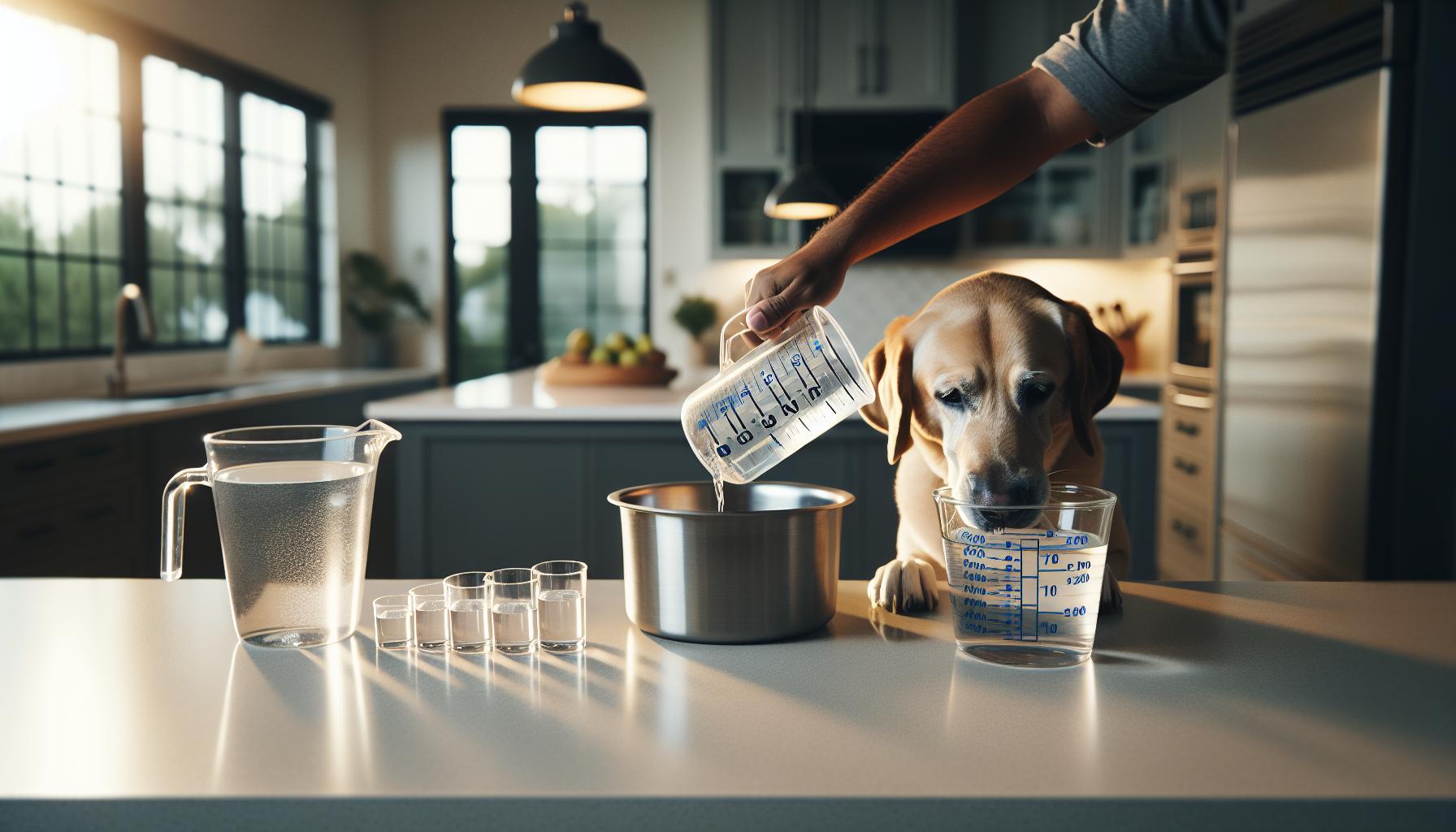
Factors Influencing Water Intake in Different Breeds
Understanding the factors that influence a dog’s water intake can be essential in ensuring they remain adequately hydrated. Dogs, much like humans, have unique needs based on their breed, size, and lifestyle. For instance, heavier breeds or those with a lot of muscle mass, such as Labradors and Rottweilers, may drink significantly more water than smaller, lighter breeds like Chihuahuas or Yorkshire Terriers. A general rule suggests that dogs should consume about one ounce of water per pound of body weight; however, this can vary widely.
Activity Level and Environment
Active dogs that regularly engage in exercise will naturally have higher hydration needs. Breeds known for their high energy, such as Border Collies or Australian Shepherds, require more fluids, especially after play or agility training. Moreover, dogs living in hotter climates or during the summer months may need extra water to prevent overheating. For example, a playful Golden Retriever running around in the sun is likely to need more water than a laid-back Bulldog resting inside on a cool floor.
Dietary Considerations
Diet also plays a crucial role in a dog’s water intake. Dogs that primarily consume dry kibble may need to drink more water compared to those on a wet food diet, which contains moisture. To illustrate, a medium-sized dog on a dry food diet may require at least 50 ounces of water daily, while a similar-sized dog eating wet food might only need about half that amount. Additionally, certain dog food formulations contain added electrolytes, which can also influence water consumption.
Age and Health Factors
Age and health conditions are vital factors affecting water intake. Older dogs may drink less due to decreased activity levels or health issues, while dogs with certain medical conditions, like diabetes, can exhibit increased thirst. Maintaining regular veterinary checkups enables caretakers to track any changes in their dog’s water needs and adjust accordingly.
Monitoring your dog’s hydration based on these factors helps prevent both dehydration and overhydration, ensuring a balanced approach tailored to each breed’s specific requirements. Remember, understanding your dog’s lifestyle and needs will go a long way in keeping them happy and healthy!
Best Practices for Keeping Your Dog Hydrated Safely
Keeping your furry friend well-hydrated is essential for their overall health, but it’s equally important to avoid the pitfalls of overhydration. Did you know that a dog’s water intake can sometimes lead to serious health issues? It’s crucial to strike a balance and establish best practices for hydration to ensure a happy, healthy pup.
To begin, always provide fresh, clean water in a non-spill bowl, which encourages regular drinking. Dogs can be picky about their water; using ceramic or stainless steel bowls can help keep the water cooler and more appealing. Place multiple water bowls around your home, especially in areas where your dog spends most of its time. This not only makes access easier but also serves as a reminder to hydrate, which can be especially beneficial for elderly dogs who may forget.
Monitoring your dog’s drinking habits can help you identify any concerning changes. Keep an eye out for sudden increases or decreases in water consumption. For instance, active breeds such as the Labrador Retriever may have higher hydration needs after vigorous play, but if a generally balanced drinker suddenly starts gulping excessively, it’s time for a trip to the vet. Maintaining a hydration log can be an effective way to track your dog’s intake. For instance:
| Breed | Average Daily Water Intake |
|---|---|
| Labrador Retriever | 60-80 ounces |
| Chihuahua | 10-20 ounces |
| German Shepherd | 50-70 ounces |
Furthermore, consider your dog’s activity level and environmental conditions. Dogs that are highly active or live in warmer climates tend to need more fluids. Offer water during and after exercise to keep them hydrated, and always be cautious not to let them drink too much in one go, which can lead to water intoxication. If your dog shows signs of overhydration such as lethargy, bloating, or loss of coordination, contact your vet immediately-they can provide important guidance on managing your dog’s hydration safely.
Lastly, be aware of the types of food you’re feeding your dog. Dry kibble requires more water intake compared to wet food, which already contains moisture. A balanced diet can also help in managing how much your dog drinks. Promptly adjust their water intake according to dietary changes, ensuring that hydration stays within safe limits. By establishing these simple routines and practices, you can help your dog maintain optimal hydration without risking the dangers of overconsumption.
Emergency Measures for Overhydration Symptoms
Recognizing overhydration in your dog can be a daunting task, especially since the signs often mimic symptoms of other health issues. It’s essential to respond quickly if you suspect your furry friend is consuming too much water. Overhydration can lead to a dangerous condition known as water intoxication, which dilutes the sodium levels in your dog’s body, affecting their brain and leading to severe medical complications. Symptoms to look out for include excessive drooling, vomiting, bloating, lethargy, and in severe cases, loss of coordination or seizures. If your dog exhibits any of these signs after drinking water excessively, it’s crucial to take immediate action.
The first step is to reduce their access to water temporarily. While water is critical for their health, you should allow them to rest and avoid further intake until you can evaluate their condition. Monitor your dog closely for any changes in their behavior. If symptoms like vomiting or bloating worsen, seek veterinary assistance promptly. It’s better to err on the side of caution; a visit to the vet can be life-saving, as they can perform necessary tests to assess your dog’s electrolyte levels and overall health.
In the meantime, consider how you can prevent future instances of overhydration. Make sure to promote a balanced approach to hydration by establishing a routine that incorporates specific times for drinking, especially after playtime or walks. Dogs may sometimes drink excessively out of boredom or anxiety, so providing mental stimulation through toys or puzzles can help alleviate this behavior. If your dog enjoys splashing in water, like during playtime in a pool or beach, watch them closely to minimize their water intake during these activities.
As a responsible pet owner, having a clear plan in case of emergency is vital. Educate yourself about the symptoms of overhydration and establish a protocol to follow if you suspect it. For instance, keep the contact information of your local veterinarian on hand, and if possible, identify the nearest emergency animal clinic. Educating yourself to recognize the subtle signs of overhydration will enable you to act quickly and effectively, ensuring your dog remains healthy, happy, and safe.
Different Water Sources: What’s Safe and What’s Not
Understanding the safest sources of water for your dog is crucial for maintaining their health and preventing overhydration. Dogs, like humans, require fresh and clean water to thrive, but not all water sources are created equal. Tap water is generally safe for dogs, provided it comes from a clean supply. It’s important to assure that your local tap water meets safety standards-if you’re concerned about contaminants, consider using a water filter. Remember, water quality can fluctuate based on weather and municipal changes, so staying informed is key.
When it comes to natural sources of water, such as ponds, lakes, and streams, caution is advised. These bodies of water can contain harmful bacteria, parasites, or toxins that could cause severe health issues. Always supervise your dog when playing near water and discourage excessive drinking from these sources. If your dog loves to splash around in the water, you might want to consider bringing your own fresh water along during outings to minimize their intake from potentially unsafe sources.
Some pet owners mistakenly think that all bottled water is safe for their dogs. While many brands offer clean water, caution is still warranted. Always check the label for any additives like minerals or flavorings that could be harmful to your furry friend, and ensure the water hasn’t been sitting too long in hot temperatures, which can lead to contamination. Utilizing a designated dog bowl for freshwater or a portable dog water bottle can encourage proper hydration without the risks associated with less safe sources.
Establishing a routine whereby your dog has access to their own fresh water at home is one of the best protective measures you can take. Ensure that the bowl is filled with clean water daily, and clean the bowl regularly to avoid any build-up of bacteria. With these practical steps, you’ll help ensure that your dog stays hydrated safely while enjoying their adventures!
Common Misconceptions About Dog Hydration
Many dog owners are under the impression that as long as their furry friends have constant access to water, they can’t overhydrate. This is a common misconception that can lead to serious health issues. While ensuring your dog is hydrated is vital, understanding the balance between hydration and overhydration is equally important. Dogs instinctively know when they’re thirsty, but there are scenarios, especially during vigorous activities like swimming or intense play, where they might drink too much too quickly, leading to a condition known as water intoxication.
It’s essential to dismantle the belief that all dogs can handle unlimited water. Different breeds have varying needs based on size, activity level, and overall health. For instance, a large, active breed, such as a Labrador Retriever, might require more water than a smaller, less active dog like a Chihuahua. However, both can face health risks if they consume frequent excessive amounts of water, especially in a short period. Being aware of your dog’s specific hydration needs based on their breed and lifestyle can prevent unintentional overhydration.
Many dog owners also think that thirst is the only indicator of hydration levels. While thirst is a useful cue, monitoring other signs is crucial. For instance, if your dog is frequently gulping large amounts of water and then displaying symptoms like lethargy, bloating, or disorientation, it’s time to assess their water intake critically. Additionally, some owners might believe that flavored water or dog-specific electrolyte drinks are entirely safe; however, some additives can disrupt a dog’s normal electrolyte balance.
Maintaining a regular drinking routine can help mitigate these risks. Instead of leaving water out all day, consider offering fresh water several times a day, particularly after walks or exercise. Engage in regular monitoring of your dog’s drinking habits and consult with your veterinarian to establish a safe daily water intake, which can be especially helpful for dogs with specific health conditions. Your proactive approach can help ensure your beloved pet remains hydrated without the dangers of overhydration.
Consulting Your Vet: When to Seek Professional Help
When it comes to your dog’s hydration, being proactive about their health is crucial. If you notice your furry friend drinking excessively or displaying concerning symptoms, it’s time to consult your veterinarian. While it’s natural for dogs to vary their water intake based on activity and temperature, drastic changes can signal underlying health issues. For instance, if your dog suddenly starts drinking more than usual, this could be a sign of conditions such as diabetes, kidney disease, or Cushing’s disease. Understanding these changes is vital for maintaining your dog’s overall health.
Recognizing the signs that warrant a trip to the vet is essential. Look for symptoms like extreme lethargy, a bloated appearance, inability to coordinate movements, or vomiting. If your dog is gulping water frequently and seems disoriented or restless, these can be indicators of overhydration or potentially dangerous conditions. Your vet can perform tests to determine if there are any underlying issues affecting your dog’s normal hydration levels. Moreover, discussing your dog’s behavior will provide the veterinarian with valuable insights to assist in diagnosis and care.
As you navigate your pet’s hydration needs, it’s beneficial to keep a detailed record of their water intake and any physical symptoms. This data can help your vet identify trends and potential worried signs in your dog’s health. If you’re unsure about what constitutes a healthy amount of water for your specific breed, bringing this information along will make your consultation even more productive. Remember, taking the initiative to reach out to a vet not only addresses potential problems promptly but also builds a stronger health strategy for your four-legged companion.
Establishing a good rapport with your veterinarian is beneficial, especially if you’re a new dog owner. Don’t hesitate to reach out with questions regarding water intake and hydration. Knowledge is power, and understanding your dog’s unique needs will help ensure their well-being and happiness for years to come.
Hydration Checklist: Daily Water Needs by Breed
Monitoring your dog’s hydration is like keeping an eye on their overall health-crucial and often revealing. Dogs have varying needs based on their breed, age, size, and activity level, making it essential to understand how much water they should be consuming daily to stay happy and healthy without risking overhydration. Here’s a quick guide to help you gauge your furry friend’s ideal water intake based on their breed and specific requirements.
To start, a general rule of thumb is that dogs should drink about 1 ounce of water per pound of body weight daily. For instance, a 50-pound dog would need approximately 50 ounces of water in a day. However, this can vary based on factors such as temperature, humidity, and activity level. Here’s a simplified hydration checklist tailored to different breed sizes:
Daily Water Needs by Breed Size
| Breed Size | Weight Range | Daily Water Needs |
|---|---|---|
| Small Breeds | Up to 20 lbs | 10-20 ounces |
| Medium Breeds | 21-50 lbs | 21-50 ounces |
| Large Breeds | 51-90 lbs | 51-90 ounces |
| X-Large Breeds | Over 90 lbs | 90+ ounces |
It’s important to note that dogs may need more water after vigorous activities, during hot weather, or if they are pregnant or nursing. For example, active or working breeds like Border Collies or Labrador Retrievers will naturally require more hydration compared to more sedentary breeds like Bulldogs or Shih Tzus. Observing your dog’s behavior-like drinking more than usual or showing signs of lethargy-can help you tailor their hydration needs effectively.
Engaging with your vet can provide further personalized insights, especially if your dog has specific health conditions that affect their hydration levels. Ultimately, understanding your dog’s unique hydration needs not only supports their well-being but also helps prevent overhydration, which can lead to serious health risks. So keep that water bowl fresh and full, and you’ll be on your way to ensuring a happy, healthy life for your furry companion!
Creating a Healthy Drinking Routine for Your Dog
is vital to their overall well-being. Establishing consistent hydration habits not only keeps them safe from the risks of overhydration but also ensures they get the right amount of water throughout the day. A great starting point is to have fresh, clean water readily available at all times. Dogs may not always drink as much as they need if the water bowl is dirty or left empty. Regularly replacing their water and cleaning the bowl helps create a welcoming hydration station.
In addition to providing constant access to water, consider setting specific times for water intake, especially if your dog tends to gulp down large quantities in one sitting. You might find that offering smaller amounts of water several times a day can help regulate their drinking behavior. For instance, if you take your dog out for a walk, give them a quick drink before heading out and then another after returning home. This approach not only encourages them to hydrate without overindulging but also helps cultivate a routine.
Monitoring your dog’s activity level can play a key role in their hydration needs. On hot days or after rigorous play, dogs may instinctively drink more. As a responsible pet owner, keep an eye on how much they consume and adjust their available water accordingly. Additionally, if you have a more active breed, like a Labrador Retriever or Border Collie, you might need to encourage them to drink more frequently during exercise. Providing portable water bottles or collapsible bowls can be a helpful solution for outdoor adventures.
Lastly, always consult your veterinarian if you notice a significant change in your dog’s drinking habits. Sudden increases in water intake can indicate health issues that may need attention. By fostering a healthy drinking routine, you not only support your dog’s hydration but also contribute to their overall health and happiness. Remember, each dog’s needs can vary, so staying engaged and responsive to your furry friend’s hydration habits is key to ensuring their well-being.
Faq
Q: How do I know if my dog is drinking too much water?
A: Signs that your dog may be consuming excessive water include frequent urination, lethargy, bloating, and vomiting. Monitor your dog’s water intake and consult your veterinarian if you notice these symptoms persist, as they could indicate overhydration or other health issues.
Q: What should I do if my dog drinks too much water?
A: If you suspect your dog has overhydrated, reduce their access to water and monitor them closely for symptoms like vomiting, confusion, or seizures. Contact your veterinarian for guidance on managing their water intake and addressing any potential health concerns.
Q: What causes overhydration in dogs?
A: Overhydration in dogs can occur when they drink too much water, often due to excessive exercise or excitement, or if they have a health condition like diabetes. It’s important to monitor their water intake and ensure it matches their activity level and health needs.
Q: Can overhydration be fatal for dogs?
A: Yes, severe overhydration can lead to life-threatening conditions such as water intoxication, causing hyponatremia (low sodium levels), which may result in seizures, coma, or even death. Always consult your vet if you suspect your dog is overhydrated.
Q: Is there a specific amount of water that is too much for dogs?
A: The amount of water considered too much varies by dog size and activity level. Generally, dogs should drink 0.5 to 1 ounce of water per pound of body weight daily. Monitor for changes and seek veterinary advice if your dog drinks significantly more than this.
Q: How can I prevent my dog from drinking too much water during play?
A: To prevent overhydration during play, supervise your dog to limit their access to water and encourage regular breaks. This helps manage their water intake, especially if they are playing in water or being very active.
Q: Are some dog breeds more prone to overhydration than others?
A: Yes, certain breeds that are more active, such as working dogs and sporting breeds, may be more prone to overhydration due to their higher energy levels. Tailor water intake recommendations based on your dog’s breed and activity level.
Q: When should I consult a vet about my dog’s hydration?
A: Consult your veterinarian if you notice any signs of overhydration, such as excessive drinking, unusual lethargy, or changes in behavior. It’s essential to address potential health issues as soon as they arise for your dog’s wellbeing.
Key Takeaways
Understanding the balance between hydration and overhydration is crucial for your dog’s health. As we’ve explored, while it’s essential to keep your furry friend well-hydrated, recognizing the symptoms of overhydration ensures their well-being. Don’t wait-monitor your dog’s water intake closely and adjust as needed, especially in changing weather.
For more insights, dive into our articles on the “Importance of Hydration in Dogs” or tips for keeping your dog hydrated during hot days. Have questions or want to share your experiences? Join the conversation in the comments below!
Remember, a healthy, hydrated dog is a happy dog. Stay informed, check our resources regularly, and explore our newsletter for the latest tips and expert advice on dog care. Your pup deserves it!