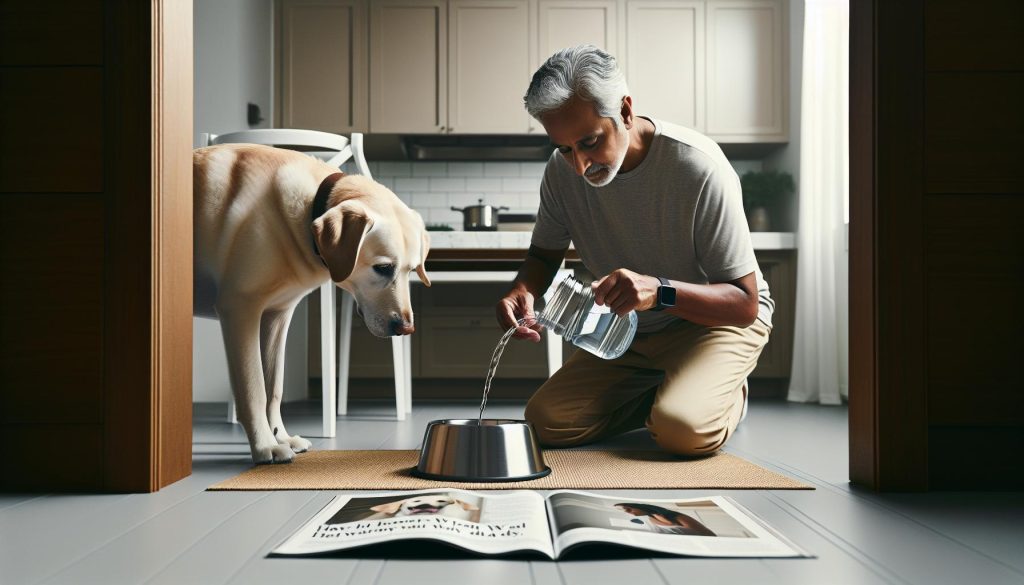
Did you know that a dog’s hydration needs can vary greatly depending on their age, size, and activity level? Ensuring your furry friend drinks enough water each day is essential for their overall health and well-being. Proper hydration supports vital bodily functions, helps regulate temperature, and prevents dehydration-related issues that can easily arise, especially in warmer weather or during exercise. As a responsible dog owner, understanding your pet’s specific needs is crucial. This guide will dive deep into how much water your dog should drink daily, providing you with practical tips and expert insights to keep your canine companion happy and healthy. By staying informed and attentive to your dog’s hydration needs, you can ensure they lead a vibrant and energetic life. Let’s explore this important topic together!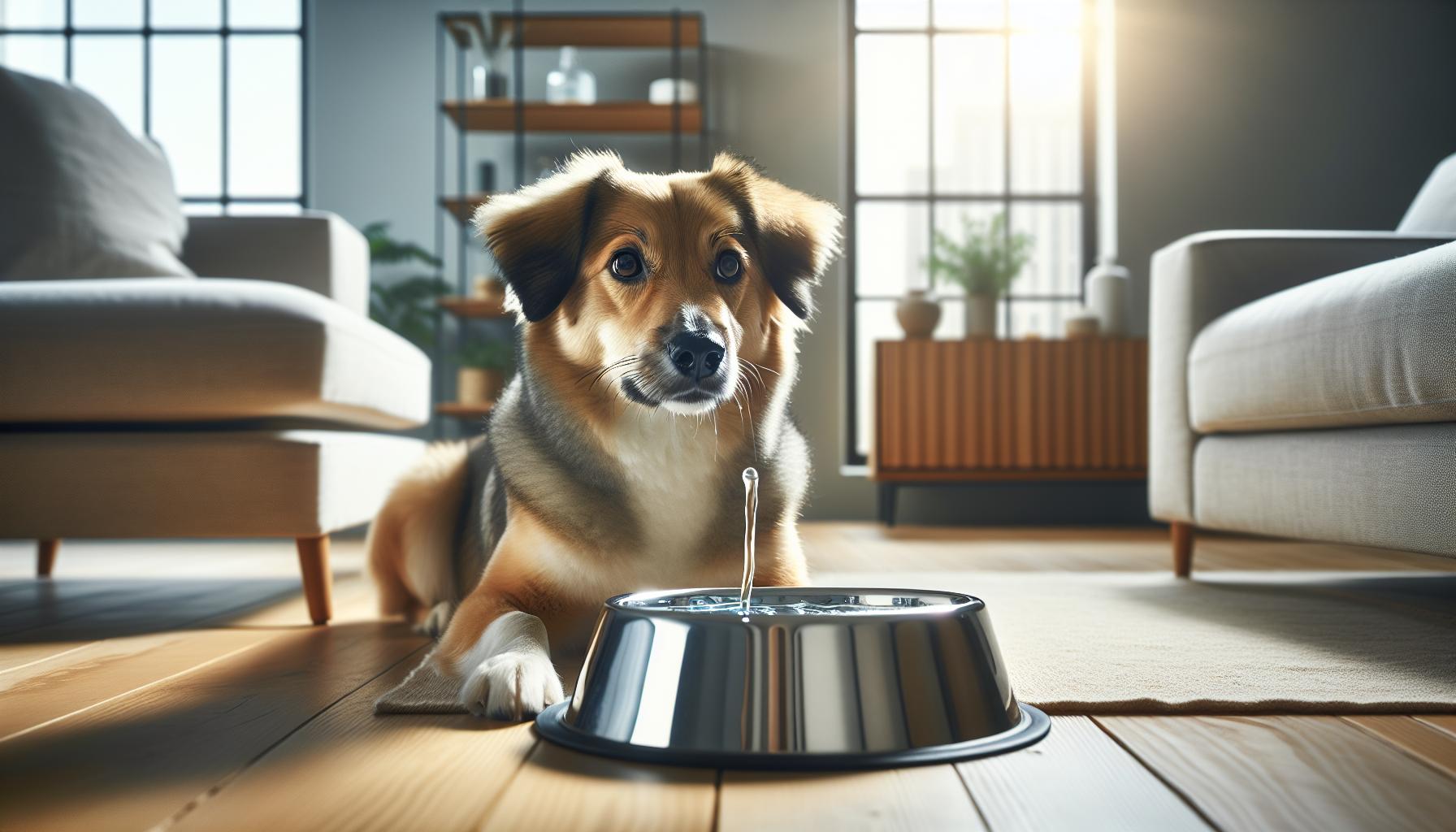
How Much Water Do Dogs Really Need?
Ensuring your dog stays adequately hydrated is crucial for their overall health and well-being. On average, dogs should consume about 1 ounce of water per pound of body weight daily, though this can vary based on factors such as activity level, age, diet, and climate. For instance, a 40-pound dog would need approximately 40 ounces (or about 5 cups) of water each day. However, this isn’t a one-size-fits-all equation. Dogs that are active, especially those engaged in strenuous exercise or outdoor play, may require significantly more water to compensate for fluid lost through panting and sweating.
Understanding specific needs can be helpful. For instance, puppies and senior dogs often require different hydration strategies. Puppies need to drink more frequently due to their higher metabolic rates, while older dogs might struggle to hydrate adequately due to health issues or decreased thirst. If your dog eats dry kibble, they also may need more water compared to those consuming wet food, which contains more moisture. Be attentive to your dog’s individual habits and adjust their water intake accordingly.
In addition to monitoring their consumption, be sure to offer fresh, clean water throughout the day. Changing the water regularly and using clean bowls can encourage better drinking habits. If your pup is more interested in playing than sipping, consider using fun, interactive water bowls or hydration gear designed for adventurous outings, which are crafted to keep water accessible and appealing on the go. By keeping hydration top of mind, you can significantly contribute to your dog’s health and vitality, ensuring they’re always ready for their next adventure together.
Understanding the Factors That Influence Water Intake
Understanding how to keep your dog hydrated goes beyond just filling their bowl with water. Various factors influence how much water your dog needs daily, and being aware of these can help you meet their specific hydration requirements. For instance, did you know that a dog’s water intake can be significantly affected by their activity level? Active dogs, especially those that walk, run, or play vigorously, tend to lose more fluids through panting and must replenish those lost fluids more frequently than less active pups.
Age and Life Stage
Age plays a crucial role in determining water needs. Puppies have higher metabolic rates and often require more water relative to their size compared to adult dogs. Conversely, senior dogs might not drink enough due to health issues or a decreased sense of thirst. Monitoring your dog’s water intake during different life stages can ensure they are adequately hydrated.
Dietary Considerations
The type of food your dog eats also affects their hydration requirements. Dogs on a dry kibble diet generally need more water than those on a wet food regimen because wet food contains a significant amount of moisture. For instance, a dog eating dry kibble might need up to 50% more water than if they were eating wet food. This is an important consideration, especially when transitioning from one diet to another.
Environmental Factors
Weather conditions greatly impact hydration needs as well. Hot, humid weather increases fluid loss through panting, prompting your dog to need more water to stay hydrated. It’s essential to be attentive during warmer months or after a particularly intense play session outdoors. If you notice your dog panting heavily or seeking shade, it’s a strong indicator they need additional water.
By being mindful of these influencing factors, you can better meet your dog’s hydration needs. Always ensure fresh water is readily available, and consider adjusting their intake during different activities, age phases, or dietary changes. Keeping your dog hydrated is not just a task-it’s a vital part of their well-being and happiness.
Signs Your Dog Is Dehydrated and What To Do
Recognizing the signs of dehydration in your furry friend is crucial for their health and well-being. Dogs, like humans, can suffer from dehydration, especially during hot weather or after vigorous activity. One of the first indicators is a change in behavior-if your usually active dog seems lethargic or less enthusiastic about playtime, it may be time to check their hydration levels closely. Remember, dogs usually have a thirst impulse, but when they become dehydrated, that urge may not always be enough to get them to drink.
A quick test to assess hydration is the skin tent test. Gently pinch the skin on the back of your dog’s neck and release it. If the skin falls back into place quickly, your dog is likely well-hydrated. However, if it stays elevated or slowly returns to its normal position, this might indicate dehydration. Other telltale signs include dry gums, a dry nose, and a darker-colored urine, which typically means they need more water. An increase in panting or excessive drooling can also signal dehydration, especially if combined with any of the other symptoms.
In situations where you suspect your dog is dehydrated, immediate action is essential. Start by encouraging them to drink water-offering ice cubes can be an enticing way to help them hydrate, especially during the summer. You might also consider offering them a hydrating treat or broth for added flavor. If your dog refuses to drink or shows serious signs of distress, such as vomiting or lethargy that doesn’t improve, it’s crucial to consult your veterinarian promptly. They can provide the necessary treatment, which may include intravenous fluids to quickly rehydrate your pup.
Being aware of these signs and knowing how to respond effectively can make all the difference in keeping your dog happy and healthy. Remember, hydration is just as vital as proper nutrition, and maintaining an adequate water supply is your responsibility as a dog owner. Keep an eye on your dog’s drinking habits and make adjustments as needed-your furry friend’s well-being depends on it!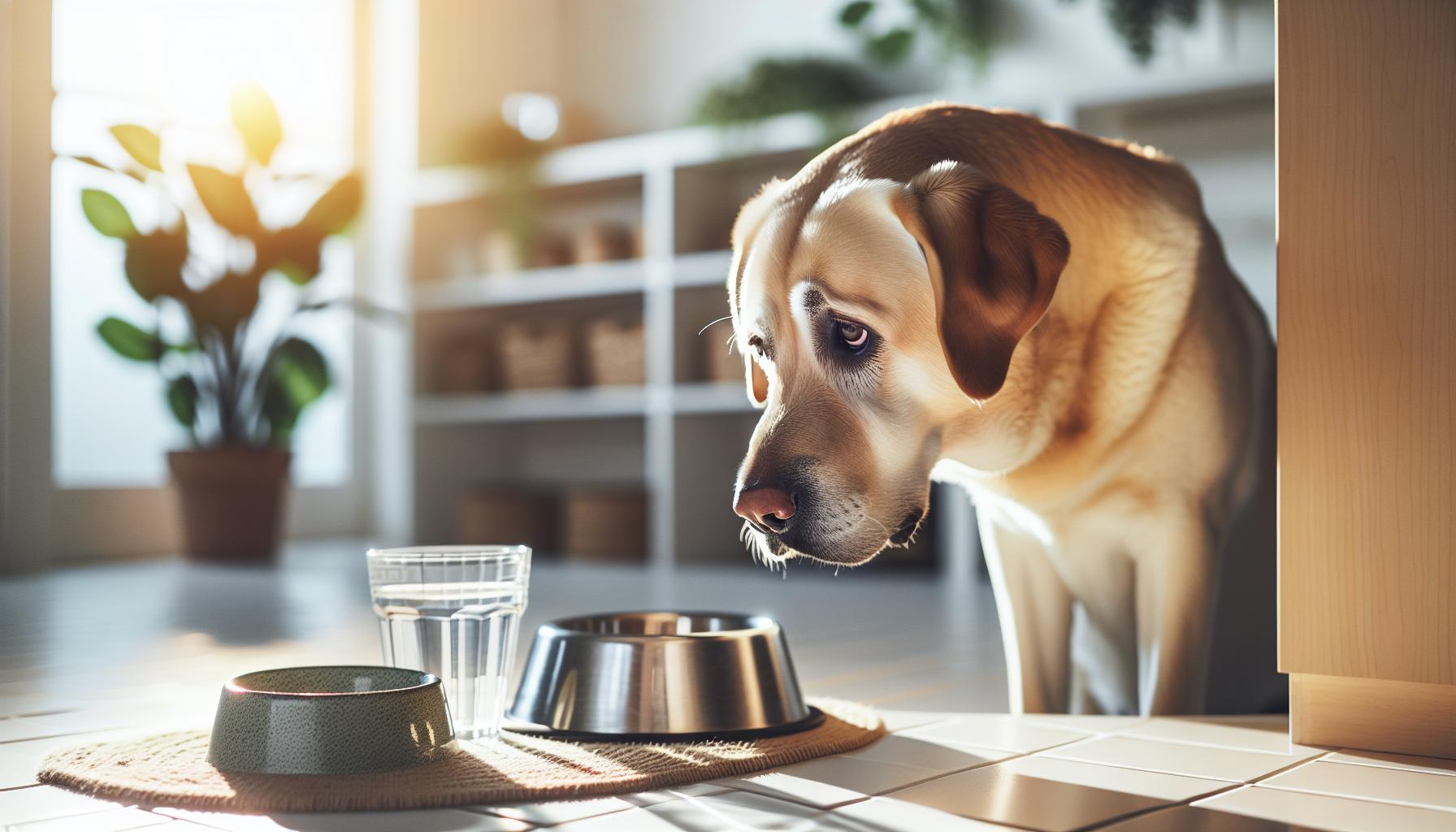
Water Requirements for Different Dog Breeds
The varying water needs of different dog breeds can be surprising! Just like people, dogs have distinct hydration requirements based on their size, activity level, and even environmental conditions. While the general guideline suggests that dogs should drink approximately one ounce of water per pound of body weight each day, this can fluctuate significantly among breeds. For example, a toy breed like a Chihuahua may need less than an active breed like a Labrador Retriever, who might require more hydration due to their larger size and energetic nature.
Breed-Specific Water Requirements
Understanding the specific hydration needs of different breeds is essential for maintaining their health. Below, I’ve compiled a comparison of average water requirements based on common breeds:
| Breed | Weight (lbs) | Daily Water Intake (oz) |
|---|---|---|
| Chihuahua | 3-6 | 3-6 |
| Cocker Spaniel | 20-30 | 20-30 |
| Labrador Retriever | 55-80 | 55-80 |
| German Shepherd | 50-90 | 50-90 |
| Mastiff | 120-230 | 120-230 |
As illustrated in the table, larger breeds generally need more water than smaller ones. However, it’s not just size that matters-active dogs or those living in warmer climates may require an increase in their daily water intake. Always be mindful of your dog’s age and activity level as puppies and seniors may have different hydration needs as well.
Adjusting Water Intake
For dogs who are highly active or exposed to hot weather, consider increasing their water supply. It’s a good practice to monitor their behavior and drinking patterns. For example, after an intense period of play or exercise, refreshing their water bowl or providing ice cubes can encourage them to hydrate more. Additionally, if you notice signs of dehydration-like dry gums or dark urine-it’s crucial to adjust their water access promptly.
Being attentive to your dog’s hydration can enhance their vitality and overall well-being. Every dog is unique, so tailoring their water intake to suit their needs is key in being a responsible and loving pet owner. Always consult with your veterinarian if you have concerns about your dog’s hydration needs, especially after adopting a new breed or if there are sudden changes in their drinking habits.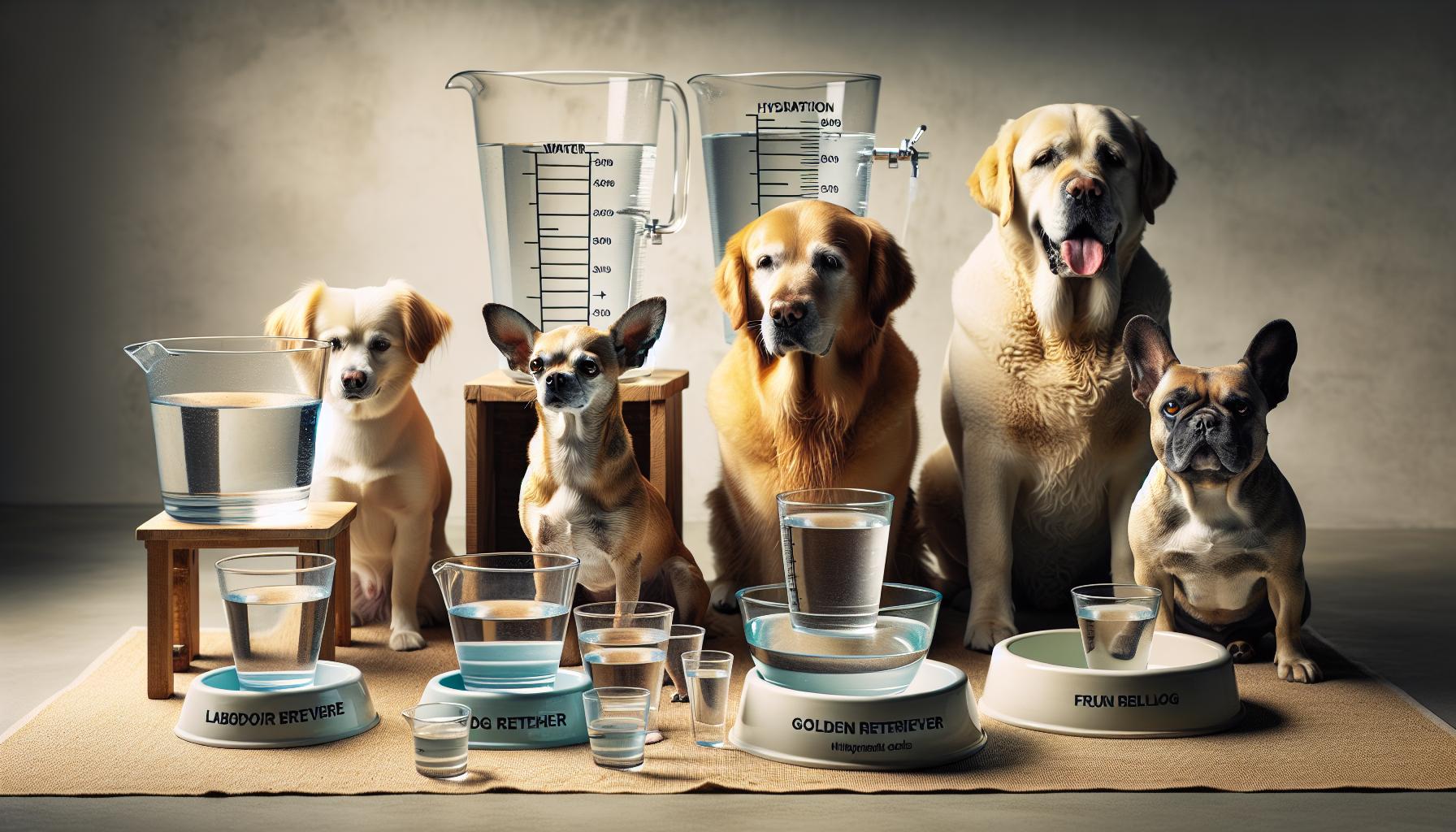
Daily Water Guidelines for Puppies and Senior Dogs
Ensuring your puppy or senior dog stays adequately hydrated is crucial for their health and well-being, and it begins with understanding their specific water needs. Puppies are naturally energetic and have higher metabolic rates, which means they tend to need more water relative to their size than adult dogs. A good rule of thumb is to provide 1 ounce of water for every pound of body weight each day, but this can vary based on their activity levels, growth spurts, and the climate in which they live. For example, a playful Labradoodle pup weighing 15 pounds should consume around 15 ounces of water per day, which might be a mix of fresh water and moisture-rich foods.
As dogs age, their hydration needs may shift. Senior dogs often experience changes in their thirst drive and kidney function, which can affect how much water they drink. Many older dogs may not feel thirsty even when they need to hydrate. It’s important to offer fresh water regularly and encourage drinking by adding a small amount of low-sodium broth to their water bowl or incorporating wet dog food into their meals. If possible, provide multiple water stations in your home, especially in warmer months when hydration becomes even more critical.
Maintaining a consistent hydration routine can prevent health issues like kidney problems, urinary tract infections, and bladder stones. Taking time to observe your dog’s drinking habits will allow you to identify any changes early on. If your senior dog suddenly refuses water or shows signs of dehydration, such as lethargy or dry gums, consult your veterinarian.
Here’s a brief comparison of daily water recommendations based on common breeds and their life stages:
| Dog Stage | Breed Example | Weight (lbs) | Daily Water Intake (oz) |
|---|---|---|---|
| Puppy | Labrador Retriever | 15 | 15 |
| Puppy | Beagle | 10 | 10 |
| Senior | German Shepherd | 70 | 70 |
| Senior | Poodle | 50 | 50 |
Being mindful of your puppy’s needs or accommodating your senior dog’s requirements can greatly enhance their quality of life and overall health. Providing attention to hydration fosters not just physical wellness but also the well-being of their spirit!
Choosing The Right Bowl: Material and Size Matters
Choosing the right bowl for your furry friend can significantly influence their hydration habits and overall health. A well-designed bowl not only makes it easier for your dog to drink but also encourages them to stay properly hydrated throughout the day. Dogs, like humans, thrive on comfort and convenience. The right bowl can mean the difference between a dog that eagerly laps up water and one that reluctantly drinks.
When selecting a water bowl, consider the material first. Stainless steel is often recommended due to its durability, resistance to bacteria, and ease of cleaning. It’s a great choice if you have an energetic or large breed that may tip over lighter bowls. On the other hand, ceramic bowls can be a stylish addition to your home and are heavier, making them less likely to be moved by enthusiastic drinkers. However, be cautious-ceramic can chip or crack. For those who prefer a softer touch, silicone bowls are lightweight and easy to store, ideal for travel or outdoor adventures, but they may not hold up as well against aggressive chewing.
Another critical factor is size. It’s essential to find a bowl that suits your dog’s breed and size. A Chihuahua won’t need nearly as much water as a Great Dane, and having too small a bowl can lead to constant refills and potential dehydration. Here’s a quick reference table to help you choose:
| Dog Size | Recommended Bowl Size |
|---|---|
| Small (up to 20 lbs) | 1-2 cups |
| Medium (21-50 lbs) | 2-4 cups |
| Large (51-100 lbs) | 4-8 cups |
| Giant (over 100 lbs) | 8+ cups |
Consider also the bowl’s height and design. Some dogs, especially older ones or those with joint issues, may benefit from elevated bowls that reduce strain on their necks and joints. This feature can be particularly beneficial for larger breeds like German Shepherds or Bernese Mountain Dogs.
Lastly, always keep bowls clean and replace the water daily. Dogs are less likely to drink from a dirty bowl, no matter how appealing the design. Remember, hydration is key to their health and helps prevent issues related to dehydration. By thoughtfully selecting the right bowl, you empower your dog to hydrate properly and keep their tail wagging happily!
Hydration Tips for Active Dogs and Hot Weather
When the mercury rises and outdoor activities beckon, keeping your dog hydrated becomes a top priority. Did you know that a dog can lose up to 25% of their body weight in water before showing any real signs of dehydration? Active dogs, especially those that enjoy vigorous play or long walks in hot weather, need extra attention to their hydration needs. Implementing a proactive hydration strategy can make all the difference in keeping your furry friend happy and healthy.
One of the simplest yet most effective ways to encourage water intake is to ensure your dog has constant access to fresh water, particularly before, during, and after exercise. Pets tend to drink more if the water is clean and cool, so regularly re-fill their bowls and consider switching to larger, fail-proof containers if your dog tends to gulp down a lot of water. Supplementing their diet with water-rich foods like cucumbers or watermelon can also provide additional hydration. Just remember, these treats should make up no more than 10% of your dog’s daily intake to maintain a balanced diet.
For those energetic dogs that burn off energy quickly, hydration stations can be a game-changer. Invest in portable water bottles with built-in bowls for outdoor excursions, whether it’s a hiking trip or a day at the dog park. Additionally, consider freezing water in small containers or ice cube trays to give your dog a fun, slushy treat on a hot day-just ensure they aren’t too large, to avoid any choking hazards. Lastly, always be conscious of the temperature outside; on truly hot days, limit outdoor activity to early mornings or late evenings when it’s cooler. Monitoring your pup’s behavior and ensuring they are drinking sufficiently can help prevent heat-related illnesses and keep their spirits high.
Common Myths About Dogs and Water Needs
Many dog owners fall prey to common myths surrounding their pets’ hydration needs, which can lead to serious health issues if not addressed properly. For instance, one prevalent myth is that dogs can instinctively regulate their water intake perfectly. The reality is, just like humans, dogs can underestimate their hydration needs, especially during hotter months or after intense activity. Relying solely on their instinct can lead to dehydration without you even realizing it.
Another misconception is that all dogs need the same amount of water. In truth, a dog’s daily water requirement depends on various factors such as size, age, activity level, and diet. Larger breeds or particularly active dogs, like Border Collies or Labrador Retrievers, might require significantly more water than smaller or more sedentary breeds, such as Chihuahuas or Bulldogs. An average guideline is about one ounce of water per pound of body weight, but this can fluctuate based on the aforementioned factors.
Additionally, many dog owners believe that their pets will get enough water from their food alone, especially if they’re on a dry kibble diet. However, most commercial dry dog foods contain only about 10% moisture, whereas wet foods contain around 75%. Thus, if your dog primarily consumes dry food, it’s critical to ensure they have easy access to fresh water at all times.
Lastly, there’s a belief that a dog’s thirst will always indicate a need for water. This is not entirely true. Dehydration can sometimes manifest without obvious signs, particularly in older dogs with less efficient thirst mechanisms. Therefore, it’s crucial to be proactive-monitor their water intake daily, provide fresh water, and recognize signs of dehydration, ensuring they stay healthy and happy. By debunking these myths, you can adopt a more effective approach to your dog’s hydration, keeping them perform at their best during play and maintaining overall well-being.
How Diet Affects Your Dog’s Hydration
Understanding is crucial for their overall health and well-being. The moisture content in your dog’s food plays a significant role in fulfilling their daily water requirements. For instance, dry kibble contains around 10% moisture, while wet canned food boasts about 75%. This difference can dramatically influence how much additional water your dog needs to stay hydrated. If your dog mainly eats dry food, it becomes even more vital to ensure they have constant access to fresh water.
In addition to the type of food, the ingredients can also impact hydration needs. High-protein diets, common in many premium dog foods, can lead to increased water consumption, as protein metabolism generates water as a waste product. Conversely, high-fiber foods may require your dog to drink more water to aid in digestion. Moreover, certain dog breeds have unique dietary needs that can dictate their hydration levels. For example, active breeds like Border Collies or Greyhounds may require additional hydration compared to less active breeds like Bulldogs or Shih Tzus, especially during warmer weather or after vigorous exercise.
Offering a balanced diet that includes wet food or fresh fruits and vegetables can also help improve hydration. Foods like cucumbers, watermelon, or carrots can not only quench your dog’s thirst but also provide essential nutrients. Keep in mind that treats and additions should not exceed 10% of their daily caloric intake to maintain a balanced diet.
To help monitor your dog’s hydration alongside their diet, consider keeping track of their water intake. Some pet owners find it useful to measure how much water their dogs drink daily or adjust feeding routines based on their activity level. Remember, each dog’s needs will vary, so it’s important to stay observant and tune into your dog’s hydration signals. By understanding how diet affects hydration, you can make informed choices that support your furry friend’s health and happiness.
Monitoring Water Intake: Tools and Techniques
Knowing how much water your dog consumes daily is crucial for their health and well-being. Since hydration affects everything from energy levels to digestion, monitoring your dog’s water intake can be an important part of responsible pet ownership. Fortunately, there are multiple tools and techniques that can help you keep track of how much water your furry friend is drinking.
One of the simplest methods is to measure the water you provide. Use a measuring cup to fill your dog’s bowl each day and note the amount. If you refill the bowl throughout the day, make a point to measure how much is added to get a better overall picture of your pup’s consumption. Consider keeping a daily log to track water intake over time-just like we keep track of our hydration, doing so for your dog can help you identify patterns or changes in their drinking habits.
For pet owners who prefer a bit more technology, there are smart water bowls available on the market today. These bowls often come equipped with sensors that can track how much water is consumed, sending updates directly to your smartphone. Some even analyze drinking patterns, allowing you to spot any drastic changes; this could help in identifying potential health issues earlier than usual.
Another useful tip is to combine water monitoring with feeding schedules. If you notice that your dog drinks significantly more or less water on days when they have increased exercise or after special meals, you can adjust their routine accordingly. For example, more exercise may necessitate more frequent water breaks or additional water available at all times.
Additionally, look for signs of dehydration, which can include dry gums, lethargy, or decreased skin elasticity. Familiarizing yourself with these signs will help you gauge whether the amount of water being consumed is adequate. If any unusual changes occur, don’t hesitate to reach out to your veterinarian for further guidance.
Incorporating these strategies into your routine not only supports your dog’s hydration needs but also strengthens the bond you have by staying attuned to their health and habits. Remember, every pup is unique; therefore, consistent monitoring will pave the way for a healthier, happier life for your canine companion.
When to Consult a Veterinarian About Hydration
It’s surprising how often hydration can be overlooked in our furry companions. Dogs, just like humans, require a consistent intake of water to stay healthy and thrive. Understanding when to seek professional advice about your dog’s hydration needs is crucial for their well-being. If you notice significant changes in your dog’s drinking habits, such as an increase or decrease in water intake, it may be time to consult your veterinarian. Sudden shifts could indicate underlying health issues, such as diabetes, kidney disease, or even infections that need immediate attention.
Additionally, certain breeds are more susceptible to dehydration due to their physical activity levels or environmental factors. For instance, active breeds like Border Collies or Labrador Retrievers may require more hydration after exercise, especially in hot weather. If your dog exhibits signs of lethargy, dry gums, or goes longer than normal without drinking, don’t hesitate to reach out to your vet. These could be warnings of dehydration that may not just resolve on their own.
It’s also essential to consider your dog’s age and health status. Puppies and senior dogs often require special attention regarding hydration. Puppies, with their fast metabolism, generally need to drink more frequently, while older dogs can suffer from decreased thirst reflexes or health-related issues. If your puppy is not drinking adequately or if your senior dog has been unusually sluggish and you suspect dehydration, schedule a veterinary check-up.
Remember, proactive care is key. Maintaining a regular schedule for vet check-ups and being observant of your dog’s habits helps ensure that minor issues do not escalate into serious health concerns. Keeping a well-documented account of your dog’s daily water intake and behaviors can provide valuable insights for your veterinarian, enabling them to offer the best possible care. Always trust your instincts; if something feels off, it’s better to consult a professional. After all, you want your furry friend to lead a vibrant and healthy life!
Fun Ways to Encourage Your Dog to Drink More Water
It’s interesting to note that many dogs actually prefer fresh, running water over still water in a bowl. This instinctive preference can be harnessed in fun and creative ways to keep your furry friend hydrated throughout the day. Here are some engaging strategies to encourage your dog to drink more water and stay well-hydrated.
One of the easiest ways to promote hydration is to invest in a pet water fountain. These devices keep water circulating and aerated, mimicking a natural water source, which can be irresistible to many dogs. Additionally, the constant movement helps keep the water fresher for longer, enticing your pup to take a sip regularly.
Another fun method is to incorporate ice cubes or ice chips into your dog’s routine. You can freeze small treats or pieces of fruit (like blueberries or watermelon) in ice cubes, which not only makes drinking water more exciting but also doubles as a cooling treat on hot days. Dogs often enjoy crunching on the ice, which can encourage them to drink more water as the ice melts.
Creating a hydro-powered game can also make a big difference! Try filling a shallow kiddie pool with water and letting your dog splash around. Use toys that float or even a sprinkler for some added fun. Not only does this provide a playful environment, but it also helps them get accustomed to water and increases their desire to drink afterward.
Lastly, consider enhancing your dog’s water with flavoring. Adding a splash of low-sodium broth or a sprinkle of powdered chicken or beef flavoring can make plain water far more appealing. Just ensure that any additives are safe and healthy for dogs, and avoid ingredients that could be harmful.
With these playful approaches, keeping your dog hydrated can become an enjoyable part of their daily routine, making it easier for them to thrive while building a stronger bond between you and your canine companion. Remember, observing your dog’s drinking habits and being proactive about hydration is key to their overall health!
Frequently asked questions
Q: How can I tell if my dog is drinking enough water?
A: Monitor your dog’s water intake by tracking how much they drink daily. A general guideline is 40-60 ml of water per kilogram of body weight. Signs of dehydration include lethargy, dry gums, and reduced skin elasticity. Consult the “Signs Your Dog Is Dehydrated” section in your guide for more details.
Q: What should I do if my dog refuses to drink water?
A: If your dog refuses to drink water, try providing fresh water regularly in a clean bowl. You can also offer ice cubes, water with added flavor (like broth), or try different bowl types to encourage drinking. See “Fun Ways to Encourage Your Dog to Drink More Water” in the article for additional tips.
Q: Do different dog breeds require varying amounts of water?
A: Yes, water needs can vary among dog breeds. Larger breeds typically need more water than smaller breeds. Age and activity level also play a role. Refer to the “Water Requirements for Different Dog Breeds” section in your article for breed-specific recommendations.
Q: Is it normal for my dog to drink a lot of water?
A: Increased water intake can be normal, especially after exercise or in hot weather. However, excessive drinking may signal health issues like diabetes or kidney disease. Monitor behaviors closely and consult your vet if concerned, as outlined in the “When to Consult a Veterinarian About Hydration” section.
Q: How does my dog’s diet affect their water intake?
A: A dog’s diet significantly influences hydration. Wet or raw food has higher moisture content, potentially reducing water needs. Conversely, dry kibble requires additional water intake. You can read more about this in the “How Diet Affects Your Dog’s Hydration” section of the article.
Q: What are the best types of water bowls for dogs?
A: Stainless steel and ceramic bowls are preferred for durability and hygiene, while some dogs may prefer specific sizes or shapes. Factors to consider include your dog’s size and whether they tend to tip bowls over. Check the “Choosing The Right Bowl” section for more insights on selecting a suitable bowl.
Q: When should I be concerned about my dog’s drinking habits?
A: You should consult a veterinarian if your dog’s drinking habits change suddenly or if they exhibit excessive thirst and frequent urination, which might indicate underlying health issues. For deeper insights, refer to the “Signs Your Dog Is Dehydrated and What To Do” section of your guide.
Q: How much water should puppies and senior dogs drink?
A: Puppies generally need about half a cup of water hourly, whereas senior dogs may require slightly less due to reduced activity. Individual needs can vary; check the “Daily Water Guidelines for Puppies and Senior Dogs” for tailored recommendations based on age and health status.
Concluding Remarks
Understanding how much water your dog should drink each day is crucial for their health and wellness. Remember, the general guideline is about one ounce of water per pound of body weight daily, but factors like diet and activity level can influence this amount. If you’re noticing signs of dehydration or if your dog seems hesitant to drink, don’t wait-take action now.
For further insights, check out our articles on “What to Do If Your Dog Won’t Drink Water” and “Understanding Your Dog’s Dietary Needs.” If you have any lingering questions or want expert advice tailored to your dog’s specific needs, feel free to reach out or subscribe to our newsletter for more valuable tips. Your dog’s health deserves your attention, so ensure they stay hydrated and happy! Join our community and share your experiences in the comments below. Every drop counts!