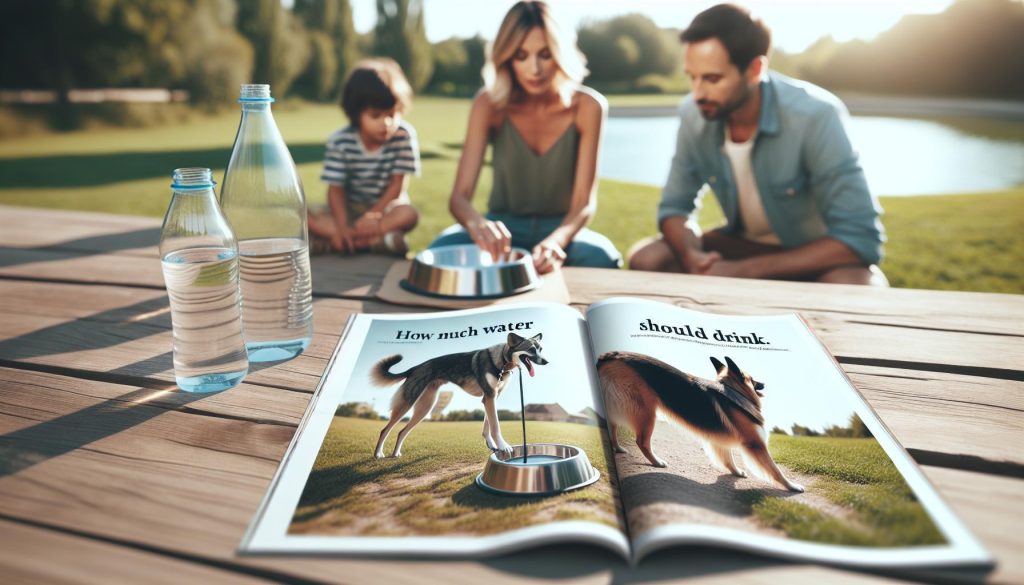
Did you know that a dog’s water needs can vary significantly based on their size, age, and activity level? Ensuring your dog stays properly hydrated is crucial for their health and well-being, as dehydration can lead to serious health issues. This engaging calculator helps you determine exactly how much water your dog should drink daily, making it easier for you to provide the best care possible. Whether you’re a new dog owner looking to grasp the basics or a seasoned handler wanting to optimize your pet’s hydration, understanding their unique needs is vital. Dive in to explore the simple steps you can take to keep your furry friend happy and healthy, and discover expert tips on encouraging your pet to drink enough water throughout the day. Your loyal companion deserves the best, and this tool will guide you every step of the way!
How Much Water Does Your Dog Really Need?
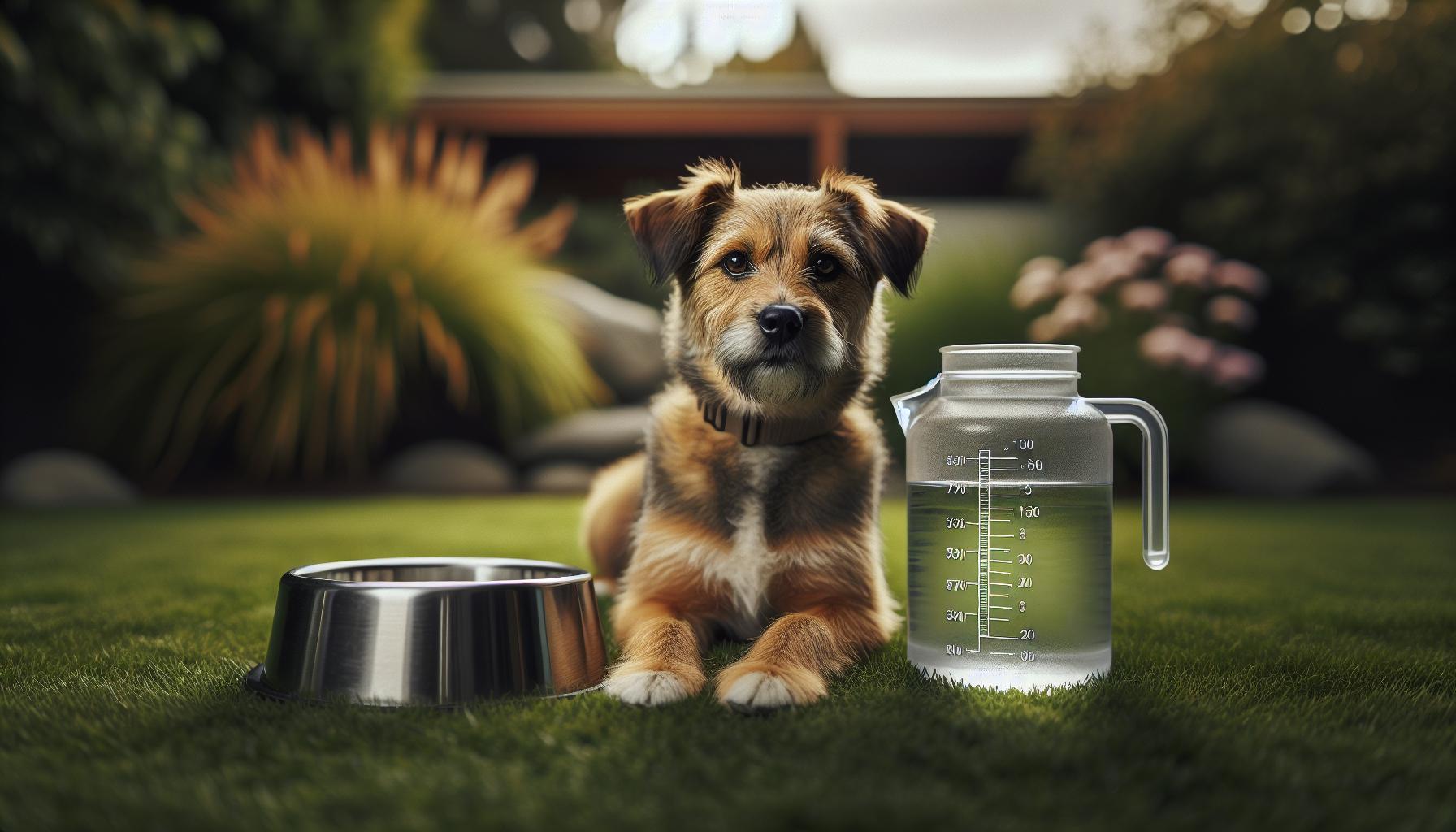
The amount of water a dog needs can vary significantly depending on several factors, but as a general rule, dogs should drink about one ounce of water for every pound of body weight daily. This means that a 50-pound dog may need about 50 ounces, or approximately 6 cups, of water per day. However, this is a guideline and not a strict rule; individual needs may fluctuate based on level of activity, climate, and even the dog’s diet.
It’s crucial to recognize that hydration is especially important for maintaining overall health. Water plays a vital role in digestion, nutrient absorption, and temperature regulation. Active dogs, particularly those engaged in vigorous exercise or those living in warmer climates, may require even more water than the typical recommendation. Puppies and nursing mothers also have elevated hydration needs, making it essential to adjust their water intake accordingly.
To cater to your dog’s specific needs, start by observing their drinking habits. Keep fresh, clean water available at all times and monitor how much they consume daily. If you’re concerned about your dog’s hydration levels, you can also incorporate wet food into their diet, as this can help meet their moisture needs. Additionally, providing multiple water bowls around your home can encourage them to drink more frequently. If you notice signs of dehydration, such as dry gums or a lack of energy, it’s important to consult your veterinarian for further guidance.
In conclusion, while there’s a basic framework for how much water dogs should drink, being attentive to your dog’s individual needs and circumstances will ensure they stay healthy and hydrated throughout their life.
Understanding the Importance of Hydration for Dogs
Did you know that just like us, dogs rely on water to maintain their vitality and overall health? Hydration is crucial for canines because water plays a pivotal role in numerous bodily functions, from regulating their temperature to aiding in digestion and nutrient absorption. Ensuring that your furry friend gets enough water is not just about quenching thirst; it’s about keeping them active, healthy, and happy throughout their life.
Understanding the importance of hydration begins with recognizing how much water your dog needs based on various factors. Dogs that engage in regular exercise, live in warmer climates, or have specific health conditions may require more water than the standard guideline of one ounce per pound of body weight. For instance, an active breed like a Labrador Retriever may drink significantly more compared to a less active breed like a Bulldog, especially in hotter weather. It’s not just about quantity; the quality of water matters too. Always provide fresh, clean water to keep them motivated to drink.
To make hydration easier, consider placing multiple water bowls around your home, especially in areas they frequent most. This not only encourages your pup to drink more frequently but also creates a welcoming environment that invites them to hydrate. For those working long hours or having busy lifestyles, automated water dispensers can ensure a constant supply of fresh water, giving you peace of mind about your dog’s hydration status.
You can also enhance hydration by including wet food in your dog’s diet. Dogs often find wet food highly palatable and nutritious, which can help increase their overall fluid intake without them even realizing it. Keeping an eye out for the signs of dehydration is equally important; dry gums, excessive panting, and decreased energy are key indicators your dog may need fluids. By remaining attentive to your pet’s water intake, you can play a vital role in keeping them healthy and ensuring they thrive.
Factors Influencing Your Dog’s Water Intake

Understanding how much water your dog should drink is influenced by a variety of factors that reflect not only their unique needs but also their environment and lifestyle. Every dog is an individual, and recognizing these nuances can help ensure your furry friend is properly hydrated and healthy.
Several key elements impact your dog’s water consumption. Size and Weight: Larger breeds such as Great Danes or Saint Bernards typically require more water than smaller breeds like Chihuahuas or Dachshunds, as their body mass demands greater hydration. A common guideline is to provide about 1 ounce of water per pound of body weight. Activity Level: Active dogs, whether they’re working breeds like Border Collies or playful pups in the park, will naturally drink more to replenish fluids lost during exercise. Similarly, dogs who are particularly active in warmer months may have increased hydration needs to help regulate their body temperature.
Other factors to consider include Dietary Choices: Dogs who primarily eat dry kibble may require more water compared to those consuming wet food, which inherently contains added moisture. Additionally, Health Conditions can significantly affect hydration needs. Dogs experiencing illness, vomiting, diarrhea, or conditions like kidney disease may require increased fluid intake to stay healthy. Lastly, it’s essential to be aware of the environmental conditions-hotter climates or altitude can lead to increased fluid requirements.
To help gauge your dog’s hydration needs, observe their drinking habits and make adjustments as necessary, keeping a close eye on how they respond to diet, exercise, and environmental changes. By attuning to your dog’s specific requirements, you can ensure they maintain optimal hydration for overall health and well-being.
Breed-Specific Water Needs: A Comprehensive Guide
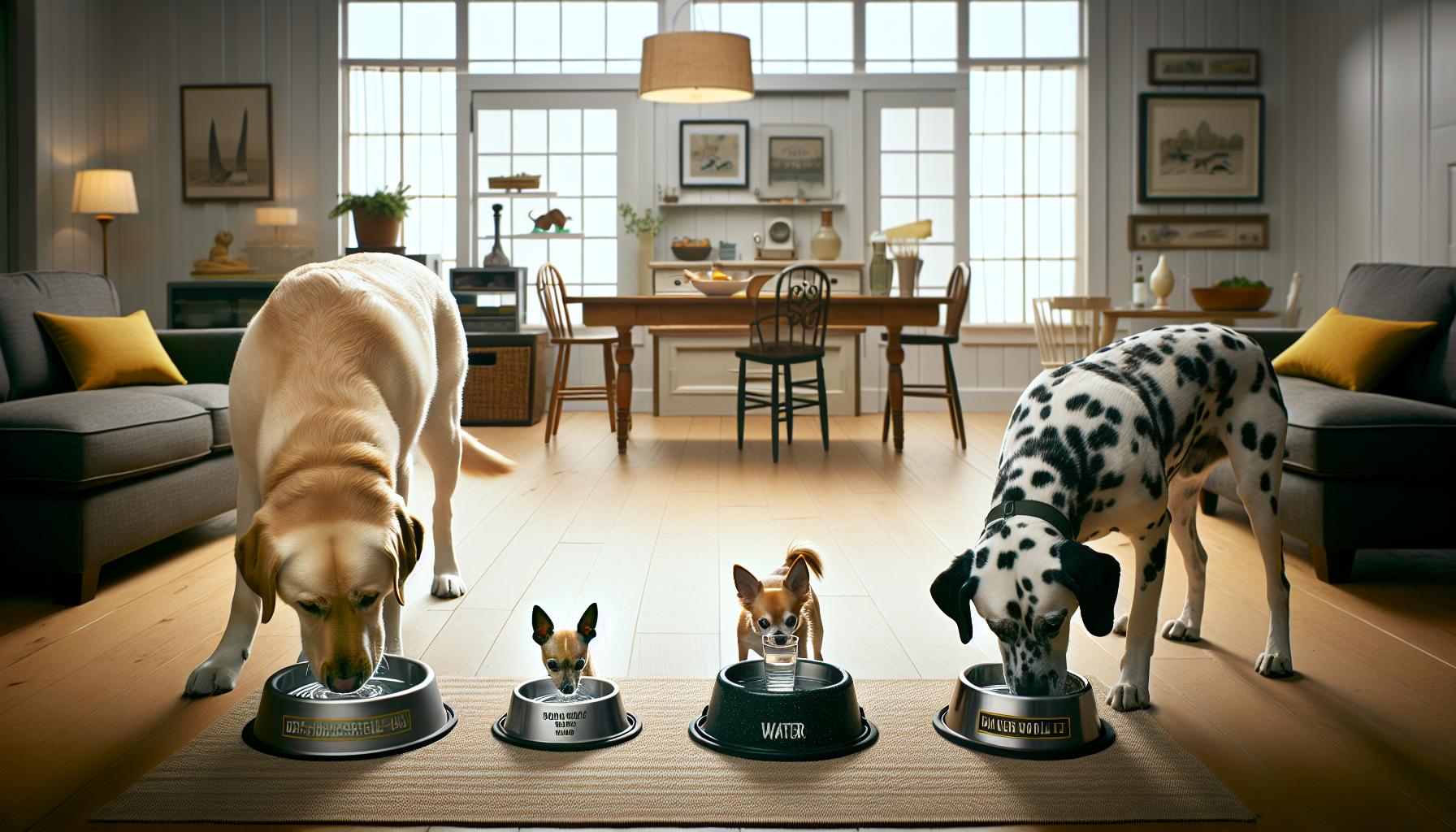
Understanding the distinct hydration needs of various dog breeds can significantly enhance their health and well-being. Just as different breeds vary in size, energy levels, and physical activity, their water requirements can differ notably. For instance, larger breeds such as Great Danes or St. Bernards, due to their considerable mass, generally need more water than smaller breeds like Chihuahuas or Pomeranians. It’s often suggested that dogs should drink approximately 1 ounce of water per pound of body weight each day. However, this can fluctuate based on several factors, making breed-specific guidelines indispensable.
Size and Body Mass
Larger breeds not only require more water but also tend to have heightened thirst, especially after physical exertion. For instance, a Labrador Retriever, known for its playful nature and high energy, may easily require around 60 ounces of water daily, while a tiny Yorkie might only need about 20 ounces. Here’s a simple comparison:
| Breed | Estimated Daily Water Needs |
|---|---|
| Great Dane | 100 ounces |
| Labrador Retriever | 60 ounces |
| Beagle | 30 ounces |
| Chihuahua | 20 ounces |
Activity Level and Environment
The activity level of a breed also plays a critical role in its hydration needs. High-energy breeds like Border Collies require increased water intake, especially after vigorous play or training sessions. Additionally, environmental conditions, such as heat and humidity, heighten the need for hydration. For example, a Siberian Husky, originally bred for cold climates, may not require as much water in winter as it would during scorching summers.
Dietary Influences
Diet is another vital factor affecting water consumption. Dogs fed predominantly dry kibble will need significantly more water than those on diets rich in wet food, which contains moisture. An owner with a dog on a kibble diet should ensure their pet has constant access to fresh water, while those feeding wet food may notice their dog drinking less frequently.
In summary, by knowing your breed’s specific requirements and being mindful of their unique circumstances, you can promote optimal hydration. Couple this knowledge with regular assessments of their drinking habits, and you’re on your way to ensuring your furry companion remains healthy and well-hydrated. Remember, keeping an eye on their water bowl is just as crucial as walking them daily!
Signs of Dehydration in Dogs You Should Know
Recognizing the signs of dehydration in your dog is crucial to their health and can make a significant difference in their overall well-being. Did you know that even mild dehydration can affect your dog’s energy levels and overall vitality? That’s why being vigilant about their hydration status is key, especially during hot weather or after vigorous exercise.
One of the first indicators of dehydration is dry or tacky gums. You can perform a simple test: gently lift your dog’s upper lip and touch their gums. Healthy gums should feel moist and slippery. If they appear dry or sticky, this may be an early warning sign. Additionally, you can check their skin elasticity; pinch the skin on the back of their neck or between their shoulder blades. If it doesn’t spring back quickly, your dog might be dehydrated.
Other physical signs include noticeable changes in behavior such as decreased energy or alertness. Your dog may seem lethargic, less playful, or reluctant to go on walks. A loss of appetite is another red flag, as dehydrated dogs might not feel inclined to eat their regular meals. Furthermore, if you notice any vomiting or diarrhea, this can exacerbate dehydration, making it essential to provide your pet with fresh water immediately.
If you’re worried about your dog’s hydration status, keep a close watch on their drinking habits, especially if they’re eating dry kibble which requires more water intake. As a general guideline, dogs should have access to fresh water at all times, and closer monitoring can help you better manage their hydration needs. By understanding these signs, you can act quickly and ensure that your furry friend stays healthy, active, and happy!
Hydration Tips for Active Dogs and Puppies
It’s a well-known fact that dogs can be just as active and adventurous as the humans they love! Keeping an active dog adequately hydrated is vital not only for their physical performance but also for their overall health and well-being. Puppies and energetic breeds, in particular, are prone to overheating, making it essential to ensure they have constant access to fresh water, especially during activity-filled days.
To help your active canine friends stay hydrated, consider these practical tips: First and foremost, always carry water with you on walks, hikes, or trips to the park. Portable water bottles designed for dogs or collapsible bowls are perfect for quenching their thirst on the go. You might also want to set up a water station in your yard or near your play area, ensuring that they always have easy access. Additionally, encourage your dog to drink before and after exercise. If they seem reluctant, try adding a splash of low-sodium broth to their water; the enticing aroma can make drinking more appealing!
Another important factor is timing-watch for the right moments to offer water. For instance, after a vigorous game of fetch or a long walk, your dog may be panting and could benefit from a short water break. This helps to cool them down and refuel the fluids lost during activity. Remember that young puppies have different hydration needs than older dogs; they may require more frequent breaks due to their heightened energy levels and smaller body size.
Finally, consider the weather and your dog’s breed when planning hydration strategies. Breeds with thick fur or flat faces, like Bulldogs or Pugs, can struggle with heat regulation. Plan for shorter play sessions on particularly hot days and encourage rest periods with plenty of hydration in between. Keeping your furry companion hydrated will ensure they can enjoy all their adventures to the fullest!
By following these tips, you can maintain your active dog’s hydration while ensuring they remain happy and healthy during playtime. Understanding their unique needs fosters a deeper bond between you and your dog, making every outing an enjoyable experience. So gear up, grab that water bottle, and head out for some quality time with your best friend!
How to Use a Dog Water Intake Calculator
Using a dog water intake calculator can be a game changer for pet owners striving to keep their furry friends properly hydrated. Just as humans need to adjust their water intake based on various factors, your dog’s hydration needs fluctuate based on activity levels, weight, and environmental conditions. To kick off using a calculator, you typically start by entering your dog’s weight, which is foundational to determining their daily water requirements. This basic information forms the basis for a tailored hydration plan that can significantly improve your pet’s well-being.
Once you input the primary details, the calculator often considers additional factors such as your dog’s age, breed, and activity level. For instance, an active breed like a Border Collie will require more water than a less active breed like a Bulldog, especially after rigorous play or training. Some calculators even allow you to adjust for seasonal changes or specific health conditions that might affect your dog’s water needs. The output usually provides a recommended daily intake in milliliters, offering clear guidance on how much water to keep at your dog’s disposal.
To make this process even more intuitive, consider keeping a log of your dog’s hydration habits. After implementing suggestions from the calculator, take note of how much they are drinking and any changes in their energy levels or behavior. This data can be invaluable, especially if you have specific concerns or if your dog tends to be a reluctant drinker. Combining insights from the calculator with careful observation empowers you to make adjustments as needed, ensuring your canine companion remains happily hydrated.
Finally, don’t hesitate to refer to a veterinarian if you notice significant changes in your dog’s drinking patterns or if you’re unsure about the calculator’s suggestions. Providing the right amount of water is not just about preventing dehydration; it’s also crucial for supporting kidney function, digestion, and overall health. So, whether you’re a new dog owner or a seasoned handler, utilizing a dog water intake calculator can offer peace of mind and guidance that enhances your pet’s quality of life.
Water Consumption Patterns: What to Expect by Age
Understanding how much water your dog needs can significantly improve their health and well-being, especially as they go through different life stages. Puppies, adults, and senior dogs have varying hydration requirements, influenced by factors such as their age, size, and activity levels. Generally, puppies are highly active but also have lower water needs than adults when adjusted for their size. They tend to consume around 50-60 ml of water per kilogram of body weight daily, which can drop to slightly lower amounts as they mature.
As your dog transitions to adulthood, their water intake typically stabilizes. Adult dogs need approximately 30-40 ml of water per kilogram of body weight daily. This is where a dog water intake calculator becomes an invaluable tool, allowing you to tailor their hydration based on their specific circumstances. Active breeds or working dogs may demand even more hydration, especially after vigorous exercise. A quick glance at a breed’s typical activity level can provide insight into expected water needs; for example, a dynamic breed like a German Shepherd may require more water than a laid-back Bulldog.
In their senior years, dogs often experience changes in their metabolism and energy levels, which can influence their water intake patterns. Senior dogs may become less active but still need adequate hydration to support kidney function and overall health. It’s crucial to maintain a consistent water supply and monitor their intake, as older dogs might forget to drink regularly. Alongside a dog water intake calculator, observing their drinking habits and adjusting based on any health concerns is particularly worthwhile during this stage.
Overall, keeping hydrated is key to your dog’s health regardless of their age. Regular check-ins using a dog water intake calculator will help ensure your furry companion remains well-hydrated through every life stage, allowing them to thrive and enjoy life to the fullest!
Daily Activity Level and Its Impact on Drinking
When your dog is darting around the park, chasing after sticks or playing fetch, it’s easy to overlook one vital aspect of their activity – hydration. Just like humans, dogs lose a significant amount of water while they are active, which means their daily water intake should adjust accordingly. An active dog might require up to twice the normal amount of water due to increased energy expenditure compared to a more sedentary pup. For instance, breeds known for their vitality, such as Border Collies or Labrador Retrievers, may need approximately 60-70 ml of water per kilogram of their body weight every day when engaging in extensive play or exercise.
Every dog is unique, and their hydration needs can vary not only by breed but also by individual temperament and daily activities. Monitoring your dog’s water intake becomes essential, especially during high-energy activities or hot days. You might notice your dog panting more after a vigorous romp; this is a signal that they will need to replenish lost fluids. Ensuring that fresh water is readily accessible right after exercise can help them recover quickly. This simple act can significantly impact their overall well-being, keeping them comfortable and energized.
For owners of active dogs, consider implementing a routine that includes regular hydration breaks during playdates or hikes. A collapsible water bowl can be a handy tool, allowing you to fill it up conveniently during outings. If you’re unsure of how much water your dog should drink, utilizing a dog water intake calculator can help adjust their needs based on their personal activity level and size. Additionally, dogs can be quirky about drinking water; some might prefer running water from a fountain over still water in a bowl. Experimenting with different drinking methods can encourage them to hydrate more effectively.
As you observe your dog’s activity levels, remember that hydration is particularly crucial if your furry friend is a growing puppy or a senior dog. Puppies have unique water needs due to their rapid growth and high energy, while seniors may not actively seek out water as often, necessitating proactive encouragement. Regular check-ins on their water consumption will help ensure your dog remains healthy and ready for whatever adventure awaits!
Best Practices for Encouraging Your Dog to Drink More
Ensuring that your dog stays hydrated can often feel like a balancing act, especially when some pups seem less interested in drinking than others. Knowing how much water your dog should drink is only half the battle; getting them to actually consume it is where the real challenge lies! Here are some practices to encourage your furry friend to drink more water throughout the day.
One effective method is to refresh their water frequently. Dogs are more likely to drink when they have access to clean, fresh water. Consider changing their water at least once or twice daily, and clean the bowl regularly to remove any build-up or odor that could put them off. A surprising number of dogs prefer drinking from a bowl that has been recently filled, so try to make this a routine part of your day.
Using a pet water fountain can also be a game-changer for hydration. Many dogs are instinctively attracted to running water, which is cooler and often perceived as fresher. A fountain not only keeps water flowing but can also encourage more frequent drinking. If a fountain is not suitable for your environment, you might notice that some dogs prefer drinking directly from a hose or while you’re cooling off your garden. Don’t hesitate to indulge them occasionally!
For those dogs who need a little extra motivation, consider infusing their water with flavor. Adding a small amount of low-sodium broth can entice your pup to drink more, especially if they are skeptical about plain water. Ensure any added flavors are safe for dogs-never use onion or garlic broth. You could also try hydrating snacks such as melon or cucumber. These treats not only provide moisture but also make hydration enjoyable. Look for safe fruits and veggies to share, but keep treats to a minimum-ideally, they should not exceed 10% of your dog’s daily intake.
Lastly, establishing a routine around water intake can aid in consistent hydration. Make it a habit to offer water after walks, play sessions, or whenever transitioning between activities at home. For puppies and active breeds, consider scheduling hydration breaks during playtime. Having a portable water bowl when out and about can be a lifesaver. Stay attentive to your dog’s reactions; if they seem tired or lethargic, a water break can be just what they need to bounce back and continue enjoying their activities.
Fostering a proactive approach to hydration not only supports their health but also enhances their quality of life. By implementing these practical strategies, you can help your beloved pup drink more water and stay happy and energized, ready for all the adventures that lie ahead!
Common Myths About Dog Hydration Debunked
Despite being a quick trip to the bowl and a gulp of refreshing water, many misconceptions about dog hydration abound. These myths can lead to underestimating your dog’s true needs, potentially impacting their health and well-being. Let’s set the record straight on some common beliefs regarding how much water your furry friend truly requires.
One prevalent myth is that dogs will drink enough water on their own. While many dogs do have a natural instinct to hydrate, not all do. Factors like displacement from their environment, the temperature, or even the type of food they consume (dry kibble versus wet food) can all influence their intake. For instance, a dog eating dry food may need more water compared to one eating wet food, which contains a higher moisture content. This makes regular monitoring of your dog’s drinking behavior crucial, especially during hot weather or after vigorous exercise.
Another misconception is that wet food eliminates the need for additional water. While canned or wet food contributes moisture, it often isn’t enough to meet your dog’s daily needs. Depending on their size, activity level, and age, many dogs still require access to fresh water throughout the day. It’s essential to provide water alongside their meals to ensure they maintain proper hydration levels.
Additionally, the idea that ice water is harmful to dogs is unfounded. While some may believe that cold water can cause digestive issues, evidence suggests that many dogs enjoy and benefit from colder water, especially on hot days. Providing cold water is perfectly safe and can actually encourage drinking.
Finally, the misconception that dehydration is easy to detect can be particularly dangerous. Subtle signs like lethargy or a dry nose might indicate that your dog is already past the point of mild dehydration. It’s critical to educate yourself on the symptoms of dehydration, such as excessive panting, loss of elasticity in the skin, or dry gums. Regularly using resources like a dog water intake calculator can also help gauge your pet’s hydration needs based on their size and lifestyle, ensuring they stay healthy and happy.
By understanding these myths and adopting a proactive approach to your dog’s hydration, you can better support their health and ensure they receive the care they deserve.
When to Consult Your Vet About Water Intake
If you’ve ever wondered whether your dog is drinking enough water, you’re not alone. Many pet owners face uncertainty around their dog’s hydration needs, especially when changes in behavior or health arise. Recognizing when it’s time to reach out to your veterinarian can empower you to support your dog’s well-being effectively. There are several signs and scenarios that warrant consultation with your vet regarding your dog’s water intake.
Firstly, significant changes in drinking habits should never be taken lightly. If you notice your dog drinking considerably more or less than usual, it’s a cause for concern. For instance, increased thirst (polydipsia) can indicate underlying health issues, such as kidney disease or diabetes. Conversely, a marked decrease in water consumption might suggest dehydration or other health complications. Monitor your furry friend closely and maintain a record of their daily water intake to provide your vet with precise information during visits.
Another critical time to consult with your veterinarian is when observing any signs of dehydration. Common symptoms include dry gums, excessive panting, lethargy, and skin that doesn’t bounce back quickly when pinched. If your dog exhibits any of these symptoms, especially after exercise or exposure to heat, seek veterinary advice promptly. Your vet can assess your dog’s hydration status and recommend appropriate fluids or treatments if necessary.
It’s also wise to consult your vet if your dog has specific health conditions that may influence their water needs. For instance, senior dogs or those with certain medical conditions such as heart disease, kidney issues, or those on particular medications may have unique hydration requirements. Your vet can offer tailored guidance on how much water your dog needs, ensuring they remain healthy and hydrated.
In summary, staying attentive to your dog’s drinking behavior and being proactive in reaching out to your vet when necessary can significantly impact their health. Whether it’s a simple query or a more pressing medical concern, your veterinarian is your best resource for understanding your dog’s hydration needs. Remember, timely intervention can make all the difference!
Q&A
Q: How do I calculate my dog’s daily water intake?
A: To calculate your dog’s daily water intake, use the guideline of 1 ounce of water per pound of body weight. For example, a 50-pound dog needs around 50 ounces of water daily. Adjust this amount based on factors like activity level and environmental conditions.
Q: What factors affect a dog’s hydration needs?
A: A dog’s hydration needs can vary based on factors such as age, weight, activity level, diet, and environmental conditions. For instance, active dogs or those in hot weather typically require more water. Refer to the “Factors Influencing Your Dog’s Water Intake” section for detailed insights.
Q: Can my dog drink flavored water?
A: Yes, flavored water can encourage hydration, but ensure it’s safe and doesn’t contain harmful additives like artificial sweeteners. Always offer fresh water first and use flavored options as a supplement to encourage drinking.
Q: What should I do if my dog is not drinking enough water?
A: If your dog is not drinking enough water, try methods like adding water to their food, providing multiple water bowls, or offering ice cubes as a treat. Consult your vet if hydration issues persist, as it may indicate health concerns.
Q: How can I tell if my dog is dehydrated?
A: Signs of dehydration in dogs include dry gums, lethargy, sunken eyes, and decreased skin elasticity. If you notice these symptoms, it’s crucial to encourage water intake immediately and seek veterinary advice if symptoms worsen.
Q: How much water should a puppy drink compared to an adult dog?
A: Puppies typically need more water relative to their size compared to adult dogs. A general guideline is 1.5 ounces per pound of body weight. Monitor their intake and adjust based on their growth and activity levels.
Q: When should I consult a vet about my dog’s water intake?
A: Consult a vet if you notice changes in your dog’s drinking habits, signs of dehydration, or if they seem unusually thirsty. Regular check-ups can ensure your dog remains hydrated and healthy.
Q: What are the best practices for encouraging my dog to drink more water?
A: Best practices include providing fresh water daily, experimenting with different bowl types, offering ice cube treats, and making water accessible in various areas of your home. Ensure you monitor their intake regularly for optimal hydration.
The Conclusion
Now that you know how to determine your dog’s water needs, it’s time to take action! Hydration is crucial for your furry friend’s health and vitality. Make sure to monitor their intake daily and provide fresh water at all times for optimal well-being. If you’re curious about other aspects of dog care, check out our articles on dog nutrition and exercise guidelines for tailored tips that suit your pet’s breed and activity level.
Ready to ensure your dog stays healthy and happy? Explore our dog care resources, and don’t forget to sign up for our newsletter for expert advice and community support. Have questions or personal experiences to share? We’d love to hear from you in the comments below! Together, let’s create a thriving environment for our four-legged companions!