Did you know that nearly 70% of dogs are dehydrated at any given time? Understanding how much water your furry friend needs is essential for their health and well-being. Dogs, just like us, rely on water for vital bodily functions, from digestion to temperature regulation. The daily water intake varies by weight, age, and activity level, making it crucial for every dog owner to know the right amount to keep their pet happy and hydrated. Not only does proper hydration support your dog’s overall health, but it also enhances their energy levels and vitality. In this article, we’ll dive into how much water your dog should drink daily based on their weight, helping you ensure that your beloved companion stays refreshed and thriving. Let’s quench that curiosity together!
How Much Water Do Dogs Need Daily?
Did you know that just like humans, dogs need a consistent supply of water to stay healthy and vibrant? In fact, the right amount of water is crucial for maintaining their bodily functions, regulating temperature, and aiding digestion. While the exact quantity of water a dog needs can vary widely based on several factors, a good rule of thumb is to provide them with about 1 ounce of water per pound of body weight each day. This guideline can serve as a handy baseline, ensuring that your furry companion stays adequately hydrated.
Several elements play a significant role in determining your dog’s water needs. These include their age, size, activity level, and even the climate they live in. For example, active dogs or those living in warmer climates will naturally require more water to compensate for increased fluid loss through panting and exercise. In contrast, a less active or older dog may require less, particularly if they are prone to health issues.
It’s also important to consider your dog’s diet when assessing their hydration needs. Dogs on a dry kibble diet might need more water compared to those eating wet or raw food, which generally has higher moisture content. Keeping this in mind, monitoring your dog’s water intake-especially if they’ve just transitioned to a new diet or lifestyle-can help ensure they drink enough to stay healthy.
To sum up, keeping your dog hydrated isn’t just about filling their bowl; it involves understanding their unique needs and adjusting based on their daily activities and living conditions. Regularly checking their water bowl, observing their drinking habits, and being attuned to their body language can make a significant difference in their hydration. Your efforts will contribute greatly to their overall health and happiness, enhancing the quality of their life!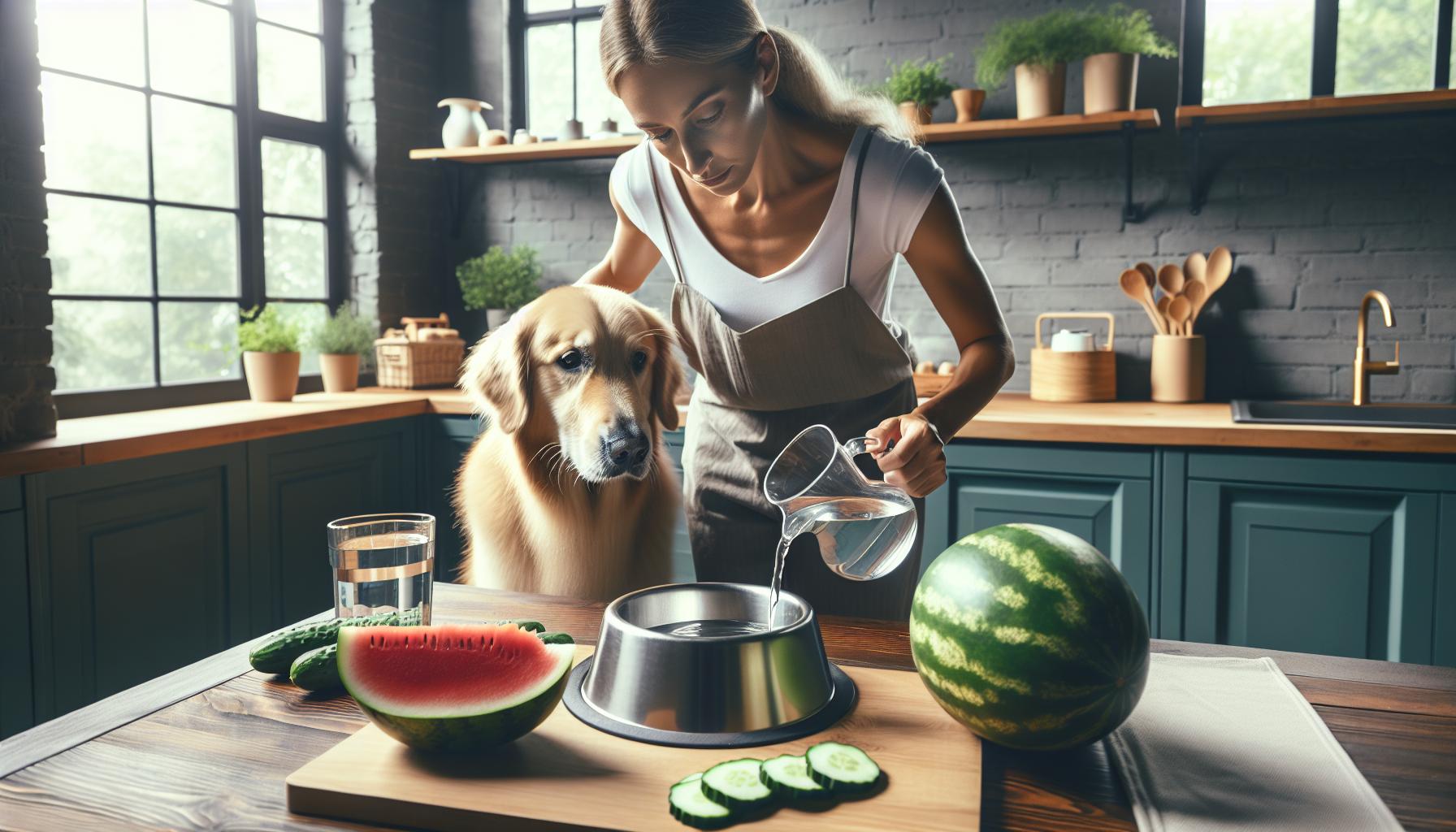
Factors Influencing Your Dog’s Water Intake
Understanding the various factors that influence your dog’s water intake is essential for ensuring they remain healthy and hydrated. Just like humans, dogs experience fluctuations in their hydration needs based on a variety of circumstances. For instance, a lively puppy might require significantly more water than a senior dog content to lounge around the house. This variance in needs is a reflection of several key elements.
Age and Size
First and foremost, a dog’s age and size play immense roles in their daily hydration requirements. Puppies and young dogs, full of energy, often need more fluids to support their rapid growth and lively activities. Conversely, older dogs may not require as much water, especially if their activity levels have decreased. Size is another critical factor; larger breeds generally need more water than smaller dogs simply due to their greater body mass. As a rule of thumb, aim for about 1 ounce of water per pound of body weight, adjusting based on observations of their drinking habits.
Activity Level
Another major influencer is your dog’s activity level. Highly active breeds, such as Border Collies or Labrador Retrievers, will deplete their fluids more quickly during playtime or exercise. In comparison, a laid-back breed like the Bulldog may sip less given their quieter disposition. To ensure your energetic companions stay hydrated, keep a close watch during and after vigorous training sessions or playdates, providing fresh water nearby to encourage regular sips.
Diet and Environment
Your dog’s diet also directly affects their hydration needs. Dogs consuming dry kibble typically require more water than those fed wet food, due to the higher moisture content in canned diets. Additionally, environmental factors like temperature and humidity significantly influence water intake. In sweltering summer months, you may notice your furry friend guzzling more than usual, which is normal as they acclimate to the heat. Keep their water bowl filled, especially during outdoor play in warmer weather, and consider providing ice cubes for a fun, refreshing treat.
By recognizing these influences on your dog’s water intake, you can take proactive steps to ensure they stay well-hydrated. Regularly monitoring their behavior, weight, and overall health can help you adjust their water needs accordingly, leading to a happier and healthier life for your beloved pet.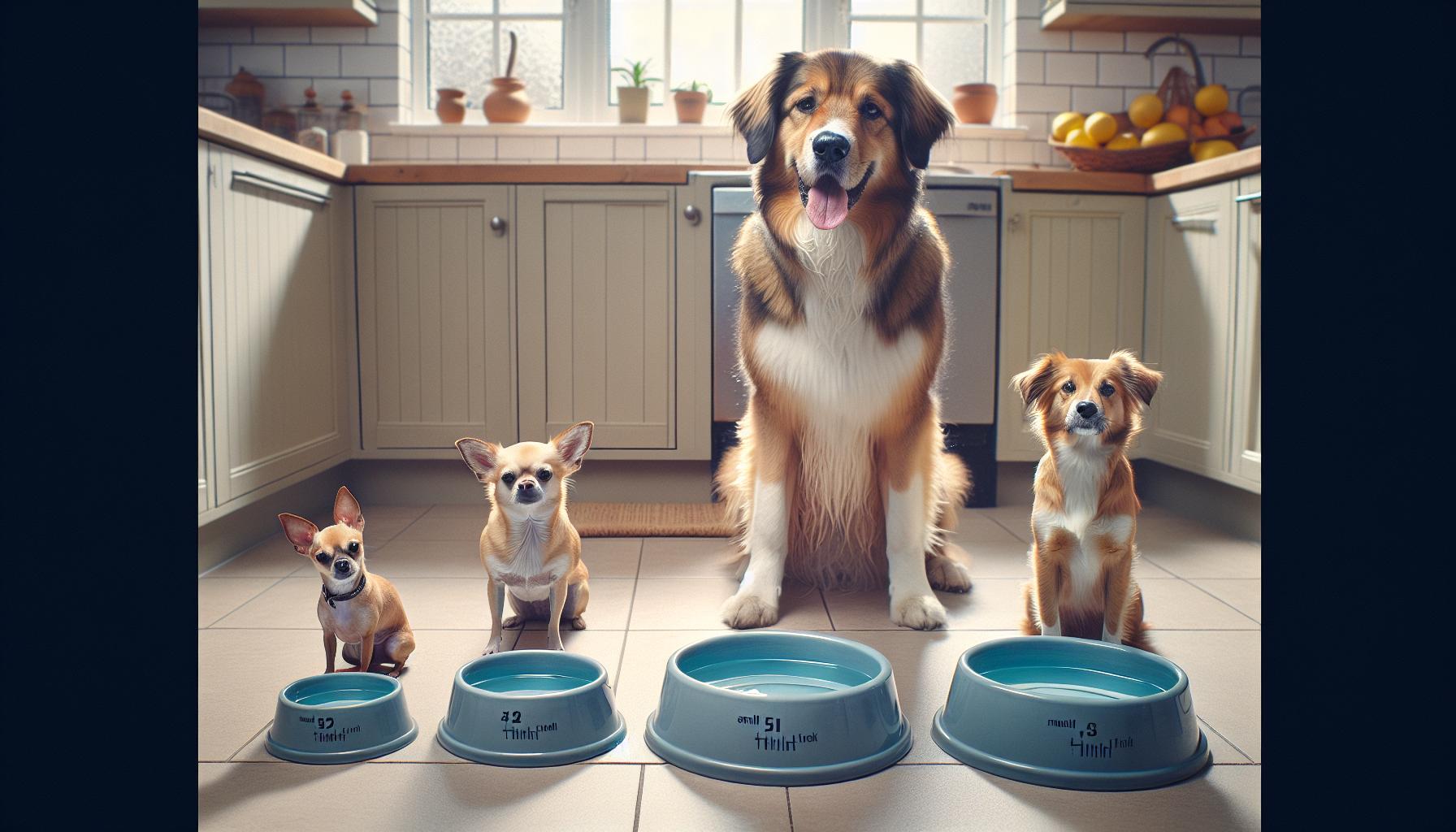
Daily Water Requirements Based on Dog Weight
When it comes to ensuring our furry companions stay hydrated, understanding their daily water requirements based on weight is crucial. Dogs need approximately 1 ounce of water per pound of body weight each day, but this rule can vary based on factors like activity level, age, and even the type of food they consume. For example, a 10-pound dog typically needs about 10 ounces of water daily, while a 50-pound dog might need around 50 ounces. Knowing this can help you tailor your approach to your dog’s hydration needs, leading to a healthier, happier life for your pet.
Daily Water Needs by Weight
Consider the following quick reference for daily water requirements based on weight:
| Dog Weight (lbs) | Daily Water Requirement (oz) |
|---|---|
| 5 | 5 |
| 10 | 10 |
| 20 | 20 |
| 30 | 30 |
| 50 | 50 |
| 70 | 70 |
| 100 | 100 |
It’s important to remember that these are general guidelines. Dogs that engage in rigorous activities or live in hot climates might need even more water than what’s indicated. For instance, active breeds like Border Collies or Golden Retrievers, known for their high energy, can sweat through panting and thus will require additional fluid intake. In contrast, breeds with a calmer disposition, such as Bulldogs, may need less due to their lower physical demands.
Adjusting for Individual Needs
As a pet parent, closely observing your dog’s drinking habits is key. If you notice your pet is frequently seeking water or seems lethargic, consider adjusting their daily intake accordingly. Providing fresh water throughout the day, especially after meals and playtime, is an effective way to ensure your dog remains adequately hydrated. Remember, hydration isn’t just about fulfilling a metric; it’s about maintaining their overall well-being and vitality. By investing the time to understand and cater to your dog’s unique requirements based on their weight, you contribute significantly to their health and happiness.
Signs of Dehydration in Dogs: What to Watch For
Every dog owner should keep a close eye on their furry friend’s hydration status, as dehydration can sneak up on both you and your pet. Dogs can easily become dehydrated, and recognizing the early warning signs is crucial to ensuring their health and well-being. A lack of sufficient water can lead to serious health issues, so being able to identify these signs is essential.
One of the first indicators of dehydration is a change in your dog’s behavior. If your normally playful pup starts to seem lethargic or less interested in activities, it could be a sign they’re not getting enough water. Monitoring their energy levels can be key; active breeds like Labrador Retrievers and Border Collies, who typically have a zest for life, may show noticeable signs of fatigue if they’re not hydrated.
Another common symptom to watch for is dry gums and a dry nose. You can easily check this by gently lifting your dog’s lip to look at their gums. They should be moist and healthy-looking. If they appear sticky or dry, it’s a signal that they might need a drink. Additionally, you can perform the skin elasticity test: pinch the skin between their shoulder blades, and if it doesn’t promptly return to its normal position, your dog may be dehydrated.
It’s also essential to pay attention to their urine output. Dehydrated dogs might produce less urine, and the urine may appear darker than usual. If you notice that your dog is urinating less frequently or if you can’t recall the last time they had to go outside, it’s time to encourage them to drink more water.
By being aware of these signs, providing plenty of fresh water, and making hydration a priority, you can help keep your dog happy and healthy all year round. Remember, a well-hydrated dog is a joyful companion ready for all your adventures together!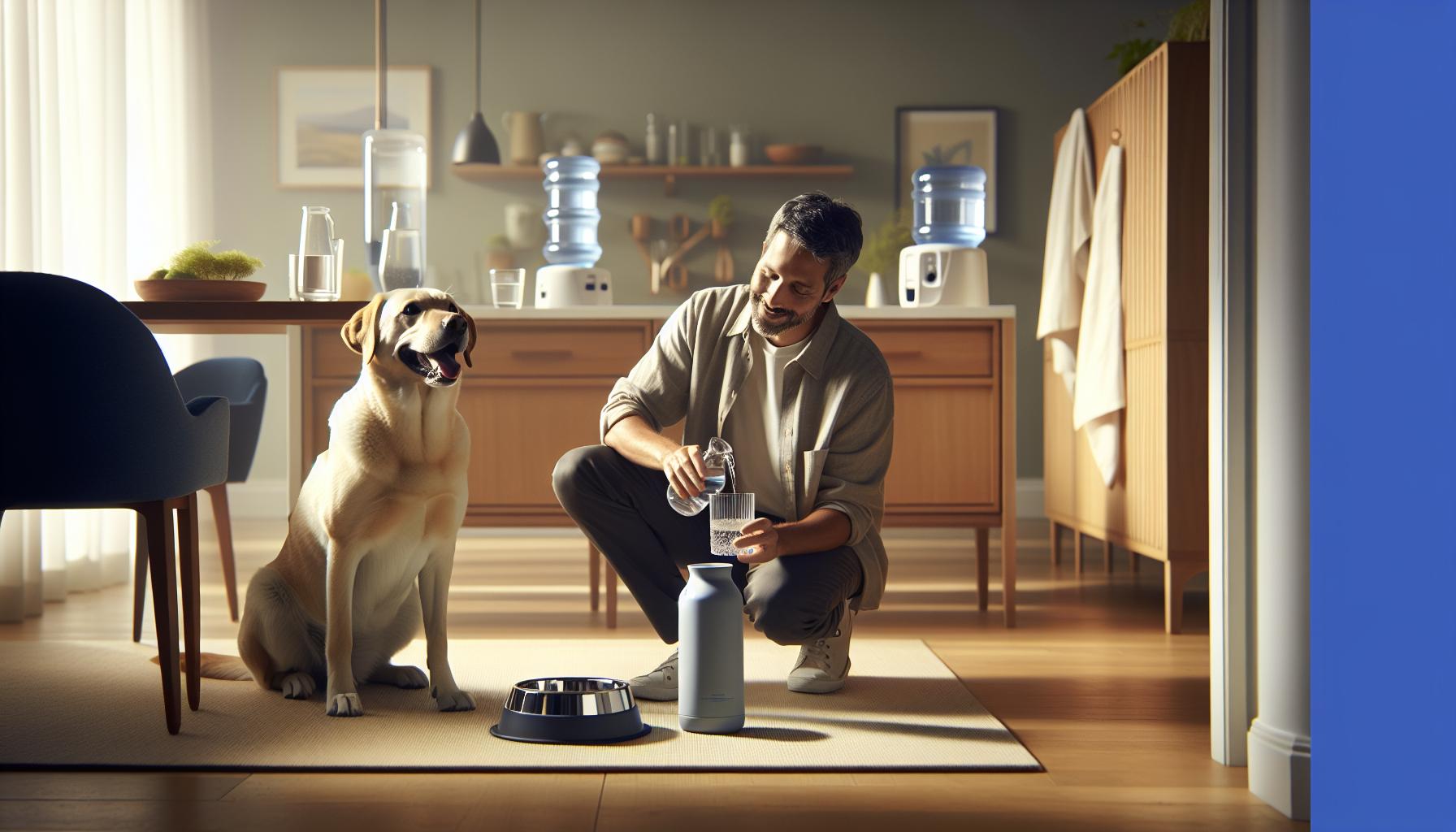
Best Practices for Keeping Your Dog Hydrated
It’s fascinating to note that just like humans, dogs rely heavily on water for their overall health and happiness. Ensuring your dog stays well-hydrated is a crucial aspect of pet ownership, particularly as dehydration can lead to serious health issues. Here are some best practices to help keep your furry friend hydrated throughout the day.
One simple yet effective approach is to always provide fresh, clean water. Dogs can be particular about their water, and stale or dirty water might deter them from drinking. Change their water daily to keep it fresh, and consider using a water bowl that is easy to clean. Some dogs are attracted to running water, so a pet water fountain can also encourage them to drink more.
When it comes to daily intakes, understanding your dog’s weight and activity level is essential. On average, dogs need about 1 ounce of water per pound of body weight daily, but this can vary based on size, age, and activity. For instance, a 50-pound dog typically requires about 50 ounces of water each day. Keeping in mind that active breeds, such as Border Collies or German Shepherds, may need more due to increased exertion, adjusting their water intake accordingly is vital.
To further encourage your dog to drink more, consider incorporating wet food into their diet, since high moisture content can significantly boost their overall hydration. Additionally, during walks or playtime, especially on hot days, offer your dog water breaks to prevent dehydration. If they’re resistant to drinking, you might try adding a splash of low-sodium broth to their water or offering ice cubes as a treat.
Lastly, keep an eye on the weather and the environment. Dogs tend to drink more in warmer climates or during hot weather. Ensuring they have constant access to shade and cool water during the summer months will help maintain their hydration levels. Remember, a happy, hydrated dog is a healthy companion ready for all your adventures together!
Understanding the Impact of Diet on Hydration
Proper hydration is crucial for keeping dogs healthy, and did you know that their diet plays a significant role in their overall water intake? This aspect is often overlooked, but understanding how the food you provide affects your dog’s hydration can help you make better choices for their wellbeing. Many pet owners may not realize that a dog’s moisture intake comes not just from the bowl but also from the dog food they consume. Foods with higher water content can effectively supplement their daily hydration needs.
When considering hydration, it’s important to note the differences between dry kibble and wet food. Dry dog food typically contains about 10% moisture, while canned dog food can contain anywhere from 70% to 80%. This means that feeding a diet rich in wet food can significantly contribute to your dog’s total hydration. For a pet owner, this could translate into reduced water consumption from the bowl, especially with dogs who may be reluctant to drink. If you’ve got a finicky drinker, trying a combination of wet and dry food might just be the key to keeping your dog properly hydrated.
Another essential factor to consider is the sodium content in your dog’s food. Higher sodium levels can cause thirst, leading dogs to drink more water than they usually would. Therefore, being mindful of the nutritional labels while selecting dog food is vital. Furthermore, some breeds, like Greyhounds and Beagles, may be more sensitive to diet affects than others, so tailored feeding can help maintain their hydration levels. Transitioning to a diet with a balanced moisture and sodium ratio while ensuring access to fresh water can support optimal hydration.
In addition, supplements like bone broth can enhance both the flavor and moisture of your dog’s diet. This not only encourages them to eat but also helps boost their water intake significantly. You might also consider rotating food brands or types, which can keep your dog excited about mealtime and ensure they get an array of nutrients and hydration sources. By being proactive about your dog’s diet in relation to hydration, you can positively influence their overall health and happiness.
Choosing the Right Water Bowl for Your Dog
Selecting the ideal water bowl for your furry friend may seem like a simple task, yet it can significantly impact their hydration habits. Did you know that dogs often prefer specific types of bowls based on their breed, size, and personal quirks? A thoughtful choice can encourage your pup to drink more water, helping them stay healthy and hydrated. When picking a water bowl, consider not only the material but also the height and design that suits your dog’s unique needs.
Material Matters:
The type of material your dog’s bowl is made from can affect their willingness to drink. Here are some common materials:
- Stainless Steel: Durable and easy to clean, stainless steel bowls resist bacteria and are less likely to retain odors.
- Plastic: While lightweight and inexpensive, plastic can harbor bacteria if scratched and may not be the best for long-term use.
- Ceramic: Available in various designs, ceramic bowls add a decorative touch to your home. However, they can chip and break easily.
Size and Height:
The size of the bowl should match your dog’s breed and weight; larger breeds often require bigger bowls to accommodate their drinking needs. Additionally, consider using raised bowls for larger dogs to promote better posture while drinking, making it easier for them to sip without straining their neck.
Design Features:
Some dogs can be messy drinkers, knocking over bowls in excitement or while playing. Look for non-slip options or weighted bowls that stay in place. If you have a breed prone to overeating, a slow-feed bowl can help regulate water intake by preventing them from gulping quickly.
Why Your Dog’s Preferences Matter:
Just like humans, dogs have personalities and preferences. Observe how your dog interacts with their bowl-do they seem more inclined to drink from a certain type? This can guide you in making the right choice. Incorporate features like wider openings to prevent whisker fatigue in brachycephalic breeds (like Bulldogs and Pugs) who can struggle with deep bowls.
In sum, the right water bowl can greatly influence your dog’s hydration levels. By choosing thoughtfully based on their individual needs and habits, you can keep your canine companion healthy and happy, ensuring they have access to fresh water whenever they need it!
Hydration Needs for Different Dog Breeds
Every dog owner knows that hydration is key to a healthy, happy pup, but did you know that a dog’s breed can significantly influence its daily water requirements? While general guidelines suggest that dogs need about one ounce of water per pound of body weight each day, different breeds can have varying needs based on their size, activity level, and climate adaptability. Understanding these nuances can help ensure your dog stays adequately hydrated.
Large breeds like Great Danes and Saint Bernards typically consume more water than smaller breeds like Chihuahuas or Pomeranians, simply due to their size. For example, a 120-pound Great Dane might need around 120 ounces (or roughly 15 cups) of water daily, while a 10-pound Chihuahua may only require about 10 ounces. Active breeds such as Border Collies or Labrador Retrievers who engage in regular exercise or outdoor play will also need extra hydration to compensate for the fluids lost through increased panting and energy expenditure.
Hydration Needs by Size and Activity Level
To help visualize the varying hydration needs, here’s a quick comparison table for different breeds based on size:
| Breed | Weight (lbs) | Daily Water Requirement (oz) |
|---|---|---|
| Great Dane | 120 | 120 |
| Labrador Retriever | 70 | 70 |
| Beagle | 25 | 25 |
| Chihuahua | 10 | 10 |
Brachycephalic breeds like Bulldogs and Pugs may be less efficient at drinking due to their short snouts, which can sometimes hinder their access to water. This makes it even more important for owners of these breeds to take proactive steps in ensuring their dogs are sufficiently hydrated. Similarly, dogs living in warmer climates or engaging in strenuous activities, such as agility or herding, require closely monitored hydration to prevent overheating or dehydration.
For every dog, it’s critical to recognize behavioral signs that indicate hydration needs. If you notice your pup panting excessively, lethargic behavior, or decreased appetite, these may be early warning signs of dehydration. By taking into account your dog’s breed, weight, activity level, and environmental conditions, you can better tailor their water intake, leading to a more vibrant and healthy life.
Adjusting Water Intake for Active Dogs
Ensuring that active dogs stay hydrated is crucial for their overall health and performance. Active breeds, such as Border Collies and Australian Shepherds, often engage in activities that lead to significant fluid loss through panting and exertion. As a rule of thumb, these dogs can require at least 1.5 to 2 times the standard daily water intake-approximately 1 ounce per pound of body weight-especially on days filled with energetic play or exercise. For instance, a lively 50-pound dog may need around 75 to 100 ounces of water or more, depending on the intensity and duration of their activities.
To keep active dogs well-hydrated, it’s essential to monitor their water intake closely, especially after vigorous exercise. Providing fresh water frequently throughout the day and having water available during play sessions can encourage drinking. Additionally, incorporating hydration practices can be beneficial, such as offering ice cubes for them to chew on after a run or providing soaked kibble to increase their overall fluid intake. It’s not just about the amount of water but also about making it readily accessible and appealing.
Another important aspect is recognizing the signs that your dog may need additional hydration. If you notice them panting heavily, experiencing a drop in energy, or refusing treats, these could be signs of dehydration. Moreover, keep an eye on the weather. Hot or humid conditions can dramatically increase a dog’s hydration needs, so on warmer days, it’s vital to adjust their intake accordingly. Remember, keeping your furry friend hydrated is a shared responsibility, and being proactive can help prevent health issues related to dehydration while maximizing their enjoyment and performance during playtime.
Tips for Encouraging Your Dog to Drink More
Ensuring your dog stays well-hydrated can be a delightful journey of discovery, filled with tips and tricks that make drinking water more appealing. Did you know that many dogs prefer fresh, cool water over lukewarm, stale water? This simple insight can be the first step in encouraging your furry friend to take those extra sips!
To make drinking water more enticing, consider a few practical strategies. Start by switching to a water bowl made from stainless steel or ceramic rather than plastic, which can retain odors that deter drinking. Dogs have sensitive noses, and a clean bowl may encourage them to drink more often. Additionally, ensure the water is fresh; changing it at least once a day-more often in warmer weather-can make a significant difference. It can also be beneficial to use a pet water fountain that keeps the water flowing and oxygenated, which many dogs find irresistible.
Another effective method is to enhance the taste of the water. You can add a splash of low-sodium chicken or beef broth to entice your pup. Just make sure it’s broth without onions or garlic, as those are toxic to dogs. Furthermore, offer options like ice cubes-many dogs enjoy chewing on them, especially in hot weather. A fun way to incorporate this is by freezing treats or fruit in ice cubes for an exciting snack!
Hydration doesn’t always mean water, either. Mixing some hydrated dog kibble or providing wet food can contribute to their overall fluid intake. Focus on offering a variety of water stations around your home and yard to make it easy for them to hydrate without needing to hunt for their bowl.
Finally, keep an eye on your dog’s behavior. If they seem reluctant to drink, or if their energy drops, use these moments to quickly engage them with play-this could stimulate thirst, especially after some energetic rounds of fetch. Remember, fostering a routine where drinking becomes a positive experience is key; consistency and creativity will empower your dog to drink more water, helping them stay healthy and happy!
Common Myths About Dog Hydration Debunked
It’s a common misconception that dogs can get by perfectly well without drinking water frequently, but hydration is critical for their health, much like it is for humans. Many people believe that if their dog is eating wet food, they do not need to drink as much water. While wet food does contribute to their overall hydration, it shouldn’t be a substitute for fresh water; dogs may still need access to water at all times. In fact, the average dog requires approximately one ounce of water per pound of body weight daily, regardless of their diet.
Another prevalent myth is that all dogs instinctively know how much water they need and are great at self-regulating their intake. This assumption can lead to problems, especially for breeds prone to certain health issues. For example, older dogs or those with health conditions may not feel thirsty even when they actually need to hydrate. It’s essential to regularly monitor their water consumption and encourage them to drink, especially during hot weather or after exercise.
Understanding Behavior Patterns
Furthermore, some pet owners think that a dog’s panting or drooling during playtime indicates sufficient hydration. However, these signs can often signal that the dog is overheating. Dogs can lose fluids quickly through panting, and it’s crucial to provide fresh, clean water immediately to help cool them down. As a general rule, if your dog is panting more than usual or shows signs of fatigue during play, it’s time to take a break and hydrate.
Finally, many believe that leaving water out all day will lead to excess consumption. In reality, the more accessible the water is, the more likely your dog will drink at regular intervals. This habit can help prevent various conditions like urinary tract infections or kidney problems. Encouraging a consistent drinking routine not only keeps your canine companion hydrated but also promotes better overall health.
By debunking these hydration myths, pet owners can create a healthier environment for their dogs. Understanding their needs and monitoring their water intake isn’t just about quenching thirst; it contributes significantly to their well-being. So, always keep a close eye on your furry friend’s hydration habits and stay proactive in ensuring they remain healthy and happy!
Hydration during Hot Weather: Essential Tips
With rising temperatures, ensuring your dog stays hydrated becomes a key priority for pet owners. Did you know that dogs can dehydrate rapidly in hot weather, potentially leading to serious health issues? While the general rule suggests one ounce of water per pound of body weight each day, this can increase significantly during heat waves or intense exercise. Let’s explore some essential tips to help keep your furry friend cool and hydrated.
First and foremost, always ensure your dog has access to fresh and clean water throughout the day. If you’re spending time outdoors, bring a portable water bowl and plan frequent water breaks. It’s a good idea to take walks during the cooler parts of the day, either early in the morning or later in the evening, which helps minimize overheating. For breeds with short snouts, like Bulldogs or Pugs, extra care is needed, as they can struggle with heat regulation.
Creating a shady, comfortable spot for your dog to relax outdoors is also beneficial. When temperatures soar, consider adding ice cubes to their water bowl or providing cooling mats. Breeds with thicker fur might need a gentle spray from a hose or a dip in a kiddie pool to cool down effectively. Always watch for signs of overheating, such as excessive panting, drooling, or lethargy. If you notice these symptoms, offer water immediately and find a cool place for your dog to rest.
Lastly, consider incorporating moisture-rich foods into your dog’s diet, such as watermelon or cucumber, which can provide additional hydration during hot days. Keep in mind, though, that meals should not replace water but can be a great supplement. By keeping these tips in mind, you can help ensure that your dog stays hydrated, energized, and ready for summer fun while avoiding the dangers associated with heat stress.
FAQ
Q: How much water should I give my dog daily based on their weight?
A: The general guideline is that dogs should drink about one ounce of water per pound of body weight daily. For example, a 20-pound dog would need approximately 20 ounces of water. Adjustments may be needed based on activity level and climate. For comprehensive insights, check out the section on daily water requirements in the article.
Q: What factors can affect how much water my dog needs?
A: Several factors can influence your dog’s water needs, including their age, size, diet (dry vs. wet food), level of activity, and environmental conditions. For example, active dogs in hot weather require more water. Refer to the article for a detailed breakdown of these influences.
Q: Can I give my dog too much water?
A: Yes, overhydration can lead to water intoxication, which is rare but serious. Signs include lethargy, bloating, and vomiting. Ensure your dog has regular access to water but monitor their intake, especially during playtime or hot weather.
Q: What are the signs of dehydration in dogs?
A: Key signs of dehydration include dry gums, excessive panting, and reduced skin elasticity. If you suspect your dog is dehydrated, provide fresh water immediately and consult a veterinarian, especially if symptoms persist. More detailed warning signs can be found in the article’s dehydration section.
Q: How can I encourage my dog to drink more water?
A: To encourage your dog to drink more water, try providing fresh water regularly, adding flavor with low-sodium broth, or using a pet water fountain that promotes freshness. Regular hydration tips are discussed in the article for effective strategies.
Q: Should I adjust my dog’s water intake for hot weather?
A: Yes, during hot weather, dogs may require significantly more water to avoid dehydration. Increase their access to clean water and monitor intake closely. The article provides essential hydration tips for hot weather scenarios that can be helpful.
Q: Do different dog breeds have varying hydration needs?
A: Absolutely, hydration needs can vary widely among dog breeds. Larger breeds may need more water compared to smaller ones, and active breeds might need extra hydration. For breed-specific guidance, refer to the hydration needs section in our article.
Q: What should I do if my dog refuses to drink water?
A: If your dog is refusing to drink water, first check for underlying health issues. You can try changing the water bowl, adding ice cubes, or incorporating wet dog food. If the issue continues, consult your veterinarian for advice. More on encouraging drinking is available in the hydration tips section of the article.
Closing Remarks
Ensuring your dog drinks the right amount of water is essential for their health and wellbeing. Remember, hydration needs vary by weight, breed, and activity level, so keep a close eye on your pup’s water intake, especially during hot weather or after exercise. If you’re looking for more insights into keeping your furry friend healthy, check out our guides on Dog Nutrition and Understanding Your Dog’s Breed, which can help enhance your care routine.
Don’t wait any longer-take action now by assessing your dog’s current water intake and making adjustments as needed! If you have any concerns or questions about your pet’s hydration, feel free to leave a comment below or reach out to your veterinarian. Together, we can ensure that your dog lives a happy, healthy life. For more expert advice, subscribe to our newsletter for the latest tips and resources tailored for dog lovers just like you!