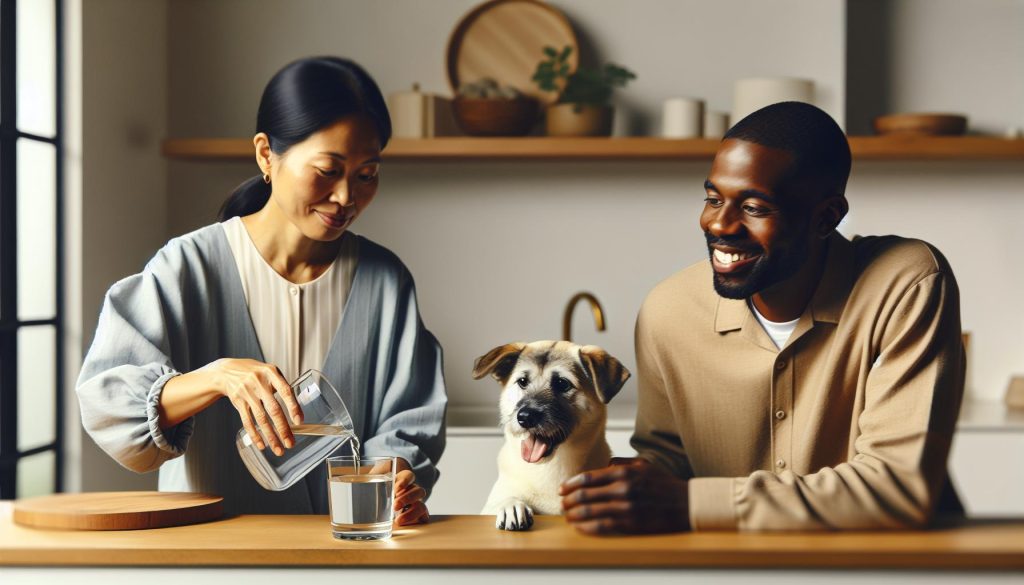
Did you know that an average healthy dog requires about one ounce of water for every pound they weigh? This fundamental need for hydration can vary based on several factors such as their size, activity level, and overall health. Understanding how much water your dog should drink each day is crucial to their well-being. Adequate hydration supports healthy digestion, temperature regulation, and even skin health. As a responsible pet owner, it’s important to recognize the signs of dehydration and to provide your furry friend with ample fresh water daily. In this article, we will delve into the daily water requirements for dogs, offering insights and practical tips to meet their hydration needs. Whether you’re a new pet owner eager to learn or an experienced handler looking to refresh your knowledge, this guide is designed to help ensure your dog stays happy and healthy!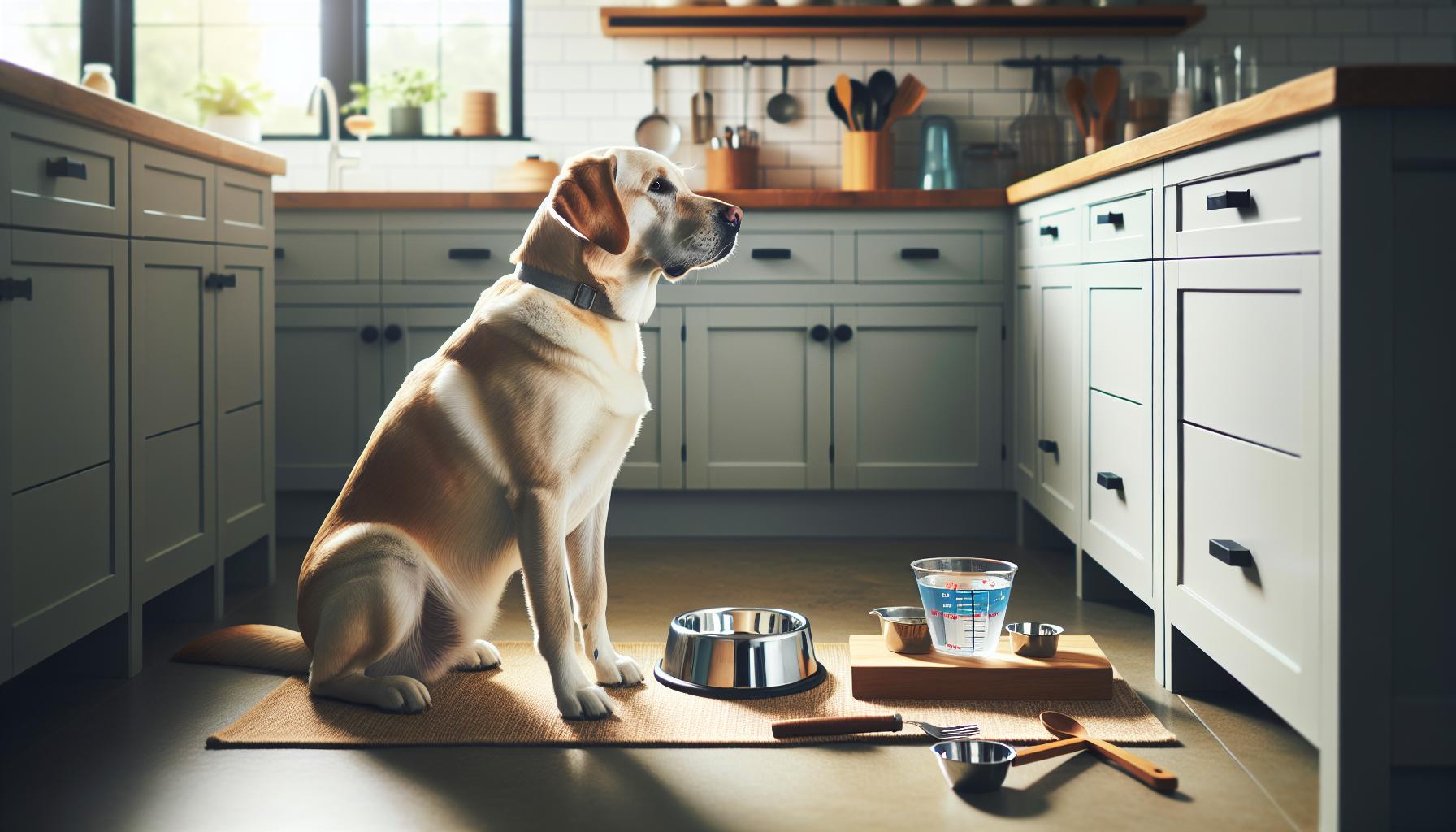
How Much Water Should Your Dog Drink Daily?
Did you know that a dog’s water intake is crucial for their overall health and well-being? Just like humans, dogs require an adequate amount of water each day to maintain proper body function, support hydration, and aid in digestion. As a general guideline, dogs should drink between half an ounce to one ounce of water per pound of body weight daily. This means that a 50-pound dog would need approximately 25 to 50 ounces, or about 3 to 6 cups of water each day. However, individual needs can vary based on several factors, including size, activity level, and the temperature of their environment.
Factors Influencing Daily Water Intake
It’s important to consider that not all dogs have the same hydration requirements. Here are a few factors to keep in mind:
- Activity Level: Active dogs, especially those that exercise vigorously, may require up to two times the regular amount of water. Ensure your furry friend stays hydrated during playtime, especially on warm days.
- Diet: Dogs eating dry kibble will require more water compared to those on a wet food or home-cooked diet, which contains higher moisture content.
- Climate: Hot or humid weather increases a dog’s need for water. In contrast, dogs living in cooler climates may drink less. Always provide fresh water to your dog regardless of the season.
Keeping Track of Your Dog’s Hydration
To help gauge how much water your dog is consuming, monitor their drinking habits. If you find that your dog isn’t drinking enough or seems to prefer not to hydrate after play or exercise, it may be necessary to encourage them to drink more water. You can do this by providing fresh, clean water frequently, adding water to their food, or offering ice cubes as a treat to make hydration more appealing.
In summary, maintaining proper hydration in dogs is vital for their health. By understanding their needs and monitoring their intake, you can help keep your canine companion happy and healthy. Remember, if you have concerns about your dog’s water consumption or notice significant changes, it’s always wise to consult a veterinarian.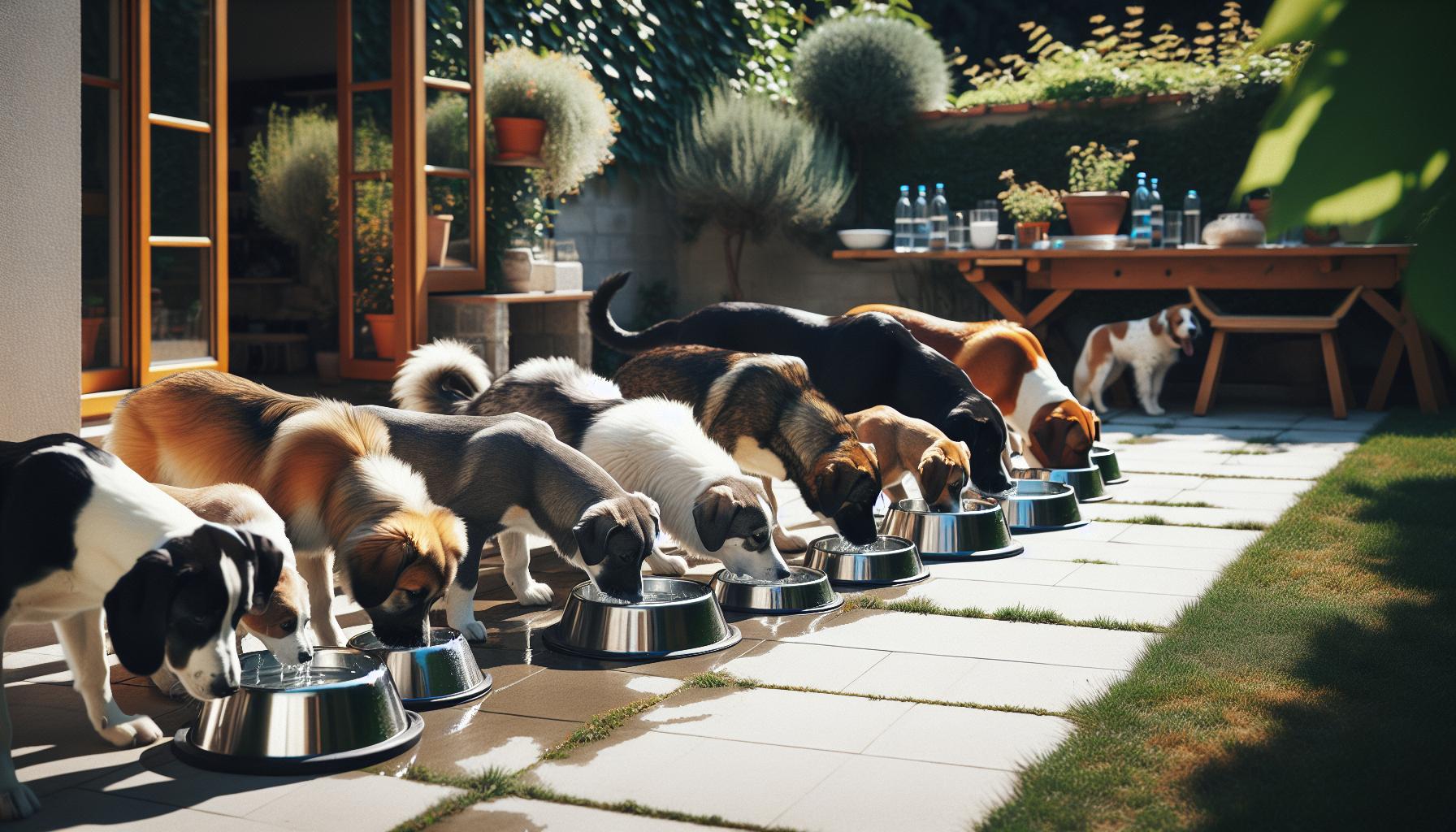
Understanding Your Dog’s Water Needs by Size
Understanding how much water your dog needs can feel like decoding a mystery, especially since their requirements change depending on size, age, and activity level. One fascinating takeaway is that larger dogs not only require more water than smaller breeds but their hydration needs scale significantly with size. For instance, a small Chihuahua may need just 5-10 ounces of water per day, while a Great Dane may require over 100 ounces. This fascinating contrast is essential for pet owners to appreciate, as a one-size-fits-all approach does not apply to canine hydration.
To emphasize the variety of needs, let’s look at a few examples. A Border Collie, an energetic and active medium-sized breed, would typically need between 30 to 50 ounces daily. In contrast, a King Charles Spaniel, a smaller dog, would need only about 15 to 30 ounces. Understanding these differences helps ensure you’re providing sufficient water tailored to your dog’s size and physical activity. Additionally, it’s crucial to consider that puppies and senior dogs generally have different hydration needs than their adult counterparts, often requiring extra care and attention.
When evaluating your dog’s hydration needs, consider this simple formula: aim for about 1 ounce of water per pound of body weight. This can help you quickly estimate how much fresh water you should provide. So if you have a 30-pound dog, that would suggest a daily intake of around 30 ounces, equating to around 3.75 cups of water. However, don’t forget to adjust that number based on their lifestyle-active dogs naturally need more, especially after play or exercise.
To maintain optimal hydration for your furry friend, regularly refill their bowl with clean, fresh water, and always have water available, regardless of whether they seem thirsty. Observing their drinking habits closely is vital; any sudden changes could hint at underlying health issues that might require a veterinary check. With proper hydration tailored to your dog’s needs, you’re setting them up for health, happiness, and well-being!
Factors Affecting Your Dog’s Hydration Needs
Understanding your dog’s hydration needs goes beyond basic daily intake guidelines; various factors come into play that can significantly alter how much water your furry friend requires. For instance, factors such as size, breed, age, activity level, diet, and even the weather can impact your dog’s need for hydration.
Size and Breed
Larger breeds like Great Danes inherently require more water compared to smaller breeds like Chihuahuas. As a general guideline, larger dogs can drink over 100 ounces a day, while smaller ones may need only 5-10 ounces. However, not all breeds have the same water needs based solely on size. For example, active working breeds, such as Border Collies, will need more because of their higher energy expenditure compared to more sedentary breeds. Understanding these nuances allows pet owners to tailor water intake specifically to the needs of their dog.
Activity Level and Age
A dog’s activity level is another critical factor. An active dog that regularly engages in play or exercise may require up to twice the amount of water compared to a couch potato. Puppies and older dogs also have unique hydration needs; puppies often need more water relative to their size, while senior dogs may become less efficient at regulating their hydration, making them more susceptible to dehydration.
Dietary Influences
The type of food your dog consumes plays a significant role as well. Dogs eating dry kibble generally require more water than those fed wet or raw diets, which contain higher moisture content. If your dog’s diet is primarily dry food, adding wet food or incorporating broth can help enhance their hydration.
Environmental Conditions
Environmental factors, such as temperature and humidity, should not be overlooked. Hot, humid weather can sap your dog’s hydration levels more quickly. If your dog is exposed to warm conditions, such as during summer outings or hikes, increase their water supply to prevent overheating and dehydration. On the flip side, during colder months, you may think they need less water, but don’t be fooled-dogs can still become dehydrated in winter, especially if they are less active or if the humidity is low.
By being aware and observant of these various factors, you can ensure your dog remains properly hydrated every day, safeguarding their health and happiness.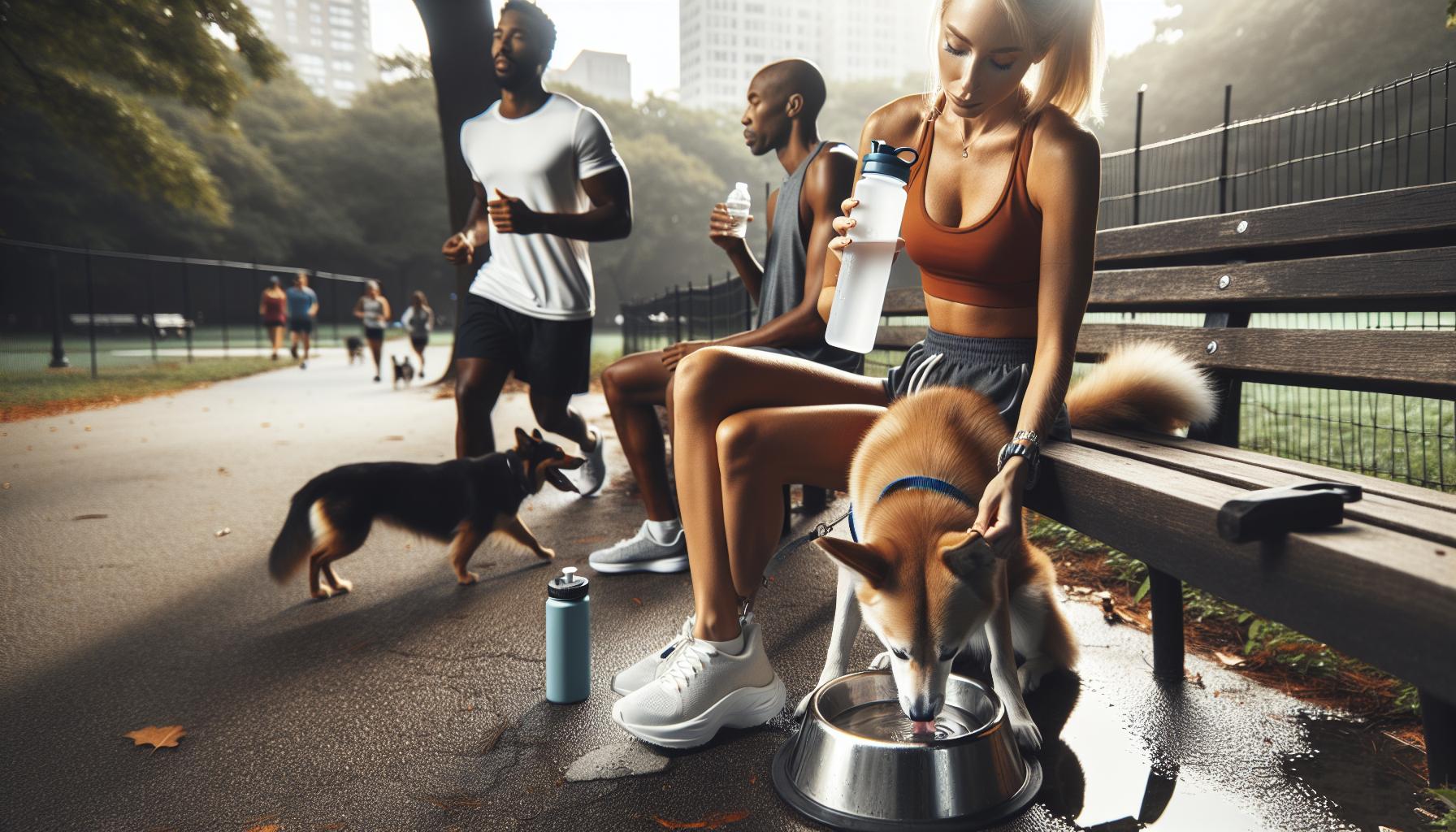
Signs Your Dog Is Not Drinking Enough Water
Noticing when your dog isn’t drinking enough water can be a challenge, especially since they can’t communicate their needs directly. It’s crucial to pay attention to both physical signs and changes in behavior. For instance, dehydration might not always present itself in obvious ways, making vigilance key to prevention and care.
One of the earliest indicators of dehydration is your dog’s skin elasticity. Gently pinch the skin at the back of their neck or between the shoulder blades. If the skin doesn’t snap back quickly, it’s a sign they might be dehydrated. Additionally, check their gums; healthy gums are typically moist and pink, but if they appear dry or tacky, that’s a cause for concern. Energy levels can also indicate hydration status-if your usually playful pup seems lethargic or disinterested in their favorite activities, dehydration might be the underlying issue.
Moreover, keep an eye on urination patterns. Dogs should urinate regularly; typically, an adult dog should relieve themselves at least 3-5 times a day. If you notice that your dog is going fewer times or producing dark, concentrated urine, this can signal that they need more water. Furthermore, check for any changes in appetite. A decrease in food intake might coincide with dehydration, making it vital to monitor both their water and food consumption closely.
Occasionally, you can observe behavior changes, such as excessive panting or seeking cooler surfaces, indicating that your dog may struggle to regulate their body temperature due to inadequate hydration. As responsible pet owners, being proactive and attentive to these signs ensures your furry friend remains healthy and happy.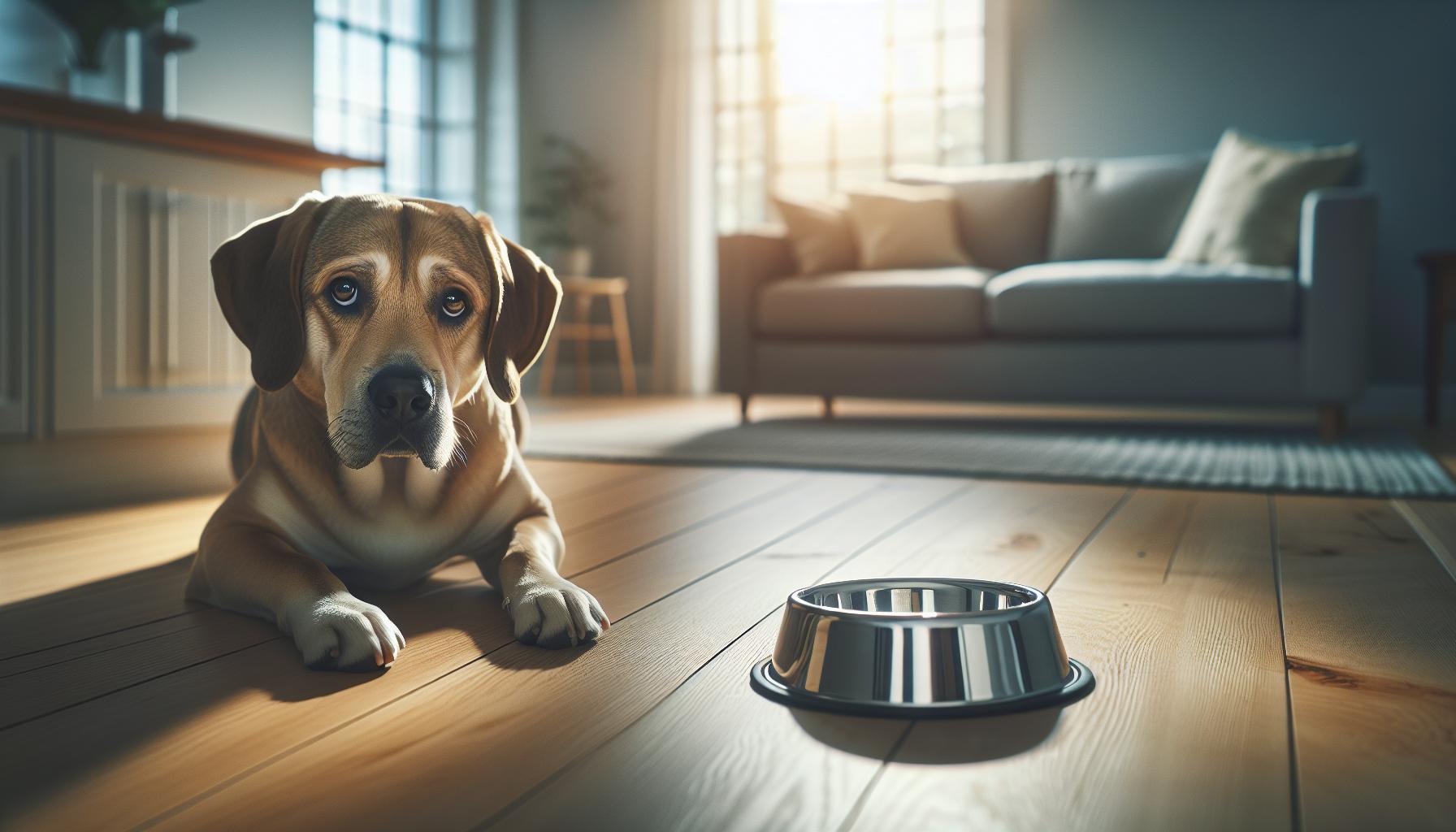
How to Encourage Your Dog to Drink More Water
Providing your furry friend with sufficient hydration is crucial for their overall health and well-being. However, some dogs may be reluctant to drink enough water on their own. Luckily, there are several effective strategies you can implement to encourage your dog to sip more throughout the day.
One of the easiest ways to entice your pup is to make the water more appealing. This can be done by refreshing their water bowl regularly, as dogs are more inclined to drink water that tastes clean. Consider using a pet water fountain, which not only provides a continuous stream of fresh water but also entices many dogs to drink more due to the movement and sound. Additionally, you can add flavor to their water with low-sodium broth or infuse it with dog-friendly fruits like blueberries or watermelon, making hydration a delightful treat.
Incorporate Hydration into Playtime
Another fun approach to hydration is integrating water breaks into playtime. When you take your dog for a walk, refrain from rushing back home and allow for some stops. Carry a collapsible water bowl and take frequent hydration breaks, especially during warm days or strenuous activities. You can also freeze water mixed with dog-safe fruits in ice cube trays for a refreshing snack on hot days, encouraging them to lick and drink as the ice melts.
Monitor Their Diet
Diet can significantly impact your dog’s hydration levels, too. If your pup eats dry kibble, consider adding wet dog food to their diet or mixing plain canned pumpkin or yogurt to encourage drinking. For those who enjoy raw diets, incorporating water-rich foods such as cucumbers or zucchini can provide additional moisture. Always keep an eye on their water consumption and adjust their meals as needed to ensure they stay hydrated.
To further enhance hydration habits, establish a routine by designating times for water breaks during their daily schedule. This approach not only encourages constant hydration but also helps create a sense of structure that dogs thrive on. Keeping these few actionable strategies in mind can promote healthier hydration habits for your beloved pet, ensuring they lead a happy and active life.
Daily Water Intake Recommendations for Different Breeds
When thinking about how much water your dog needs each day, it’s essential to remember that not all breeds are created equal. Just as humans have varying hydration needs based on their activity level and body size, so do our canine companions. On average, the general rule of thumb is that dogs should drink approximately 1 ounce of water per pound of body weight each day. However, various factors come into play that can influence this amount, particularly when considering different breeds.
For larger breeds such as Great Danes or Saint Bernards, their stature means they’ll typically require more water than smaller breeds like Chihuahuas or Dachshunds. A 100-pound Great Dane could need about 100 ounces (or 12.5 cups) of water per day, while a 10-pound Chihuahua may only need about 10 ounces (or just over 1 cup). Yet, it’s not just about size; the level of activity matters too. Highly active breeds such as Border Collies, Labrador Retrievers, and Australian Shepherds might need even more water to stay hydrated, especially during intense play or training sessions.
Here’s a helpful breakdown of daily water intake recommendations for various breeds:
| Breed | Average Weight (lbs) | Water Requirement (oz/day) |
|---|---|---|
| Great Dane | 100 | 100 |
| Labrador Retriever | 75 | 75 |
| Boxer | 60 | 60 |
| Beagle | 25 | 25 |
| Dachshund | 10 | 10 |
In addition to breed characteristics, consider life stages; puppies and lactating females require more water as they grow and produce milk. Older dogs may also have different hydration needs based on their health status. Always keep an eye on your pet’s behavior and adjust their water intake if they seem more active or sluggish than usual.
While these guidelines serve as a starting point, it’s crucial to individualize your dog’s hydration plan. Monitoring their water consumption, observing their thirst levels, and recognizing signs of dehydration can go a long way in keeping your furry friend healthy and happy. Each dog is unique, and knowing their patterns will help you ensure they’re adequately hydrated throughout the day.
Hydration Tips for Active Dogs vs. Couch Potatoes
Active dogs and couch potatoes have distinctly different hydration needs, and understanding these differences can ensure your furry friend stays healthy and happy. Dogs that are constantly on the go-like Border Collies and Labradors-will often need more water due to their high energy levels and increased physical activity. For these spirited breeds, it’s essential to provide access to fresh water throughout the day and encourage frequent hydration breaks, especially after intense play or exercise. Generally, active dogs might require up to 50% more water than their less active counterparts, so keep an eye on their drinking habits and adjust accordingly.
On the other hand, less active breeds or older dogs tend to have lower hydration needs. These dogs may not drink as much simply due to a more sedentary lifestyle. It’s vital, however, to ensure they still receive ample water intake to prevent issues like urinary tract infections and kidney problems. Simple strategies like using a pet water fountain can entice these couch potatoes to drink more often. Offering fresh water in a shallow bowl can also encourage them to take regular sips throughout the day.
Regardless of your dog’s activity level, creating a hydration schedule can be beneficial. Here are a few practical tips for both types:
- For Active Dogs: Take water breaks during exercise, offer watery treats like watermelon or cucumber, and keep a portable water bowl handy during walks or outings.
- For Couch Potatoes: Monitor water consumption and encourage hydration by placing bowls in accessible spots around the home and adding water to dry food for added moisture.
Understanding your dog’s unique water needs is key to keeping them healthy and lively, enhancing their quality of life, and preventing dehydration.
Seasonal Water Intake: Keeping Your Dog Hydrated Year-Round
As the seasons change, so do your dog’s hydration needs. Did you know that a dog’s daily water intake can vary greatly depending on temperature, humidity, and activity level? In warmer months, dogs typically require more water due to increased perspiration and panting. Conversely, in chilly weather, while your dog may not seem as thirsty, it’s essential to ensure they stay hydrated to support their metabolic functions and overall health.
Adjusting for Temperature
During summer, you might notice your dog panting more often. This natural cooling mechanism needs to be supported with ample access to fresh water. It’s a good habit to check their water bowl several times a day, refreshing it to encourage them to drink often. You can also incorporate moisture-rich foods, like wet dog food or hydrating treats like watermelon, for an extra boost. For instance, breeds like Labrador Retrievers, known for their love of water, may require a daily intake of up to 100 ounces when active in hot weather.
In winter, however, dogs can be at risk for dehydration just as much as in the heat. Cold temperatures can reduce thirst levels, but they still lose moisture through their breath and urine. Dogs that are active outdoors in the snow, like Huskies and Malamutes, may need consistent access to fresh water, especially after physical play. Consider using heated water bowls to prevent freezing and encourage consumption.
Consider Activity Level
Your dog’s activity level throughout the different seasons plays a crucial role in how much they should drink. For example, active breeds like Border Collies or Golden Retrievers will need a substantial increase in water during intense play, particularly in warmer weather. It’s essential to provide structured hydration breaks when exercising outdoors, regardless of the season, to prevent overheating and subsequent dehydration.
On the other hand, if your dog is more of a couch potato, it’s still critical to monitor their water intake, ensuring they’re reaching at least the minimum daily requirement based on their size and health needs. Placing multiple water stations throughout the house can encourage more frequent drinking, aiding in their hydration during all seasons.
By understanding these seasonal changes and adjusting your dog’s water intake accordingly, you can help maintain their health and vitality throughout the year. Remember, keeping a watchful eye on their drinking habits and being proactive will make all the difference in ensuring your furry friend stays hydrated and happy!
The Role of Diet in Your Dog’s Hydration
A well-balanced diet can significantly impact your dog’s hydration levels, often serving as a complementary source of fluids alongside their water bowl. Many pet owners may not realize that the moisture content in different types of dog food plays a crucial role in meeting their dog’s overall hydration needs. For instance, dry kibble typically contains about 10% moisture, while wet or canned food can provide around 75-80% moisture. This difference can greatly influence how much additional water your dog requires daily.
When considering your dog’s diet, it’s helpful to know that individual nutritional needs can vary widely based on factors such as breed, size, age, and activity level. Here are some practical ways to ensure your dog’s meals contribute positively to their hydration:
- Choose high-quality food: Opt for a diet that incorporates high moisture content, especially if your dog tends to drink less water. Brands offering wet food can help keep your dog hydrated, particularly during warmer months.
- Hydrating treats: Incorporate fruits and vegetables like watermelon, cucumber, or carrots into your dog’s diet. These not only provide essential nutrients but also contribute additional moisture.
- Mixing meals: Consider mixing dry kibble with wet food or adding some water or low-sodium broth to their meals. This simple addition can make a significant difference in hydration.
Furthermore, some breeds may have specific dietary needs that influence their hydration levels. For example, larger active breeds such as Great Danes or Alaskan Malamutes may require more moisture-rich foods to sustain their energy and hydration, while smaller breeds like Chihuahuas may manage with a combination of high-quality dry food and regular access to water.
Ultimately, being mindful of your dog’s diet is an essential step toward ensuring they remain adequately hydrated. Pay attention to their water intake and adjust their food accordingly based on their specific hydration needs, activity level, and environmental factors to keep them healthy and happy.
Creating a Hydration Schedule for Your Dog
Creating a consistent hydration schedule for your dog is critical for ensuring they stay healthy, especially since hydration needs can vary significantly depending on their size, activity level, and environmental conditions. Just like humans, dogs need regular access to fresh water throughout the day to maintain their overall well-being. A well-planned hydration routine can help you monitor your dog’s intake more effectively and encourage them to drink regularly.
Start by determining how much water your dog should be drinking each day. As a general guideline, dogs typically require around 40-60 ml of water per kilogram of body weight, depending on their activity level and other factors [1]. Once you have a target volume in mind, you can strategize how to distribute it throughout the day. For instance, breaking the total daily requirement into smaller portions can encourage your dog to drink more frequently. Offer fresh water at regular intervals-perhaps every few hours or after activities such as walks or playtime.
Incorporating your dog’s feeding schedule into their hydration plan is also essential. If you’re feeding dry kibble, you may want to provide additional water right after meals, while with wet food, the hydration may be included within their diet. Keeping a dedicated water bowl in their favorite spots will remind them to drink, and some dogs might respond well to a pet water fountain, as the flowing water can be more enticing. For dogs who tend to ignore their water bowl, you could try adding ice cubes to their water, or providing flavored water using low-sodium broth on occasion.
Lastly, consider the environmental factors that may affect your dog’s hydration needs. In warmer weather or during heavy exercise, your dog will likely require more water than usual. Being attentive to these shifts in behavior can help you adjust their hydration schedule accordingly. Always observe your dog for signs of dehydration, such as dry gums, lethargy, or excessive panting, which can indicate they need more water or that adjustments to their hydration schedule are necessary. By creating a thoughtful hydration schedule, you not only ensure your dog’s health but also support their overall happiness and vitality.
Common Misconceptions About Dog Hydration
It’s easy to overlook the intricate needs of our furry friends, especially when it comes to hydration. Many pet owners hold some common misconceptions about how much water their dogs actually need, which can lead to serious health issues if unaddressed. One widespread myth is that dogs inherently know how much water they need. Unfortunately, this is not always the case. Dogs may not always drink adequately to stay hydrated, especially in warmer weather or after vigorous exercise. Therefore, it’s crucial to understand their hydration needs and not make assumptions based on their behavior alone.
Another misconception is that water intake is less critical for dogs that eat wet food. While it’s true that canned food contains more moisture than dry kibble, dogs still require access to fresh water at all times. Relying solely on food moisture can lead to inconsistencies in hydration. Some dogs may prefer to drink less, thus getting insufficient water, which can lead to dehydration over time.
Additionally, many believe that older dogs require less water than younger ones. In reality, senior dogs may actually need more water to support their kidney function and overall health, as age-related changes can affect their body’s ability to conserve moisture. Paying attention to your dog’s age, activity level, size, and environment will help you more accurately assess their individual hydration needs.
It is also important to clarify that all dogs can be susceptible to dehydration regardless of their activity level. Couch potatoes may not expend energy but may still require regular water intake to stay healthy. Use this understanding as a guideline to monitor and support your dog’s hydration status regularly. Providing clean and fresh water consistently, adjusting for temperature and activity levels, and being mindful of any changes in their drinking habits can help ensure your furry companion remains happy and healthy.
When to Consult a Veterinarian About Your Dog’s Water Intake
It’s alarming how easily our canine companions can become dehydrated, often without us even realizing it. A sudden drop in your dog’s water intake can signal underlying health concerns. Knowing when to seek veterinary help can make all the difference in keeping your furry friend hydrated and healthy. If you notice your dog drinking significantly less water than usual or exhibiting signs of distress, don’t hesitate to consult your veterinarian.
There are several crucial signs that should prompt a visit to the vet regarding your dog’s hydration. If you observe any of the following, it’s wise to make that phone call:
- Persistent lethargy: If your dog seems unusually tired or disinterested in activities they normally enjoy, this could indicate dehydration.
- Dry gums or tongue: Check for dry or sticky gums, which can be a clear indicator that your dog isn’t getting enough fluids.
- Panting or increased heart rate: Excessive panting or a racing heart can suggest your dog is struggling to stay hydrated.
- Changes in urination: A noticeable decrease in urination or dark-colored urine could signal dehydration and the need for veterinary evaluation.
It’s essential to remain observant, especially after a hot day or following exercise. Dogs engaged in vigorous play or exposed to high temperatures may need more water than usual. If your dog shows any of these symptoms, act promptly; delaying treatment can lead to more serious complications.
Remember, maintaining a consistent hydration schedule is key, but being proactive is just as important. Regular check-ups can help your veterinarian assess your dog’s specific hydration needs while ruling out any potential health issues. Ultimately, prioritizing your dog’s hydration and seeking help when necessary will contribute to their overall well-being and happiness.
Faq
Q: How much water should a small dog drink in a day?
A: A small dog should drink approximately 40-60 milliliters of water per kilogram of body weight each day. For instance, a 5 kg dog should intake around 200-300 ml of water daily. Regular monitoring ensures your dog remains hydrated, especially in warmer weather or after exercise.
Q: Why is hydration important for my dog?
A: Hydration is crucial for your dog’s health as it supports bodily functions, including digestion, joint lubrication, and temperature regulation. Insufficient water intake can lead to dehydration, impacting their energy levels and overall well-being. Ensure your dog’s water supply is fresh and accessible.
Q: Can I determine my dog’s hydration needs by breed?
A: Yes, different dog breeds may have varying hydration needs based on size and activity level. Generally, larger or more active breeds will require more water than smaller, less active breeds. Checking your dog’s weight and activity can help fine-tune their daily water intake.
Q: How can I tell if my dog is hydrated enough?
A: Signs of hydration include moist gums, normal skin elasticity, and a clear urine color. If your dog’s gums appear dry, skin loses elasticity, or if they are lethargic, it may indicate dehydration. Always consult your vet if you’re concerned about your dog’s hydration status.
Q: What factors influence my dog’s water intake?
A: Several factors affect your dog’s water intake, including their size, diet, activity level, and environmental temperature. Dogs eating dry kibble will typically drink more water than those on wet food. Monitor these variables to maintain adequate hydration.
Q: How to encourage my dog to drink more water?
A: To encourage your dog to drink more water, provide fresh, clean water several times a day, use a pet fountain for running water, or add water to their food. Consider offering ice cubes as a fun treat, especially in warmer months-a method to boost hydration.
Q: Is it normal for my dog to drink a lot of water at once?
A: While it’s normal for dogs to drink larger amounts of water after exercise or meals, excessive drinking can signal health issues like diabetes or kidney problems. If your dog frequently drinks more than usual and shows other symptoms, consult your veterinarian.
Q: When should I consult a vet about my dog’s water intake?
A: You should consult a veterinarian if you notice significant changes in your dog’s drinking habits, such as excessive thirst or reduced water consumption, alongside symptoms like lethargy or vomiting. Addressing these changes early can help prevent serious health issues.
In Conclusion
Understanding your dog’s hydration needs is essential for their overall health and well-being. Remember, most dogs require anywhere from ½ to 1 ounce of water per pound of body weight daily, but this can vary based on activity level, age, and diet. If you’re ever uncertain about how much water your dog should be drinking, don’t hesitate to consult your veterinarian for personalized advice.
Ready to elevate your dog’s care even further? Check out our guides on “Common Signs of Dehydration in Dogs” and “Best Practices for Dog Hydration” for additional insights. Also, join our newsletter for the latest tips and expert advice directly to your inbox! Your dog’s health is a priority, and staying informed is the best way to ensure their happiness and longevity. Don’t wait-take action now to give your furry friend the hydration they deserve!