Did you know that a dog needs approximately one ounce of water per pound of body weight each day? Staying informed about your dog’s hydration habits is crucial for their health and well-being. Understanding how often dogs drink water not only helps you monitor their hydration levels but also ensures they remain active and comfortable throughout the day. Whether you’re a new dog owner trying to establish a routine or an experienced handler looking to optimize your pet’s health, knowing the signs of dehydration, the factors that influence your dog’s water intake, and how to encourage healthy drinking habits can make a difference. Join us as we explore healthy drinking patterns in dogs, offer insights on adjusting for breeds and activity levels, and share practical tips to ensure your furry friend stays hydrated and happy.
How Much Water Do Dogs Really Need?
Understanding how much water your dog needs is critical to their health and wellbeing. On average, a healthy dog should drink about 1 ounce of water per pound of body weight each day. However, this amount can vary widely based on several factors, including age, activity level, and diet. For example, an active dog, like a working breed or a puppy, may require significantly more water, especially after play or exercise. In contrast, older dogs may drink less, but they still need regular access to fresh water to stay hydrated and support their metabolic functions.
Factors Affecting Water Needs
Several factors influence how much water your dog needs daily, including:
- Climate: Dogs tend to drink more in warmer weather due to increased perspiration and evaporation.
- Activity Level: More playful or working dogs will require extra hydration to replenish lost fluids.
- Diet: Dogs eating dry kibble might drink more water compared to those on a wet or raw diet, which contains more moisture.
- Health Status: Illnesses and certain medications can affect a dog’s thirst and hydration levels.
It’s essential to monitor your dog’s intake and adjust based on their lifestyle. Keeping an eye on their drinking habits can help prevent dehydration, a condition that can lead to serious health issues if left unaddressed. Always ensure they have access to clean, fresh water throughout the day, and consider using a water bowl that is easy for them to drink from, especially for smaller breeds or older dogs with mobility issues.
To further illustrate, larger breeds like Great Danes or Mastiffs may naturally require more water due to their size; while smaller breeds, such as Chihuahuas, might need less. A practical approach is to assess their need through daily observation and be responsive to changes in their habits, ensuring your four-legged companion remains healthy and hydrated.
Signs of Dehydration in Dogs: What to Watch For
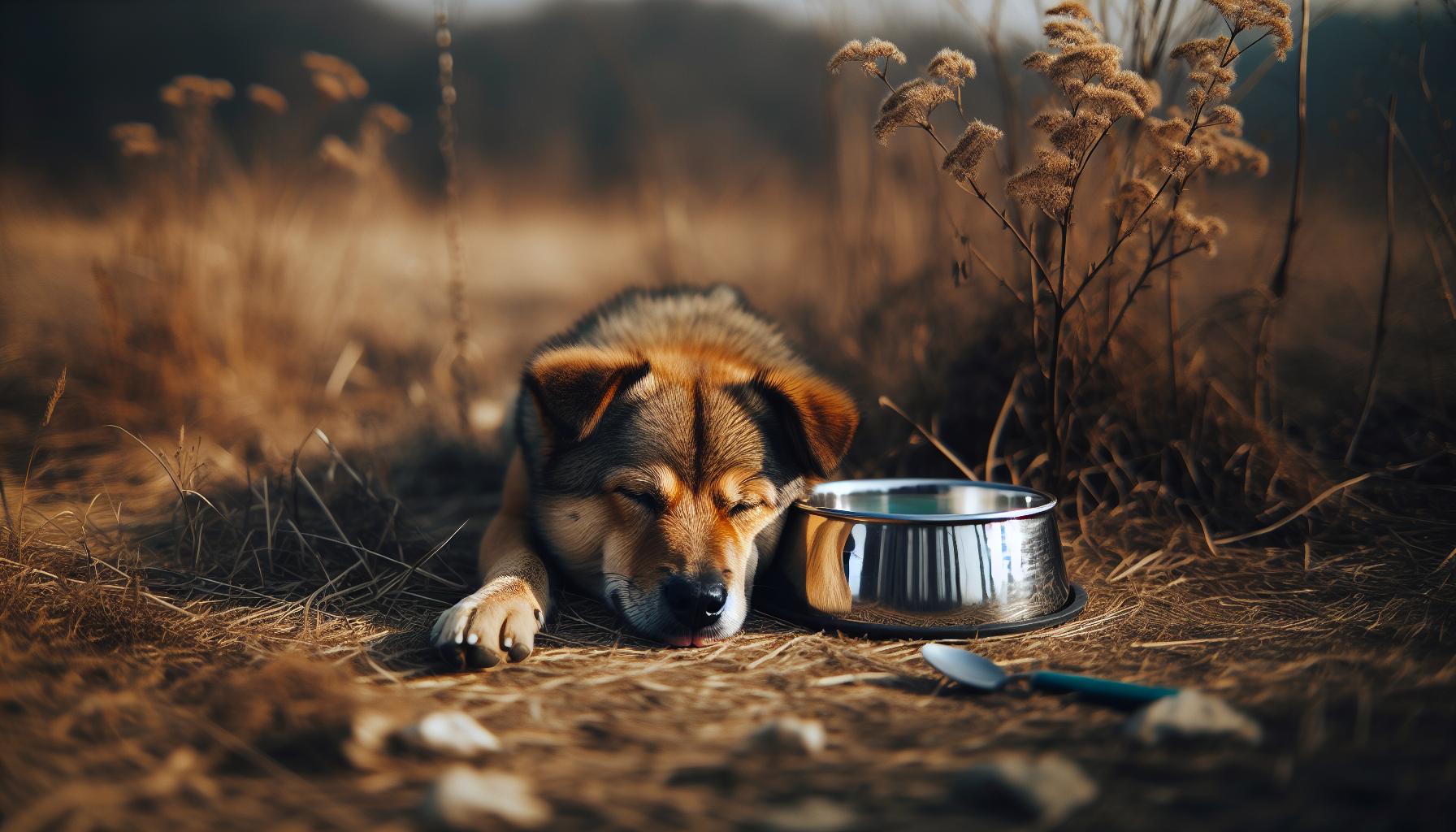
Dogs can’t tell us when they’re feeling dehydrated, so it’s essential for every pet owner to know the warning signs. Just like humans, dogs can become dehydrated not just from lack of water, but also from increased activity, heat, illness, or certain medications. In fact, even a loss of just 5% of their body weight in fluids can lead to serious health complications. Here are key indicators to watch for to ensure your furry friend stays well-hydrated.
One of the first signs of dehydration is a dog’s overall demeanor. A lethargic or unusually quiet dog may be struggling with dehydration. Pay close attention to how they move; if they seem slower than usual, that could be a red flag. Additionally, observe the moisture levels of their nose and gums. A healthy dog typically has a cool, moist nose. If it appears dry or sticky, combined with a decrease in their normal weight, it’s time to offer them some water and monitor their condition further.
Another simple yet effective test is the skin turgor test. You can gently pinch the skin at the back of their neck or between their shoulder blades. If the skin does not quickly return to its original position, that may indicate dehydration. Also, keep an eye on their drinking habits; if you notice they are drinking less than normal or refusing water altogether, it could be a sign of a deeper issue.
In extreme cases, look for more severe symptoms such as vomiting, diarrhea, or changes in their breathing patterns. If your dog shows signs of dehydration alongside any of these symptoms, it’s crucial to consult your veterinarian immediately. Remember, being proactive and attentive to your dog’s hydration needs can help ensure they lead a healthy, happy life, so stay vigilant and keep those water bowls full!
Factors Influencing Your Dog’s Water Intake
Dogs, much like humans, experience variations in their hydration needs based on a variety of factors. Understanding these elements is critical for any dog owner seeking to ensure their furry companion stays well-hydrated and healthy. From physical activity levels to environmental conditions, numerous influences can dictate how much water your dog will require on a daily basis.
One of the primary factors affecting a dog’s water intake is their size and breed. Smaller breeds, such as Chihuahuas or Pomeranians, may need around ½ to 1 ounce of water per pound of body weight daily, while larger breeds, like Great Danes or Mastiffs, may require up to a gallon or more, depending on their daily activities. Additionally, active dogs, especially those who engage in rigorous exercise or outdoor play, will often require increased hydration to compensate for water lost through sweat and panting.
Environmental factors also significantly impact hydration needs. For instance, dogs living in hotter climates typically consume more water than those in cooler areas. If you’re taking your dog out for a walk on a sunny day, consider carrying extra water to offer them throughout the outing. Similarly, humidity levels can influence how much water your pet drinks. In very humid conditions, dogs may take longer to cool down and, as a result, may need more water to help regulate their body temperature.
Lastly, diet plays a pivotal role in hydration needs. Dogs that consume dry kibble may need more water compared to those who eat wet food or raw diets. Incorporating hydrating foods, such as watermelon or cucumbers, can also add to their fluid intake. So, paying attention to your dog’s diet composition can not only promote overall health but also enhance their hydration levels.
In conclusion, taking the time to observe these various factors can help you tailor your dog’s water intake appropriately, keeping them happy and healthy. Always remember to provide fresh water at all times and monitor their drinking habits to catch any changes early on, ensuring that your canine companion remains well-hydrated.
Comparing Water Needs by Dog Breed
Understanding how much water different dog breeds need can significantly impact their health and well-being. Each breed has unique characteristics that influence its hydration requirements. For instance, smaller breeds typically require less water than larger breeds, with figures often cited at about ½ to 1 ounce of water per pound of body weight for smaller dogs. In contrast, larger breeds, like Great Danes or Labradors, may need significantly more, sometimes up to a gallon a day, especially if they are active.
It’s essential to look at the differences among breeds. High-energy breeds, such as Border Collies or Australian Shepherds, may need more hydration, especially after exercise or play sessions. Conversely, more sedentary breeds, like Bulldogs or Shih Tzus, may not drink as much but still require access to fresh water to avoid dehydration. If you own a breed prone to respiratory issues, such as a Brachycephalic dog, observe their water intake closely, as they might need more encouragement to drink, especially during hot weather.
To provide a clearer picture, here’s a simple comparison of hydration needs across popular dog breeds:
| Breed | Daily Water Needs (approx.) | Characteristics Impacting Hydration |
|---|---|---|
| Chihuahua | ½ – 1 ounce per pound | Smaller size, less active |
| Beagle | 1 ounce per pound | Active, playful |
| Labrador Retriever | 1 oz per pound up to 1 gallon | High energy, large size |
| Great Dane | 1 gallon or more | Very large, requires significant hydration |
Monitoring your dog’s water intake is crucial, regardless of their breed. Always ensure they have access to clean, fresh water, and consider factors such as activity level and weather when determining their needs. Recognizing these breed-specific requirements will not only ensure your pup stays adequately hydrated but also help you enjoy many happy, healthy years together!
Understanding Daily Water Intake Patterns
To maintain optimal health, understanding your dog’s daily water intake patterns is crucial. A fascinating fact is that dogs typically need about one ounce of water for every pound of body weight each day. However, this demand can vary significantly based on the dog’s activity level, diet, age, and environmental conditions, making it essential to monitor their intake closely.
Most dogs will drink throughout the day, but their drinking habits can fluctuate based on numerous factors. For instance, after a vigorous play session or an exciting walk, you might notice your dog heading for the water bowl more frequently. This increased thirst is their body’s natural response to replenish lost fluids. Conversely, older dogs or those who may be less active might drink less frequently. It’s important to encourage regular hydration, particularly for breeds prone to dehydration, such as Greyhounds, which may not always show overt signs of thirst.
Recognizing Healthy Patterns
Getting to know your dog’s drinking habits can help you spot potential issues swiftly. Generally, dogs should drink water at a consistent rate throughout the day. If your pet suddenly begins drinking much more or less than usual, it may be time to consult your veterinarian. Regular water consumption not only keeps dogs hydrated but also supports bodily functions like digestion and temperature regulation.
You can help establish a routine by ensuring your dog’s water bowl is always filled with fresh water. Consider placing multiple bowls around your home, especially if you have a larger breed that remains active. Additionally, keep an eye on your dog’s behavior and hydration. Dogs that are well-hydrated will often have plenty of energy and a shiny coat, while those suffering from dehydration might show lethargy or dry gums.
Understanding these daily water intake patterns is not just beneficial-it’s a vital part of being a responsible dog owner. By keenly observing your dog’s drinking habits and making adjustments as necessary, you’re not only promoting their health and well-being but also enriching the bond you share.
Hydration Tips for Active Dogs
Active dogs are full of energy, often chasing balls, running trails, or participating in agility courses. But all that activity can lead to significant fluid loss, making proper hydration vital for their performance and overall health. To ensure your furry friend stays energized and hydrated, consider these essential tips tailored specifically for active dogs.
First and foremost, provide fresh water regularly. Change the water in your dog’s bowl at least once a day to keep it appealing. If your dog enjoys outdoor activities, consider investing in a portable water bowl or hydration backpack designed for dogs. These allow you to offer your pup a drink during hikes or playdates. Additionally, always have water available before, during, and after exercise. A good rule of thumb is to offer water every 15 to 30 minutes of activity.
Another effective strategy is to incorporate electrolyte supplements. Just as human athletes benefit from drinks rich in electrolytes, your dog can also gain an advantage from them. Products like K9 Power’s Go Dog Hydration Formula are specially formulated to enhance hydration, endurance, and recovery in dogs, particularly during intense physical exertion [1]. Additionally, electrolyte-rich supplements can be particularly beneficial during hot weather or for dogs exerting themselves at higher altitudes.
Lastly, watch for signs of dehydration. Dogs that are active can easily become dehydrated without you realizing it. Keep an eye out for indicators such as dry nose, lethargy, loss of elasticity in the skin, and thick saliva. If you notice these signs, offer your dog water immediately and consult your veterinarian if symptoms persist. Being proactive about hydration will not only enhance your active dog’s performance but also strengthen your bond as you engage in their favorite activities together.
Hydration Strategies for Older Dogs
Ensuring that older dogs stay well-hydrated can be crucial for their health and vitality, especially as their bodies and needs evolve. Senior dogs may not feel thirsty as often due to changes in their metabolism or health conditions, making it important for their owners to take an active role in monitoring their water intake. A well-hydrated dog is better equipped to manage chronic conditions, maintain a healthy weight, and support optimal organ function.
To promote hydration, start by offering fresh water multiple times throughout the day. Changing the water in their bowl at least once daily can make it more appealing. Consider using a dog water fountain, which encourages drinking by providing continuously flowing water and keeping it cool and fresh. Many dogs are drawn to the sound and movement of flowing water, which can stimulate their interest in drinking. Another innovative way to increase their fluid intake is through wet food or adding water to dry kibble. Many senior dogs enjoy the taste and texture of wet food, which can provide hydration alongside their diet.
It’s also essential to closely monitor any health issues that can affect hydration. Conditions such as kidney disease or diabetes can increase water needs, while medications may also impact thirst. Regular vet check-ups are vital for detecting any such issues early, allowing for timely adjustments in your dog’s diet or hydration strategies. Keep an eye out for signs of dehydration, such as dry gums, lethargy, or decreased skin elasticity. Promptly addressing these signs can help prevent more serious health problems.
Lastly, engage your older dog in gentle activities that encourage sipping water between short walks or play sessions. Even a simple stroll around the block can remind them to hydrate afterward. As they enjoy their daily routines with you, your attentiveness to their hydration will contribute significantly to their overall well-being, ensuring that they lead a healthy, happy life in their golden years.
The Role of Diet in Dog Hydration
Including water-rich foods in your dog’s diet can significantly enhance their hydration levels and overall health. Did you know that certain fruits and vegetables not only provide vital nutrients but also add moisture to your dog’s meals? For instance, foods like watermelon, cucumber, and carrots are over 90% water and can contribute directly to your dog’s fluid intake. Incorporating these items as treats or mixing them into their regular meals can be a fun and effective way to keep your furry friend hydrated and healthy!
Wet vs. Dry Food
Choosing between wet and dry dog food can also influence hydration. Wet food contains a higher moisture content, typically around 75-80%, making it an excellent option for boosting your dog’s hydration. Many dogs find the taste and texture of wet food more appealing, which can encourage them to eat more and consequently drink more water. On the other hand, dry kibble is convenient and helps maintain dental health but usually contains only about 10% moisture. Mixing wet food into their dry kibble can offer the benefits of both, providing hydration while keeping their teeth clean.
Understanding Individual Needs
It’s essential to recognize that different breeds and life stages may have varying dietary needs that affect hydration. For example, active breeds such as Border Collies or German Shepherds may require more water than smaller breeds like Chihuahuas, given their activity levels. A general guideline is to aim for 1 ounce of water per pound of body weight per day. However, this can vary based on factors such as temperature and activity level. Monitoring your dog’s weight and adjusting their food and water intake accordingly can help keep them well-hydrated.
Including hydration-rich foods in your dog’s diet is not just a bonus; it’s a vital component of their overall health. As a responsible dog owner, understanding how diet affects hydration enables you to make informed decisions that benefit your canine companion. Always remember, though, that while diet plays a crucial role, ensuring fresh water is always available is equally important for maintaining optimal hydration levels.
Common Myths About Dogs and Water
You might be surprised to learn that there are plenty of misconceptions about dogs and their hydration needs. Many dog owners hold onto these common myths, which can lead to unintended health issues for their furry friends. For example, a widespread belief is that dogs only need water during or after meals. In reality, hydration should be a consistent part of your dog’s daily routine-not just something they get at mealtime. Dogs need access to clean, fresh water at all times to maintain optimal health, especially if they are active or live in hot climates.
Another myth is that dogs will self-regulate their water intake and drink as much as they need. While dogs do have instincts for hydration, their ability to recognize and respond to their thirst can be influenced by several factors including their age, activity level, and even diet. For instance, older dogs or those on dry kibble diets may not drink enough if water isn’t readily available. As a responsible pet owner, it’s essential to monitor your dog’s water intake and encourage them to drink regularly, especially if they don’t seem to be drinking enough on their own.
Some owners also believe that certain breeds have vastly different water needs, when, in fact, every dog’s hydration needs are influenced more by factors like size, age, and activity level than by breed alone. For example, while it’s true that a high-energy breed like a Labrador Retriever may require more water during playtime than a more sedentary breed like a Bulldog, the size of the dog is a more significant factor. A general recommendation of about one ounce of water per pound of body weight per day is a helpful benchmark, but always be attentive to your dog’s individual needs.
Lastly, there’s a misconception that if a dog consumes wet food, they don’t need to drink as much water. While wet food does provide additional moisture, dogs still require fresh water alongside any diet to ensure proper hydration throughout the day. Mixing wet food with dry kibble can be an excellent way to enhance hydration while providing a balanced diet. Remember, always keep your dog’s water bowl full and renew their water regularly to keep them healthy and happy.
When to Consult a Veterinarian About Hydration
Your dog’s hydration needs can change throughout their life, and it’s crucial to recognize when it’s time to consult a veterinarian about these needs. Understanding the signs that may indicate your furry friend is not getting enough water-or is overly hydrated-can prevent serious health issues. If your dog is drinking significantly more than usual, or conversely, showing signs of dehydration, it may be beneficial to seek professional advice.
One key indicator to watch for is a sudden change in drinking habits. If your dog is excessively thirstier or seems to gulp down water constantly, it could signal an underlying health condition such as diabetes or kidney issues. On the other hand, if your pet is drinking less water than usual, particularly during warmer months or after exercise, it could lead to dehydration. This is especially important for older dogs or those with specific health concerns, as they might not regulate their fluid intake as effectively.
Additionally, keep an eye on other behavioral signs. If your dog appears lethargic, has dry gums, or you notice a decrease in urination, these could all be red flags. Dehydration can escalate quickly, and consulting a veterinarian at the first sign of trouble is always wise. Regular check-ups can also help preemptively address any hydration issues before they become serious.
Maintaining a consistent monitoring routine, especially after changes in diet, medication, or activity level, is essential. Keep track of your dog’s drinking patterns and discuss any anomalies with your vet. They can provide tailored recommendations based on your dog’s unique breed, age, and health profile. Always remember: when in doubt, it’s better to ask your vet if you have any concerns regarding your dog’s hydration habits. It’s all about keeping your best friend happy and healthy!
Hydration During Travel: Keeping Your Dog Safe
Traveling with your dog is an exciting adventure, but it’s vital to prioritize their hydration needs during the journey. Did you know that dogs can become dehydrated just as quickly as humans when they’re in unfamiliar or stressful environments? Whether you’re hitting the road for a long trip, a day at the beach, or a simple trip to the vet, having a hydration plan in place ensures your furry friend stays happy and healthy.
To keep your dog well-hydrated on the go, always carry a portable water bowl and a supply of fresh water. Collapsible bowls are an excellent choice since they are lightweight and easy to store. When planning your itinerary, look for rest stops where you can take breaks, allowing your dog to drink water. It’s also helpful to offer water frequently, even if they don’t seem thirsty, especially in warm weather or during extended outings.
Another effective strategy is to bring along hydrating snacks. Foods like watermelon, cucumber, or specially formulated dog treats with high water content can boost hydration levels. Just be cautious with the quantities, as treats should not exceed 10% of your dog’s daily caloric intake. Furthermore, ensure you’re aware of the signs of dehydration, such as excessive panting, lethargy, or dry gums. These can be exacerbated during travel due to stress and heat, making vigilance even more crucial.
Don’t underestimate the importance of maintaining a routine, even on the road. Dogs thrive on consistency, so try to keep their schedule for meals and potty breaks as normal as possible. If you’re traveling through areas with stricter heat conditions, plan to travel early in the morning or late in the evening when temperatures are cooler. Ensuring your dog’s comfort and hydration needs are met will help make your journey enjoyable for both of you.
Fun Ways to Encourage Your Dog to Drink More Water
When it comes to keeping your dog hydrated, the challenge often lies in encouraging them to drink enough water throughout the day. Surprisingly, many dogs don’t drink as much water as they should, which can lead to dehydration and health issues. Luckily, there are plenty of fun and engaging ways to make drinking water more appealing for your furry friend!
One effective method is to spice up their water with flavor enhancers. You can add a splash of low-sodium chicken broth, fish broth, or even a few slices of fruit like lemon or watermelon to their water bowl. This not only entices them to drink more but also adds some nutrients and excitement to their hydration routine. Just be sure to monitor the ingredients for any harmful additives.
Interactive pet water fountains can also be a fantastic investment. Many dogs are intrigued by running water and are more likely to drink from a fountain than from a static bowl. These fountains provide a continuous flow, which keeps the water fresh and oxygenated, making it even more appealing. You can set up the fountain in a prominent spot where your dog likes to rest, drawing their attention when they enter the room.
Incorporating playtime with water can also encourage your dog to hydrate. Use a portable spray bottle to mist them lightly during playtime, especially on hot days, or have them play in shallow water during outings to the beach or lake. Additionally, consider investing in water-rich treats like frozen fruit pops made from pureed kidney-friendly fruits or vegetables, which can help boost their hydration while making snack time fun!
Finally, remember the importance of routine. Regularly offering fresh, clean water, particularly after exercise or play, reinforces healthy drinking habits. Experiment with different types of bowls-some dogs prefer shallow dishes, while others might like elevated ones. By making drinking water enjoyable and routine, you’ll not only help your dog stay hydrated but also share more joyful moments together!
Faq
Q: How much water should my dog drink daily?
A: A general guideline is that dogs need approximately 40-60 ml of water per kilogram of body weight each day. This can vary based on factors like activity level, diet, and climate. Always ensure fresh water is available and consult your vet for personalized advice.
Q: What signs indicate my dog might be dehydrated?
A: Common signs of dehydration in dogs include excessive thirst, dry gums, loss of skin elasticity, lethargy, and dark urine. If you notice any of these symptoms, encourage water intake and consult a veterinarian immediately for evaluation.
Q: Do different dog breeds have different water needs?
A: Yes, water needs can vary significantly by breed and size. Larger breeds generally need more water than smaller ones. Additionally, active breeds may require increased hydration, especially during exercise. Refer to the “Comparing Water Needs by Dog Breed” section for specifics.
Q: How can I encourage my dog to drink more water?
A: To promote hydration, offer fresh water regularly, use a pet fountain, mix water into food, or try ice cubes as a treat. Making water more appealing can help, especially during hot weather or after exercise.
Q: Should I change my dog’s water intake during hot weather?
A: Yes, during hot weather, dogs often require more water to stay hydrated. Increase their water supply and ensure it’s always fresh. Consider shorter exercise sessions during peak heat to prevent excessive thirst and dehydration.
Q: How does diet affect my dog’s hydration?
A: Dogs fed dry kibble typically need to drink more water than those on wet food, which contains moisture. Keep in mind that food composition can affect overall water intake. Refer to “The Role of Diet in Dog Hydration” for detailed insights.
Q: What should I do if my dog refuses to drink water?
A: If your dog refuses water, try using a different bowl, adding a splash of low-sodium broth, or offering ice cubes. If the refusal persists, consult your vet as it may indicate a medical issue.
Q: When should I consult a veterinarian regarding my dog’s hydration?
A: If you notice signs of dehydration, persistent refusal to drink water, or drastic changes in water consumption habits, it’s crucial to consult a veterinarian for a health evaluation. Early intervention can prevent serious health issues.
Insights and Conclusions
As you consider your dog’s hydration needs, remember that understanding how often dogs drink water is key to ensuring their health and happiness. Keep an eye on their water intake, as it varies based on factors like breed, age, and activity level. Encourage good habits by exploring tips on effective hydration methods and fun ways to promote more water consumption in your furry friend. If you found this guide helpful, dive deeper into related topics such as optimal feeding practices or signs of dehydration to further enhance your dog care knowledge.
Don’t let your curiosity stop here! Subscribe to our newsletter for expert insights directly to your inbox, and check out our articles on nutritious diets and creative hydration solutions. Your commitment to understanding and optimizing your dog’s health is commendable-let’s keep the momentum going for the well-being of your loyal companion. Share your questions and experiences in the comments below, and join our vibrant community of dog lovers dedicated to making every drop of water count!