Did you know that proper hydration is essential for your dog’s health, just like it is for us? Ensuring your furry friend has access to fresh water at all times is vital to their well-being and can prevent serious health issues. But how often does your dog really need water, and what factors should influence this frequency? In this guide, we’ll explore the best practices for keeping your dog hydrated and address common concerns among pet owners. Whether you’re a new dog parent or a seasoned handler, understanding your dog’s hydration needs is crucial for their energy, mood, and overall health. So let’s dive in and discover how to ensure your beloved companion stays healthy and happy by staying adequately hydrated!
Understanding Your Dog’s Hydration Needs
is crucial to their overall health and well-being. Did you know that a dog’s body is made up of about 60% water, and staying hydrated is vital for maintaining proper organ function, regulating body temperature, and supporting digestion? Just like humans, dogs require a consistent intake of water to perform their best, and their needs can vary based on a multitude of factors such as size, activity level, and environmental conditions.
Hydration isn’t just about how much water your dog drinks; it also relates to accessibility and the frequency of that access. A common guideline is that dogs should drink about one ounce of water per pound of body weight each day. However, active dogs, particularly those in warm climates, may need significantly more. For instance, a 50-pound Labrador Retriever may typically need about 50 ounces of water daily, but if they’re playing fetch on a hot day, you might observe them drinking twice that amount. Additionally, smaller breeds tend to require more water proportionally than larger breeds; a small breed like a Chihuahua may need more water relative to its size compared to a Great Dane.
Regularly monitoring your dog’s water intake is an essential part of responsible pet ownership. Keep fresh water in a clean bowl and change it daily. If you’ve noticed your furry friend’s bowl being emptied quickly, consider setting up a hydration schedule or using larger water bowls in areas where they spend much of their time. Remember, dogs can be creatures of habit; introducing fresh water as a part of their daily routine will encourage them to hydrate adequately.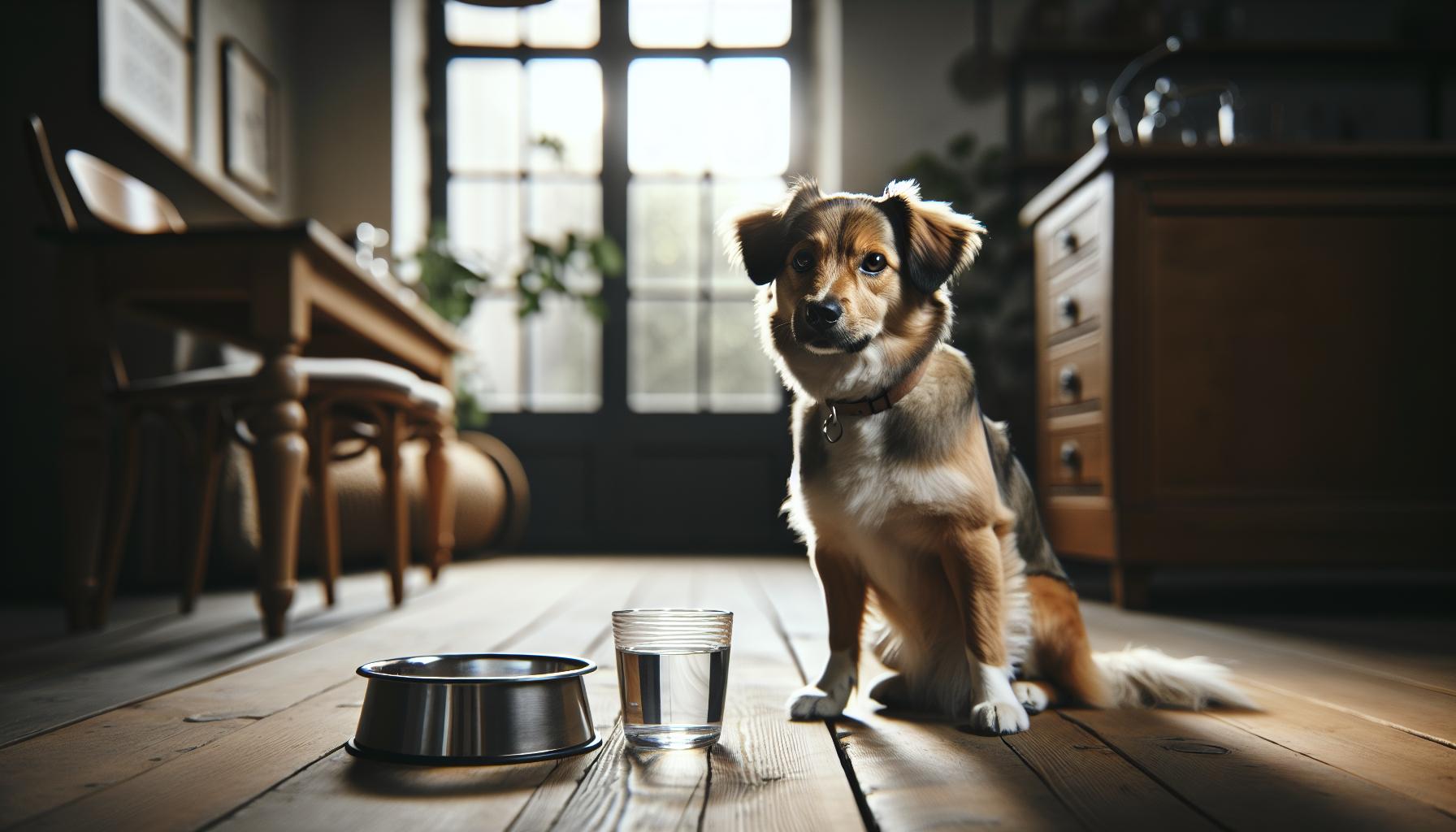
How Much Water Should Your Dog Drink Daily?
Did you know that a dog’s hydration needs can be as unique as their personality? Just like humans, each dog’s water intake varies by size, age, activity level, and even dietary habits. As a general guideline, it’s recommended that dogs drink approximately one ounce of water for every pound they weigh each day. For instance, a healthy 20-pound dog should ideally consume around 20 ounces of water daily, while a larger 70-pound dog might require about 70 ounces to stay hydrated. However, these figures can change dramatically based on external factors, making it essential for pet owners to monitor their dog’s specific needs closely.
Active and playful pups will typically drink more water than their less active counterparts. For example, if your Labrador Retriever loves a good game of fetch, you might notice them guzzling down more water afterward, especially on a hot day. Similarly, if you have a small breed like a Chihuahua, you might want to note that, proportionally, they might need more water despite their size. This means that as their owner, being aware of the individual hydration needs of your dog is crucial for their health and well-being.
To help ensure your dog is getting enough water, consider these practical tips:
- Regular Water Changes: Always provide fresh water, changing it at least once daily. A clean bowl can make all the difference in your dog’s willingness to drink.
- Monitor Intake: Pay attention to how quickly your dog drinks. If they finish their bowl quickly, it may be a sign they need more accessible drinking options like a larger bowl or two separate water stations throughout your home.
- Hydration Stations: Keep water in locations where your dog spends the most time, such as near their bed or play area, to encourage regular sipping.
Keeping a keen eye on your dog’s water consumption can help prevent dehydration and ensure they stay healthy and vibrant. Remember, each dog is an individual, and their hydration needs can change based on many factors, so remain attentive and adjust accordingly!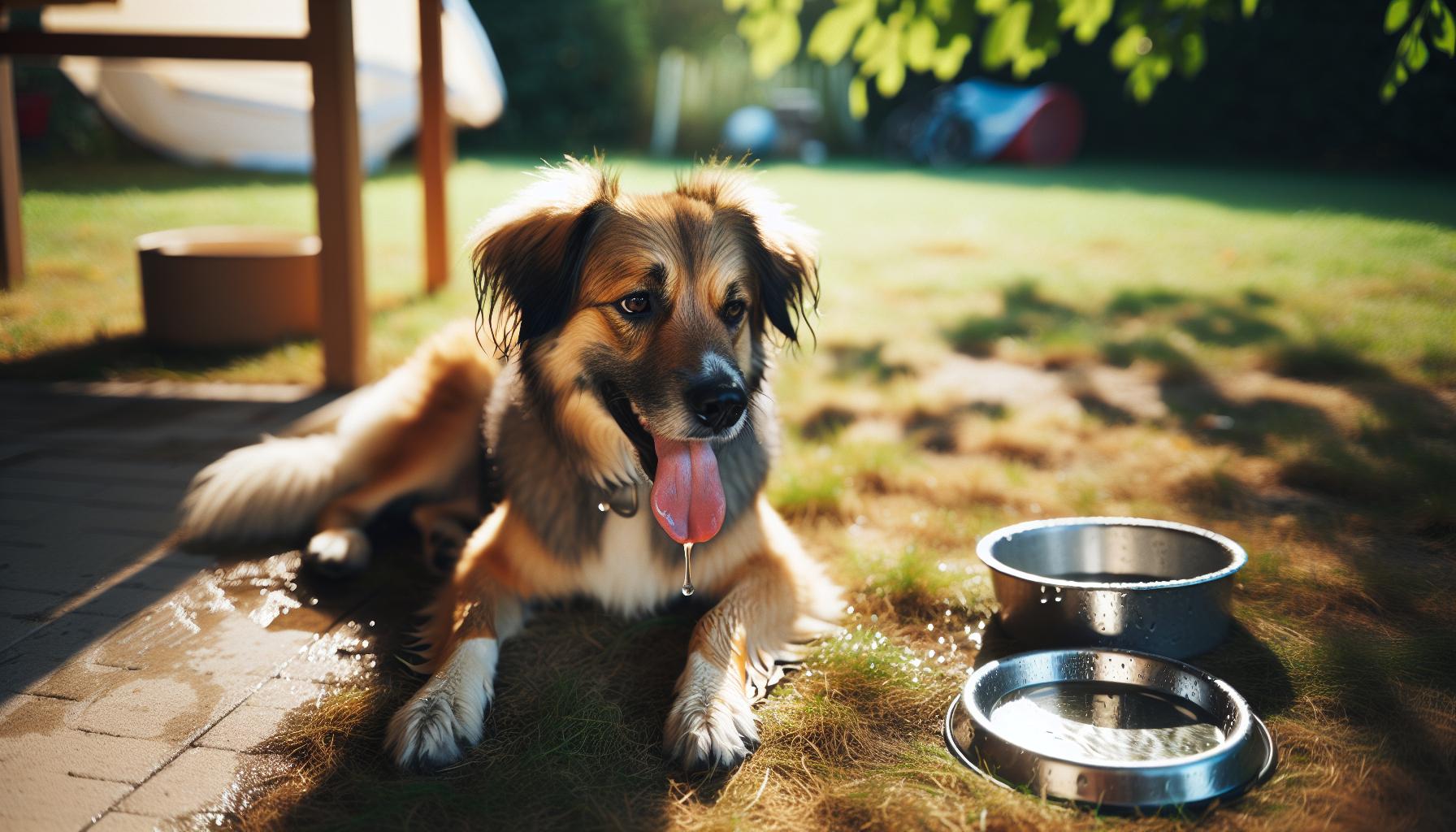
Signs of Dehydration in Dogs: What to Watch For
It’s essential for every dog owner to recognize the signs of dehydration, as timely intervention can prevent serious health issues. Did you know that even mild dehydration can impact your dog’s energy levels and overall health? Just as you monitor your pet’s water intake, understanding the signs of dehydration is crucial.
When assessing whether your dog is properly hydrated, watch for the following indicators:
- Dry Nose and Gums: A healthy dog typically has a moist nose and gums. If you notice dryness, it may suggest dehydration.
- Panting and Lethargy: Though panting can be normal in hot weather or after exertion, excessive panting coupled with a lack of energy might indicate your dog needs water.
- Skin Elasticity: Gently pinch the skin on the back of your dog’s neck. If it doesn’t return quickly to its original position, this can be a sign of dehydration.
- Reduced Urination: Keep track of your dog’s bathroom habits; significantly less frequent urination can signal dehydration.
- Loss of Appetite: If your dog suddenly shows a lack of interest in food, especially if they refuse water, it could be time to investigate further.
By being vigilant for these signs, you can help ensure your furry friend stays hydrated and healthy. Remember, certain breeds may exhibit different behaviors when dehydrated; for instance, a Siberian Husky may become more withdrawn than a playful Beagle. Understanding your dog’s unique demeanor can help in recognizing subtle changes that could indicate dehydration. If you’re ever in doubt, don’t hesitate to consult your veterinarian for advice tailored to your dog’s specific needs.
Factors Affecting Your Dog’s Water Requirements
Understanding your dog’s hydration needs is crucial for their health and well-being, and several factors play a key role in determining how much water they require. Firstly, the size and breed of your dog significantly influence their daily water intake. While a smaller breed like a Chihuahua may only need about half a cup to a cup of water, larger breeds such as Great Danes can require up to two gallons per day! This variance emphasizes the importance of considering your dog’s size when assessing their hydration needs.
Another important factor is activity level. An active dog, especially one that enjoys long walks or play sessions, will naturally require more water to replace the fluids lost through panting and perspiration. In contrast, a more sedentary dog may not need as much water, but it’s vital to provide access regardless of their activity level to prevent dehydration during unexpected bursts of energy. Additionally, age plays a critical role; puppies and older dogs may have different hydration needs than their adult counterparts due to their developing or declining bodily functions.
During warm weather, your dog will also need increased water intake. Heat can lead to rapid fluid loss through panting, so make sure to monitor their water bowl frequently and replenish it throughout the day. Conversely, during colder months, a dog’s water needs may decrease slightly, though it’s essential to ensure they still have fresh water available since they can become dehydrated just as easily in winter if they are not drinking enough.
Lastly, consider your dog’s diet, as it also impacts hydration levels. Dogs consuming dry kibble tend to need more water than those on wet food diets, which already contain a significant percentage of moisture. Therefore, if your furry friend is primarily eating dry kibble, make it a habit to ensure they always have ample access to fresh water to help keep them healthy and hydrated.
By taking these factors into account, you can better understand your dog’s specific hydration requirements and ensure they stay healthy, happy, and well-hydrated every day. Remember, providing fresh water and routinely checking their intake can help prevent dehydration and maintain their overall well-being.
Best Practices for Providing Fresh Water
Providing your dog with fresh water is a fundamental part of their well-being, yet it can sometimes be overlooked amid our busy lives. Did you know that dogs, much like humans, require constant access to hydration to stay healthy? Here are some best practices to ensure your furry friend always has fresh water available.
It’s essential to have multiple water stations around your home, especially if you have a larger breed or multiple dogs. This not only makes it convenient for your pets to stay hydrated but also reduces the chances of one dog monopolizing the water bowl. Always choose a clean, durable bowl that is the right size for your dog. For smaller breeds, a shallow bowl may suffice, while larger breeds may require a more substantial dish that can hold a sufficient volume of water.
Monitoring the cleanliness of your dog’s water is equally important. Aim to change their water at least once a day and clean the bowl thoroughly with soap and hot water to eliminate any bacterial growth. Consider investing in a pet water fountain, which keeps water flowing and encourages your dog to drink more-all while providing a continuous supply of fresh water. Dogs are more likely to stay hydrated when they drink from running water sources, as it tends to be cooler and more appealing to them.
Hydration Tips for Different Breeds
Understanding that water needs can vary by breed is crucial. For example, a Great Dane can drink up to two gallons per day, whereas a Chihuahua might only need about half a cup. Keeping breed-specific hydration needs in mind helps you provide an accurate assessment of how much water to have available.
| Breed | Daily Water Intake |
|——————|——————–|
| Chihuahua | 0.5 – 1 cup |
| Beagle | 1-2 cups |
| Labrador Retriever| 1-3 cups |
| Great Dane | 1-2 gallons |
To ensure your dog stays hydrated, also consider their daily activity and environmental conditions. In warmer months or after exercise, dogs will require increased water consumption, so be proactive in replenishing their water and encouraging them to drink. Keeping an eye on their behavior can help you assess whether they’re drinking enough; if they seem lethargic or display overly dry gums, it might be time to offer more water.
In summary, creating a consistent routine for providing fresh water will make a significant difference in your dog’s hydration and health. By implementing these practices, you’ll foster a happier, healthier companion that thrives on every sip!
Creating a Hydration Schedule for Your Dog
can have a significant impact on their overall health and well-being. Dogs, much like us, thrive on routine, and establishing a consistent water intake plan can help ensure they remain properly hydrated throughout the day. Did you know that dogs can become dehydrated more quickly than humans, especially in warmer weather or after vigorous play? This makes regular access to fresh water essential and having a hydration schedule helps integratewater breaks into their daily activities.
To start, consider your dog’s daily routine. Most dogs need to drink water at least once every few hours. If your furry friend is active or spends time outdoors, they will need more frequent access to water. Create a schedule that aligns with their meals, playtime, and rest periods. For instance, offer water after meals and play sessions, as these are crucial times for hydration. You might find it effective to place water bowls in areas where your dog spends most of their time, providing easy access throughout the day.
A great way to establish this habit is by using a timer or reminders. If your dog is particularly energetic, you might set a reminder to encourage water breaks after every hour of play. Additionally, it can be helpful to track their water intake daily. Not only does this help you assess whether they are drinking enough, but it also allows you to adjust the schedule based on their individual needs. For example, dogs like a Golden Retriever may drink 1-2 cups every couple of hours, while smaller breeds like a Pomeranian may only need frequent small amounts.
Here’s a simple checklist to help you create an effective hydration schedule:
- Morning Routine: Fill bowls with fresh water after walks.
- Post-Meal Time: Provide water right after meals.
- Playtime Breaks: Offer water after play sessions or outdoor activities.
- Evening Wind Down: Refill bowls in the evening.
Monitoring your dog’s hydration habits can also lead to greater insights. If you notice they are frequently disinterested in water or seem to drink less than normal, it may be worth a visit to the vet to rule out potential health issues. Remember, establishing a hydration schedule not only keeps them healthy but fosters a deeper bond between you and your furry companion through care and attention.
Helpful Tips for Keeping Your Dog Hydrated
Ensuring your pup stays adequately hydrated is crucial for their health and happiness. Dogs can be prone to dehydration, especially after playtime or during hot weather. A little proactive planning can go a long way in making sure your furry friend has access to fresh water throughout the day. Here are some practical tips to help keep your dog hydrated and healthy.
- Choose the Right Water Bowl: A wide, stable bowl prevents tipping and spilling, while a non-slip base keeps it in place during slurping sessions. Stainless steel is a great choice as it resists bacteria and is easy to clean.
- Regular Refills: Change out water twice a day to ensure it’s fresh and appealing. If your dog is a frequent drinker, check their bowl several times a day to top it off as needed.
- Flavor It Up: To entice your dog to drink more, consider adding a splash of low-sodium chicken or beef broth. Just be mindful of any additives that might not be healthy.
- Cool Water Treats: On hot days, add ice cubes to their bowl or make frozen treats with water or broth. This not only keeps water cooler for longer but also adds a fun element to their hydration.
- Portable Water Solutions: If you love to take your dog on walks or hikes, invest in a portable water bottle designed for dogs. These often come with a built-in bowl and make it easy to hydrate on the go.
To further customize hydration to your dog’s needs, keep a daily log of their water intake, noting any changes alongside their activity level. This can help you preemptively adjust their hydration schedule during active days or warmer weather. Monitoring their behavior is also crucial; if you observe your dog drinking less than usual or showing signs of lethargy, it’s worth a visit to your veterinarian.
Remember, your pup relies on you to provide not just food and shelter, but also the vital resource of water. Simple adjustments in their hydration routine can lead to a happier, healthier life for your beloved companion. By actively engaging in their hydration habits, you’ll be fostering a strong bond filled with love and care.
Breed-Specific Water Needs: A Comparative Guide
Understanding the varying hydration needs of different dog breeds is essential for ensuring their health and well-being. While all dogs require ample water, factors such as size, activity level, age, and even the climate they live in can greatly influence how much water they need daily. For example, small breeds like Chihuahuas require less water than larger breeds such as Great Danes, but their hydration needs must still be monitored closely, especially since their bodies can dehydrate quickly.
When evaluating breed-specific water requirements, consider creating a comparison table that highlights several common breeds along with their average daily water intake. A general guideline suggests that dogs should drink about one ounce of water per pound of body weight, yet differences in breed characteristics can mean some dogs need more or less.
| Breed | Estimated Water Intake (oz/day) | Activity Level |
|---|---|---|
| Chihuahua | 8-16 | Low |
| Labrador Retriever | 30-50 | High |
| German Shepherd | 30-50 | Medium |
| Beagle | 22-36 | Medium |
| Great Dane | 50-80 | Medium |
Additionally, it’s worth noting that certain breeds may be more susceptible to dehydration due to their physical characteristics. Brachycephalic breeds, like Bulldogs and Pugs, often have difficulty drinking, primarily because of their flat faces. As a caring owner, you might find it beneficial to use shallow dishes that allow these dogs to lap up more effectively. Moreover, these breeds often require increased hydration in warm weather to avoid overheating.
Considering lifestyle and daily routines is also crucial. Active dogs or those engaged in rigorous play, like Border Collies or Australian Shepherds, will naturally need more water to replenish the fluids lost through physical activity. On the flip side, older dogs or those with health issues may need a gentler approach, often benefiting from more frequent but smaller amounts of water.
To keep your dog hydrated, observe their drinking habits and be attentive to clues that might indicate they’re not consuming enough water, such as lethargy, dry gums, or loss of skin elasticity. Real-time adjustments based on breed specificity and health conditions will empower you to provide the best possible care for your furry friend.
How Weather Conditions Impact Your Dog’s Hydration
As any pet owner knows, weather conditions play a crucial role in your dog’s hydration needs. Did you know that dogs can dehydrate just as quickly as humans, especially in extreme temperatures? In the heat of summer or during cold winter months, your furry friend might require more or less water than you think, so paying attention to environmental factors is essential for their health and well-being.
When the temperature rises, your dog’s need for hydration significantly increases. Active breeds, such as Labrador Retrievers and Border Collies, may need twice as much water during hot days. The heat causes them to pant, which is a natural way of cooling down, but it also leads to a higher loss of fluids. Make sure to provide fresh, clean water at all times, and consider portable water bowls for walks or trips to the beach. In addition, try to avoid strenuous activities during peak heat hours, opting for early morning or late evening outings instead.
Conversely, in cold weather, dogs may not feel thirsty and might not drink as much. This is particularly true for dogs with thick fur coats, such as Siberian Huskies or Alaskan Malamutes, who will often prefer snow or ice to hydrate. It’s important to keep an eye on their water intake during winter months, as they still need a sufficient amount of fluids to stay healthy. If you’re concerned they aren’t drinking enough, try adding some warm water to their bowl or offering wet food to increase their moisture intake.
Finally, don’t forget that changes in weather can also affect their diet and exercise. After a rainy or snowy day, your dog may engage in more outdoor play, requiring additional hydration. Keep a daily log of your dog’s water intake and behaviors to help you understand their needs throughout the year. By being proactive about your dog’s hydration, you can ensure a happier and healthier life for your beloved companion.
Adjusting Water Intake During Exercise and Training
When it comes to keeping your dog hydrated, understanding their specific needs during exercise and training is crucial. Did you know that active dogs can lose a significant amount of water through panting and sweat, similar to humans? That’s why it’s vital to adjust your dog’s water intake to match their level of activity, ensuring they remain hydrated and healthy.
During vigorous exercise, your dog’s water needs can increase dramatically. For most dogs, providing water breaks every 15 to 30 minutes is ideal. Pay attention to your dog’s behavior-if they become sluggish or stop to pant excessively, it’s time for a hydration check. Different breeds may have varying requirements; for example, high-energy breeds like Border Collies and German Shepherds may require more frequent water access compared to less active breeds like Basset Hounds.
To seamlessly integrate hydration into your dog’s exercise routine, consider the following tips:
- Pre-Exercise Hydration: Ensure your dog drinks water before you head out for a walk or play session. A full bowl 30 minutes before activity can make a significant difference.
- On-the-Go Options: Invest in portable water bottles or collapsible bowls for walks and trips. This way, you can easily offer water during breaks.
- After Exercise Replenishment: Always provide fresh water after exercise, regardless of how long or intense the activity was. It helps replenish lost fluids and keep their body functioning well.
Recognizing the signs of dehydration is also vital, especially after a workout. Look for symptoms such as dry gums, excessive panting, or lethargy. If you notice any of these signs, offer water immediately and consult with your veterinarian if they persist. By being proactive about your dog’s hydration during and after exercise, you can help them recover more quickly and maintain their overall health, paving the way for more enjoyable playtimes and training sessions. Remember, a well-hydrated dog is a happy dog!
Hydration Myths: Common Misconceptions Debunked
The needs of our four-legged friends can sometimes be clouded by common misconceptions. One prevalent myth is that dogs only need to drink water when they’re thirsty. In reality, many dogs, especially those that are active or outdoors in warm weather, may not drink enough water on their own until they’re already dehydrated. A proactive approach is essential; dog owners should encourage regular access to fresh water at all times to help prevent dehydration and promote overall health.
Another misconception is that feeding wet food provides sufficient water intake for dogs. While it’s true that wet food can contribute to hydration, it shouldn’t be relied upon solely. Dogs need additional fresh water to maintain optimal hydration levels, especially if they are active or live in warmer climates. For instance, high-energy breeds like the Border Collie or Australian Shepherd may require not just food with moisture but also consistent water access to support their increased activity levels.
Many people also believe that certain breeds require less water than others. This is misleading. While smaller breeds may drink less overall due to their size, they still need frequent access to water to match their unique metabolic rates and energy levels. For instance, a Chihuahua might need smaller quantities throughout the day, but the frequency of access is just as important as the amount. Conversely, larger breeds like the Great Dane will not only require more total water but also need it readily available, especially after exercise.
It’s vital to understand that external factors such as weather conditions significantly influence hydration needs. Hot and humid days will increase a dog’s water requirements, and ignoring the signs of heat stress, such as excessive panting or refusal to drink, can lead to serious health problems. To combat dehydration, make it a habit to check your dog’s water bowl regularly and refill it even when it seems they haven’t drunk much-better to err on the safe side. Remember, a well-hydrated dog is not just a happy dog but a healthier one!
Veterinarian Insights: Ensuring Optimal Hydration
The well-being of our canine companions hinges significantly on their hydration. Veterinarians emphasize that many dogs don’t instinctively drink enough water, especially during periods of increased activity or in warmer climates. It’s crucial for dog owners to remain vigilant about their pets’ fluid intake, as dehydration can lead to serious health issues. For instance, less active breeds like the Bulldog may need less water overall compared to high-energy breeds such as the Labrador Retriever, which can take in more due to their active lifestyles. Thus, a one-size-fits-all approach to hydration simply won’t do.
To ensure optimal hydration, it’s important to establish a routine for providing fresh water. Keep water bowls filled at all times and place them in areas where your dog spends most of their time. Changing the water daily helps discourage bacteria growth, and many dogs prefer water that tastes clean and fresh. Additionally, serving water in a stainless steel or ceramic bowl can help maintain its temperature, encouraging your dog to drink, especially in hot weather.
Veterinarians also recommend monitoring specific behaviors as a guide to hydration needs. For instance, if your dog appears lethargic, has dry gums, or exhibits signs of panting excessively, they may not be getting enough water. It is essential to encourage drinking through various means: consider adding a bit of low-sodium broth to their water, using pet-friendly water fountains, or even offering ice cubes as a playful treat to entice them. Small steps like these not only help maintain hydration but can also enhance your bond with your pet.
Furthermore, it’s wise to adjust water intake based on factors such as weather conditions and exercise. On hot days, or following vigorous play, make it a point to offer water frequently, and observe your dog carefully for any signs of dehydration. By taking these proactive measures, you can ensure that your dog stays well-hydrated and happy, contributing to their overall health and longevity.
Faq
Q: How much water should I leave out for my dog when I’m not home?
A: Leave out at least one full bowl of water for your dog while you’re away. Most dogs will drink 1 ounce of water per pound of body weight daily. Adjust based on your dog’s size, activity level, and the weather. Ensure the bowl is clean and refill it when you return.
Q: What are the best containers for dog water?
A: Use stainless steel or ceramic bowls for water, as they are easy to clean and don’t harbor bacteria like plastic. Choose a size that fits your dog, ensuring stability to prevent spills and tipping. Consider a non-slip base for added security.
Q: Can my dog drink too much water?
A: Yes, dogs can drink too much water, leading to water intoxication, which can be dangerous. Monitor daily intake and consult a vet if your dog suddenly consumes excessive amounts, especially after exercise.
Q: Should I change my dog’s water daily?
A: Yes, change your dog’s water daily to ensure freshness and prevent bacterial growth. Rinse the bowl with hot water when you refill it, especially if you notice residue or food particles.
Q: How can I encourage my dog to drink more water?
A: To encourage drinking, provide fresh water multiple times a day, add water to their food, or use a pet water fountain. Incorporating wet dog food can also help increase fluid intake.
Q: How do weather conditions affect my dog’s need for water?
A: In hot weather, dogs require more water due to increased activity and sweating. Ensure access to cool, fresh water, and monitor hydration closely. Adjust daily intake based on temperature and humidity levels.
Q: Why does my dog prefer to drink from puddles or the toilet?
A: Dogs may be attracted to puddles or toilets due to the different taste and temperature of the water. To discourage this, always provide fresh water in a clean bowl, and ensure it’s easily accessible.
Q: How often should I monitor my dog’s water intake?
A: Regularly monitor your dog’s water intake, especially during hot weather or after exercise. Adjust your observations based on any changes in behavior or eating habits. Keeping a hydration log can be helpful for discussion with your vet if needed.
Closing Remarks
Ensuring your dog stays hydrated is crucial for their health and well-being. Whether learning how frequently to provide water or understanding the nuances of breed-specific needs, keeping your furry friend properly hydrated helps prevent potential health issues. Don’t wait-check your dog’s water bowl now and ensure it’s always full! If you’re curious about more in-depth care tips for your dog, explore our articles on “Understanding Dog Nutrition” and “Optimal Feeding Schedules.”
Remember, the journey to being a responsible pet owner is continuous: consider signing up for our newsletter for the latest insights and expert advice tailored for you and your pup. Share your experiences or questions in the comments below; we love hearing from our community! Keep advocating for your dog’s hydration-we’re here to support you every step of the way!