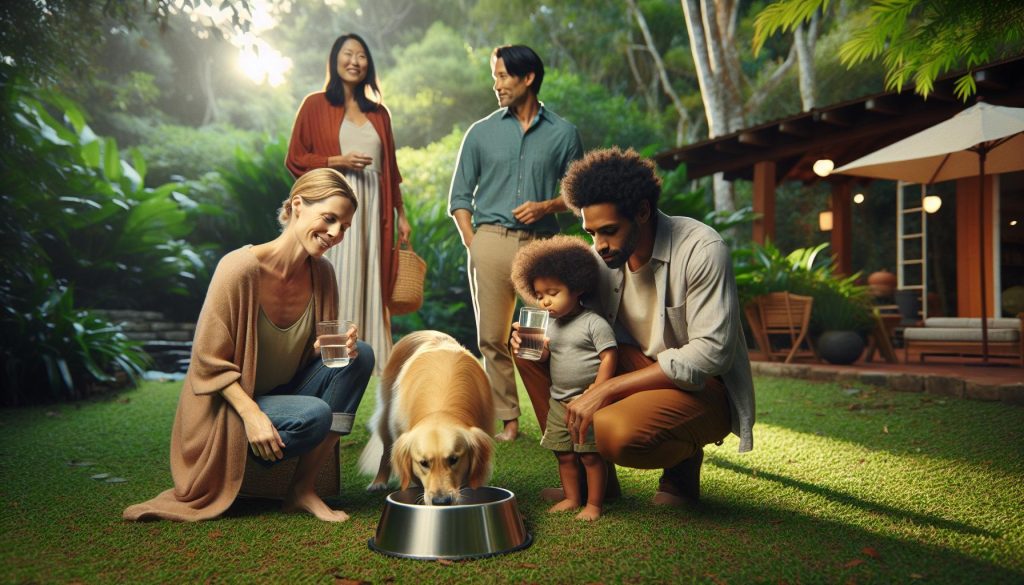
Did you know that proper hydration is crucial for your dog’s health, just as it is for humans? Water is more than just a drink for our furry friends; it plays a vital role in their digestion, circulation, and temperature regulation. Despite their playful demeanor, many dog owners may overlook the importance of providing consistent access to fresh water. Understanding how often your dog needs water and ensuring they have minimum access requirements can prevent dehydration and support their overall well-being. Whether you’re a new dog owner eager to provide the best care or an experienced handler looking to refine your routine, knowing how to keep your dog adequately hydrated is essential. Join us as we explore the pivotal role water plays in your dog’s life, offering practical insights and tips to keep your canine companion happy and healthy.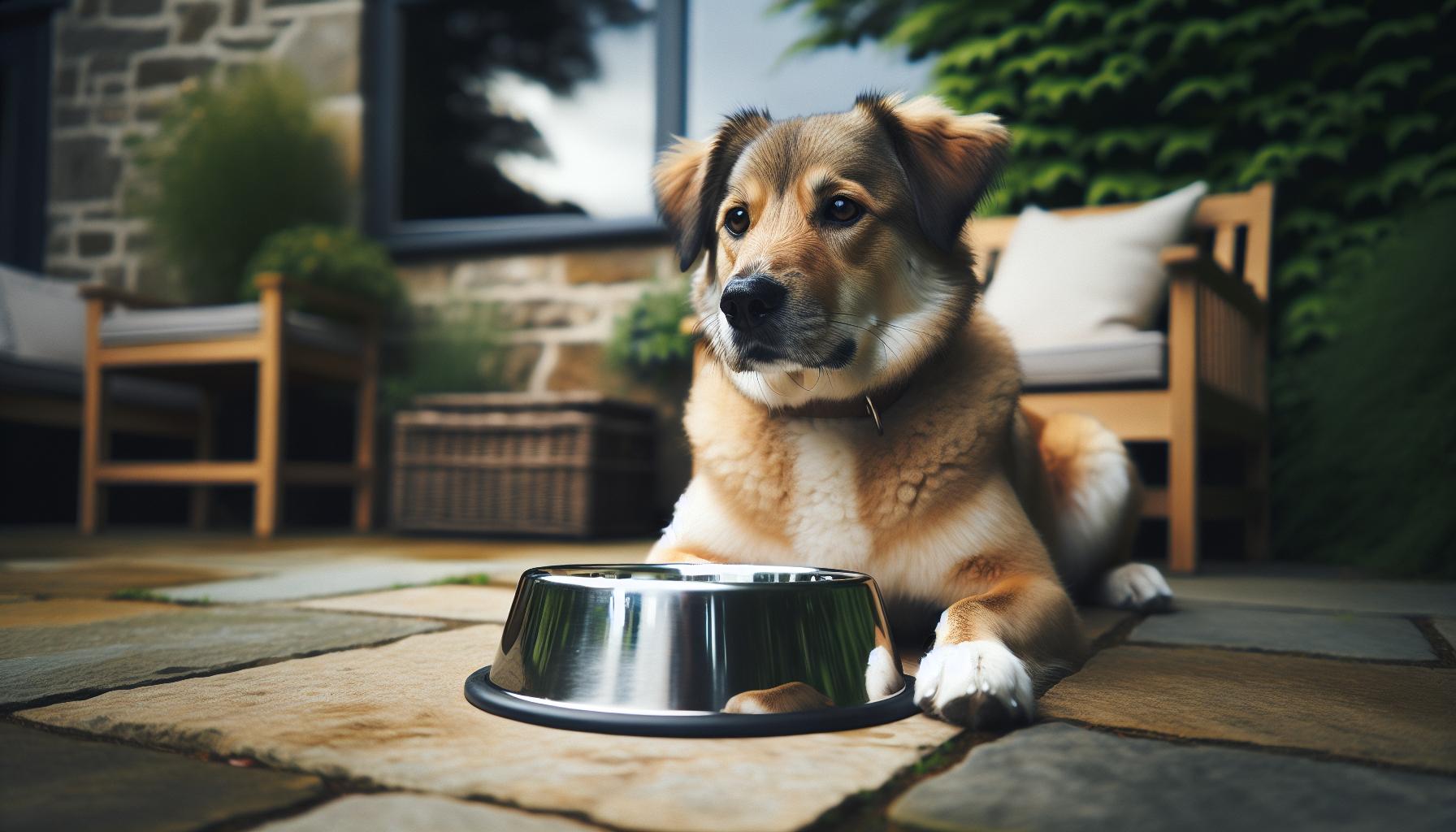
How Much Water Does Your Dog Need Daily?
Ensuring your furry friend stays well-hydrated is crucial for their overall health and well-being. On average, dogs need about 1 ounce of water per pound of body weight per day, which means a 50-pound dog would need roughly 50 ounces of water daily. However, this is just a baseline; several factors can increase your dog’s hydration needs, including activity level, weather, diet, and overall health.
Key Factors Influencing Water Intake
To get a better sense of how much water your dog needs, consider the following factors:
- Activity Level: Active dogs, especially those that exercise often or engage in play, will naturally need more water.
- Weather Conditions: Hot and humid weather can significantly raise your dog’s water requirements. Similarly, cold weather can also increase their need, especially if they’re indoors with heated air.
- Diet: Dogs on dry kibble diets will require more water compared to those who eat wet food since kibble has minimal moisture content.
- Health Status: Dogs that are ill, nursing, or on certain medications may also have special hydration needs.
It’s essential to monitor your dog’s water intake and adjust accordingly based on these factors to ensure they remain hydrated and healthy. If you’re ever in doubt, consulting your veterinarian can provide personalized guidance tailored for your pup’s unique needs.
Factors That Impact Your Dog’s Water Needs
Ensuring your dog remains well-hydrated is essential for their overall health, but understanding the nuances of their water needs can sometimes feel overwhelming. Interestingly, several factors influence how much water your dog should drink daily, including their size, age, activity level, and even environmental conditions. For example, a playful Labrador will require much more hydration than a more sedentary Chihuahua.
A dog’s activity level plays a significant role in determining their water requirements. Active dogs, especially those engaging in vigorous exercise or play, lose more fluids through panting and exertion, necessitating increased water consumption. On the other hand, less active dogs may not need as much, but it’s important for all dogs to have regular access to fresh water throughout the day.
| Factors Affecting Hydration Needs | Description |
|---|---|
| Weather | Hot, humid conditions increase the need for water, while cold weather can also prompt increased intake if dogs are indoors with heating. |
| Diet | Dogs consuming dry kibble require more water compared to those on a wet food diet, which has higher moisture content. |
| Health Conditions | Medical issues, recovery from surgery, or nursing status may necessitate additional hydration. |
Monitoring your dog’s water intake is crucial, especially during hot summer months or after intense play sessions. With puppies or elderly dogs, pay extra attention as they may not drink as much or may forget to hydrate. Providing multiple water sources in different areas of your home can encourage drinking, and always ensure that water is fresh and clean. Remember, your veterinarian is an excellent resource for tailored advice regarding your dog’s specific hydration needs. Keeping an eye on these factors will not only help your dog stay hydrated but also promote their overall wellness and vitality.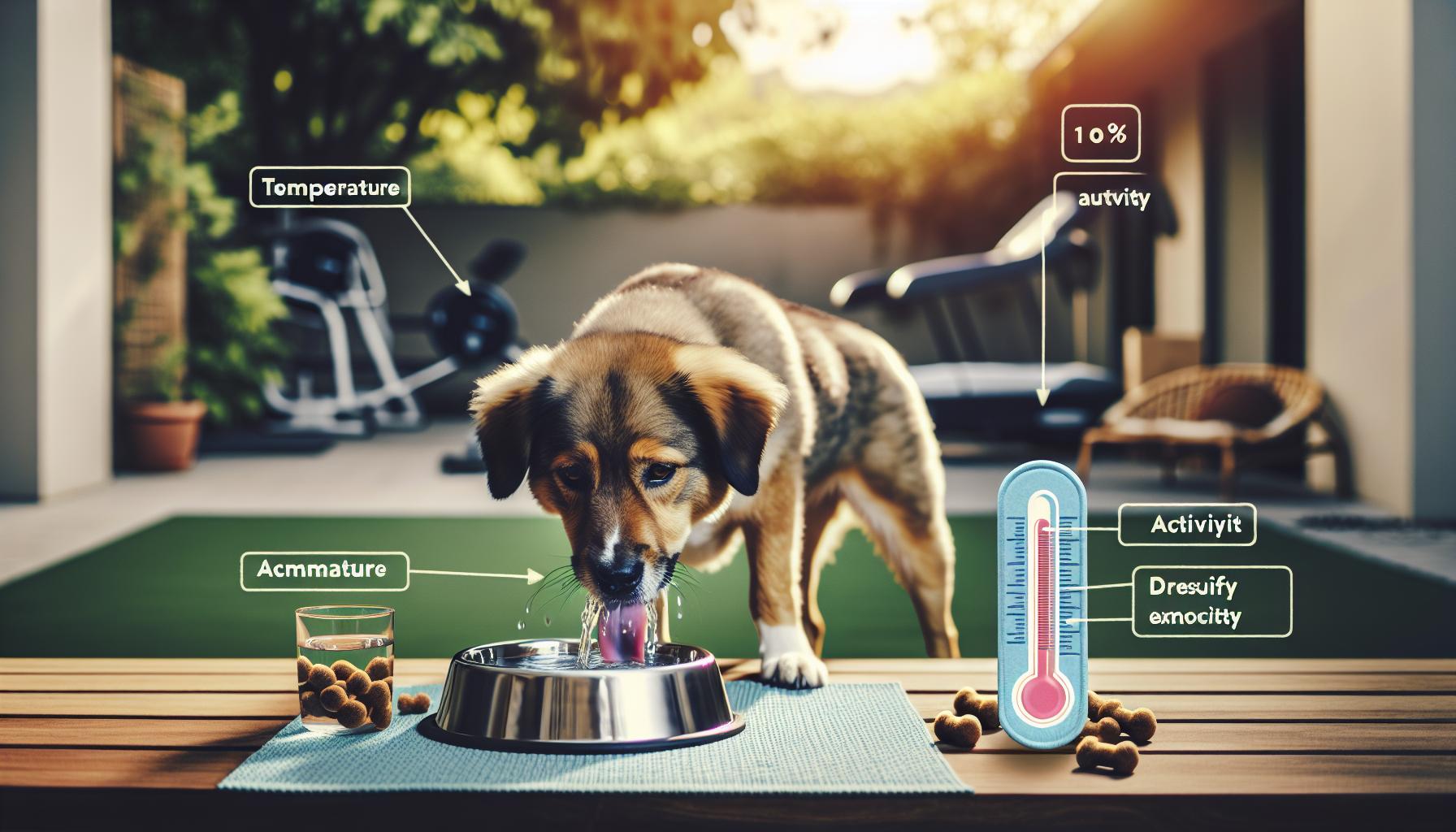
Signs of Dehydration in Dogs: What to Look For
Recognizing the signs of dehydration in your dog can be life-saving, as it allows you to take prompt action to ensure their well-being. Dehydration occurs when a dog loses more fluids than they take in, which can happen due to various reasons-such as increased activity, heat, or even underlying health issues. Here are some key indicators to watch for:
One of the most visible signs is a decrease in skin elasticity. You can test this by gently pinching your dog’s skin over their shoulder blades. When released, the skin should quickly return to its original position. If it takes longer than a second or remains “tented,” it could indicate dehydration. Additionally, observe their gums; healthy gums should be moist and pink. If they appear dry or pale, it’s another red flag.
Other common signs include excessive panting, lethargy, and a lack of appetite. Keep an eye on your dog’s energy levels; if they seem unusually tired or refuse to engage in their favorite activities, it could be due to low hydration. Watch for signs of sunken eyes as well; this can be especially pronounced in small breeds or older dogs. Additionally, check their urine-darker urine or infrequent urination can also signify dehydration.
To keep your furry companion hydrated, make water available at all times and consider offering fresh options, such as adding a splash of low-sodium broth to their bowl or providing ice cubes for them to chew. By learning these signs and taking preventative measures, you can help ensure that your dog remains healthy and hydrated, keeping their tail wagging and spirits high.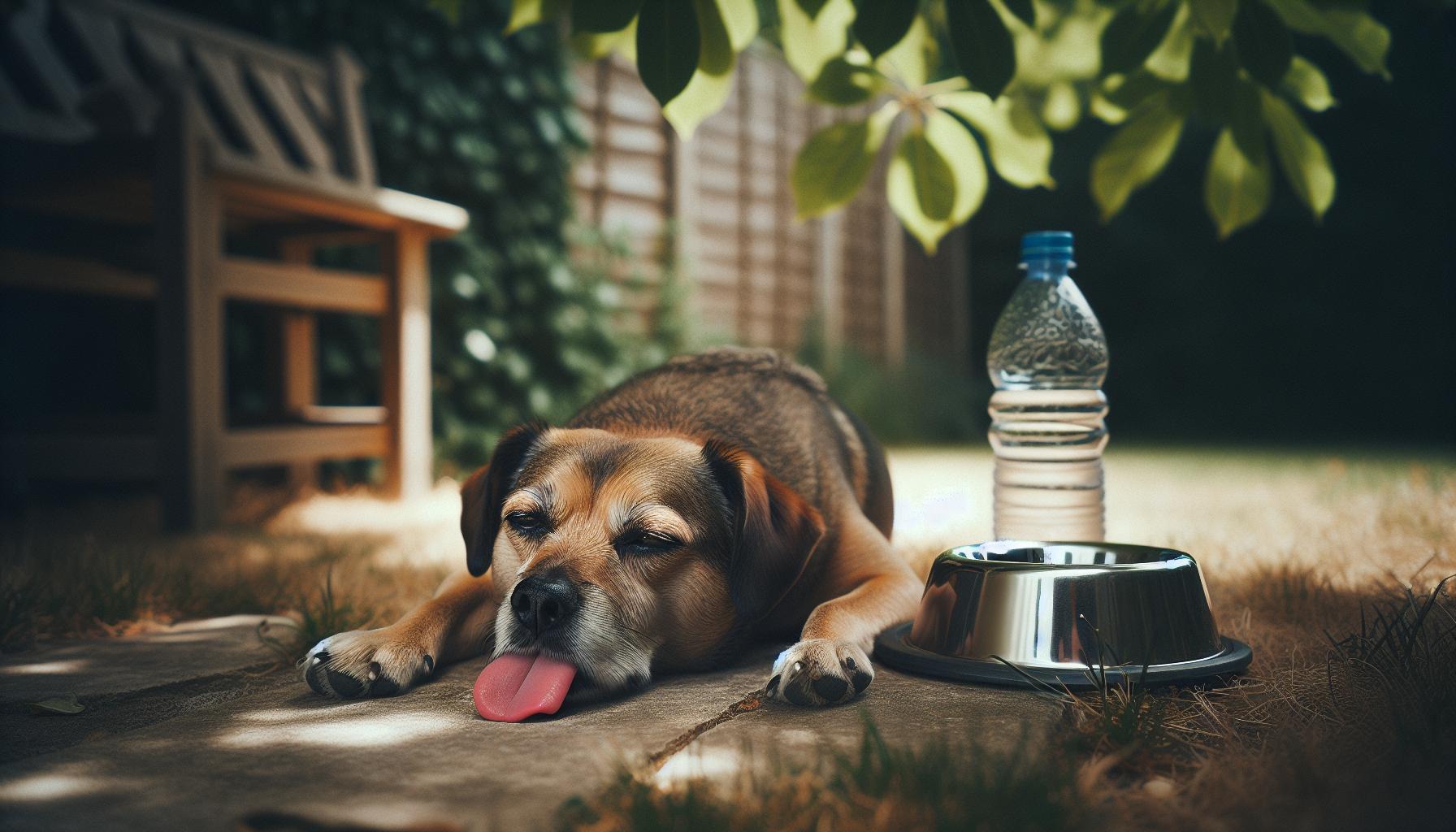
Creating a Hydration Schedule for Your Dog
Establishing a hydration schedule is essential for ensuring your dog stays healthy and well-hydrated. Dogs rely on consistent access to fresh water to help maintain their energy levels, aid digestion, and support their overall health. Tailoring a hydration routine to your dog’s specific needs can make all the difference, especially considering factors like size, age, activity level, and weather conditions.
Start by determining a baseline amount of water your dog needs daily. A common guideline is approximately one ounce of water per pound of body weight. However, active dogs or those exposed to heat may require significantly more. For instance, a 30-pound dog may need about 30 ounces of water daily, but when they’ve been playing in the sun or going on hikes, that requirement can easily double. Tracking your dog’s intake can help you identify any fluctuations, allowing you to adjust as necessary.
Incorporating regular water breaks into your dog’s daily routine can be beneficial. Consider the following strategies:
- Scheduled Water Times: Create a consistent routine where you provide fresh water at specific times, such as after walks, play sessions, or meals.
- Use Water Bowls Strategically: Place water bowls in areas where your dog spends most of their time. This makes it easier for them to drink throughout the day.
- Monitor Their Intake: Pay attention to how much water your dog consumes each day. If you notice a sudden increase or decrease, it might be time for a check-up with your vet.
- Encourage Drinking: If your dog is hesitant to drink, try adding low-sodium broth or offering ice cubes as a fun treat. Some dogs are more inclined to drink if they think it’s a game!
Adapt your approach based on your dog’s reactions and needs. For example, older dogs or those with health issues may need more frequent reminders to hydrate. Engaging in regular vet check-ups can also provide insights tailored to your dog’s unique health requirements. By establishing a well-rounded hydration schedule, not only will you help your furry friend stay refreshed, but you’ll also contribute to their overall well-being and happiness.
The Best Ways to Provide Access to Water
Ensuring that your furry companion has easy access to fresh water is crucial for maintaining their health and well-being. Dogs, much like humans, are susceptible to dehydration, which can lead to serious health issues if not addressed promptly. One of the best strategies to combat this is to create an environment where drinking water is readily accessible and appealing.
Start by placing multiple water bowls around your home, particularly in high-traffic areas where your dog spends the most time. This not only increases the likelihood that your dog will hydrate frequently but also encourages movement around the house. Choose bowls that are appropriate for your dog’s size-larger breeds might benefit from heavier bowls that are less likely to tip over, while smaller breeds may prefer lighter options that are easy to maneuver. Consider using non-slip mats or weighted bowls to prevent spills and make drinking more comfortable.
To enhance the appeal of drinking water, consider adding a pet water fountain. Many dogs find running water more enticing than still water, which can encourage them to drink more often. Additionally, it’s best to keep the water bowls clean and filled with fresh water at all times. Change the water multiple times a day, especially in hot weather, to ensure it’s always cool and refreshing. You might even experiment with adding a splash of low-sodium chicken broth to the water occasionally to entice picky drinkers.
Ultimately, consistency is key. Develop a routine where you check and refill water bowls several times a day or incorporate it into your daily dog-walking schedule. This not only keeps your dog well-hydrated but also serves as a gentle reminder for you to prioritize their hydration needs. By being vigilant and proactive, you can help ensure that your beloved pet stays hydrated and healthy, no matter the circumstances.
Water Types: Tap vs. Bottled and Their Effects
Choosing the right type of water for your dog can make a surprising difference in their hydration habits. Whether you’re grabbing a bottle off the shelf or filling up from the tap, understanding the nuances of each option is essential. Tap water, widely available, contains minerals and electrolytes that can be beneficial for dogs, but its safety can vary based on your local water supply. It’s worth noting that certain areas may have concerns about contaminants or chlorine taste, which could discourage your furry friend from drinking enough. For instance, if you’ve ever noticed your dog turning away from their water bowl, it could be due to an off-putting flavor.
On the flip side, bottled water often presents a convenient choice, especially for travel. Many pet owners choose this option for its perceived purity and lack of additives. However, it’s important to check the label for sodium content, as some bottled waters may have higher levels than what’s suitable for your pup. While spring and mineral waters can deliver a refreshing taste that some dogs may prefer, they often don’t provide the same balance of nutrients as tap water. Regularly switching between different water types may even be a good strategy to keep your dog interested in hydrating.
To ensure your dog stays happy and hydrated, consider these tips regarding their water options:
- Test the Waters: If your dog shows reluctance to drink tap water, try switching to bottled water for a while to see if it makes a difference.
- Keep it Fresh: Regardless of the type, always ensure water is clean and fresh. Stale water can harbor bacteria and discourage drinking.
- Know Your Dog’s Preference: Observe your dog’s habits. Some breeds may prefer one type over another, so listen to their cues.
Ultimately, striking a balance between tap and bottled water depending on your dog’s specific needs and preferences will help keep them happy and hydrated. Whether at home or on the go, providing access to clean, fresh water is a simple yet vital part of canine care.
The Importance of Fresh vs. Stale Water
Providing your dog with fresh water is crucial for their health and well-being. Water is not just a thirst quencher; it plays a vital role in digestion, nutrient absorption, and temperature regulation. While it may seem convenient to leave the water bowl filled all day, the importance of keeping that water fresh cannot be overstated. Dogs are naturally inclined to avoid drinking from stale water, which can become a breeding ground for bacteria, floating debris, and unpleasant odors. This aversion can lead to dehydration, impacting their overall health.
Regularly changing your dog’s water is a simple yet powerful way to promote hydration. Aim to refresh their bowl at least once a day, and more often in warm weather or after playtime. Many dogs are attracted to fresh water, and you’ll find they drink more willingly from a recently filled bowl. Add a few ice cubes on hot days for an enticing choice that many dogs love. The temperature difference can also make the experience more enjoyable for them.
Here are some practical tips to maintain water freshness:
- Clean Their Bowl: Wash your dog’s water bowl daily with soap and water to remove any buildup.
- Location Matters: Place the bowl in a shaded area outdoors to limit exposure to sunlight, which can warm the water and encourage bacterial growth.
- Consider a Water Fountain: Dogs often enjoy drinking from fountains, which continuously circulate and filter fresh water, keeping it appealing and clean.
By ensuring your dog has access to fresh and clean water, you’re not only meeting their basic hydration needs but also supporting their happiness and health. Remember to be attentive to their preferences-some might enjoy the coolness of cold water, while others prefer it at room temperature. Each small adjustment can make a big difference in keeping your furry friend properly hydrated.
Breeds with Higher Hydration Needs
Some dog breeds have higher hydration needs than others, reflecting their size, activity level, and particular health considerations. For instance, larger breeds like Great Danes and St. Bernards typically require more water due to their massive body size, while working and active breeds such as Border Collies and Australian Shepherds need ample hydration to sustain their energy levels during rigorous activities.
Active Breeds
Dogs that are constantly on the go, whether they’re herding sheep, participating in agility courses, or simply enjoying regular long walks, can easily become dehydrated without proper water intake. Breeds such as:
- Labrador Retrievers: Known for their boundless energy and love for water sports, these dogs should have constant access to fresh water, especially after play and exercise.
- German Shepherds: Another active breed that demands plenty of hydration due to their intense exercise needs and playful nature.
Providing them with a steady supply of water is essential, particularly after vigorous activity or during hot weather.
Smaller Breeds
Interestingly, some smaller breeds also have significant hydration needs relative to their size. For example, a Chihuahua may drink more frequently than one might expect, especially during hot days or after bursts of activity. Always keep fresh water available for these pint-sized pals.
Age Considerations
It’s noteworthy that puppies and senior dogs often have unique hydration needs. Puppies, with their playful demeanor, might require more water as they are quite energetic, while older dogs may be less active but prone to health issues that make hydration crucial. Regularly monitor your dog’s water intake and consult your veterinarian if you notice any significant changes.
By understanding the hydration needs linked to specific breeds and their lifestyles, you can take proactive steps to ensure your furry family member stays refreshed and healthy. Always be observant-each dog has their own unique needs, so adjustments may be necessary to keep their hydration on track!
How Weather Affects Your Dog’s Water Intake
As the temperature rises or falls, the water needs of your furry friend can fluctuate dramatically. It’s important to pay close attention to how weather conditions impact hydration. Dogs, just like humans, can suffer from dehydration in hot weather, and their bodies react to cold temperatures differently as well. On warm days, increased activity-such as walks or playtime-coupled with higher temperatures means your dog will need more water to compensate for the moisture lost through panting and sweating through their paws. Conversely, during colder months, dogs might drink less as they’re less active, but they still need adequate hydration to support their metabolism and overall health.
Hot weather increases the risk of heat stroke, especially in breeds with flat faces like Bulldogs or Pugs. It’s crucial to ensure that these dogs have access to cool, fresh water at all times, particularly after exertion. For instance, engaging in a lively game of fetch or a hike on a sunny day can deplete their water reserves quickly. Consider setting a drinking schedule after exercise or while outdoors, encouraging sips every 15-20 minutes.
On the flip side, cold weather can also present unique challenges. Although dogs require less water in cooler climates, they can become dehydrated if they eat salty foods or if their water sources freeze. Dogs with thick fur might not drink as frequently because of the lower temperatures, but it’s essential to monitor their intake. Providing warm water or offering them ice cubes as a treat can encourage hydration during winter months. Staying vigilant about these factors helps ensure your dog stays well-hydrated and healthy throughout the seasons.
Traveling with Dogs: Hydration Tips on the Go
Traveling with your furry companion can be one of the most rewarding experiences, but it’s crucial to remember that hydration is key to their well-being on the go. Whether embarking on a lengthy road trip or a short jaunt to the park, ensuring your dog stays hydrated can prevent health issues and keep their spirits high. A well-hydrated dog is a happy dog, ready to enjoy every adventure with you!
Before you set off, plan how you’ll provide water. Carry a portable water bowl or collapsible dish that easily fits in your bag. Look for a water bottle designed for dogs, which allows for easy dispensing. Many pets are more inclined to drink from their bowl rather than wait for you to pour water into their mouth, making these specially designed bottles a convenient solution. Also, remember to offer water at regular intervals, embracing a schedule similar to a human’s hydration routine-every couple of hours or after every stop.
In warmer weather, the risk of overheating becomes a significant concern, especially for breeds like Bulldogs and Pugs that are more susceptible to heat. Make a habit of stopping every 30 to 60 minutes to let your dog drink and cool down. If you’re making a lengthy stop, try to find shaded areas where your pet can relax while staying hydrated.
Tips for Different Breeds
Different breeds can have varying hydration needs during travel:
- Small Breeds (e.g., Chihuahuas, Dachshunds): Their small size means they can dehydrate quickly. Ensure access to water every hour.
- Large Breeds (e.g., Labradors, Golden Retrievers): Generally require more hydration due to their size, so have water readily available throughout the trip.
- Short-Nosed Breeds (e.g., Bulldogs, Pugs): They are at higher risk for overheating. Offer water frequently, especially on hot days.
Don’t forget about temperature! If traveling in hot conditions, aim to keep your vehicle climate-controlled, and always have fresh water available. Conversely, in colder weather, while dogs may not drink as much, it’s still vital to offer them water regularly. Ice cubes can be a fun and hydrating treat-especially for breeds that love to chew.
By taking some proactive measures, you’re sure to keep your dog hydrated and happy on your journeys together. Always be attentive to their reactions; a dog panting excessively or acting lethargic may be in need of water. Hydration is not just a necessity, it’s part of the love and care you provide to your pet as you explore the world together!
Understanding Your Dog’s Unique Hydration Signals
One of the most captivating aspects of pet ownership is developing an intuitive understanding of your dog’s needs, particularly when it comes to hydration. Just like humans, dogs communicate their needs in various ways, and recognizing their unique hydration signals can make a significant difference in their health and happiness. Dogs may not always vocalize their thirst, so being observant and responsive to their behavior is crucial.
Pay close attention to your dog’s drinking habits and body language. A dog that is frequently licking their lips, pawing at their water bowl, or even engaging in restless behavior may be signaling thirst. Additionally, during hot weather or following vigorous play, your dog may pant heavily and show signs of fatigue, which are clear indicators that they need a drink. Establishing a routine for regular water breaks can help you prevent dehydration, but it’s also vital to be flexible and responsive if your dog appears to show any discomfort or signs of thirst outside of the schedule.
Different breeds can exhibit various hydration needs and signals. For instance, a Golden Retriever might go over to its water bowl after a session of fetching, while a French Bulldog may show signs of excessive panting more readily. If you notice your dog has suddenly increased their water intake or has become disinterested in drinking, these could be important signals of underlying health issues. A change in drinking habits can require a visit to the vet, so always trust your observations.
To foster a good relationship with water consumption, consider creating a comfortable drinking environment for your dog. Use wide, stable bowls that are hard to tip, ensuring they’re kept in a shaded area if outdoors. You can also enhance your dog’s experience by incorporating ice cubes or offering flavored water (e.g., low-sodium broth), which might encourage them to drink more regularly. Always ensure that fresh water is available-stale water may be less inviting, and knowing your dog’s unique hydration signals will help you maintain optimal hydration for their well-being.
Developing Good Drinking Habits for Your Dog
It’s a common myth that dogs instinctively know when they need to drink, but in reality, many can benefit from guidance in developing good drinking habits. Just like us, dogs may become distracted or busy with play, leading them to forget about hydration. Setting a structured approach to their water intake can make a world of difference in their overall health and energy levels.
Creating a hydration-friendly environment is the first step. Ensure that your dog has constant access to clean, fresh water. This means cleaning their water bowl daily and refilling it with fresh water at least once or twice a day. Some dogs are particular about the taste of their water, so offering filtered or bottled water may entice them to drink more. Using a dog water fountain can also be a fantastic way to keep the water moving and aerated-dogs are often more inclined to drink when they see or hear flowing water.
Incorporating short, frequent drinking breaks during your daily routines can greatly improve hydration habits. For instance, taking a specific moment during walks or play to encourage a sip can build a routine. You might also incorporate a reward system, where your dog gets a treat after a successful drinking session, creating a positive association with drinking water.
Monitor your dog’s individual preferences, as different breeds have varying hydration patterns. For example, active breeds like Border Collies might require more frequent hydration breaks, especially during playtime, while smaller breeds or those with less activity may need gentle reminders to drink. By observing these tendencies, you can tailor your approach and ultimately foster healthier drinking habits that improve your dog’s well-being.
Q&A
Q: How much water should a dog have access to daily?
A: Dogs need about 1 ounce of water per pound of body weight daily. For example, a 50-pound dog requires approximately 50 ounces. Always provide access to fresh water throughout the day to meet their hydration needs.
Q: What happens if a dog does not drink enough water?
A: Insufficient water intake can lead to dehydration, which results in serious health issues. Symptoms include lethargy, dry gums, and reduced skin elasticity. Always monitor your dog’s drinking habits and consult a vet if you notice signs of dehydration.
Q: How often should I refill my dog’s water bowl?
A: It’s best to check and refill your dog’s water bowl at least twice daily to ensure they have constant access to fresh water. In hot weather or after exercise, refill more frequently to encourage hydration.
Q: Can certain dog breeds need more water?
A: Yes, some breeds, especially those with high energy and larger body sizes, tend to require more water. Breeds like Labrador Retrievers and Huskies may need greater hydration, especially during physical activity or warm weather.
Q: How can I encourage my dog to drink more water?
A: To encourage your dog to drink more water, offer fresh, clean water multiple times daily, add water to their food, or use a pet water fountain. Experiment with flavoring their water with low-sodium broth for variety.
Q: Is it better to use tap water or bottled water for my dog?
A: Most dogs can drink tap water without issues, but if your tap water contains high levels of minerals or chlorine, consider using filtered water. Always ensure your dog’s drinking water is fresh and free from contaminants.
Q: How does weather affect my dog’s water needs?
A: Hot weather increases a dog’s water requirements, as they lose more fluids through panting and increased activity. Ensure plenty of cool water is readily available during warm months, and monitor their hydration more closely.
Q: Should I limit my dog’s water intake in the evening?
A: Avoid limiting water intake in the evening, as dehydration can occur. If frequent nighttime urination is a concern, consult your veterinarian for strategies to address it while ensuring adequate hydration.
To Wrap It Up
Ensuring your dog stays hydrated is crucial for their health and happiness. Remember, dogs require access to fresh water daily, but their needs can vary based on age, activity level, and environment. Don’t wait until thirsty signals appear; provide consistent access to water to keep your furry friend energized and thriving.
For more insights on pet care, check out our articles on “Dog Nutrition Basics” and “Understanding Dog Behavior,” which can provide further guidance on maintaining your pet’s well-being. If you have any questions or personal experiences to share, we encourage you to comment below. Let’s build a supportive community dedicated to our beloved dogs! Consider subscribing to our newsletter for more tips and updates straight to your inbox. Together, we can ensure our dogs lead joyful and healthy lives.