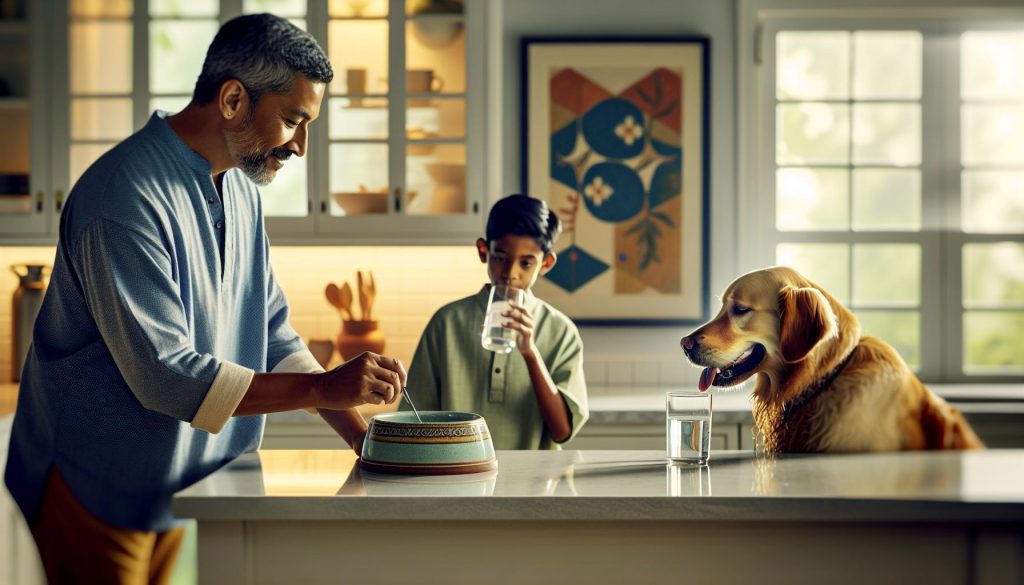
Did you know that a dog’s hydration needs can vary significantly based on factors like age, activity level, and even the weather? Understanding how often your dog should drink water is crucial for their health and well-being. Just like us, dogs can become dehydrated, leading to serious health issues. As a responsible pet owner, it’s essential to ensure your furry friend stays hydrated, especially during hot days or after a vigorous play session. In this guide, we’ll explore normal drinking patterns and provide practical tips to help you monitor your dog’s water intake effectively. Let’s dive into how to keep your pooch happily hydrated!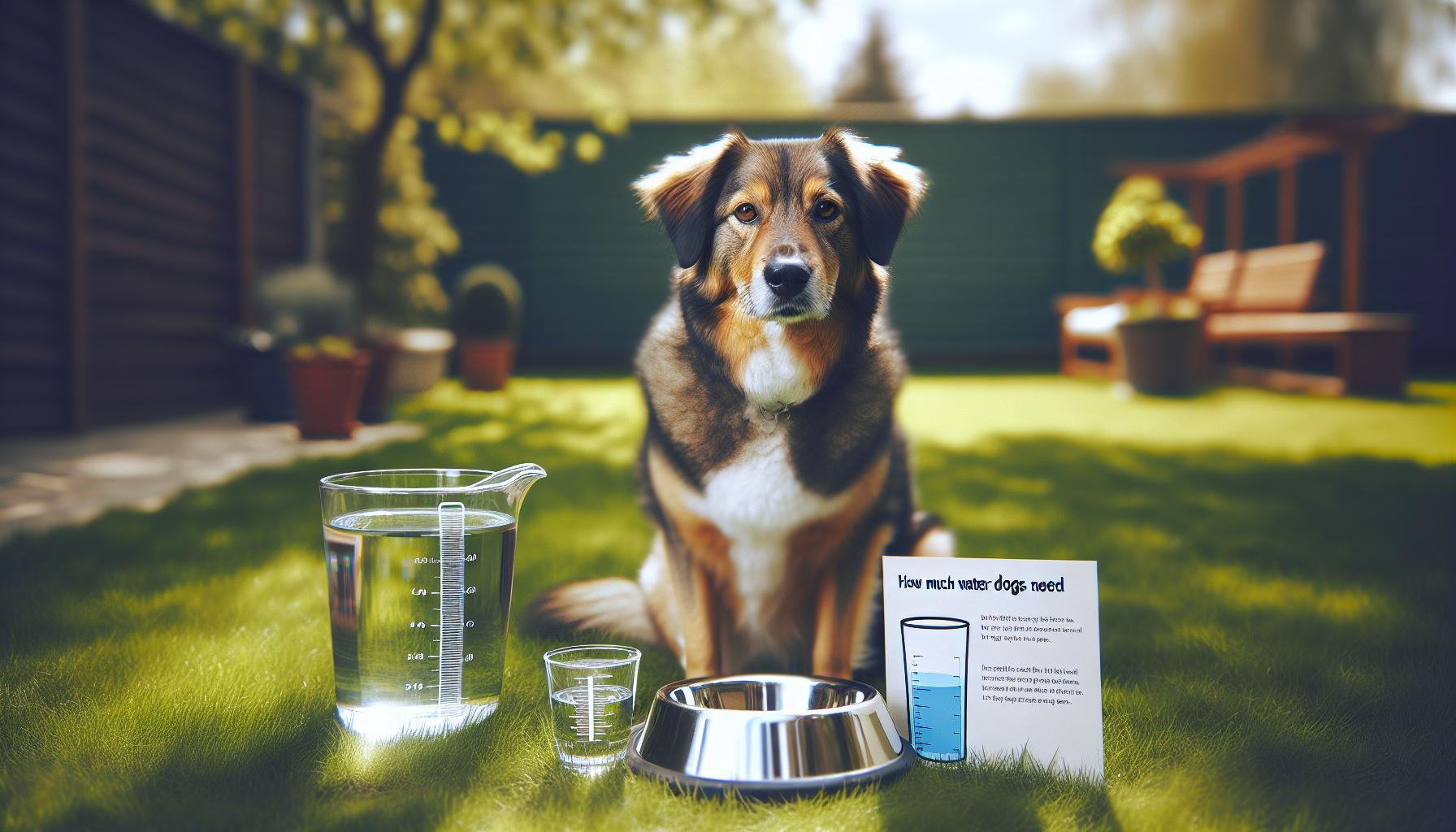
How Much Water Does Your Dog Really Need?
Providing your dog with enough water is crucial for their overall health, yet many owners are unsure about exactly how much their furry friend needs to drink. A good guideline is to aim for about 1 ounce of water per pound of body weight each day. For instance, a 20-pound dog should consume about 20 ounces, or roughly 2.5 cups, of water daily. However, this can vary based on several factors, including activity level, diet, and environmental conditions.
Factors Influencing Water Needs
Understanding your dog’s individual needs goes beyond the basic rule of thumb. For example, active dogs or those in warmer climates may require more hydration due to increased fluid loss from panting and sweating. Conversely, dogs that mainly eat dry kibble may need additional water compared to dogs on a wet food diet, which already contains high moisture content. Puppies, pregnant dogs, and lactating females also have heightened hydration needs due to their growth and nursing demands.
Signs Your Dog Might Need More Water
It’s essential to watch for signs that could indicate your pup isn’t getting enough water. Common symptoms of dehydration include a dry nose, lethargy, and a decrease in urine output. If you notice your dog’s gums appear sticky or dry, that could be another red flag. Regularly monitoring your dog’s water intake can help you adjust based on their specific needs and ensure your pet remains hydrated and healthy.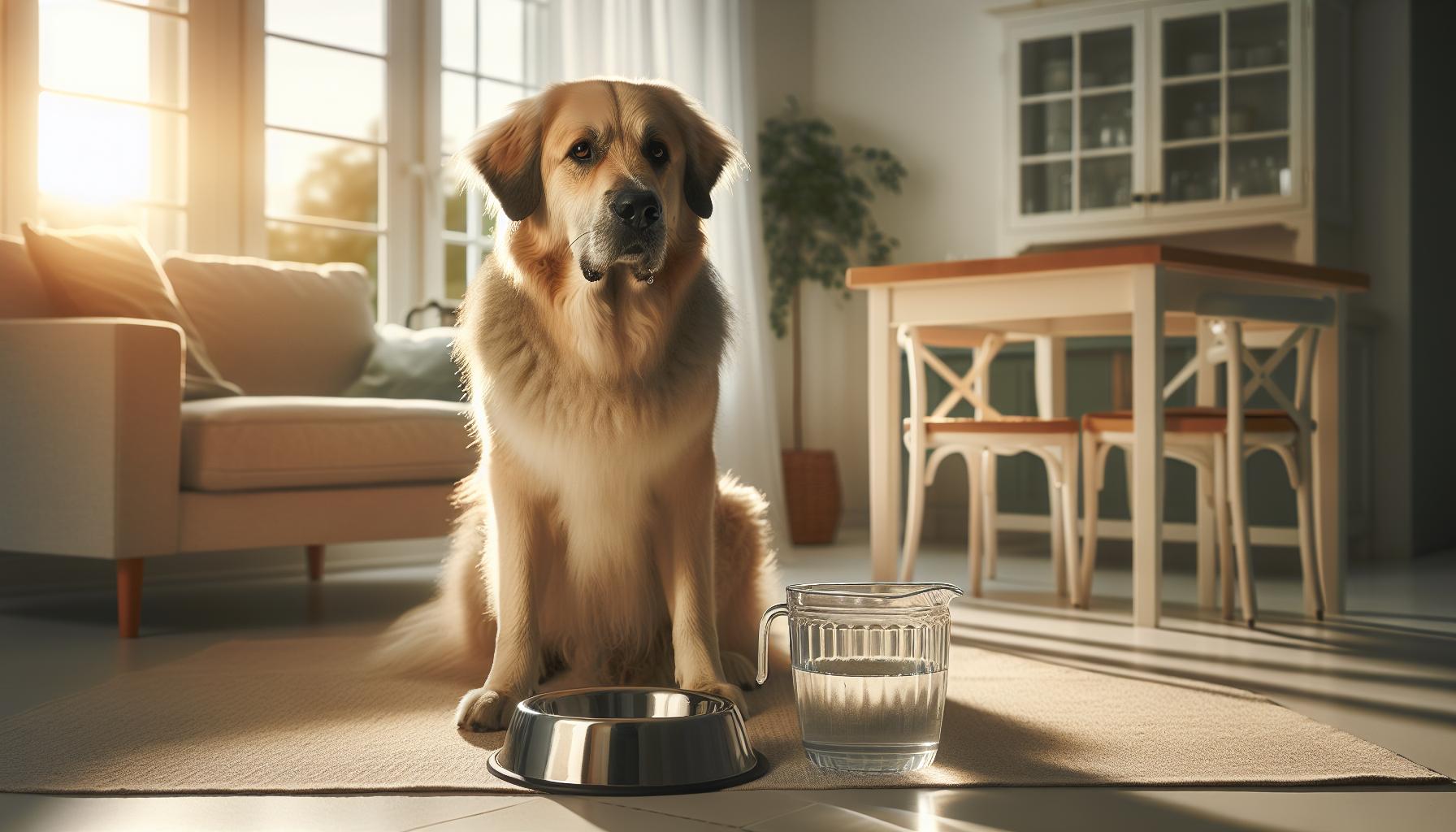
Signs Your Dog Needs More Water
Recognizing when your dog needs more water is crucial for their health and wellbeing, and being aware of the signs can make all the difference. Did you know that even mild dehydration can lead to lethargy and affect your dog’s mood and energy levels? By familiarizing yourself with the typical indicators of hydration issues, you can ensure your pup stays happy and healthy.
One of the first signs to look for is a change in your dog’s behavior. If your usually energetic dog seems more tired than usual or is reluctant to play, it may be time to investigate further. Additional symptoms include a dry nose and sticky or dry gums, which are tell-tale signs of dehydration. When you check your dog’s gums, they should feel moist and appear a healthy pink color; if they’re dry or tacky, that’s a warning signal you shouldn’t ignore.
Another important aspect to monitor is your dog’s drinking habits. If you notice that your dog is consuming less water than usual or their water bowl is frequently full, this could indicate they’re not drinking enough. Pay attention to their urine output as well-less frequent urination or dark-colored urine can also indicate a lack of hydration. In more severe cases, check for a loss of skin elasticity: gently pinch the skin on the back of their neck; if it doesn’t return quickly to its normal position, that could suggest dehydration.
Consider also their environmental factors. Dogs who are active or live in hot climates might show signs of needing extra hydration more readily. Breed differences come into play here too; for example, brachycephalic breeds like Bulldogs may struggle more with panting and regulating body temperature, making them more susceptible to dehydration. Always keep an eye on your furry friend, and if you notice any concerning signs, consult your veterinarian promptly. Ensuring your dog stays hydrated not only supports their physical health but also contributes to their joyful spirit and overall wellbeing.
Factors Affecting Your Dog’s Water Intake
Dogs, much like humans, have varying hydration needs influenced by a multitude of factors. Understanding these elements is pivotal in ensuring your furry friend stays healthy and hydrated. One major factor is their size and breed; larger breeds like Great Danes typically require more water than smaller breeds such as Chihuahuas due to their greater mass and metabolic demands. It’s essential for owners to tailor water intake based on these fundamental differences to keep their pets functioning at their best.
Another crucial aspect is activity level. An energetic Vizsla or a working dog like a Border Collie will need more hydration compared to a laid-back Bulldog. During playtimes or after exercise, dogs lose water through panting and exertion, increasing their need for immediate water replenishment. Owners should prioritize providing fresh water after such activities.
Diet can also affect your dog’s water intake requirements. Dry kibble often requires more water consumption to aid digestion, while wet food can contribute to hydration levels, potentially reducing the total amount of water your dog needs from their bowl. If your pup primarily consumes dry kibble, ensure they have easy access to clean drinking water throughout the day, especially if they are active.
Finally, environmental factors play a significant role in hydration needs. Hot weather or high humidity can cause quicker levels of dehydration in dogs, as they may pant more to regulate their body temperature. During these conditions, it’s crucial to ensure that they have ample water available and take breaks in the shade. By considering these factors, you can help ensure your dog maintains optimal hydration levels, thus enhancing their health and well-being.
Hydration Needs by Breed: A Detailed Overview
When it comes to keeping our furry friends hydrated, one size certainly does not fit all. Different breeds have varying hydration needs based on their size, activity level, and even body composition. For instance, a hefty Great Dane has significantly different water requirements compared to a petite Chihuahua. While a rule of thumb might suggest that dogs generally need about an ounce of water per pound of body weight each day, this figure can vary dramatically among different breeds. Understanding your dog’s specific needs is crucial not only for their health but also for preventing dehydration during those warm summer days or after an energetic play session.
Understanding Breed-Specific Hydration Needs
Let’s take a closer look at how hydration varies among several popular dog breeds:
| Breed | Average Weight | Daily Water Needs |
|---|---|---|
| Great Dane | 100-175 lbs | 10-17 oz (or more on hot days) |
| Labrador Retriever | 55-80 lbs | 5.5-8 oz |
| Beagle | 20-30 lbs | 2-3 oz |
| Chihuahua | 2-6 lbs | 0.25-0.5 oz |
Active breeds, such as Border Collies or Vizslas, often require more water due to their high energy levels and tendency to pant, which results in fluid loss. On the other hand, brachycephalic breeds like Bulldogs or Pugs might not drink as much but are at higher risk for overheating, making it crucial to monitor their hydration closely, especially during exercise.
Age and Activity Factor
A dog’s age also plays a role in hydration needs. Puppies typically expend more energy as they play and explore, so they may require more water than adult dogs of the same breed. Senior dogs, meanwhile, can become more sedentary, which might lead to less fluid intake. Nevertheless, just like us, they can suffer from dehydration, especially if they have health issues such as kidney disease.
As a practical step, monitor your dog’s water intake daily, and consider keeping a journal to identify any changes in their drinking behavior. Experiment with various water bowls or even water fountains to find out what engages your dog the most. If you notice changes in behavior, such as excessive thirst or lethargy, it’s always a good idea to consult your veterinarian promptly.
Providing the right hydration tailored to your dog’s specific breed and lifestyle not only keeps them healthy but also boosts their overall vitality and happiness. By incorporating good practices learned from veterinary experiences, you can ensure your canine companion enjoys optimal hydration.
Water Intake During Different Life Stages
Ensuring your dog is well-hydrated is critical, and this need can shift greatly depending on their life stage. Puppies, adults, and seniors each have unique requirements that are influenced by their activity levels, health status, and developmental needs. Understanding these changes can help you provide the right support for your furry companion at every stage of their life.
During the puppy stage, generally ranging from birth to around six months of age, hydration is particularly important. Puppies are highly active and grow rapidly, which means they may need more water than one might expect. A good rule of thumb is to offer fresh water consistently throughout the day, allowing their playful nature to dictate their drinking pattern. Puppies often require about one ounce of water per pound of body weight daily, which can fluctuate based on their activity levels. Providing a shallow bowl that’s easy for them to access, or even considering a pet water fountain, can encourage regular drinking.
As dogs transition into adulthood, usually by the age of one, their water intake stabilizes but still varies by breed and activity level. Adult dogs are often less exuberant than puppies but may still need a robust water supply, especially if they are active or spend time outdoors. A moderate estimate for adults is that they need roughly half an ounce to an ounce of water per pound of body weight daily. This could mean that a 50-pound Labrador Retriever might drink between 25 to 50 ounces of water each day, depending on factors like exercise and weather conditions.
In their senior years, dogs often become less active, and their water consumption might decrease accordingly. However, it’s crucial to remain vigilant; older dogs are more susceptible to dehydration due to potential health issues, such as kidney disease or diabetes, that can affect their thirst and overall water balance. Make sure to keep their water bowl filled and easily accessible, as dogs may not drink as frequently even if they need it. Regular vet check-ups can help monitor any health-related hydration concerns, and modifying their diet to include wet food can also be a great way to increase their water intake.
Comparison of Water Needs by Life Stage
| Life Stage | Average Daily Water Needs | Considerations |
|---|---|---|
| Puppy | 1 oz per lb of body weight | High activity, need frequent access to water |
| Adult | 0.5 – 1 oz per lb of body weight | Depends on activity level and environmental factors |
| Senior | Varies, monitor closely | May drink less, at higher risk for dehydration |
Being proactive about your dog’s hydration across these life stages will not only keep them healthy but also enhance their overall quality of life. Pay attention to their drinking habits and adapt your approach as they grow, so they always have the right amount of water for their unique needs.
Effects of Weather on Your Dog’s Hydration
Being aware of how weather impacts your dog’s hydration needs can make a significant difference in their health and comfort, especially during extreme temperature shifts. When the mercury rises during hot summer months, an active dog can easily become dehydrated if not properly monitored. Dogs don’t sweat like humans; they primarily cool down by panting, which makes adequate water intake even more crucial. For example, during a sweltering day, a dog may require significantly more water than it typically consumes. It’s recommended that on hot days, you should provide fresh water frequently and consider offering ice cubes or ice-infused water as a fun way to keep them cool and hydrated.
Cold weather can also affect your dog’s hydration levels, though not as obviously. You might expect your dog to drink less in winter compared to the summer heat, but this can be misleading. Dry indoor air from heating systems can lead to dehydration. Make sure your dog has access to clean, unfrozen water at all times, especially if they spend a lot of time outdoors in cold weather. If you notice your dog is reluctant to drink, you might try serving warm (not hot) water to make it more inviting.
Additionally, the activity level plays a critical role in hydration needs. For example, a dog running through the snow will still sweat, requiring regular water breaks, while a dog lounging indoors during winter might not consume as much. Monitoring your dog after exercise is vital; a panting pup is telling you they need a drink. Adjusting their water supply based on weather conditions will not only ensure they stay hydrated, but it will also keep them energetic and happy, no matter the season.
In summary, be proactive in adapting your dog’s water intake to align with the climate they are experiencing. Always observe their drinking habits and adjust according to their environment. Keeping a keen eye on how weather influences their hydration can prevent health issues and keep them thriving all year round.
Best Practices for Encouraging Your Dog to Drink
Encouraging your furry friend to stay hydrated can sometimes feel like a challenge, but a few simple strategies can make all the difference. Dogs require consistent access to fresh water, and as responsible pet owners, it’s essential to ensure they drink enough throughout the day. One effective way to promote regular drinking is to make the water accessible and appealing. Placing multiple water bowls around your home, especially in areas where your dog spends the most time, encourages them to drink more frequently. Remember to change the water daily to keep it fresh, as dogs can be picky about their drinking conditions.
Another innovative approach is to enhance the water’s appeal. Try adding low-sodium broth or even a splash of coconut water to their bowl-many dogs find these additions irresistible! Additionally, considering a pet water fountain can be beneficial, as the sound and movement of flowing water often attract dogs more than still water, prompting them to drink. If your dog enjoys playing, you might engage them with ice cubes as a fun treat during warmer months; it’s a refreshing way to hydrate while also keeping them entertained.
Establishing a routine can also be instrumental. Take time after walks or play sessions to offer a drink, utilizing these moments for conditioning. For instance, after a vigorous game of fetch, be sure to encourage your pup to take a water break. Not only will this behavior become ingrained, but it teaches your dog that water is a part of their active lifestyle. For puppies and young dogs, introducing them to drinking after meals and training sessions can help establish healthy hydration habits early on.
Finally, it’s crucial to observe your dog’s hydration levels, especially if they’re showing signs of dehydration, such as lethargy or dry gums. If your dog isn’t drinking enough, make it a point to monitor their behavior closely. Consistent engagement and using the right techniques can transform drinking water from a chore into an enjoyable part of your dog’s daily routine, ensuring their health and happiness.
Common Myths About Dogs and Water Consumption
Every dog owner has likely heard a myriad of opinions regarding how much water their furry friend needs or whether they should be drinking more than they do. Unfortunately, these discussions can lead to some common misconceptions that may hinder our understanding of canine hydration. One pervasive myth is that dogs only need water when they’re thirsty. In reality, just like people, dogs require a consistent intake of water throughout the day to maintain optimal health and overall bodily function. Waiting until they show signs of thirst can lead to dehydration, especially in active or outdoor dogs.
Another common belief is that dry food increases a dog’s water intake significantly, which isn’t entirely true. While it’s true that dogs on dry kibble might drink more water than those on a wet food diet, simply providing dry food does not eliminate the need for regular hydration checks. Additionally, it’s essential to understand that certain breeds have more specific hydration needs due to their size, activity level, and overall health. For example, larger breeds like Great Danes may need more water than smaller breeds, such as Chihuahuas. Therefore, it’s crucial to not base a dog’s hydration solely on food type but on their individual activity and health requirements.
Many also mistakenly believe that dogs who do drink a lot of water are sick or unwell. While excessive thirst can sometimes indicate underlying health issues, it is also common for active dogs or those exposed to warmer climates to simply require more fluids. Always observe your dog’s overall behavior; if they are active, eating well, and behaving normally, increased water consumption may just be a reflection of their lifestyle or environment.
Finally, a significant myth involves the belief that tap water is harmful to dogs, promoting the use of bottled or filtered water instead. While some dogs may be sensitive to certain chemicals in tap water, most municipal water supplies are safe for canine consumption. It’s important to consider your dog’s specific needs and consult with a vet if you have concerns about water quality. Encouraging the right amount of hydration doesn’t involve obsessively controlling their water intake but creating an environment that fosters healthy habits and provides them with easy access to clean, fresh water at all times.
By debunking these myths, we can better support our dogs’ hydration needs, leading to a happier and healthier life for our four-legged companions.
Hydration and Your Dog’s Health: A Vet’s Perspective
Maintaining proper hydration is vital for your dog’s overall well-being, but the specifics can often be bewildering. Did you know that a dog can lose up to 10% of its body weight through dehydration? Such a loss can lead to serious health issues. That’s why understanding the normal frequency of water intake and how it relates to your dog’s health is crucial. As a responsible dog owner, it’s important to recognize that hydration is not just about satisfying thirst-it’s a continuous process that underpins essential bodily functions, from digestion to temperature regulation.
Veterinary experts generally recommend that dogs should drink about one ounce of water per pound of body weight each day. This amount can vary significantly based on factors such as activity level, diet, and environmental conditions. For example, active breeds like Labrador Retrievers or Border Collies may need more due to their higher energy expenditure, while smaller breeds like French Bulldogs might require less. Observing your dog’s eating habits can also provide clues; dogs that consume dry kibble typically need to drink more than those eating wet food. Regularly monitoring their water bowl and ensuring it’s always filled with fresh water will help reinforce good hydration practices.
When considering how often dogs should drink, a few scenarios warrant special attention. For instance, during hot weather or after vigorous exercise, dogs may consume significantly more water. Puppies generally exhibit more erratic drinking habits as their bodies are still developing, while senior dogs might need prompting to drink more frequently. To encourage consistent hydration, consider setting a schedule for offering water, particularly in extreme weather or after exercise. Always observe for signs of dehydration-such as dry gums, excessive lethargy, or loss of skin elasticity-and consult a vet immediately if these occur.
Creating a welcoming hydration experience is equally important. Using a pet water fountain can make drinking more enticing, as many dogs prefer running water. Additionally, adding water to their food or providing ice cubes as treats on warm days can help increase their overall intake. Ultimately, being proactive about your dog’s hydration needs is a simple yet powerful way to enhance their quality of life, ensuring they remain healthy and vibrant.
How to Monitor Your Dog’s Hydration Levels
Monitoring your dog’s hydration levels is crucial for their overall health, particularly since our furry friends can’t exactly tell us when they need a drink. One engaging way to stay aware is to observe their drinking habits closely, especially in different environments and weather conditions. For instance, if your Labrador Retriever has suddenly switched from his usual two bowls a day to barely finishing one, this could indicate a potential issue or simply a change in their needs. The key is consistency; keep a routine not only for refilling water bowls, but also for recording how much they drink daily.
It’s helpful to understand and act upon specific signs that your dog may not be drinking enough water. Look out for common indicators of dehydration, such as dry gums, a loss of skin elasticity (the skin should snap back quickly when gently pinched), or changes in their energy levels and appetite. A quick daily check can become a bonding ritual. After playtime, for example, you might offer Chef’s special chicken broth, or plain water, and observe how eagerly they drink it. If your dog is lethargic or seems unusually irritable, it might be time to investigate their hydration status further, possibly leading to a vet visit for a thorough check-up.
Keeping Track of Water Intake
Utilize a simple log to track your dog’s water intake, especially if they are on medication or you have a pup recovering from an illness. By measuring or estimating how much they drink over several days, you can establish a baseline for their normal behavior. Here are some practical tips to make tracking easy and reliable:
- Use a Measuring Cup: Measure the water you provide each time you refill their bowl, and note it down. This technique is especially useful for smaller breeds with smaller intakes.
- Create a Hydration Schedule: Offer water at consistent times throughout the day. For example, after walks, meals, and play can create expectations for your pet.
- Monitor Changes: If you notice any significant changes – either an increase or decrease in their drinking habits – consider what might have altered their routine. Are they more active? Is the weather warmer? Plug these factors into your observations.
Once you’ve established a good sense of how much your dog typically drinks, it becomes easier to identify when something might be off with their hydration levels. Remember that different breeds and ages will have varying needs; a young, active Border Collie will need more water than an older, less active Basset Hound. Emphasizing this careful monitoring will not only help maintain your dog’s hydration but will also foster a deeper understanding of their needs as beloved members of your family.
Creative Ways to Make Water More Appealing
Finding ways to make water more enticing for your furry friend can make a world of difference in ensuring they stay hydrated. Dogs can sometimes be picky when it comes to drinking water, and their reluctance might stem from boredom or a lack of appealing options. A few creative strategies can turn that ordinary bowl of water into a delightful experience for your pet!
One approach is to enhance the flavor of their water. Simple additions like low-sodium chicken or beef broth can make a huge impact. Just a splash in their water bowl can encourage them to drink more frequently. Alternatively, consider making “puppy ice cubes” by freezing diluted broth or even small pieces of fruit like blueberries or bananas. On a hot day, these can serve as a refreshing treat that your dog will love!
Additionally, the type of water bowl can affect your dog’s interest in drinking. Many dogs prefer running water to still water, so investing in a pet water fountain can intrinsically encourage them to drink more often. The gentle sound of flowing water can pique their curiosity, making hydration more instinctive. You can also try changing out the bowl material; some dogs prefer the feel and taste of stainless steel over plastic, which can sometimes impart a different flavor.
Creating a consistent water routine is also essential. Offering water after playtime, walks, or training sessions reinforces positive associations with drinking. You could even incorporate a fun game where your dog practices some tricks before rewarding them with a gulp of water, making hydration an enjoyable part of their day. Remember, the goal is not just to get them to drink more, but to create positive and engaging experiences that encourage a lifelong habit of proper hydration.
Understanding Dehydration Risks and Solutions
Dehydration in dogs can lead to serious health issues, and understanding the signs, risks, and solutions is crucial for every pet owner. Dogs can easily become dehydrated due to various factors, including hot weather, high activity levels, and health problems. Notably, a dog can lose around 1-2% of its body weight through water loss before symptoms of dehydration become apparent. This emphasizes the importance of monitoring their water intake, especially during warm weather or after vigorous exercise.
One key risk of dehydration is that it can lead to more severe complications like kidney failure or shock if left unaddressed. Always keep an eye out for signs of dehydration, such as dry gums, lethargy, loss of skin elasticity, and excessive panting. If you notice any of these signs, it’s vital to rehydrate your dog as soon as possible. Offering them small amounts of water frequently or considering hydration solutions like electrolyte products formulated for pets can greatly assist.
Preventive measures are just as critical in safeguarding your dog against dehydration. Establishing a healthy hydration routine by providing fresh, clean water at all times is essential. You can also enhance their water experience by offering flavored options, such as broth, or creating ice treats during the summer months. Implementing a regular check of your dog’s weight can also help you monitor their overall hydration status-any dips in weight could indicate dehydration.
Lastly, transforming water time into a fun and engaging activity can encourage your dog to hydrate more often. For instance, using interactive water bowls or fountains can pique their interest, leading to increased water consumption. Remember, every dog has unique hydration needs based on their breed, age, and activity level, so stay attuned to your pet’s habits and adjust accordingly. Prioritizing hydration is essential for a happy, healthy pup, so take the time to evaluate and enhance their drinking routines!
Q&A
Q: How much water should a dog drink in a day?
A: A dog typically needs about 1 ounce of water per pound of body weight daily. For instance, a 20-pound dog should drink around 20 ounces. Adjust this amount based on factors like activity level and outdoor temperature, which can affect hydration needs.
Q: What are the signs that my dog is dehydrated?
A: Common signs of dehydration in dogs include dry gums, lethargy, thick saliva, and loss of skin elasticity. Check hydration by gently pinching the skin; it should return quickly. For detailed signs, refer to the section on “Signs Your Dog Needs More Water.”
Q: Can a dog drink too much water?
A: Yes, dogs can drink excessive amounts of water, leading to a rare but serious condition called water intoxication. Symptoms include bloating, disorientation, and vomiting. If you notice unusual drinking patterns, consult your veterinarian.
Q: How can I encourage my dog to drink more water?
A: To encourage hydration, provide fresh, clean water daily, add a splash of low-sodium broth to their water, or offer ice cubes during playtime. You can find additional tips in the “Best Practices for Encouraging Your Dog to Drink” section.
Q: Does age affect a dog’s water intake needs?
A: Yes, age impacts water needs. Puppies often require more hydration due to their active play, while older dogs may drink less. Tailoring their water intake according to age and activity is crucial for maintaining health.
Q: Should dogs have access to water all day?
A: Absolutely! Dogs should always have access to fresh water. Limiting water intake can lead to dehydration, especially during hot weather or increased activity. Refer to “How to Monitor Your Dog’s Hydration Levels” for more guidance.
Q: How does weather influence a dog’s drinking habits?
A: Weather significantly impacts a dog’s hydration. Hot or humid conditions increase their need for water, while cold weather may reduce intake as dogs can be less active. Monitor your dog’s water consumption during seasonal changes for optimal health.
Q: Why is water so important for a dog’s health?
A: Water is vital for a dog’s overall health, aiding in digestion, nutrient transport, and temperature regulation. Gaiting proper hydration can prevent serious health issues and enhance your dog’s quality of life. For more, see “Hydration and Your Dog’s Health: A Vet’s Perspective.”
In Summary
Ensuring your dog has the right amount of water daily is essential for their health and well-being. Remember that hydration needs can vary based on factors like size, activity level, and environmental conditions. Don’t wait until you notice signs of dehydration; make it a habit to check their water intake regularly. If you’re curious about other aspects of dog care, explore our guides on dog nutrition and grooming essentials.
For more tips on keeping your furry friend happy and healthy, consider signing up for our newsletter where you’ll receive the latest updates and expert advice directly to your inbox. Your dog deserves the best, and you have the power to make it happen! Join our community and feel free to share your thoughts or experiences in the comments. Let’s continue this journey together-your next adventure in dog ownership is just a click away!