
When your dog is feeling under the weather, keeping them hydrated can be a challenge but is crucial for their recovery. Did you know that dehydration can worsen your dog’s condition and prolong their illness? As a devoted pet owner, it’s natural to worry about your furry friend, especially when they refuse to drink water. In this guide, we’ll explore practical strategies to encourage your pup to hydrate, ensuring they get the fluids they need to bounce back to their playful selves. With simple tips and creative solutions, you can turn hydration from a struggle into a seamless part of their healing process. Let’s dive in and discover how to help your dog feel better and stay hydrated during their recovery!
Understanding Why Dogs Refuse Water When Sick
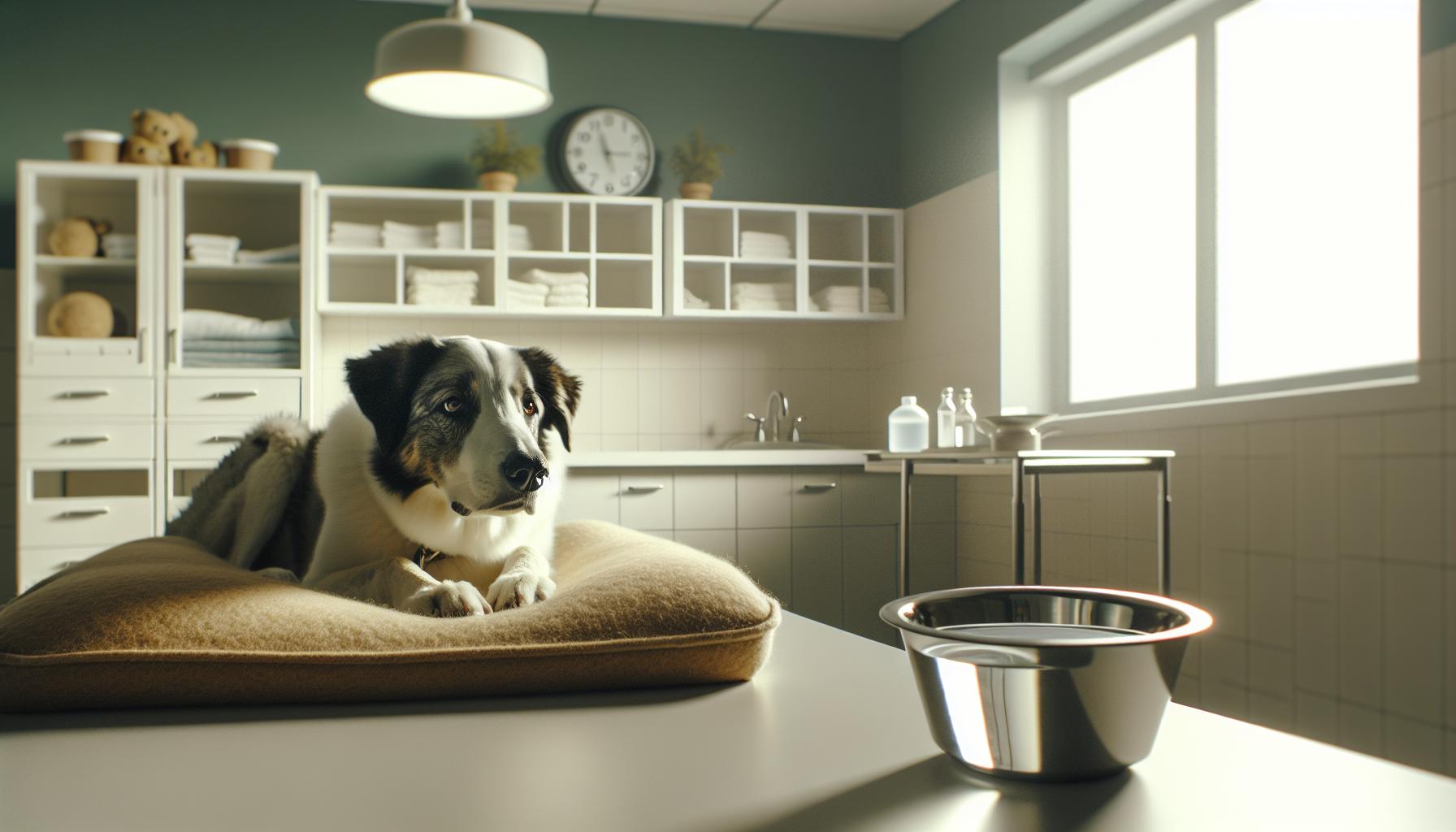
When dogs fall ill, their refusal to drink water can stem from a variety of factors related to their condition. One of the most common reasons is that illness can lead to decreased energy levels and comfort. Dogs may feel too fatigued or lethargic to get up and drink; they might be experiencing nausea, which can make them avoid food and water altogether, or they could be in pain, making the act of drinking uncomfortable. Recognizing that your dog is not just being stubborn but is genuinely not feeling well is crucial for understanding this behavior.
In addition to physical discomfort, the psychological impact of being sick can also contribute to your dog’s reluctance to hydrate. Dogs are creatures of habit, and when a routine is disrupted by illness, they can feel confused or anxious. If a dog has had a negative experience related to drinking-such as feeling sick after a meal or an adverse reaction to medication-they might associate drinking water with those feelings, leading them to shy away from their bowl.
It’s important to observe not only the amount of water your dog is drinking but also their overall behavior. Are they showing other signs of dehydration such as dry gums, excessive panting, or sunken eyes? These symptoms can signal the urgency of getting them to drink, reinforcing that a sick dog’s refusal to hydrate is often more about their condition than a lack of desire to hydrate.
Creating a supportive and pressure-free environment is essential in encouraging water intake. Use gentle coaxing, and try to make the experience of drinking as pleasant as possible. Remember, your dog relies on you to recognize these signs and help them through their recovery.
Identifying Signs That Your Dog Needs Hydration
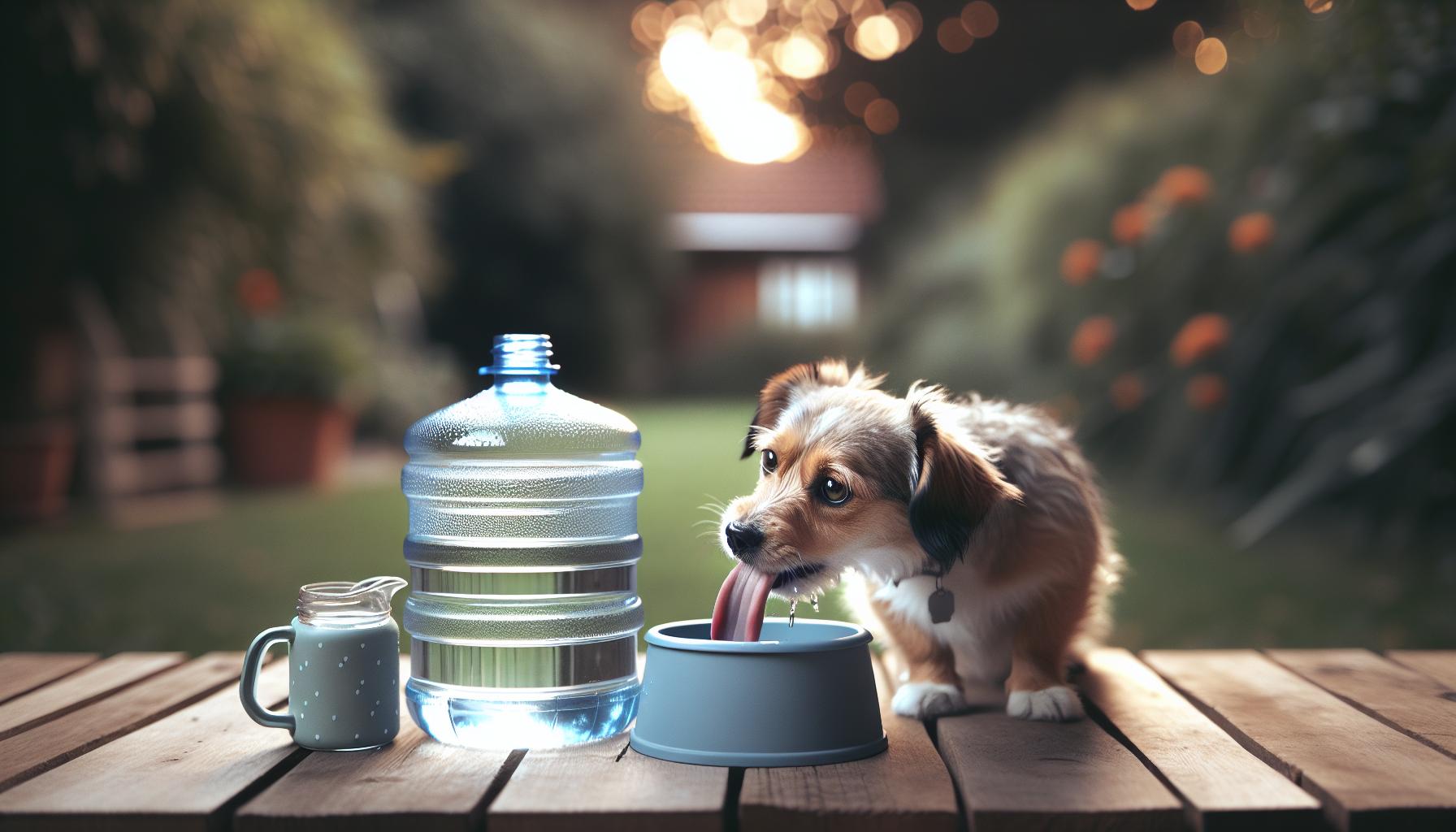
Recognizing when your dog needs hydration, especially during periods of illness, is crucial for their recovery and overall health. Dogs may not always show the classic signs of dehydration, making it essential to be observant and proactive. If your furry friend seems lethargic or has an unusual lack of energy, it’s worth checking their water intake. Dogs often instinctively know when they’re unwell; they may stop drinking due to discomfort or confusion. As a responsible pet owner, it’s vital to identify these signs early on to prevent serious complications.
Some physical indicators of dehydration include dry gums and nostrils, excessive panting, or a noticeable loss of skin elasticity. For instance, if you gently pinch the skin on the back of their neck, it should quickly return to its original position. If it takes time for the skin to settle, your dog may need hydration. Additionally, observe their behavior-if they are less interested in playtime or seem to be isolating themselves, these could be signals of dehydration or general malaise.
Another telltale sign is reduced urine output or dark-colored urine, which indicates that your dog is not consuming enough fluids. Monitor their water bowl; if it remains full for hours, this might point to a serious issue that requires attention. Dogs that are feeling unwell may also show signs of nausea, which can discourage them from drinking. Therefore, a combination of behavioral observations and physical signs is key to understanding your dog’s hydration needs during illness.
Paying attention to these signs not only helps in maintaining hydration but also fosters a closer bond with your pet through understanding their needs. Regular checks and creating a supportive environment can make a significant difference in helping them recover more comfortably. By being vigilant and responsive, you can ensure that your dog stays hydrated and on the road to recovery.
Effective Techniques to Encourage Drinking
Encouraging a sick dog to drink water can be one of the most challenging tasks for a pet owner, especially when you see your furry friend feeling lethargic and unwell. Understanding their discomfort is the first step; many dogs refuse water due to nausea or general malaise. To help them stay hydrated, it’s essential to create an inviting and comfortable atmosphere for drinking.
One effective technique is to offer water in different vessels. Dogs can be picky about the bowls or containers they drink from. Try using a shallow dish, a pet water fountain that keeps the water circulating, or a collapsible bowl that you can carry around. Additionally, if your dog enjoys being hand-fed, you can dip your fingers in water to encourage them to lick it off, which can be especially effective for smaller breeds or those who are particularly sensitive.
Incorporating moisture into their food can also boost hydration levels. Consider adding water or low-sodium broth to their kibble or offering them wet food, which contains significantly more moisture than dry food. This not only aids hydration but can also enhance their appetite if they are feeling a bit off. Always ensure that any broth or added food is safe for dogs, avoiding those with onions or garlic, as these can be harmful.
Conducting a true hydration check involves being creative. If your dog is resistant to drinking plain water, enhance their experience with flavor! Adding a splash of chicken or beef broth can entice them, or try infusing water with fruit like watermelon or blueberries (be sure to remove any seeds). Some dogs may even appreciate ice cubes made from broth or pureed fruit, which they can chew on and hydrate at the same time.
Lastly, remain patient and gentle. Provide encouragement and remain nearby while your dog takes small sips, rewarding them with praise and soft words. Monitoring their progress and adjusting your approach based on their reactions is key. The goal is not just to get them to drink but to associate hydration with comfort and care during their recovery.
Choosing the Right Water for Your Sick Dog
When your dog is feeling under the weather, ensuring they drink enough water becomes even more crucial. But not all water is created equal, and choosing the right type can make a significant difference in your dog’s acceptance and hydration levels. Dogs are not only creatures of habit; they can also be particular about their drinking preferences, especially when they’re not feeling their best.
Types of Water to Consider
Your first choice is plain, fresh water, ideally free from contaminants. Always opt for filtered or bottled water if your tap supply isn’t the most appealing. Some dogs may benefit from slightly warm water, which can be more soothing to their stomachs. You could test different temperatures to see if your dog shows a preference for warm over chilly water. Also, pay attention to minerals; some dogs are sensitive to the minerals found in hard water, so opting for soft water can be a good choice.
Alternative Hydration Sources
Introducing alternatives can encourage fluid intake. Consider low-sodium broths or bone broth (always free from harmful ingredients like onions and garlic) as they not only add flavor but also provide essential nutrients. You can serve this warm or mix it in with their food.
- Ice Chips: Many dogs love to chew on ice, and offering ice chips made from broth can turn hydration into a playful activity.
- Flavored Water: Infuse water with safe fruits, like watermelon or blueberries, for a hint of sweetness that may entice your dog to drink more.
Hydration Maintenance Strategies
If you’re unsure how much hydration your dog is getting, try monitoring their water intake daily and adjusting as needed. For dogs recovering from illness, providing access to fresh water at all times is key. Also, keep in mind that certain medications may require increased water consumption, so check with your veterinarian for specific recommendations tailored to your dog’s needs.
By closely observing your dog’s preferences and being mindful of the water options available, you can ensure they stay hydrated throughout their recovery, fostering a better environment for their return to health.
Using Flavor Enhancers to Make Water More Appealing
When your furry friend is feeling unwell, encouraging them to drink water can often feel like an uphill battle. One effective way to get them to hydrate is by transforming plain water into something irresistible. Flavor enhancers can work wonders by appealing to their taste buds, making the water more inviting even when they’re under the weather. For instance, adding a splash of low-sodium chicken or beef broth can create a savory twist that dogs find hard to resist, turning hydration into a treat rather than a chore.
You might also consider infusing water with fruits that are safe for dogs, like a few cubes of watermelon or slices of blueberries. The fruity aroma and slight sweetness can make a big difference in getting your dog to drink more. Experimenting with different flavor combinations can be fun! Some owners have found that adding a light drizzle of coconut water not only makes the water taste good but also provides additional electrolytes, which can be especially beneficial if your dog is recovering from an illness.
Another playful option is to freeze broth or flavored water in ice cube trays, creating ice treats for your dog to crunch on. This not only encourages hydration but also keeps them entertained. After all, any added source of joy can help brighten their spirits during recovery.
As you explore these options, always be mindful of the ingredients-ensuring that whatever flavor enhancers you use are safe for dogs is crucial. Keep an eye out for added sugars, artificial sweeteners like xylitol, or toxic ingredients like onions and garlic. With a little creativity and some flavorful experimentation, you can make drinking water a more enjoyable experience for your sick pup.
How to Hydrate a Dog: Creative Solutions for Sick Pups
When your beloved pup isn’t feeling their best, keeping them hydrated becomes a vital priority, yet it can also present a challenge. Dogs can be notoriously picky about drinking water, especially when they’re under the weather. One imaginative approach to encourage hydration is by transforming their water bowl into a flavor-packed oasis. Utilizing low-sodium broth can make a world of difference; simply add a dash to their water, and you’ll likely see them take a few enthusiastic sips! Additionally, you can try incorporating natural dog-safe fruits, such as watermelon or blueberries, to create a refreshing and aromatic infusion that piques their curiosity.
Freeze the flavored water or broth in ice cube trays for a delightful twist! These not only serve as icy refreshments but also provide a fun way for your dog to stay hydrated while they chew on something enjoyable. This kind of playful hydration solution can uplift their spirits and encourage them to drink more. For example, many owners have reported success with frozen chicken broth cubes, turning hydration into a game that keeps their sick dogs engaged and happy.
It’s essential to ensure that the flavor enhancers you choose are safe for dogs. Steer clear of harmful additives like sugars, xylitol, onions, and garlic. You might also consider commercial water enhancers specially formulated for pets, which can offer a yummy taste while ensuring safety and hydration. As you explore these creative options, maintain a watchful eye on your dog’s reactions and adapt as needed, ensuring that every sip brings comfort and joy during their recovery. With a bit of ingenuity and love, you can turn a mundane task into a delightful experience that helps your furry friend feel better.
Recognizing and Addressing Dehydration Symptoms
Recognizing when your dog is dehydrated can be a game-changer in their recovery process, especially when they’re feeling under the weather. It’s not just about them refusing to drink; understanding the subtle signs of dehydration can help you act swiftly to ensure their health and well-being. Dogs naturally depend on hydration, and when illness strikes, their need for fluid increases as they may be losing more water through vomiting, diarrhea, or fever. In fact, even a 10% loss of body weight due to dehydration can lead to severe health complications.
Some common symptoms to watch for include dry gums and a dry nose, skin that lacks elasticity (you can test this by gently pulling up on the skin at the back of their neck), and excessive drooling. Additionally, lethargy or decreased energy levels often accompany dehydration. To ensure you’re catching these signs early, consider keeping a close observation on their drinking habits and how they respond during illness. If you notice they’re drinking significantly less or stopping altogether, it’s time to step in with some creative encouragement.
You can combat dehydration effectively by offering your dog various fluids that are appealing to them. Consider serving water slightly warmed or mixing it with a splash of low-sodium chicken or beef broth. This not only enhances flavor but can sometimes entice even the pickiest drinkers. If you’re not certain whether your efforts are effective, try offering ice cubes made from broth or flavored water; the fun factor might persuade your furry friend to hydrate more effectively.
Awareness can make a huge difference in your dog’s recovery. Is there a period where they seem to refuse water entirely? Tracking the frequency of drinking can inform you whether to consult a veterinarian. If your dog shows continued symptoms of dehydration, it may require more than home remedies; timely veterinary attention is essential to restore their fluid balance and address any underlying health issues. With a little vigilance and creativity, you can help your dog bounce back to their happy self in no time.
When to Consult a Veterinarian About Hydration Issues
If your dog is refusing water, it can be a distressing situation. Often, pet owners hope for just a bit of recovery on their own, but knowing when to seek professional help can be vital for your dog’s health. Recognizing the right moment to consult a veterinarian can mean the difference between a simple hydration issue and a more serious medical condition. A dog’s reluctance to drink can stem from various causes, including illness, pain, or even anxiety, making it imperative to assess their overall health.
Monitor your dog’s condition closely. If your furry friend has not consumed any water over a 12 to 24-hour period and is showing symptoms such as dry gums, a dry nose, or lethargy, it’s time to reach out to your veterinarian. Additionally, if your dog is experiencing vomiting or diarrhea, the risk of dehydration increases significantly, and professional intervention may be necessary. Note any other concerning behaviors, such as listlessness or difficulty moving, as these can indicate underlying issues that require prompt attention.
Don’t overlook small indicators of dehydration, as they can escalate quickly. If your dog exhibits persistent signs of dehydration despite your best encouragement-like appealing to their senses with flavored water or ice cubes-it’s crucial to consult with your veterinarian. A vet can offer tailored advice and may recommend treatments ranging from subcutaneous fluid administration to more advanced interventions.
Lastly, if your dog is recovering from recent illness but still struggles to hydrate or shows signs of relapse, it’s wise to err on the side of caution. Your veterinarian’s expertise can ensure that your dog’s recovery remains on track, and they can prescribe solutions that fit your dog’s specific needs. Remember, being proactive in your dog’s care not only demonstrates your commitment to their health but can also put your mind at ease during stressful times.
Tips for Administering Water During Medication
Getting your pup to drink water while they’re on medication can be a real challenge, but it’s essential for their recovery. Dogs often associate the taste of certain medications with bad experiences, leading them to resist drinking, especially if they’re feeling unwell. A clever approach can make a world of difference in ensuring your furry friend stays hydrated.
Start by offering fresh, cool water in a clean bowl. Some dogs prefer running water, so consider using a pet water fountain that provides a continuous flow and keeps it appealing. This motion can entice your pup to drink more. Additionally, providing water in a shallow, wide dish can be helpful, as it allows easy access and may reduce stigma around drinking.
To encourage hydration during medication time, integrate water into the administration process. For example, if your dog takes pills, try using a small amount of water mixed with the medication to create a slurry. This can mask the taste and make it easier for them to swallow. If your dog is on liquid medication, using a syringe (without the needle) can help administer both the medication and water at once-just be gentle and patient.
Adding a little flavor to the water can also foster a positive drinking experience. Consider adding low-sodium chicken or beef broth to entice your pup, or even a splash of coconut water as a nutritious alternative. Just be sure that these flavors do not interfere with the medication or have potentially harmful ingredients. You can also freeze the flavored water into ice cubes as a special treat to keep your dog hydrated while that medication is on-board.
Monitoring your dog’s daily intake is vital. Keep an eye on the water bowl and note any changes. If you notice your pooch isn’t drinking much, try offering water at different times of the day or from different locations. Keeping hydration interesting and enjoyable can help your dog learn to seek out water even while dealing with the discomfort of illness. Remember, persistence is key, coupled with plenty of gentle encouragement and love!
Long-Term Care Strategies After Illness Recovery
After your furry friend comes home from a bout of illness, you might be surprised to find that they still seem hesitant to drink water. This behavior can be concerning, but it’s essential to recognize that recovery from illness isn’t just about feeling better-it’s about establishing healthy routines that encourage ongoing hydration and overall wellness. To help ensure your dog maintains good hydration habits in the long term, consider these effective strategies that cater specifically to their needs as they gradually recover.
One of the first steps in long-term care is creating a welcoming hydration station. Position water bowls in frequently used areas of your home to remind your dog to drink regularly. Use non-slip bowls and ensure they are always clean and filled with fresh, cool water. Some dogs prefer running water, so investing in a pet fountain can make drinking feel more enticing. Change the water at least once a day to keep it appealing, and consider using bowls of different shapes and sizes to discover what your dog prefers.
Nutrition plays a crucial role in hydration. Incorporate wet food into your dog’s diet or add a splash of low-sodium broth to their dry kibble to encourage fluid intake. It’s an easy way to make mealtime more appealing and ensure they are getting additional moisture. On occasion, offer ice cubes made from broth or puree as a tasty treat; this can transform drinking into a fun activity. Moreover, always monitor their body language around water and adjust your approach if they seem reluctant or uncomfortable.
Regular vet check-ins post-recovery are also key. These visits not only ensure your dog is fully healed but also allow you to discuss hydration techniques specific to your breed or age group. Each dog has unique needs-young puppies might need encouragement to drink more water, while older dogs may require special considerations regarding kidney health. Partnering with your vet can give you tailored advice on maintaining your dog’s hydration and overall health.
In addition to these practical steps, patience is paramount. It may take time for your dog to fully adjust and feel completely comfortable drinking water post-illness. Offer gentle encouragement and create a relaxed atmosphere during mealtime and hydration time. For instance, try sitting with them while they drink, give them praise when they do, and remain attentive to their needs. This builds a positive association with hydration and helps reinforce the habit as part of an overall healthy lifestyle.
By establishing these thoughtful long-term care strategies, you’re setting your dog up for a happier and healthier life, ensuring they have the hydration they need to thrive.
Hydration Myths: What Every Dog Owner Should Know
Many dog owners may believe that their furry friends know when to drink water or that all dogs can hydrate themselves adequately. However, there are several common myths surrounding canine hydration that can lead to misunderstandings and potentially harmful consequences for our four-legged companions. Being aware of these misconceptions is essential for providing effective care, especially when your dog is recovering from illness.
One prevalent myth is that dogs will naturally drink enough water if they need it. In reality, many dogs, particularly those feeling unwell, may not recognize their hydration needs or have the motivation to drink. This is especially true for dogs recovering from nausea, vomiting, or other ailments that can alter their desire for food and water. It’s vital for owners to actively monitor their pet’s water intake and encourage drinking, even when they seem less inclined. You can do this by offering fresh water frequently and making it accessible in various locations around your home.
Another misconception is that all dogs prefer the same type of water-tap water is fine for everyone. Just like humans have preferences, dogs also tend to favor certain flavors or temperatures. Some might enjoy cold water, while others are drawn to drinking from a pet fountain due to the movement of the water. Experimenting with different bowls and water types, including filtered or flavored options, can help to find what appeals to your individual dog. Adding a splash of low-sodium broth to their water or using flavor enhancers designed for pets can make drinking more enticing.
Furthermore, understanding that dehydration isn’t always easy to identify is crucial for dog owners. Many people assume that a dog’s mouth or nose will feel dry if they are dehydrated, but this isn’t a reliable indicator. Instead, other signs such as lethargy, sunken eyes, or loss of skin elasticity can better indicate dehydration. If you suspect your dog is not getting enough fluids, you should consult your veterinarian, especially if they refuse water or show significant lethargy.
In conclusion, recognizing and debunking these hydration myths empowers dog owners to make informed choices that directly impact their pet’s health and recovery. By offering varied hydration strategies and closely observing our dogs, we can help ensure they are adequately hydrated, especially during those critical recovery periods after illness.
Success Stories: Owners Share Their Hydration Hacks
Many dog owners have faced the heart-wrenching challenge of getting their sick pup to hydrate when they refuse to drink. An array of creative strategies has emerged from those experiences, showcasing the resourcefulness of loving pet parents. By sharing these hydration hacks, we hope to inspire and support others in similar situations, ensuring that every dog can stay hydrated during their recovery.
One effective approach comes from Sarah, a proud owner of a Shih Tzu named Bella who recently underwent surgery. Bella wasn’t interested in her usual water bowl, so Sarah started offering ice chips. She noticed that Bella enjoyed licking the cool chunks, and this simple change kept her hydrated without overwhelming her stomach. Providing water in playful, smaller quantities made it a less daunting task for Bella and, consequently, more enjoyable.
Similarly, Mark, an avid dog lover with a Labrador Retriever named Max, found success by introducing flavored water. After noticing Max’s reluctance to drink plain water due to nausea post-illness, Mark began mixing in a teaspoon of low-sodium chicken broth with the water. Amazingly, Max slurped it up eagerly, making hydration a stress-free part of his recovery. This technique not only makes the water more palatable but also helps provide a little extra nourishment to support his healing process.
Many pet parents swear by making hydration a fun activity. Emily, who has a Golden Retriever called Lucy, implemented a unique strategy using a pet fountain. The movement and sound of flowing water captured Lucy’s interest and encouraged her to drink more frequently. Emily also added a bit of ice to the fountain to keep the water cool and enticing, making it a refreshing spot for Lucy to hydrate without pressure. This playful method transformed drinking water from a chore into a delightful experience.
While each instance is unique, these personal stories highlight one essential truth: a little creativity and understanding of your dog’s preferences can go a long way in overcoming hydration hurdles. By experimenting with methods like flavored water, ice chips, and interactive drinking options, pet owners can find what resonates with their beloved companions, ensuring dogs remain hydrated while they recover.
Frequently asked questions
Q: How can I tell if my sick dog is dehydrated?
A: To assess dehydration in your dog, check for dry gums, excessive panting, and a loss of skin elasticity. Gently pinch the skin on the back of their neck; if it doesn’t return to normal quickly, it’s a sign of dehydration. For detailed guidance, refer to the section on recognizing dehydration symptoms.
Q: What fluids can I give my dog if they’re not drinking water?
A: If your dog refuses to drink water, consider offering low-sodium chicken or beef broth, or electrolyte solutions specifically made for pets. Be sure to consult with your vet before introducing any new fluids to ensure they are safe for your dog’s condition.
Q: How often should I check my sick dog’s water intake?
A: You should monitor your dog’s water intake frequently throughout the day, aiming for at least every few hours. A marked decrease in their consumption can indicate a worsening condition, so keeping a close eye on this is essential for their recovery.
Q: Is it safe to use flavored water for my sick dog?
A: Yes, using dog-friendly flavor enhancers can encourage hydration, but ensure they are free from harmful additives like onion or garlic. Always check the ingredients before adding anything to your dog’s water to support their recovery safely.
Q: When should I take my dog to the vet for hydration issues?
A: If your dog shows persistent signs of dehydration, such as lethargy, sunken eyes, or if they haven’t drunk water for 24 hours, it’s time to consult your veterinarian. Early intervention is crucial to prevent serious health complications.
Q: How can I encourage my dog to drink water without forcing them?
A: To encourage your dog to drink more water, try offering fresh, cool water frequently or using a pet water fountain. Additionally, provide water in different bowls around your home to see if that makes a difference. This technique is covered in the effective drinking encouragement section of the article.
Q: Can I give my sick dog ice cubes to help them hydrate?
A: Yes, offering ice cubes can be a fun way for your dog to hydrate, especially if they’re reluctant to drink liquid water. Just ensure the cubes are small enough to avoid choking hazards. This can be a beneficial technique when devising creative hydration solutions.
Q: What should I do if my dog refuses to drink water for an extended period?
A: If your dog refuses to drink water for more than 12 hours, encourage hydration by offering ice chips or broth and seek veterinary advice. Extended refusal can lead to serious risks. This is crucial to avoid long-term health effects, particularly in sick pets.
In Retrospect
Helping your dog stay hydrated during their illness is crucial for their recovery and well-being. Remember, the right techniques can make all the difference-whether it’s offering flavorful broths, using special bowls, or creating a calming environment to encourage drinking. Act now to implement these strategies and consider checking out our detailed guide on the importance of hydration during recovery and tips for administering medicine to your furry friend.
If you’re looking for more insights, explore our articles on understanding canine health and nutrition, or join our newsletter for regular updates and expert advice tailored to your dog’s needs. Don’t hesitate to share your experiences in the comments-your stories could inspire fellow dog owners navigating similar challenges. Together, let’s ensure our beloved pets get the care and recovery they deserve!