When your beloved dog is under the weather, ensuring they stay hydrated is critical for their recovery. Did you know that even mild dehydration can exacerbate health issues and slow down their healing process? As a dog owner, you want the best for your furry friend, and understanding how to encourage them to drink water when they’re feeling sick is essential. Water is vital not just for their physical well-being but also for helping them regain their energy and spirit. In this guide, we’ll explore practical strategies to entice your dog to drink, discussing everything from flavoring the water to creating a comfortable drinking environment. Join us as we make hydration easier, ensuring that your pup bounces back to their playful self in no time!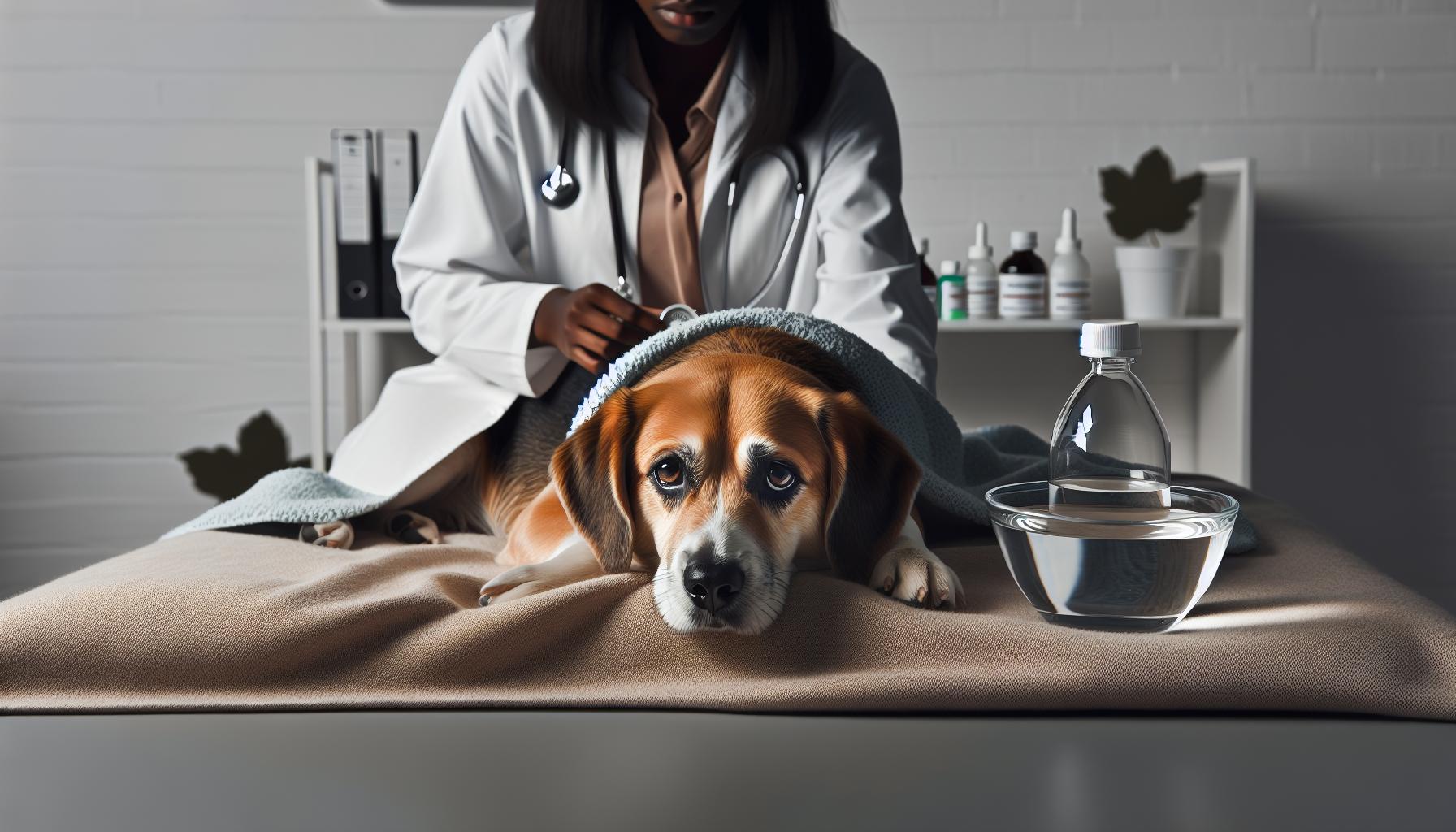
How Dehydration Affects Sick Dogs
Dehydration can be especially dangerous for sick dogs, as their bodies are already working hard to fight off illness. When a dog is ill, factors like fever, vomiting, or diarrhea can all increase the risk of dehydration. Beyond just the physical symptoms, dehydration can lead to more severe complications, such as kidney dysfunction and a weakened immune system, making recovery more difficult. A dehydrated dog may exhibit lethargy, dry gums, and even sunken eyes, which are all signals that immediate attention is necessary to restore hydration levels.
It’s crucial for dog owners to recognize these signs and implement effective hydration strategies. Dogs can lose fluids rapidly, especially if they are not drinking enough on their own. Prioritizing hydration can be as simple as ensuring fresh water is always available, but for dogs who are unwilling to drink, you might consider enticing them with low-sodium broth or flavored water. Additionally, adding wet food to their diet can also contribute to their fluid intake.
Understanding how dehydration affects your dog’s condition highlights the importance of monitoring their water intake. If you notice a decline in their interest in drinking, it might be time to consult your veterinarian, who can recommend appropriate solutions, such as intravenous fluids or specialized hydration products. By being vigilant and proactive, you can help your furry friend stay hydrated and support their recovery.
Signs Your Dog is Dehydrated
Recognizing the signs of dehydration in your dog is crucial, especially when they’re sick. Dehydration sneaks up quickly, and the sooner you catch it, the better. Did you know that even mild dehydration can affect a dog’s energy levels and immune response? Keep an eye out for a few key indicators that your furry friend may be in need of fluids.
One of the first signs to notice is a change in your dog’s gums. Healthy gums should be moist and pink. If you see that they’re dry, sticky, or pale, this is a red flag. Another important sign is the elasticity of the skin; gently pinch the skin on the back of your dog’s neck. If it takes longer than a second to return to its normal position, it’s a sign of dehydration. Observing changes in behavior is also critical-lethargy or reduced activity can indicate that your dog is not feeling well and could be dehydrated.
Look out for additional signs like sunken eyes or excessive panting, which can also signal dehydration in pets. Dogs that are dehydrated might not produce enough urine, and their urine may appear dark and concentrated. Monitoring your dog’s drinking habits is essential; if they are drinking less water than usual or avoiding it altogether, it’s vital to take action. Using a combination of these signs will help you gauge the hydration status of your sick dog, enabling you to take the necessary steps toward ensuring they receive the care they need.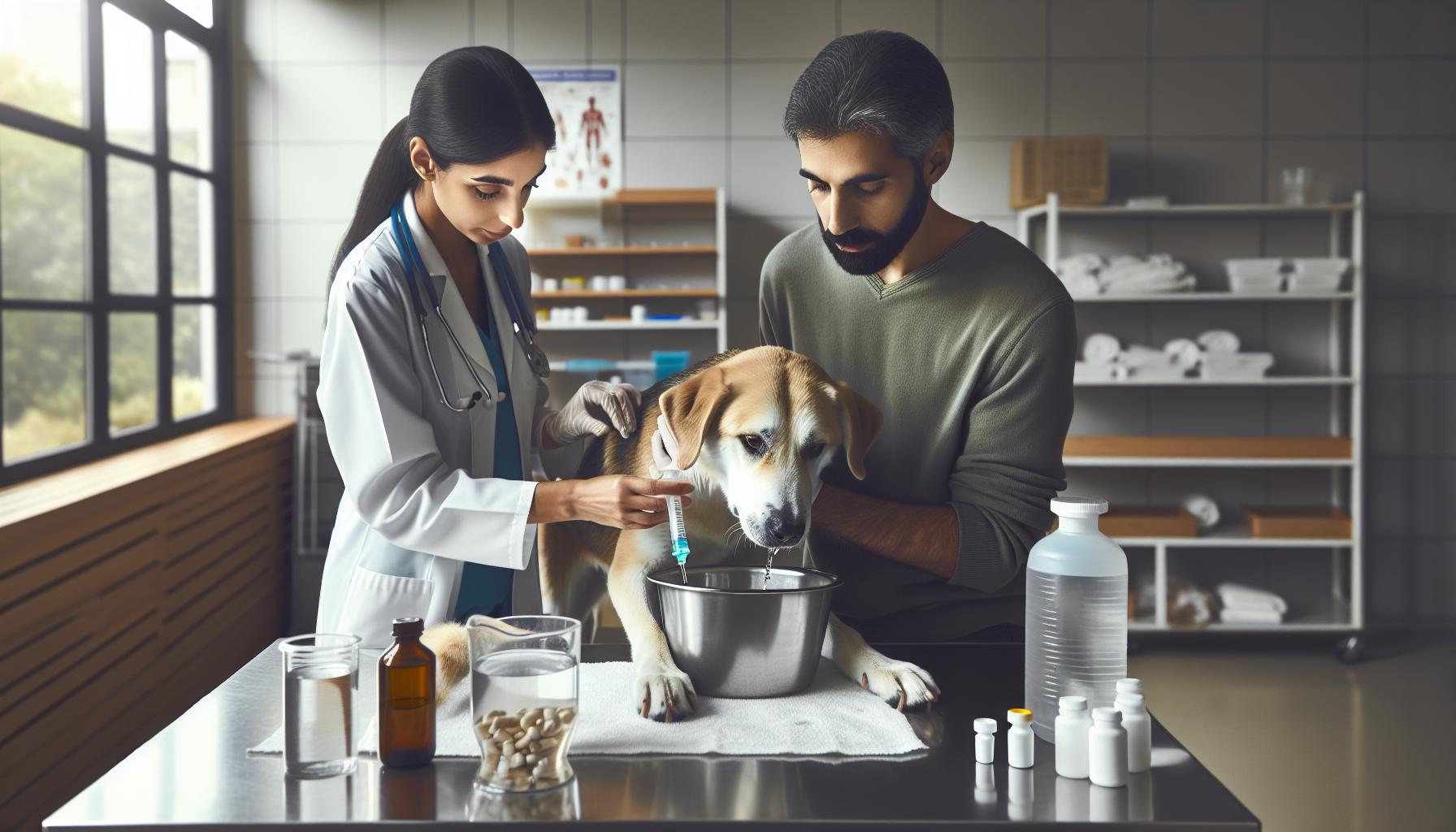
Effective Hydration Techniques for Sick Dogs
Keeping your sick dog’s hydration levels balanced is crucial for their recovery. Just like humans, our furry friends can become dehydrated easily, particularly if they’re not feeling well. A well-hydrated dog is more likely to bounce back from illness, and you can utilize several effective methods to encourage your pup to drink water. Here are some practical strategies to ensure your canine companion stays hydrated during tough times.
Creating Appealing Water Options
One of the simplest ways to encourage your dog to drink more water is by enhancing its appeal. Consider using a pet water fountain, which can entice dogs to drink more due to the movement of the water. Some dogs prefer running water over still water in a bowl. Additionally, try switching from a ceramic or metal bowl to a more appealing, colorful plastic bowl, or even a fun shape that attracts their attention.
You can also flavor the water to make it more enticing. Add low-sodium chicken or beef broth to their water bowl. Just a splash can pique their interest without adding too many calories. For those who have a little more time, you might blend some water with fruits like watermelon (without seeds) or blueberries. Not only do these additions make water tastier, but they also provide extra hydration from the fruits themselves.
Incorporating Hydration-Rich Foods
Involving hydration-rich foods can help boost your sick dog’s fluid intake. If your dog is eating, consider offering wet dog food or mixing water or broth into their dry kibble. This can transform their meal into a more palatable, moisture-rich experience. Many dogs enjoy the smell and taste of canned foods, which often have higher moisture content than kibble.
If your dog enjoys it, homemade chicken rice soup can be a comforting and hydrating option. Just boil some chicken with rice, and make sure to blend in plenty of broth. A nutritious way to keep hydration up, this is especially great for dogs who have an upset stomach.
Regular Monitoring to Ensure Intake
Monitoring your dog’s intake can often highlight hydration concerns before they escalate. Keep track of how much water your dog is drinking daily. If they are still recovering from illness, consider marking measurements on their water bowl each day to establish a baseline for what is normal and what isn’t.
Use a measuring cup to determine how much fluid you’re offering them, and consider creating a daily hydration schedule-offer them fresh fluid multiple times a day and keep a close eye on their interest in the process. If they’re avoiding their water bowl, don’t hesitate to try various techniques until you find what works best for your individual pup.
Always remember, when in doubt, always consult with your veterinarian. Hydration is critical, and they can provide personalized recommendations tailored to your dog’s specific needs and health considerations. By combining these techniques, you can foster an environment that promotes hydration and speeds up your dog’s recovery journey.
Choosing the Right Hydration Methods
When your dog is feeling under the weather, keeping their hydration levels up is essential for a speedy recovery. Unfortunately, many dogs may refuse to drink water when they’re sick, which is where becomes crucial. A thoughtful approach can help entice your furry friend to drink more fluids, making a noticeable difference in their health and vitality.
Start by assessing your dog’s preferences. Some dogs have a distinct liking for specific types of water bowls. For instance, they might be more inclined to drink from a pet water fountain that mimics flowing water, as the movement can be more appealing compared to a static bowl. On the other hand, if your pooch prefers still water, ensure their bowl is clean and fresh to inspire more frequent drinking. Changing bowl materials, such as using a plastic bowl instead of metal or ceramic, could also engage your dog’s interest.
Consider introducing flavored water options as an innovative strategy. Adding low-sodium broth, such as chicken or beef, can enhance the water’s taste without overwhelming their diet. For a more creative twist, try blending small amounts of fruits like watermelon or blueberries into their water. These additions not only make drinking more enticing but also provide additional hydration benefits. Just ensure all fruits are safe for dogs, removing any seeds or pits before offering them.
Additionally, you can explore hydration-rich food options. Mixing water or broth into their dry kibble or serving them wet dog food can significantly increase their fluid intake. Many dogs find canned food appealing due to its richer smell and taste. If your dog enjoys home-cooked meals, a simple chicken and rice soup can be a comforting solution. This not only promotes hydration but is also gentle on their stomach when they’re unwell.
Always keep a keen eye on how much water your dog is consuming, and if necessary, consult your veterinarian for tailored advice. Each dog is unique, and understanding their preferences and habits will lead to more effective hydration strategies during their recovery journey. With a little patience and creativity, you can ensure your beloved companion remains hydrated and on the path to wellness.
Nutrition and Hydration: What You Need to Know
Keeping your dog hydrated isn’t just about quenching thirst; it’s an essential part of their overall nutrition and health, especially when they’re feeling unwell. Dehydration can lead to serious health issues, impairing their ability to recover effectively from illness. Proper hydration supports organ function, helps in nutrient absorption, and facilitates the elimination of toxins, making it vital for sick dogs. Understanding how nutrition and hydration interlink can empower you to take proactive steps in your dog’s recovery journey.
When considering your dog’s nutrition during illness, focus on incorporating foods that have high water content. Wet dog food, for instance, typically contains around 70-80% moisture, which helps bolster hydration effortlessly. You can enhance their dry kibble by adding water or low-sodium broth, turning a simple meal into a hydration booster. Additionally, consider foods like pumpkin, which is not only hydrating but also rich in vitamins and fiber, aiding digestion-a crucial aspect when your furry friend isn’t feeling their best.
Moreover, dogs often gravitate towards particular flavors and textures during recovery, making it essential to pay attention to their preferences. Some may prefer softer, easier-to-eat options like homemade chicken soup, while others may appreciate flavored water infused with low-sodium broth. To create an appealing environment for your sick dog, ensure that their food and water are fresh, served in pots they enjoy, and keep their eating area clean and stress-free.
It’s also worthwhile to monitor your dog’s fluid intake closely. Water-rich foods can be a game-changer, providing hydration while boosting their nutritional needs. Consider using measuring tools to track how much your dog drinks each day and take note of any changes in their habits. If they continue to refuse water or food, it’s vital to consult your veterinarian, as tailored professional guidance can significantly aid in adjusting their nutritional plan based on their specific needs.
In sum, optimizing your dog’s nutrition is a pivotal strategy in combatting dehydration and fostering recovery. The right combination of hydration-rich foods, lot’s of affection, and attentiveness to their needs can make all the difference in helping them feel better and bounce back to their usual self.
Monitoring Fluid Intake: Tips and Tools
When a dog is sick, keeping track of their fluid intake can be just as critical as monitoring their food consumption. Dehydration can sneak up quickly, sometimes going unnoticed if you’re not vigilant. For example, a common misconception is that a dog only needs water during physical activity or hot weather. In reality, sick dogs may require additional fluids to help them recover, especially if they are experiencing vomiting, diarrhea, or decreased appetite. Understanding how to effectively monitor their hydration can make a significant difference in their recovery journey.
One straightforward way to keep tabs on your dog’s fluid intake is to measure the amount of water you put in their bowl each day. Use a marked container, such as a measuring cup, to pour the water in, allowing you to easily see how much they drink. Establishing a routine where you refill their water bowl at the same time daily can help you gauge their intake more consistently. If they are eating wet food or you’re adding broth to their meals, factor that hydration in too. For instance, if your dog typically consumes around a cup of kibble, and you add half a cup of broth, that counts towards their daily hydration needs.
It’s also beneficial to keep a journal or use an app to track their drinking patterns. You might notice fluctuations in their intake depending on their health condition or even the time of day. For breeds prone to dehydration, like Greyhounds or Bulldogs, being extra diligent in logging their fluid consumption can help you spot concerning trends early. Incorporating a rewards system can encourage hydration; offer praise or treats when they drink, reinforcing the idea that taking a sip is a positive behavior.
Lastly, introducing tools like water fountains can encourage more frequent drinking. Many dogs are attracted to running water, making a pet fountain an attractive hydration solution. Additionally, some pet supply stores carry measuring tools specifically designed for pet owners to help gauge daily water intake. As always, if you notice your dog consistently refusing water or food, don’t hesitate to consult your veterinarian. Their expertise can offer tailored strategies to ensure your dog stays well-hydrated during their recovery.
Breed-Specific Hydration Strategies
In the world of canine care, understanding how different breeds respond to hydration is essential, especially when they are unwell. Not all dogs have the same hydration needs or preferences, and many factors-including size, breed characteristics, and temperament-can influence their water intake. By tailoring your hydration strategies to your dog’s specific needs, you can ensure they stay hydrated and support their recovery effectively.
Breeds like Greyhounds and Bulldogs are particularly prone to dehydration due to their body structure and energy levels. Greyhounds, with their lean physiques, often have a lower percentage of body fat, which can lead to quicker fluid loss. Consider offering them electrolyte-rich fluids, like diluted chicken broth, frequently throughout the day, especially if they’re recovering from illness. In contrast, Bulldogs might struggle with respiratory issues that can accompany hydration challenges. Offering water in shallow bowls or using a water fountain can encourage more frequent drinking, as Bulldogs might find it easier to access water without straining.
For smaller breeds, such as Chihuahuas and Pomeranians, hydration is also crucial but may require different approaches. Due to their small size, these breeds can dehydrate quickly if ill. Keeping their water dish in a familiar and comfortable spot might encourage them to drink more. Additionally, consider using smaller, more frequent servings of wet food to increase their fluid intake. Mixing some water or broth into their meals can also make a significant difference.
Larger breeds like Labrador Retrievers and Golden Retrievers may have higher hydration needs, especially after exertion or illness. These dogs often enjoy drinking from larger bowls, so ensure they have easy access to fresh water. A tip for these breeds is to use a water bowl with a weighted base, preventing spills that could discourage them from drinking. Encourage them to hydrate by making water breaks part of their daily routine; for example, after a potty break or playtime, take them directly to their water bowl.
Taking the time to understand your dog’s unique needs and preferences based on their breed will make a world of difference in keeping them hydrated. Always ensure fresh water is available and consider experimenting with different hydration methods to find what works best for your furry friend. By being attentive and proactive about hydration, you’ll help your dog feel more comfortable and support their recovery during illness.
When to Consult Your Veterinarian
It’s crucial to be vigilant about your dog’s hydration, especially when they are unwell. Sometimes, despite your best efforts, a dog’s refusal to drink enough water can escalate into a serious problem. Recognizing the right moment to involve your veterinarian is essential for your dog’s health. If you notice signs of dehydration such as dry gums, lethargy, or decreased skin elasticity, it’s time to act quickly. These symptoms can escalate rapidly, particularly in smaller or older breeds, and seeking professional help may be necessary to prevent further complications.
Consulting your veterinarian is especially important if your dog is showing more serious indicators of dehydration. These include persistent vomiting or diarrhea, a lack of appetite for more than 24 hours, or if your dog becomes unusually quiet or less responsive. Even if your dog is drinking some water, if you notice that the volume seems insufficient compared to their normal intake or your attempts to encourage hydration aren’t working, it would be wise to seek veterinary advice.
In some cases, your vet may recommend specific hydration techniques or even provide subcutaneous fluids to ensure your dog receives adequate hydration. Additionally, they might be able to identify underlying health conditions that could be contributing to your dog’s refusal to drink. This is particularly true for breeds like Bulldogs, who might have respiratory issues affecting their ability to drink comfortably, or Dachshunds, who can suffer from spinal problems that may hinder their mobility and thus their willingness to get up for water.
Remember, while it’s normal for dogs to have off days, prolonged changes in their drinking habits can indicate deeper issues. A proactive approach can make all the difference in keeping your furry friend healthy and hydrated. Always trust your instincts and consult your veterinarian if something doesn’t feel right; your dog’s health is worth the effort!
Homemade Electrolyte Solutions for Dogs
If your dog is feeling under the weather, creating a homemade electrolyte solution might just be the boost they need to stay hydrated and rejuvenated. Dogs, like humans, can lose essential electrolytes when they’re sick, especially if they experience vomiting or diarrhea. Making your own electrolyte solution is not only simple but can also provide your furry friend with the hydration and essential minerals they desperately need.
To whip up a quick homemade electrolyte solution, you can combine the following ingredients:
- 2 cups of water
- 1 teaspoon of salt (preferably unrefined sea salt)
- 1 teaspoon of sugar or honey (to enhance flavor and energy)
- Optional: 1 cup of coconut water (rich in potassium and gentle on the stomach)
Mix these ingredients well until the salt and sugar completely dissolve. This solution can provide a quick pick-me-up for your dog, especially if they’re reluctant to drink plain water. Serving this mixture using a syringe (without the needle) or in a shallow bowl may help to encourage your dog to drink more effectively. Always ensure the solution is at room temperature to avoid any discomfort when they sip.
It’s important to keep an eye on your dog’s reaction to this homemade mixture. If they seem to enjoy it, you can offer it several times a day, especially after they have been sick. This method is particularly beneficial for breeds that may have sensitive stomachs or are prone to dehydration, such as Bulldogs and Dachshunds. However, if your dog’s condition doesn’t improve or worsens, don’t hesitate to contact your veterinarian. Your vet can guide you on the best approaches to hydration tailored to your dog’s specific needs, ensuring their health remains a top priority.
Preventing Dehydration During Illness
It’s crucial to be proactive in ensuring your furry friend stays hydrated during illness, as dehydration can significantly complicate recovery. One of the most effective strategies is to make water more appealing. Consider using pet-friendly flavor enhancers, such as low-sodium chicken or beef broth, to entice your dog to drink. You can also try serving water in different bowls-some dogs prefer a shallow dish while others may enjoy drinking from a pet fountain, which can spark their interest due to the flowing water.
Regularly monitoring your dog’s water intake is also important. Create a reminder system to encourage hydration throughout the day. You can use a marked container to measure the amount of water your dog consumes, providing insights into their hydration levels. If your dog is on a special diet or is particularly fussy, experimenting with ice chips or frozen broth can make a refreshing treat that encourages drinking while providing extra electrolytes.
Certain breeds, such as Bulldogs or Pugs, may have specific hydration needs due to their anatomy, making it even more important to be vigilant. For these breeds, consider offering smaller, more frequent amounts of water, as large quantities can sometimes lead to discomfort. It might also help to consult your veterinarian for tailored advice on hydration methods that suit your dog’s unique needs during recovery.
Above all, the key is to foster a stress-free environment. If your dog feels anxious or uncomfortable, their desire to drink may diminish. Create a cozy space away from noise and disturbances where they can relax while drinking. Remember, staying ahead of dehydration during illness isn’t just about encouraging water intake; it’s about creating positive associations that help your dog feel comfortable and secure during their recovery.
Tips for Encouraging Water Consumption
When your dog is feeling under the weather, ensuring they stay hydrated can feel like a challenging task. Yet, with a little creativity and a lot of love, you can encourage your furry friend to drink more water and keep those dehydration worries at bay. One highly effective approach to stimulate your dog’s interest in water is to serve it in ways that make it more enticing. For some dogs, simply switching to a fresh bowl or a fun pet fountain can make all the difference, as they are often drawn to moving water. Experimenting with different containers and locations might also reveal where your dog feels most comfortable drinking.
Incorporating flavor into their hydration routine can work wonders as well. Adding low-sodium broth or a splash of natural electrolyte solutions can transform plain water into a much-desired treat. You can even freeze broth in ice cube trays for a refreshing and easily digestible snack that helps keep them hydrated. For those particularly fussy eaters, consider blending their food with water to create a soupy mix that they can lap up. This ensures they receive both nourishment and necessary fluids at the same time.
Social interaction can play a pivotal role too. Dogs are social animals, and sometimes they thrive on encouragement from their humans. Turn hydration time into a bonding experience by sitting with your dog while they drink or by gently coaxing them with treats as motivation. A calm, encouraging tone can help ease any anxiety they might have about drinking. Consistency is key, so establish a routine where they receive attention during water breaks, making it a positive experience.
Lastly, keep in mind that certain breeds may require tailored strategies to meet their hydration needs effectively. For example, brachycephalic breeds like Bulldogs may struggle with larger water bowls due to their facial structure. Offering shallow dishes that allow for comfortable access can be particularly helpful. Establishing regular check-ins on their water intake can also guide your hydration efforts-mark a bowl with measurements to track how much they consume throughout the day.
By mixing up their drinking routine and fostering an inviting environment, you’ll not only help your dog stay hydrated but also improve their overall mood as they recover.
Creating a Comfortable Hydration Environment
Creating an inviting atmosphere for your dog to hydrate is essential, especially when they’re feeling ill. Just like us, dogs thrive in environments where they feel safe and comfortable. Imagine them basking in the warm sunlight, surrounded by familiar scents and objects; this can bring a sense of calmness that encourages healthy habits, including drinking water. Setting up a cozy hydration station not only helps ensure they get the fluids they need but can also make them feel more at ease during their recovery.
Start by choosing a quiet, low-traffic area of your home for their water bowl. The kitchen or a dedicated corner in the living room can be ideal spots-away from loud noises and distractions. Ensure that the drinking area is tidy and free of clutter, which can deter your dog from approaching. You might want to use a non-slip mat underneath the bowl to prevent messes if your dog is unsteady on their feet. Remember to keep the water bowl clean and full of fresh water at all times, as pets can sometimes sniff out stale water and avoid it.
To further entice your furry friend, consider incorporating additional sensory elements. Use bowls made from different materials, like stainless steel or ceramic, to see if your dog prefers one over another. Some dogs are more drawn to the sound of water bubbling or splashing, so investing in a pet water fountain could be beneficial. Additionally, if you have space, creating a little “nook” with a comfy blanket or pet bed can help them associate the area with relaxation and comfort, making them more likely to sip water while they rest.
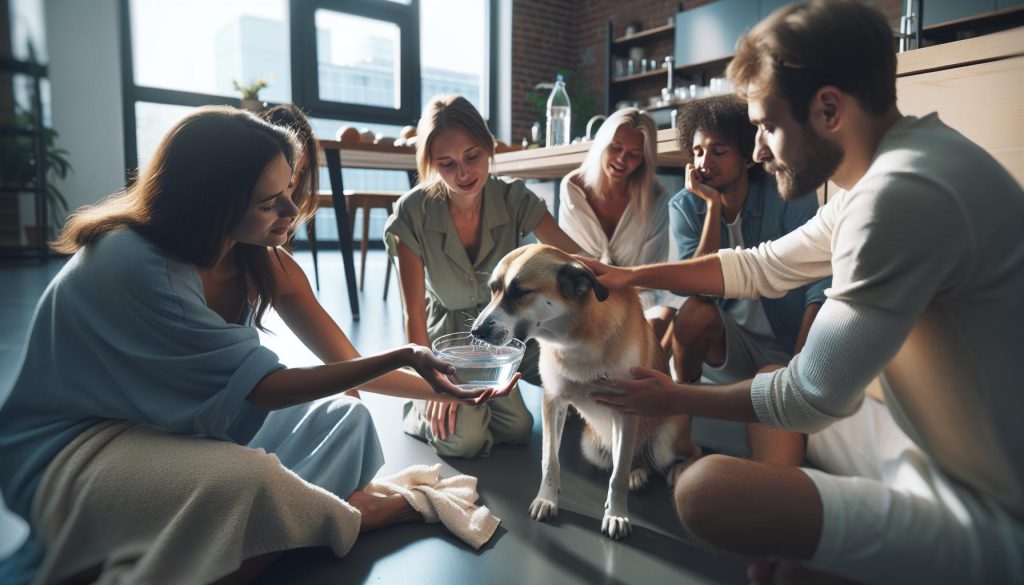
Lastly, don’t underestimate the power of your presence. Dogs are social creatures and often take cues from their humans. Sit nearby during hydration time, offering gentle encouragement and praise as they drink. A calm and soothing voice can help eliminate any anxiety they may have about consuming water. Over time, as you pair these hydration moments with affection and rewards, you’ll reinforce the positive association with drinking water, making it a cherished part of their day, even when they’re feeling under the weather.
FAQ
Q: How can I tell if my dog is dehydrated during illness?
A: Watch for signs like dry gums, lethargy, decreased appetite, and skin elasticity. Gently pinch the skin on the back of their neck-the skin should quickly return to its normal position. If it doesn’t, your dog may be dehydrated and requires immediate hydration interventions.
Q: What are the symptoms of dehydration in sick dogs?
A: Symptoms include excessive panting, dry mouth, sunken eyes, and a decrease in urine output. If you notice these signs, it’s essential to monitor their hydration closely and consult a veterinarian if symptoms persist.
Q: What homemade remedies can help hydrate a sick dog?
A: You can create a simple electrolyte solution by mixing water with low-sodium chicken broth or adding a pinch of salt to ensure hydration. Ensure the mixture appeals to your dog and offer it in small amounts frequently.
Q: How can I encourage my sick dog to drink water?
A: To encourage water intake, offer fresh, clean water frequently and try using a pet fountain or adding ice cubes. Consider enticing them with flavored water, such as mixing in a small amount of broth, to make it more appealing.
Q: Should I give my sick dog ice cubes to help with hydration?
A: Yes, offering ice cubes can be a fun way to encourage drinking, particularly if your dog seems more interested in chewing. Monitor them to ensure they don’t choke, and introduce ice in small, manageable pieces.
Q: When should I be concerned about my dog’s hydration during illness?
A: If your dog shows persistent signs of dehydration or refuses to drink for more than 24 hours, consult your veterinarian. Severe dehydration can lead to serious health complications and may require professional intervention.
Q: Can I use a syringe to give water to my sick dog?
A: Yes, using a syringe can help get water into your dog if they are reluctant to drink on their own. Make sure to gently squirt small amounts into the side of their mouth to avoid choking and stress.
Q: How does diet impact hydration in sick dogs?
A: Maintaining proper nutrition is crucial for hydration. Wet or canned dog food has higher water content and can help keep your dog hydrated. Adjust their diet accordingly to support hydration during illness, as described in the Nutrition section of the article.
The Conclusion
Taking proactive steps to ensure your dog stays hydrated while they’re unwell is crucial for their recovery. Remember, offering fresh water, enticing them with flavorful additions, or even using a syringe for gradual intake can make a significant difference. If you suspect your dog is seriously dehydrated, seek veterinary care immediately to prevent further complications.
For more tips on dog health, check out our articles on recognizing signs of dehydration and practical ways to encourage pets to drink more water. Also, if you’re looking for specific hydration solutions, explore our recommended dog-friendly electrolytes. Don’t forget to subscribe to our newsletter for expert advice and updates that keep your furry friend happy and healthy!
Your dog depends on you-let’s ensure they get the care they need. Share your experiences in the comments below, and let’s keep this conversation going! Together, we can make a positive impact on our dogs’ well-being.