
Every pet owner knows that hydration is crucial for their dog’s health, yet many dogs can be surprisingly reluctant to drink water. This can lead to serious concerns, especially during hot weather or after vigorous exercise. If you’ve found yourself facing the challenge of how to hydrate a dog that won’t drink, don’t worry! In this article, we’ll explore emergency tactics to ensure your furry friend stays hydrated and healthy. You’ll discover practical, easy-to-implement strategies that can make a significant difference. Whether you’re dealing with a picky pup or a dog recovering from illness, these tips will equip you with the knowledge you need to keep your canine companion well-hydrated. Let’s dive in and empower ourselves to tackle this essential aspect of dog care!
How To Recognize Signs of Dehydration in Dogs
Many dog owners may not realize that dehydration can occur rapidly in our furry friends, leading to serious health risks. It’s crucial to be aware of the telltale signs that your dog might be suffering from dehydration. Common indicators include excessive panting, dry mouth and gums, decreased activity, and a noticeable lethargy that changes their usually playful demeanor. One easy method to assess their hydration status is by performing a skin turgor test-gently pinch the skin on the back of their neck and release. If it doesn’t quickly return to its original position, this could indicate dehydration.
In addition to these physical signs, monitor your dog’s drinking habits, particularly during extreme weather conditions or after vigorous exercise. A dog that refuses to drink water or shows a marked decrease in thirst could be on their way to dehydration. Keep an eye out for other subtle signs, such as dark urine or less frequent urination, which can also serve as important clues that your dog’s hydration levels may be inadequate.
Should you notice these signs, take immediate action. Hydrating your pup should become a priority, as managing their fluid intake effectively can improve their overall well-being and prevent more serious health complications. Remember, staying vigilant especially during hot weather or after long walks is essential for ensuring your canine companion remains properly hydrated.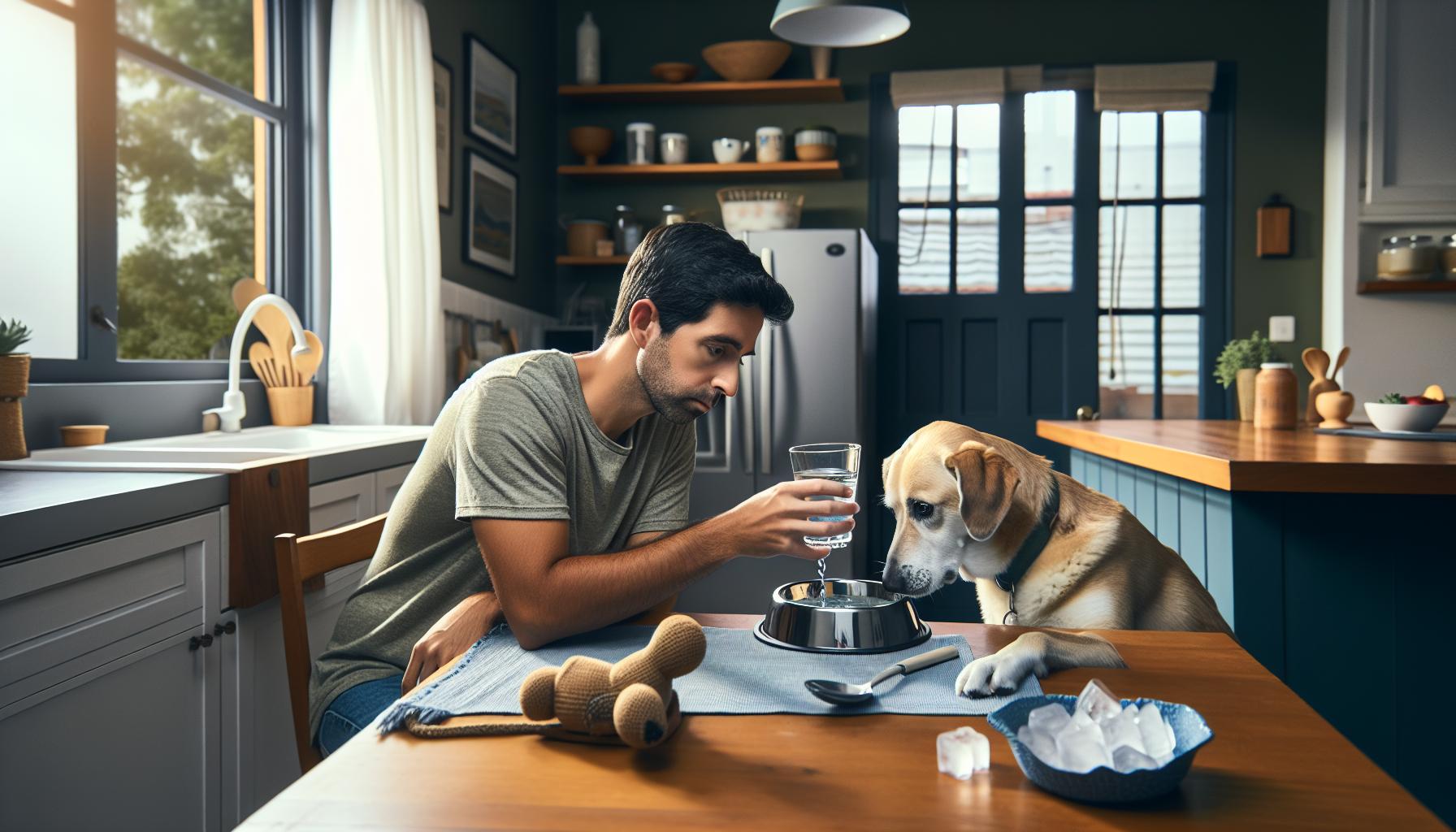
Immediate Actions When Your Dog Won’t Drink
When a beloved dog suddenly refuses to drink water, it can be both concerning and frustrating for a pet owner. Immediate action is essential, as dehydration can escalate quickly, leading to serious health issues. First, try to create a calm environment-sometimes, a stressed dog can shut down their desire to hydrate. Offer fresh, cool water in a clean bowl, and consider adding ice cubes; many dogs find this refreshing and enticing. Alternatively, using a syringe or turkey baster can allow you to administer water directly into your dog’s mouth, but be gentle to avoid causing panic.
Another effective approach is to introduce flavorful alternatives. Many dogs are attracted to broth or diluted low-sodium chicken or beef stock. This not only encourages fluid intake but may also make them more interested in drinking. You can even freeze broth in small cubes as a treat-this adds excitement while ensuring hydration. Keep in mind that some dogs enjoy flavored water or electrolyte solutions designed specifically for canines, which can aid in rehydration while making water tastier.
If your dog is still resistant to drinking, you might consider wet dog food or homemade meals that contain moisture, like cooked chicken with rice, to encourage them to consume fluids indirectly. Always monitor your dog’s hydration status closely-watch for signs of lethargy, dry gums, or a lack of urination. If these issues persist despite your efforts, or if your dog shows severe signs of dehydration, it’s crucial to consult your veterinarian immediately. Acting quickly ensures your furry friend gets back on track and maintains their health and happiness.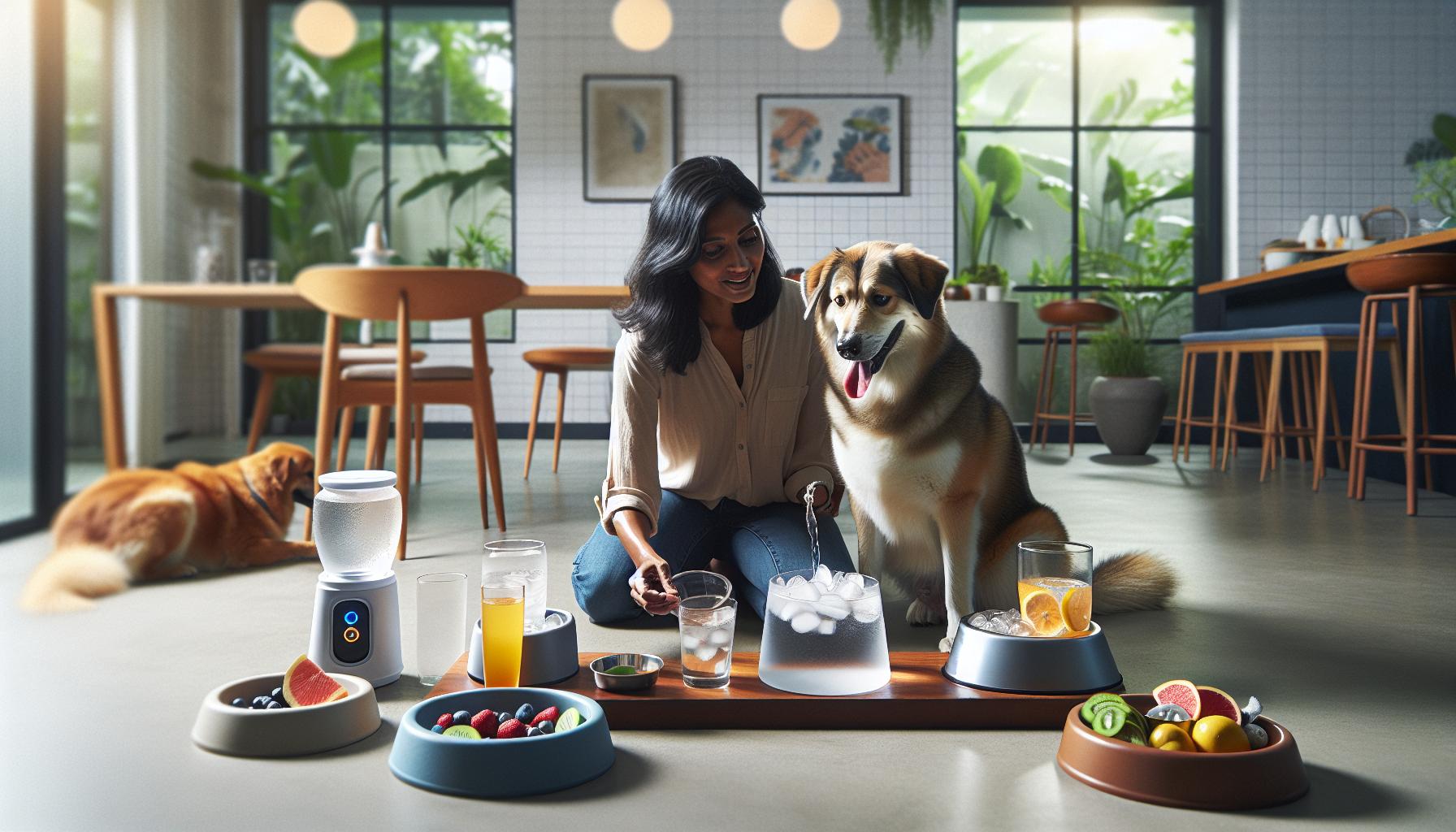
Creative Ways to Encourage Your Dog to Drink Water
Whether it’s a hot summer day or a sudden bout of illness, there can be moments when our furry friends refuse to drink water. This behavior can be concerning, but with a little creativity, you can inspire your dog to hydrate. Sometimes a simple change in the way you present water can work wonders.
One innovative method is to enhance the appeal of their water by adding flavor. Dogs are often attracted to variety, so consider offering low-sodium bone broth or a splash of natural fruit juices (like apple or watermelon, avoiding any harmful ingredients). You can also experiment with flavored dog-safe ice cubes made from broth or diluted fruit juices. Freeze these in fun shapes, and watch your dog become more eager to lick and hydrate!
Another effective strategy involves changing the drinking vessel. Dogs can be particular about their bowls; some may prefer a flatter dish while others appreciate a raised bowl. Additionally, try using pet water fountains that provide running water, as many dogs are instinctively drawn to moving water. This can often lead to increased interest in drinking. Also, consider placing multiple water bowls around your home, as sometimes curious pups may simply prefer to drink from a different location.
Don’t forget the power of inciting play to encourage drinking! Use interactive toys that can be filled with water or broth to engage their senses. Another fun approach is to create your own “pup-sicles” by freezing dog-safe ingredients in ice cube trays. This can serve as both a treat and a hydration source.
Lastly, keep an eye on your dog’s behavior. Engaging with your pet’s habits and preferences when it comes to staying hydrated can make a significant difference. By introducing these creative methods, you can help your dog drink more water without feeling like a chore. Just remember, if hydration issues persist, don’t hesitate to consult your veterinarian for further guidance.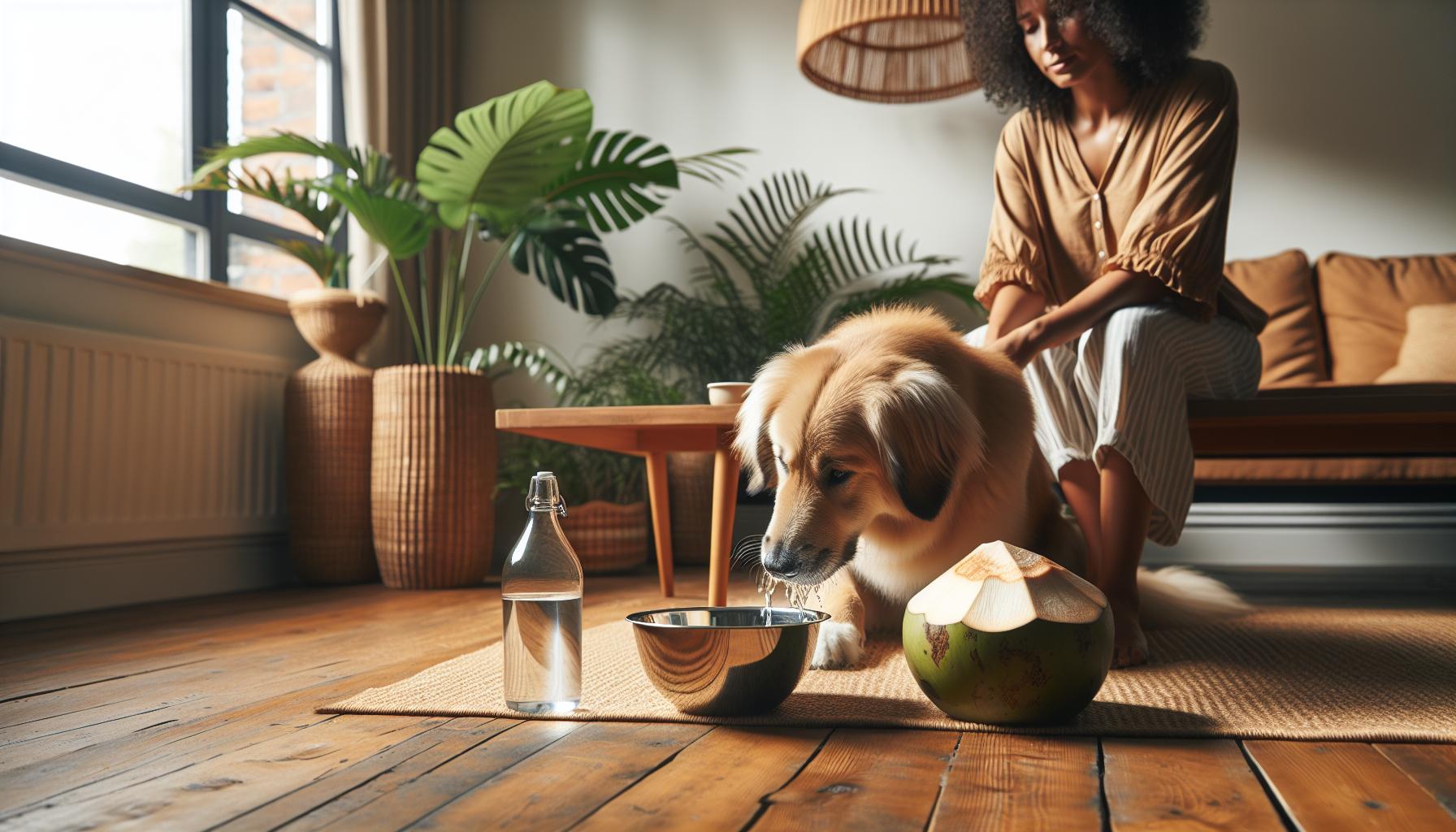
Best Water Alternatives for Hydrating Dogs
It’s essential to provide your dog with hydration alternatives, especially when they are hesitant to drink plain water. Fortunately, there are several tasty options that can keep your pup hydrated while appealing to their palate.
One great alternative is low-sodium broth-chicken, beef, or vegetable broth can coax even the pickiest drinkers. Always ensure the broth is low in salt and free from harmful ingredients like onions or garlic. You can serve it alone or mix it with water to create a flavorful beverage that encourages drinking.
Another fun option is hydrating treats. Many pet stores offer water-rich fruits or vegetables that dogs can enjoy. Small pieces of seedless watermelon, cucumber, or even blueberries can provide hydration and be excellent snacks. These can be helpful, particularly for active dogs that might need additional moisture after playtime.
For a creative twist, consider preparing frozen treats using the broth method. Fill ice cube trays with diluted broth or blended fruits, freeze them, and then give them to your dog as a refreshing snack. This not only hydrates but also keeps them entertained, especially during warmer months.
Additionally, some commercial products, such as specially formulated electrolyte solutions for dogs, can also serve as beneficial hydration aids. These solutions are designed to replenish lost minerals and fluids and may be particularly useful in situations where your dog is experiencing heat stress or dehydration due to illness.
With these alternatives in mind, you can ensure that your furry friend remains hydrated and healthy, even when they’re not interested in their usual water bowl. Keep a variety of options available, and observe which ones your dog prefers for the best results.
How to Administer Water for Rehydration
When your dog refuses to drink water, it can be a worrying situation, especially considering how crucial hydration is to their health. Administering water for rehydration may require a little creativity and hands-on effort, but with the right techniques, you can help ensure that your furry friend stays hydrated.
One effective method is to use a syringe or turkey baster to gently squirt small amounts of water into your dog’s mouth. Choose a syringe without a needle, typically available in the pet section or at pharmacies, and fill it with water or an electrolyte solution. Aim for the back of the mouth to encourage swallowing while avoiding the potential for choking. It’s best to start with small amounts, around a few milliliters at a time, to prevent overwhelming them.
Another approach is to elevate their drinking experience. Dogs may be more inclined to drink water from a special bowl or pet fountain that creates moving water, as many dogs are instinctively attracted to running water. If you have a jug or container with a spout, you can also pour a little water into it and give it a gentle tilt, allowing water to flow for them to lap up.
Additionally, consider using ice cubes as a refreshing and engaging option. Some dogs love to chew on ice, and this not only provides water but can also serve as a playful distraction. You might also soak their dry food with a bit of water or broth to increase their overall fluid intake.
Lastly, if your dog is in need of immediate hydration, electrolyte solutions formulated for pets can be beneficial. These solutions are designed to avoid dehydration by replenishing lost fluids and minerals. Always consult with your veterinarian to find an appropriate product and the right dosage for your specific breed and size.
By employing these encouraging tactics, you’ll be well on your way to helping your dog maintain hydration even when they’re not drinking as much water as they should. Remember to be patient and persistent, and always keep an eye on their overall health as you navigate this challenge.
Using Electrolyte Solutions: Pros and Cons
Electrolyte solutions can be a vital tool when it comes to keeping your canine companion hydrated, particularly in situations where they refuse to drink water. These solutions are designed to replenish lost fluids and essential minerals such as sodium, potassium, and chloride, which are critical for maintaining proper bodily functions, especially during illness or after vigorous exercise. However, it’s essential to weigh the pros and cons before deciding if an electrolyte solution is the right choice for your dog.
One significant advantage of using electrolyte solutions is their ability to quickly restore hydration, making them particularly useful in acute cases of dehydration due to vomiting, diarrhea, or heat exposure. These solutions can help to stimulate a dog’s appetite for fluids, especially if they seem disinterested in plain water. Additionally, many pet-specific electrolyte solutions are formulated to taste better than regular water, encouraging your dog to drink more often. Be sure to choose a solution specifically designed for pets, as those made for humans may contain ingredients that are harmful to dogs.
Potential Drawbacks
While there are many benefits, there are also some risks associated with using electrolyte solutions. For instance, if the concentration of electrolytes is too high, it may lead to further complications like hypernatremia (excess sodium) or kidney strain. It’s crucial to consult with your veterinarian to determine the appropriate type and dosage based on your dog’s breed, size, and condition. Some dogs may also have specific health concerns, such as heart issues or renal failure, which could be aggravated by electrolyte solutions.
Here are a few key points to consider when using electrolyte solutions for your dog:
- Consult Your Vet: Always check with your veterinarian before introducing any new solution to ensure it meets your dog’s specific health needs.
- Monitor Hydration: Keep an eye on your dog’s overall hydration status after administering the solution. Signs of improvement or further distress should be noted and reported to your veterinarian.
- Choose Quality Products: Opt for high-quality, veterinary-recommended electrolyte solutions. Avoid any with artificial flavors, sweeteners, or preservatives.
In conclusion, while electrolyte solutions can provide crucial benefits for dogs that are struggling to stay hydrated, the decision to use them should be made with care. Assess your dog’s individual needs and circumstances, considering both the advantages and potential drawbacks. Ultimately, a tailored approach guided by veterinary advice will ensure your furry friend receives the hydration they need to stay healthy and happy.
Hydration Tactics for Puppies and Senior Dogs
When it comes to keeping our furry friends hydrated, puppies and senior dogs require special attention due to their unique needs and potential health issues. Puppies are often playful and active, needing ample hydration to support their rapid growth and energy levels. On the other hand, senior dogs may face challenges such as decreased thirst drive and medical conditions that make hydration more crucial than ever. Recognizing this, let’s explore effective strategies to encourage hydration in these age groups.
For puppies, incorporating hydration into their playful routines can be a game-changer. Offering them water during playtime not only encourages drinking but also helps teach them good habits early on. Use colorful, chewable toys that can be filled with water or have ice cubes placed inside to stimulate their interest. Additionally, consider flavoring their water with low-sodium broth to make it more enticing-puppies tend to love new tastes, and this method can significantly boost their hydration without any adverse effects.
Senior dogs may require a more tailored approach. As they age, their sense of thirst might diminish, making it easy for them to become dehydrated. Monitoring their water intake daily and placing multiple water stations throughout your home can make a notable difference. If your senior dog is on medication, some pills can be given with water or broth to ensure they’re getting the fluids they need. Furthermore, exploring wet food options or adding water to dry kibble can help achieve necessary hydration without the stress of a water bowl.
It’s helpful to have a hydration checklist for puppies and seniors:
- For Puppies:
- Engage them with water-filled toys.
- Flavor their water with low-sodium broth.
- Establish a regular drinking routine.
- For Senior Dogs:
- Place multiple water stations around your home.
- Add water to dry food or opt for wet food.
- Monitor daily water intake to identify changes.
Combining these simple tactics can lead to a significant improvement in daily hydration habits for both puppies and senior dogs. Each dog is unique, so being attentive to their individual behaviors and preferences is key to ensuring that they stay healthy and hydrated throughout their lives.
Recognizing Breed-Specific Hydration Needs
Understanding that different dog breeds have unique hydration needs is essential for keeping your furry friend healthy. Just like humans, dogs can vary significantly depending on their size, activity level, and even their inherent characteristics based on breed. For example, small breeds like Chihuahuas or Dachshunds may not drink as much water as larger breeds like Great Danes or Bernese Mountain Dogs. Newly adopted dog owners, as well as seasoned ones, often wonder how hydration might differ across various breeds, and knowing these distinctions can help you tailor your dog’s hydration plan effectively.
Breed-Specific Factors Affecting Hydration
Different dog breeds have specific traits that affect their hydration requirements. For instance, high-energy breeds, such as Border Collies and Australian Shepherds, often require more water due to their active lifestyles. They may need access to water before, during, and after exercise to prevent dehydration. On the other hand, brachycephalic breeds like Bulldogs and Pugs can have difficulty regulating their body temperature, which can affect their thirst drive. Therefore, ensuring that they have hydration options available is crucial, especially in warmer climates.
In addition to size and activity level, some breeds are more prone to health issues that can influence their hydration needs. For instance, dogs with certain health conditions, such as kidney issues or diabetes, may require additional hydration and monitoring. You should consult with your veterinarian for specific breed recommendations and adjustments based on any medical conditions.
Effective Hydration Strategies
Incorporating breed knowledge into your hydration strategy can be both fun and beneficial. Here are some actionable tips tailored to various dog types:
- Sporting and Working Breeds: Ensure they have constant access to fresh water, especially after engaging in vigorous activities. You can carry portable water bowls during outings.
- Small and Toy Breeds: They may drink less water but may need more frequent, smaller servings. Consider using elevated water dishes to make drinking easier.
- Brachycephalic Breeds: Keep their water bowls shallow to avoid strain when drinking and monitor their hydration closely, particularly during hot weather.
- Senior Dogs: Consider using wet food or adding water to their dry kibble to enhance hydration without relying solely on drinking.
By understanding and adapting to your dog’s breed-specific needs, you’ll not only promote proper hydration but also reinforce a healthier lifestyle for your canine companion. Always observe your dog’s drinking habits and consult with a veterinarian if you notice any changes, as this can help you maintain their health and well-being.
Emergency Situations: When to See a Vet
It’s every pet owner’s nightmare to find their beloved dog refusing to drink water, especially when dehydration can lead to severe health issues. Recognizing when to seek veterinary assistance is crucial. If your dog shows signs of dehydration-such as lethargy, dry gums, sunken eyes, or skin elasticity that fails to bounce back when pinched-it’s essential to act quickly. Dehydration impacts organs and can lead to further complications if not addressed promptly.
If your dog has gone more than 24 hours without proper hydration, or if they are displaying more severe symptoms like vomiting, diarrhea, or a lack of urination, it’s imperative to contact your veterinarian. Young puppies and senior dogs are particularly vulnerable to dehydration, and any signs of distress in these age groups require immediate veterinary evaluation. For instance, a puppy that’s excessively playful but suddenly shows fatigue could be tipping towards dehydration.
In addition to seeking veterinary care, you can prepare for your visit by noting your dog’s last eating and drinking times, observed behaviors, and any other concerning symptoms. This information helps your vet assess the situation more effectively. Keeping your veterinarian’s contact info handy and being aware of the nearest emergency clinic can save precious time in urgent situations.
Lastly, always trust your instincts as a dog owner. If something seems off, it’s better to err on the side of caution. Keeping your dog hydrated is a vital part of their overall health, and timely interventions can make all the difference.
Maintaining Hydration Habits Long-Term
Ensuring that your dog remains hydrated over the long term is a vital aspect of their health and well-being. Dogs, much like humans, require a consistent supply of water to maintain optimum body functions, with activity levels, age, breed, and prevailing weather conditions all playing pivotal roles in their hydration needs. More than just placing a bowl of water in front of them, fostering a habit of healthy drinking requires a mindful approach to their daily routines and environments.
One of the first steps in maintaining hydration is to make fresh water consistently available. Dogs often prefer cool, fresh water, so change their water at least once a day, and consider investing in a pet water fountain. Many dogs are instinctively attracted to running water, which can encourage them to drink more. Regularly cleaning the water bowl also helps, as dogs may avoid drinking from dirty or unappealing containers.
To further encourage hydration, consider integrating water-rich foods into their diet. Certain fruits and vegetables, such as watermelon, cucumbers, and carrots, not only supplement their water intake but also provide important nutrients. You might even like to create homemade dog treats that include pureed fruits or broth to add variety to their hydration strategy. This method is particularly beneficial for senior dogs or those who are reluctant to drink plain water.
For pups and senior dogs who may need extra support, establishing a routine can greatly help. During playtime or after walks, prompt your dog to drink by offering them water immediately after an activity session. Keep an eye on temperature changes; hot weather can lead to increased fluid demands. Creating a simple checklist can help monitor hydration levels, ensuring that your dog is drinking adequately throughout the day. Here’s a quick guide you can implement:
| Time of Day | Activity | Hydration Reminder |
|---|---|---|
| Morning | Feeding time | Offer fresh water and check bowl levels. |
| Midday | Play or walk | Encourage a water break afterward. |
| Evening | Post-dinner | Ensure bowl is replenished; encourage drinking. |
Ultimately, by creating a positive and consistent hydration strategy tailored to your dog’s unique needs, you can ensure their health is supported for years to come. Remember, observing your dog’s drinking habits and addressing any signs of reluctance promptly will aid in establishing hydration as a regular part of their daily life. Your awareness and attentiveness can make a significant difference in your dog’s happiness and overall health.
Assessing Your Dog’s Overall Hydration Strategy
Assessing your dog’s hydration strategy is crucial for their overall health and well-being. Did you know that even a small percentage of dehydration can lead to significant health issues in dogs? Maintaining optimal hydration not only supports vital bodily functions but also contributes to your pet’s energy levels and mood. By taking a proactive approach to hydration, you can help ensure your furry friend stays happy and healthy, both in the short and long term.
Start by monitoring your dog’s daily water intake closely. The general guideline is that dogs should drink approximately one ounce of water per pound of body weight each day. However, this can vary based on factors such as size, age, activity level, and environmental conditions. Consider using a measuring cup to track how much water your dog consumes daily. If there are significant changes-like decreased drinking or water bowl levels remaining unchanged-it might be time to investigate further.
Additionally, it’s essential to observe your dog’s behavior during and after play or exercise. Dogs that are more active or live in hot climates will have higher hydration needs. For instance, a Labrador Retriever might require more water than a smaller breed like a Chihuahua after a walk due to their size and energy levels. Create a simple chart to help you track hydration alongside activity levels throughout the day:
| Time of Day | Activity Level | Water Intake Observations |
|---|---|---|
| Morning | Light play | Check if water bowl is full; offer water. |
| Midday | Walk or fetch | Encourage water break; monitor bowl level. |
| Evening | Active exercise | Replenish water; observe drinking habit. |
In addition to physical observations, assess your dog’s overall diet. Foods with high water content, such as wet dog food or fresh fruits like watermelon and cucumbers, can enhance hydration. If your dog is resistant to drinking water, introducing these hydrating snacks can help boost fluid intake while also providing essential nutrients. If this consistent evaluation of their hydration habits raises any concerns, don’t hesitate to consult your veterinarian. Proactive measures in hydration strategy can help avert potential health crises and keep your best friend thriving!
Tips for Dog Owners: Creating a Hydration Plan
Creating a hydration plan for your dog is as essential as any dietary regimen. Just think: dogs can lose a significant amount of water within hours on a hot day! Ensuring they remain well-hydrated can prevent serious health concerns down the line. Start by determining your dog’s baseline water needs, which is generally around one ounce of water per pound of body weight each day.
With this knowledge in hand, it’s time to strategize on how to keep that water level up. Here are some practical tips to develop a hydration plan:
Monitor Daily Water Intake
Keep track of how much water your dog drinks each day. Use a measuring cup to provide a clear picture of their consumption. If you notice any decrease in their intake, consider factors such as weather changes, increased activity, or recent diet alterations.
Incorporate Wet Foods and Hydrating Snacks
Adding wet dog food to your dog’s diet can significantly enhance their hydration. Similarly, incorporate fruits and veggies with high water content, such as watermelon, cucumbers, and strawberries. Not only will these items keep them hydrated, but they’re also nutritious and flavorful!
Use Flavor Enhancers
If your dog is resistant to plain water, try adding low-sodium chicken or beef broth to their water bowl. The enticing aroma can encourage them to drink more. Alternatively, consider purchasing commercial hydration solutions made specifically for pets, as these often come in dog-friendly flavors.
Adjust for Activity Level and Climate
Different breeds have varied hydration needs, especially after exercise or on hot days. Larger, high-energy breeds may require more water compared to smaller breeds. During warmer months, provide plenty of opportunities for your dog to drink-especially after walks or play sessions.
Establish Routine Hydration Breaks
Set specific times during the day when you encourage your dog to drink. This could be after playtime, after meals, or during breaks in an extended trip. Consistent opportunities to hydrate can help develop healthy habits.
Remember, always consult with a veterinarian if you have concerns or if your dog’s hydration levels appear abnormal. Proactive monitoring and adjustment will help ensure that your cherished companion remains happy, healthy, and well-hydrated!
Frequently Asked Questions
Q: What should I do if my dog refuses to drink water?
A: If your dog won’t drink water, start by offering ice cubes or flavored water to entice them. You can also use a syringe to administer small amounts directly into their mouth. Check for health issues if the refusal persists; consult a vet if dehydration signs appear.
Q: How can I tell if my dog is severely dehydrated?
A: Severe dehydration can be identified by symptoms such as dry gums, lethargy, sunken eyes, and skin that doesn’t quickly return to place when pinched. If you notice these signs, seek veterinary assistance immediately for prompt rehydration.
Q: Are there safe electrolyte solutions for dogs?
A: Yes, canine-specific electrolyte solutions are available and safe for hydration. These can help restore balance but should be used under veterinary guidance. Avoid human electrolyte drinks, which may contain harmful ingredients for dogs.
Q: How much water should my dog drink daily?
A: A general guideline is that dogs should drink about 1 ounce of water per pound of body weight daily. Factors like activity level, temperature, and diet can affect this amount, so adjust based on your dog’s specific needs.
Q: What foods can help hydrate my dog?
A: Hydrating foods include cucumbers, watermelon, and broth-soaked kibble. Incorporating these into your dog’s diet can enhance hydration, especially if they are reluctant to drink plain water.
Q: When is it an emergency to take my dog to the vet for dehydration?
A: Take your dog to the vet if they show severe symptoms of dehydration such as persistent vomiting, diarrhea, inability to drink, or weakness. Early veterinary intervention can be critical for their recovery.
Q: Can certain dog breeds be more prone to dehydration?
A: Yes, breeds with short snouts, like Bulldogs and Pugs, may struggle with effective panting and can dehydrate faster, especially in hot weather. Tailor hydration strategies based on breed characteristics for better management.
Q: How do puppies and senior dogs differ in hydration needs?
A: Puppies need more water relative to their size for growth, while senior dogs may require more due to medication or health issues. Monitor both groups closely and adjust their hydration plans accordingly.
Feel free to explore more about maintaining your dog’s hydration habits in our article sections!
Wrapping Up
In conclusion, maintaining proper hydration for your dog is crucial, especially when they refuse to drink water. By employing creative strategies like using flavored water or hydrating treats, you can effectively encourage your furry friend to hydrate. Remember, if you’re facing challenges or your dog shows signs of dehydration, don’t hesitate to consult with your veterinarian for tailored advice.
For more practical tips, check out our articles on “Recognizing Dehydration Symptoms in Dogs” and “Essential Care Strategies for Active Breeds.” Don’t miss out on joining our community-sign up for our newsletter to stay updated on the best care practices for your dog! We invite you to explore our website for resources that can help you become a more informed pet owner. Your dog’s health and happiness are just a few clicks away!