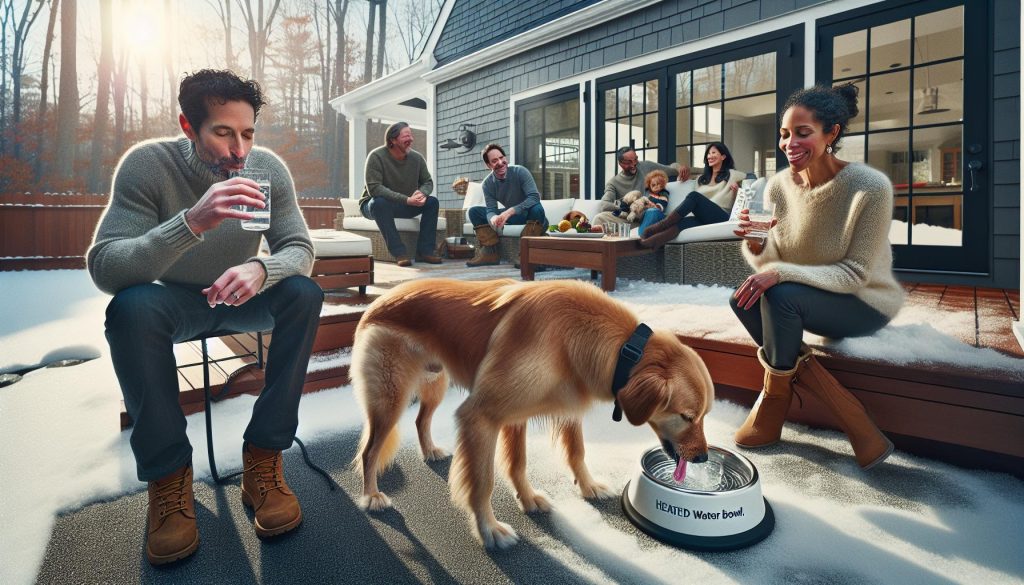
As the chilly winds of winter approach, keeping your dog’s water bowl from freezing becomes a pressing concern for pet owners. Did you know that even a short period without access to fresh water can lead to dehydration, putting your furry friend’s health at risk? Ensuring your dog stays hydrated during cold spells is essential for their overall well-being. This article will guide you through practical, effective strategies to keep their water bowl from freezing, offering insights tailored to different environments and breeds. Whether you’re a first-time dog owner or an experienced handler, you’ll find valuable tips to protect your pup’s hydration needs, no matter how frosty it gets outside. Dive in to discover simple and innovative solutions that will help you and your dog enjoy the winter months together!
How Cold Temperatures Affect Your Dog’s Hydration
When the temperatures drop, maintaining your dog’s hydration can become a challenging yet vital task. Cold weather doesn’t just make your dog feel chilly; it can also affect how much water they drink. A dog’s thirst response is often diminished in colder climates, leading to potential dehydration. This is particularly important to consider for dogs that are outdoors for extended periods, as their needs for water remain constant regardless of the temperature. Just like humans, dogs need to stay hydrated to keep their bodily functions in check, including digestion, circulation, and even temperature regulation.
In winter, your dog’s water bowl is susceptible to freezing, making it more difficult for them to access fresh water. If water is not available, dogs may resort to eating snow, which does not provide sufficient hydration and may lead to stomach upsets or frostbite on their tongues. Notably, breeds with thick coats, like Siberian Huskies or Alaskan Malamutes, might feel the cold less, but they still require adequate hydration. Meanwhile, smaller or short-haired breeds, such as Chihuahuas and Greyhounds, are more vulnerable to cold temperatures and can easily become dehydrated when water is unavailable.
To ensure your dog stays hydrated throughout the chillier months, it helps to monitor their water intake closely. Providing heated water bowls, which can be plugged in to prevent freezing, ensures water is always available in a liquid form. Additionally, checking the water bowl periodically during particularly cold days will help keep it from freezing over. Special consideration should also be given to dogs who may have specific health issues or older dogs, who might need extra encouragement to drink or easier access to water.
Ultimately, the key to keeping your dog hydrated in cold temperatures is to remain proactive and creative in your approach. By understanding how cold affects their hydration needs and taking simple steps to ensure they have access to fresh, unfrozen water, you can help your furry friend stay healthy and happy all winter long.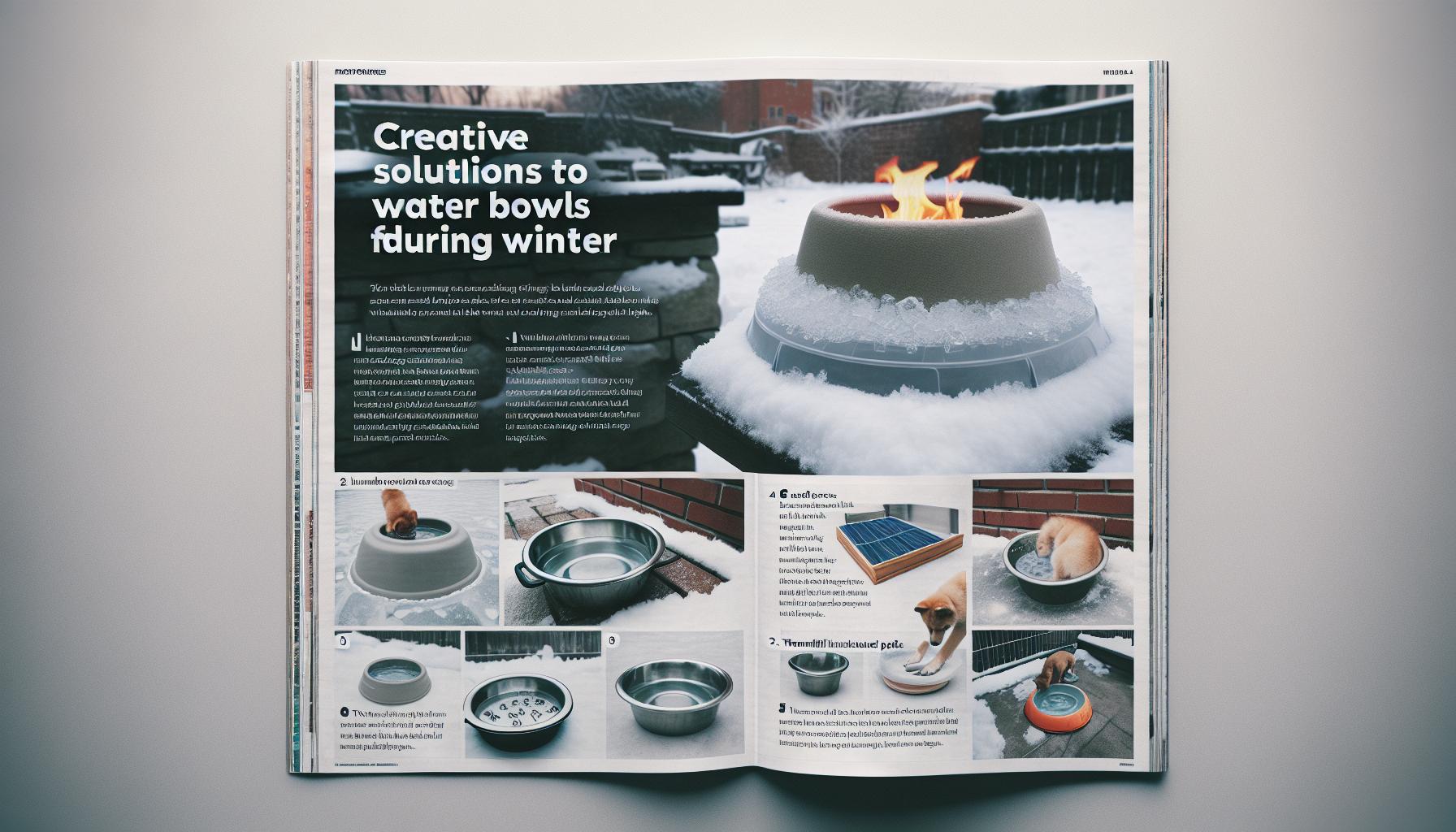
Creative Solutions to Prevent Freezing Water Bowls
In the chilly months, keeping your dog’s water from freezing can feel like an uphill battle. But with a little creativity and planning, you can ensure your furry friend has access to fresh hydration, no matter how low the temperatures dip. One of the best solutions is incorporating heated water bowls that use electricity to keep water warm-these are especially handy for owners who might not be around constantly to monitor their pet’s water supply. Additionally, consider placing water bowls in sheltered areas, such as inside a doghouse or under a covered porch, to protect them from wind and elements that can exacerbate freezing.
Another effective strategy is to use insulated bowls. These bowls are designed to retain heat longer than standard bowls, slowing the freezing process. You might also want to think about creating a thermal barrier; placing your bowl on top of a thick piece of wood or a layer of insulating material can help keep the bottom warm, reducing the cold transfer from the ground. If you prefer a more hands-on approach, some dog owners have had success wrapping a towel around the bowl or using reflective insulation material to further keep the heat in.
For those who enjoy DIY projects, consider using a solar-powered heating pad beneath the water bowl. This option is environmentally friendly and can help prevent water from freezing during sunny winter days. Alternatively, if you’re handy with tools, building a small insulated shelter around the bowl for extra warmth could be an ideal long-term solution. Just remember to keep an eye on it to ensure no snow builds up and blocks access.
Incorporating these creative solutions not only helps keep your dog hydrated but also ensures their comfort during the brisk winter months. Finding the right approach depends on your specific environment and your dog’s water needs, so experimenting with a combination of these suggestions might yield the best results. Always remember, the goal is to provide a consistent source of unfrozen water while being mindful of your dog’s safety and well-being.
Choosing the Right Materials for Outdoor Bowls
Choosing the right materials for your dog’s outdoor water bowl is essential in ensuring they stay hydrated during the cold months. Not only does the material impact the bowl’s ability to retain heat, but it also reflects the care you provide for your furry friend. A well-chosen bowl can make a world of difference, preventing the water from freezing and keeping it accessible for your dog.
When selecting a material, consider using stainless steel as it is both durable and resistant to temperature changes. Unlike plastic bowls, which can crack in extreme cold, stainless steel won’t absorb heat or cold as easily, helping to keep your dog’s water at a manageable temperature. Another great option is ceramic. These bowls are aesthetically pleasing and generally heavier, making them less likely to tip over. Just ensure they have a lead-free glaze to keep your pet safe.
For those in harsher climates, insulated bowls are worth the investment. These bowls are typically double-walled, trapping air between layers to provide excellent thermal insulation. If you’re feeling adventurous, consider making your own bowl from thermoplastic materials that can withstand low temperatures without breaking. A simple DIY project could involve wrapping your existing bowl in insulating material like foam or even using reflective insulation sheets to keep the water warmer for longer.
Placement is also key when it comes to material effectiveness. Try to position bowls in sheltered areas, such as near a wall or under a porch roof, to protect from wind and precipitation that can contribute to freezing. In addition, placing bowls on insulating surfaces, such as wood or thick rubber mats, can further reduce heat loss. With a thoughtful choice of materials and strategic placement, you can make sure that your dog has access to fresh water all winter long.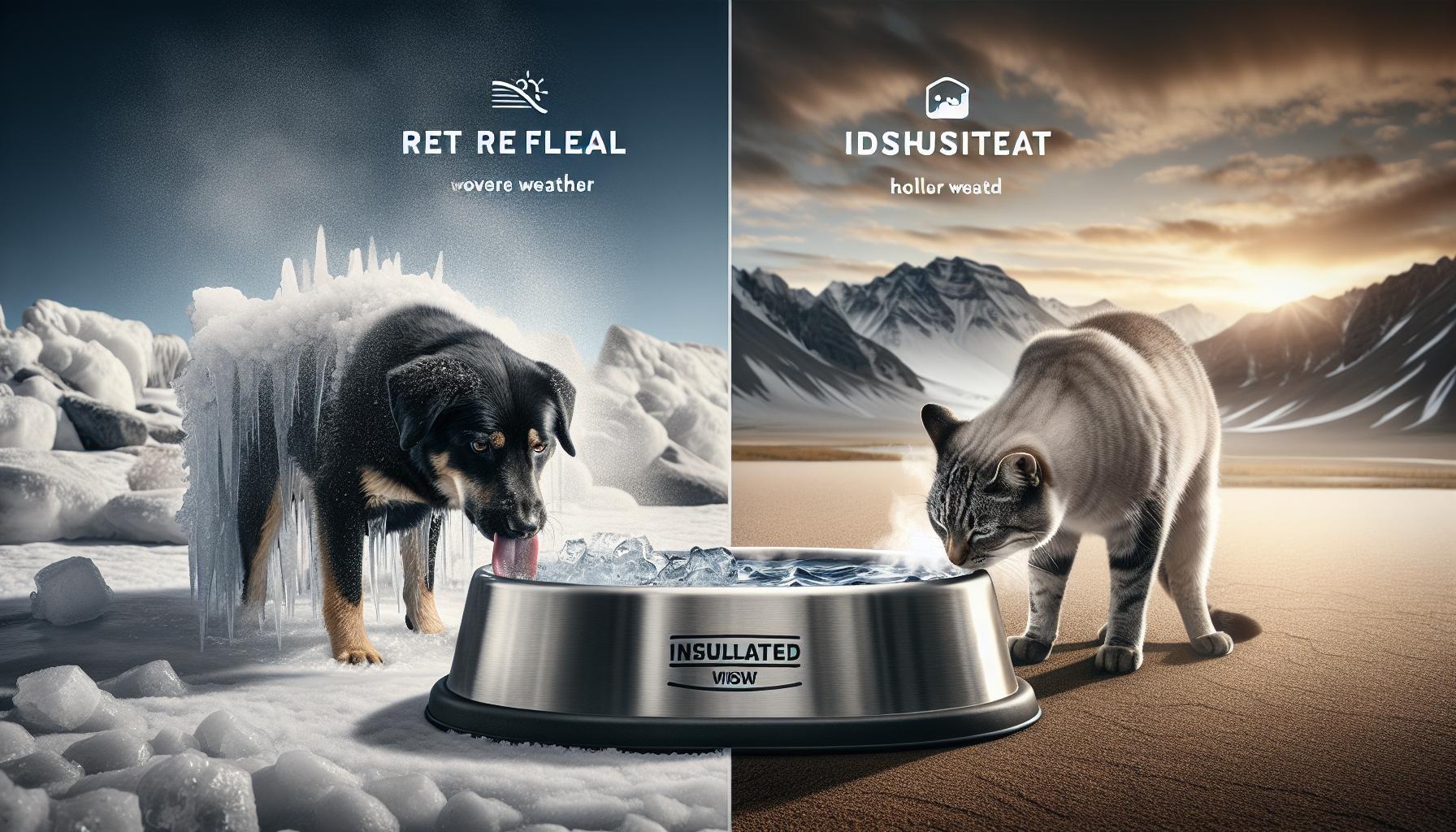
Insulated Water Bowls: Are They Worth It?
Dog owners know that keeping their pets hydrated during colder months can be a real challenge, and insulated water bowls could offer a practical solution. These specialized bowls, designed with double-walled construction, provide an effective barrier against freezing temperatures by trapping air between layers. This design helps maintain a more stable water temperature, ensuring your furry friend has access to fresh water even when the mercury drops. For dog owners, especially those with larger breeds or outdoor pets, investing in insulated bowls can lead to significant improvements in their dog’s hydration status throughout winter.
When deciding if insulated bowls are worth it, consider the climate in your area and your dog’s habits. In extreme cold, the additional insulation can mean the difference between icy water and a refreshing drink. Besides, insulated bowls are often made from durable materials that withstand weather variations better than standard bowls, reducing the need for frequent replacements. However, it’s essential to pair these bowls with regular check-ins; even the best-insulated designs can occasionally accumulate ice if the temperature is extremely low, especially overnight.
For those who might be hesitant about the cost or effectiveness of insulated bowls, DIY options are also on the table. You can enhance your existing bowls by wrapping them in insulating materials like foam, or even employing reflective insulation sheets. This creative approach not only saves money but also gives you the chance to customize your dog’s water supply according to their specific needs. Remember, combining these bowls with strategic placement can further enhance their effectiveness. Consider setting them up in a sheltered spot away from direct winds or wet conditions, maximizing the insulation’s benefits even in the harshest weather.
In sum, insulated water bowls can be a worthwhile investment for pet owners, particularly in regions where temperatures plunge. Not only do they help maintain access to water, but they also encourage proper hydration, which is crucial for your dog’s health. Whether you opt for a store-bought solution or choose to craft your own, ensuring your canine companion has sufficient hydration all winter long is an essential aspect of responsible pet ownership.
DIY Hacks to Keep Water Bowls Warm
When the temperatures drop, keeping your dog’s water bowl warm can be a challenge, but there are several clever DIY hacks you can implement to ensure your furry friend stays hydrated. One effective approach is using insulating materials to line or wrap your water bowl. For example, bubble wrap, foam padding, or even old blankets can provide an extra layer of insulation, significantly slowing down the freezing process. Simply wrap the bowl in your chosen material and secure it with tape or string; this method is both cost-effective and simple.
Repurpose Household Items
Consider repurposing household items that you might already have on hand. For instance, a large styrofoam cooler can serve as an excellent insulated outer layer for your dog’s water bowl. Place the water bowl inside the cooler and cut an opening for your dog to access the water. This setup not only protects the bowl from cold air but adds an extra barrier against freezing. Additionally, you can use certain garden pots as natural insulation; place the water bowl inside a larger pot filled with straw or sawdust for added warmth.
Heating Elements
If you want to venture into a slightly more advanced territory, you might consider incorporating heating elements. Submersible pet-safe warmers are available that can be placed directly in the water to maintain a safe temperature. Alternatively, wrapping your bowl with low-wattage heating tape, typically used for pipes in winter, ensures your bowl doesn’t freeze. Just be sure to monitor the warmer to avoid overheating. Always ensure that any electrical components are safe and designed specifically for outdoor or pet use.
Strategic Location Matters
Moreover, the placement of the water bowl plays a crucial role in how quickly it freezes. Positioning the bowl in a sheltered area, such as near the house or within a windbreak, can shield it from harsh elements. A sunny spot, if available, can also help; the sun will warm the bowl during the day, delaying freezing overnight. Consider creating a designated spot with a windbreak using plywood or fencing to keep the bowl safe from biting winds, ensuring your dog has dependable access to fresh water throughout the winter.
By implementing these DIY hacks, you not only save money but also embrace creativity in caring for your canine companion’s needs. Regular monitoring and adjusting your strategies based on temperature changes will help keep your dog’s water supply accessible even in the frigid winter months.
Placement Strategies for Optimal Water Retention
Finding the right spot for your dog’s water bowl can significantly impact how long the water stays liquid during those chilly winter months. Just like us, dogs need consistent access to fresh water, and strategic placement can make all the difference. By considering factors such as sunlight, shelter from the wind, and accessibility, you can help keep their water bowl from freezing, ensuring your furry friend remains hydrated.
One effective strategy is to place the water bowl in a location that benefits from as much sunlight as possible during the day. Direct sunlight can help keep temperatures up even on the coldest days. If you have a patio or deck, these areas can be ideal, as they often receive unobstructed sunlight. Additionally, you can create barriers using plants or outdoor furniture to shield the bowl from cold winds, which is essential in preventing rapid freezing.
It’s also wise to take into account the terrain where you position the bowl. A more sheltered area, such as next to a wall or inside a small nook, will protect it from harsh elements. If your dog has a favorite spot to hang out or play, consider placing the water bowl nearby. This will not only keep the water accessible but also encourage your dog to stay hydrated during their outdoor adventures.
Moreover, elevate the water bowl slightly off the ground with a small platform or sturdy crate. This positioning helps reduce the contact with the cold ground, which can cause the water to freeze more quickly. Finally, be sure to regularly check the bowl throughout the day, especially after significant drops in temperature; this ensures that your dog always has access to fresh water, no matter what the weather brings.
Using Heat Sources Safely Around Water Bowls
Using heat sources around your dog’s water bowl can be a game-changer in keeping their hydration available during the frigid months. While it’s essential to ensure your furry friend has access to liquid water at all times, safety should always be your top priority when incorporating heat sources. Consider this: improperly placed heat sources can pose risks such as burns, fires, or electrical hazards. Thus, knowing how to use heat sources safely and effectively is crucial for both your dog’s health and your peace of mind.
First and foremost, if you choose to use a heated water bowl, look for models designed specifically for pets. These bowls are often insulated and include safety features such as chew-resistant cords and thermostats to prevent overheating. When placing a heated bowl outside, ensure that the cord does not pose a tripping hazard or is within reach of your dog to chew on. Position the bowl on a flat, stable surface that is slightly raised off the ground to keep it insulated from the cold surfaces below, which aids in maintaining temperature.
For those who don’t want to invest in an electric option, there are alternative methods. You can use warming pads designed for outdoor use. These pads can be placed underneath or around the bowl to provide gentle, consistent heat. Similarly, wrapping the bowl with insulating materials like towels (safely secured) can help trap warmth. Be sure to monitor these setups regularly, as they can become wet or may shift, creating a potential safety issue. A regular check-up not only maintains the integrity of the heat source but also ensures your dog isn’t at risk.
Also, consider indirect heating solutions such as solar heaters, especially in sunny locations. These can be particularly effective during the daytime when the sun is shining, keeping the water bowl warm without direct electricity usage. Another natural method, although less reliable, is to place boulders or rocks around the bowl that absorb sunlight and radiate warmth. However, always keep in mind that monitoring your dog’s water intake and making sure they have access to liquid water remains critical, especially during extremely cold weather.
Monitoring Your Dog’s Hydration in Winter
When winter’s chill sets in, keeping your dog well-hydrated can become a challenge. It’s common knowledge that dogs need regular access to fresh water, but did you know that cold weather can dramatically affect their hydration levels? Just as we tend to drink less water in colder temperatures, our furry companions might also reduce their intake, leading to potential dehydration. In fact, dogs can lose moisture through their skin, respiration, and even through snow play, which doesn’t always provide the hydration they need!
To effectively monitor your dog’s hydration during these colder months, check their water bowl daily. Regularly ensure that it contains liquid water rather than ice. Here are some actionable tips to implement:
- Look for signs of dehydration: Keep an eye out for symptoms like lethargy, dry gums, or loss of skin elasticity. A quick test is to gently pinch the skin on the back of their neck; if it doesn’t return quickly, they may be dehydrated.
- Encouragement: Sometimes, dogs may need a nudge to drink. Engage them in play near their water bowl or offer ice cubes as a treat to spark their interest.
- Consistency: Keep the bowl’s location consistent, as dogs prefer routine. Check the water levels frequently and refill as needed.
For breed-specific considerations, it’s important to understand that certain breeds may have different hydration needs. For instance, larger breeds like Labradors may require more water than smaller breeds such as Chihuahuas, especially if they are active outdoors. You might find it helpful to adjust your approach based on activity level:
| Breed Type | Average Daily Water Intake (in cups) | Additional Tips |
|---|---|---|
| Small Breeds (e.g., Chihuahua) | 1-2 | Encourage drinking more by using a bowl that’s easy to access. |
| Medium Breeds (e.g., Beagle) | 2-4 | Consider keeping a heated bowl outside for accessibility. |
| Large Breeds (e.g., Labrador) | 4-8 | Always have water available, especially after outdoor exercise. |
As winter progresses, your vigilance is key. Don’t hesitate to get creative with water sources if your dog shows disinterest. For example, consider placing a few bowls in different areas of your yard or porch to ensure they have options. Remember, keeping your dog hydrated is essential not just for winter health but also for their overall wellbeing throughout the year!
Breed-Specific Considerations for Water Needs
Understanding your dog’s hydration needs during the winter is essential, particularly since different breeds have varying requirements. Larger breeds like Great Danes and Labradors typically have a higher daily water intake than smaller breeds such as Chihuahuas or French Bulldogs. This difference can significantly impact how you manage their water supply in colder temperatures, making it crucial to tailor your approach to your dog’s specific needs.
For instance, large and active breeds often need more hydration due to greater physical exertion. If your Labrador is frolicking in the snow, they could easily lose fluids more quickly than you might expect. In this case, consider options like heated water bowls that prevent freezing, ensuring they have unfettered access to hydration, especially after outdoor play. Here’s a helpful breakdown of breed-specific water intake recommendations:
| Breed Type | Average Daily Water Intake (in cups) | Additional Tips |
|---|---|---|
| Small Breeds (e.g., Chihuahua) | 1-2 | Ensure the bowl is at a comfortable height to encourage drinking. |
| Medium Breeds (e.g., Beagle) | 2-4 | Try a heated bowl for consistent access, especially during active play. |
| Large Breeds (e.g., Labrador) | 4-8 | Consistency is key; always have a fresh, unfrozen bowl accessible. |
Maintaining awareness of individual hydration needs can prove fundamental. For example, as winter progresses, observe changes in your dog’s behavior. If they seem less interested in drinking, consider enticing them with ice cubes as a playful treat or adding a splash of low-sodium broth to their water to make it more appealing.
In addition to ensuring consistent water availability, you might need to adjust how you place the bowls. Positioning them in sunny spots can help keep the water liquid longer, while ensuring they remain out of the wind can also mitigate freezing. Each dog is unique, so by paying attention to your furry friend’s preferences and habits, you can implement creative and effective solutions tailored to their needs, ensuring their hydration remains a top priority throughout the chilly months.
Assessing Water Bowl Durability Against Freezing
Durability in water bowls is crucial for maintaining hydration in our furry friends, especially during the frigid months when the risk of freezing is high. Opting for bowls made from robust materials can significantly reduce the challenge of dealing with icy water. Stainless steel and heavy-duty plastic are excellent choices. They are not only resistant to the elements, but also less prone to cracking or breaking if accidentally knocked over by an enthusiastic pup. If you have outdoor decorations, like bowls made of ceramic or glass, keep in mind they may not withstand freezing temperatures as well, leading to potential breakage during icy conditions.
When assessing water bowl durability, consider how various materials perform under extreme weather conditions. For instance, thicker plastic bowls often provide better insulation compared to their thinner counterparts, but they can still be susceptible to cracking in severe cold. Look for heavy-duty options, ideally those designed for outdoor use, as they can offer a better balance of durability and insulation for keeping water available throughout the day. Here’s a quick comparison of materials:
| Material | Durability | Insulation Properties | Best For |
|---|---|---|---|
| Stainless Steel | High | Moderate | General outdoor use |
| Heavy-Duty Plastic | Moderate | Good | Less aggressive chewers |
| Ceramic | Low | Good | More sheltered areas |
Furthermore, special attention should be given to the design of the bowl. Opt for models that have wider bases to minimize tipping and keep in mind that elevated styles can prevent snow accumulation that might freeze water. If you’re handy, you might consider customizing a bowl area – covering it with protective insulation or weather-resistant materials to further increase durability against freezing. Such familiar tips ensure that your dog’s hydration remains uninterrupted, even when the temperatures plummet.
In the end, choosing the right bowl not only decreases the chances of your dog’s water freezing but also contributes to its overall health and well-being during the chillier months. Keep your beloved pets hydrated and happy, allowing them to enjoy their outdoor time while staying warm!
Tools and Gadgets to Keep Bowls Ice-Free
When chilly winds whistle through the trees, ensuring your dog’s water bowl remains ice-free can feel like a daunting task. However, with the right tools and gadgets at your disposal, keeping your furry friend hydrated doesn’t have to be a struggle! From heated water bowls to clever insulation solutions, there are numerous options available that can make winter hydration easier and more efficient.
One handy tool you might consider is a heated water bowl. These bowls are designed specifically to keep water at a drinkable temperature, even in the depths of winter. They often come equipped with thermoregulation technology to maintain a consistent temperature without overheating, making them safe for your pet to use. Look for models with chew-resistant cords to safeguard against any enthusiastic pups who might take a liking to the cables.
Another innovation is the solar-powered water bowl. Perfect for those sunny winter days, these bowls utilize solar panels to generate heat and keep water from freezing. They are particularly useful in less harsh climates where a bit of sun can make a big difference. If you’re more DIY inclined, wrapping your water bowl with insulating materials, such as Mylar or even foam, can provide an extra layer of protection against frigid temperatures.
For those in need of a more budget-friendly solution, consider using a wine bottle filled with warm water placed inside the bowl. This method not only helps in warming the water but also maintains a temperature that can slow down the freezing process. Just be sure to refresh the warm water regularly! Additionally, placing your bowl in a sheltered area like a garage or using a commercially available insulation sleeve can further help to prevent freezing.
As you explore these options, remember that monitoring your dog’s water intake is crucial, especially during winter months. Consider using automatic water dispensers or bowls with built-in sensors that alert you if water levels are low. Keeping your pet hydrated through winter is not just about convenience; it’s vital for their overall health and well-being. By incorporating these practical tools and gadgets, you can ensure that your dog’s hydration needs are met even in the coldest of conditions.
Emergency Solutions for Extreme Weather
When winter weather strikes, maintaining your dog’s hydration can feel like a race against time, especially during extreme cold spells. Did you know that dogs can lose hydration just by breathing cold air? In frigid temperatures, it’s crucial to adapt your approach and implement emergency solutions to ensure their water bowl remains accessible and liquid. Here are some valuable strategies to keep your furry friend hydrated, even in the most challenging conditions.
One of the best emergency solutions is to invest in heated water bowls. These specialized bowls use electric heating elements to keep water at a drinkable temperature. They are especially useful for breeds that are more sensitive to cold, such as Greyhounds or smaller toy breeds, whose body fat and fur might not provide sufficient insulation. Choose models with chew-resistant cords and a sturdy base to prevent tipping, ensuring your dog can enjoy a warm drink without trouble.
Creative Insulation Techniques
If heated bowls aren’t an option, consider using insulating materials to coat your dog’s water bowl. For example, you can wrap it in an old blanket or insulation tape. Alternatively, try placing the bowl inside a larger container filled with straw or hay, providing an insulating layer to keep the water from freezing. This method works particularly well in severe weather, as the straw acts as an effective insulator against the cold, giving your dog a fighting chance against icy water.
Emergency Checks
Monitoring your dog’s water intake is essential. During extreme cold, make it a habit to check the water bowl at least every couple of hours. If there’s potential for freezing, replace the water with warm water from the tap to delay the freezing process and encourage your dog to drink regularly. Additionally, you might want to have a backup water supply readily available, such as a thermos of warm water that you can top off the bowl with throughout the day.
In dire conditions, placing the water bowl in a sheltered area, such as a garage or a covered porch, can also help in keeping it unfrozen. Consider combining several of these emergency solutions-like insulated wrapping plus continuous warm water checks-to ensure your four-legged friend stays hydrated during those chilly winter months. These proactive steps can make a world of difference in keeping your beloved pet happy and healthy, ready to tackle any cold weather adventures.
Q&A
Q: How can I keep my dog’s water bowl from freezing in extreme cold?
A: To prevent your dog’s water bowl from freezing, consider using heated water bowls designed for winter use. Alternatively, wrap the bowl with insulated materials or place it in a sheltered spot that receives sunlight. Regularly check and refresh the water to maintain hydration during cold spells.
Q: What materials are best for water bowls to resist freezing?
A: Stainless steel and ceramic are the best materials for water bowls in cold weather as they retain warmth better than plastic. Their weight also helps prevent them from being tipped over by wind or playful dogs. Look for bowls specifically designed for winter use for better insulation.
Q: Are heated dog water bowls safe for outdoor use?
A: Yes, heated dog water bowls are safe for outdoor use if they are designed specifically for pets. Look for models with built-in thermostat features to prevent overheating. Ensure the electrical cord is safely placed to avoid chewing and check for weatherproofing.
Q: How often should I change my dog’s water in winter?
A: In winter, you should check and change your dog’s water at least twice a day or more frequently if it is freezing. Regular changes not only ensure access to fresh water but also help prevent ice buildup in the bowl.
Q: Can I use regular bowls in winter, or do I need special ones?
A: While you can use regular bowls, they may not withstand freezing temperatures. Investing in insulated or heated bowls can provide a better solution for maintaining liquid water for your dog. Regular bowls may require more frequent checks to ensure water availability.
Q: What are some DIY methods for keeping a dog’s water bowl warm?
A: You can keep your dog’s water bowl warm by using a thermal blanket or placing the bowl inside an insulated container. Another DIY hack is to fill the bowl with warm water and periodically check it to ensure it remains fluid for your dog to drink.
Q: How do I monitor my dog’s hydration in winter months?
A: To monitor your dog’s hydration in winter, observe their drinking habits and ensure they always have access to unfrozen water. Look for signs of dehydration, such as lethargy and dry gums, and consult your vet if you have concerns about their water intake.
Q: What precautions should I take when using heat sources near my dog’s water bowl?
A: When using heat sources, ensure they are pet-safe and positioned to prevent tipping or access by your dog. Use heat mats designed for pets and keep cords out of reach. Regularly check to ensure temperatures are safe to prevent burns or accidents.
For more tips on ensuring your pet stays hydrated in cold weather, consider exploring our sections on monitoring hydration and using tools and gadgets effectively!
Final Thoughts
Keeping your dog’s water bowl from freezing during the colder months is essential for their health and hydration. By implementing the effective strategies we discussed, you can ensure your furry friend always has access to liquid refreshment, even in the chilliest weather. Don’t wait until the freeze sets in-try these solutions today to keep your dog happy and hydrated!
For more tips on dog care, explore our articles on Choosing the Right Dog Breed for Cold Weather and Essential Tips for Outdoor Dog Care. Join our community by signing up for our newsletter to receive expert advice straight to your inbox and never miss an update. Have questions or experiences to share? We would love to hear from you in the comments below! Your dog’s comfort is our priority; let’s keep their bowl ice-free together!