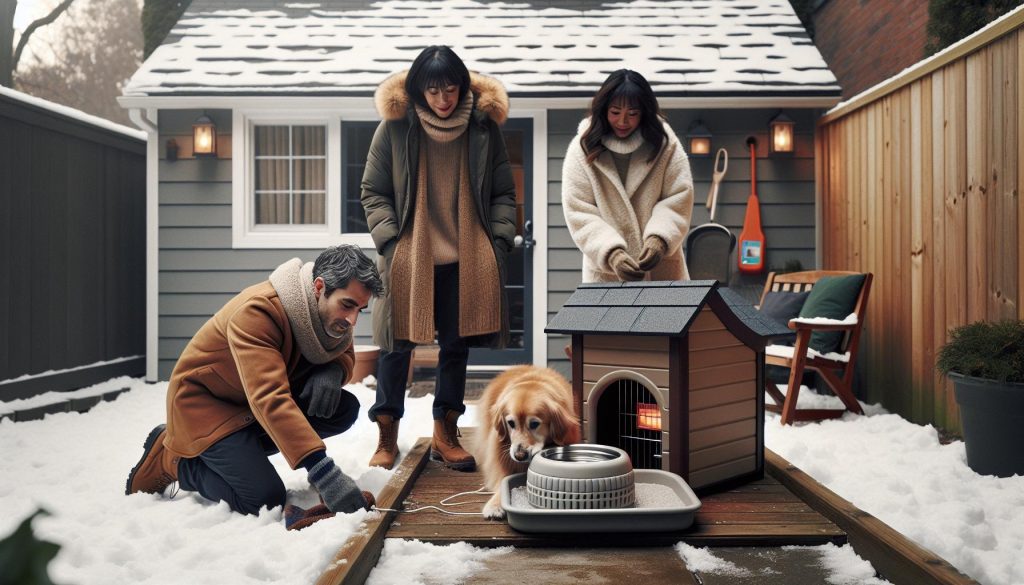
As winter approaches, keeping your dog hydrated can be a real challenge, especially when temperatures drop and water bowls freeze. Did you know that dehydration can happen even in cold weather? It’s crucial to ensure your furry friend has access to fresh, unfrozen water to maintain their health and energy levels. In this guide, we’ll explore practical solutions that will keep your dog’s water from freezing, helping to ease your worries this chilly season. Whether you’re a new puppy parent or a seasoned dog owner, the tips we share will provide peace of mind and promote your pup’s well-being. Let’s dive into winter solutions that will keep your beloved companion happy, hydrated, and ready for their next adventure!
How Winter Weather Affects Your Dog’s Water
As the temperatures drop and winter settles in, it’s crucial to remember that your dog’s hydration needs don’t vanish with the warmth of summer. Cold weather can dramatically affect your dog’s water availability and their desire to drink. When temperatures dip below freezing, water sources can quickly become ice, leaving your dog at risk for dehydration, which can lead to serious health issues.
Dogs are often less inclined to drink cold water, especially when it’s icy outside, which might tempt them to forgo hydration altogether. They may also need more water than usual, as they exert energy to stay warm. This means that as a responsible pet owner, it’s essential to monitor their water intake closely and ensure they have easy access to fresh, unfrozen water at all times.
Understanding the effects of winter weather is the first step in keeping your pup hydrated. Just like us, dogs need hydration to maintain energy levels, support their organs, and aid in digestion. Factors such as snowfall, frost, and just plain-cold air can deter your dog from drinking enough water. To counteract this, consider investing in insulated water bowls or heated options to keep your dog’s water at a drinkable temperature. Regularly checking their water supply during winter trips outside is also vital.
Ultimately, staying attentive to these needs is essential for your dog’s health. Whether it’s providing warmth through heated bowls or encouraging hydration with different approaches, every dog’s thirst for water can be kept alive during the chill of winter.
Essential Considerations for Dog Hydration in Winter
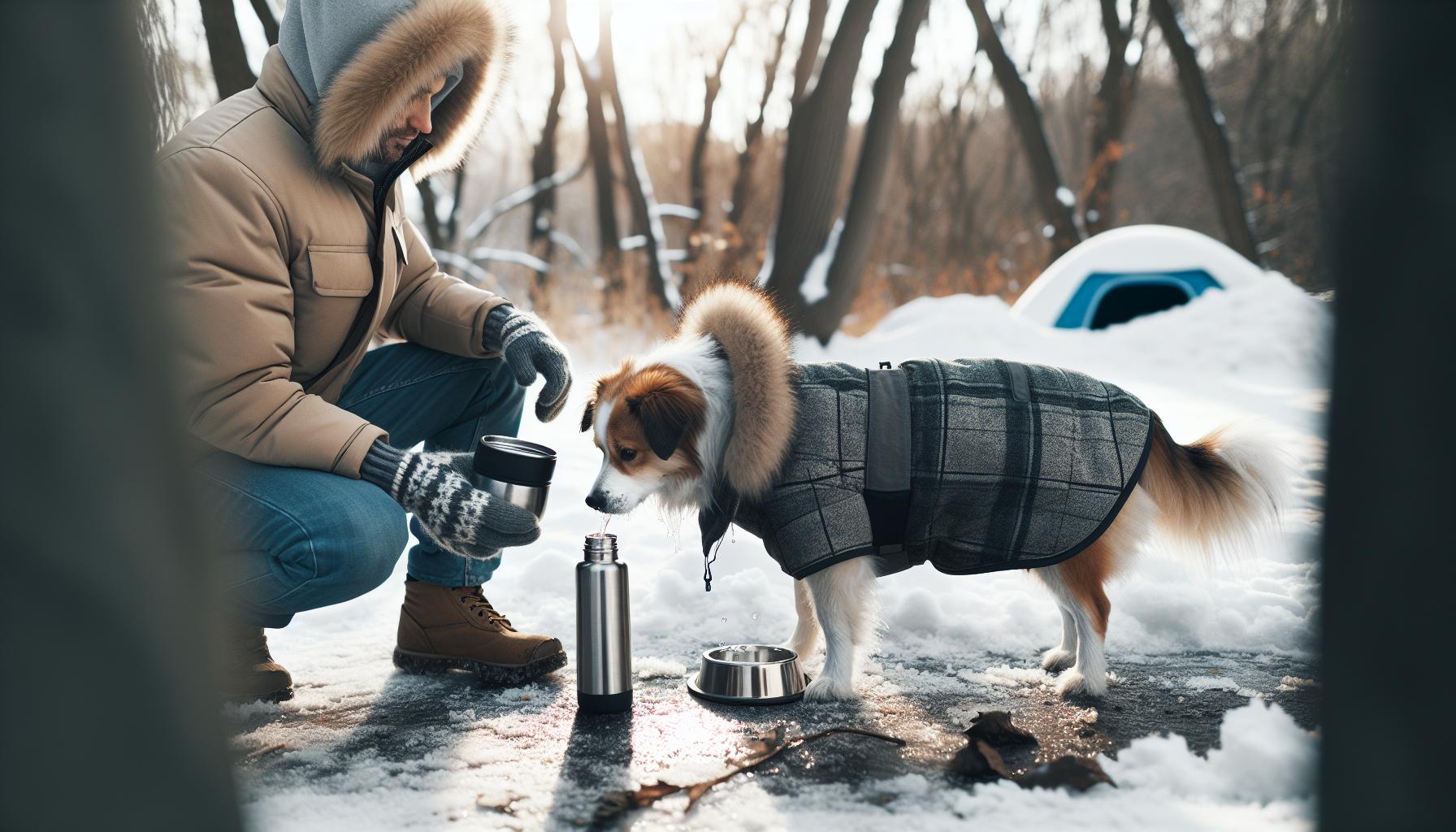
As the chill of winter envelops us, it’s easy to think that our canine companions can fend for themselves. However, just like us, dogs can face dehydration risks during the colder months. In fact, they may require more water in winter than in summer due to increased activity levels and the need to maintain body temperature. A fascinating aspect of canine hydration is that many dogs, especially those who are more sensitive to cold, may resist drinking icy water or may not even realize how important it is to stay hydrated in winter.
To ensure your dog remains adequately hydrated, you need to be proactive. Here are essential considerations that every dog owner should keep in mind during the winter months:
- Access to Fresh Water: Always provide your dog access to fresh, unfrozen water. Check their bowl frequently to ensure it is free of ice. Smart pet owners often invest in heated water bowls or insulated containers that prevent freezing.
- Temperature Preferences: Many dogs prefer water that isn’t too cold. Try adding warm water to their bowl occasionally or using insulated bowls that maintain a suitable temperature. Breeds with thicker coats, like Huskies or Malamutes, might cope better with the cold than short-haired dogs like Dachshunds or Greyhounds.
- Regular Monitoring: Just as you would check your dog’s food intake, keep an eye on their hydration. Know how much they typically drink in warmer months, and look for signs of decreased water intake, especially when the temperature starts to dip.
- Encouragement to Drink: Many dogs require encouragement to stay hydrated, particularly in winter. Try engaging them with play before offering them water, or incorporate hydration into treats by offering ice cubes made from low-sodium broth or blending water with kibble.
Breeds can vary widely in their hydration needs and responses to cold weather, making it crucial to tailor your approach. For instance, smaller breeds and older dogs may be more susceptible to the cold and can experience more rapid dehydration, so taking extra precautions is vital. On the other hand, larger breeds that are accustomed to winter conditions might simply need regular checks on their water availability.
Maintaining hydration in winter is not just about providing water; it’s about understanding your dog’s unique needs and behaviors. It’s a commitment that, when followed through, can keep your dog healthy and happy even in the coldest weather. So, take a moment to observe, prepare, and engage with your furry friend to ensure they thrive throughout the winter months.
Best Insulated Water Bowls for Cold Weather
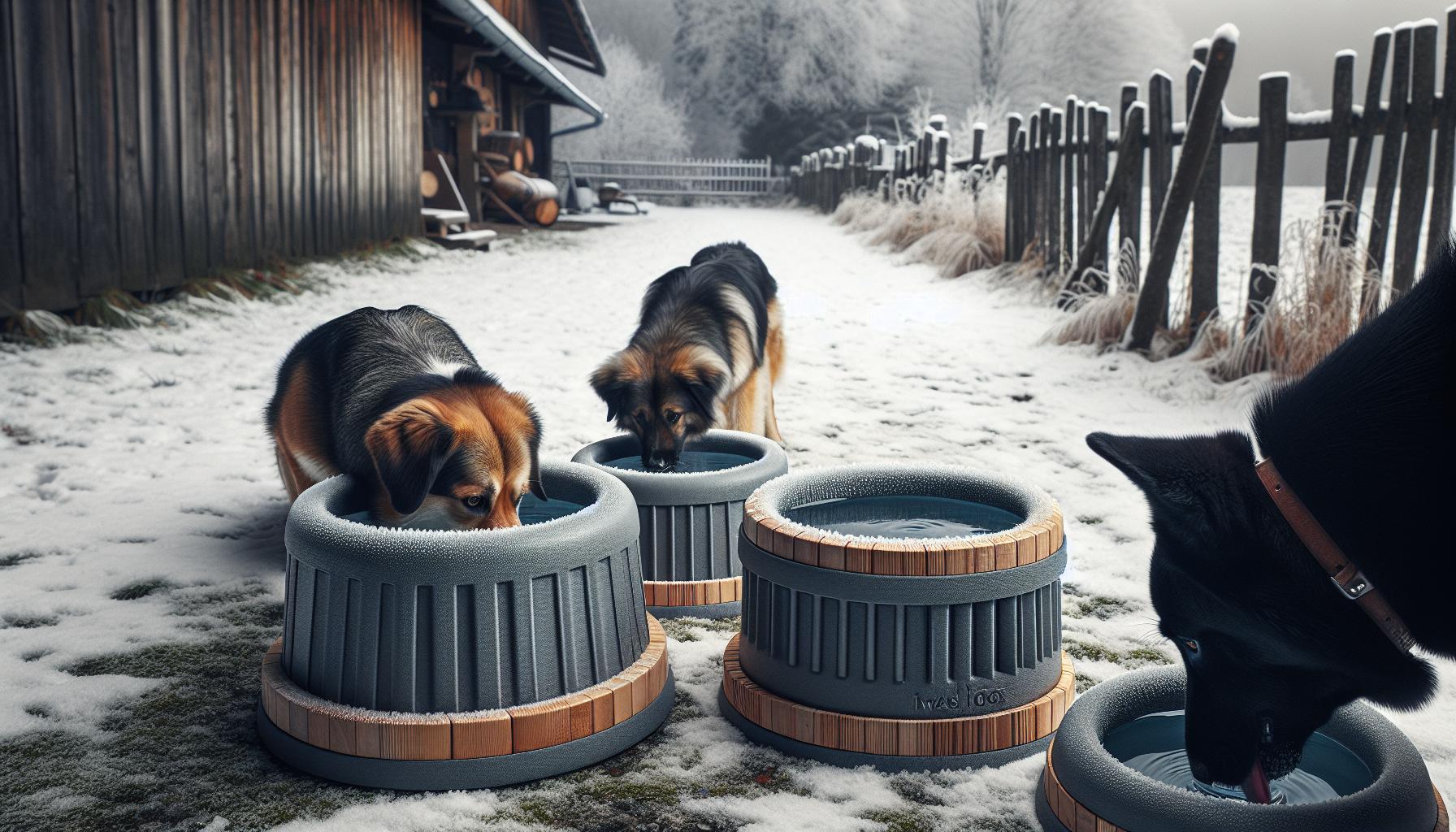
When the temperatures drop, keeping your dog’s water from freezing can become a daunting task. Yet, selecting the right insulated water bowl can make all the difference, ensuring your furry friend stays hydrated even in the harshest winter weather. Insulated bowls work by trapping warmth and creating a barrier against the chilling air, helping to keep the water at a drinkable temperature. Plus, these bowls come in various materials and designs, so you can find one that suits your dog’s needs and your aesthetic preferences.
One popular option is double-walled insulated water bowls. These bowls have an inner and outer layer, creating a pocket of air that acts as an insulator. Look for materials like stainless steel or high-quality plastic, which are both durable and easy to clean. Another benefit of double-walled designs is that they tend to be heavier, reducing the risk of spills caused by enthusiastic drinkers. Brands like PetFusion and LickiMat have received positive reviews for their effectiveness in preventing freezing while also being functional and easy to handle.
If your dog’s a heavy drinker, consider also investing in a heated pet water bowl. These bowls come with a built-in heating element that keeps the water at a comfortable temperature, preventing any chance of freezing. However, before choosing this option, evaluate safety features such as chew-proof cords and automatic shut-off characteristics to ensure your pet’s safety. Heated bowls are particularly effective for breeds that tend to drink a lot of water or for homes located in extremely cold climates.
Lastly, when selecting an insulated bowl, consider your dog’s size, breed, and drinking habits. Smaller breeds like Chihuahuas may require smaller, more portable bowls, while larger breeds like Labradors will benefit from larger, more robust options. Remember to check your dog’s bowl routinely for cleanliness and water levels; even the best insulated bowls cannot maintain hydration if they’re often forgotten or ignored on freezing days.
DIY Solutions: Keeping Water from Freezing
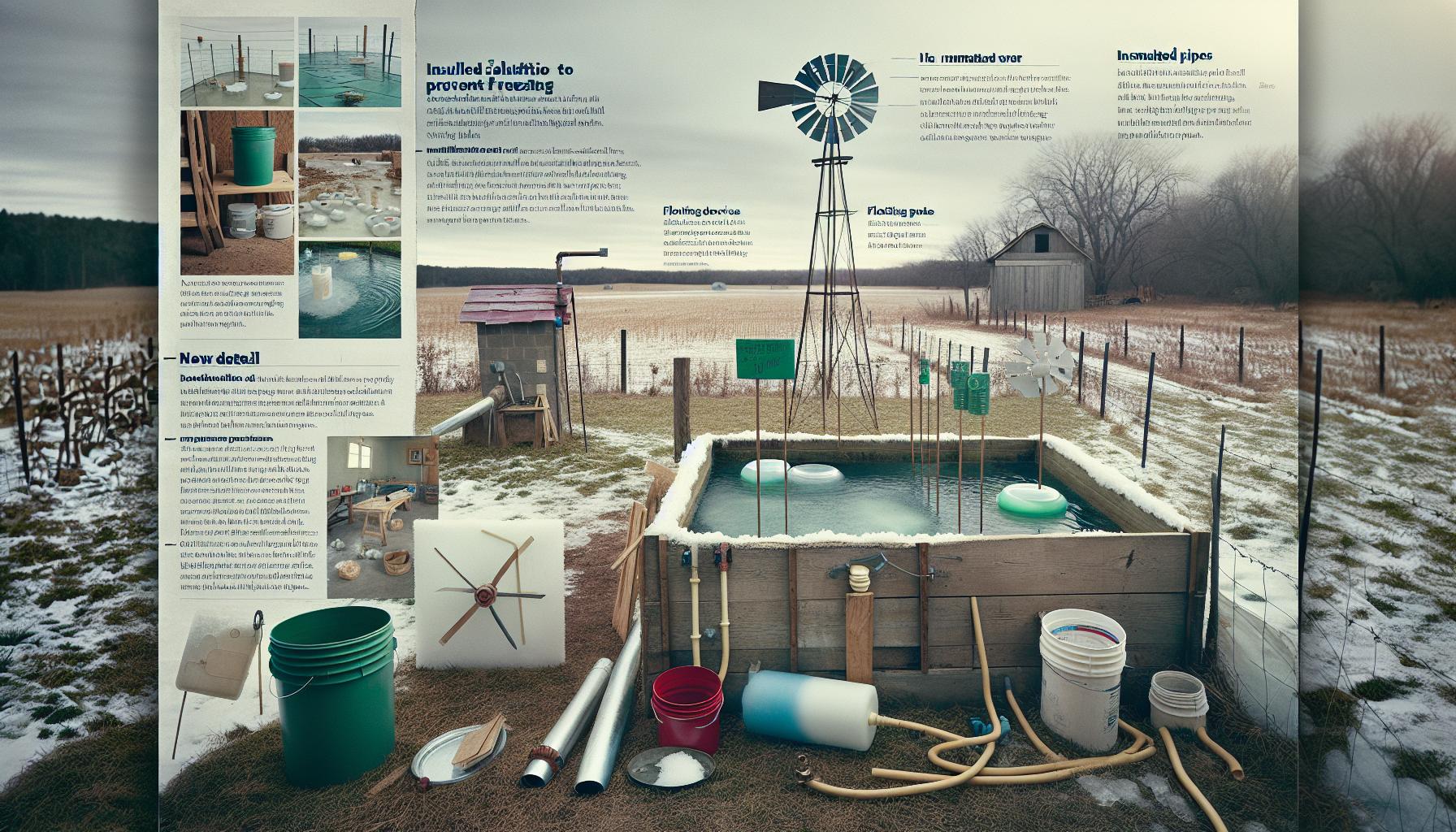
When winter hits, keeping your furry friend hydrated can feel like a formidable challenge, especially when temperatures plummet and water freezes quickly. Fortunately, there are several effective DIY solutions to ensure your dog’s water remains accessible and free from ice, allowing for uninterrupted hydration during the chilly months.
One simple trick involves using the natural heat from the ground to your advantage. If possible, place your dog’s water bowl in a location where it can receive direct sunlight during the day. This will help warm the bowl enough to prevent freezing. Additionally, digging a small hole in the ground to partially bury the bowl can help maintain a slightly warmer temperature, as the earth acts as an insulator against the cold air.
Another effective DIY solution is to create a “floating” effect in the water bowl. Place a larger bowl upside down within your dog’s water bowl, leaving a gap around the edges. Fill the bowl with water, which can help create an air pocket that insulates the water below, reducing the chance of freezing. Moreover, some pet owners have had success using tennis balls or large stones as floats. They not only add insulation but can also keep the water moving slightly, which can help in preventing freezing.
If you’re up for a more hands-on approach, consider wrapping your dog’s bowl with insulated materials. Products like reflective bubble wrap, typically used for home insulation, can easily be wrapped around the bowl and secured with tape or a rubber band. This can significantly increase the bowl’s resistance to the cold. Furthermore, using an insulated carrier or cooler can be a great option; simply place the water bowl inside and keep it mostly covered, allowing your pup to access the water without it quickly turning to ice.
Lastly, make it a habit to check and refill your dog’s water several times a day. Brushing away any snow or ice that might collect around the bowl can help ensure your dog has a clear path to hydration. With a little creativity and some extra care, you can ensure your pup stays hydrated, even when winter weather tries to freeze them out!
Heated Water Bowls: Pros and Cons
When winter descends and temperatures plunge, maintaining your dog’s hydration becomes crucial, and heated water bowls can be an excellent solution. These electric bowls are designed to keep water at a drinkable temperature, preventing it from freezing even in the coldest conditions. However, as with any pet care product, there are both benefits and drawbacks to consider when deciding if a heated bowl is the right choice for you and your furry friend.
One of the primary advantages of heated water bowls is their convenience. They streamline your daily routine by reducing the need to constantly check and refill your dog’s water supply, especially during extreme cold. For dog owners who live in particularly frigid areas, these bowls can be a game changer, ensuring your pet stays hydrated without the hassle of manually thawing water multiple times a day. Moreover, heated bowls can encourage dogs to drink more frequently, which is essential for their overall health and well-being.
Despite their benefits, heated water bowls come with a few considerations. First is the potential for electrical hazards; ensuring that the bowl is safely placed away from chewing or water spillage is critical. Additionally, not all dogs adapt well to electric bowls, and some might be hesitant due to the warmth of the heating element. It’s essential to monitor your pet’s behavior around a new water bowl, especially if they’re not familiar with the concept of heated water. Furthermore, while most bowls are energy-efficient, using heated bowls continuously can add to your electricity bill, which is worth factoring into your decision.
It’s also important to consider the breed-specific needs of your dog when choosing a heated bowl. Larger breeds or those that spend extended time outdoors may benefit more from this setup, particularly in snowy climates, while smaller or indoor breeds might not require the same level of temperature control. Ultimately, picking the right heated bowl should involve assessing your dog’s hydration habits, outdoor exposure, and potential preferences.
By weighing these pros and cons, you can make an informed decision on whether a heated water bowl will effectively solve your winter hydration challenges while ensuring your dog remains happy and healthy throughout the colder months. With careful consideration and attention to your pet’s needs, you can navigate winter’s frosty grip with confidence, keeping your furry companions hydrated and thriving.
Location Matters: Optimal Placement for Water Bowls
Choosing the right location for your dog’s water bowl during winter months can significantly affect their hydration levels and overall health. Just like we prefer to have our refreshments in cozy spots, your furry friend would appreciate a well-thought-out placement as well. Did you know that water can freeze in just a few hours if left in the wrong environment? This makes it vital to position their water bowl thoughtfully to prevent freezing and to encourage regular drinking.
Firstly, consider moving the water bowl to a sheltered spot, such as a porch, garage, or entryway where it’s protected from harsh wind and snow. Such areas typically maintain a slightly warmer microclimate compared to open spaces, reducing the likelihood of the water freezing. You should also avoid placing the bowl directly on cold surfaces like concrete or metal, as they can draw heat away from the water. Use an insulated feeding mat or set the bowl on a thick piece of wood to help insulate it from the ground.
Another tip is to position the water bowl away from your dog’s food bowl. Dogs often engage in play or activity near mealtime, which can lead to splashes and spills; if your dog’s water bowl is too close, it might freeze faster due to the increased exposure to the elements. Consider showing your pets that fresh water is nearby by placing the water bowl in their favorite hangout area where they feel comfortable and frequently congregate, encouraging them to hydrate more often.
Lastly, always maintain good visibility of the water bowl. If it’s hidden or under heavy snow, your dog may not find it easily. Regular TLC-checking and refreshing the water supply-will ensure your pup always has access to clean, unfrozen water. If you have multiple dogs, setting up several bowls in different locations can prevent competition over a single source and ensure that each dog has consistent access to hydration.
Incorporating these strategies will help ensure your dog remains hydrated, healthy, and happy through winter’s challenges. Remember, keeping their water bowl in a warm, easily accessible location can make all the difference in their comfort and overall well-being during frosty days.
Tips for Maintaining Fresh Water During Winter
Keeping your furry friends hydrated during the cold winter months can be more challenging than you might think. Water sources can freeze quickly in low temperatures, which can lead to dehydration and health issues for your dog if not monitored closely. The good news is that there are various strategies to maintain fresh water for your pooch, ensuring they stay healthy and happy throughout the chilly season.
One effective way to keep water accessible is by using quality insulated water bowls designed for outdoor environments. These bowls are typically double-walled to create a buffer against extreme temperatures and reduce the likelihood of freezing. When choosing a bowl, look for options made of durable materials that can withstand the elements, such as stainless steel or heavy-duty plastic. Heating elements embedded within the bowl can also provide a steady source of warmth, preventing water from freezing even in severe conditions.
Another practical approach is to implement a routine of regular checks. During extremely cold days, make a habit of checking your dog’s water bowl several times a day. If you notice the water is starting to freeze, replace it with fresh, warm water to encourage drinking. This is particularly important for large breed dogs that may require more water compared to smaller breeds.
Additionally, you can consider using simple DIY methods, such as providing warm water in the morning and later in the evening. You can also mix in a little bit of low-sodium broth to make the water more enticing. For extra motivation, try melting snow or ice in a container before adding it to their water bowl. This not only keeps it fresh but can be a fun treat for your dog!
Remember, visibility is crucial; place the bowl in an area that is easily accessible and doesn’t get buried in snow. If possible, change the bowl’s location based on the weather conditions, seeking a spot that maximizes sun exposure during the day. Regularly cleaning the bowl is also essential for maintaining freshness and preventing bacteria growth, which can deter your pet from drinking. Taking these steps not only helps keep your dog’s water from freezing, but also promotes healthy hydration habits during those frosty months.
Breed-Specific Needs: Tailoring Hydration Solutions
Ensuring that every dog breeds stays hydrated during the winter months is essential, as each breed has its unique hydration needs influenced by factors like size, coat type, and activity level. Large breeds, such as Great Danes or Saint Bernards, typically require more water than smaller breeds like Chihuahuas. However, larger bodies can also mean larger water bowls, which can freeze faster in harsh conditions. These dogs may benefit from heated bowls due to their sheer size and increased water intake requirements, keeping the water accessible without the constant need to refill.
On the other hand, small to medium-sized breeds often have higher metabolisms, which can require frequent hydration, especially if they remain active in the cold. Breeds like terriers or corgis are prone to drink less when the water is too cold for comfort. For these pups, consider adding warm water or low-sodium broth to their bowl on especially chilly days to promote drinking. This small adjustment can make a noticeable difference in their total water intake, ensuring they remain hydrated.
Additionally, don’t overlook breeds with thick, double coats, like Siberian Huskies or Golden Retrievers. While their fur provides insulation against the cold, these dogs may still experience dehydration if their water supply freezes or remains too cold. Utilizing insulated bowls or placing their water in a location with more sunlight can help. Moreover, since these breeds enjoy outdoor playtime in the snow, offering warm water after exercise can encourage them to hydrate post-activity, vital for recovery and overall health.
In all cases, it’s crucial to keep an eye out for signs of dehydration such as lethargy, dry gums, or decreased urination. If you notice such symptoms, adapt their hydration routines as needed. Tailoring your approach based on breed-specific needs will not only prevent discomfort but also promote a healthy winter experience for your beloved companions.
Signs Your Dog Isn’t Drinking Enough Water
It can be concerning when you notice your dog isn’t drinking enough water, especially during the cold winter months when hydration is paramount. Dogs are often less inclined to drink in colder weather, leading to potential dehydration that can sneak up on you. Understanding the signs that your furry friend may not be getting enough fluids is crucial to ensuring their health and comfort throughout the season.
One of the most noticeable indicators of dehydration is a change in your dog’s energy levels. If you see your pup appearing lethargic, sluggish, or disinterested in play, it could be a sign they are not properly hydrated. Check their gums; healthy gums should be moist and pink. If they feel dry or look pale, this may indicate they are experiencing dehydration. Additionally, monitor their urination. If your dog is urinating less frequently or producing dark-colored urine, these are red flags that they might not be drinking enough water.
Dogs can also exhibit physical signs that they’re not getting enough fluids. Look for prominent skin elasticity; gently pinch the skin at the back of their neck. If the skin doesn’t quickly return to its normal position, they may be dehydrated. Pay attention to their coat as well; a dull, dry, or brittle coat can be indicative of dehydration, particularly in breeds with thicker fur, such as Golden Retrievers or Siberian Huskies.
To combat these issues, ensure your dog has consistent access to fresh water and consider adding warm water or broth to their drinking bowl to make it more appealing during those chilly days. By being vigilant and responsive to these signs, you can help keep your dog healthy and hydrated, ensuring they can enjoy the winter months to the fullest.
Engaging Your Dog: Fun Ways to Encourage Drinking
When the temperature drops, ensuring your dog stays hydrated can become a creative challenge. Dogs might not feel the urge to drink as often in the winter, but with a little ingenuity, you can make drinking water a fun and engaging activity! One approach is to introduce flavored water to your dog’s routine. Try adding low-sodium chicken or beef broth to their regular water bowl. Not only does this add a delicious twist that entices them to sip more often, but it also provides added nutrients during the colder months.
Interactive feeding toys can also be a fantastic way to encourage your dog to hydrate. Look for toys that dispense water or have compartments for treats. These toys make it an adventure for your dog as they play and explore to get their rewards. Pair this with regular playtime sessions where you can fill a shallow dish with water and toss in their favorite floating toy. They’ll be too busy having fun to remember they might not have sipped much water lately!
Creating a positive routine around drinking can further solidify your dog’s hydration habits. Schedule specific times for “water playtime,” where you offer fresh water while engaging in gentle play. For instance, you might play a game of fetch or allow them to splash in shallow water while they take breaks to drink. This positive reinforcement can make drinking a rewarding experience instead of a chore.
Finally, consider incorporating regular monitoring routines to keep things fun. Use a brightly colored bowl, change its location, or try a special design that intrigues your dog. Dogs are creatures of habit, and changing their environment can stimulate curiosity about their water bowl. With a touch of creativity and a bit of planning, you can make hydration during winter an enjoyable part of your dog’s daily routine!
Staying Prepared: Winter Water Care Checklist
Ensuring your dog’s water supply remains unfrozen during the winter months is critical for their health and happiness. Did you know that dogs can actually lose interest in drinking water when it’s cold, sometimes leading to dehydration? To help you prepare for the chilly season and keep your furry friend properly hydrated, here’s a useful checklist that addresses common winter water challenges.
- Choose the Right Water Bowl: Opt for insulated or heated water bowls. Insulated bowls can keep water from freezing longer, while heated varieties maintain a constant temperature that ensures your dog’s water stays liquid.
- Monitor Water Levels: Check your dog’s water bowl multiple times a day. Cold weather can cause water to freeze or evaporate, so it’s essential to refill it regularly. Setting reminders on your phone can help.
- Location, Location, Location: Place the water bowl in a sheltered area away from drafts and direct cold exposure. A spot near a wall where the sun shines in the morning can help, even during winter.
- Use Warm Water: Fill the bowl with warm water to help prevent freezing. This easy hack can create a cozy oasis for your pup, encouraging them to hydrate more often.
- Consider Additives: Adding a bit of low-sodium broth can make the water more enticing. Not only does it taste better, but it also provides extra nutrients, particularly important during winter when dogs may have higher energy needs.
- Engage with Fun Activities: Turn hydration into a game! Schedule “water playtimes” where your dog can enjoy splashing or playing with toys in a shallow bowl filled with warm water. This encourages them to drink more.
- Be Observant: Keep a close eye on your dog’s drinking behavior. If they seem to be drinking less than usual, it may be time to take action by changing the water more frequently or trying a different bowl.
- Get Creative with DIY Solutions: If you’re handy, consider creating a insulated water bowl housing with materials that trap heat. This can be a simple wooden structure with foam insulation to keep the bowl warm.
Being proactive about your dog’s hydration in the winter is essential. This checklist not only gives you practical steps to follow but also helps ensure your pup stays healthy and happy, regardless of the chill outside! Remember, a well-hydrated dog is a happy dog, even in the frosty months.
Expert Tips for Dog Owners Facing Harsh Winters
As winter blankets the ground in a crisp layer of snow, it’s essential to remember that our furry friends need special care to stay hydrated in the cold. Many dog owners underestimate the impact of winter on their pets’ water intake. Did you know that dogs can instinctively drink less when temperatures drop? This passive reduction can lead to dehydration, especially in breeds that thrive in cooler climates. Understanding how to keep your dog’s water supply unfrozen is paramount for their overall health and happiness during the frostier months.
One of the first strategies to consider is the placement of your dog’s water bowl. Positioning it in a sheltered area can significantly reduce the chances of freezing. For example, placing the bowl near a south-facing wall can allow it to catch the sun’s warmth during the day, keeping it slightly warmer. Additionally, you might want to invest in an insulated water bowl. These bowls can retain heat more effectively than regular ones, slowing the freezing process. Alongside this, using warm water when filling the bowl can provide a temporary buffer against freezing, helping to maintain a comfortable drinking temperature for your pet.
For those who enjoy a DIY approach, there are innovative ways to create a cozy hydration station for your dog. You might consider building a simple insulated enclosure around your water bowl. Using readily available materials like Styrofoam or insulating blankets can help keep the water from turning into ice. Adding a layer of reflective material, such as aluminum foil, can also help to retain warmth. Moreover, using a low-wattage heated bowl can be an effective solution, ensuring a steady supply of liquid water, perfect for those particularly freezing days. However, it’s vital to monitor these heated solutions to prevent overheating.
As you navigate the winter season, remember to keep a watchful eye on your dog’s drinking habits. Look for signs of dehydration such as lethargy, decreased gum moisture, or dry skin. Engaging your dog through fun activities like water play can foster a positive association with drinking, encouraging them to hydrate more regularly. Lastly, prepare a simple checklist to ensure your dog always has access to fresh, unfrozen water, ensuring their well-being through every freezing moment. By taking these proactive steps, you can promote healthy hydration while keeping your pup happy and comfortable throughout the winter months.
Frequently Asked Questions
Q: How do I prevent my dog’s water bowl from freezing?
A: To prevent your dog’s water bowl from freezing, consider using heated water bowls or insulated bowls that maintain temperature. Placing the bowl in a sheltered, sunny spot can also help. Check the water frequently and replace it as needed to ensure your dog stays hydrated during winter.
Q: What type of water bowl is best for winter?
A: Heated water bowls are the best choice for winter, as they maintain water at a drinkable temperature. Insulated bowls are also effective, but they may require frequent refilling to prevent freezing. Explore options based on your dog’s drinking habits and outdoor duration in cold weather.
Q: Can I make a DIY heated water bowl?
A: Yes, you can create a DIY heated water bowl by using a submersible heater designed for animal use. Ensure the heater is waterproof and safe for pets. Alternatively, you can wrap a bowl in an insulated material along with a heating pad for an effective solution.
Q: How often should I change my dog’s water in winter?
A: Change your dog’s water at least twice a day in winter to prevent freezing and ensure freshness. Regularly check the bowl, especially if temperatures drop, to encourage drinking and maintain hydration. This is important for your dog’s health during cold months.
Q: Where should I place my dog’s water bowl in winter?
A: Place your dog’s water bowl in a sheltered area away from wind, like a porch or garage, to reduce freezing. Ensure it’s also in a spot that gets sunlight during the day, as this can help keep the water warmer.
Q: Why is my dog not drinking enough water in winter?
A: Dogs may drink less water in winter due to reduced activity and colder temperatures. Ensure their water bowl is always clean, unfrozen, and appealing. Add warm water or broth to encourage them to drink more, supporting their hydration needs.
Q: What are the signs that my dog is dehydrated?
A: Signs of dehydration include dry gums, lethargy, loss of skin elasticity, and decreased urine output. Monitor your dog’s drinking habits closely, especially in winter, and consult a vet if you notice these symptoms to ensure their health.
Q: How can I encourage my dog to drink more water in winter?
A: To encourage your dog to drink more water in winter, try providing warm water or adding low-sodium broth to their bowl. Offering fresh water multiple times a day and using fun, engaging bowls can also motivate them to hydrate regularly.
Wrapping Up
Keeping your dog’s water from freezing can make all the difference in their winter comfort and health. Remember, providing fresh water and ensuring it stays drinkable is essential for hydration, especially in colder months. If you found these winter solutions helpful, don’t hesitate to implement them right away!
For more insights and tips, check out our articles on “Best Heated Dog Bowls” and “Winter Care Tips for Dogs” to enhance your pet care knowledge. If you have questions or want to share how you keep your dog’s water from freezing, drop a comment below! Your experiences might help fellow dog owners who face the same challenges.
Stay informed and ensure your furry friend stays happy and healthy this winter-consider signing up for our newsletter for expert tips delivered directly to your inbox! Don’t let the chill of winter catch you unprepared; act now to keep your dog’s hydration on point!