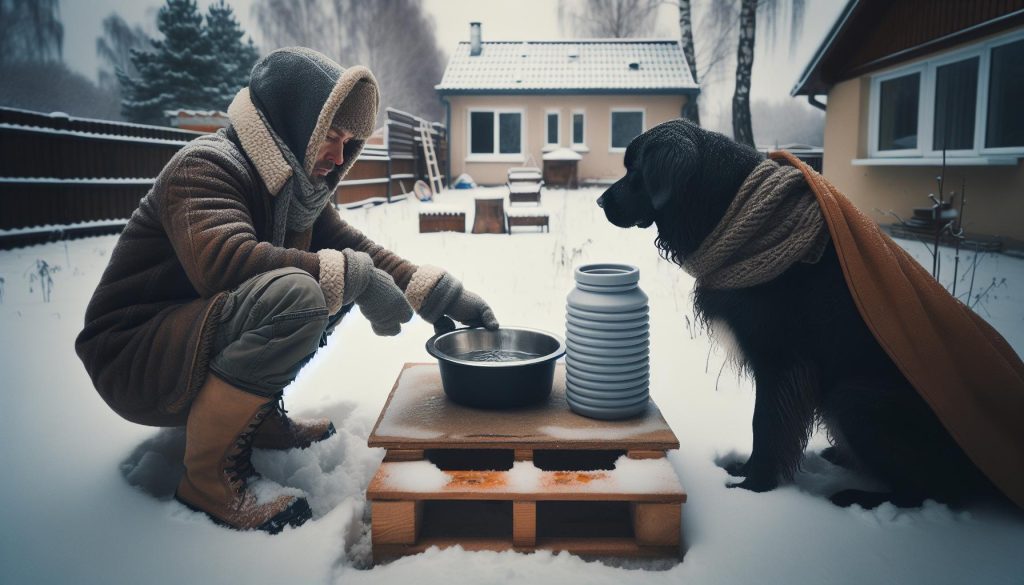
As winter approaches, keeping our furry friends warm and hydrated becomes a top priority. Did you know that dogs can suffer from dehydration even in freezing temperatures? Ensuring their water doesn’t freeze is essential for their health and well-being. In this guide, we’ll explore practical tips and solutions to prevent your dog’s water from turning into ice, ensuring they stay hydrated and happy during the chilly months. Whether you’re a new pet owner or a seasoned handler, these insights will help you safeguard your dog’s hydration needs, making winter care a breeze. So let’s dive in and discover how you can keep your pup’s water fresh and accessible all season long!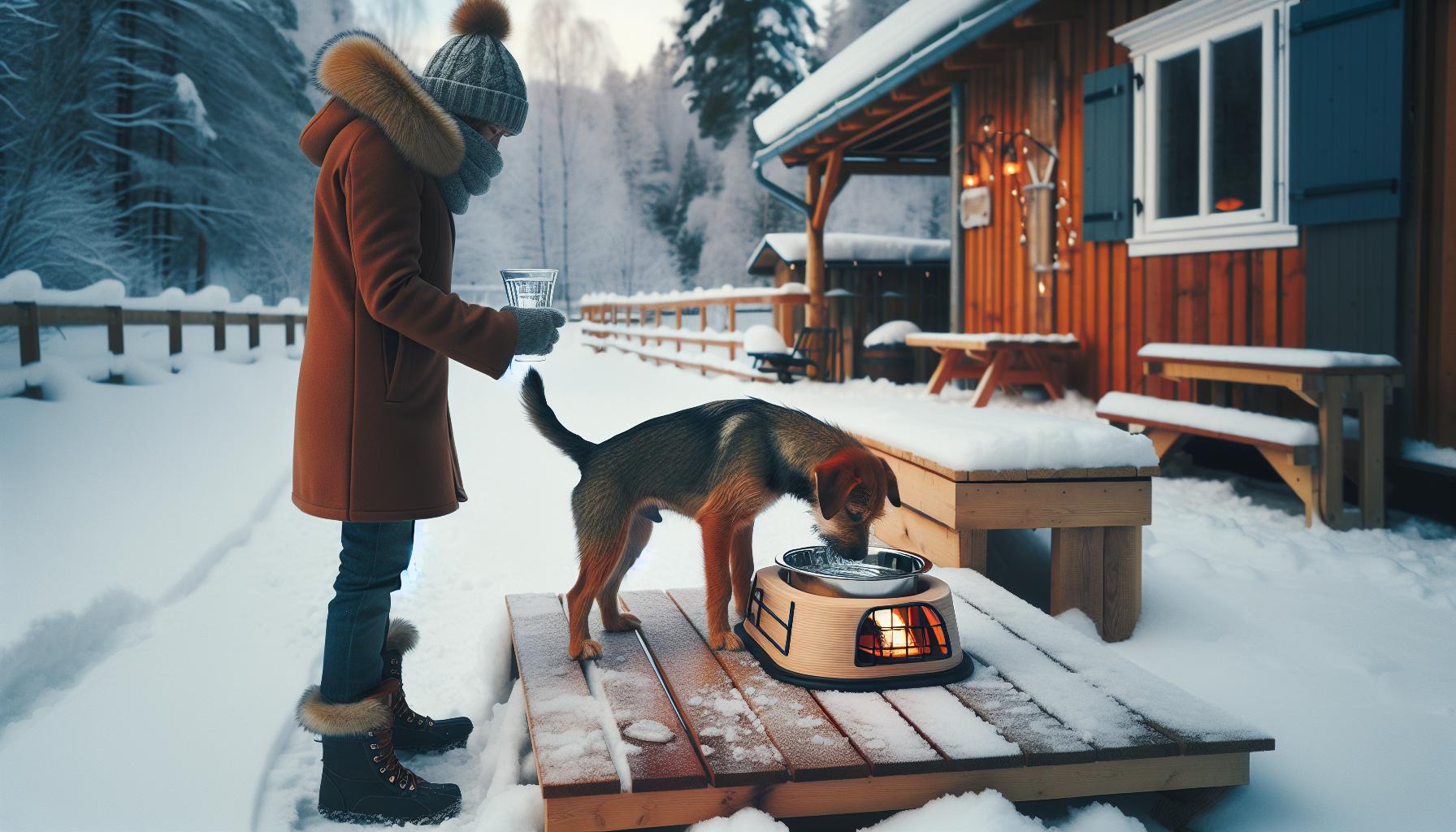
How Cold Weather Affects Your Dog’s Water Needs
As the temperatures drop, it’s not just the cold that we need to worry about; our furry friends face unique hydration challenges. Cold weather can significantly affect your dog’s water needs because dogs tend to drink less when it’s chilly outside. Just like us, they can forget about their hydration when they’re preoccupied with the excitement of winter play. Furthermore, the moisture in their food often gets lower in winter, especially if you’re feeding dry kibble, which can lead to dehydration if not monitored closely.
The dry winter air and heating in our homes can also contribute to a dog’s reduced fluid intake. For dogs that enjoy outdoor time, ensuring access to fresh, unfrozen water is crucial. Dogs can easily become dehydrated in winter, especially if they engage in vigorous activities like playing in the snow. Hydration is essential not only for their overall health but also for maintaining proper body temperature and joint function, which can be particularly critical for active breeds or older dogs suffering from arthritis.
To combat these issues, create a hydration plan for your dog in cold weather. This plan might involve checking water bowls frequently to ensure they are not frozen. You can also consider using heated bowls or insulated containers to keep water at a drinkable temperature. Moreover, incorporating wet food or adding water to meals can boost their overall intake. Observe your dog’s drinking habits closely, and ensure regular offers of fresh water, especially after playtime.
Implementing these simple strategies can make a significant difference in keeping your dog well-hydrated, healthy, and happy during the colder months. Keep in mind that hydration needs can vary by breed and size, so stay attentive to your dog’s unique drinking habits and adjust your care accordingly.
Essential Tips for Keeping Water Warm
When winter rolls around, ensuring your dog’s water remains unfrozen can feel like a daunting task, but it’s essential for their health and well-being. Dogs, much like humans, require adequate hydration year-round, and cold temperatures often lead to frozen water bowls, creating additional challenges for pet owners. Thankfully, there are many practical strategies you can employ to keep your dog’s water warm and accessible, making hydration a breeze even in the chilliest months.
One highly effective method is to invest in heated water bowls. These bowls are designed to maintain a consistent temperature, preventing water from freezing while ensuring it’s always comfortable for your pet to drink. They come in various styles and sizes to fit the needs of all dog breeds, from small to large. Additionally, insulated bowls can also help retain heat. Wrapping your dog’s water bowl with insulating materials or using bowls that are double-walled can provide an extra layer of protection against extreme cold.
For those who prefer a DIY approach, you might consider homemade solutions. A simple yet effective option is to place a regular water bowl inside a larger bowl filled with warm water, creating a natural insulation effect. You can further safeguard against freezing by using a thermal blanket or old towels to wrap the outer bowl. Moreover, regularly checking and refilling the water as needed, especially after your dog has been playing outdoors, will ensure they always have fresh, unfrozen water.
Lastly, consider the placement of the water bowl. Keeping it in a sheltered spot against a wall or near the home can help minimize exposure to the cold wind, which often causes water to freeze faster. If possible, placing the bowl in a sunny area can provide some warmth throughout the day, especially during midday when temperatures may be slightly higher. Remember, your attentiveness to these small details can significantly impact your dog’s hydration levels during the colder months, ensuring they remain healthy and happy.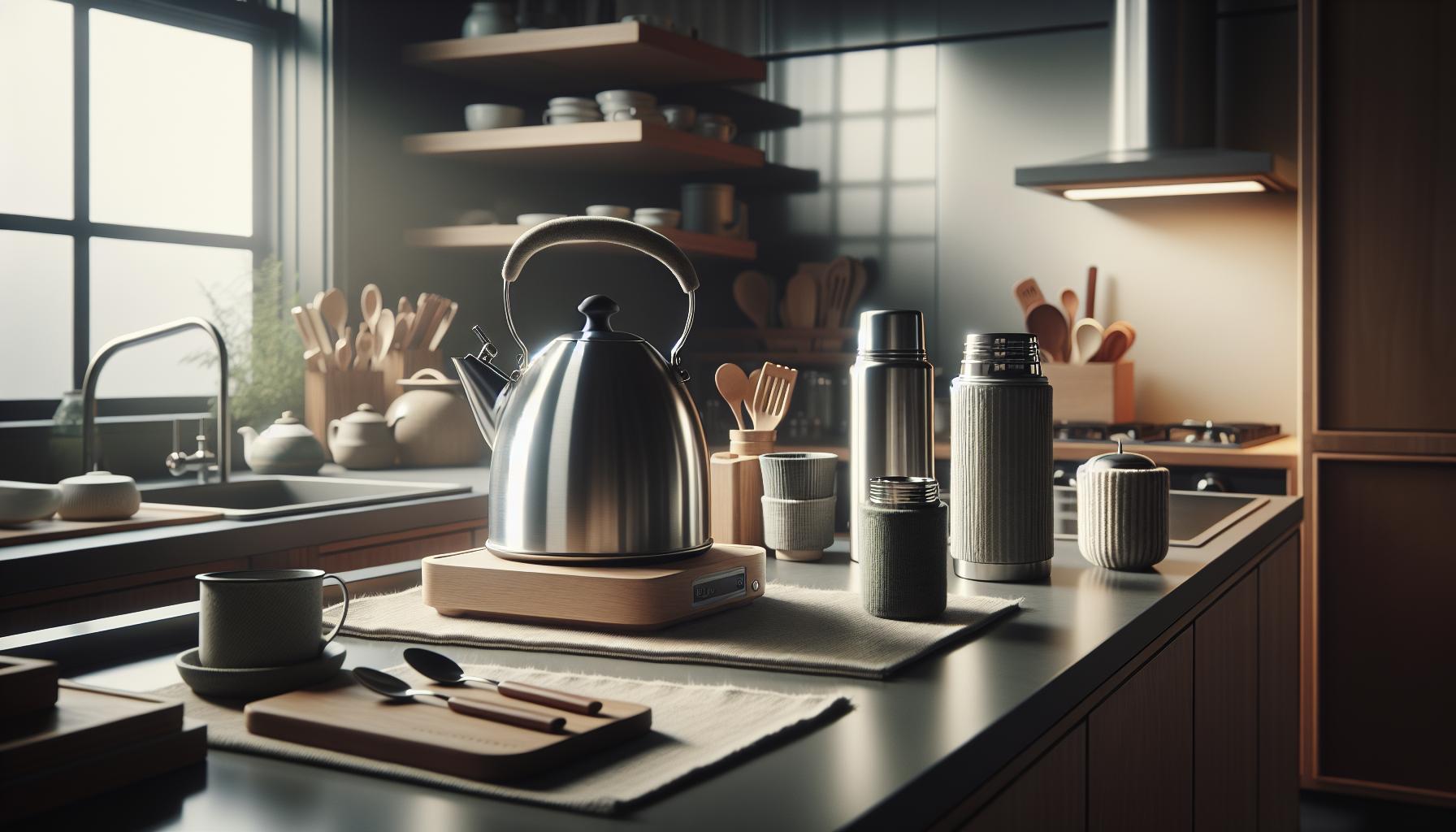
Breed-Specific Solutions for Water Management
When it comes to keeping your furry friend hydrated during the chilly months, different breeds have unique characteristics that can influence their water needs and preferences. For instance, larger breeds like Golden Retrievers and Labrador Retrievers may require more hydration due to their size and higher activity levels, while smaller breeds such as Dachshunds or Chihuahuas may drink less but can still suffer from dehydration just as easily. Understanding these nuances can help you implement tailored solutions to manage their water effectively.
Large Breeds
For larger breeds, it’s crucial to provide ample amounts of water that remain unfrozen. Consider using larger heated water bowls that can hold more liquid, minimizing the frequency of refills. These breeds often enjoy outdoor play in the snow, making it essential to monitor their water intake closely. Creating a schedule for outdoor time can help eliminate the chances of their water freezing during long play sessions. Moreover, since larger breeds can be more sensitive to extreme temperatures, positioning their water bowl in a sheltered area will protect it from harsh winds and prevent freezing.
Medium to Small Breeds
Smaller breeds can be more susceptible to the cold, and they might require more frequent hydration compared to larger dogs due to higher metabolism rates. Providing a heated water bowl specifically designed for smaller dogs will ensure the water stays warm enough to drink. Also, consider using bowls with lower sides, allowing these petite pups to access the water easily without the risk of chilled paws. You might also want to frequently check their water levels, especially when they’re actively playing outside, as they can ignore their thirst while having fun.
Additional Considerations
No matter the breed, here are some actionable tips to manage water needs effectively throughout winter:
- Monitor Hydration: Regularly check their drinking habits and ensure they remain hydrated.
- Choose the Right Bowl: Opt for bowls that are the appropriate size and type for your dog’s breed.
- Placement Matters: Position bowls away from heavy snow accumulation or strong winds to reduce freezing risks.
- Involve Your Dog: Let them participate in choosing their water station. A little personalization can be comforting!
By understanding your dog’s specific needs based on their breed, you can create a tailored water management strategy that not only keeps their water warm but also ensures they remain healthy and happy during the cold months.
Creative Solutions for Outdoor Water Bowls
When temperatures plunge, keeping your dog’s water bowl unfrozen can feel like a daunting task, but several creative solutions can make it easier. For instance, using a heated water bowl is one of the simplest and most effective methods to ensure that your dog’s water stays liquid and accessible. These bowls come with built-in heating elements that keep the water warm, even in the coldest conditions. Available in various sizes, they cater to both large and small breeds, so you can find the perfect fit for your furry friend.
Another innovative approach is to create an insulated water bowl setup using common household items. For example, place your dog’s bowl inside a larger, sturdier bowl and fill the space between the two with insulating materials like straw or foam. This layered method helps maintain the water temperature longer and reduces the chances of freezing. You can also consider using pet-safe heating pads underneath the bowl-just be sure to monitor them to prevent overheating and ensure your dog’s safety.
It’s essential to keep an eye on the bowl’s placement, too. Positioning it in a sheltered area, like near a wall or under a roof overhang, can shield it from wind chill and snow accumulation, which significantly lowers the freezing risk. Additionally, if you’re up for a bit of DIY, you might want to try building a small snow shelter around the bowl or placing the bowl inside a plastic bin with a cut-out for your pet to access. This adds an extra layer of protection against freezing temperatures while still allowing your dog to hydrate easily.
Lastly, create a routine of checking and refreshing water throughout the day, especially after periods of outdoor play. This habit is not only practical but also fosters a more attentive relationship between you and your dog. With these creative solutions, you can ensure your pup stays hydrated and happy, even when the weather outside is frightfully cold!
Understanding Ice Prevention Technologies
When winter rolls in, the challenge of keeping your dog’s water bowl from freezing becomes crucial for their hydration and health. Understanding the various technologies designed to prevent ice formation can make a significant difference in ensuring your furry friend stays properly hydrated throughout colder months. From heated waterers to advanced insulation methods, there are several effective solutions you can implement.
One of the most popular technologies is the heated water bowl. These bowls come equipped with electrical heating elements to keep the water at just the right temperature, preventing freezing even on the coldest days. When choosing a heated bowl, look for options that are durable, pet-safe, and designed for outdoor use. For instance, bowls made from stainless steel are often more resistant to wear and tear than plastic.
In addition to heated bowls, there are innovative products like solar-powered water heaters. This eco-friendly option utilizes solar energy to warm the water during the day. While it may not be as effective in extreme cold or during prolonged cloudy periods, it serves as a wonderful supplement for pet owners concerned about energy consumption.
Insulated water bowls are another excellent choice. These bowls feature double walls filled with insulating material, which effectively keeps the water temperature regulated. To enhance their effectiveness, you can also wrap the bowls in insulating blankets or place them inside larger protective containers filled with straw or foam. Positioning these bowls in sheltered spots-like against a wall or under a roof-further assists in maintaining the temperature and preventing ice buildup.
Finally, consider automatic water refill systems. While primarily designed for continuous water supply, many of these systems include a heating component that keeps water at a desirable temperature. Such setups cater well to larger breeds or multiple dogs, minimizing the need for constant monitoring and refreshing of their water supply through the day.
With the right methods in place, you can ensure your pup has access to fresh, unfrozen water even in the harshest winter conditions. Taking these proactive steps not only helps maintain their hydration but also contributes to their overall well-being during the chilly months.
Indoor Water Tips for Cold Climates
When the temperature drops, keeping your dog’s water from freezing indoors can be a challenge, especially if you live in particularly cold climates. Did you know that dogs can be just as susceptible to dehydration in the winter as they are in the summer? That’s why ensuring they have access to fresh, unfrozen water year-round is vital for their health. Here are some practical tips to help you manage your dog’s hydration indoors during colder months.
One effective strategy involves utilizing insulated water bowls that safeguard against freezing. These bowls can be placed in a warm area of your home, such as near a heater or in a sunlit spot. If you’re using a standard bowl, consider placing it inside a larger bowl filled with warm water, creating a double layer of insulation. This homemade solution works wonders, as the warmth from the inner bowl can help maintain a higher temperature.
Additionally, ensure that you check and replace the water regularly. In cold weather, the water may not freeze solid immediately; it could just become extremely cold. Dogs often prefer fresh, cool water over ice-cold or stale options, so routine refills will encourage them to stay hydrated. Consider setting a daily schedule to monitor and change the water, which is especially helpful if you have multiple pets.
Moreover, think about relocating your dog’s water bowl away from areas that tend to feel chillier in your home, such as drafty doorways or cold floors. Establishing a designated drinking area in a cozy room can foster better habits. Make sure the bowl is always in a safe and accessible spot to encourage your dog to drink freely.
Incorporating these practices will not only keep your dog’s water warm and unfrozen but also promote a healthy hydration routine that supports their well-being during the colder months. Plus, with these proactive measures, you’ll spend less time worrying about icy water and more time enjoying cozy moments with your furry friend!
Signs Your Dog Isn’t Hydrated Enough
It’s a little-known fact that dehydration in dogs can be just as critical in winter as it is in the scorching heat of summer. In cold weather, it’s easy to overlook hydration needs since your dog might not seem as thirsty. However, a dog that’s dehydrated might show subtle signs that can escalate into serious health issues if not addressed promptly. Recognizing these indicators is essential for maintaining your furry friend’s health and well-being during the frigid months.
One of the most consistent signs of dehydration is a change in your dog’s gum color. Healthy gums are typically a light pink hue. If they appear pale, dry, or sticky, it’s a significant red flag signaling that your dog might not be getting enough fluids. Another easy at-home test is the skin turgor test: gently pinch the skin at the back of your dog’s neck or between their shoulder blades. If the skin doesn’t snap back into place quickly, your dog may be dehydrated.
Additionally, pay attention to your dog’s energy levels. A normally energetic pup that suddenly becomes lethargic or shows a lack of interest in activities might be feeling under the weather. Dogs that are well-hydrated will likely be more playful and engaged. Changes in your dog’s urine can also indicate hydration problems; dark yellow or amber urine often points to insufficient water intake, whereas normal hydration usually results in a pale yellow color.
Lastly, excessive panting or drooling can be another red flag, especially if accompanied by a decreased appetite. Dogs need water for all bodily functions, including helping regulate their body temperature. If you observe these symptoms, consider boosting their hydration with fresh water and even electrolyte solutions designed for pets, if recommended by your vet. By being vigilant about your dog’s hydration status, especially in the cold, you can help ensure they remain healthy and happy throughout winter.
Best Practices for Water Bowl Placement
Ensuring your dog has access to fresh water in cold weather is vital for their health, but where you place their water bowl can make a significant difference in keeping it from freezing. Dogs need hydration year-round, and the right placement strategy can help you maintain accessible water while minimizing the risk of freezing. Consider positioning the bowl in a sheltered area, such as near the house or in a covered location where it’s less exposed to harsh winds and freezing temperatures. This simple step can help conserve heat and reduce ice formation, which is especially important for outdoor dogs.
Another effective strategy involves choosing the right materials for the bowl itself. Stainless steel or ceramic bowls are less likely to conduct cold than plastic ones, which can help keep water from freezing as quickly. Moreover, consider using raised bowls; this not only promotes better posture during drinking but can also help reduce the amount of snow or ice buildup inside. If your dog tends to knock over their bowl while playing, weighing it down or securing it in a more stable area can prevent constant spills, ensuring they have water whenever needed.
Additionally, timing is everything. Placing water bowls outside during the warmest part of the day can help maintain a liquid state longer, while refilling in the early evening can be beneficial as temperatures drop. It’s also helpful to check the bowls frequently-especially during particularly cold spells-to ensure that your dog is always hydrated. Remember, dogs will drink less when it’s cold outside, but their needs remain the same, so your proactive management during cold months can be the key to ensuring their health and well-being.
Implementing these practices can transform a simple water bowl into a reliable source of hydration for your furry friend, helping to keep their spirits high even in the chill of winter.
Homemade Solutions for Insulated Bowls
Creating insulated water bowls for your dog can be a game-changer during the frigid winter months. Did you know that with a little ingenuity, you can transform ordinary bowls into effective tools to keep your furry friend hydrated? Insulated bowls not only prevent water from freezing quickly but also provide a warmer drinking experience that encourages hydration, essential for your dog’s overall health.
One straightforward method for crafting an insulated bowl involves using everyday materials. Start with a durable bowl you already have, then find a larger, shallow container-like a plastic tub or even a metal bucket-that can hold the smaller bowl snugly within it. Fill the space between the two bowls with insulating materials such as straw or recycled paper. These materials retain heat and significantly slow the transfer of cold, meaning your dog’s water stays in liquid form longer. An additional layer of protection can be achieved by lining the outer bowl with bubble wrap, which will enhance its insulation further. Just remember to line the inner bowl with something your dog can’t chew through!
For those who enjoy a touch of DIY creativity, consider making a heated water bowl. You can purchase pet-safe heating pads or use a simple electric heating element. Just ensure it’s wrapped securely in a weatherproof covering and hidden away from your dog to prevent chewing. The goal is to keep the water temperature above freezing without running the risk of burns. This solution is particularly beneficial for breeds that are more susceptible to cold, such as greyhounds or whippets.
Regular maintenance and monitoring of these homemade solutions are essential. Check the insulation regularly to ensure it remains intact, and refill the water daily to keep it fresh. Additionally, encourage your dog to drink by placing enticing treats nearby or offering praise when they approach their bowl. Keeping your canine friend hydrated during winter will support their health and happiness, helping them enjoy the cold weather to its fullest!
Healthy Hydration Habits in Winter
Keeping your dog hydrated during the winter months can be a challenge, but developing healthy hydration habits is crucial for your dog’s well-being. Dogs can be at risk of dehydration even in cold weather, as many owners overlook their water needs when the temperatures drop. Just like humans, dogs can experience decreased thirst in winter, which can lead to various health issues. Unbeknownst to many pet owners, the dry winter air can cause dehydration as effectively as the summer heat does.
To ensure your furry friend stays properly hydrated, establish a routine for refreshing their water bowl multiple times a day. Regularly changing the water not only keeps it appealing but also removes any contaminants that can accumulate. Consider using bowls designed to minimize freezing – such as double-walled versions that trap air for insulation or heated options that maintain a consistent temperature. Offering warm water, if feasible, can also entice your dog to drink more frequently.
Monitoring your dog’s water intake is important. The average dog needs about one ounce of water per pound of body weight daily, but this can vary with activity level, size, and dietary factors. You might want to keep a log of how much water they consume to stay aware of any drastic changes. If you notice that your dog seems to be drinking less than usual or displaying signs of dehydration – such as a dry nose, lethargy, or reduced skin elasticity – consult your veterinarian for advice.
Additionally, include fresh vegetables, like cucumbers and watermelon, in their diet as they provide hydration and are often well-received by dogs. Providing these nutritious snacks enhances hydration while adding variety to their meals. Always remember, a little extra effort goes a long way in keeping your canine companion healthy and happy during the chilly months!
Monitoring Your Dog’s Water Intake
It’s surprising how many pet owners overlook their dog’s hydration needs during the cold months. Frigid temperatures can reduce a dog’s thirst instinct, leading to potential dehydration. Just like how a warm summer day can sway our desire for water, the winter chill often makes dogs less inclined to drink up. To keep your beloved companion healthy, regularly monitoring their water intake is essential.
First, establish a baseline for how much water your dog typically consumes. As a general rule of thumb, dogs need about one ounce of water per pound of body weight each day. However, various factors such as activity level, size, and diet may affect these needs. Keeping a small notebook or using a pet health app to record their water intake can help you notice any concerning changes. For instance, if your 40-pound dog usually drinks around 40 ounces daily but suddenly drops to 20 ounces, it might be time to investigate further.
In addition to observation, incorporate practical strategies to encourage your dog to drink more. Offer fresh, clean water multiple times a day, especially after walks or playtime when they might get thirsty. If your dog enjoys a variety of flavors, consider adding low-sodium broth to their water bowl; this simple trick can entice them to drink more. For safety’s sake, always ensure that the water isn’t too hot or too cold, especially in winter. Dogs may also benefit from the addition of moisture-rich foods in their diet-frozen fruits or vegetables can serve as refreshing treats while giving them added hydration.
Remember, if you notice signs such as lethargy, dry gums, or a decrease in skin elasticity, these may indicate that your dog isn’t getting enough fluids. Don’t hesitate to seek advice from your veterinarian on how to best support your dog’s hydration needs during the cold months. Keeping a keen eye on their water intake not only helps prevent dehydration but also strengthens the bond you share, showing them how much you care for their health and well-being.
Involving Your Dog in Cold Weather Care
Engaging your dog in cold weather care not only strengthens the bond you share but also makes hydration a collaborative effort that can enhance their well-being during chilly months. One unique way to involve your pup is by turning water management into a fun activity. For example, you can take your dog on a mini adventure outdoors to check their water bowl. Dogs are naturally curious, and having them accompany you while you inspect their water source can be beneficial. Use this opportunity to reward them with praise or a small treat, reinforcing positive behaviors around hydration and outdoor activities.
To make it even more interactive, adopt a routine where you explore different water bowl placements. Your dog’s preferences can vary based on their breed, energy level, and habits. For instance, a larger dog like a Labrador might prefer a bowl placed in a sunny spot, while a smaller breed may be more comfortable with a bowl located near shelter. Incorporating them in the decision-making process helps them become more aware of their needs. When recognizing their habits, you can build a checklist to track water bowl locations and optimal times for filling them, ensuring they’re consistently provided with fresh water.
Another delightful option is introducing your dog to DIY insulated water bowls. This can be a fun project to undertake as a team. You can gather the supplies together, and as you assemble the insulated bowl-using materials like foam, Styrofoam, or even repurposed items like an old cooler-your dog can observe and be part of the fun. This hands-on approach gives them a sense of participation and ownership over their hydration needs.
Finally, never underestimate the power of play in reinforcing hydration habits. When engaging in a winter game of fetch, take a pause to refresh your dog with water, emphasizing the connection between play and staying hydrated. This not only encourages them to drink more often but also integrates hydration into their routine seamlessly. By involving your dog in these ways, you not only ensure they remain adequately hydrated, but you also embrace the joy of shared experiences that strengthen your relationship as you navigate the cold together.
Q&A
Q: How can I prevent my dog’s outdoor water bowl from freezing overnight?
A: To prevent your dog’s water bowl from freezing overnight, consider using insulated bowls or heated water bowls. Additionally, placing the bowl in a sheltered area, using warm water to fill it, and surrounding it with straw can help retain heat. Check on the bowl regularly to refresh the water as needed.
Q: What types of heated water bowls are best for dogs in winter?
A: The best heated water bowls for dogs should have a chew-resistant cord and be made of durable materials like stainless steel or heavy-duty plastic. Look for models with thermostatic control to maintain water temperature efficiently. Options include bowls with built-in heating elements and those that plug into an outlet.
Q: Is it safe to use a heated dog water bowl outside?
A: Yes, it is safe to use heated dog water bowls outdoors, provided they are designed for outdoor use and have safety features such as chew-proof cords. Ensure your dog’s drinking area is sheltered to protect the bowl from extreme weather and that the bowl is regularly checked for functionality.
Q: How often should I check my dog’s water in cold weather?
A: You should check your dog’s water multiple times a day in cold weather. Water can freeze quickly, so monitoring ensures your dog always has access to fresh, unfrozen water. If temperatures are extremely low, more frequent checks may be necessary.
Q: What should I do if my dog refuses to drink cold water?
A: If your dog refuses to drink cold water, try warming it slightly or offering room-temperature water instead. Encourage hydration by adding a splash of low-sodium broth to the water, making it more appealing. Frequent monitoring can help ensure your dog is drinking enough.
Q: Can I add anything to my dog’s water to keep it from freezing?
A: Adding a few tablespoons of salt or sugar is not recommended as it can dehydrate your dog. Instead, consider adding warm water or using ice-free products specifically designed for this purpose, which help maintain the water’s temperature without harmful additives.
Q: Why is it important to keep my dog hydrated in winter?
A: Keeping your dog hydrated in winter is crucial because dry, cold air can lead to dehydration. Additionally, dogs may not drink as much water due to cold water temperatures, which can affect their health, energy levels, and overall well-being. Regular access to fresh water is essential.
Q: What common mistakes do dog owners make in winter regarding hydration?
A: Common mistakes include relying solely on outdoor water sources without considering freezing temperatures, failing to check water levels frequently, and using bowls that are inappropriate for cold weather. It’s essential to provide consistent access to unfrozen water and monitor your dog’s hydration needs actively.
In Retrospect
As the colder months approach, ensuring your dog’s water remains accessible and unfrozen is crucial for their health and well-being. Remember that simple solutions like insulated bowls or heated water dispensers can make a significant difference. If you found these cold weather tips helpful, consider checking out our guides on “Winter Care Tips for Your Dog” and “Best Dog Breeds for Cold Weather” for additional insights.
Don’t hesitate to leave a comment below sharing your favorite tips or questions! By taking action today, you can make your dog’s winter experience comfortable and enjoyable. For more tips and to join our passionate community of dog lovers, subscribe to our newsletter. Stay informed and keep your furry friend happy all season long!