As a devoted dog owner, you likely strive to provide the best for your furry friend, including optimal hydration. With the rising popularity of alkaline water, you may wonder whether it’s a safe choice for your pet. While alkaline water is touted for its potential health benefits in humans, it’s crucial to understand how it affects dogs. Notably, your pup’s urinary pH should remain slightly acidic, and introducing alkaline water can disrupt this balance, leading to potential health issues like kidney problems and electrolyte imbalances. In this article, we’ll explore the implications of alkaline water on your dog’s health and provide essential insights to help you make informed decisions about what’s best for your beloved companion. Let’s dive deeper into the science and concerns surrounding alkaline water, so you can ensure your dog’s hydration habits support their overall well-being.
Is Alkaline Water Safe for Dogs? Understanding the Basics
Many dog owners are curious about whether alkaline water is a safe choice for their furry friends. With its higher pH levels compared to regular water, alkaline water has gained popularity among some as a healthier option not only for humans but also for pets. However, understanding its implications for your dog’s health requires some insight into the basics of alkaline water and its effects on canine bodies.
Alkaline water is water that has a higher pH level, generally above 7. The theory behind its purported benefits stems from the idea that it can help neutralize acidity in the body, promoting better hydration and overall health. While some dog owners report positive effects, such as improved energy levels and better digestion, the scientific community has mixed views. According to experts, moderate consumption of alkaline water is typically safe for most dogs, although it’s essential to monitor any changes in their health or behavior when introducing it to their diet [2].
It’s important to note, however, that not all dogs may benefit from alkaline water equally. For instance, dogs with specific health issues, such as kidney or urinary conditions, might not fare well with a consistent intake of high-pH water. Regular water is often sufficient to keep your dog hydrated and healthy. Therefore, if you’re considering switching to alkaline water, it’s advisable to consult with your veterinarian first, ensuring that your dog’s specific health needs are addressed [1].
In summary, while alkaline water can be a safe option for many dogs, it’s best approached with caution. Regular assessments and expert veterinary advice can help you decide the right hydration strategy for your four-legged friend.
The Science Behind Alkaline Water Explained
Understanding the effects of alkaline water on dogs can seem complex, but it’s important to break down the scientific basis to help you make an informed decision about your pet’s hydration. Alkaline water is defined by its higher pH level, typically over 7, and is believed by some to assist in neutralizing excess acidity in an organism. This concept is rooted in the body’s natural desire for balance, or homeostasis, particularly regarding pH levels.
When we consider hydration, it’s significant to recognize that water, whether alkaline or regular, is essential for various bodily functions, including digestion, nutrient absorption, and temperature regulation. Proponents of alkaline water argue that because it is less acidic, it may enhance hydration more effectively than regular water, which could theoretically lead to better health outcomes for dogs. Some dog owners have reported improvements in their pets’ energy levels and overall vitality after introducing alkaline water into their diets. However, these anecdotes are not universally accepted within the veterinary community, which calls for a deeper examination of the scientific evidence.
Potential Mechanism of Action
The supposed benefits of alkaline water stem from a few proposed mechanisms:
- Hydration Efficiency: Advocates suggest that high pH water may be more easily absorbed by cells, enhancing hydration.
- Acidity Neutralization: The idea that alkaline water can help mitigate acidity in the body has led some to believe it might be beneficial for overall health.
- ORP Levels: Oxidation-reduction potential (ORP) indicates water’s ability to act as an antioxidant. Alkaline water is often promoted as having a more favorable ORP.
However, it’s crucial to note that scientific research on these mechanisms, especially concerning canine health, is still emerging. While some studies indicate that certain health benefits may arise, others urge caution and emphasize that dogs do not require beverage pH levels outside of their regular hydration needs.
In essence, if you’re considering transitioning your dog to alkaline water, it’s best to start slowly and monitor your pet for any changes in behavior or health. Consulting with your veterinarian is a key step in this process to ensure that any alterations to your dog’s diet are safe and beneficial.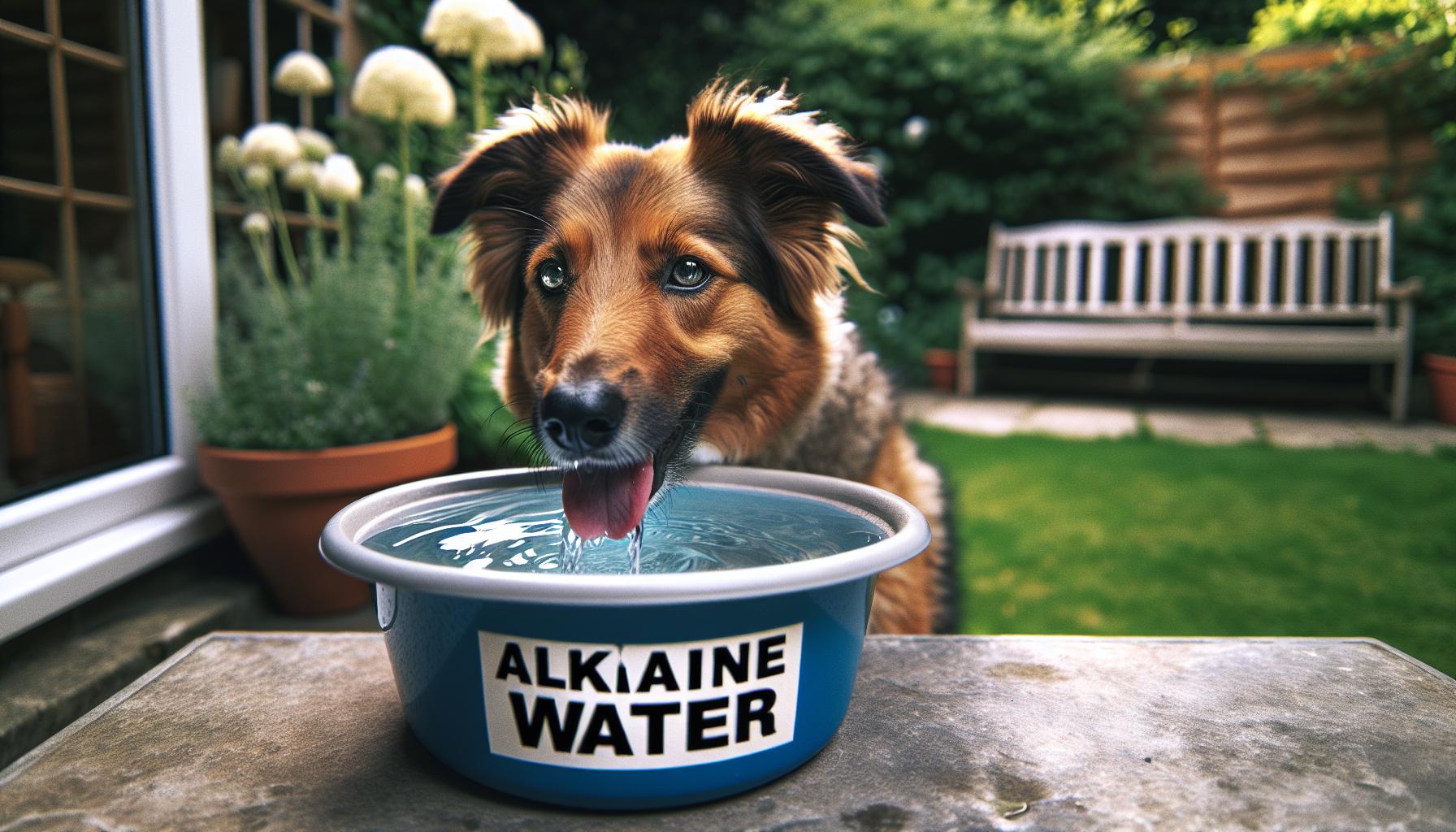
Potential Benefits of Alkaline Water for Dogs
Many dog owners are curious about how alkaline water might benefit their furry friends. The potential advantages of alkaline water stem from its higher pH, which some believe can contribute positively to a dog’s health. While enthusiasm for alkaline water is growing, understanding its benefits requires a closer look at what this type of water could mean for your pet’s well-being.
One of the primary claims surrounding alkaline water is that it may help in neutralizing acidity in the body. This is especially relevant for dogs that may be prone to certain health conditions related to acid accumulation. For example, conditions such as kidney disease can sometimes be exacerbated by high acidity in the body. By providing alkaline water, some owners have reported that their dogs show a noticeable improvement in energy levels and vitality, suggesting that it may aid in overall health. However, it’s vital to remember that these testimonials are anecdotal and not universally supported by scientific studies.
Another frequently cited benefit of alkaline water is its potential for improved hydration efficiency. Advocates argue that because alkaline water has a higher pH, it may be absorbed more readily by cells, leading to better hydration. This can be particularly advantageous for active breeds that require adequate hydration to support their energy levels, such as Border Collies or Labrador Retrievers. Adequate hydration is essential for maintaining optimal physical performance, so any factor that can enhance this process is worth considering.
Moreover, some proponents point to the antioxidant properties associated with alkaline water, indicating that it may combat oxidative stress and bolster overall health. While this aspect is still under research, the oxidation-reduction potential (ORP) of alkaline water is often highlighted by its supporters. A more favorable ORP could imply that the water acts as a better antioxidant, helping to protect your dog’s cells from damage caused by free radicals.
Ultimately, while the are enticing, responsible pet ownership entails careful consideration and consultation with a veterinarian before making any changes to your dog’s hydration routine. It’s crucial to approach its introduction gradually, monitoring how your pet responds, and ensuring that any dietary alterations align with their overall health needs.
Risks and Concerns: What Dog Owners Should Know
While many pet owners are eager to explore the potential advantages of alkaline water for their dogs, it’s equally important to consider the possible risks and concerns associated with its consumption. Just as with any dietary change, vigilance and informed decision-making play essential roles in ensuring your furry friend’s health and well-being.
One significant concern is how alkaline water may affect dogs that already have specific health conditions, particularly those related to kidney or urinary tract issues. Dogs with these conditions may require a careful balance of acidity and alkalinity in their diets. For these pets, introducing alkaline water could exacerbate these issues, leading to discomfort or more severe complications. Therefore, always consult with your veterinarian before introducing alkaline water to your dog’s diet, particularly if your dog has known health issues.
It’s also worth noting that not all dogs will respond the same way to alkaline water. While some pet owners report improvements in energy and overall health, others may experience adverse effects, such as frequent urination or gastrointestinal upset. These reactions can sometimes be linked to the water’s pH level, with extremely high pH values (like those above 9.0) possibly causing irritation in a dog’s stomach. It’s essential to monitor your pet closely after introducing alkaline water and adjust accordingly based on their reactions.
How to Safely Introduce Alkaline Water
If you’re determined to give alkaline water a try, consider introducing it gradually into your dog’s diet. You might start by mixing small amounts of alkaline water with their regular water to observe any reactions. This approach allows you to determine your dog’s tolerance while minimizing any potential digestive upset. Some general precautions to take include:
- Limit alkaline water intake to occasional use rather than making it a staple.
- Monitor your dog’s health and behavior closely after any changes in hydration habits.
- Be cautious with the source of alkaline water; ensure it’s from a reliable provider or springs known for their quality.
Overall, while the idea of enhancing your dog’s hydration with alkaline water is appealing, dog owners need to remain cautious. Making thoughtful, informed decisions will help ensure that your beloved pet remains healthy and happy while exploring new dietary choices. If you suspect a negative response after introducing alkaline water, don’t hesitate to return to regular water and consult your vet for further advice.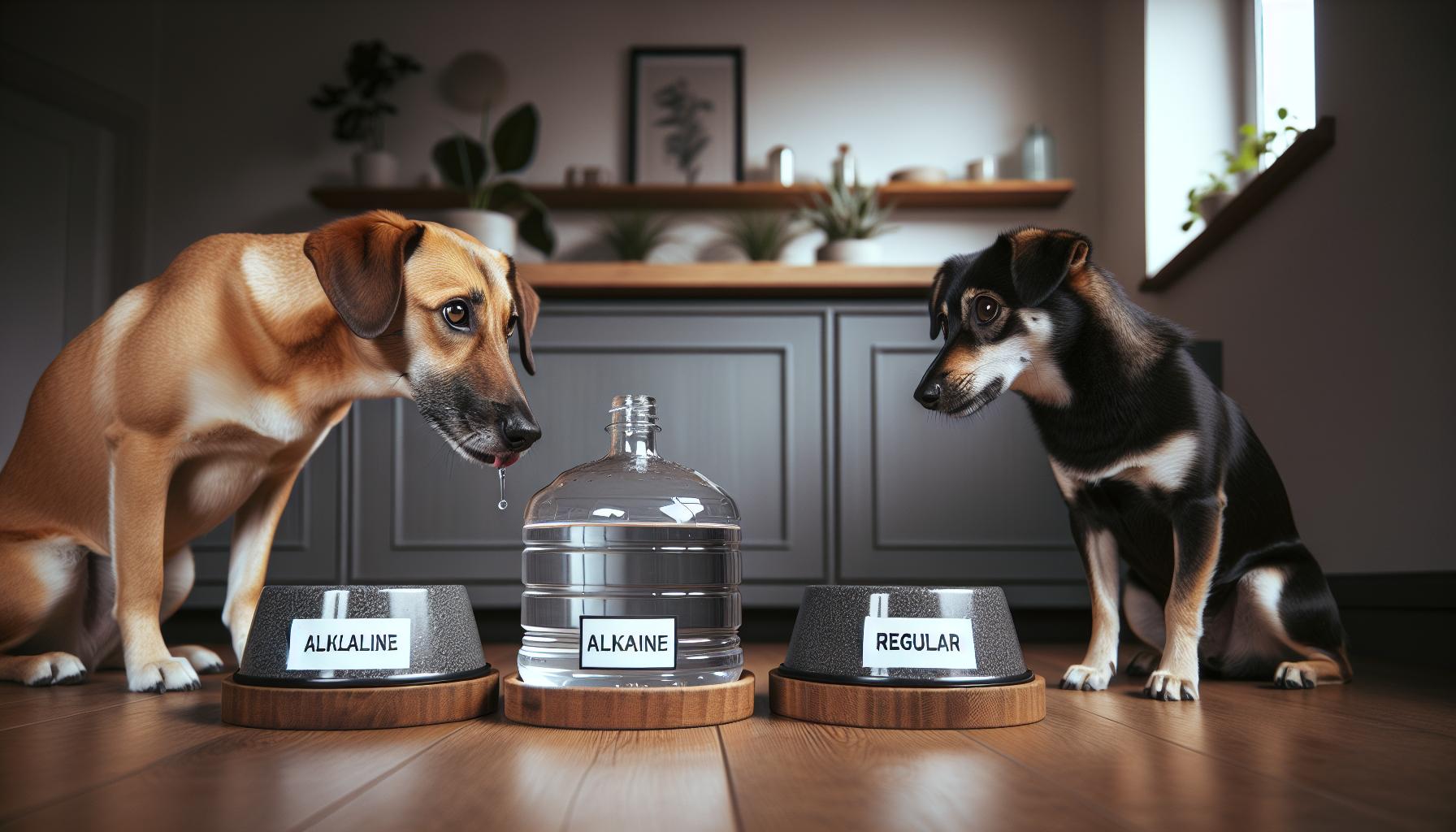
Comparing Alkaline vs. Regular Water for Your Dog
When it comes to ensuring your furry friend stays hydrated, the choice between alkaline water and regular water is a topic that ignites much discussion among pet owners. Both options can quench your dog’s thirst, but they differ in composition and potential effects on health. Regular tap or bottled water typically has a neutral pH of around 7, making it safe and suitable for daily hydration. In contrast, alkaline water features a higher pH, usually between 8 and 9, which some believe might help counteract acidity in a dog’s body. However, what does this mean for your dog, and how does it impact their health?
Regular Water: The Reliable Choice
Most veterinarians agree that regular water is essential for a dog’s overall health. It provides hydration without the risk of upsetting the delicate balance of pH levels within your pet’s system. Regular water is readily available, often filtered or treated to remove harmful substances, ensuring your dog receives clean and safe hydration. It suits dogs of all breeds and ages, helping to maintain proper organ function and digestion.
On the other hand, alkaline water may offer some benefits but should be approached with caution. Some proponents suggest that alkaline water can help with hydration and may neutralize excess acidity in the stomach. However, the science backing these claims is less robust, and there might be risks associated with excessive consumption, especially for dogs with specific health issues like kidney problems. It’s important to remember that high pH levels can potentially lead to gastrointestinal upset in sensitive individuals.
Considering the Benefits and Risks
When deciding between alkaline and regular water for your dog, consider the specific needs of your pet. For example, if your dog is healthy and active, regular water will likely suffice. However, if you’re considering introducing alkaline water, do so gradually. Monitor any changes in your dog’s behavior or health after consumption. Keep in mind that dogs with underlying health conditions may react differently to these changes. Consulting with your veterinarian can help you make an informed decision on what is best for your furry companion.
Ultimately, while alkaline water may have its enthusiasts, sticking with regular water is a safe and proven method to keep your dog hydrated. Remember, each dog is unique, and what works for one may not work for another. Always prioritize your dog’s comfort and health when exploring new hydration options.
How to Introduce Alkaline Water to Your Dog
Introducing alkaline water to your dog can be a thoughtful process, especially if you’re exploring alternatives to regular water. Many pet owners are curious about the potential benefits of alkaline water, such as its higher pH level, which some believe might help manage acidity in the body. However, transitioning to a new type of water should always be approached with care to ensure the well-being of your furry friend.
Start by mixing alkaline water with your dog’s regular water. This gentle approach allows your dog to adjust to the new taste without causing a sudden change in their hydration routine. Consider a ratio of 25% alkaline water to 75% regular water at first. Gradually increase the proportion of alkaline water over a week or so, observing how your dog responds to the change. Watch for any signs of discomfort, such as lethargy or gastrointestinal upset, and consult your veterinarian if you notice anything unusual.
Make the transition more engaging by offering the alkaline water in a clean, fresh bowl at specific times of the day, perhaps after walks or play sessions. Creating a routine can reinforce positive hydration habits. If your dog seems hesitant, you might entice them by adding a splash of low-sodium broth or mixing in a favorite treat. Making it a positive experience is key.
Lastly, it’s essential to monitor your dog’s health throughout this transition. Keep an eye out for any changes in their behavior, bathroom habits, or appetite, especially if they have pre-existing health issues affecting their kidneys or digestion. Engaging with your vet about any concerns or observations can provide invaluable insight, ensuring that you make the best choices for your furry companion’s hydration needs. Remember, every dog is unique, so what works for one may not work for another!
Signs Your Dog Might Be Affected by Alkaline Water
When introducing alkaline water into your dog’s routine, it’s crucial to be vigilant and observant during this transition. Just like humans, dogs can exhibit signs of discomfort or adverse reactions when consuming something new. If your furry friend is sensitive to changes in their diet or hydration, specific signals can help you determine if alkaline water is affecting them negatively.
Pay attention to your dog’s behavior and physical condition. Common signs of discomfort might include:
- Gastrointestinal Upset: Vomiting or diarrhea are key indicators that your dog may not be adjusting well to alkaline water. If these symptoms persist for more than a day or two, it’s wise to consult your veterinarian.
- Changes in Appetite: A sudden decrease in your dog’s desire to drink or eat can signal that the alkaline water is not agreeing with them. Keep track of their food and water intake to notice any significant changes.
- Lethargy: If your pup seems more tired or sluggish than usual, it could be a response to the hydration change. Dogs should show energy and enthusiasm, especially after playtime or walks. An ongoing lack of vitality is a cause for concern.
- Excessive Thirst or Urination: While some increased thirst may be expected with a dietary change, excessive thirst or frequent urination can indicate a problem. If you notice your dog is drinking significantly more water without increased activity, this may be a warning sign.
It’s also important to consider breed-specific responses. For example, breeds prone to kidney issues, such as Shih Tzus or Dachshunds, might react differently to alkaline water. They could experience heightened risks, making it crucial to involve a vet in discussions about hydration changes.
If you do notice any of these signs, it’s advisable to revert to regular water until you’ve had the chance to consult with your veterinarian. They can provide tailored advice and discuss whether the alkaline water is suitable for your dog’s specific needs. After all, your dog’s health is at the forefront of this decision, and ensuring they thrive while staying hydrated should always be your top priority!
Breed-Specific Considerations for Alkaline Water
When considering alkaline water for your dog, it’s important to recognize that different breeds can react quite differently due to their unique health profiles and genetic predispositions. For instance, some breeds are more susceptible to certain health issues, including kidney problems, which can make them less tolerant of the higher pH levels found in alkaline water. This is particularly true for smaller breeds, such as Shih Tzus and Dachshunds, who are known to face greater risks associated with renal health.
For larger breeds, such as Great Danes or Labrador Retrievers, the metabolic rates and overall hydration needs can affect how they handle changes in their water. While these breeds might adapt to alkaline water without issues, close observation during the transition is still vital. Noticing any shifts in their behavior or health after introducing alkaline water can help identify potential problems early on. Keep in mind that dogs with prior health conditions, whether they relate to kidneys or gastrointestinal sensitivity, may face more significant challenges when exposed to alkaline variations.
Another noteworthy consideration lies with breeds that have a higher likelihood of developing digestive issues, like Bulldogs or Boxers. These dogs may experience gastrointestinal upset when introduced to alkaline water, so it’s advisable to approach any hydration changes cautiously. Starting with small amounts and gradually increasing can help gauge their tolerance.
To further assist owners in navigating these breed-specific concerns, it’s beneficial to maintain a checklist when introducing alkaline water:
- Consult your veterinarian: Before making any hydration changes, especially for sensitive breeds.
- Monitor health signs: Keep a close eye on appetite, energy levels, and any signs of gastrointestinal distress.
- Gradual introduction: Begin by mixing alkaline water with regular water to ease the transition.
- Stay observant: Track any changes in drinking habits or behavior for deeper insights.
By understanding the specific needs of your dog’s breed and following these practical steps, you can make informed decisions about their hydration. Always prioritize your dog’s health and comfort, ensuring that any dietary adjustments support their overall well-being.
Hydration Tips for Dogs: Keeping Them Safe
Ensuring your furry friend stays hydrated is crucial for their overall health and well-being. With a myriad of options on the market, including alkaline water, it’s essential to make informed decisions about what you offer your pet. Dogs require consistent access to fresh water, which aids in digestion, nutrient absorption, and temperature regulation. While alkaline water can be a part of their hydration routine, there are significant considerations to ensure that it benefits and not harms your beloved companion.
One primary tip is to monitor your dog’s water intake. Dogs can exhibit varied preferences-some may drink more when provided with fresh, clean water, while others might be more selective. Keep an eye on their drinking habits, especially during hot weather or after exercise. If you introduce alkaline water, start by mixing it with their regular water, gradually increasing the ratio to monitor for any adverse reactions. If your dog experiences changes in appetite, energy, or digestion, it may be wise to revert to their plain water.
For specific breeds, hydration tips can vary. For example, Bulldogs or Boxers-often sensitive to dietary changes-may benefit from a more gradual introduction of alkaline water. Smaller breeds like Shih Tzus, prone to kidney issues, should have their hydration monitored closely to avoid complications. To help navigate these breed-specific needs, consider keeping a hydration checklist:
- Observe water consumption: Track how much your dog drinks daily.
- Monitor for changes: Look for signs of discomfort or changes in health.
- Consult your vet: Discuss any adjustments in their hydration routine.
- Keep water clean: Regularly replace and clean their water bowl.
By being attentive to your dog’s hydration needs and responsive to their reactions, you can help them thrive while exploring the benefits of different water types. Remember, loving pet ownership involves keen observation and making informed choices that support your dog’s well-being.
Veterinary Perspectives on Alkaline Water for Pets
Understanding the impact of what we give our pets is crucial, especially when it comes to something as essential as water. Many dog owners have turned to alkaline water, hoping for potential health benefits. However, the veterinary community offers a balanced perspective on the subject, emphasizing that while some dogs might benefit from alkaline water, others could experience adverse effects.
Veterinarians generally agree that alkaline water can be consumed by dogs, particularly if they’re otherwise healthy. Some studies suggest that alkaline water may help reduce body acidity, potentially easing stress on the kidneys and supporting better hydration. However, it’s important to be cautious, especially for breeds predisposed to health issues. For instance, dogs with kidney problems or certain metabolic conditions should be monitored closely when introducing alkaline water into their diet. The increase in pH might not be suitable for these animals, potentially leading to further complications if not managed correctly.
When considering the introduction of alkaline water, veterinarians often recommend a gradual approach. Mixing it with plain water can help your dog acclimatize. It’s essential to observe how your dog reacts-signs of discomfort, changes in appetite, or unusual behavior should prompt a return to regular water and consultation with a veterinarian. This step is particularly vital for sensitive breeds such as Bulldogs, Boxers, and smaller dogs like Shih Tzus, known to be more susceptible to kidney-related issues.
It’s crucial to maintain an open line of communication with your veterinarian, who can provide tailored advice based on your dog’s individual needs. Many vets emphasize the importance of prioritizing hydration through fresh, clean water regardless of its alkalinity, ensuring your dog remains healthy and hydrated. Remember, incorporating new practices like alkaline water should always be a collaborative effort with veterinary guidance to ensure your furry friend’s health remains the top priority.
Common Myths About Alkaline Water and Dogs
Many dog owners encounter various misconceptions about alkaline water and its effects on their furry companions. One prevalent myth is that alkaline water is universally beneficial for all breeds. While it is true that some dogs may experience potential benefits, such as improved hydration or reduced acidity in the body, this doesn’t apply to every dog. Breeds predisposed to renal issues, like Bulldogs, Boxers, and Shih Tzus, may find that the higher pH levels of alkaline water could aggravate existing health problems, rather than alleviate them.
Another common belief is that alkaline water can significantly cure or prevent specific diseases in dogs. While anecdotal evidence supports claims that alkaline water can help with conditions like obesity or kidney dysfunction, scientific research has not definitively proven this connection. Instead, it’s essential to view alkaline water as one aspect of a well-rounded approach to your dog’s health, which should primarily include fresh, clean water, a balanced diet, and regular veterinary care. Consulting with a veterinarian before making any significant changes to your dog’s drinking habits is crucial.
Many pet owners also assume that they should exclusively provide alkaline water, thinking it will enhance their dog’s well-being. However, this overlooks the importance of maintaining variety in your dog’s diet and hydration sources. It can be beneficial to mix alkaline water with regular water to help your pet adjust gradually while also ensuring they receive adequate hydration without overwhelming their system.
Lastly, some owners believe that all forms of alkaline water are created equal. It’s important to note that the mineral content and pH levels can vary significantly between different brands and sources. Doing thorough research and consulting a veterinarian can help identify the best option tailored to your dog’s specific needs. By debunking these myths, dog owners can make informed decisions about incorporating alkaline water into their pets’ diets, ensuring their furry friends thrive.
Making Informed Choices: What’s Best for Your Pet
Making informed choices about your dog’s hydration is essential for their health and well-being. One compelling point to consider is that while many pet owners look into alkaline water to enhance their dogs’ vitality, it’s crucial to approach this choice with balanced knowledge. Dogs’ hydration needs can vary based on factors such as age, breed, activity level, and existing health conditions. Before making any changes, it’s advisable to consult your veterinarian to ensure that the water you offer aligns well with your dog’s specific health requirements.
When considering whether to introduce alkaline water into your dog’s diet, it’s useful to weigh the potential benefits against any risks. Alkaline water is proposed to neutralize excess acidity in the body, which may help alleviate strain on the kidneys in some dogs. For others, particularly those with predispositions to kidney issues, a higher pH might pose challenges rather than benefits. It might be beneficial to start with a gradual introduction of alkaline water, perhaps by mixing it with regular water, allowing your dog to adapt without overwhelming their system.
Breed-Specific Guidance
Understanding the specific needs of different breeds can significantly impact your decision. For example, larger breeds like Golden Retrievers and Labradors benefiting from introduced alkaline water may differ in response compared to smaller breeds like Chihuahuas or dogs prone to renal concerns. It’s best to monitor reactions closely. Common signs of distress from inappropriate hydration sources can include vomiting, excessive lethargy, or changes in urination patterns, signaling that a reevaluation of their water intake is necessary.
To facilitate better hydration practices, consider maintaining a hydration checklist:
- Provide Freshwater Daily: Ensure your dog has access to fresh, clean water-whether alkaline or regular-at all times.
- Monitor Their Response: Observe how your dog reacts to new water types, adjusting as necessary.
- Consult Your Vet: Share any observations or concerns with your veterinarian.
- Maintain Variety: Balance alkaline water with regular water to promote a diverse hydration approach.
Ultimately, the goal is to ensure your furry friend is hydrated and happy. By educating yourself about their specific needs and bringing proactive care into the mix, you can make choices that promote optimal health and longevity for your canine companion.
Frequently Asked Questions
Q: Is alkaline water beneficial for my dog’s health?
A: Alkaline water is often considered beneficial for dogs due to its potential to reduce acidity in their bodies, which may alleviate stress on the kidneys and improve hydration. However, consult your vet to ensure it’s appropriate for your dog’s specific health needs.
Q: How much alkaline water can I safely give my dog?
A: Dogs can generally drink alkaline water in moderation, similar to regular water. Start with small amounts and observe your pet’s reaction. If you notice any adverse effects, reduce the intake and consult your veterinarian for tailored advice.
Q: Can puppies drink alkaline water?
A: Puppies can drink alkaline water in moderation, but their digestive systems are still developing. It’s essential to prioritize regular, fresh water for hydration and consult your vet before introducing alkaline water to ensure it meets their needs.
Q: Are there any side effects of giving dogs alkaline water?
A: While many dogs tolerate alkaline water well, some might experience gastrointestinal upset, such as diarrhea or vomiting. Monitor your dog’s reaction when introducing it and consult your vet if you observe any negative symptoms.
Q: How does alkaline water compare to regular water for dogs?
A: Alkaline water has a higher pH level than regular water. It may help dogs with specific health issues, but there’s limited scientific evidence to suggest it’s superior. Regular water remains essential for hydration, so balancing both types is key.
Q: What pH level is safe for dogs in alkaline water?
A: Alkaline water typically has a pH ranging from 7.5 to 9.5. Providing water in this range is generally safe for dogs, but always observe your dog’s reactions and consult a veterinarian for personalized recommendations.
Q: Should I consult my vet before switching to alkaline water for my dog?
A: Yes, it’s advisable to consult your veterinarian before switching to alkaline water, especially if your dog has underlying health conditions. Your vet can provide guidance tailored to your dog’s specific needs and health condition.
Q: What should I look for when choosing alkaline water for my dog?
A: When selecting alkaline water for your dog, look for products free from additives or harmful minerals. Ensure the pH level is appropriate (ideally between 7.5 and 9.5) and consider how the water is sourced and purified to ensure quality.
Each of these answers is designed to be concise, informative, and easily understood, providing valuable insights for dog owners contemplating alkaline water. For more comprehensive guidance on this topic, check sections such as “Potential Benefits of Alkaline Water for Dogs” in our main article.
Wrapping Up
As we’ve explored, giving your dog alkaline water can be a safe and potentially beneficial choice, helping to balance acidity in their body and reduce stress on their kidneys. If you’re ready to make the switch, consider keeping an eye on how your furry friend responds to any changes in their drinking habits. Your dog’s health and happiness are paramount, so ensure you’re informed and confident in this decision!
For further insights, check out our articles on “Best Hydration Practices for Dogs” and “Understanding Dog Diets: What to Feed Your Furry Friend”. Don’t hesitate to join our community by signing up for our newsletter for more tips, expert advice, and updates on pet care. Feel free to comment below with your experiences or questions-your feedback not only helps us improve but also empowers fellow dog owners!
In the meantime, keep exploring: discover how to enrich your dog’s life through proper nutrition, exercise, and mental stimulation. A happy, healthy dog equals a happy owner, so let’s make that happen together!